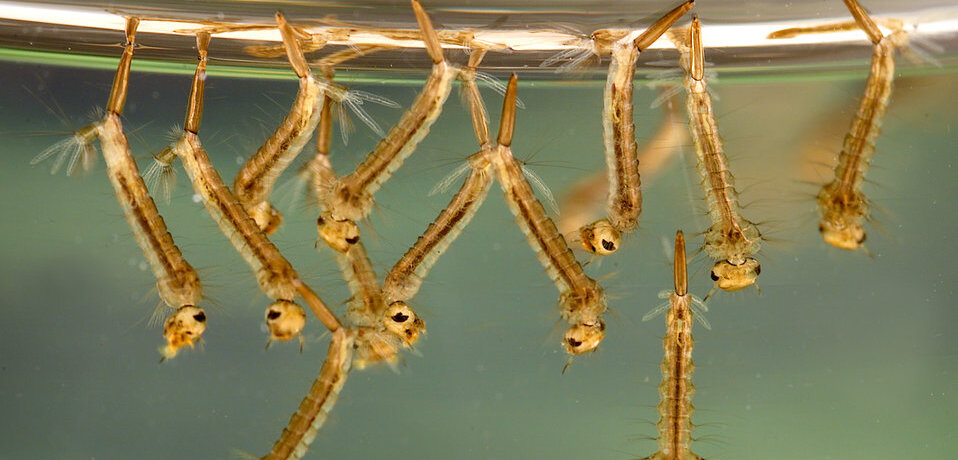

Dealing with mosquitoes can be a real challenge, especially when they invade your yard and disrupt your outdoor enjoyment. Luckily, nature has provided us with natural allies in the fight against these pesky insects! By attracting certain animals and insects to your garden, you can significantly reduce the mosquito population and create a more pleasant outdoor environment.
In this article, I’m excited to share eight animals and insects that feast on mosquitoes and tips on how to attract them to your yard. These natural predators can help you maintain a balanced ecosystem while keeping those bothersome mosquitoes at bay. Let’s dive into these fascinating creatures and discover how you can invite them into your garden!
Bats

Bats are incredible mosquito hunters, capable of eating thousands of insects in a single night! These nocturnal mammals are efficient predators and can significantly reduce mosquito populations around your home. Attracting bats to your yard is an eco-friendly way to manage pests.
To attract bats, install bat houses in your yard. These structures provide safe roosting sites for bats and should be placed at least 12 to 15 feet above the ground in a sunny spot. Bats prefer quiet areas, so place the bat houses away from high-traffic zones. Additionally, avoid using pesticides, as they can harm bats and reduce their food supply.
Dragonflies
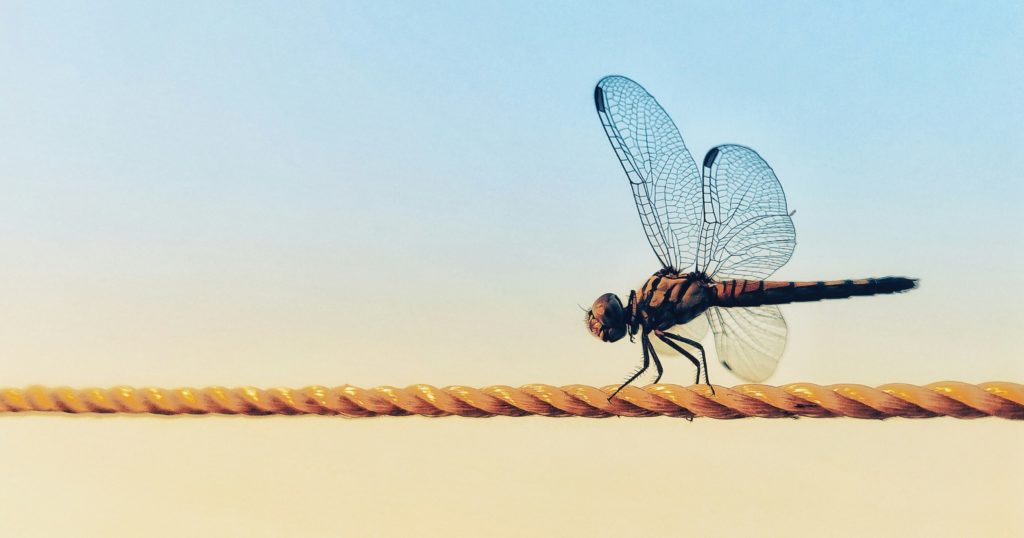
Dragonflies, often referred to as “mosquito hawks,” are voracious predators of mosquitoes. Both adult dragonflies and their larvae, known as nymphs, feed on mosquitoes, making them excellent allies in mosquito control. Dragonflies are not only beneficial but also add a touch of elegance to your garden with their graceful flight and vibrant colors.
To attract dragonflies, create a water feature in your yard, such as a pond or water garden. Dragonflies lay their eggs in water, and their larvae develop in aquatic environments. Ensure the water feature has a variety of plants and structures for perching. Avoid using chemicals in and around the water to maintain a healthy habitat for dragonflies.
Birds
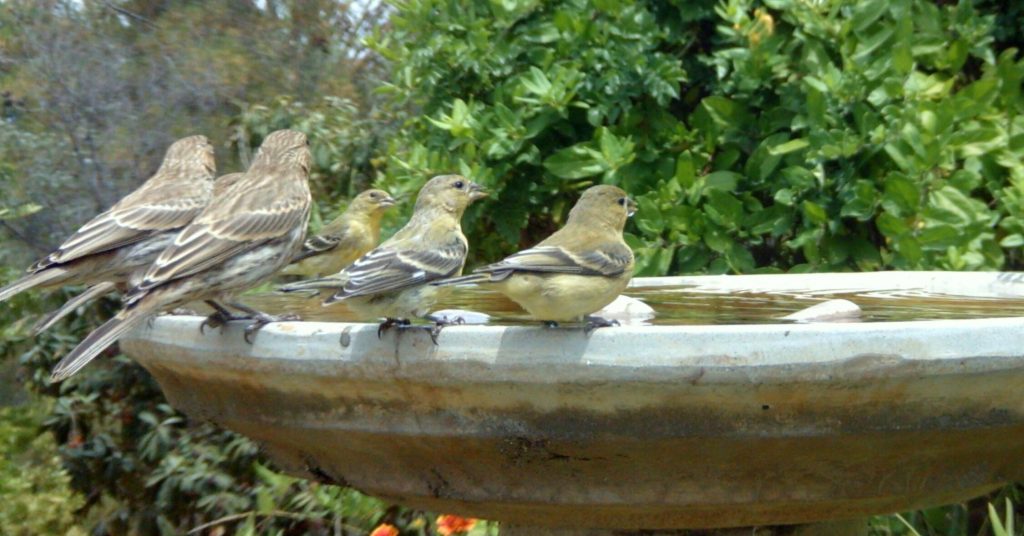
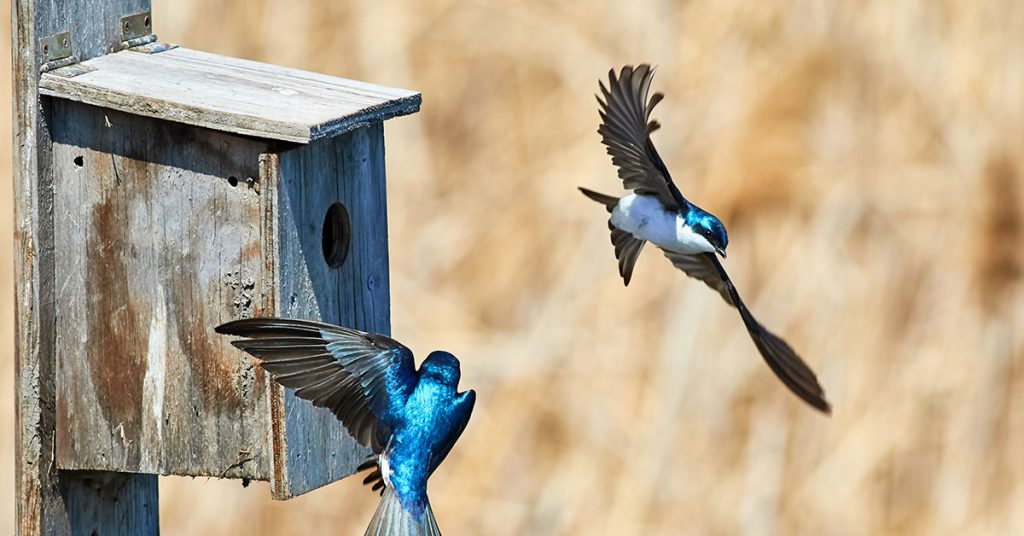
Many bird species, including swallows, purple martins, and warblers, consume mosquitoes as part of their diet. Birds can be highly effective in controlling mosquito populations, and they also add beauty and song to your garden.
To attract birds to your yard, provide bird feeders, birdbaths, and nesting boxes. Plant native trees and shrubs to offer shelter and food sources. A diverse garden with flowering plants will attract insects, which in turn attracts birds. Keep the birdbaths clean and filled with fresh water, and avoid using pesticides to ensure a healthy environment for the birds.
Frogs

Frogs are fantastic mosquito eaters, with both adults and tadpoles consuming large numbers of mosquitoes and their larvae. Frogs are especially effective in controlling mosquitoes in and around water features, making them valuable allies in your garden.
To attract frogs, create a pond or water feature with shallow edges and plenty of aquatic plants. Provide hiding places like rocks, logs, and dense vegetation around the water. Avoid using chemicals in and around the water feature to maintain a safe environment for frogs. By creating a frog-friendly habitat, you’ll enjoy fewer mosquitoes and the soothing sounds of frog calls!
Toads

Toads, like frogs, are excellent at controlling mosquito populations. They primarily feed on insects, including mosquitoes, and can be a valuable addition to your garden ecosystem. Toads are particularly beneficial in gardens with moist, shady areas.
To attract toads, provide shelter by placing overturned flowerpots, logs, or rocks in shady spots. Create a small, shallow water feature for drinking and breeding. Toads prefer damp, cool environments, so ensure there are plenty of moist areas in your garden. Avoid using pesticides, as they can harm toads and reduce their food supply.
Spiders

Spiders might not be everyone’s favorite garden inhabitants, but they are incredibly effective at controlling mosquito populations. Many spider species build webs that capture mosquitoes and other flying insects, providing a natural pest control solution.
To attract spiders, create a diverse garden with a variety of plants that provide hiding places and hunting grounds. Leave some areas undisturbed, allowing spiders to establish their webs. Avoid using pesticides, as they can kill spiders and reduce their prey. By encouraging spiders in your garden, you’ll enjoy fewer mosquitoes and a more balanced ecosystem!
Fish

Fish, especially mosquito fish (Gambusia affinis), are excellent at controlling mosquito larvae in water features. These small, hardy fish feed on mosquito larvae, preventing them from maturing into biting adults. Introducing fish to your pond or water garden can significantly reduce mosquito populations.
To attract and support fish, ensure your water feature is well-maintained and free of pollutants. Provide hiding places like aquatic plants and rocks. Avoid using chemicals in and around the water, as they can harm the fish. Regularly check the water quality and ensure the fish have enough food. Fish will not only help control mosquitoes but also add life and movement to your water garden!
Ladybugs
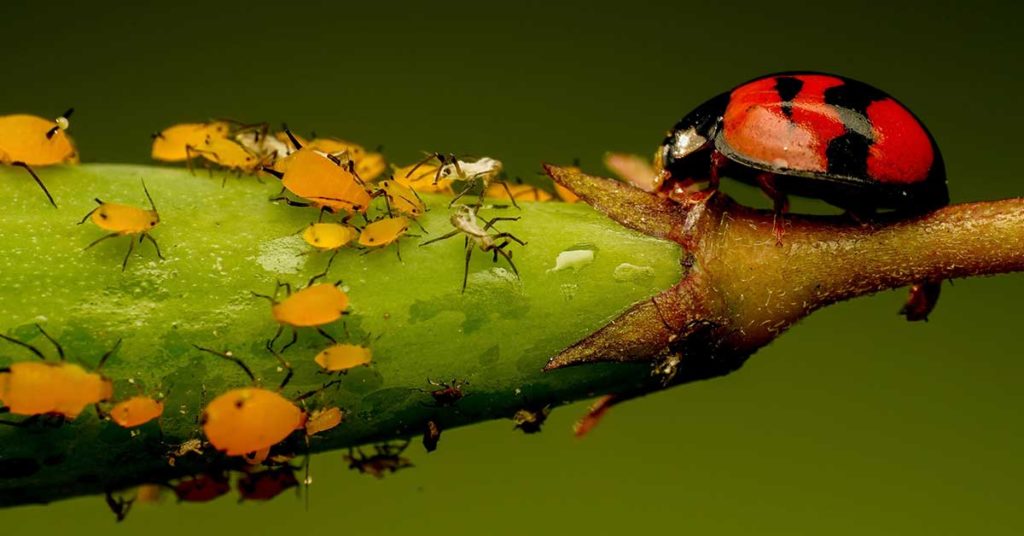
Ladybugs are well-known for their appetite for aphids, but they also consume other small insects, including mosquitoes (if they can catch them). Ladybugs aren’t a significant mosquito predator, but they may be able to get ahold of male mosquitoes that feed primarily on nectar. These beneficial insects are a welcome addition to any garden, providing natural pest control and contributing to a healthy ecosystem.
To attract ladybugs, plant a variety of flowering plants that provide nectar and pollen. Herbs like dill, fennel, and cilantro are particularly attractive to ladybugs. Avoid using pesticides, as they can kill ladybugs and other beneficial insects. By creating a diverse and pesticide-free garden, you’ll encourage ladybugs to take up residence and help control mosquitoes and other pests.
Tips for Attracting Mosquito-Eating Animals and Insects
- Provide Water: Many mosquito-eating animals and insects are attracted to water sources. Create ponds, birdbaths, or water features to provide drinking and breeding sites. Just be mindful that these will also attract mosquitoes.
- Plant Diversity: A diverse garden with a variety of plants will attract a wide range of beneficial creatures. Include native plants, flowering plants, and shrubs to create a rich habitat.
- Avoid Pesticides: Chemical pesticides can harm beneficial animals and insects. Opt for natural pest control methods to maintain a healthy ecosystem.
- Provide Shelter: Create hiding places and nesting sites with rocks, logs, birdhouses, and dense vegetation. This will encourage animals and insects to take up residence in your garden.
- Maintain Your Garden: Regularly check and clean water features, birdbaths, and feeders. Ensure your garden remains a safe and inviting environment for mosquito-eating animals and insects.
By attracting these natural mosquito predators to your garden, you can enjoy a more pleasant outdoor space with fewer pests.