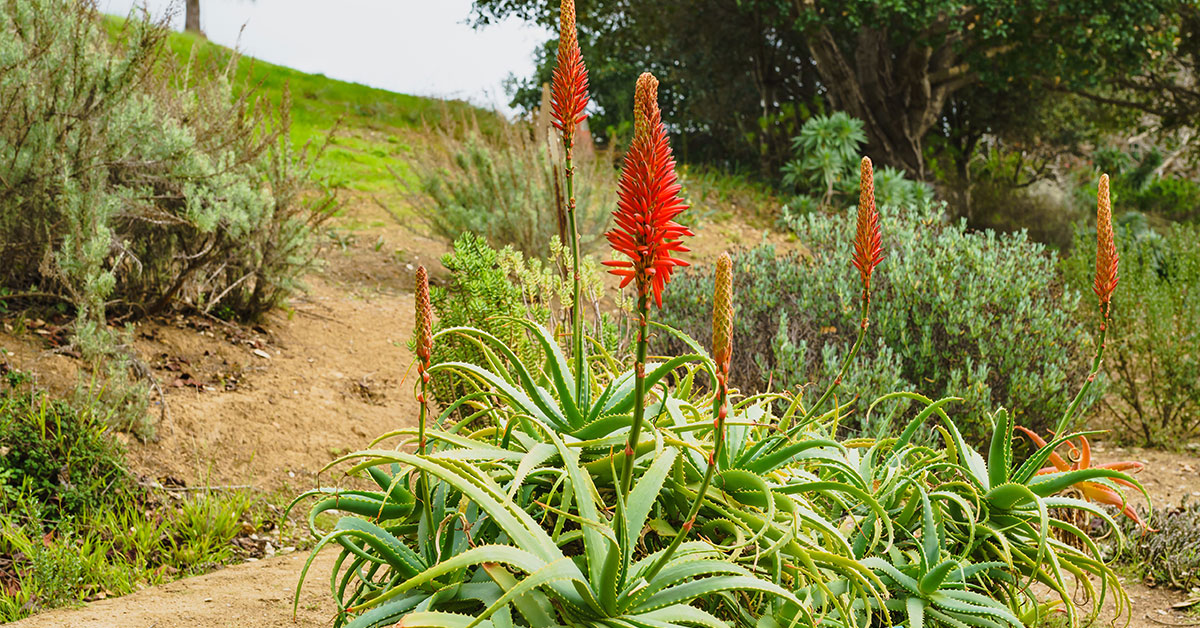

It’s such a thrill when your aloe vera bursts into bloom, sprouting tall stalks crowned with vibrant, tubular flowers! Native to the arid regions of the Arabian Peninsula, aloe is accustomed to dramatic shifts—intense sun by day, cooler nights, and almost no water in between. When grown indoors, replicating those conditions can feel tricky, but with a few targeted tweaks, you’ll encourage your aloe to reward you with stunning blooms.
I know how frustrating it is to tend a lush rosette of spiky leaves only to see no hint of those iconic orange or yellow flowers. You’re not alone! Let’s walk through seven garden-tested strategies—from perfect lighting to tailored fertilizing—that will help coax your aloe into its most spectacular flowering season yet.
Provide Bright, Direct Light
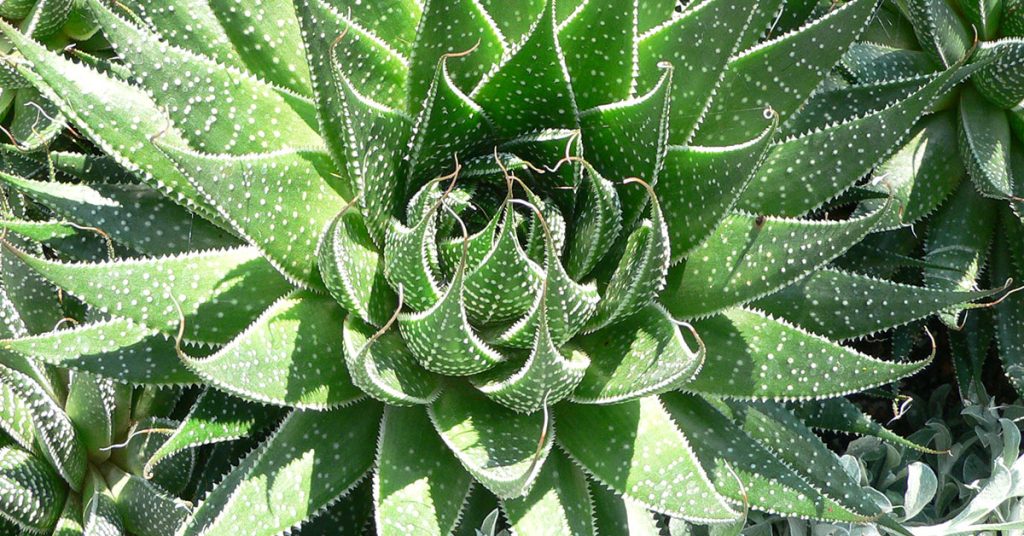
Aloe vera thrives on abundant sunshine—ideally six to eight hours of bright, direct light daily. Position your pot on a south- or west-facing windowsill where the plant soaks up intense rays. If you notice leaves stretching or paling, they’re begging for more sun exposure!
While aloes aren’t invasive climbers, insufficient light will keep energy focused on leaf growth rather than blooms. One of my favorite tricks is to rotate the pot every week so each side receives equal sunshine, encouraging even growth and boosting the plant’s hormonal signals that trigger flowering.
Mimic Winter Dormancy with Cooler Nights

In its native habitat, aloe experiences hot days and cool nights, especially in winter. To encourage bloom initiation, allow indoor temperatures to drop to around 50–55°F (10–13°C) for several weeks during the late fall or early winter. This temperature dip imitates the plant’s natural dormant period and signals it to prepare for flowering.
I know cranking the heat down can feel counterintuitive when you’re cozy indoors, but it’s such a delight to see that first stiff flower stalk emerge after a cooler spell! Just be sure to avoid frost—aloe leaves can’t handle true freezes.
Use a Phosphorus-Rich Fertilizer
While general-purpose houseplant fertilizers boost foliage, flowering demands extra phosphorus. In early spring, switch to a bloom-promoting mix—look for an N-P-K ratio like 5-10-5—and feed sparingly once a month. Too much nitrogen can result in lush green leaves but no flowers!
It’s amazing how quickly your aloe perks up when it gets the right balance of nutrients. I’ve watched tiny buds appear just a couple of weeks after the first phosphorous-rich feeding, proof that the right “diet” makes all the difference!
Ensure Well-Draining Soil

Aloe hates “wet feet.” Use a specialized cactus or succulent mix—usually a blend of coarse sand, perlite, and potting soil—to ensure rapid drainage. If your aloe sits in waterlogged soil, roots suffocate and blooms won’t form. Remember, it’s non-invasive, so you can repot freely without worrying about runaway roots.
I like to test drainage by watering and then observing how quickly excess moisture trickles through. When soil dries out within a couple of days, I know it’s perfect. Plus, that fast dry-down mimics the plant’s desert origins, helping it allocate energy toward reproductive growth!
Water Deeply, Then Let Soil Dry

In late winter and early spring—just before the flowering season—water your aloe thoroughly, allowing water to flow out the drainage holes. Then let the soil dry completely before the next soak. This wet-and-dry cycle simulates sporadic desert rains, encouraging the plant to “think” it must reproduce (i.e., bloom) to set seed.
Overwatering—or frequent light misting—only promotes leaf plumpness, not flowers. I remind myself that aloes are succulents meant to endure dry spells. Trusting in a deeper, less frequent watering routine has yielded my most impressive flower spikes yet!
Repot When Rootbound

A snug pot can stress aloe just enough to trigger blooming—but only up to a point. If roots circle violently around the soil mass or push the plant upward, it’s time for a slightly larger container. Choose a pot just one size up, and refill with fresh succulent mix to refresh nutrients.
After repotting, give your aloe a few weeks to adjust before asking it to bloom. I love how a newly potted aloe seems to stand a little taller, ready to channel that cozy root pressure into sending up a glorious flower stalk!
Provide Gentle Humidity and Airflow
Although aloe is desert-adapted, a touch of ambient humidity (around 40–50%) combined with good air circulation helps prevent pests and keeps the plant healthy enough to bloom. Position near a humidifier or place a pebble tray half-filled with water nearby—but never let roots touch moisture.
Adequate airflow also deters fungal issues on the flower stalk. I often open a nearby window for a few hours on calm days, creating a gentle breeze that mimics the plant’s native highland breezes. Healthy, pest-free foliage means more energy is available for those spectacular flowers!