

Monarch butterflies are in serious trouble. Western monarch counts recorded a drop from 233,394 butterflies in 2023 to just 9,119 in 2024, a decline of roughly 96 percent. Meanwhile, a study published in the journal Science found that the total number of butterflies across 554 recorded species in the United States has fallen by 22 percent over the past two decades.
The good news is that your yard can genuinely make a difference. While the relationship between milkweed and the monarch butterfly is well known, less appreciated is the importance of nectar plants in monarch conservation efforts. Researchers suggest nectar plants are one of the most limiting factors affecting monarch populations. These seven native flowers give monarchs exactly what they need, from caterpillar host sites to rich fall nectar for the long migration south.
1. Common Milkweed (Asclepias syriaca): The Indispensable Monarch Host
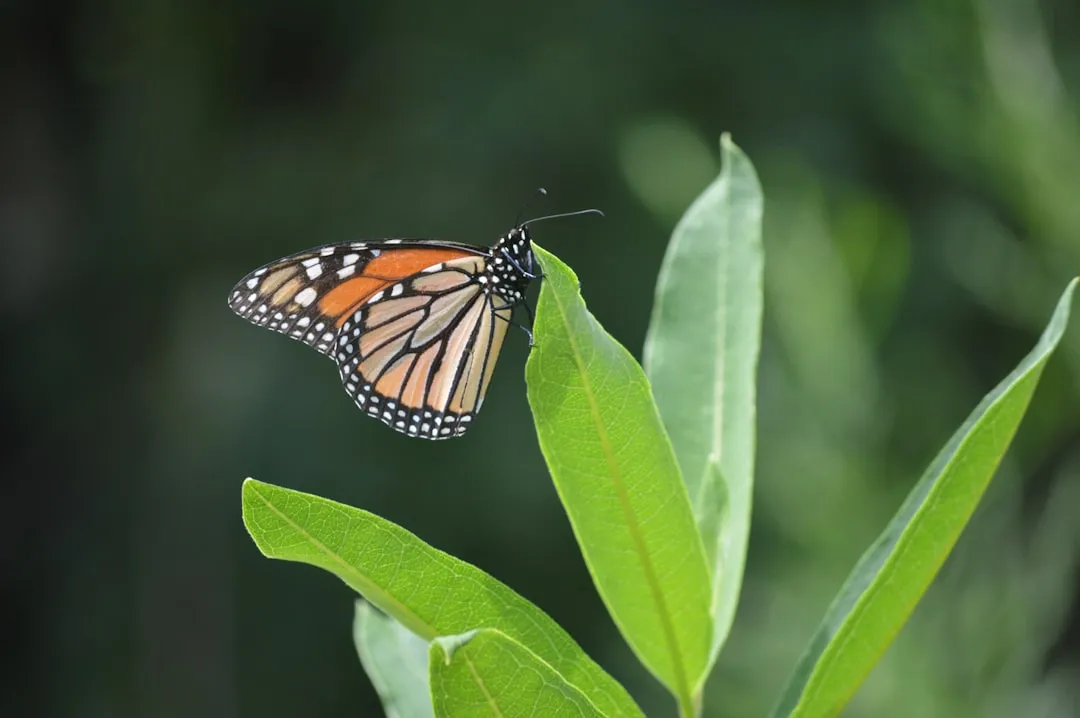
Monarch caterpillars are picky eaters. They can only eat one thing: milkweed. Milkweed is what we call their “host plant,” meaning that the caterpillar depends on it as a food source and cannot survive without it. Without this plant in your yard, monarchs may visit but they will never breed there.
With a range covering 39 states, common milkweed is a tall summer bloomer for open spaces that requires full sun. Globes of pink-purple stars shine on plants from June through August. It is an extremely aggressive spreader, forming large colonies that spread not just by seed, but also by underground roots called rhizomes, so give it a generous corner of your yard to roam freely.
According to an ARS and Iowa State University study of nine milkweed species native to Iowa, female monarch butterflies laid eggs in all nine milkweeds, but swamp milkweed and common milkweed averaged the highest number of eggs. That study-backed preference makes this one of the most impactful plants you can put in the ground. Plant it in clumps in full sun and watch it work.
2. Butterfly Weed (Asclepias tuberosa): The Compact Powerhouse
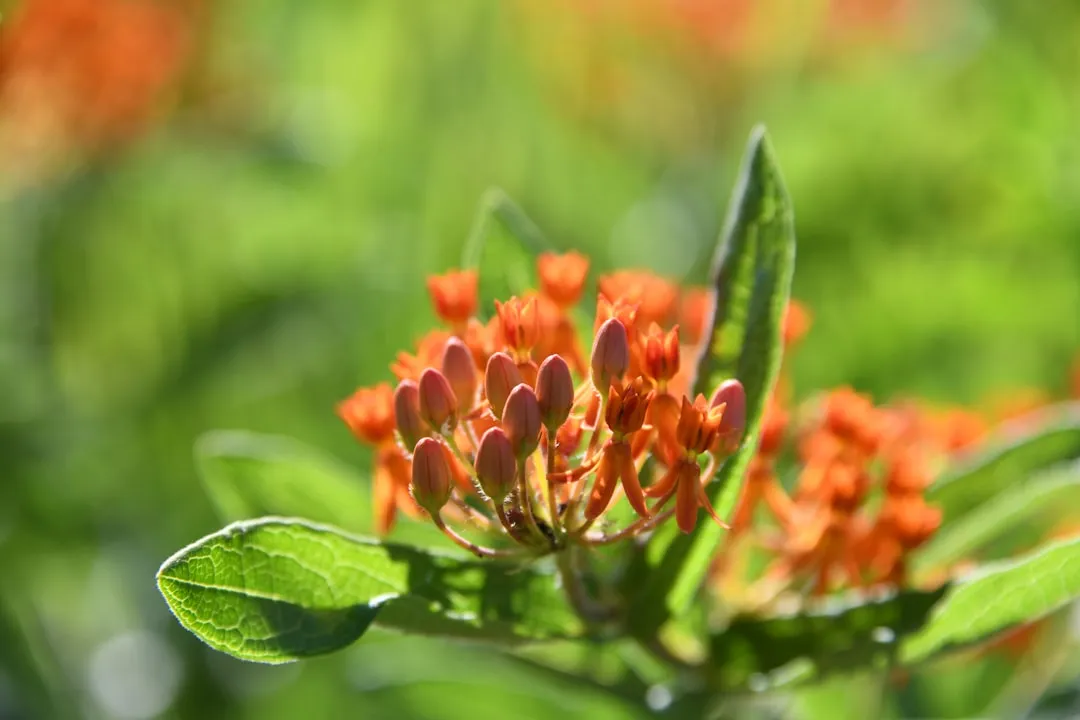
Butterfly weed is the most widely recognized native milkweed. Its showy clusters of bright reddish-orange flowers bloom late spring through fall. This native wildflower grows 12 to 15 inches high in a bushy form and has coarse lance- or oval-shaped leaves.
With a broad range growing in 43 states, butterfly weed glows in warm golds and oranges. Its flat-topped clusters are showy all the way from May through September. Besides monarchs, butterfly weed is a host plant for gray hairstreak and queen caterpillars.
Butterfly weed grows throughout most of the monarch’s range and is widely used by migrating spring monarchs to rear offspring. With brilliant orange blooms opening late spring, this showy milkweed is a favorite among butterflies and gardeners alike. Because it grows naturally in sandy habitats, it adapts well to dry landscapes, making it one of the most forgiving choices for low-maintenance gardens.
3. Swamp Milkweed (Asclepias incarnata): The Wet Garden Champion
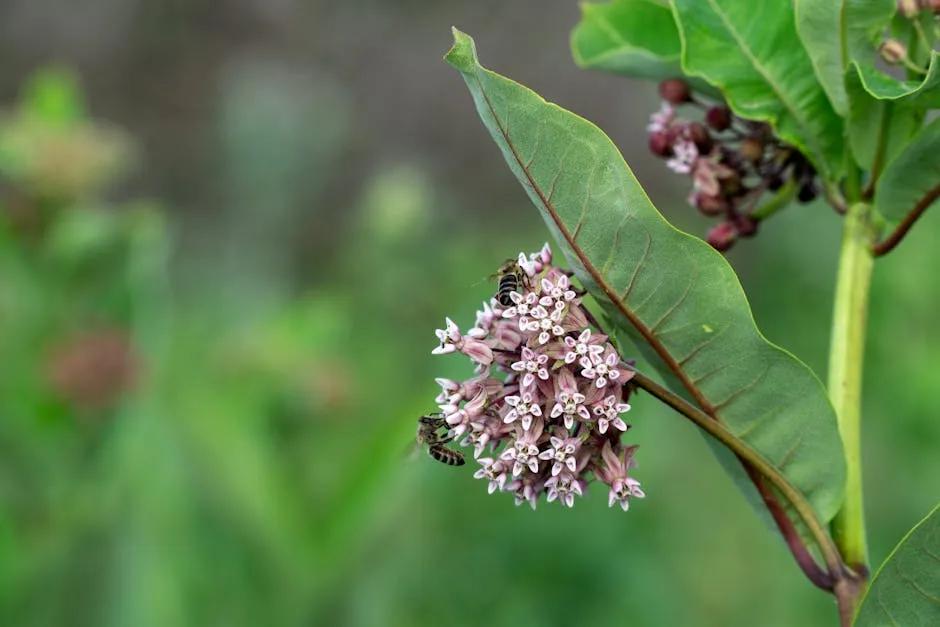
Swamp milkweed, scientifically known as Asclepias incarnata, is a perennial herbaceous plant native to North America. It belongs to the milkweed family and is closely related to other milkweed species such as common milkweed and butterfly weed. Swamp milkweed typically grows to a height of two to four feet and forms clumps of erect stems.
Many butterflies will visit to feed from the attractive flowers, but this milkweed is especially attractive to female monarch butterflies because they love to lay their eggs on this plant. The hatching caterpillars will eat until they are large enough to make their beautiful jade chrysalis. About 10 days after that a new monarch butterfly will emerge.
Swamp milkweed is highly attractive to a variety of pollinators, particularly butterflies and bees. The nectar-rich flowers provide a valuable food source for monarch butterflies, along with other species like swallowtails, fritillaries, and bees. Additionally, swamp milkweed serves as a host plant for monarch butterfly larvae. It does not spread aggressively like some other milkweeds, which makes it a tidy and manageable choice for smaller spaces.
4. Meadow Blazing Star (Liatris ligulistylis): The Monarch Magnet
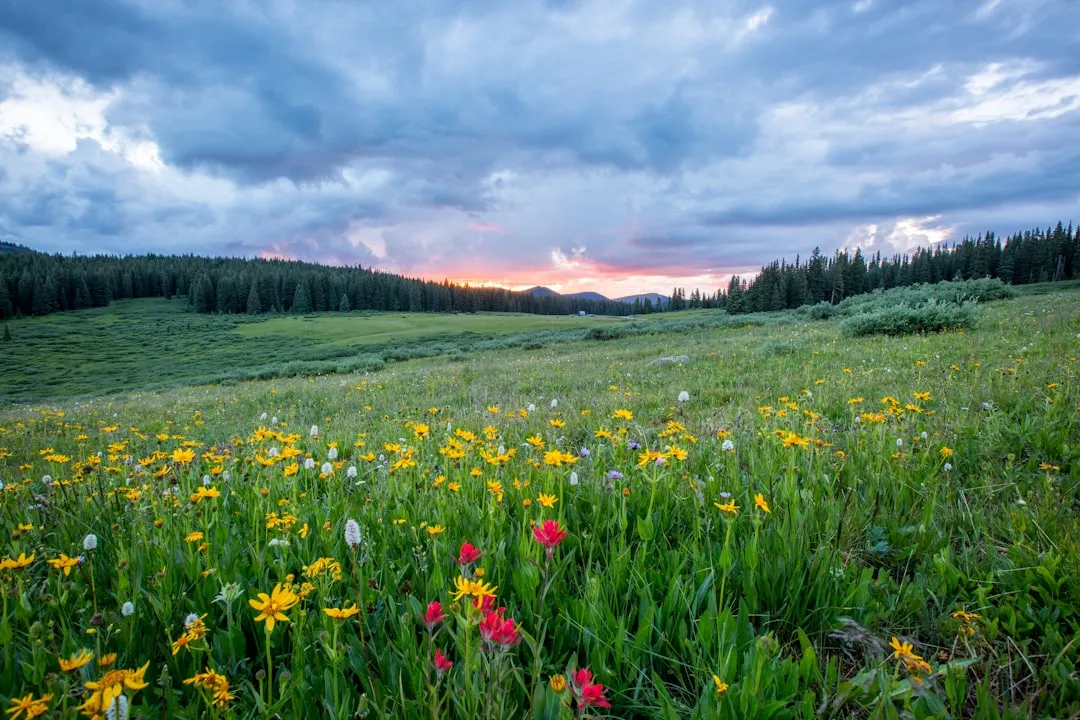
Native to North America, blazing stars or liatris plants are unique perennials with tall flowery spikes. They are drought-tolerant and excellent at attracting pollinators like monarch butterflies. Depending on the species, blazing stars may grow one to five feet tall. They produce thick clusters of white, pink, or purple flowers in the late summer and fall.
Liatris flowers are unique because they bloom from the top down, which gives monarchs a long, extended feeding window as each spike opens progressively. This is a prairie plant and will grow best in full sun, exposed from all sides in well-draining soil.
Blazing star is a nectar plant, not a host plant for monarchs. They won’t lay eggs on it, so it is still important to grow some type of milkweed plants nearby. Think of it as the welcome mat, not the nursery. Pair it with milkweed just a few feet away and you’ve created a complete monarch station.
5. New England Aster (Symphyotrichum novae-angliae): The Fall Migration Fuel
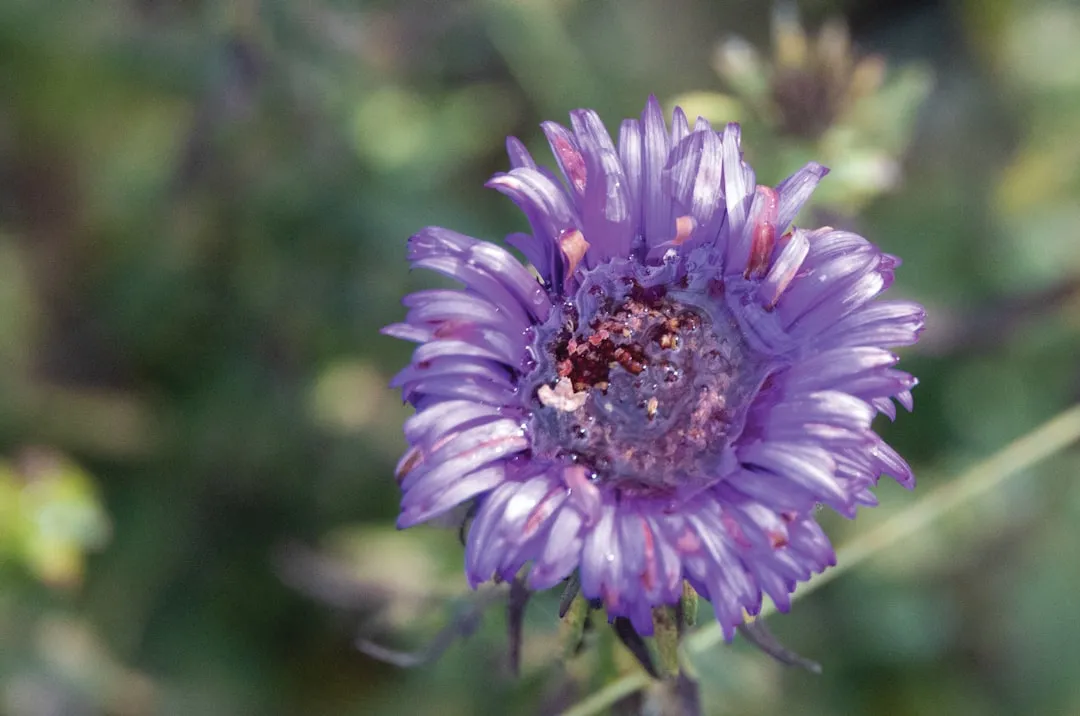
There are many different types of asters, and these flowers are key among the plants that will fill your garden with a variety of butterflies. Asters’ daisy-like flowers usually have purple, blue, pink, or white petals, and yellow or white centers, providing welcome pops of color in the yard. Blooming in summer and autumn, these perennials are a great source of nectar for monarch butterflies as they migrate in fall.
Asters, including New England aster and Aromatic Aster, can be found buzzing with life in autumn. In addition to monarch butterflies, look for bees and other beneficial insects on flower heads. Their timing is really what sets them apart from most garden plants.
While milkweed is the only food source for monarch butterfly caterpillars and vital for them, the adult butterflies rely on the nectar of many flowering plants to make their incredible migration. The later-blooming nectar gives monarchs the power to complete the up to 3,000-mile journey the super generation of monarchs need to make it to Mexico for winter. Asters are one of the most important pieces of that puzzle.
6. Goldenrod (Solidago spp.): The Misunderstood Monarch Staple
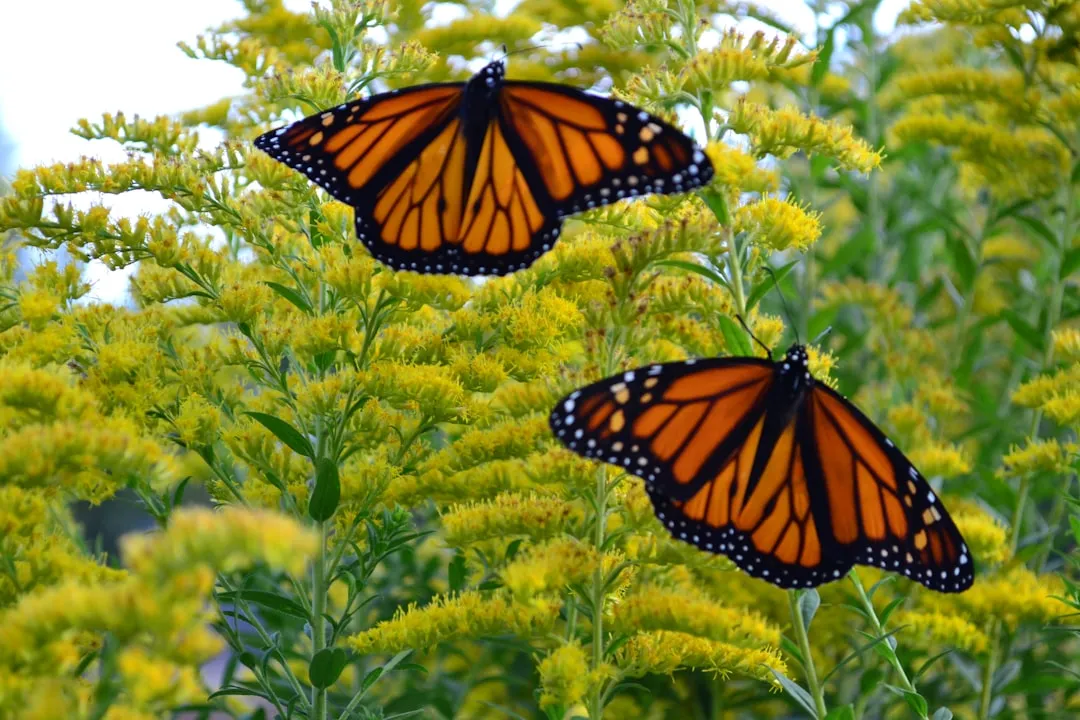
Native goldenrods are host plants to over 126 species of butterflies and moths and provide a great food source in the fall, when many summer-flowering plants are losing their flowers for the season. That is a remarkable range of value for a single genus of plants.
Often confused with ragweed, goldenrod is not responsible for the infamous allergies people detest, but sadly, they are sometimes blamed and removed. By learning the goldenrod native to your area and planting it, you can support a lot of important pollinators, including monarch butterflies.
Monarchs flock to goldenrod in autumn where they find abundant nectar to fill their tanks. Later-season bloomers include stiff goldenrod and showy goldenrod, and staggering several varieties extends the bloom window considerably. If you only have space for one fall-blooming plant besides milkweed, this is arguably the most valuable one you can choose.
7. Joe Pye Weed (Eutrochium spp.): The Towering Late-Season Lifeline
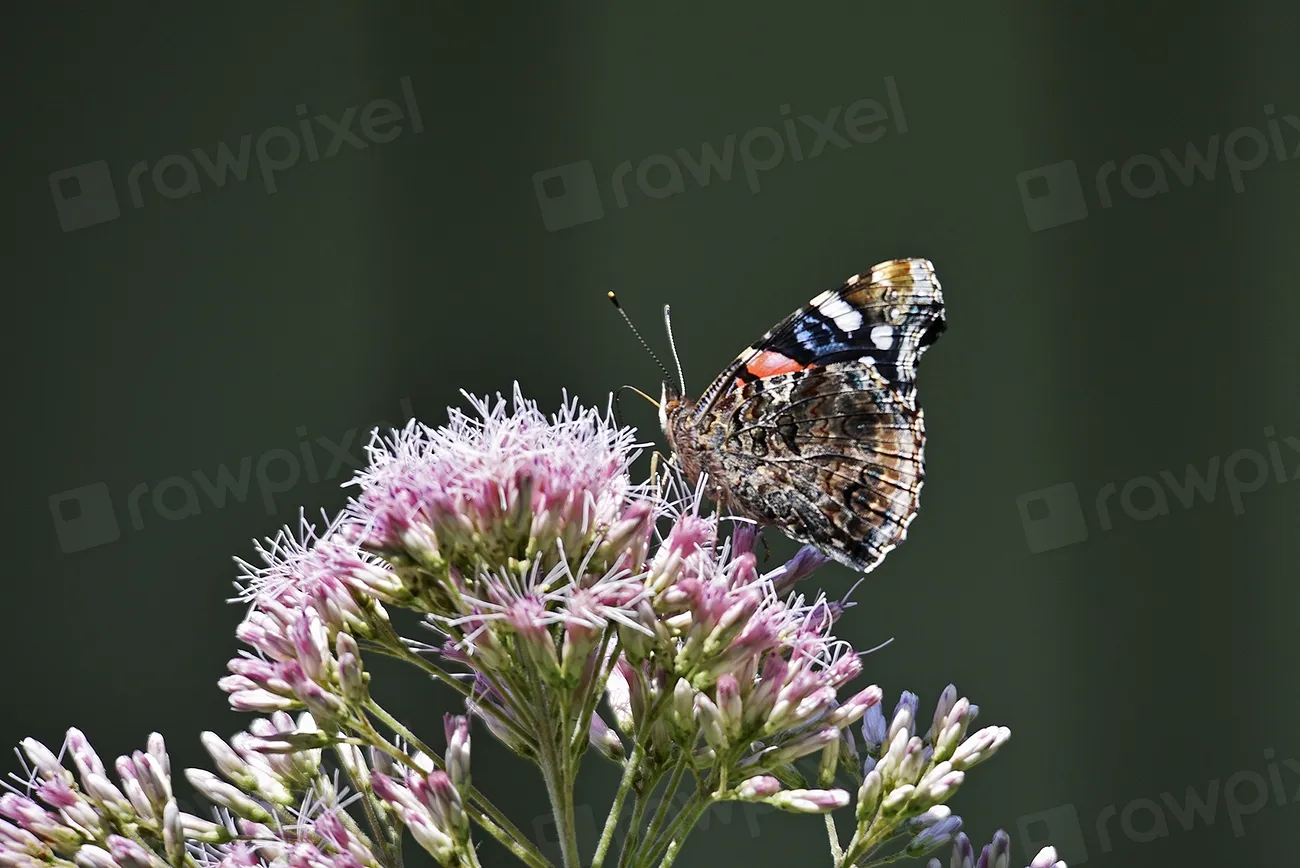
Joe Pye Weed is a striking North American native perennial, celebrated for its tall stature and clusters of pinkish-purple flowers. More than just an ornamental plant, Joe Pye Weed is a powerhouse for pollinators, especially butterflies, making it a must-have for any butterfly garden.
Its late-season blooms provide a vital nectar source when many other flowers have faded, ensuring that monarchs, swallowtails, and other butterfly species thrive well into autumn. A lovely, low-maintenance perennial plant, Joe Pye weed is native to the United States and Canada. These enchanting wildflowers grow four to six feet tall and are a popular source of nectar for pollinators like monarch butterflies. Joe Pye weeds bloom in the late summer and early fall with clusters of pink, purple, lavender, or white flowers.
Besides monarchs, spotted Joe Pye weed is popular with bumble bees, hummingbirds, red admirals, red spotted purples, skippers, tiger swallowtails, variegated fritillaries, and many other small pollinators. Its ecological generosity makes it one of the most broadly useful plants you can add to a native garden.
Why Native Plants Specifically?
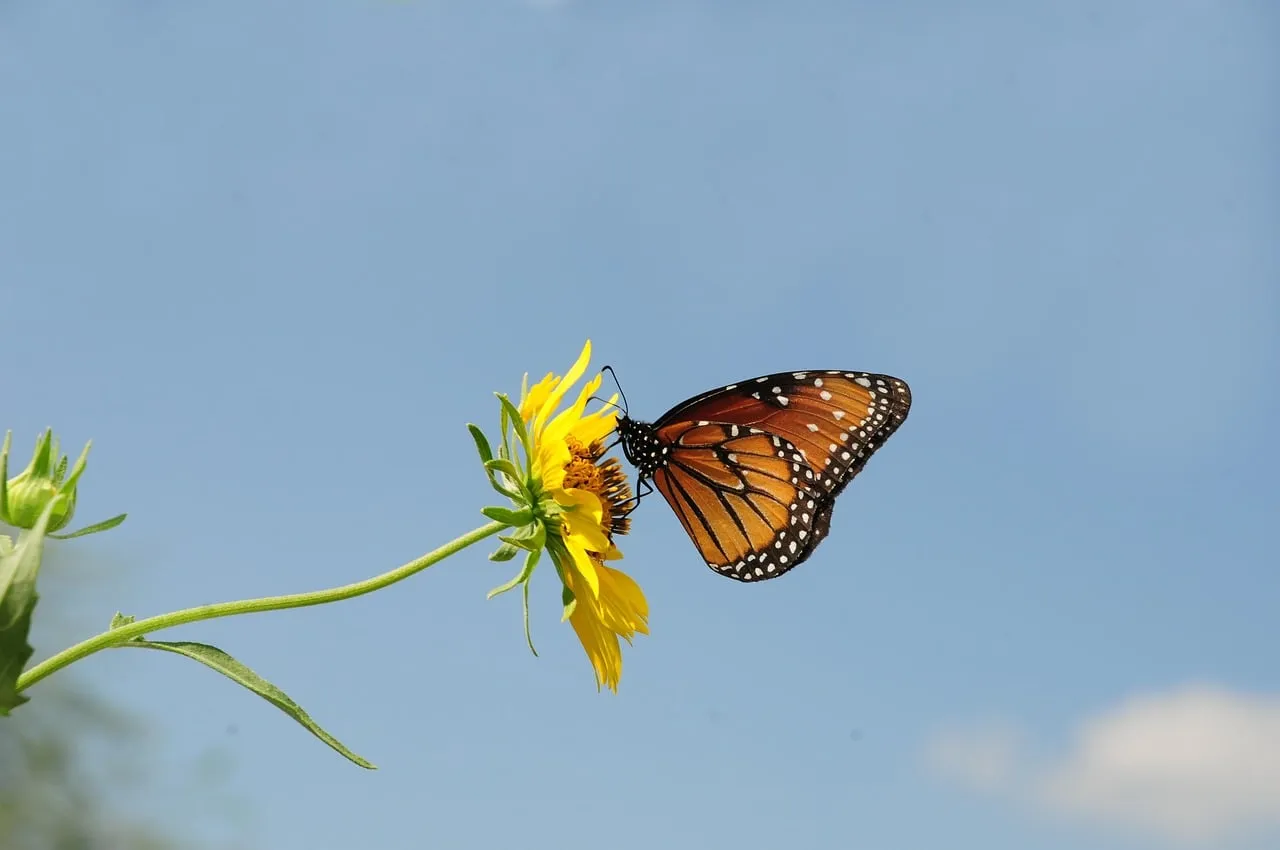
The monarch butterfly population in the western U.S. hit a nearly 30-year low in 2024. That was a 96 percent drop compared to the population in 2023. Experts blamed a combination of vanishing habitats, climate change, and pesticides. Native plants address the habitat piece of that equation directly.
One of the simplest actions you can take is to add native blooming wildflowers, trees, and shrubs to provide butterflies with food in the form of nectar as well as host plants for their caterpillars. Plant more natives in your yard or other garden space so that you have something blooming from early spring through early fall when butterflies are active.
Plant in clumps of single species in sunny spots for easy foraging. Go pesticide free and ask nurseries about systemic insecticides before buying plants. Non-native ornamentals, even well-intentioned ones, often carry systemic insecticides that can poison caterpillars before they ever hatch.
The Right Timing Matters as Much as the Right Plant
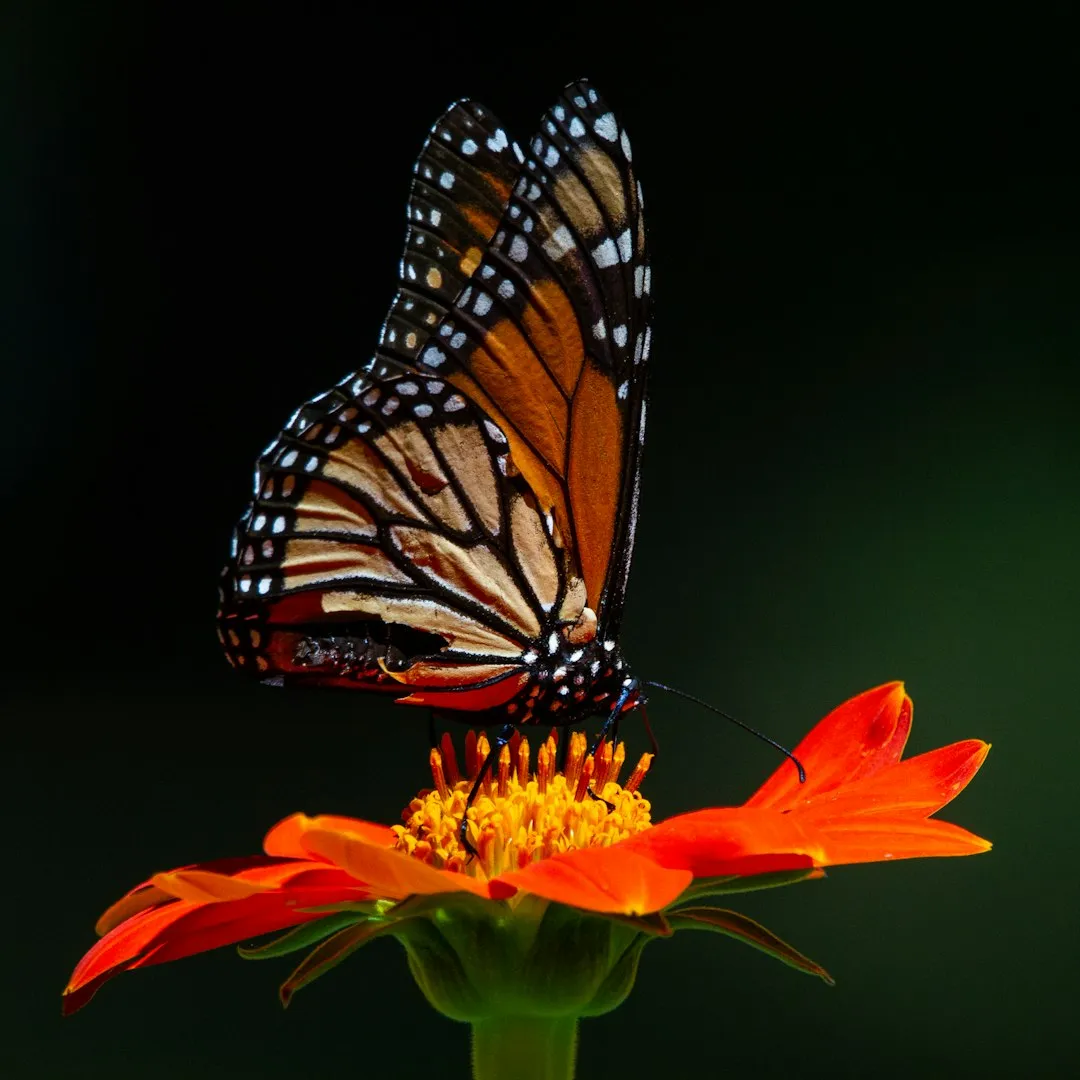
If you aim to attract monarch butterflies to your garden, you’ll want to offer them a diverse selection of plants so that there is plenty for them to eat from spring through fall. A garden that blooms only in summer leaves monarchs without fuel at the two most critical moments: spring arrival and fall departure.
Unlike fall migrations, where a single generation of adult butterflies completes the full trip, spring monarchs reproduce along the northward trek. The full journey from Mexico to the northern United States and Canada takes several successive generations of monarchs to complete. Early-blooming milkweeds support those reproductive stops.
Most butterflies live only a few weeks, but this “super-generation” of monarchs will survive up to nine months before returning north in the spring. That extraordinary lifespan depends heavily on the nectar reserves monarchs build up before heading south. Late bloomers like goldenrod and Joe Pye weed are literally fueling a nine-month survival journey.
Avoiding Common Mistakes That Harm Monarchs
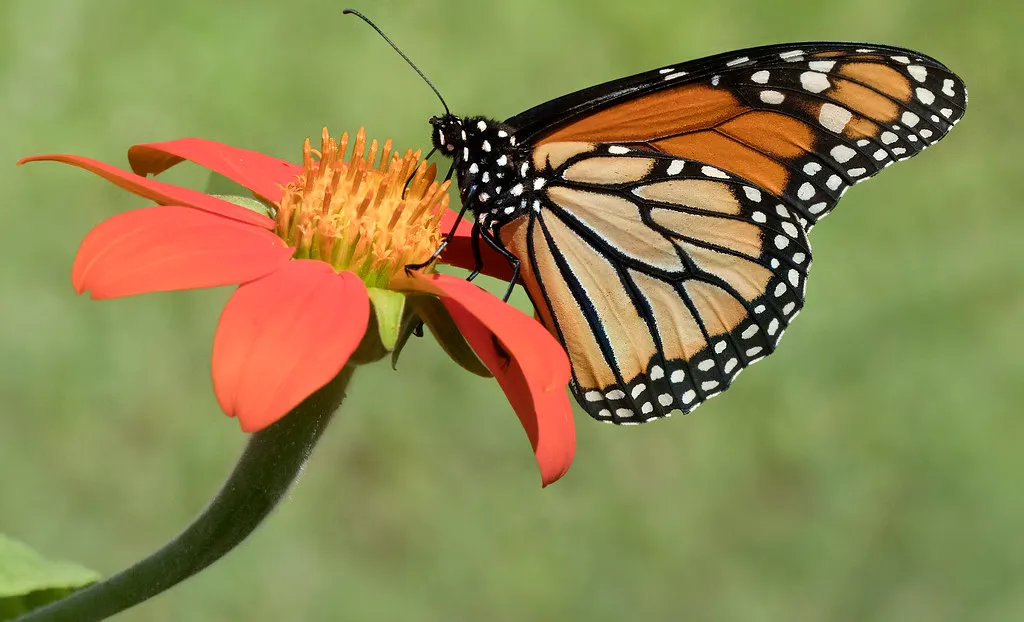
Tropical milkweed (Asclepias curassavica) should be avoided. There is evidence that it negatively impacts monarch health and migration in some parts of the country. It is not perennial, nor is it native to the U.S. or Canada.
Whatever types of flowers you offer this pollinator royalty, you should be careful to avoid plants tainted with neonicotinoids, which are toxic to these and other pollinators. These chemicals persist in plant tissue, including leaves, stems, and nectar, and can poison caterpillars feeding on treated plants. Exposure to systemic insecticides can reduce survival, impair development, and lower reproductive success.
It is also essential to leave stems in your garden throughout the fall and winter to support monarchs and other native species. Bees lay eggs in the stems of native plants, and they provide shelter over the winter season. Resisting the urge to tidy up every fall is one of the simplest and most impactful choices a gardener can make.
The Conservation Bigger Picture
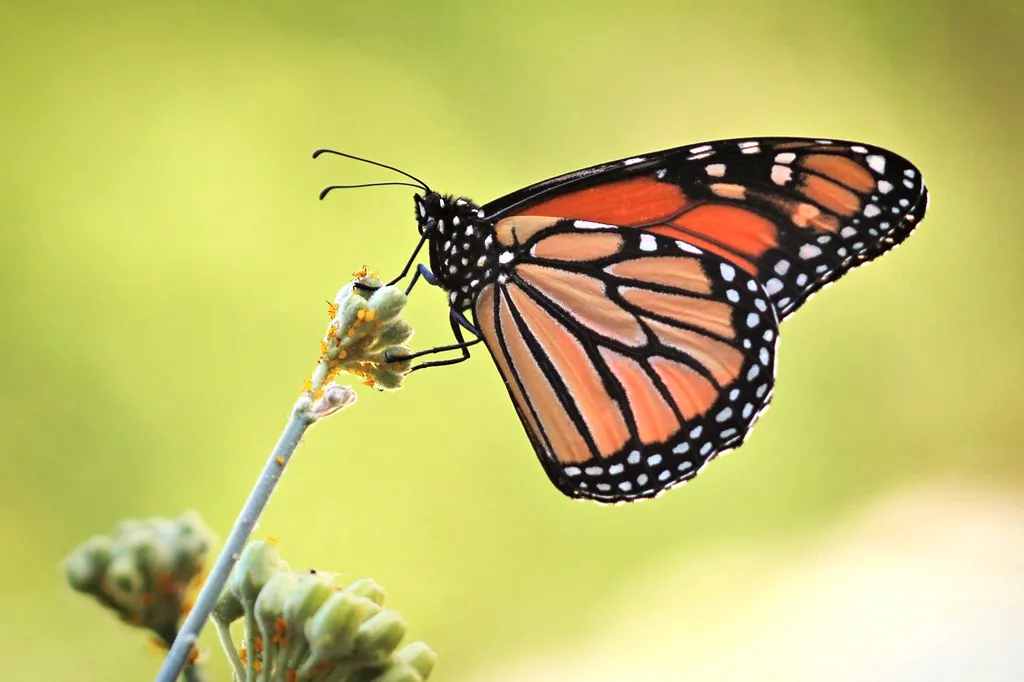
In December 2024, the U.S. Fish and Wildlife Service announced the proposed listing of the monarch butterfly as a threatened species under the Endangered Species Act. There are two populations of monarchs in the U.S., separated by the Rocky Mountains, and both the western and eastern populations would be protected if the listing goes through.
Predictions for the western monarch are dire, with a 98 to 99 percent probability of extinction within 60 years. Even the eastern monarch’s population is still far lower than it needs to be for long-term recovery, having declined by 80 percent in the last few decades.
Researchers have noted the potential to increase butterfly populations through habitat restoration, species-specific interventions, and reducing pesticide use. Unlike bigger animals, insects respond to small changes, which means a well-planted backyard is not just a gesture. It is a tangible contribution to a population that is fighting for every season it has left.
Conclusion: Your Yard as a Waystation
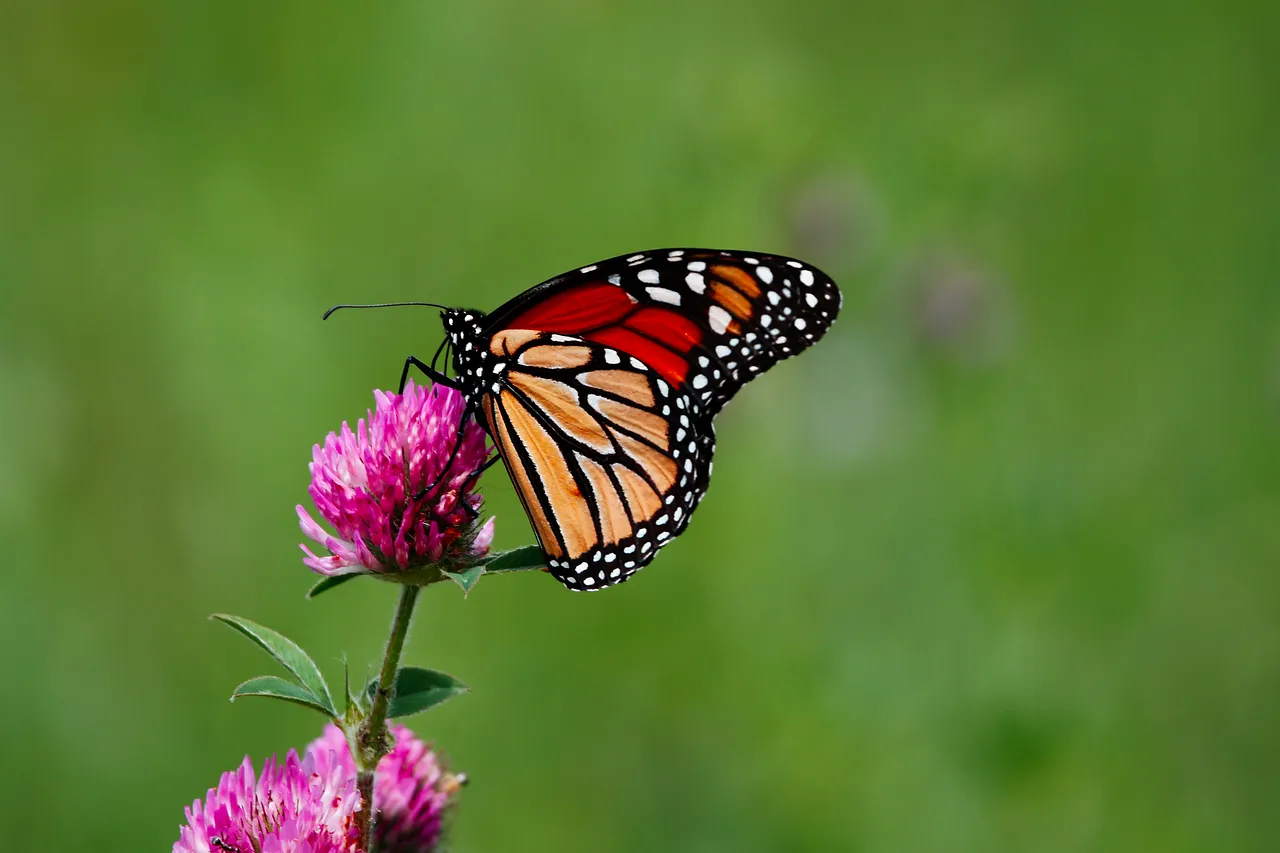
Seven plants. That is all it takes to transform an ordinary yard into a meaningful waystation along one of the most extraordinary migrations on earth. Milkweeds give monarchs a place to reproduce. Blazing star, goldenrod, asters, Joe Pye weed, and ironweed give the migrating super-generation the fuel it needs to survive months on the wing.
The western monarch count is a sharp decline from the past three years, when more than 200,000 overwintering western monarchs were observed each year. This number is only slightly above the all-time low of less than 2,000 monarchs in 2020, and well below the millions of butterflies observed in the 1980s. The gap between where monarchs are now and where they need to be is real.
The hopeful part is that monarchs are capable of dramatic recoveries when conditions improve. Insects can reproduce very quickly. After a low point of fewer than 2,000 butterflies in 2020, the western population recovered to 247,246 the following year, an increase of nearly 13,000 percent. The year after that the survey recorded 335,479 monarchs. Planting even a small patch of these native flowers is a real, measurable act of habitat restoration. The monarchs will find it.
AI Disclaimer: This article was created with the assistance of AI tools and reviewed by a human editor.