

1. Destructive Chewing That Seems Targeted

When your dog shreds the couch cushion, the first reaction is usually to reach for a training book. Before you do, consider context. Boredom in dogs can lead to unwanted behaviors such as excessive barking, chewing, digging, and even trying to escape the yard.
Compulsive chewing that isn’t typical of certain breeds may be one of the signs your dog is bored. In general, if a dog doesn’t have a direction to put their energy, they will do it in whatever way they have available to them.
Boredom usually happens when a dog’s mental and physical needs aren’t being met. So before assuming your dog is simply destructive by nature, look honestly at how much physical and mental exercise they’ve received that day.
2. Excessive Barking or Whining Without an Obvious Trigger

Vocalizing without a clear reason, especially repeated barking or whining just to get attention, can be a sign of boredom. This kind of bark tends to have a different quality than alarm barking. It’s repetitive, rhythmic, and often directed right at you.
Vocalizing excessively, especially when left alone, can indicate your dog is seeking attention or stimulation. It’s worth noting the timing. A dog that barks persistently in the mid-afternoon, when household activity is low, is almost certainly making a request.
Changes in behavior that may signal boredom include increased barking, destruction, lethargy, aggression, licking and chewing, and house soiling. None of these should be dismissed as attitude problems before enrichment is considered first.
3. Pacing and Restlessness That Won’t Settle

Pacing, inability to settle, or constant fidgeting often signal that your dog is bored. It can look like anxiety, and sometimes it is, but the two aren’t always the same thing. A dog that paces right before walktime, or while you’re eating dinner, is often just under-stimulated.
When pacing becomes frequent or compulsive, boredom may be a factor. Research into repetitive canine behavior suggests that behaviors such as pacing can be associated with stress and frustration and, when severe, may become increasingly difficult to interrupt.
The key distinction is pattern. Boredom-driven pacing tends to subside once the dog gets exercise or engagement. Anxiety-driven pacing typically persists regardless of what you offer.
4. Attention-Seeking Behavior That Escalates

Jumping on you, pawing at your legs, nudging you while you’re trying to work are often your dog’s way of saying they’re bored. While affection is always welcome, constant attention-seeking might mean it’s time to mix things up in their routine.
Signs of boredom include increased attention-seeking behaviors, such as pawing, barking, or bringing toys to initiate play. When dogs do this repeatedly and with increasing urgency, it’s communication, not misbehavior.
In the wild, dogs used to get plenty of enrichment through chasing prey, sniffing things, and scavenging food. Domesticated life doesn’t offer as much opportunity to pursue those activities, which can result in a bored dog. That gap in stimulation tends to show up exactly as this kind of persistent nudging and pestering.
5. Digging Up the Yard or Flooring
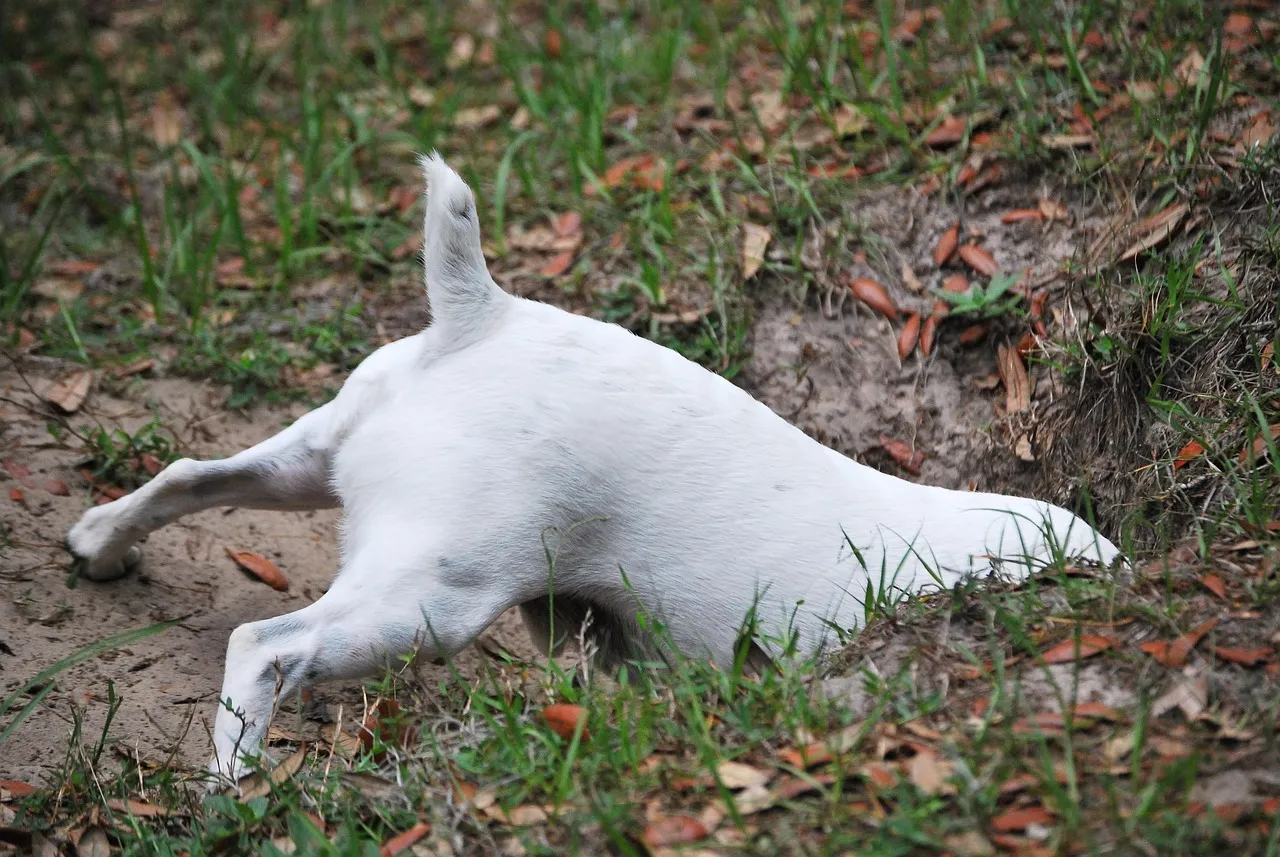
Digging habitually can indicate a lack of stimulation. A bored dog who is left alone will find an available way to keep occupied, and if left outdoors, that can translate to excessive digging.
Some breeds are natural diggers, particularly terriers. But when a dog with no prior digging history suddenly excavates the flower bed or scratches at the carpet, the cause is usually unstimulated energy rather than a breed instinct taking over.
Chewing shoes and furniture, tearing up pillows or stuffed toys, getting into the trash, or digging at the floor or yard are all common signs your dog is looking for something to do. All of these share one root: an unoccupied mind.
6. Sleeping Far More Than Usual

In some cases, dogs may become depressed, choosing to sleep all day and showing little interest in anything. Owners can sometimes confuse a depressed dog with a lazy one, although some dogs certainly love to sleep all day, it can be a warning sign in active breeds.
Dogs love their naps, but if your pup is snoozing all day out of sheer boredom and not just because they ran a doggie marathon, it might be a sign that they’re lacking enough engagement or stimulation during the day.
This is one of the more counterintuitive signs because excessive sleep looks like contentment. Inactive breeds aside, a dog that has stopped engaging with its environment and just lies around is often one that has given up trying to find stimulation.
7. Repetitive Behaviors Like Tail Chasing or Obsessive Licking

Bored dogs who don’t receive adequate enrichment may start to sleep more or engage in repetitive behaviors like chewing, pacing, or barking. Although these behaviors can be indicative of other problems like separation anxiety, fear, or a health issue, they’re also linked to boredom. An estimated 16 percent of dogs are known to engage in repetitive behaviors, and it’s often triggered by frustration, stress, or boredom.
If all medical reasons have been ruled out – itch, infection, allergies, nausea, or pain – the excessive licking and grooming may be a behavioral issue. Without proper enrichment, dogs can become bored. Dogs can lick, groom, and scratch because of boredom. If you notice your pet self-grooming mostly when they are idle, try increasing their daily exercise and giving them a job.
It’s worth flagging one important caution here: some behaviors that owners attribute to boredom may actually stem from medical conditions or behavior disorders. For example, licking or chewing the feet is more often associated with allergies, irritation, or pain. Always rule out physical causes before landing on boredom as the explanation.
Why Boredom Hits Some Dogs Harder Than Others
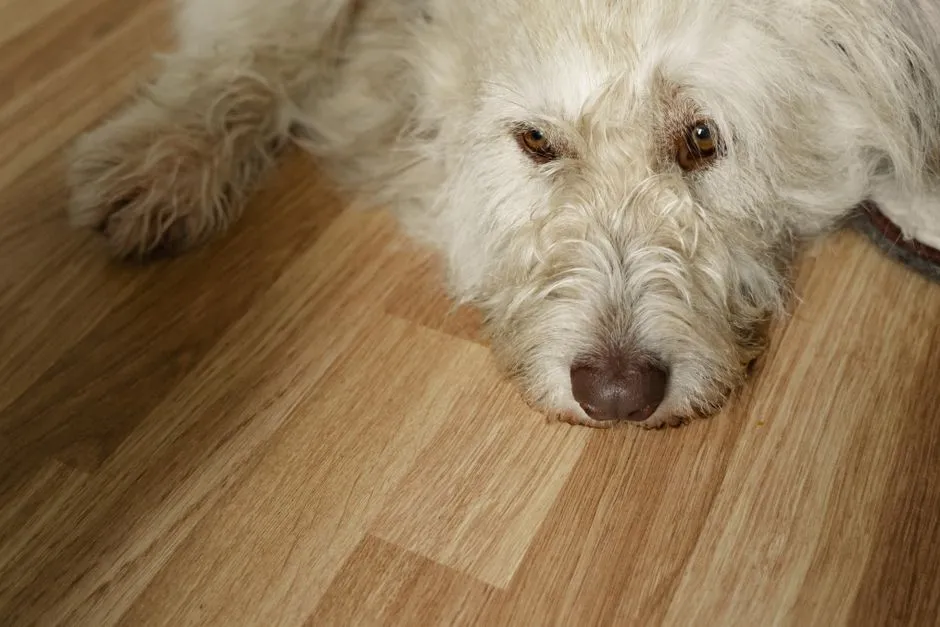
Signs and symptoms of boredom in dogs can sometimes be subtle, or even be breed-specific. Many breeds can become obsessive and show specific behaviors. For example, a Border Collie may fixate on herding the cat, while a Belgian Malinois may fixate on the fence and bark at any passerby.
Breed type can indeed play a role in boredom, though any dog can become bored. Working breeds, herding dogs, and high-drive sporting dogs were literally bred to have jobs. When those jobs disappear into suburban life, the unspent drive has to go somewhere.
Too much solo time – even if your house is overflowing with toys – can cause boredom. Toys alone rarely cut it. Dogs need real interaction, and no chew toy fully replaces a genuine connection with another living being.
The Real Cost of Chronic Boredom

Boredom in dogs can cause health problems, such as obesity, anxiety, compulsive behaviors, a weakened immune system, and cognitive decline. This is a significant point that often gets lost when the conversation stays at the level of damaged furniture.
Research led by Luciana Santos De Assis found that dogs that become bored often show signs of frustration and social panic when left alone. This is especially true for dogs where boredom is linked to a lack of habituation to social isolation. These dogs tend to become more reactive to external events as time progresses, leading to redirected frustration and reactive communication.
A 2024 study published in Veterinary Record examined enrichment feeding in pet dogs and found that the majority of owners reported meaningful reductions in behavioral problems and stress-related presentations when dogs were fed using enrichment feeders rather than bowls. Something as simple as how you serve a meal can shift the baseline.
What Actually Helps a Bored Dog

Behavioral issues related to boredom usually improve when a dog gets enough exercise, social interaction, and mental stimulation. The fix isn’t complicated in most cases, though it does require consistency. A single long walk on Saturday doesn’t offset five slow weekdays.
Environmental enrichment is documented as an effective intervention for a specific and clinically significant list of canine behavioral disorders, including rowdiness and hyperactivity, cognitive dysfunction syndrome, noise phobia, separation anxiety, and obsessive-compulsive behaviors. The research suggests that for many of these presentations, the primary intervention is a fundamental change in how the dog’s daily environment is structured.
You can beat boredom by adding enrichment – like puzzle toys, scent walks, new games, and fun outings – to your dog’s routine. Scent-based activities in particular tap directly into a dog’s most powerful sensory system, and they wear dogs out in a way that pure physical exercise often doesn’t.
The Takeaway

Mislabeling a bored dog as a badly behaved one leads owners down the wrong path entirely. Training alone won’t solve a problem that enrichment could fix in a week. When dogs get bored, their quality of life and the bond they share with their humans can be deeply affected.
By providing your dog with regular exercise, mental stimulation, and social interaction, you’ll not only keep boredom at bay but also improve your dog’s quality of life. A happy, engaged dog is a well-behaved companion.
The behaviors listed here are, at root, forms of communication. A dog that chews, paces, digs, barks, and clings isn’t being difficult. It’s doing the only thing it knows how to do: ask for more. Whether you answer that ask makes all the difference.
AI Disclaimer: This article was created with the assistance of AI tools and reviewed by a human editor.