
1. Loud, Persistent Snoring That Goes Beyond a Nuisance

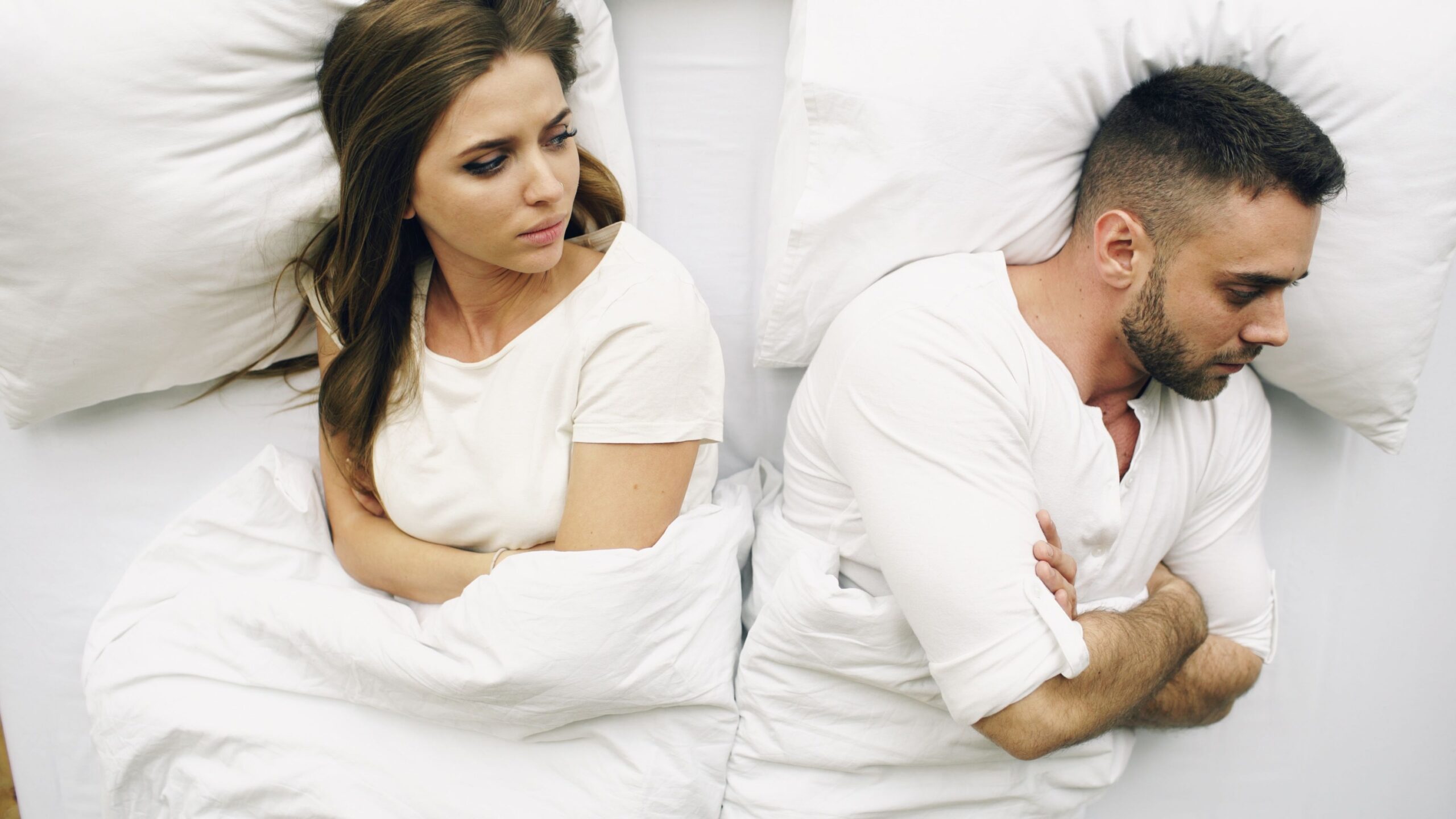
Snoring is the symptom most people associate with sleep apnea, and for good reason. An estimated nearly all cases of obstructive sleep apnea involve snoring, and according to the Journal of Clinical Sleep Medicine, louder snoring is linked to more severe cases. The kind of snoring tied to sleep apnea isn’t occasional or mild. It tends to be consistent on most nights, loud enough to be heard through walls or from another room, and punctuated by pauses followed by a gasp or snort as breathing restarts.
In one study, more than half of sleep apnea patients’ partners said their own sleep was impacted every night due to the other person’s snoring. That level of disruption is significant. If your partner’s snoring has become a nightly event rather than an occasional occurrence, it’s worth mentioning to a doctor.
2. Witnessed Pauses in Breathing
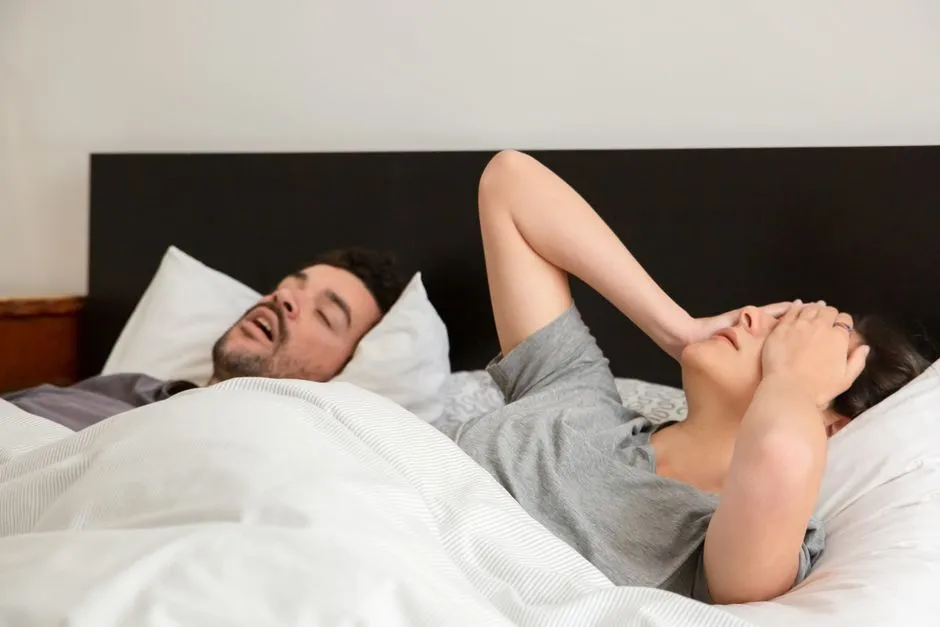
Bed partners may notice periods where breathing stops for roughly 10 to 60 seconds, followed by choking, gasping, or snorting as the brain triggers arousal to resume breathing. These pauses are not normal, and they are alarming to witness. Pauses in breathing during sleep are among the symptoms specifically listed by the Mayo Clinic as often noticed by a partner.
Since those with obstructive sleep apnea are usually unaware of their nighttime disturbances, it is the partner who becomes alarmed by these symptoms and urges medical evaluation. This is arguably the most medically significant sign on this list. Seeing someone stop breathing, even briefly, is never something to dismiss or attribute to a quirky sleep habit.
3. Gasping or Choking Sounds During Sleep
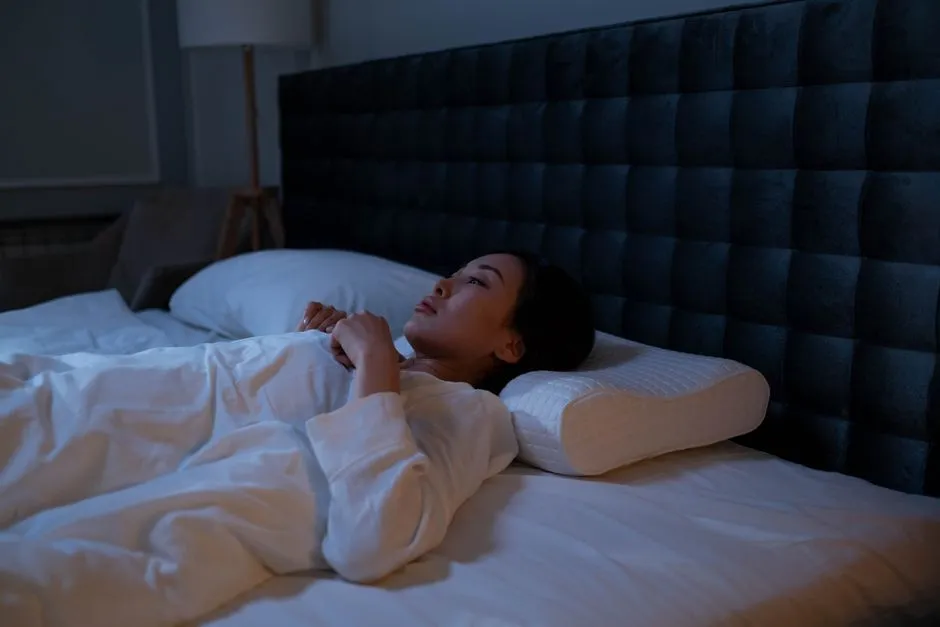
This is one of the most telling signs. A bed partner may describe watching someone stop breathing for several seconds, followed by a sudden gasp, snort, or sound like choking. That’s the airway reopening, and most people have zero memory of it happening. The sound can range from a quiet catch of breath to something loud and frightening.
Apnea events happen when the airway becomes blocked, temporarily stopping airflow, and this pattern can repeat multiple times in an hour all night long. Partners who hear this regularly are picking up on a physiological event that the sleeping person simply cannot detect on their own. That observation matters enormously for getting to a diagnosis.
4. Restless Sleep and Constant Tossing and Turning

Waking up frequently, tossing and turning, disrupted or fragmented sleep, and insomnia are classic symptoms for many with sleep apnea. From a partner’s perspective, this looks like someone who simply can’t settle. Tossing, turning, or unusual sleep positions, such as sleeping upright, may indicate efforts to maintain an open airway throughout the night.
It’s easy to write this off as stress or an uncomfortable mattress. Over time, though, a partner who consistently observes this level of nighttime restlessness starts to recognize it as a pattern rather than a bad night. That pattern observation is exactly the kind of detail that helps clinicians during an evaluation.
5. Frequent Trips to the Bathroom at Night

Waking up in the middle of the night repeatedly to urinate can, oddly enough, be a sign of obstructive sleep apnea. Most people assume nocturia is a bladder or prostate issue, but the connection to sleep apnea has a clear physiological explanation. When breathing repeatedly stops during sleep, changes in chest pressure cause the heart to release a hormone that signals the kidneys to produce more urine.
Apneas disrupt hormonal regulation, increasing urine production and causing multiple bathroom trips per night in some patients. A partner who notices the other person getting up two or three times every night is observing a symptom that is frequently misattributed to other conditions. It’s a clue that doesn’t always make it into the conversation with a doctor.
6. Irritability, Mood Shifts, and Trouble Concentrating During the Day

Short temper, forgetfulness, and a foggy mind commonly accompany interrupted sleep, and partners often notice these shifts before the affected person acknowledges them, because they experience the mood changes firsthand across daily life. This is one of the subtler signs, and it tends to build slowly. Partners may also notice their loved ones exhibiting excessive daytime sleepiness, irritability, and difficulty concentrating, further prompting concern.
The mood swings and cognitive impairments associated with sleep apnea can strain communication and foster resentment within a relationship. People living with untreated sleep apnea often don’t connect their irritability or mental fog to their sleep quality. A partner who tracks these daytime changes alongside the nighttime symptoms is often the one who finally connects the dots.
7. Morning Headaches and Dry Mouth Upon Waking
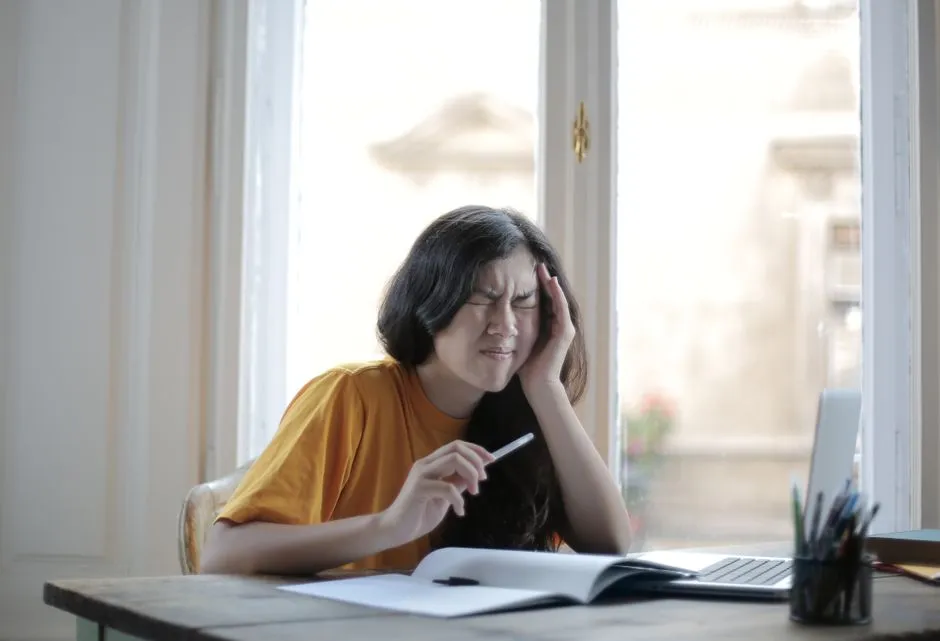
During apnea events, oxygen levels drop and carbon dioxide rises, causing blood vessels in the brain to dilate and producing a dull headache that’s there when a person wakes and typically clears within an hour or two. Regular morning headaches, particularly those that resolve on their own by mid-morning, are a symptom that is often missed. Partners tend to notice this pattern because they’re around when their loved one wakes up grumbling about head pain day after day.
When the airway is obstructed, the body compensates by breathing through the mouth. Waking up with a dry mouth, cracked lips, or a mildly sore throat on most mornings, especially when the person isn’t sick, can indicate mouth breathing due to nighttime airway issues. Morning headaches from sleep apnea are linked to low oxygen and high carbon dioxide during apneas, and they affect a meaningful portion of sleep apnea patients. Both symptoms, the headache and the dry mouth, are things a partner in the same room tends to observe and remember long before the patient thinks to bring them up with a doctor.
Why the Diagnosis Gap Is So Wide, and What Partners Can Do
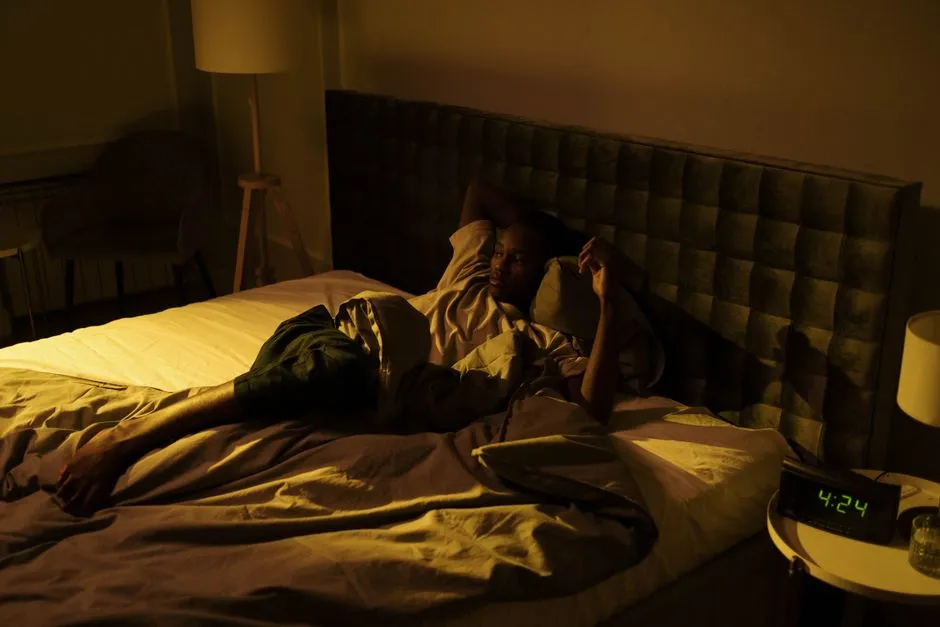
Obstructive sleep apnea, a prevalent yet underdiagnosed sleep disorder, often leads patients to delay care until moderate or severe stages. There are believed to be nearly 24 million cases of undiagnosed sleep apnea in the United States alone, while only about 6 million cases have actually been diagnosed. That gap is staggering, and it exists in large part because people can’t witness their own symptoms.
Partners can play a significant role in the patient’s sleep apnea diagnosis and treatment, and they frequently report disturbed sleep because of their partner’s snoring, gasping, or concerns about breathing abnormalities. If you recognize several of these signs in someone you share a bed with, the most useful thing you can do is document what you observe and bring it to a medical appointment together. Symptoms alone cannot confirm sleep apnea, but a sleep evaluation and, when indicated, a formal sleep study such as polysomnography can help determine whether sleep apnea is present and how severe it is.
The Broader Health Stakes of Not Acting

Left untreated, obstructive sleep apnea can lead to high blood pressure, heart failure, and stroke. Along with high blood pressure, atrial fibrillation, stroke, and heart failure, OSA may increase the odds of developing type 2 diabetes, and according to the Cleveland Clinic, OSA also raises the risk of sudden cardiac death. These are not minor complications.
Many people with obstructive sleep apnea do not seek medical attention after the onset of symptoms, and by the time they do, the disease has progressed to moderate and severe stages and may bring about a wide range of health consequences. The earlier a diagnosis is made, the more manageable the condition tends to be. A partner’s early observation is often the difference between catching it at a manageable stage and discovering it years too late.
A Note on Women and Undiagnosed Sleep Apnea
Obstructive sleep apnea in women is often underdiagnosed due to different symptoms, significant delays in referrals, and limitations in current screening tools. Up to three quarters of women with sleep apnea remain undiagnosed, with real clinical and socioeconomic consequences. Women with sleep apnea may not present with classic loud snoring the way men often do. Women are more likely to report generalized symptoms such as headache, fatigue, mental health changes, or insomnia.
This means partners of women may need to pay closer attention to subtler overnight patterns rather than waiting for dramatic gasping or booming snoring. The same observational principle applies regardless of gender. What matters is noticing a recurring pattern and taking it seriously enough to mention to a healthcare provider.
Final Thoughts

Sleep apnea has a way of hiding in plain sight, undetected by the very person living with it. A bed partner is often the first to notice sleep apnea because they witness the loud snoring, breathing pauses, gasping, and restlessness that the affected person sleeps through and cannot detect on their own. That puts partners in a genuinely important medical role, one that often goes unacknowledged.
Noticing these signs isn’t about alarm or diagnosis. It’s about observation and communication. If several of the signs described here sound familiar, that information deserves a conversation, first between partners, and then with a doctor. A good night’s sleep, for both people in the bed, may depend on it.
AI Disclaimer: This article was created with the assistance of AI tools and reviewed by a human editor.