

1. A Deep, Persistent Ache That Won’t Respond to Rest

The most telling early sign of a blood clot is pain that simply doesn’t follow the rules of a muscle strain. A blood clot in a deep leg vein tends to build gradually over hours or days, causing a deep, persistent ache or cramping in the calf or thigh that does not improve with stretching. That gradual build is different from the sharp, immediate sensation most people feel when they pull a muscle during exercise.
Early-stage blood clot symptoms in the leg may feel similar to a pulled muscle; however, the pain will persist and worsen over time, which is the crucial distinction. Many people mistake this feeling for a pulled muscle, but leg pain from DVT will not go away with time as a muscle injury does. If you have been resting for a day or two and the ache is still there or intensifying, that pattern matters.
2. Swelling in Just One Leg
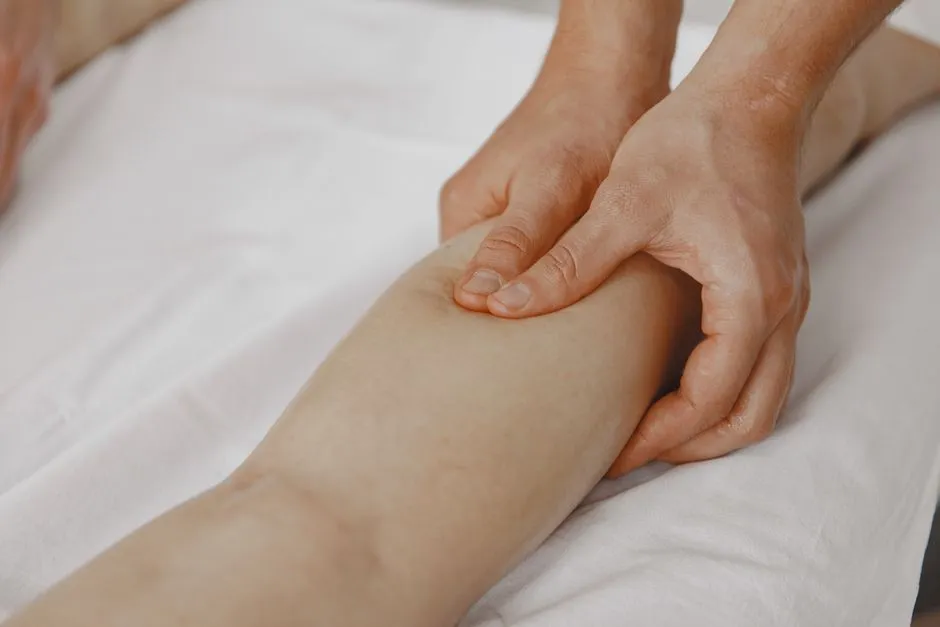
Sudden or severe swelling in one leg can signal deep vein thrombosis, a blood clot in a deep vein of the calf or thigh, and needs emergency evaluation. This one-sidedness is one of the more reliable clues that separates a clot from generalized muscle fatigue, which tends to affect both limbs after exercise.
DVT-related leg swelling feels like a persistent and unrelenting ache or heaviness, often accompanied by throbbing pain, tenderness, warmth, and redness on the skin. Unlike ordinary swelling, DVT-related swelling usually does not improve with rest and may worsen over time. A pulled muscle can cause localized puffiness, but it rarely produces the kind of visible, asymmetric enlargement that DVT creates.
3. Warmth on the Skin Over the Painful Area

When an area of your skin feels significantly hotter than the surrounding tissue, it often signals early-stage DVT. This localized warmth happens because the obstructed vein causes blood to pool and generate heat in a concentrated spot. Most people attribute it to inflammation from a sprain or strain.
Typical signs or symptoms of DVT in the extremities include pain or tenderness, swelling, warmth in the affected area, and redness or discoloration of the overlying skin. The warmth from a pulled muscle is usually mild and fades within a day or so. When the heat persists, especially alongside any swelling, it deserves more than a bag of ice and an early bedtime.
4. Redness or Skin Discoloration

A blood clot may cause visible changes such as swelling in one leg, redness or bluish discoloration, warmth, and skin that appears stretched or shiny. The color shift can range from a flushed red to a more alarming purple or blue tint, depending on how severely blood flow is obstructed in the affected vein.
You may notice a change in skin color, and if you have a darker skin tone, this may be harder to see. That is an important point that often goes unmentioned. People with deeper skin tones should pay closer attention to warmth, tightness, and swelling rather than relying on visible redness alone. One-sided leg swelling, skin discoloration ranging from red to blue to purple, warmth to touch, and hard rope-like veins under the skin are all visible warning signs.
5. Pain That Gets Worse When You Stand or Walk
The early signs might include throbbing pain or cramping in one leg, particularly in your calf or thigh when you walk or stand, which is one reason so many people write it off as a tight or overworked muscle. The frustrating part is that the activity-linked nature of the pain feels entirely consistent with a physical injury.
A blood clot in the leg often feels like a deep, throbbing cramp or persistent soreness in the calf or thigh that does not ease with rest, stretching, or massage, with other common sensations including one-sided swelling, warmth, tightness or heaviness, tenderness when you press on the area, and pain that worsens when you stand or walk. The key difference is that a strained muscle typically improves within a few days of modified activity. A clot keeps making things worse.
6. Tenderness Along the Vein, Not Just in the Muscle

A blood clot in the calf may feel like aching, soreness, tenderness, cramping or tightness, sometimes with swelling or warmth. Because a pulled muscle or a cramp can feel much the same, DVT cannot be reliably diagnosed by how the pain feels. Still, there is one textural clue worth noticing: the tenderness of DVT tends to follow the path of the vein rather than sitting squarely in the muscle belly.
People sometimes describe DVT pain as a “deep” ache, or like the muscle is being squeezed from the inside out. That internal pressure sensation is different from the surface soreness most people feel after a sports injury. A muscle cramp is usually a temporary tightening of a muscle, while a blood clot can cause persistent pain, swelling, warmth, and skin discoloration. The symptoms can overlap, so it is important not to rely on symptoms alone when a blood clot is possible.
7. Symptoms That Don’t Follow Any Physical Activity
A pulled calf muscle usually follows an activity, causes sharp pain, mild swelling, and improves with rest and ice. A blood clot can appear without injury, causes a persistent ache, notable swelling, warmth, and may not respond to self-care. This is perhaps the most underappreciated difference between the two conditions.
Clot risk rises after long flights or car rides, surgery, injury, pregnancy, cancer, hormone use, or prolonged bed rest. If your leg starts aching a few days after a long flight or a surgical recovery, and you haven’t done anything physical that could explain it, that context is medically significant. A pulled muscle usually follows a specific activity or injury, is tender in one spot, and improves with rest, so the absence of that activity history should prompt a second thought.
When Symptoms Become an Emergency
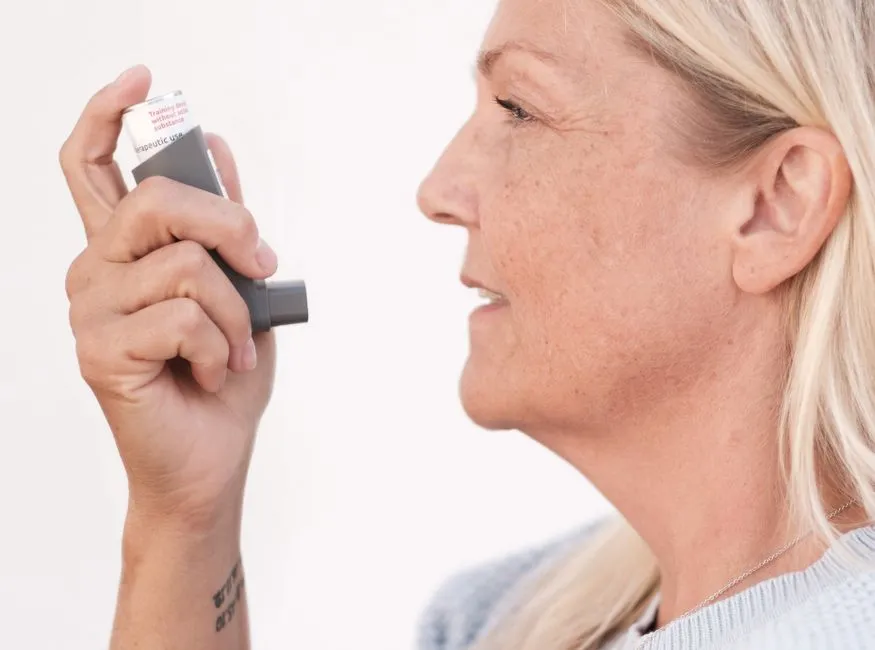
If the clot breaks loose and travels to the lungs, it can cause pulmonary embolism, a life-threatening condition. This escalation can happen quickly, sometimes with little additional warning. The most common signs or symptoms of acute pulmonary embolism include unexplained shortness of breath, pleuritic chest pain, cough or hemoptysis, and syncope.
Seek emergency care right away for sudden shortness of breath, chest pain, coughing up blood, a racing heartbeat, or one leg that is noticeably more swollen than the other, since a clot can travel to the lungs. These symptoms are not things to monitor at home. They require a call to emergency services immediately.
Who Is at Higher Risk
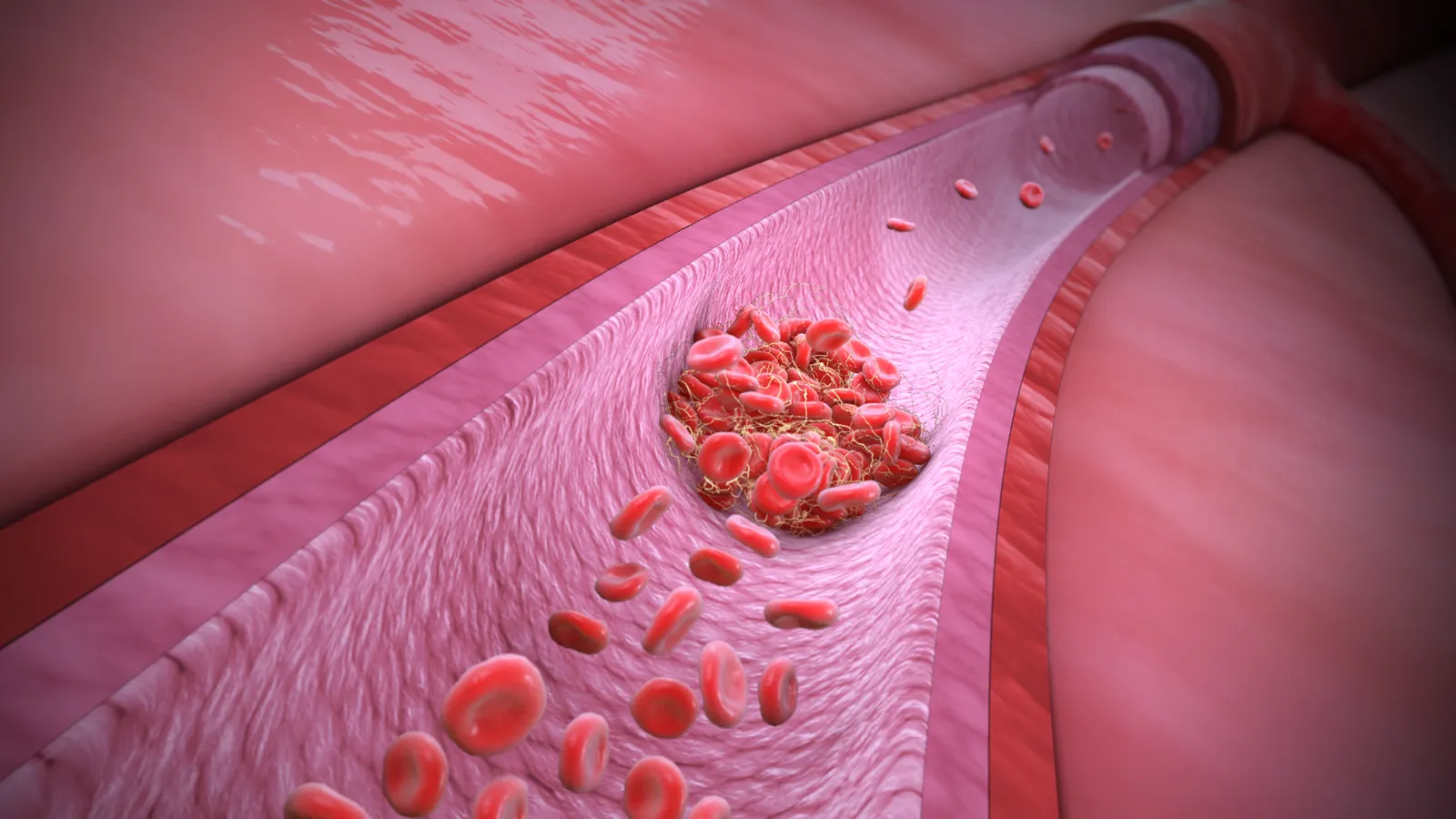
The main risk factors for DVT are vascular endothelial damage, such as surgery or trauma, venous stasis from immobility, and hypercoagulability from conditions like thrombophilia, collectively referred to as the Virchow triad. Beyond that clinical framework, everyday situations also raise risk in ways people don’t always expect.
Regular alcohol consumption, a previous history of DVT, the presence of a central catheter, a severe lipid profile, and a longer duration of hospital stay are statistically significant factors for high-risk DVT stratification, according to a 2024 study published in Frontiers in Medicine. Smoking affects blood clotting and circulation, increasing DVT risk, while staying well hydrated, especially during long trips, can help prevent blood from thickening and reduce the chance of clot formation.
Long-Term Consequences If Left Untreated

Post-thrombotic syndrome, a long-term complication of DVT, affects between one-third and one-half of people who have experienced a deep vein clot. It is caused by the damage the clot does to the valves in the vein, and people with the condition have symptoms such as swelling, pain, discoloration, and in severe cases, scaling or ulcers in the affected part of the body.
About a third of people who have had a DVT or pulmonary embolism have a higher risk of another incident. That recurrence risk is one reason early diagnosis matters so much. Recognizing DVT symptoms early can be life-saving, as this condition can lead to potentially fatal pulmonary embolism if left untreated.
How DVT Is Diagnosed
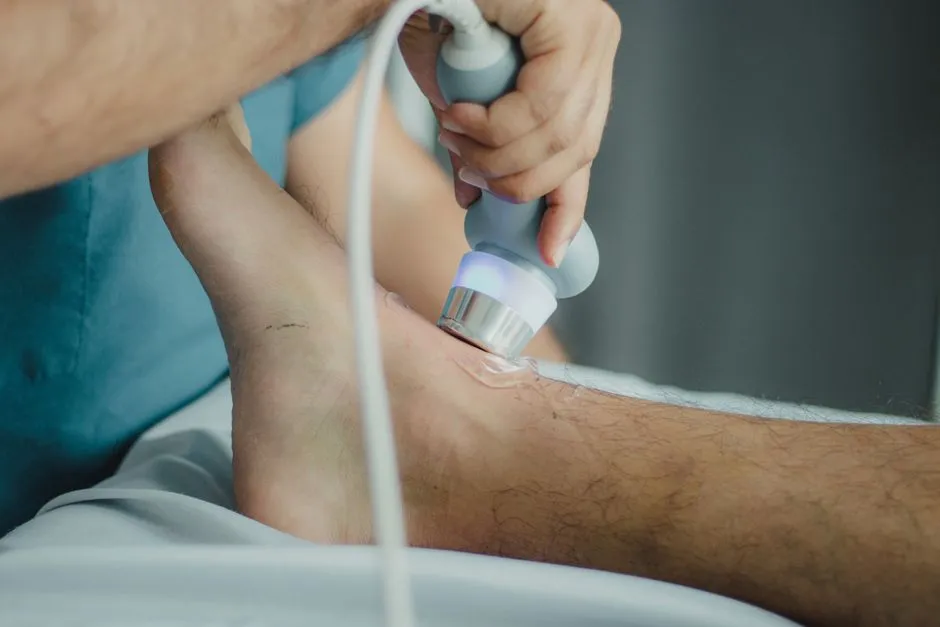
Signs and symptoms alone are not sufficiently sensitive or specific to make a diagnosis, but when considered in conjunction with known risk factors can help determine the likelihood of deep vein thrombosis. Doctors typically use a combination of clinical scoring tools, blood tests, and imaging to confirm or rule out a clot.
Ultrasound imaging and blood tests, alongside a physical exam of the affected leg and a review of medical history and risk factors, form the standard diagnostic approach. You cannot reliably diagnose a blood clot based only on pain, which is why getting a professional evaluation is the only real way to know for certain. The good news is that most medical centers can assess for DVT quickly, often on the same day.
The Takeaway
A sore leg after a workout is almost always nothing serious. The body is resilient and muscle pain heals. The problem is that a blood clot borrows the same language as ordinary soreness, especially in those early hours and days when the distinction feels nearly impossible to make without a test.
The signs worth remembering are persistence, one-sidedness, warmth, discoloration, and the absence of a physical event that should have caused the pain. None of these features alone confirms a clot, but together they build a case strong enough to seek care rather than wait it out. When in doubt, the cost of a quick medical check is far smaller than the risk of getting it wrong.
AI Disclaimer: This article was created with the assistance of AI tools and reviewed by a human editor.