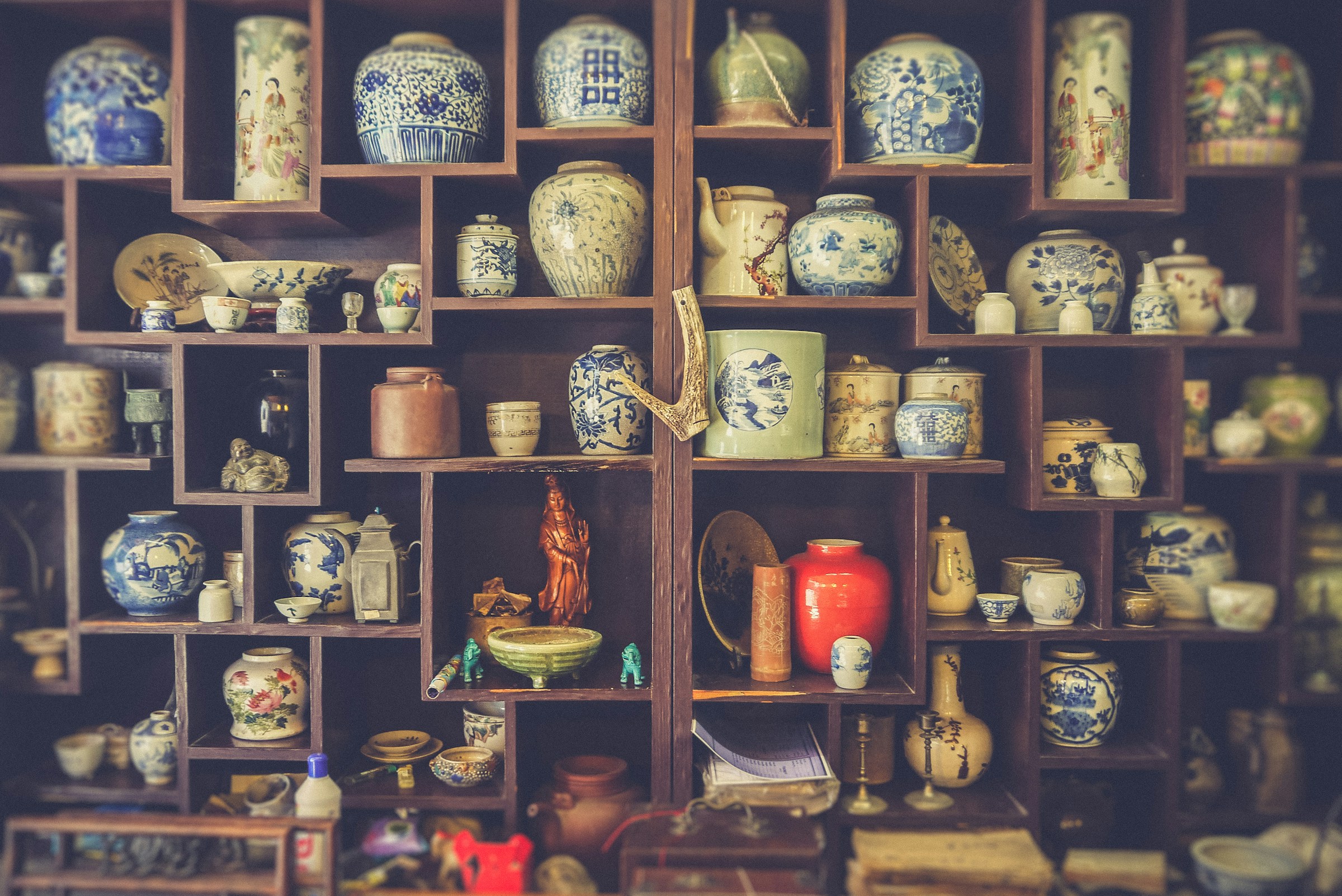

Most basements are honest places. They hold the things we can’t bring ourselves to throw away: old furniture wrapped in blankets, boxes of books nobody has opened in years, a coin collection from a grandfather, a rolled-up rug that seemed too heavy to move. It all just sits there, quietly gathering dust.
What surprises many people is how often those forgotten objects turn out to be worth something real. The antiques and collectibles market was valued at roughly 238 billion dollars in 2024, and is projected to grow steadily through the coming decade. That kind of demand doesn’t just fuel auction houses. It reaches all the way down to ordinary basements. Before you rent a dumpster, it’s worth knowing what to actually look for.
Sign 1: It Has a Maker’s Mark, Hallmark, or Signature
Antique marks and signatures are the single most reliable way to identify, date, and value any antique. Decoded correctly, a maker’s stamp, hallmark, or label can push a piece’s worth far above an identical unmarked example. This applies to silverware, ceramics, furniture, glassware, and even old tools.
Marked pieces typically command a fifty to two hundred percent premium over comparable unmarked examples, because they can be authenticated, dated, and attributed with confidence. The practical takeaway is simple: flip things over. Check the bottom of pottery, the back of furniture, and the handles of silverware. A small, easy-to-miss stamp can change everything.
Many valuable early pieces were never marked at all, so a missing mark doesn’t automatically rule something out. Still, finding one is a strong early signal that the piece is worth pursuing further.
Sign 2: The Construction Suggests It Was Made by Hand
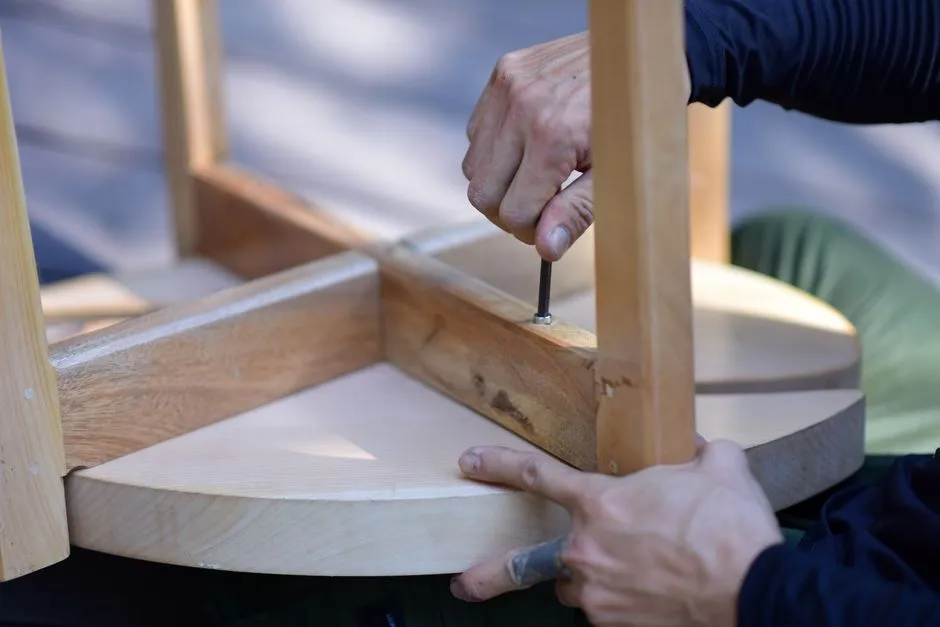
Hand-cut dovetails, irregular saw marks, and hand-forged nails point to genuine age in furniture and wooden objects. These details are difficult to fake and almost never appear in mass-produced goods. Run your fingers along the underside of a drawer or the back of a cabinet, where a manufacturer would have had no reason to conceal shortcuts.
Antique furniture tends to be valued for both its age and its craftsmanship. A bed frame that is hand carved, for example, is typically viewed as being more valuable than one that is mass produced in a factory. The same principle applies to ceramics, textiles, and metalwork. If the irregularities feel deliberate and skilled rather than sloppy, that’s a positive sign.
Furniture made in the late 1800s and early 1900s is gaining attention from people who appreciate solid construction and traditional craftsmanship. Hand-carved details, quality wood, and older building methods often make these pieces stand apart from many newer furniture options.
Sign 3: It Shows Natural Patina Rather Than Artificial Aging
Patina is the slow, natural change in surface color and texture that develops over decades of use and exposure. It’s different from grime, and very different from the kind of artificial distressing that manufacturers apply to reproduction furniture. An original untouched surface commands a premium in nearly every category of antique, from silverware to oil paintings.
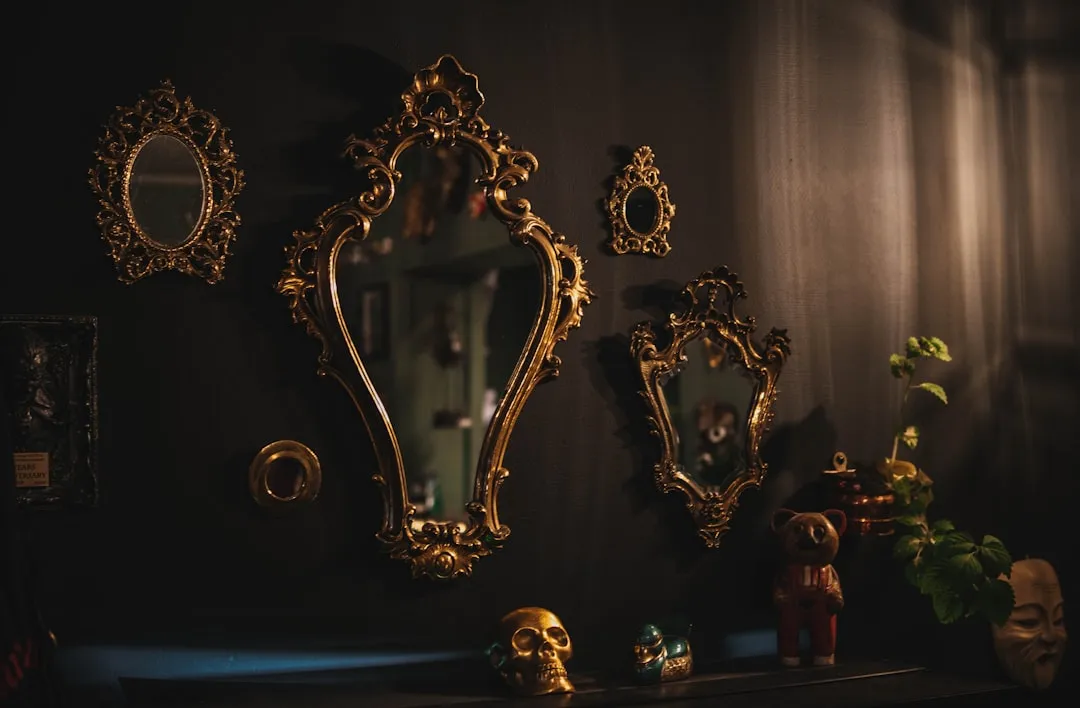
Pieces with carved wood, gilded finishes, and older construction methods can be highly collectible. Signs of age may add to their appeal rather than take away from it. The key distinction is whether the aging feels consistent across the whole object. Wear on edges, fading in areas exposed to light, and darkening in recessed areas are all signs of genuine age.
Refinished or heavily repainted surfaces, on the other hand, are a concern. Collectors will pay a premium for originality, and any major restoration typically reduces the price significantly.
Sign 4: It Carries Documented History or Provenance
Provenance is the item’s life story, its paper trail of ownership. A documented history connecting it to a famous person, a historical event, or a well-known collection can send its value soaring. Even modest documentation matters. Old receipts, photographs showing the object in a family home, or handwritten notes about its origin can move the needle on what a serious buyer is willing to pay.
Provenance can multiply a price. A clock owned by a named family with paperwork outsells an identical anonymous example. This is worth keeping in mind when sorting through old boxes. Don’t discard papers, letters, or photographs found alongside an object before establishing whether they relate to it.
Well-documented history and ownership of an antique can significantly increase its value and desirability. The story behind a piece is, in a real sense, part of the piece itself.
Sign 5: It Falls Into a Category with Strong Collector Demand

Not everything old is collectible. The market rewards specific categories far more than others. Common high-value finds include antique furniture with original finish, signed or marked silver, Victorian or Art Deco jewelry, early American pottery, first-edition books, Depression-era glassware in rare colors, and original oil paintings. These categories share one thing: an active base of buyers who know what they want and are willing to compete for it.
Vintage Pyrex is common, yet specific discontinued patterns sell for hundreds because thousands of collectors chase them. The lesson there is that demand, not age alone, drives price. Age is only one factor, and on its own it rarely sets a high price. A 150-year-old mass-produced plate in a common pattern may still be worth only a few dollars, while a well-designed piece from the 1950s by a sought-after maker can bring thousands.
Mid-century modern furniture has become a favorite style of younger collectors, which explains why pieces that felt unfashionable a generation ago are suddenly finding serious buyers again.
Sign 6: The Material Itself Has Intrinsic Value
Some objects carry worth simply because of what they’re made of, independent of artistry or age. Sterling silver is the clearest example. Real silver flatware often stays in families for generations. Besides its sentimental value, the silver itself can make a set worth far more than ordinary utensils.
Sterling silver flatware can have value for both its craftsmanship and its silver content. Complete sets from respected makers such as Tiffany and Co., Gorham, and Reed and Barton are especially sought after. Even incomplete or worn sets retain some value as long as the hallmarks confirm the silver content. Even incomplete sets may still have value because of the silver content, craftsmanship, or age.
The same logic applies to solid hardwood furniture, gold jewelry, and bronze sculpture. When the raw material is worth something on its own, the object has a floor below which its price rarely falls. That’s a meaningful cushion when everything else about the piece is uncertain.
Sign 7: It’s Rare, or at Least Scarcer Than You’d Expect
Rarity is fundamental. Even very old items are rarely valuable if they were mass-produced. True value often lies in scarcity. This is probably the single most misunderstood aspect of antique valuation. People assume that because something is old, it must be uncommon. The truth is, factories were producing enormous quantities of goods well before the twentieth century.
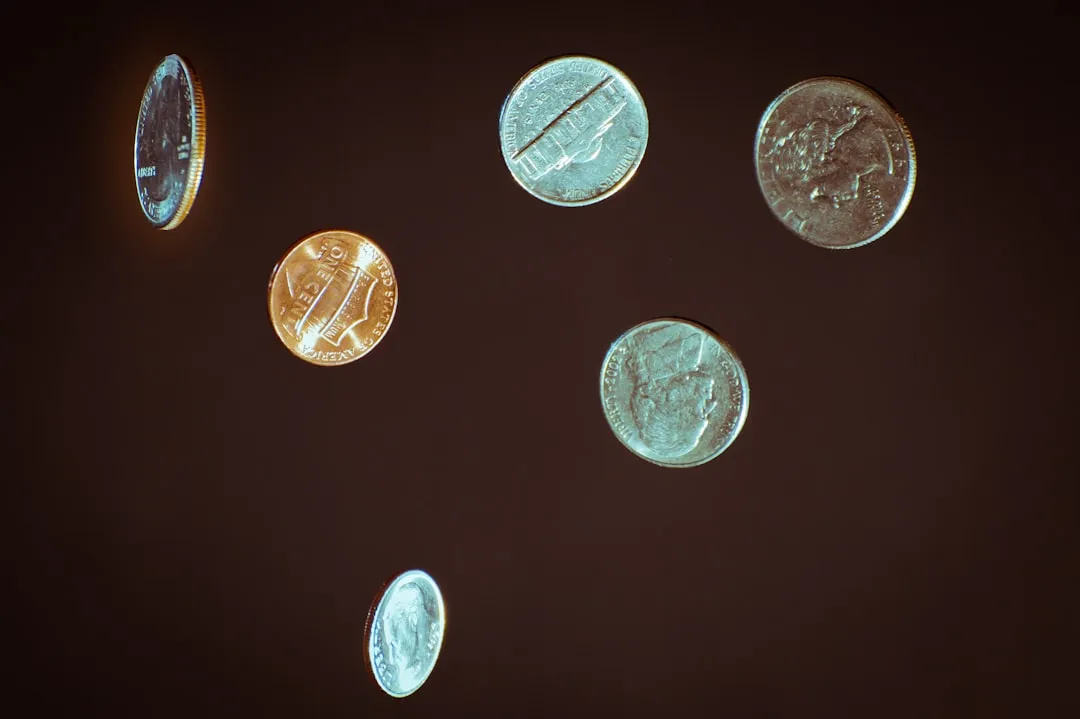
Old coins have always attracted collectors, but certain pieces from the 1800s and earlier can be worth far more than their original value. Rare minting errors, limited production coins, and pieces in excellent condition often attract the most attention. The same applies to books: old books might look ordinary, but if you stumble across a first edition, you could be holding serious value. Sought-after titles can be worth hundreds or even thousands if in good shape. Look for dust jackets, printing dates, and author signatures.
The practical step is to research comparable items online. Completed sales on major auction platforms can give you a realistic sense of how many similar items are circulating and what buyers are actually paying for them right now.
What to Do When You Spot These Signs
Recognizing the signs is one thing. Knowing what to do next is another. If an object shows several of the qualities described above, the most important rule is: don’t clean it, refinish it, or repair it. Collectors will pay a premium for an item in its original, untouched state. Cracks, chips, repairs, or signs of restoration can reduce that value considerably.
Look for appraisers certified by professional bodies like the American Society of Appraisers or the Appraisers Association of America. Avoid anyone who charges a percentage of the appraised value. Many auction houses also offer free informal appraisals. Getting a second opinion from two independent appraisers before selling anything of apparent significance is a sensible precaution.
When it comes to insurance coverage, estate planning, or selling a particularly valuable piece, a formal appraisal isn’t just a suggestion, it’s a necessity. It provides a legally sound valuation that serious buyers and institutions will actually trust.
The Market Is Growing, and So Is the Opportunity

The market’s growth is supported by a resurgence in nostalgic and vintage products, the expansion of digital auction sites, and increasing interest in non-traditional investments, such as fine art, rare toys, memorabilia, and ancient artifacts. That combination has opened up access to buyers that simply didn’t exist a decade ago. An item that might have sat unsold in a local antique shop can now reach a global audience within hours.
Online antique sales are expanding at an impressive rate annually. Platforms like 1stDibs, eBay, and Etsy have revolutionized access to global buyers and sellers. For anyone sitting on a potentially valuable item, that’s a meaningful shift. The right buyer for something rare or unusual is far easier to find today than at any previous point in history.
The items sitting in a basement or family storage room may deserve a closer look before being donated or discarded. Age alone doesn’t guarantee value, but details like rarity, condition, maker information, and history can turn an ordinary-looking object into something collectors are eager to find.
The Takeaway
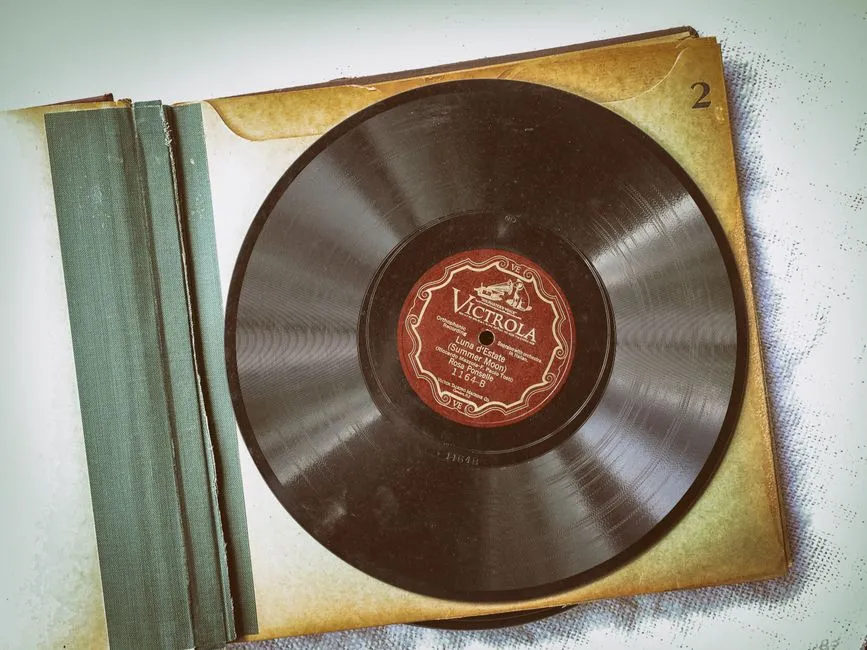
None of this requires expertise to get started. The seven signs discussed here, from maker’s marks and hand construction to provenance, material quality, and genuine rarity, are things anyone can assess with a flashlight, some patience, and a willingness to look carefully at what’s actually there.
The basement isn’t always full of treasures. Most of the time, it genuinely isn’t. Still, the cost of looking carefully before discarding something is low, and the cost of getting it wrong can be surprisingly high. A dusty box, a rolled-up rug, a tarnished set of silverware – any of these could hold more than meets the eye. The only way to know is to actually check.
AI Disclaimer: This article was created with the assistance of AI tools and reviewed by a human editor.