

1. Not Responding to Their Name or Commands
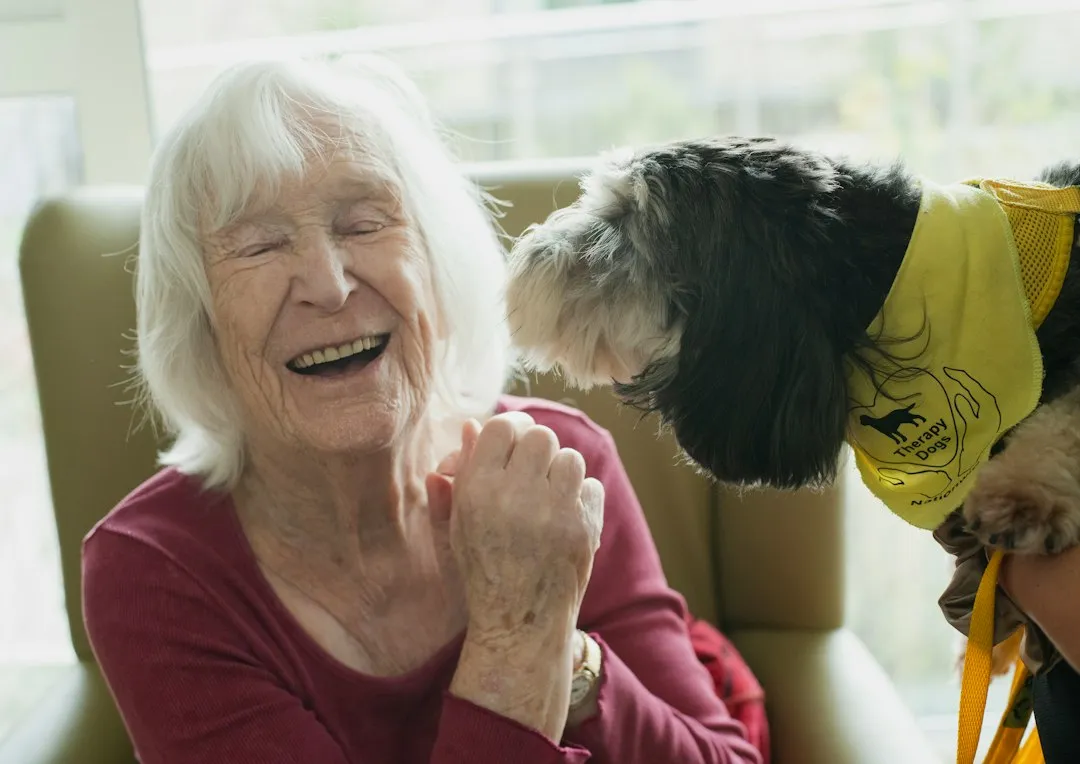
Because age-related hearing loss happens slowly, many dogs compensate extremely well at first. That means the disconnect between owner and dog can build up quietly over months before it becomes obvious.
Most senior dogs with hearing loss are not ignoring commands – they simply can’t hear them as clearly anymore. This is one of the most commonly misread signs, often mistaken for stubbornness or a behavior problem.
A dog with genuine hearing loss won’t respond even in quiet, low-distraction settings, and the pattern holds steady across different situations and times of day. That consistency is the clearest tell.
2. Sleeping More Deeply and Through Loud Sounds
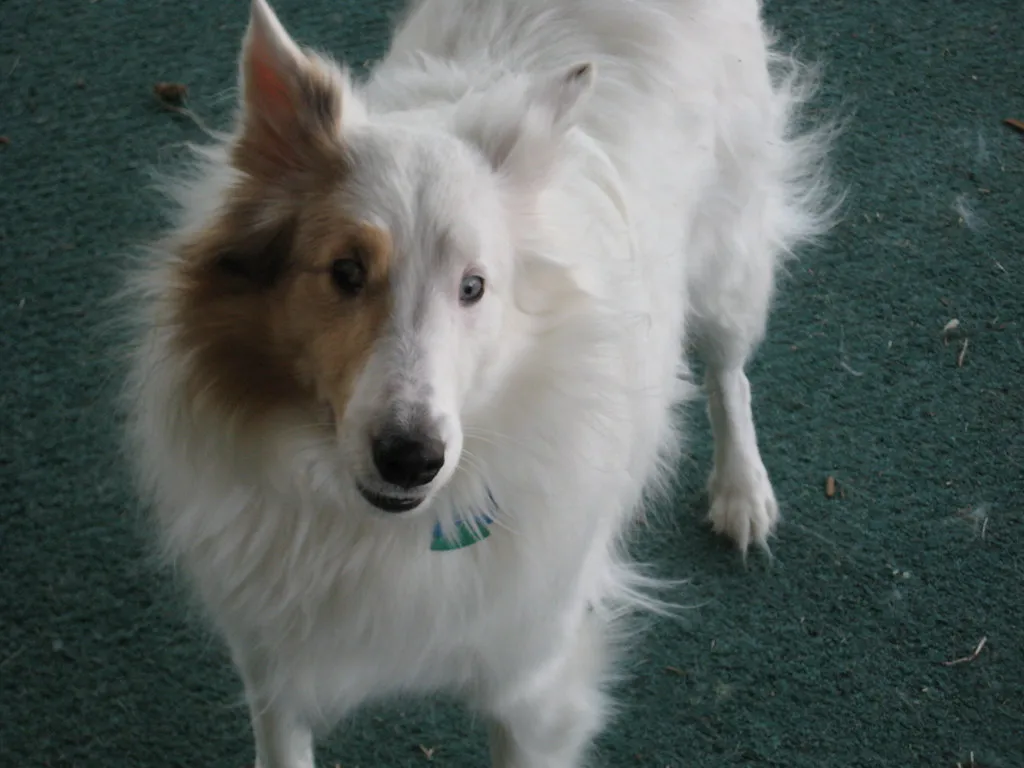
Many dogs dealing with hearing loss will sleep more frequently. If you notice your aging dog sleeping much deeper and not being woken up from the same level of noise that would have roused them in the past, it is a telling sign they may be suffering from hearing loss.
Common signs include sleeping more deeply and failing to react to doorbells or squeaky toys. When a dog that once bolted for the door at the first knock now stays curled up without stirring, something has changed in their auditory experience.
It can be easy to attribute deeper sleep to general aging or fatigue. But when a dog sleeps through sounds that once had them on their feet in seconds, it’s worth paying closer attention.
3. Barking More Loudly or More Often

If your dog’s bark seems to have gone up by several decibels, it may be because they can’t hear themselves – a common sign of hearing loss in dogs. It’s the same reason people raise their voices when wearing headphones.
Hearing loss may cause your dog to bark more often out of fear or frustration. Barking excessively or less frequently can both be indicators. Some dogs go the other way and become quieter, but a sudden volume increase is notably common and tends to catch owners off guard.
When the barking feels different – louder, more urgent, without an obvious trigger – it’s worth considering the possibility that your dog simply can’t calibrate their own vocal output anymore.
4. Becoming Easily Startled

When canines experience hearing issues, they’re more likely to startle easily. If your dog jumps at your touch or seems startled when you walk past, it could be that they didn’t hear you enter the room.
A dog experiencing hearing loss is likely to be feeling confused, out-of-sorts and even frightened. Being repeatedly surprised by people or sounds they once tracked easily can be genuinely unsettling for them.
This sign matters beyond the startle itself. A dog that flinches unexpectedly at touch may sometimes react defensively, even snapping, not out of aggression but out of reflex. It’s a safety consideration for households with children and something to handle with care.
5. Ears That No Longer Swivel Toward Sounds
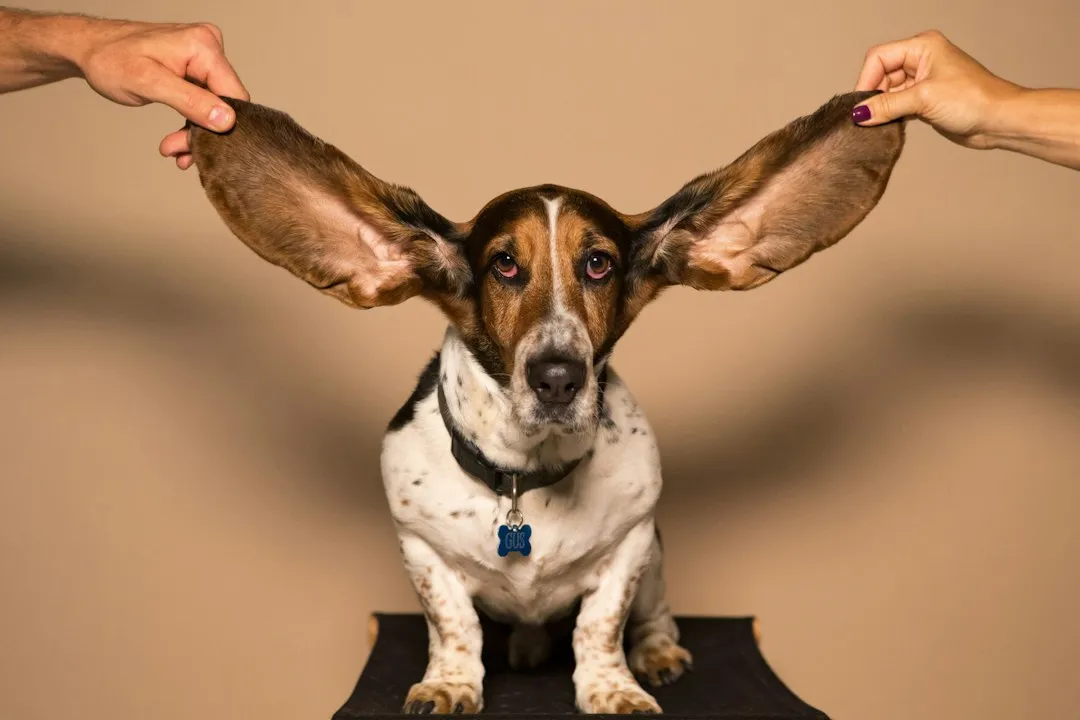
Dog ears move in response to sound in order to better hear it. A lack of ear movement can be a sign of hearing loss. Healthy dogs instinctively orient their ears toward sounds with notable precision, almost like small satellite dishes.
If your dog’s ears rarely move, they may have hearing loss. This is a subtle change, but once you know to look for it, it becomes one of the more reliable things to monitor during everyday interaction.
Unilateral deafness can be more difficult to detect because the dog still hears through one ear. These dogs may have trouble locating the source of sounds and often orient themselves so their hearing ear faces the sound. So even inconsistent ear movement deserves a second look.
6. Ignoring Sounds That Once Triggered Excitement

A strong indicator of canine hearing loss includes a lack of reaction to sounds that used to excite them. Think about the sounds that reliably got a reaction before – a leash rattling, the crinkle of a treat bag, the front door opening – and notice which ones now produce nothing.
Age-related hearing loss is particularly common in senior dogs. Hearing typically declines gradually, often beginning with difficulty hearing mid-range and high-frequency sounds before progressing to broader hearing loss. High-pitched squeaky toys, in particular, may fall into the range a dog loses first.
Many geriatric animals develop presbycusis. Middle to high frequencies are affected first, followed by progressive loss of hearing at all frequencies. This is why a dog might still respond to a low-pitched rumble of thunder but seems completely unbothered by sounds they once reacted to instantly.
7. Signs of Disorientation or Increased Anxiety

Presbycusis negatively alters owner and pet interactions and is associated with poor executive function task performance and owner-assessed dementia severity. The connection between hearing loss and broader cognitive changes in older dogs is well documented in veterinary research.
Dogs had higher prevalence of reported cognitive impairment when owners reported dual vision and hearing impairments. In older dogs, dual vision and hearing impairments were associated with a significantly increased risk of cognitive impairment. So anxiety or apparent confusion in a senior dog shouldn’t be taken lightly.
If hearing loss is accompanied by other age-related changes, reduced activity, or less interaction from family members who assume the dog “doesn’t understand anymore,” the dog may appear withdrawn or depressed. The social isolation that follows unrecognized hearing loss can compound the problem considerably.
When to See a Veterinarian

Any new or worsening ear symptoms in a senior dog warrant veterinary attention. Sudden, dramatic hearing loss, as opposed to gradual decline, may indicate an acute problem that is treatable. Sudden loss should always prompt a prompt visit rather than a wait-and-see approach.
Presbycusis is not painful and cannot be reversed, but it is important to distinguish age-related hearing loss from hearing changes caused by chronic middle ear infections, ear growths, or severe wax impaction, all of which are potentially treatable.
The only definitive way to check a dog’s hearing is with a Brainstem Auditory Evoked Response (BAER) test. It only takes a few minutes, but BAER testing typically requires a referral to a specialty veterinary hospital or veterinary school. For most age-related cases, your regular vet’s clinical observations and your own account of behavioral changes are usually enough to begin.
How Common Is Hearing Loss in Senior Dogs, Really?

Aging dogs suffer from presbycusis with loss of high-frequency sounds starting around 8 years of age. That age threshold puts a large portion of the pet dog population firmly in the at-risk window.
Older dogs had higher prevalence of hearing, vision, and dual sensory impairments, assessed both clinically and by questionnaire. By both methods of assessment, older dogs aged eight years and above had a higher prevalence of sensory impairments than younger dogs.
The American Kennel Club estimates that between five and ten percent of dogs are affected by deafness. Most dogs begin experiencing age-related hearing loss around 8 to 10 years of age, though this varies by breed and size. For larger breeds, that window can arrive even earlier.
Adapting Your Communication With a Hearing-Impaired Dog

Verbal cues will become less and less effective as your dog’s hearing worsens. Transitioning to hand signals and visual cues is not only possible, it tends to work well, especially if started early before hearing is entirely gone.
Deaf dogs can feel vibrations. A gentle stomp on the floor, a tap on the furniture, or a flashlight signal can all serve as effective ways to get your dog’s attention without startling them.
While age-related hearing loss isn’t fully reversible, proper care and communication adaptations can help senior dogs maintain a high quality of life. Dogs are remarkably adaptive, and many adjust to hearing loss with far less distress than owners anticipate.
The Takeaway

The loss may appear acute in onset but reflects the animal’s eventual inability to compensate for progressive loss that has been developing for some time. Onset of presbycusis is typically in the last third of a breed’s typical lifespan and progresses to complete deafness if the animal lives long enough.
Recognizing hearing loss early changes how you interact with your dog, and that matters more than most owners realize. It’s not about grieving a loss. It’s about updating the conversation between you and an animal that still needs you to understand what they’re going through.
Your dog hasn’t stopped listening. They may just need you to find a new way to reach them.
AI Disclaimer: This article was created with the assistance of AI tools and reviewed by a human editor.