

There’s something quietly compelling about the habits our grandparents never questioned. They cooked from raw ingredients, hung laundry in the sun, grew tomatoes in the back garden, and sat down together at the table every evening. These weren’t wellness rituals or lifestyle trends – they were just how people lived. In 2026, with grocery bills climbing and screen time skyrocketing, quite a few of those old routines are starting to look a lot less dated and a lot more sensible.
Retro habits at home have made a major comeback in recent years, driven in part by the sustainable living movement and a growing recognition that classic, simple approaches never truly go out of style. The pull isn’t just practical. There’s also a deep and widespread yearning for the nostalgia and comfort that past decades represent. Here are seven of those old-fashioned household habits that are well worth reviving.
1. Cooking from Scratch
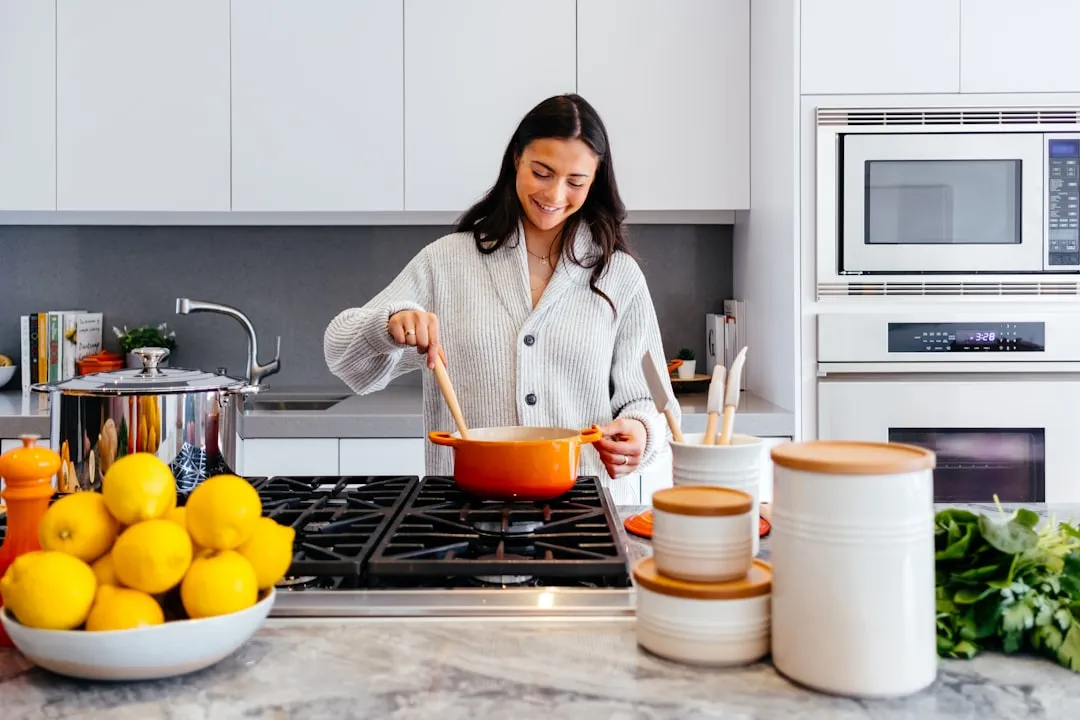
There was a time when opening a box for dinner was the exception, not the rule. Growing numbers of consumers globally are cooking from scratch using fresh ingredients, and the proportion doing so has continued to rise even after the disruptions of the COVID-19 pandemic. The reasons are both practical and personal.
A study published by the National Institutes of Health found that cooking more meals at home was associated with healthier food choices, better portion control, and lower rates of diabetes and heart disease. Beyond the physical benefits, those who cooked at home reported better mental health and reduced stress levels, likely due to the mindfulness and sense of accomplishment that comes with preparing a meal.
Cooking meals at home gives you direct control over what goes into your food, allowing for a higher fiber, lower calorie diet, which can help support a healthy weight. The habit doesn’t need to be elaborate to be worthwhile.
2. Sitting Down Together for Family Meals
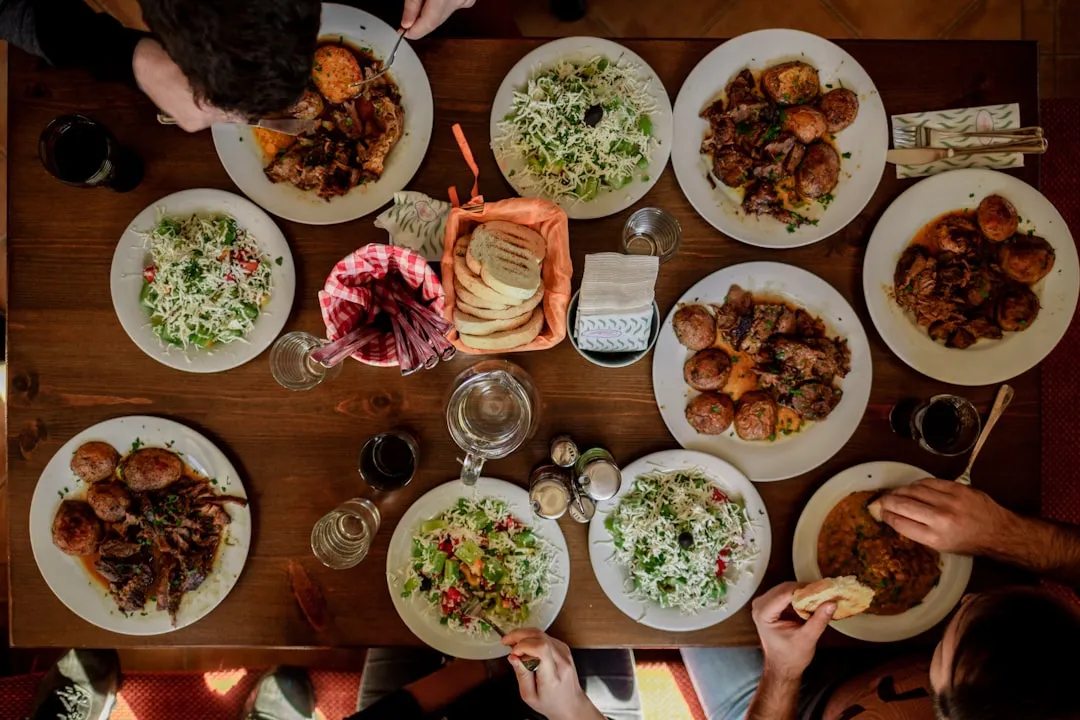
The shared family dinner has been steadily eroding for decades, crowded out by schedules, devices, and the convenience of eating whenever, wherever. The research on bringing it back is hard to argue with. More than 35 years of research and thousands of studies from around the globe document that family meals are advantageous for both physical and mental health.
A large Canadian study of over 26,000 adolescents found that each additional shared dinner per week was associated with measurably better mental health outcomes across every dimension measured, including lower anxiety, lower depression, greater life satisfaction, and more prosocial behavior.
Research has shown that regularly sharing meals with at least one family member is associated with increased fruit and vegetable consumption, stronger family bonds, and better performance in school. Sometimes the old rituals stick around because they genuinely work.
3. Growing Your Own Food
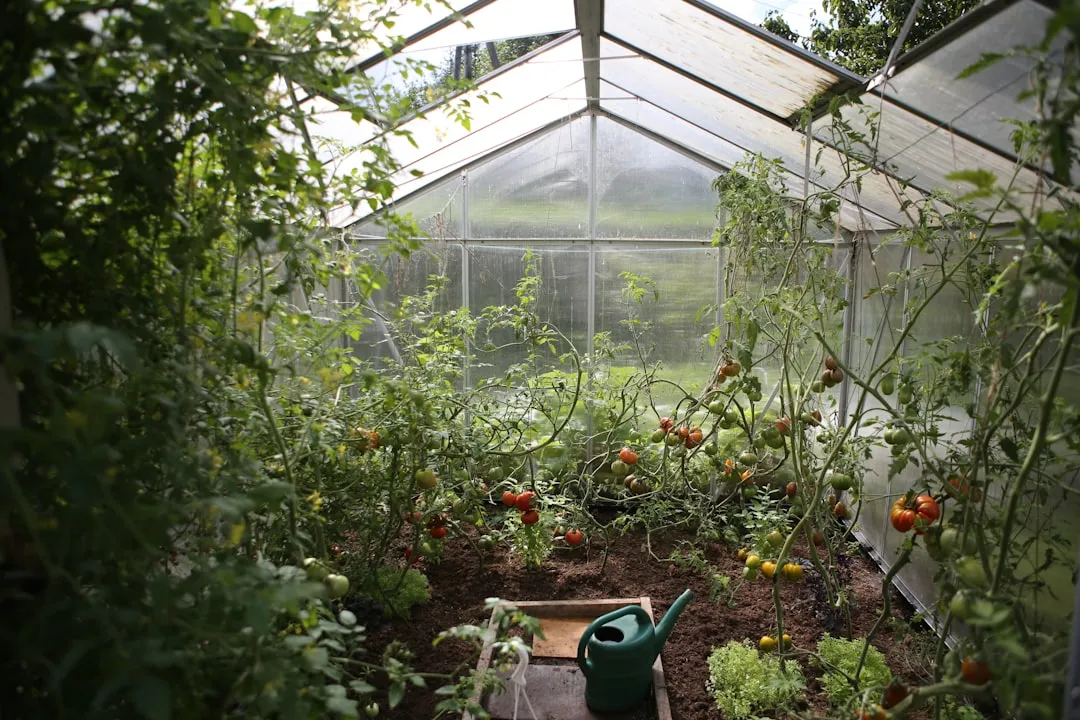
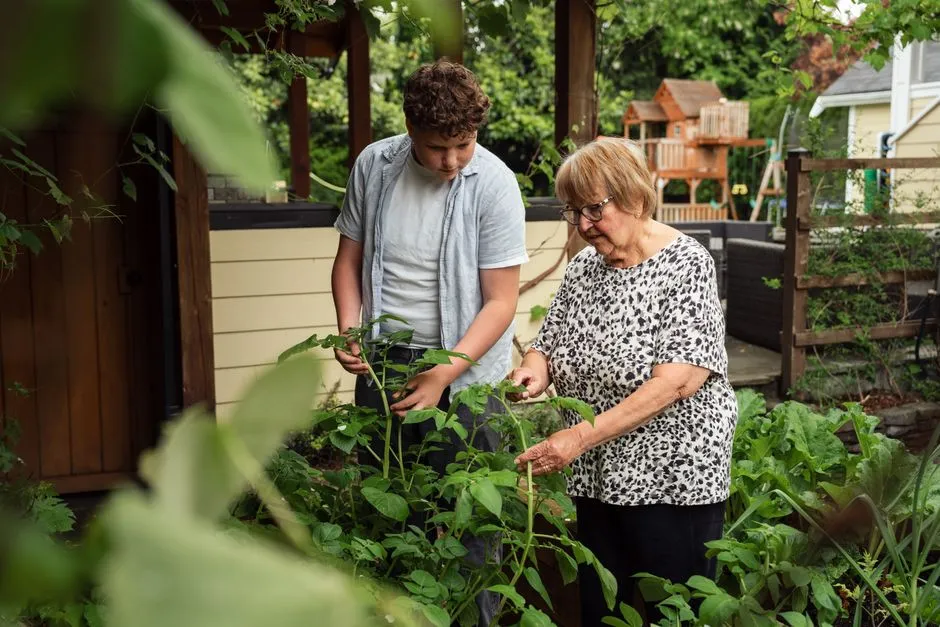
The kitchen garden was once a given. Today it’s being rediscovered, and with good reason. Roughly 55 percent of U.S. households participated in some form of gardening in 2023, and vegetable gardening has seen a roughly 35 percent increase globally since 2020.
The average U.S. garden produces around 600 dollars worth of food annually. That number alone makes a compelling case for even a modest raised bed or patio container setup. When asked why they garden, 63 percent of people said they enjoy being outside, 58 percent said they like growing things, and 53 percent said they love having homegrown fruits and vegetables.
Urban and suburban homeowners are increasingly embracing what’s being called “micro-homesteading,” creating self-sufficient mini-farms even on small lots, which can include compact vegetable gardens, small-scale composting systems, rainwater collection, and even backyard chickens where permitted. It’s a movement that looks very much like something our grandparents would recognize.
4. Line Drying Laundry

The tumble dryer is one of the most energy-hungry appliances in the home, yet its use is rarely questioned. Household dryers in the U.S. consume about 3 percent of the country’s residential energy budget and collectively cost more than 7 billion dollars to power each year, while generating the equivalent of more than 27 million tons of carbon dioxide.
Completely switching to line drying would eliminate dryer-related pollution entirely, and even partial line drying used when weather permits could cut pollution by 41 to 67 percent, depending on local climate conditions. That figure comes from a 2025 lifecycle analysis by researchers at the University of Michigan.
Over the lifetime of a dryer, fully switching to line drying could save a household more than 2,100 dollars. The humble clothesline turns out to be a surprisingly powerful tool.
5. Mending and Repairing Clothing
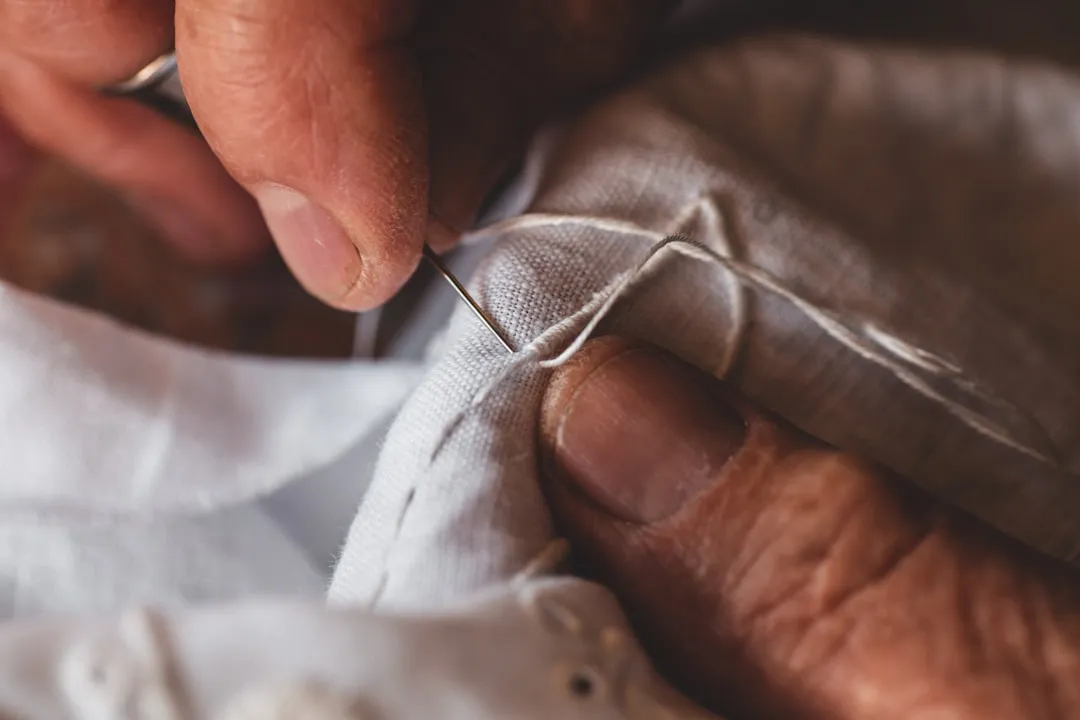
Fast fashion has made it easier than ever to throw away and replace. The older habit of mending what you own is making a quiet comeback, and it carries real weight. Repairing clothes is a valuable skill that extends a garment’s lifespan while also helping you save money and develop a deeper appreciation for what you own.
Repairing clothes has measurable environmental benefits, reducing textile waste in landfills and the pollution produced by textile manufacturing. A missing button or a broken zipper doesn’t mean a garment is finished. These are fixable issues that, when repaired, keep you wearing your clothes longer and far more sustainably.
Repair Cafés and community fix-it events have grown steadily across cities in the U.S. and Europe, offering free spaces where people can bring broken items and learn to restore them. The skill of mending is being taught again, not out of necessity, but out of genuine conviction.
6. Spending Evenings Without Screens
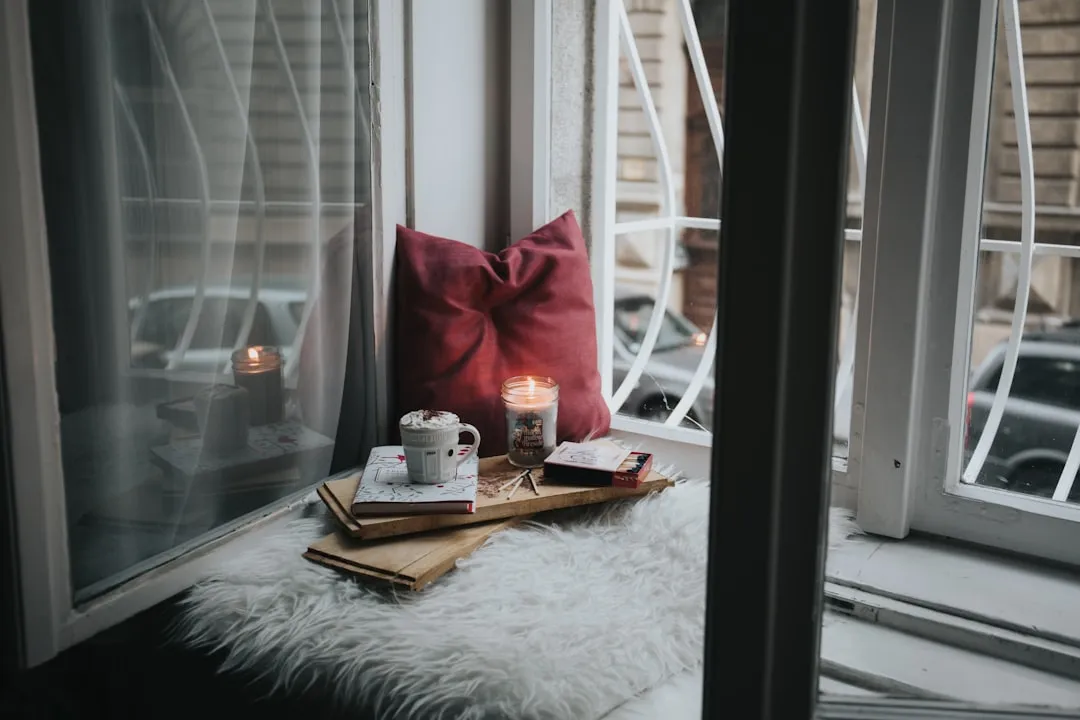
Before televisions moved into every room and smartphones into every hand, evenings at home looked quite different. People read, played board games, had conversations, wrote letters, or simply sat together without a digital agenda. Home habits, much like decor, are reliably cyclical: trends ebb and flow, then re-emerge decades later, often with good reason behind their return.
Zillow’s 2025 Trend Report found that mentions of the word “nostalgia” appeared 14 percent more often than in 2023, and use of the word “vintage” was up nine percent, suggesting that people are actively reaching back toward older, slower ways of living. Screen-free evenings align with that mood.
The evidence for cutting down on evening screen exposure is well established in sleep research. Blue light from devices interferes with melatonin production, disrupting sleep quality. Swapping out that last hour of scrolling for a book, a puzzle, or an actual conversation is a habit so simple it almost seems radical in 2026.
7. Making the Home Smell Like Actual Cooking

This one might seem trivial, but it ties directly back to the earlier habits. Consumers who cook and share food at home consistently report improved quality of life, the enjoyment of socializing with family and friends, and a greater variety in what they eat. There’s a sensory dimension to that too. A kitchen that smells of simmering broth, baking bread, or roasting garlic signals something grounding about the home itself.
The act of cooking encourages people to enjoy their food more mindfully, and that mindfulness tends to ripple outward. Globally, roughly 58 percent of people reported experiencing genuine joy from cooking in the last seven days, according to survey data. That number is worth sitting with for a moment.
Homes that cook from scratch tend to smell like places where people actually live. That’s not nothing. The connection between domestic smells, memory, and emotional comfort is well documented in psychological research on nostalgia and belonging.
The Takeaway
None of these habits require a dramatic lifestyle overhaul. Most of them are simply a matter of slowing down, using what you have, and paying a little more attention to the rhythms of daily home life. We are currently in the middle of a broader retro renaissance, with home trends moving away from bland, efficient minimalism and toward warm personality and lived-in character.
The interesting thing about these old habits is that science keeps catching up to what previous generations understood intuitively. Cooking together, eating together, growing things, fixing things, and stepping away from constant noise and stimulation: none of this is new wisdom. It just needed a rediscovery.
The best reason to bring these habits back isn’t nostalgia, though that’s part of it. It’s that they genuinely make everyday life a little quieter, a little healthier, and more worth coming home to.
AI Disclaimer: This article was created with the assistance of AI tools and reviewed by a human editor.