
Phone scams have quietly become one of the most damaging forms of fraud in modern life. The calls sound professional, the voices are calm, and the urgency feels completely real. That combination catches millions of people off guard every year.
The scale of the problem is hard to overstate. America lost a record $15.9 billion to scams in 2025, and over the previous year, more than 56 million Americans were impacted by scam calls, losing a collective $25.4 billion. A large portion of those losses started with one thing: someone sharing the wrong information with the wrong person over the phone. Knowing what never to say out loud is one of the most practical defenses you have.
1. Your Social Security Number
This is the most targeted piece of personal information in phone fraud, and the damage it enables goes far beyond a single stolen payment. With a Social Security number, a criminal can open credit accounts, file fraudulent tax returns, and claim government benefits in your name.
Social Security scams resulted in nearly $600 million in losses during 2024. The Social Security Administration remains the top government agency targeted by scammers. Callers often claim your number has been “suspended” due to suspicious activity, which is a scenario the real SSA would never present over the phone.
The SSA will never call you unsolicited and ask for your full Social Security number. If a caller claims to be from the SSA and requests this information, hang up immediately. That single action can save you from months of painful financial recovery.
2. Your Bank Account Number or Routing Number
Handing over your bank account number over the phone is essentially handing over the keys. With that number and your routing number, someone can initiate unauthorized transfers, set up fraudulent direct debits, or drain your account entirely before you notice anything is wrong.
Vishing is a form of phishing where scammers impersonate bank representatives over the phone, with the goal of obtaining personal and banking information. You receive a call, often with the caller ID spoofed to look like your bank’s phone number, the scammer claims there’s a problem with your account like suspicious activity or a compromised card, and a sense of urgency is created to pressure you into acting quickly.
Banks and other financial institutions would never ask you for debit or credit card numbers, usernames, and passwords over the phone. If a caller pressures you to verify account details to “fix” an issue, hang up and call your bank directly using the number printed on your card or statement.
3. Your PIN or Online Banking Password
A PIN or password is the last line of defense between a scammer and your money. Once they have it, there is very little a bank can do to reverse a transaction that appears, from the outside, to have been authorized by you.
The main purpose of vishing is to illegally acquire private, sensitive information, and the types of valuable information scammers want include security credentials, passwords, and PINs. Vishing attempts often occur outside of normal business hours and may include repeated calls with intentions to create urgency. That pressure is deliberate. Scammers know that a flustered person makes faster, worse decisions.
No legitimate bank will contact you through phone calls, emails, or text messages to request your online banking credentials, including your username or password. Treat any request for a password over the phone as an immediate red flag, regardless of how convincing the caller sounds.
4. One-Time Passcodes and Two-Factor Authentication Codes
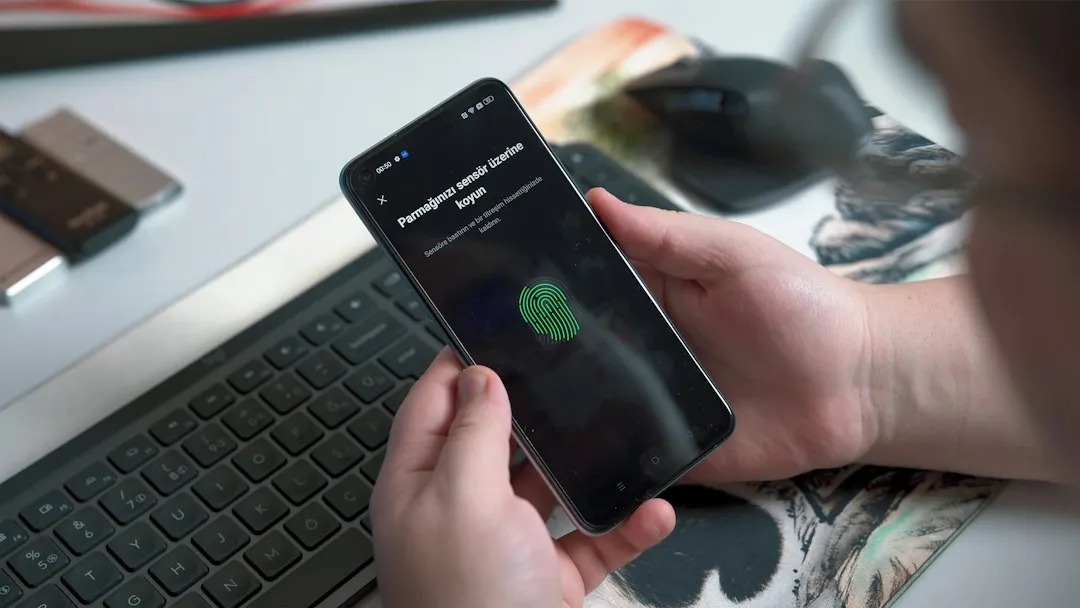
Two-factor authentication was designed to protect your accounts even when someone already knows your password. Scammers have adapted to this by simply asking you to read the code out loud while they use it in real time.
Vishing, a voice phishing attack, is the fraudulent use of phone calls and voice messages using social engineering techniques to convince individuals to reveal private information such as bank details and passwords. The same technique applies to authentication codes. A scammer might trigger a login to your account themselves, then call you claiming the code was sent “for security purposes” and that you need to verify it with them.
Once you read that code out loud, the scammer completes their own login to your account. The entire exchange takes under two minutes. Phone-based attacks bypass many traditional security controls, and protecting against them depends on awareness and the ability to pause, question, and verify.
5. Your Credit or Debit Card Number and CVV
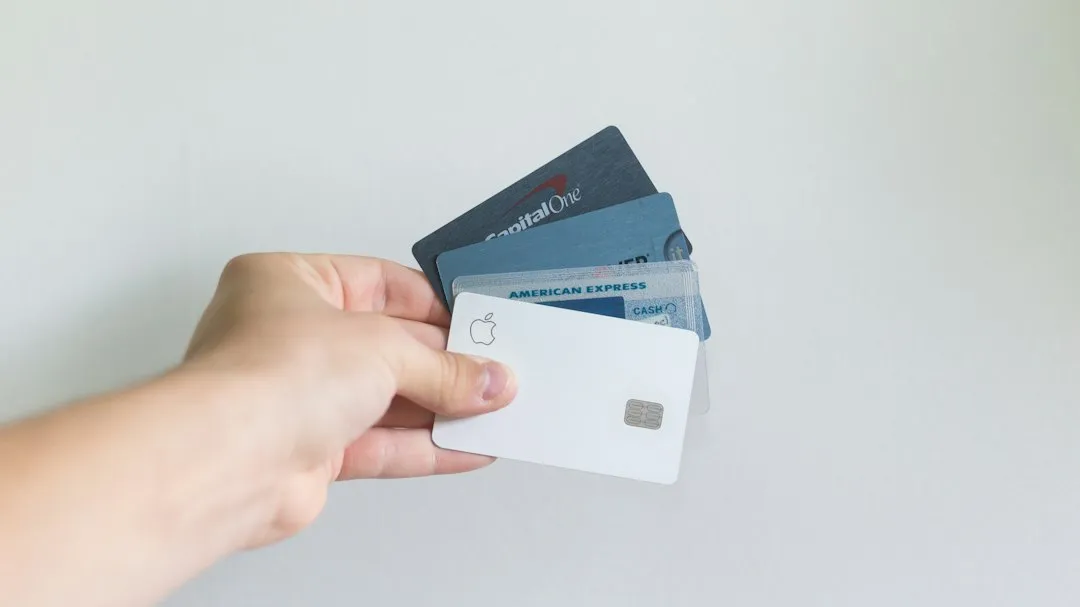
Your card number alone has limited use for a determined fraudster, but pair it with the expiration date and the three-digit CVV on the back, and they have everything needed to make online purchases anywhere in the world. Most of those transactions are nearly impossible to trace quickly.
Hackers use vishing techniques to scam victims by asking for personal information like debit card and bank account details, login credentials, passwords, or Social Security numbers. A common script involves a caller posing as your card provider, informing you that a fraudulent charge was made and they need to “verify” your card details to block it. The irony is painful: in trying to stop fraud, people hand over the exact information that enables it.
Never give out sensitive data such as your PIN, password, CVV, or OTP to anyone over the phone. Legitimate card issuers already have your card details on file and have no reason to ask you to repeat them back.
6. Your Full Date of Birth
A date of birth might seem like harmless information, but in the context of identity fraud it functions as a verification key. Combined with your name and address, it allows criminals to pass identity checks at banks, government agencies, and credit bureaus.
Of the more than 1.1 million total identity theft reports filed in 2024, 86% included consumer age information. That figure tells you exactly how central date of birth is to identity theft operations. Scammers collect it because it works.
From pervasive imposter phone calls, texts, emails, social media, and even mail ploys, scammers are relentless in their efforts to gain access to your money or personal identifying information. Your birth date is one of the building blocks of that puzzle. Once it is combined with other details they have already gathered, the picture becomes complete enough to impersonate you.
7. Your Home Address (When Combined With Other Details)
Sharing your address in isolation is rarely catastrophic. The real danger comes when a scammer already knows your name, date of birth, and partial financial information, and asks for your address to “confirm your identity.” At that point, you are handing over the final piece of a profile they have been assembling.
Some attackers will already have partial information and use that to convince you to share what they don’t know. This technique, known as pretexting, is especially effective because the caller sounds informed and credible. You naturally assume someone with so many correct details must be legitimate.
Reports from adults 60 and older losing $10,000 or more to business and government imposter scams increased more than fourfold between 2020 and 2024, with phone calls as the contact method in 41% of cases. Older adults are disproportionately targeted using exactly these layered information-gathering tactics. Never confirm personal details to a caller who initiated the contact, no matter how much they already seem to know about you.
The Deepfake and AI Dimension

The threat landscape has shifted considerably since 2023. Scammers now use AI-generated voices to impersonate family members, bank officials, and even company executives with striking accuracy. The voice on the other end of the line may sound completely familiar and still be entirely fabricated.
A 2024 survey found that 45% of respondents in the United States who received a deepfake scam call in the previous year were duped. That is nearly half of everyone who encountered one. In 2024, one CEO was tricked by an AI-generated video call into authorizing a transfer of $25.6 million.
The practical implication is that the sound of a familiar or authoritative voice is no longer a reliable signal of authenticity. If a call arrives unexpectedly and the person asks for any of the information listed above, the right move is to hang up and call back using a number you already have saved, not one the caller provides.
Who Gets Targeted Most Often

Anyone can fall victim to a phone scam, but certain groups face a statistically higher risk. Older people are disproportionately targeted by fraudulent telemarketers and make up roughly four in five victims affected by telemarketing scams.
Combined losses reported by older adults who lost more than $100,000 increased eight-fold, from $55 million in 2020 to $445 million in 2024. Data from the Social Security Administration shows that people ages 70 to 84 report the greatest losses, averaging nearly $12,000. These numbers reflect real people losing real savings they cannot replace.
An AP-NORC poll found that 98% of Americans believe they have received suspected scam messages, with many encountering deceptive outreach on a daily basis. The sheer volume makes complacency a genuine risk. Scammers win not because victims are unintelligent, but because the calls are frequent, sophisticated, and designed specifically to exploit moments of distraction.
How Scammers Build Pressure and What to Do Instead
The tactics scammers use are psychologically deliberate. They weaponize urgency with warnings like “act now or face consequences,” invoke authority by claiming to represent management or law enforcement, and use likeability to appear relatable. Understanding these manipulation techniques ahead of time makes them significantly less effective.
Scammers often demand secrecy or pressure victims to move their money to a “protected” bank account, tactics that no real agency uses. Scammers frequently ask victims to pay using gift cards, which is not a method accepted by any government agency. Real officials simply do not operate this way.
Your bank will never ask you to share your secure access code or account passwords. If you are unsure about a call, hang up and contact your bank directly using a trusted phone number found on their website or your statement, not the number from the caller ID. That pause, that moment of choosing to verify rather than comply, is where the scam falls apart.
The Takeaway
The information covered here is not a checklist to glance at once. It is a set of habits worth internalizing, because phone scammers are counting on the moment you forget. In 2024, roughly 2.14 billion scam calls were made to Americans every month, and that figure climbed to 2.56 billion in 2025. The volume alone guarantees that everyone will encounter these calls eventually.
The single most protective habit you can build is simple: never give out personal information to someone who called you. Hang up, look up the real number independently, and call back. It takes two extra minutes and costs you nothing. The alternative, as millions of Americans have discovered the hard way, can cost far more than that.
AI Disclaimer: This article was created with the assistance of AI tools and reviewed by a human editor.