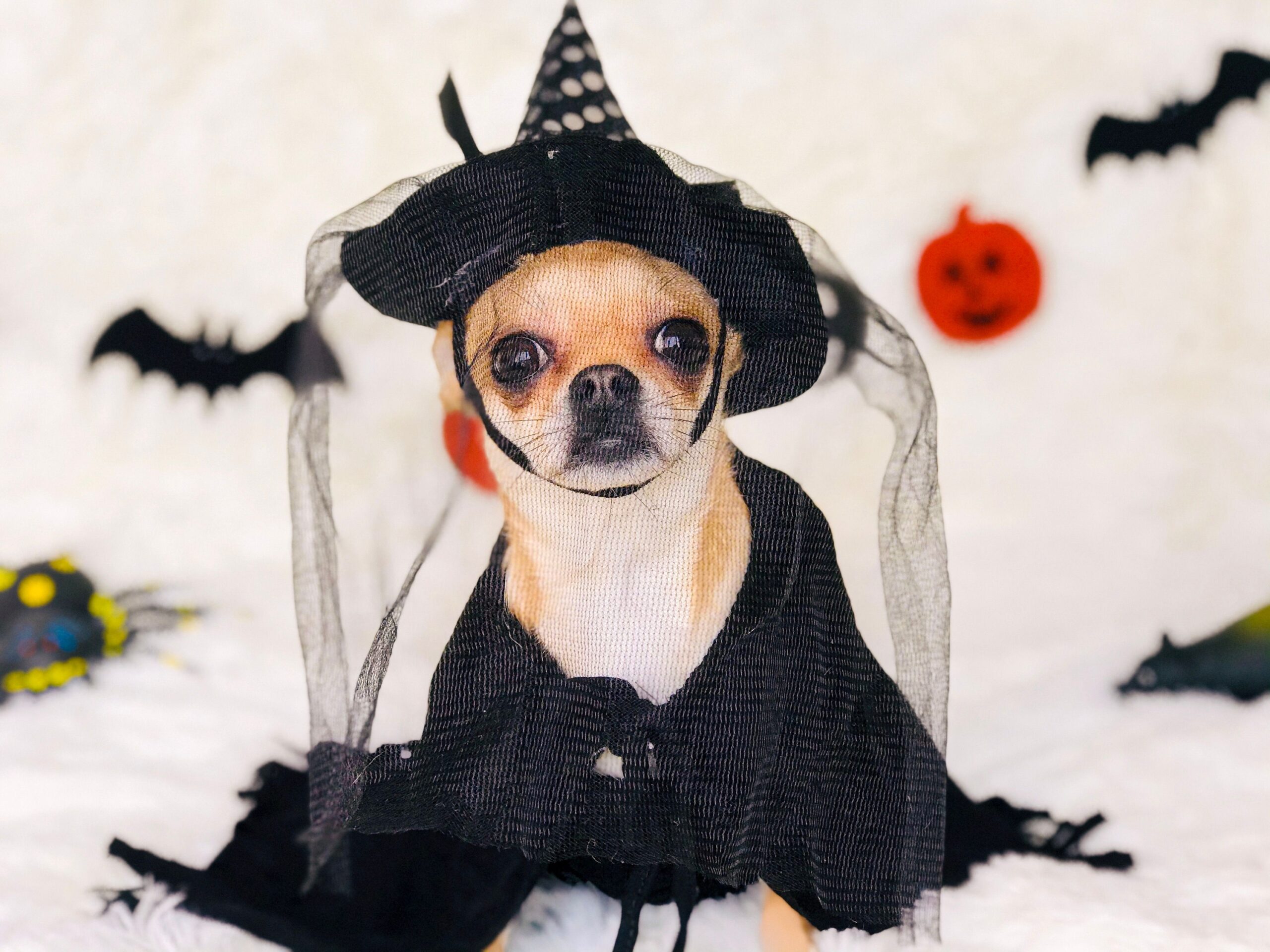

1. The Festive Bandana
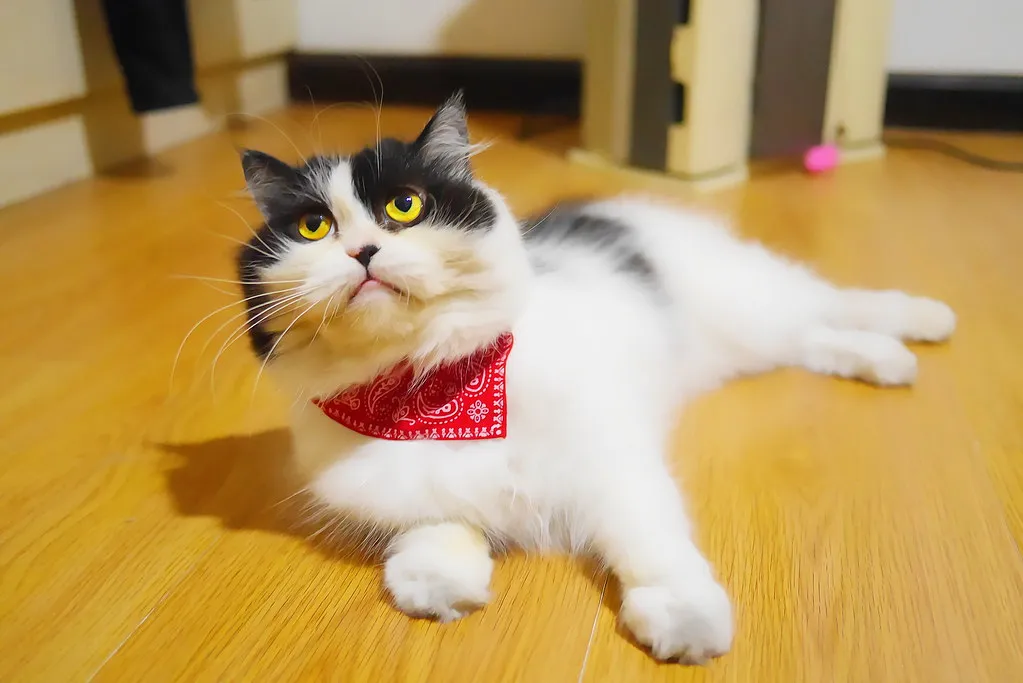
This is the costume that veterinary organizations keep returning to, and for good reason. VCA Animal Hospitals specifically recommends a festive collar, harness, or bandana as the go-to alternative for pets who find full costumes stressful. A bandana costs very little, fits any animal, photographs beautifully, and can be left on all evening without the same level of supervision a full outfit demands.
Lots of pet owners opt for Halloween-themed bandanas or collars as a safe yet stylish way for their pet to celebrate the holiday. The format works across dogs, cats, and even smaller companion animals. There’s no constriction around the torso, no restriction on movement, and nothing to chew off and swallow.
A simple, lightweight item with minimal fasteners is often a gentler starting point than a hoodie, fitted dress, or full costume. Bandanas provide several looks without requiring full-body coverage.
2. The Soft Vest or Wrap Costume
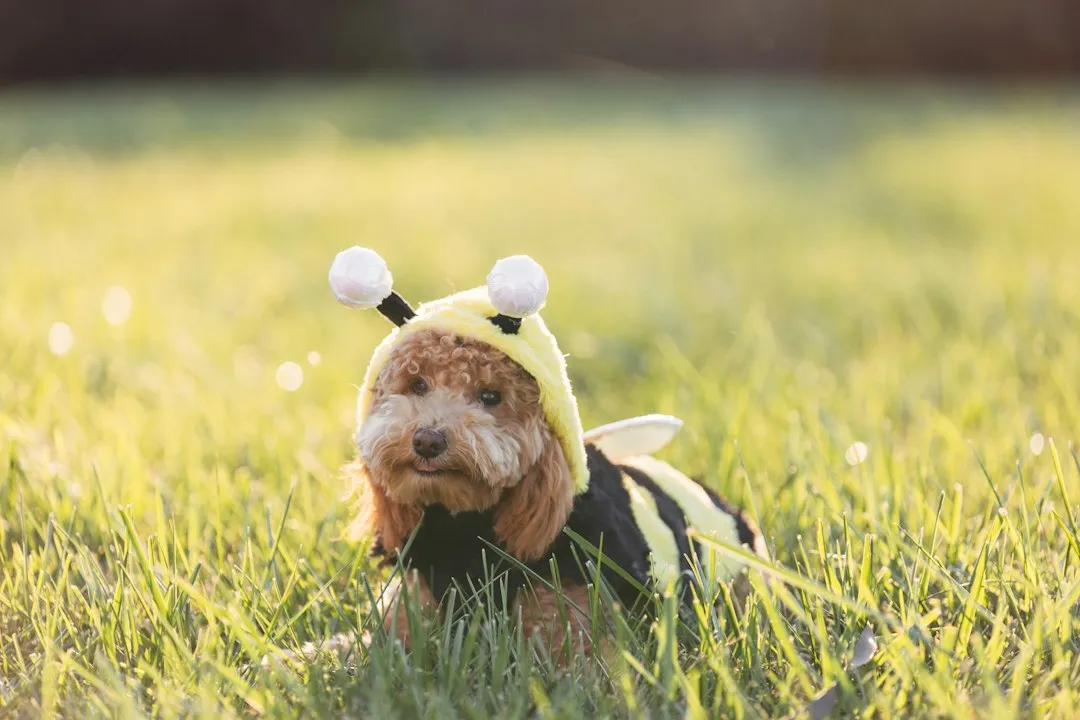
Vest-style costumes are consistently among the most vet-friendly full options available. They cover the back without wrapping around the legs, and they leave the face and head completely free. The shape works on most sizes. Going for a soft vest or wrap is the approach most commonly recommended by pet care experts.
For dogs, vest styles with leash slots and adjustable straps are ideal. Bodysuits should allow a full pant and normal gait. The pumpkin vest is probably the most recognizable version of this style, and it’s earned its classic status precisely because it’s easy to size and easy to remove.
A safe costume should sit comfortably without squeezing, rubbing, dragging, or slipping. Your pet should be able to move naturally, breathe freely, and see clearly while wearing it.
3. The Lightweight Cape
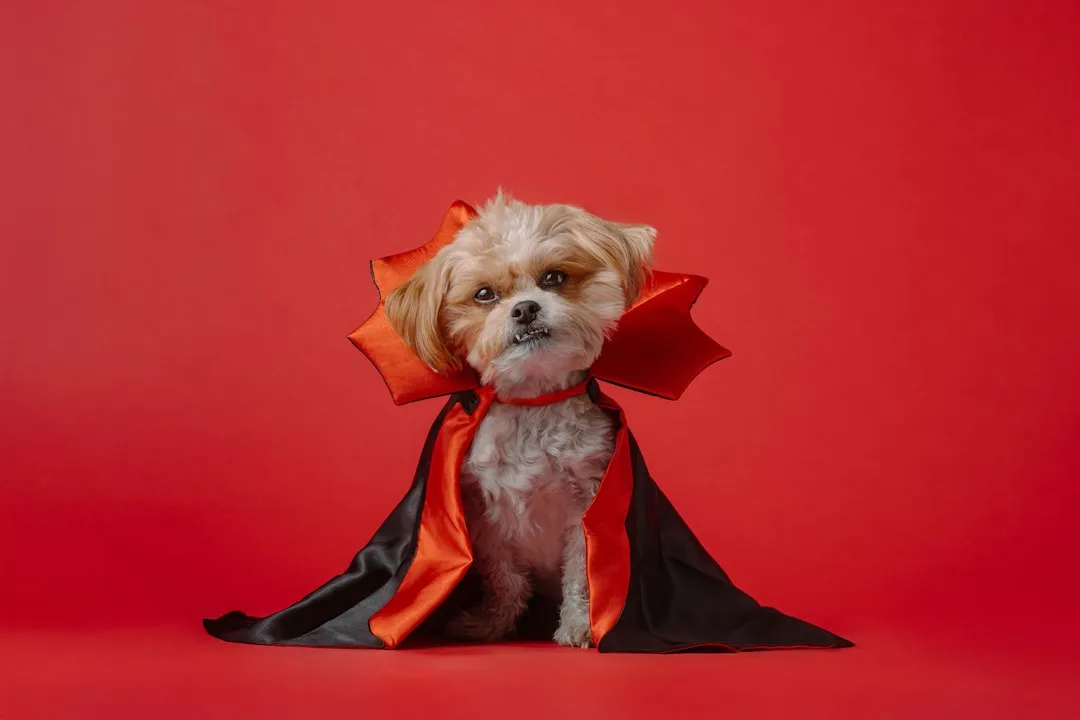
Capes are one of the most comfortable full costume formats for larger dogs in particular. A superhero cape or bandana is considered the best first costume and the best bet for large dogs, where full outfits can be a nightmare to size. The cape sits along the back, stays off the face entirely, and doesn’t require any leg openings.
A simple two-strap design allows for quick dressing and soft material provides warmth and comfort. A ghost-style cape follows the same logic. Choose a lightweight cape-style drape that stays off the face. If your dog can’t see, it’s not a costume.
Breathable fabric is a significant advantage for indoor parties where overheating is a risk, whereas heavier materials might cause discomfort. Keep that in mind when shopping, since not all cape fabrics are equal.
4. The Back-Mounted Wing Set
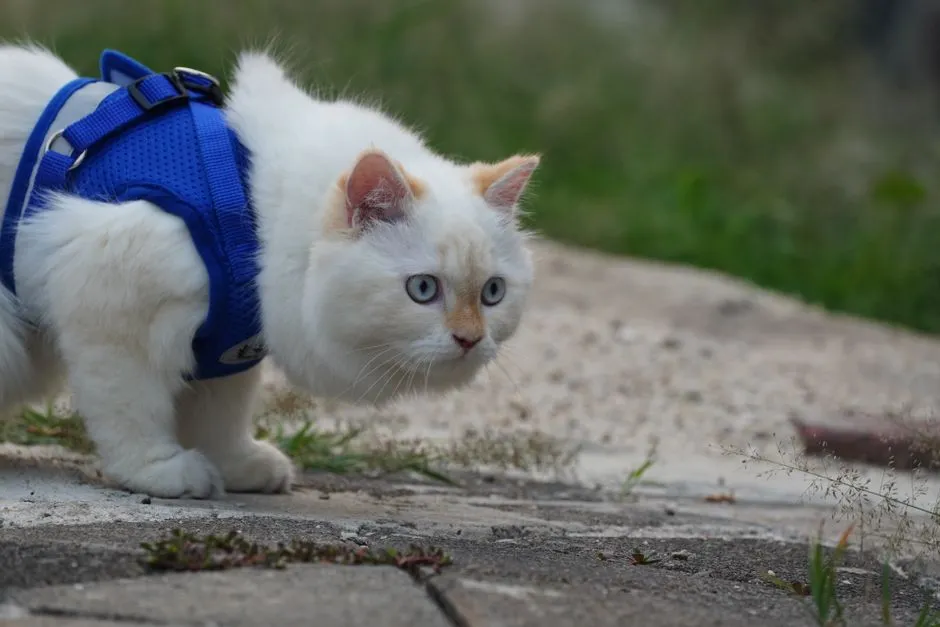
Bat wings, bee wings, and ladybug wings all work on a similar principle: they attach to the back and leave everything else untouched. Wing sets that sit on the back, away from the face, are a strong option. Check that the attachments are secure and don’t pinch.
For cats specifically, bat wings that attach to a harness are a well-regarded option, along with wizard collar capes, soft shark hoodies with open faces, or a pumpkin bandana. When wings are mounted on a harness rather than velcroed directly to fur, the fit tends to be more stable and the pressure more evenly distributed.
One thing to watch: trailing accessories like halos, tutus, and wings can startle the animal wearing them repeatedly, because the movement appears in their peripheral vision again and again. A test run beforehand usually resolves this quickly.
5. The Hot Dog or Food-Wrap Style
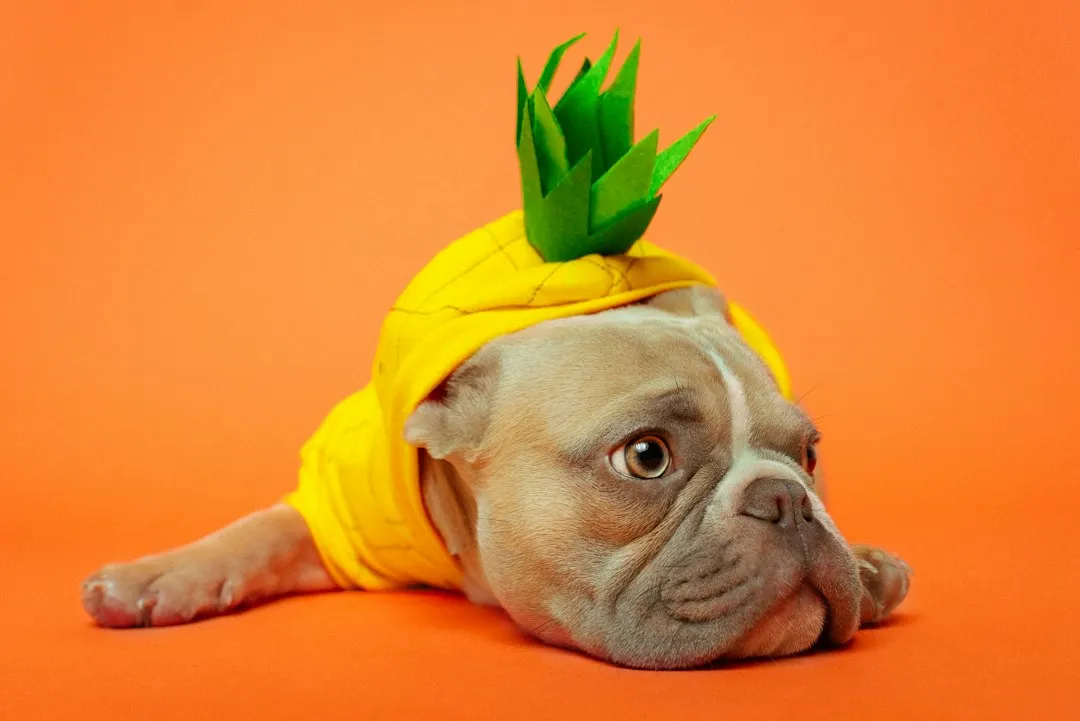
Food costumes have become perennial favorites, and the bun-style wrap is kinder to pets than it might look. A bun-style wrap across the back works well for small and long-bodied dogs. The key is making sure it doesn’t bunch under the belly or get in the way when your dog needs to squat.
Food outfits like hot dog or taco, delivery driver front panels, and lifeguard or firefighter vests are light, leash-friendly, and easy to size. That combination of low weight and leash compatibility makes them genuinely practical for outdoor use, not just indoor photos.
The fit check here is especially important. The costume should not interfere with walking, sitting, lying down, or using the bathroom. A wrap that bunches at the belly can fail that test quickly, so check carefully before heading out.
6. The Pull-On Soft Hoodie
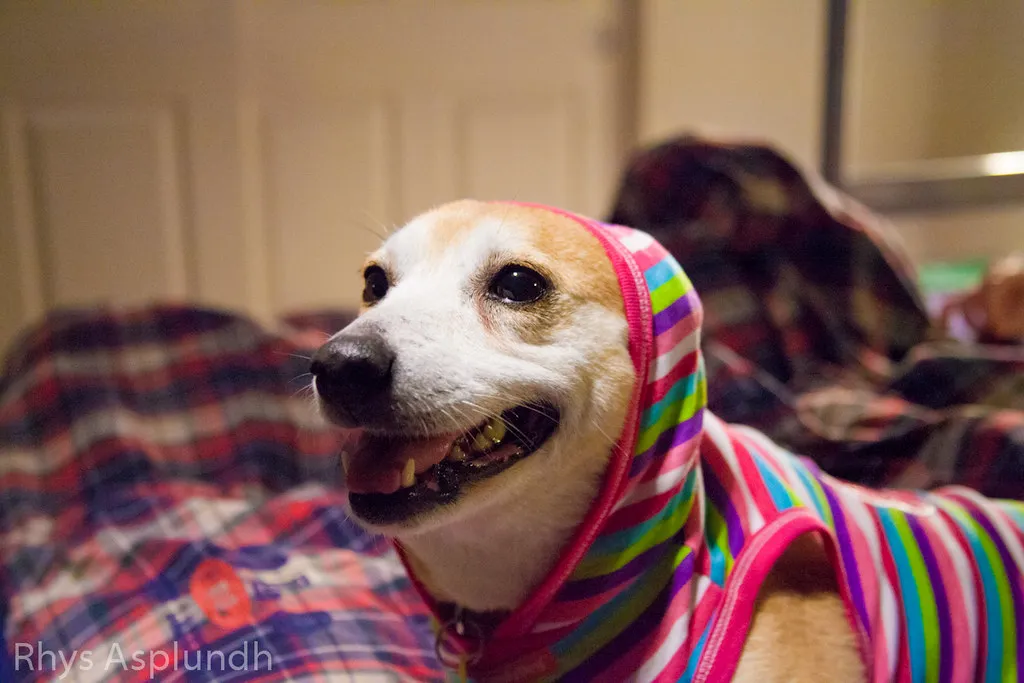
For pets that already tolerate wearing a sweater or shirt, a soft Halloween-themed hoodie is often a comfortable progression. The pull-on format avoids the pinch points of buckles and the scratchy edges of velcro. A breathable mesh fabric and a simple pull-over design that doesn’t restrict movement is what makes this style stand out among comfort-first options.
Rough seams, tight elastic, and scratchy materials can cause irritation, so fabric quality matters more than price point here. A hooded style is fine, but the ASPCA is clear on one point: the costume must not limit their movement, sight, or ability to breathe, bark, or meow. That means a hood should frame the face without actually covering it.
Small companions have higher surface-area-to-mass ratios and can overheat quickly. Fabric choices, closures, and design details all affect temperature regulation, stress levels, and injury risk.
7. The Collar Charm or Festive Collar Accessory

For pets at the more sensitive end of the spectrum, a decorated collar or a clip-on charm is about as low-impact as it gets. Some pets enjoy wearing a soft bandana or a simple festive shirt. Others feel uncomfortable with anything placed over their body. Both reactions are normal, and your pet does not need a full costume to join the celebration.
Low-risk options can still express holiday spirit while keeping your pet comfortable. Seasonal enrichment alternatives like holiday-themed accessories or a small festive photo backdrop with a themed bandana are worth considering. A collar charm achieves the festive look without adding any weight, warmth, or coverage to the body at all.
The limitation to keep in mind: never remove a pet’s collar for costume purposes. It should stay on at all times, which makes collar-based costumes doubly practical since they require no removal of ID tags or microchip-linked gear.
What Every Vet Agrees On: The Non-Negotiables
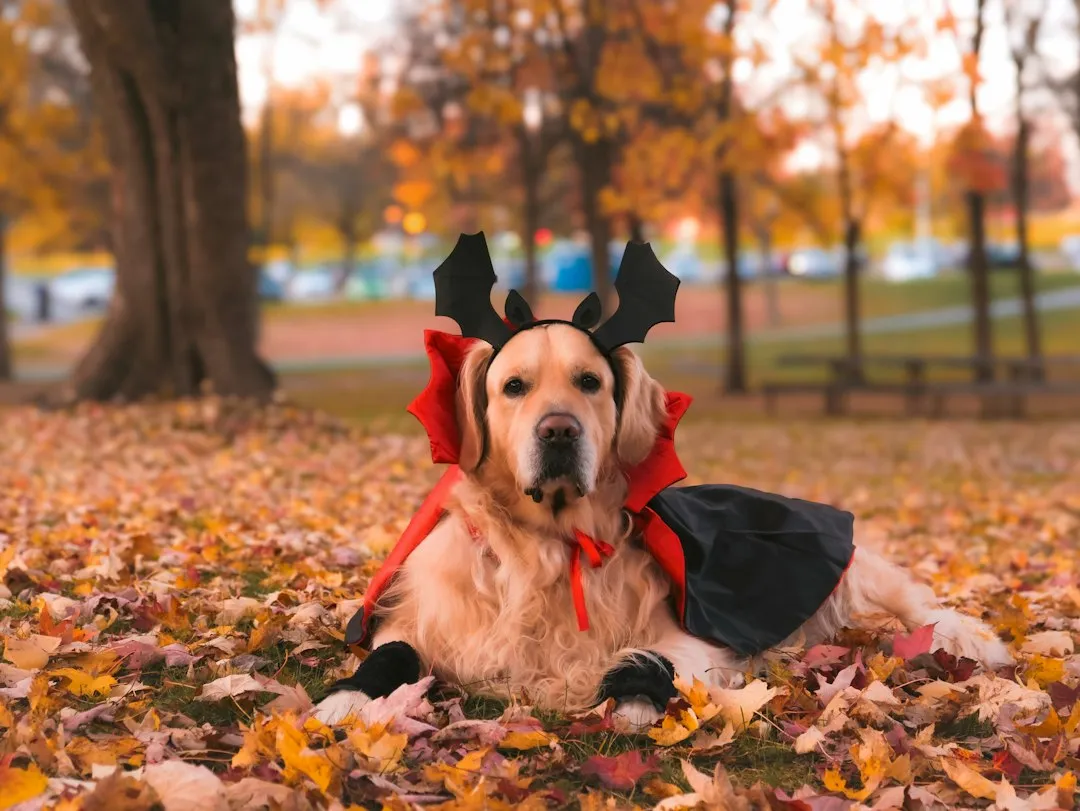
Regardless of which costume style you choose, a few rules apply universally. The costume must fit properly, be comfortable, have no pieces that can easily be chewed off or cause choking, and must not block your pet’s sight, hearing, breathing, mouth, or movement. Those aren’t suggestions, they’re the baseline.
The AKC’s chief veterinarian recommends Velcro fastenings only, with no buttons, drawstrings, or elastic, and no dangling parts that are easy to chew and swallow. On timing, most pets should only wear costumes for 15 to 30 minutes at a time. Even comfortable costumes can cause overheating or stress if worn for extended periods.
The AVMA adds two rules most often broken: acclimate the pet to the costume before Halloween, in short sessions, and never leave a costumed pet unsupervised. A little preparation makes a real difference in how the night goes for everyone, including the pet.
How to Read Your Pet’s Response
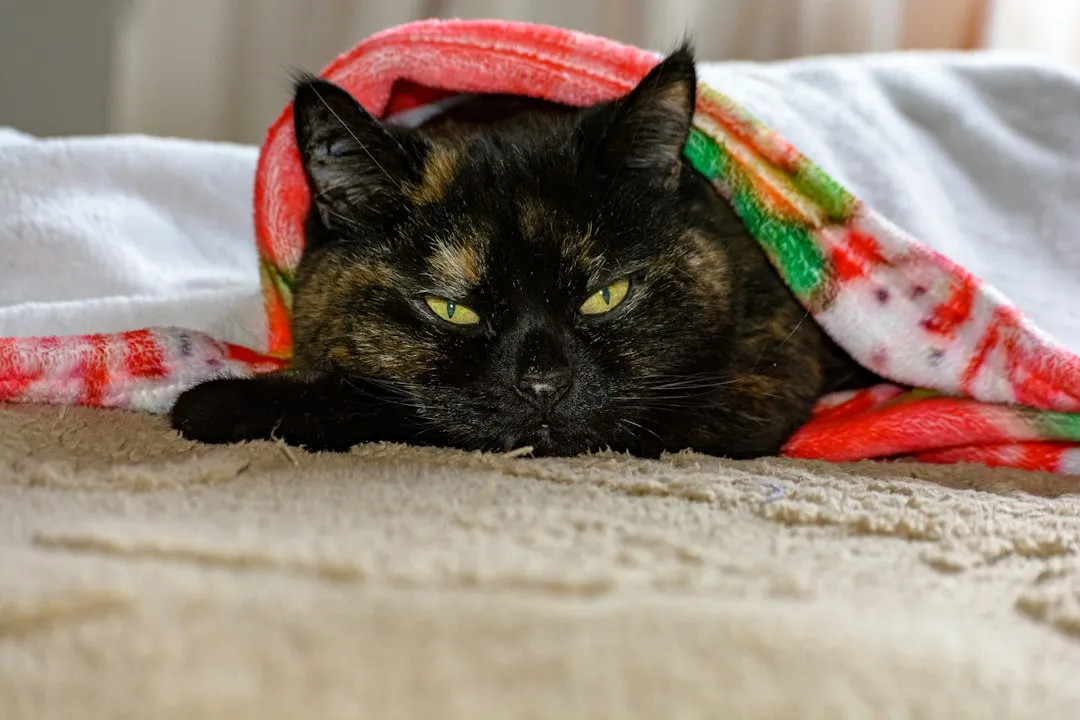
To see where your pet lands, start with a costume test and observe how they react. If they show signs of discomfort, like backing away, growling or hissing, or freezing, it’s best to reconsider. A pet that tolerates a bandana but shuts down with a full vest is telling you something worth listening to.
Your pet may look absolutely adorable wearing a princess gown or a Superman suit, but that does not mean they are enjoying the experience as much as you are. That gap between how the costume looks to you and how it feels to them is the whole challenge of this exercise. Your pet’s comfort, safety, and normal behavior should guide every decision. A well-fitting outfit may work for some pets, while others are happier wearing a simple accessory or joining the celebration without any clothing.
A Note on Older Pets and Those with Health Conditions
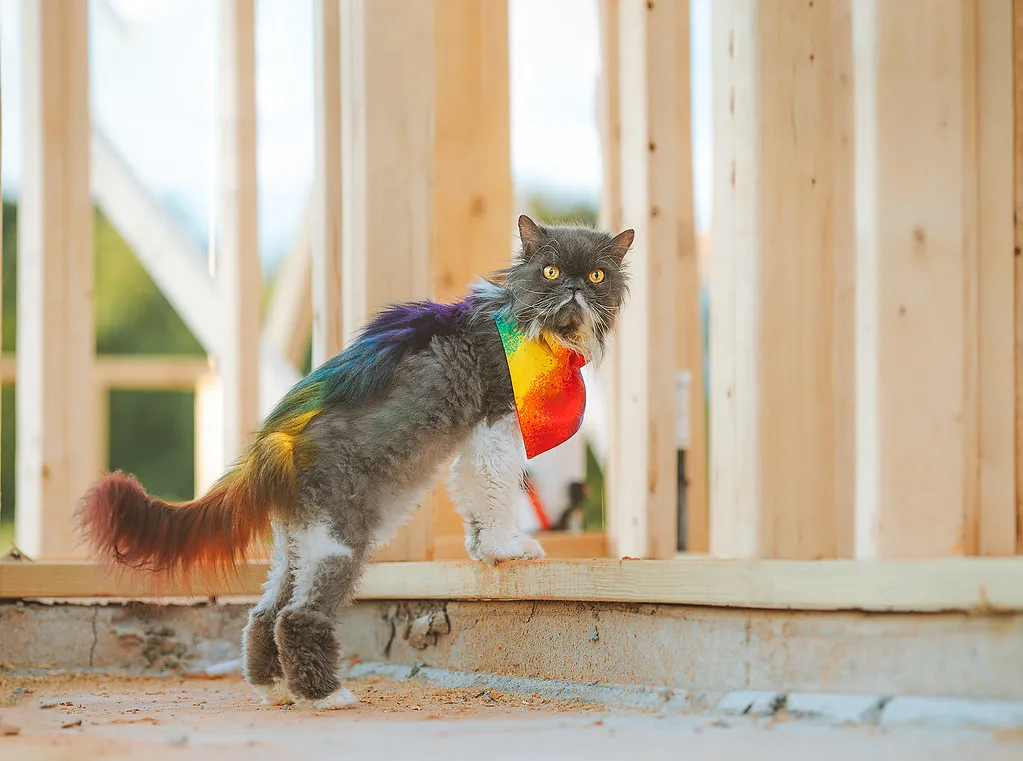
Older pets and those with existing health concerns may be less comfortable in restrictive clothing. This is worth factoring in before you invest in an elaborate look for a senior dog or a cat managing a chronic condition. A bandana or festive collar is almost always the better call for animals in that category.
Skip costumes with buttons, beads, ribbons, or detachable parts, as they can be ingested and cause choking or blockages. Avoid glow sticks or liquid-filled accessories, as ingestion can cause burns, drooling, or stomach upset. For older or more fragile animals, those risks carry even more weight. The simpler the costume, the lower the overall exposure.
The Takeaway
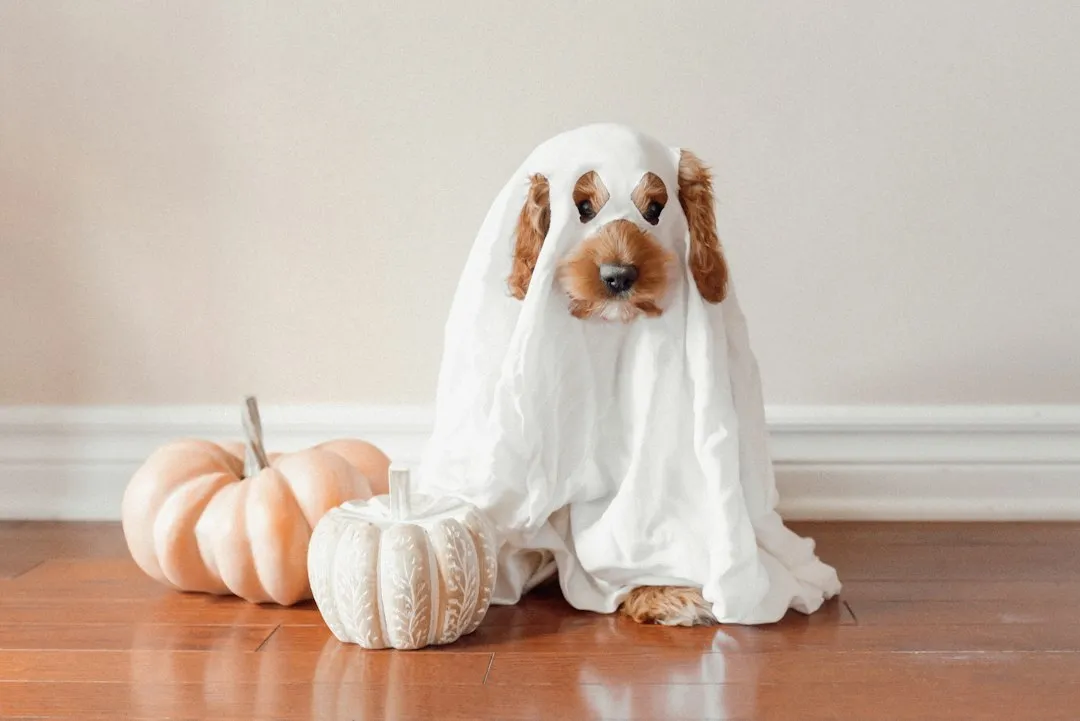
The costumes that vets tend to approve aren’t the most elaborate ones on the shelf. They’re the ones that leave the face clear, allow a natural gait, use soft and breathable fabric, and fasten without pinching. A bandana, a vest, a lightweight cape: these are not consolation prizes. They’re the formats that actually work for the animal wearing them.
The best costume for your pet is the one they’ll barely notice they have on. That, more than any specific style or theme, is what a comfortable Halloween look actually looks like.
AI Disclaimer: This article was created with the assistance of AI tools and reviewed by a human editor.