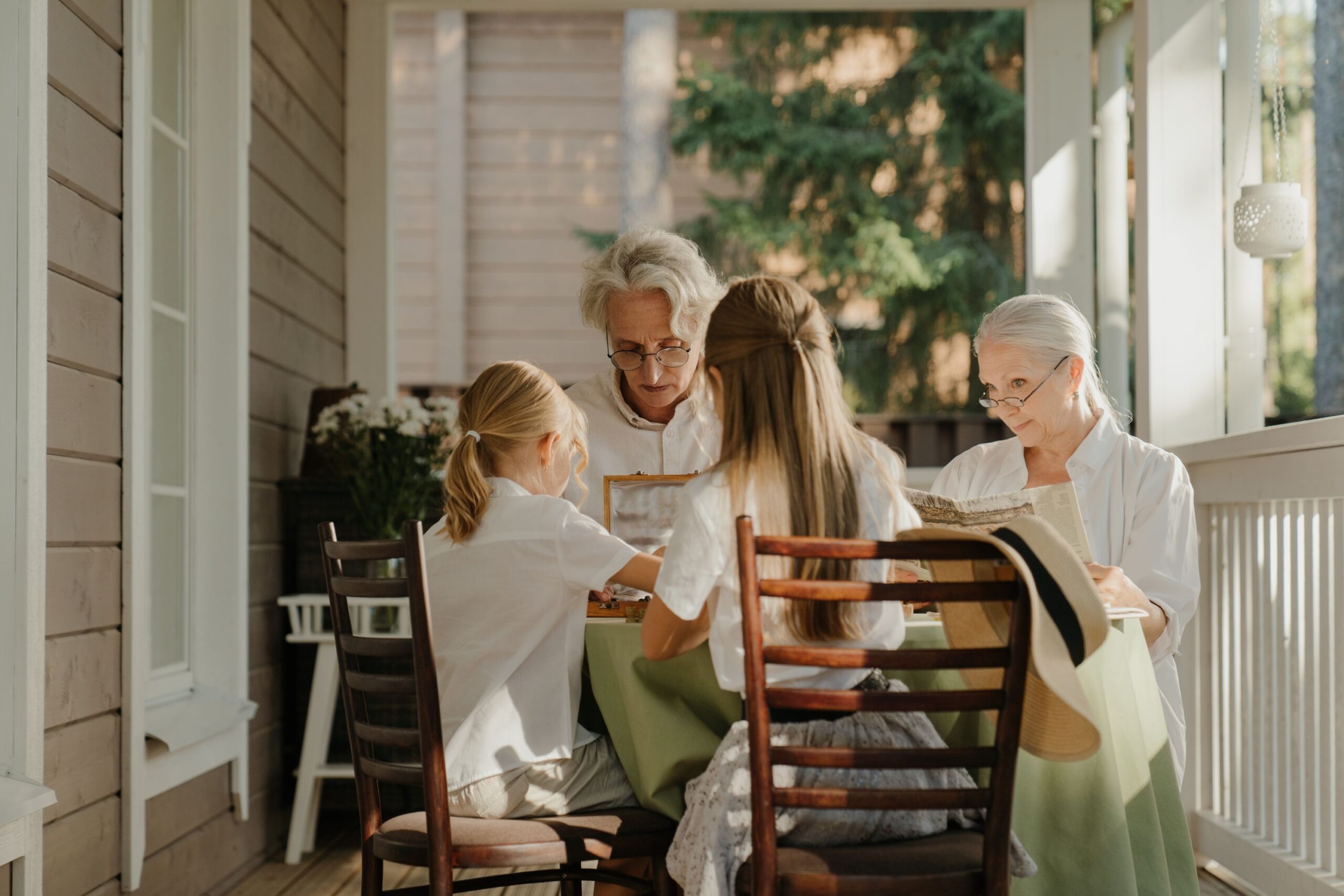

There was a time, not so long ago, when the evening hours belonged entirely to the family. No notifications, no streaming queues, no one half-present with a phone in hand. Just people in the same room, genuinely together. That kind of evening feels almost quaint now, but the research supporting it has never been stronger.
Family rituals are universal events carried out by families worldwide, and the meaning associated with them can greatly benefit individuals across all age groups. What’s worth noting is that many of the most effective rituals are the simplest ones, the kind that were commonplace a generation or two ago and have quietly faded away. Here are seven that deserve a serious revival.
1. Sitting Down Together for a Shared Dinner
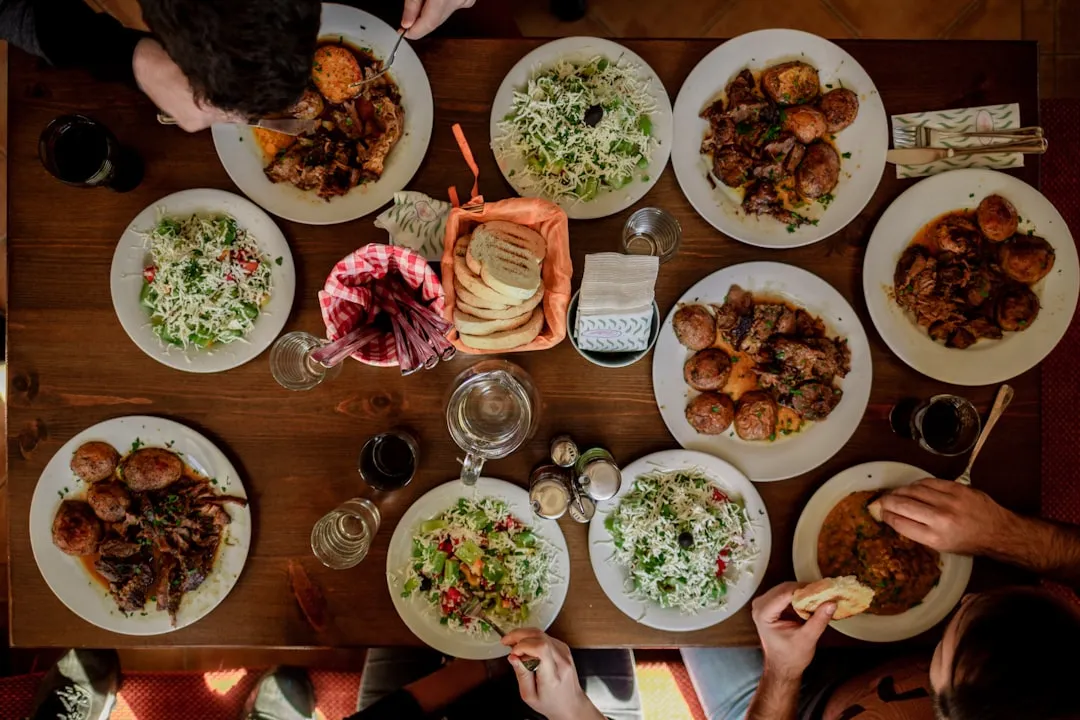
This one might seem obvious, but the numbers tell a different story. Over the past three decades, family time at the dinner table and family conversation in general has declined by more than thirty percent. That’s a meaningful erosion of something that used to anchor the entire day.
A meta-analysis of 17 studies covering 182,836 children, published in the American Academy of Paediatrics’ journal, found that children eating five or more shared meals a week are roughly 25% less likely to face nutritional health problems, 12% less likely to be overweight, and 35% less likely to develop disordered eating.
The 2025 World Happiness Report found that meal-sharing is linked with social connectedness and subjective well-being. Children of families who eat together also tend to have fewer behavioral problems and higher literacy rates. That’s a lot of return from one simple habit.
2. Reading Aloud as a Family Before Bed
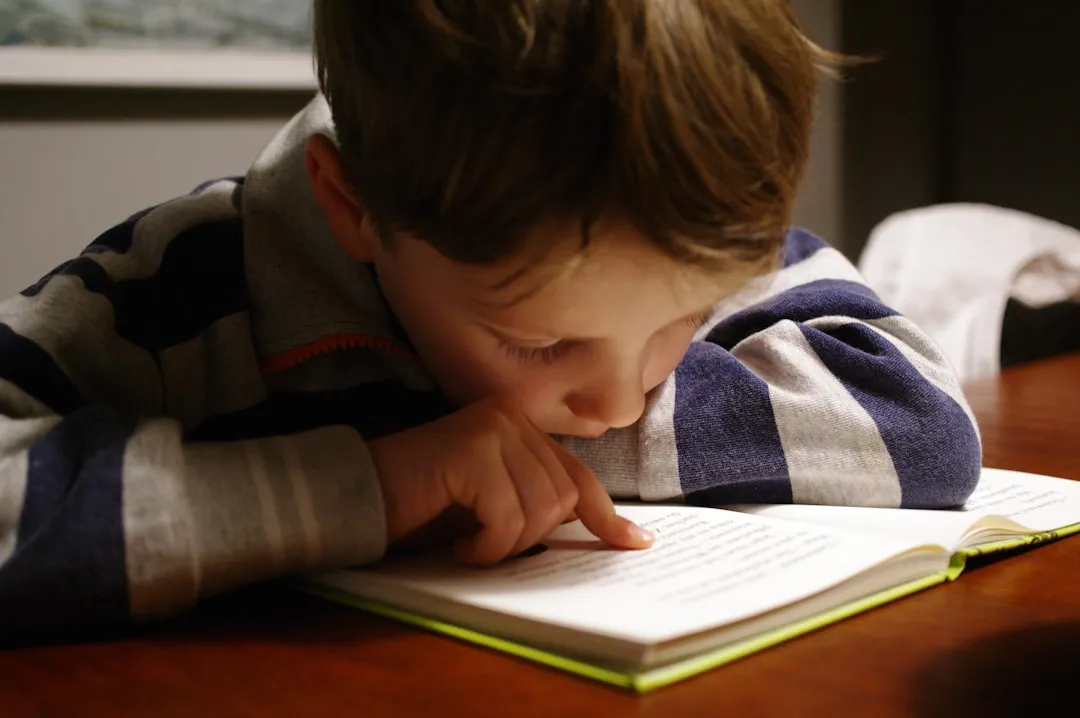
In 2024, around half of families read aloud to their very young children, while only 37 percent read aloud to kids between the ages of six and eight. Once kids can read on their own, the shared reading ritual tends to drop off entirely. That may be a mistake worth reconsidering.
Research published in 2026 found that after just fourteen bedtimes with books, children whose parents paused for questions got better at understanding others’ perspectives, but so did children whose parents just read straight through, with cognitive and overall empathy improving significantly in both groups.
Reading aloud to children, especially during their formative years, plays a crucial role in language acquisition and literacy skills, exposing children to a rich vocabulary and complex sentence structures that may not be part of everyday conversations. It also physically calms both parent and child, with heart rate measurably slowing during the act of reading together.
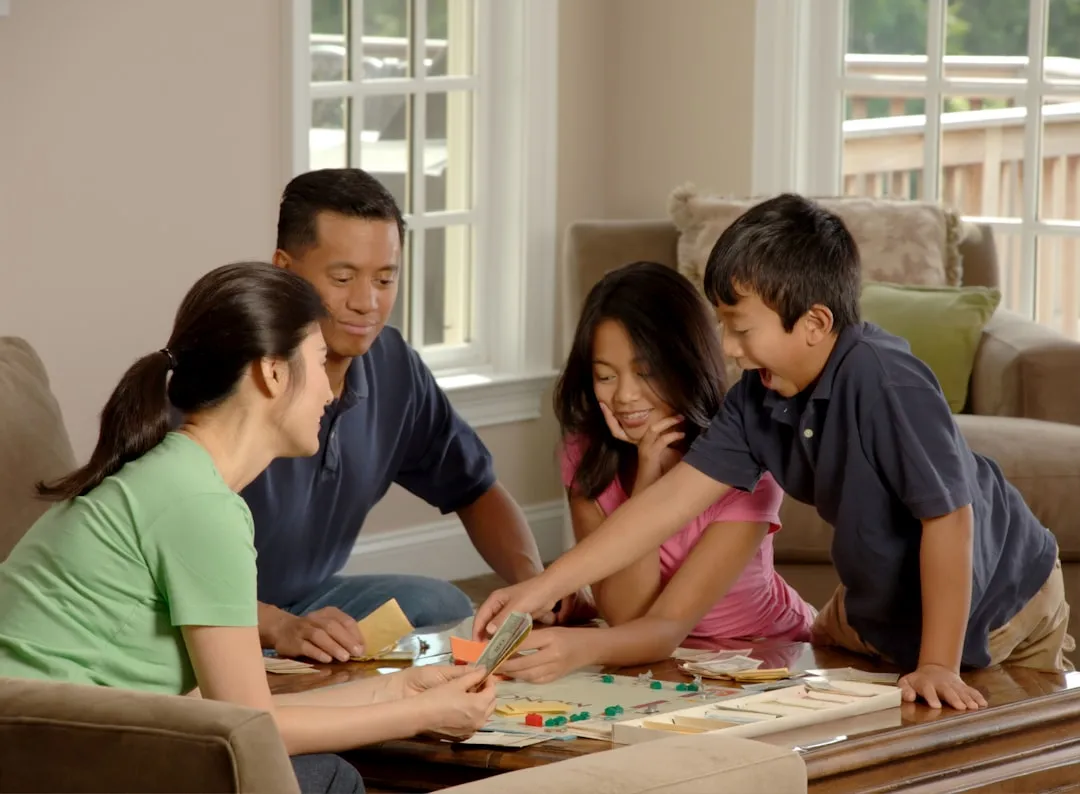
3. Family Game Night with Board Games
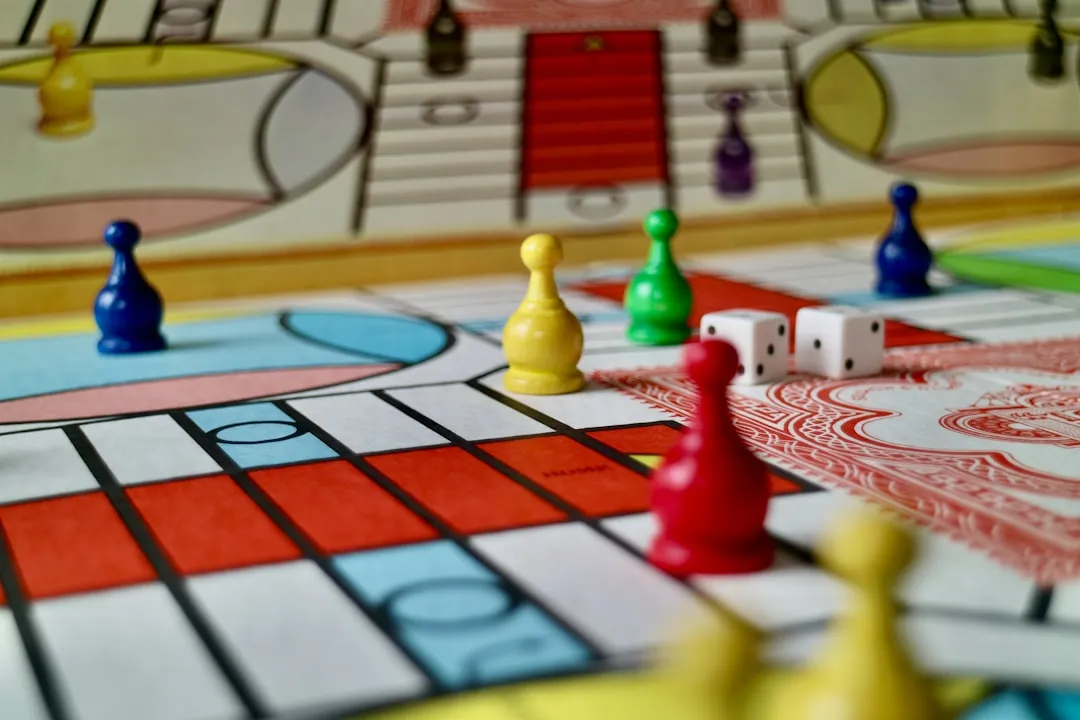
There’s something almost nostalgic about pulling a board game out of a cupboard. It’s low-tech, occasionally frustrating, and genuinely fun. Professor Jorge Moya-Higueras of the University of Lleida in Spain has run several intervention studies in primary schools based on board games, uncovering a range of cognitive, social, and emotional benefits in both neurotypical and neurodiverse student populations, with a 2024 study including 121 children aged eight to nine.
The benefits of board games extend far beyond any single skill. They teach patience, turn-taking, and resilience, qualities that support both academic and personal growth.
Families can strengthen familial bonds and enhance communication by engaging in offline activities like family game nights, and research shows that families who participate in shared activities experience improved emotional connections and a greater sense of belonging.
4. Cooking Together as an Evening Ritual

Cooking together used to be the natural rhythm of any household evening. Somewhere along the way, convenience food and individual schedules dissolved it. Preparing meals as a family teaches valuable skills like measuring, following instructions, and teamwork, and whether baking cookies, making homemade pizza, or trying international recipes, cooking together fosters communication and creativity.
Creative projects such as crafting or cooking together encourage teamwork and collaboration, fostering a sense of accomplishment within the family unit. It’s also worth noting that family meals are a familiar ritual with significant health benefits, and research shows that families who eat together regularly tend to have healthier diets, with more nutritious and balanced meals.
Cooking together teaches valuable life skills, encourages teamwork, and promotes healthy eating habits, which are outcomes worth far more than the time it takes to chop a few vegetables side by side.
5. Screen-Free Evenings, at Least Once a Week
This one takes a little discipline, but the payoff is well-documented. Screen-free family activities help strengthen bonds, boost communication, and reduce stress, with activities like game nights, outdoor adventures, creative crafts, and cooking together fostering connection and creativity, and regular screen-free time building lasting memories and emotional connection.
Research shows that shared screen-free activities significantly increase well-being in children of all ages. Spending quality time together is more than just fun; it’s essential for mental well-being, and family bonding activities can reduce stress, improve communication, and help children develop emotional resilience.
The goal isn’t to eliminate screens entirely. Setting daily or weekly unplugged hours can restore harmony and create space for creativity and laughter. One evening a week is a manageable place to start.
6. The Bedtime Check-In, Sharing Highs and Lows

Before modern psychology gave it a name, families were already doing this. A few minutes at the end of the day, asking each person what went well and what was hard. It sounds simple because it is. Whether it’s a nightly “highs and lows” discussion at the dinner table or a weekly family activity, these moments allow children to feel heard, valued, and emotionally supported.
Rituals offer a natural way to reinforce emotional regulation, and research suggests that children who engage in structured family rituals exhibit better self-regulation skills and lower levels of behavioral problems.
From an adolescent perspective, research from 2024 found that when teenagers reported greater participation in family rituals, they also perceived their parents to be more supportive of them. A nightly check-in is one of the most direct ways to build that perception, one conversation at a time.
7. Going Outdoors Together as a Family Tradition

Evening walks after dinner, weekend hikes, backyard stargazing. These were once the kind of activities that simply happened, without scheduling or planning. Many family rituals involve physical activities such as hiking, playing sports, or gardening together, and these activities promote physical health by encouraging exercise, which reduces the risk of chronic diseases, while also increasing the likelihood of maintaining healthy habits long-term.
A study from the International Journal of Environmental Research and Public Health shows that just 20 minutes in nature lowers cortisol levels in children and increases their ability to focus afterwards. That’s a measurable benefit from something as straightforward as a short evening walk.
Regular outings, whether hiking or visiting local sites, create lasting memories and provide opportunities for meaningful conversations away from screens. The point isn’t really the destination. It’s the time spent moving through the world together, without an agenda.
Why These Rituals Matter More Than Ever

None of these seven rituals require a budget, a special occasion, or a weekend. They’re all ordinary things that families once did simply because they were the natural shape of an evening. Family rituals refer to recurring, meaningful activities that help shape the identity and cohesion of a family unit, going beyond daily chores and tasks and carrying an emotional or spiritual significance.
Family rituals are not just about the activity but the sense of belonging and identity they foster. Whether it is a weekly game night, a regular weekend hike, or a nightly bedtime story, these activities allow family members to connect meaningfully, and this connection is crucial for mental health, building emotional resilience, reducing feelings of loneliness, and enhancing self-esteem.
Research shows that when parents reported higher levels of family ritual meaning, they also reported lower levels of parental burnout. These traditions protect everyone in the household, not just the children. Rituals are central to family life, and research involving over a thousand participants demonstrated that family rituals improve shared experiences because they amplify family closeness and involvement. The old-fashioned family evening wasn’t a relic of a simpler time. It was just good sense, consistently applied.
AI Disclaimer: This article was created with the assistance of AI tools and reviewed by a human editor.