

There’s a quiet frustration building across generations right now. People scroll past rude behavior online, sit through dinners where nobody makes eye contact, and leave voicemails nobody ever returns. According to a 2023 survey from the American Bar Association, a full 85 percent of American adults believe that people are getting ruder. That number is hard to ignore.
Old-fashioned etiquette rules aren’t all about outdated traditions or extraneous forks at dinner. Some of them have actual purpose and could genuinely benefit people in today’s world. A few of the best ones never should have been abandoned in the first place.
1. Leaving Your Phone Off the Table at Meals
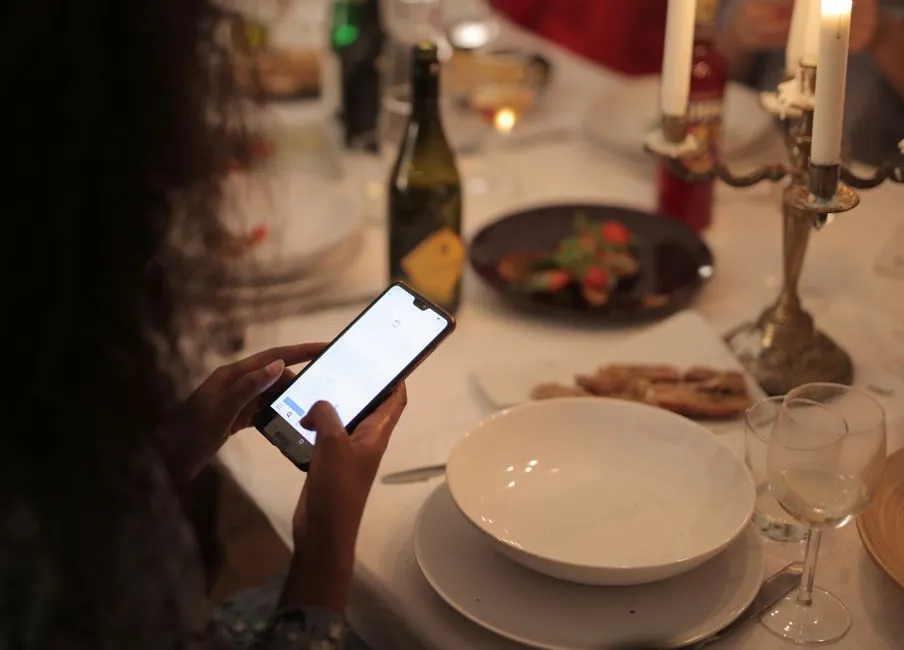
There was a time when sitting down to eat with someone meant you were actually present. That’s clearly no longer the default. If your phone is sitting face-up on the table during a meal, that’s considered a breach of basic etiquette, especially in more formal or shared dining settings. Even if you’re not actively using it, just having it visible sends a message.
A Pew Research Center survey found that 88 percent of respondents believe it’s generally not okay to use a cell phone during dinner. Most people agree on this in theory. The practice is a different story. Overall, 82 percent of respondents in that same study said that using a phone in social settings hurts conversations, at least occasionally.
Putting the phone away isn’t about being dramatic. It’s a small signal that says the person sitting across from you matters more than a notification.
2. Writing Handwritten Thank-You Notes
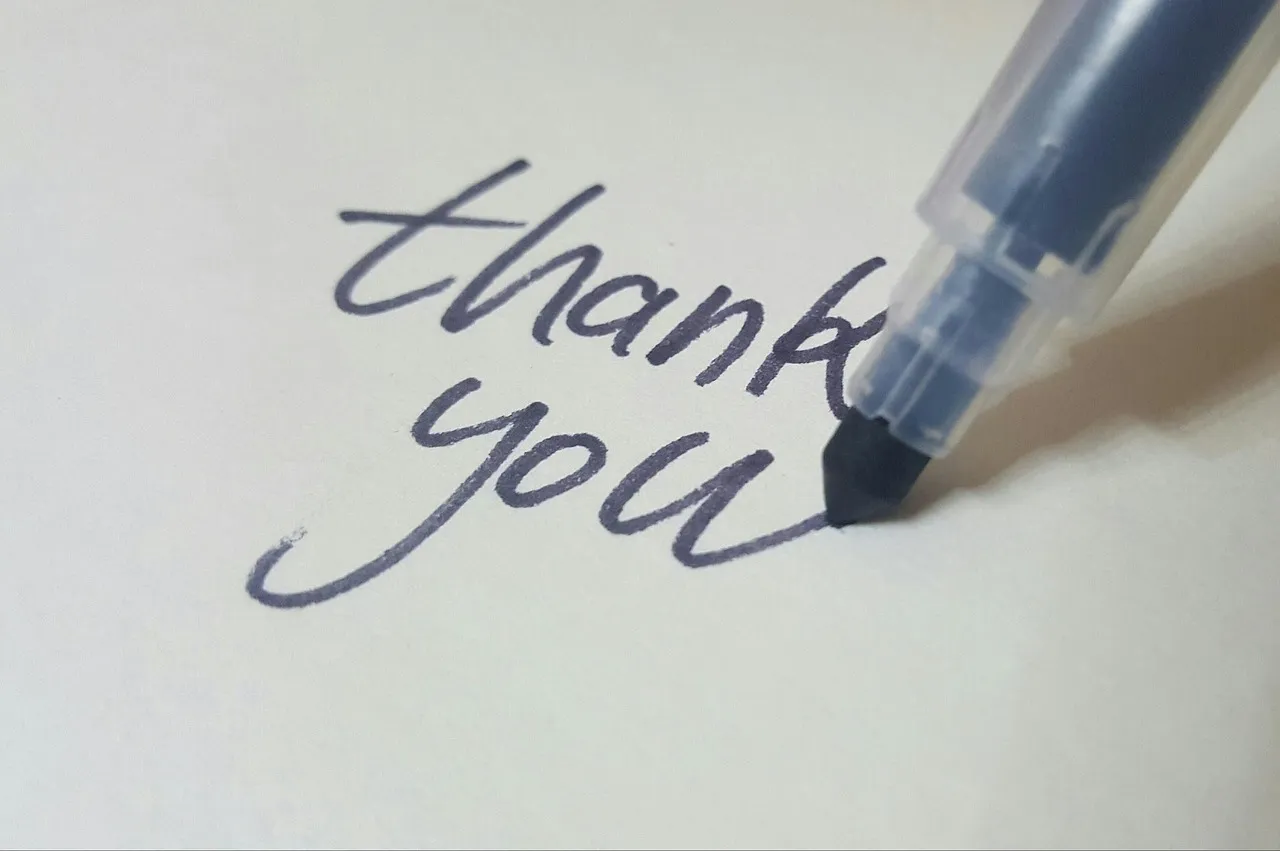
A handwritten note in the mailbox in 2026 is genuinely surprising. That’s partly what makes it so effective. According to technology research firm The Radicati Group, office workers receive an average of 97 emails per day. By contrast, the average American household receives just 10 pieces of personal mail per year, not counting holiday cards. While email inboxes overflow, a handwritten envelope grabs attention.
Research published in the journal Psychological Science found that the prosocial gesture of expressing gratitude in a handwritten note boosts positive emotions and well-being for both the letter-writing expresser and the recipient of the appreciation. The benefits run both ways, which is worth noting. Etiquette expert Maralee McKee of The Etiquette School writes that while the digital age has made communication faster and more convenient, the handwritten thank-you note still holds a special place, and remains a powerful way to show genuine appreciation, standing out precisely because it is less common today.
3. RSVPing Promptly and Honestly
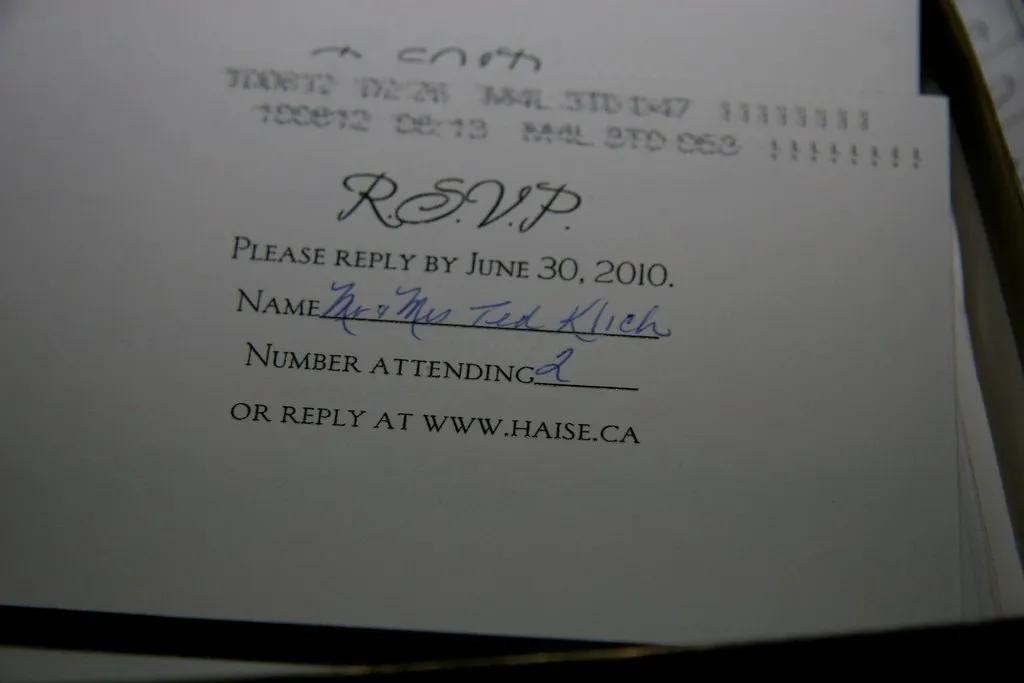
Ghosting invitations has become a casual habit for a lot of people. It wasn’t always this way, and the consequences for hosts are real. The acronym RSVP comes from the French phrase “Répondez s’il vous plaît,” meaning “respond if you please.” It can seem old-fashioned to send back an RSVP, but your host sent that invitation for a reason and needs an accurate number of attendees to prepare.
Failing to reply forces hosts to either overprepare at real cost or risk running short. Neither outcome is fair to someone who made an effort to include you. Sending a response might seem old-fashioned, but it’s a straightforward way to show your appreciation for the invitation, whether or not you can actually attend. A polite decline is always better than silence.
4. Being Punctual

Lateness has been normalized to a degree that would have seemed genuinely strange a generation ago. A 2024 study found that nearly half of people aged 16 to 26 said arriving 5 to 10 minutes late is just as acceptable as being on time. Millennials aren’t far behind, at 40 percent.
Because people can now send a “running 5 min late” text, many feel they’ve mitigated the rudeness. Technology has created a social permission slip for lateness. The logic is understandable, but it doesn’t hold up. Showing up when you said you would is still one of the clearest expressions of respect you can offer another person’s time.
5. Saying “Please” and “Thank You” Without Prompting

This one sounds almost too basic to mention, yet here we are. At the heart of the etiquette rules most worth keeping is the simple act of caring for other people. Verbal acknowledgments like “please” and “thank you” are small, cost nothing, and signal to others that you see them.
A 2023 survey from the Modern Manners Institute found that 78 percent of Americans believe the purpose of etiquette should be to make others feel respected and comfortable, rather than to demonstrate refinement or social status. Those two little words do exactly that. They communicate respect in real time, in ordinary situations, without any ceremony required.
6. Not Interrupting People Mid-Conversation
In an era of social media feeds and rapid-fire communication, patience in conversation has become a rarer skill. The old rule was clear: you wait for someone to finish speaking before you respond. Not because it was a formality, but because it showed you were actually listening.
As hybrid and remote work reshape how people connect, the importance of respect and communication has never been clearer. According to Monster’s August 2024 survey of U.S. workers, employees are paying close attention to how manners, or the lack of them, impact their daily work experience. Interrupting someone, even unintentionally, signals that your point feels more urgent than theirs. That impression sticks. Waiting your turn is a form of generosity that conversation often needs more of.
7. Keeping Your Voice Down in Shared Spaces

Libraries, trains, restaurants, waiting rooms. These are places where people once understood, without being told, that volume matters. That shared awareness has eroded considerably. Speakerphone calls in public, loud music without headphones, and booming conversations in enclosed spaces have become everyday friction points that many people quietly absorb.
Etiquette implies a sense of decorum and observance of polite behavior in a society. The rules of etiquette were never formally recorded, but were passed along from generation to generation and standardized along the way. Volume awareness was one of those shared standards that everyone understood. Keeping it in mind in public spaces isn’t about being rigid. It’s about acknowledging that you share the world with other people who didn’t ask to be part of your phone call.
The Takeaway

Some old-fashioned etiquette rules have actual purpose and could benefit people in today’s world. The ones worth reviving aren’t about rigid class conventions or arbitrary formality. They’re about attention, presence, and the small choices that signal to others that they matter.
Employers are now reportedly hiring professionals to train employees on how to handle clients and present themselves appropriately, according to a 2024 survey from Intelligent.com. That tells you something. Good manners don’t go out of style. They just go unpracticed for a while, until someone notices the difference they make.
AI Disclaimer: This article was created with the assistance of AI tools and reviewed by a human editor.