

1. Heart Racing for No Apparent Reason
You’re sitting quietly, nothing particularly alarming is happening, and yet your heart is pounding. Most people assume they’re just anxious or overwhelmed. When blood sugar drops, the body responds by releasing adrenaline, cortisol, and glucagon – stress hormones that try to raise glucose levels quickly. This surge of hormones also creates symptoms nearly identical to anxiety and panic.
Stimulation of the sympathoadrenal nervous system leads to sweating, palpitations, tremulousness, anxiety, and hunger. A racing heart from low blood sugar and one triggered by anxious thoughts feel remarkably similar. Symptoms of hypoglycemia result from adrenergic activation, including palpitations, sweating, and shaking sensation.
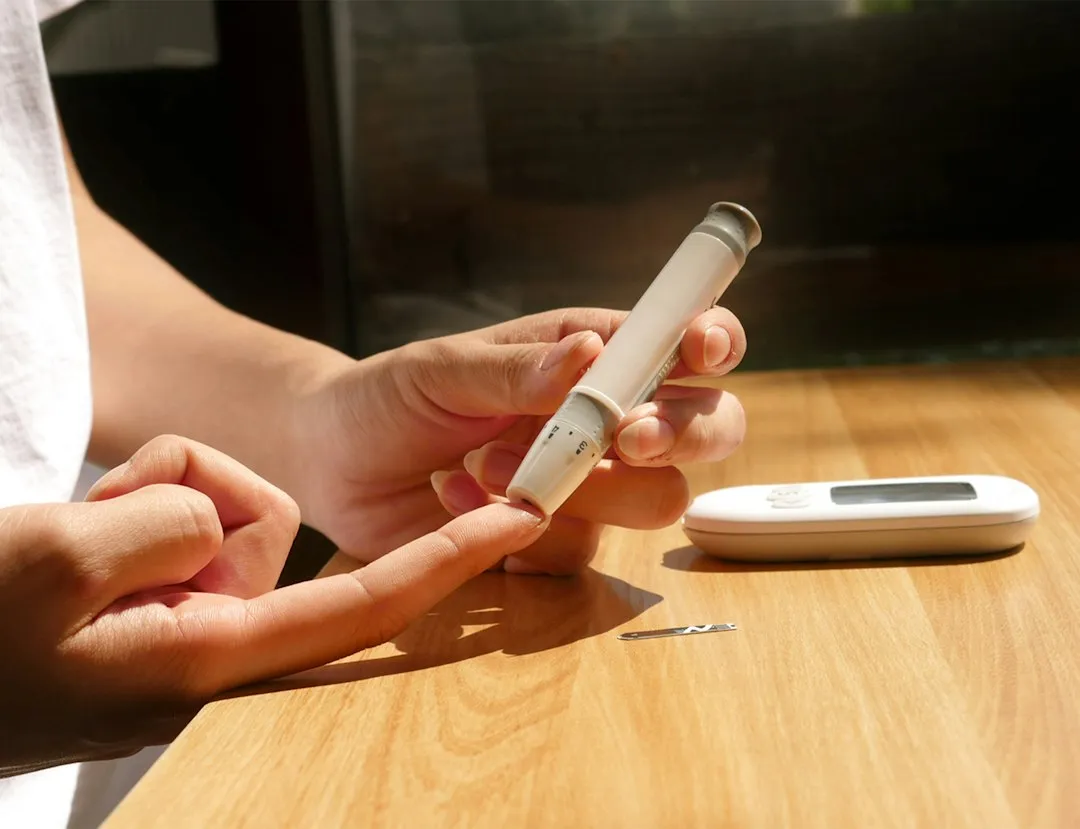
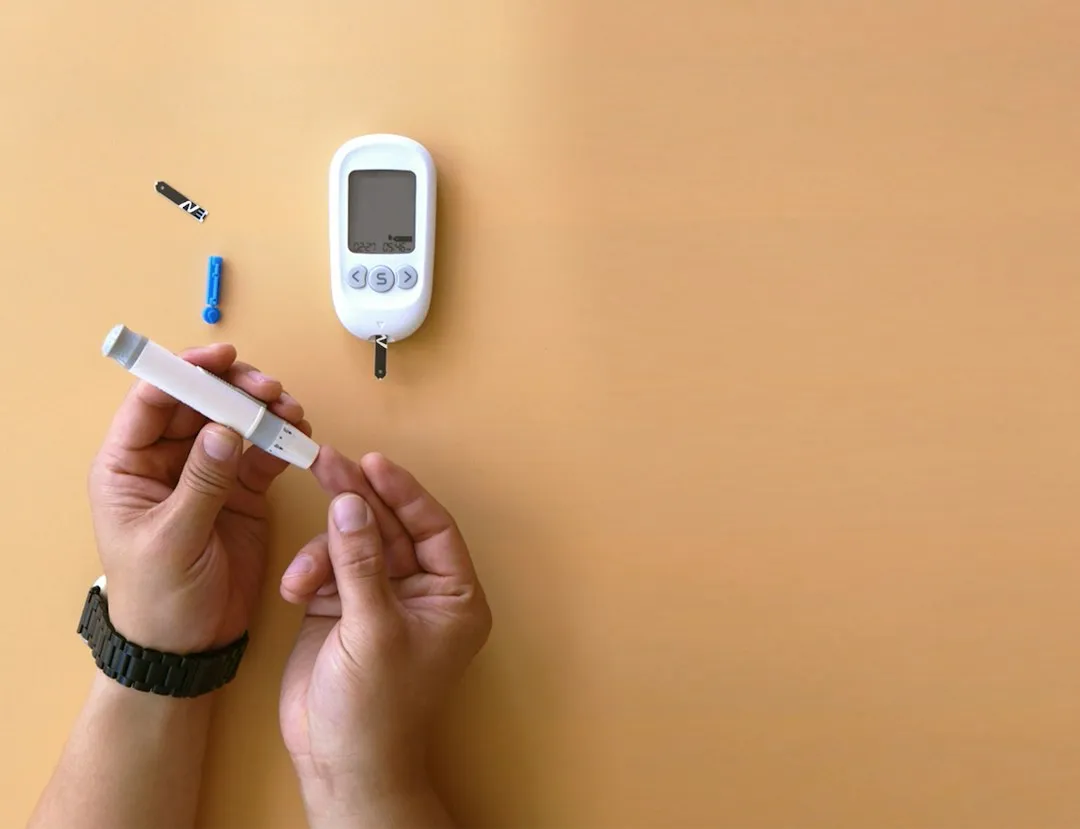
The key practical step is to check your blood glucose rather than assume. Checking your blood sugar with a glucometer is the most reliable way to differentiate between the two.
2. Sudden, Unexplained Shakiness
A trembling feeling in the hands or legs is one of the most telling signs of low blood sugar, yet it’s routinely attributed to nerves or too much caffeine. Shakiness or tremors – uncontrollable trembling often felt in the hands and limbs – signals the body’s response to low blood sugar.
Symptoms of hypoglycemia include, but are not limited to, shakiness, irritability, confusion, tachycardia, sweating, and hunger, according to the American Diabetes Association’s Standards of Care in Diabetes 2024. These are textbook physiological responses, not psychological ones.
Rapid heartbeat can amplify feelings of panic, thus obscuring the fact that blood sugar levels are actually the cause of the symptoms. Similarly, symptoms like sweating, dizziness, and tremors can also be mistaken as indicators of panic, rather than a medical condition in need of treatment.
3. Irritability and Sudden Mood Shifts

You snap at someone you care about, feel inexplicably tense, or notice a wave of emotional withdrawal that seems to come from nowhere. This is one of the more socially disruptive symptoms of low blood sugar, and it’s nearly always read as stress or emotional reactivity. Sudden personality changes, including uncharacteristic behaviors like tearfulness or emotional withdrawal, might occur due to low blood sugar impacting brain function.
Mild hypoglycemia produces difficulty concentrating, slowed reaction time, and mild irritability or anxiety. Moderate hypoglycemia brings confusion, impaired judgement, and mood changes including tearfulness or aggression. There’s a clear neurological reason for this progression.
Reduction in cerebral glucose availability can manifest as confusion, difficulty with concentration, irritability, and hallucinations. The brain is not getting the fuel it needs, and mood is often the first casualty.
4. Difficulty Concentrating or Sudden Brain Fog
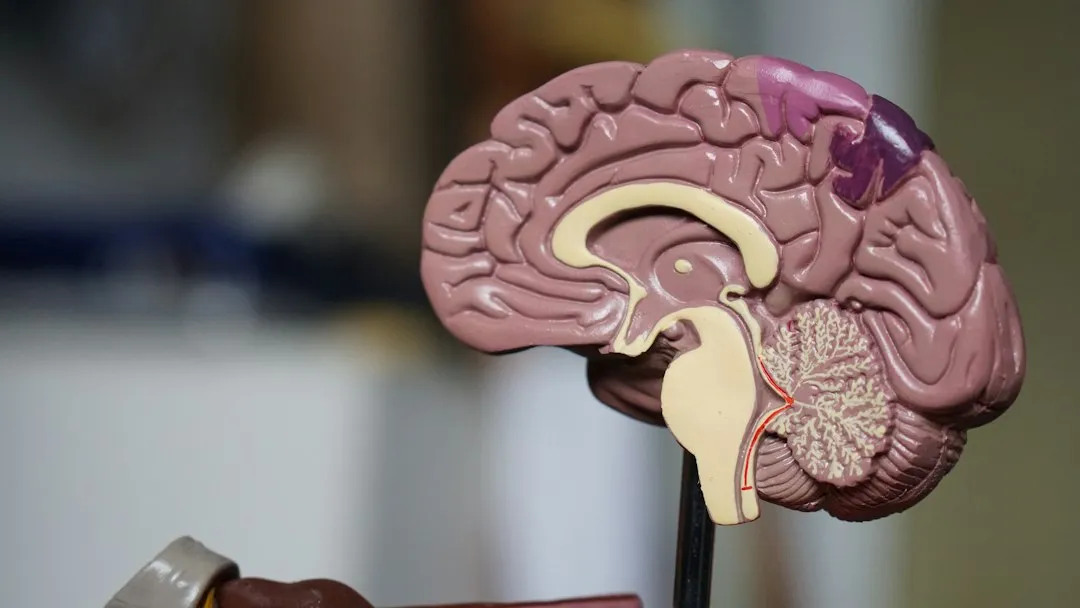
When focus disappears mid-task and thoughts feel slippery, the assumption tends to be stress or poor sleep. Brain fog from low blood sugar looks almost identical, but the mechanism is strictly physiological. Blood glucose below 4.0 mmol/L impairs cognition progressively, from mild difficulty concentrating to severe confusion, seizures, or loss of consciousness. When blood glucose falls this low, cognitive performance begins to deteriorate measurably.
Hypoglycemia can impair thinking faster than high glucose because the brain may not receive enough usable fuel. People may feel shaky, sweaty, anxious, hungry, confused, weak, or unusually emotional. Some people notice trouble finding words or following a conversation.
A 2024 study published in PLOS ONE found that hypoglycemia episodes may impair cognition by harming neurons, and hypoglycemic episodes may raise the likelihood of cognitive impairment. This extends well beyond a moment of fuzzy thinking.
5. Cold Sweats or Unexpected Clamminess

Breaking into a sweat without any physical exertion is one of those sensations that people dismiss as anxiety or simply a “hot flash.” In reality, it’s a classic autonomic response to falling blood glucose. Experiencing excessive sweating during sleep, for example, is a classic sign of nighttime hypoglycemia. The body responds to low blood sugar by releasing stress hormones, triggering sweating as a mechanism to raise blood sugar levels.
Some common side effects that both low blood sugar and anxiety share include sweating, shakiness, irritability, fast or irregular heartbeat, and lightheadedness. The overlap is not superficial. These symptoms share a biochemical root: stress hormone release.
The practical implication is that there is real potential for misdiagnosing hypoglycemia as anxiety because the symptoms are so similar, especially if the individual has no history of diabetes or hypoglycemia, as anxiety is more common and may seem like a more likely cause.
6. Lightheadedness or Feeling “Off” Without Explanation

A vague floating sensation or mild dizziness is one of the most casually dismissed symptoms in everyday life. People write it off as dehydration, standing up too fast, or just the residue of a stressful week. Dizzy spells caused by low blood sugar are often dismissed as mere stress or anxiety. However, these symptoms can be eerily similar to those experienced during an actual anxiety attack.
Hypoglycemia is a condition where blood glucose levels fall below normal, typically less than 70 mg/dL. Because the brain depends on a steady supply of glucose for energy, low blood sugar activates the body’s stress response to try to correct the imbalance.
The lightheaded feeling is the brain sending an alarm signal. Glucose is the body’s main source of energy. If blood glucose drops too low, cells and the brain don’t get the energy they need to work, leading to symptoms like shakiness and confusion. Dizziness is simply that energy deficit made perceptible.
7. Disrupted Sleep and Waking in the Night

Waking at 2 or 3 in the morning feeling unsettled, restless, or inexplicably anxious is frequently chalked up to work stress or racing thoughts. It could just as plausibly be nocturnal hypoglycemia. You may experience restlessness, anxiety, nightmares, or difficulty staying asleep due to the physiological stress caused by low blood glucose.
You can also have low blood sugar while sleeping, known as nocturnal hypoglycemia. Symptoms may include restless sleep, sweating through your pajamas or sheets, and having nightmares. These are not ambiguous signs of stress overload; they are physical alerts from a glucose-deprived nervous system.
If hypoglycemia happens when you’re sleeping, symptoms that may disturb your sleep include nightmares, tiredness, irritable mood, or confusion when you wake up. Waking up groggy and irritable after what should have been a full night’s rest is worth investigating beyond lifestyle explanations.
Who Is Actually at Risk – and How Common Is This?

It’s worth putting some numbers to this, because hypoglycemia is not a rare edge case. In a 2023 to 2024 multicenter study, hypoglycemia was present in roughly 30 percent of patients with type 2 diabetes, with over 16 percent reporting frequent episodes. These are significant numbers, particularly for a condition whose symptoms so often go misread.
Symptomatic hypoglycemia is estimated to occur on average twice a week in more than 80 percent of people with diabetes. That frequency makes routine misattribution not just possible but predictable. At the same time, low blood sugar is not exclusive to people with a diabetes diagnosis.
Reactive hypoglycemia is low blood sugar that occurs within a few hours after eating, usually after consuming a high-carbohydrate meal, and it can affect people without any metabolic condition. Chronic anxiety and stress can also impact how the body handles blood sugar. Elevated cortisol levels, a hallmark of chronic stress, increase insulin resistance and make blood sugar swings more likely.
Why the Confusion Is So Understandable
Both conditions share the same underlying biological trigger. When blood sugar falls, the body releases adrenaline and cortisol to bring levels back up. These are the exact same hormones the body floods with during psychological stress. The end result, from the inside, can feel indistinguishable.
The incidence of hypoglycemia in a population is difficult to ascertain. Patients and physicians frequently attribute symptoms such as anxiety, irritability, and hunger to hypoglycemia without documenting the presence of low blood sugar, according to Medscape. The diagnostic blind spot runs in both directions.
Symptoms such as shakiness, sweating, a racing heart, irritability, and trouble concentrating can occur with either low blood sugar or anxiety, so sensation alone may not distinguish them. That is precisely why checking blood glucose rather than simply riding out the symptoms is so valuable.
What You Can Do Right Now
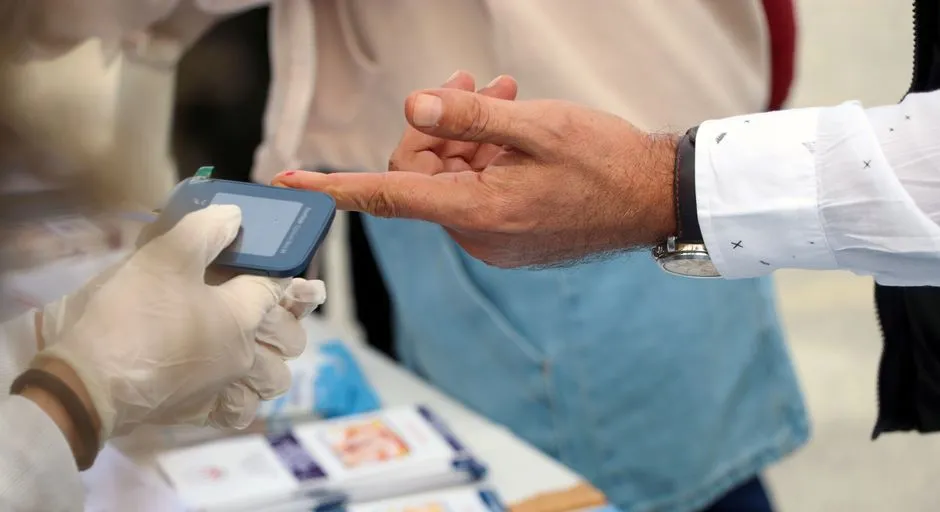
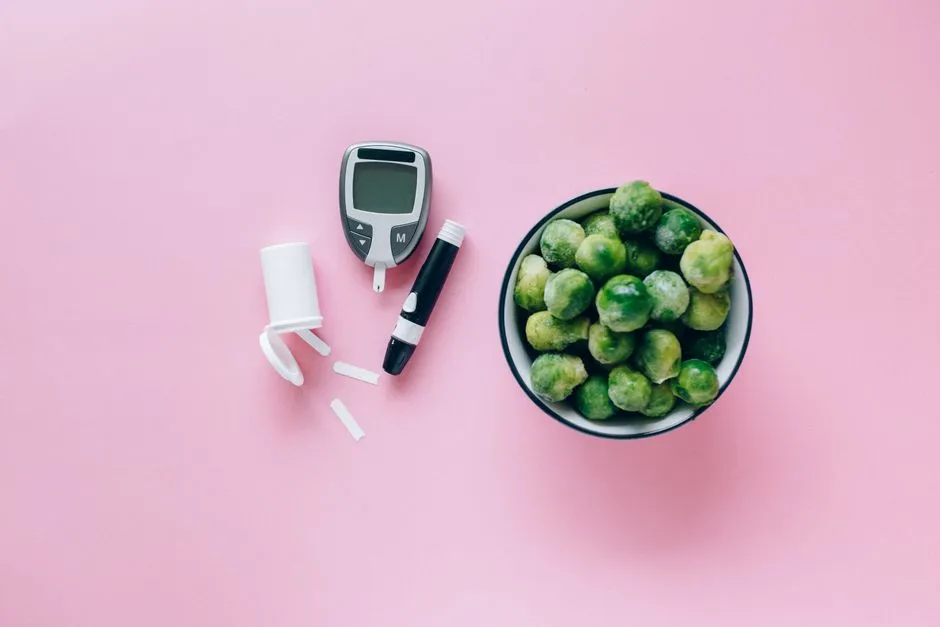
The single most useful immediate tool is a glucometer. If symptoms strike, a quick check can confirm whether blood sugar is low. This takes the guesswork out entirely and prevents the cycle of misattribution from continuing.
The overlapping symptoms can lead to misdiagnosis. A thorough medical evaluation, including blood sugar testing, is crucial for accurate diagnosis. If you’re experiencing these symptoms regularly, tracking meals, timing, and symptoms together can give a clinician meaningful data to work with.
It’s also worth knowing that this relationship is two-directional. For people with diabetes or frequent low blood sugar episodes, the fear of hypoglycemia can itself become a source of anxiety, known as hypoglycemia-associated autonomic failure. Breaking the cycle requires accurate identification, not just stress management.
Final Thoughts
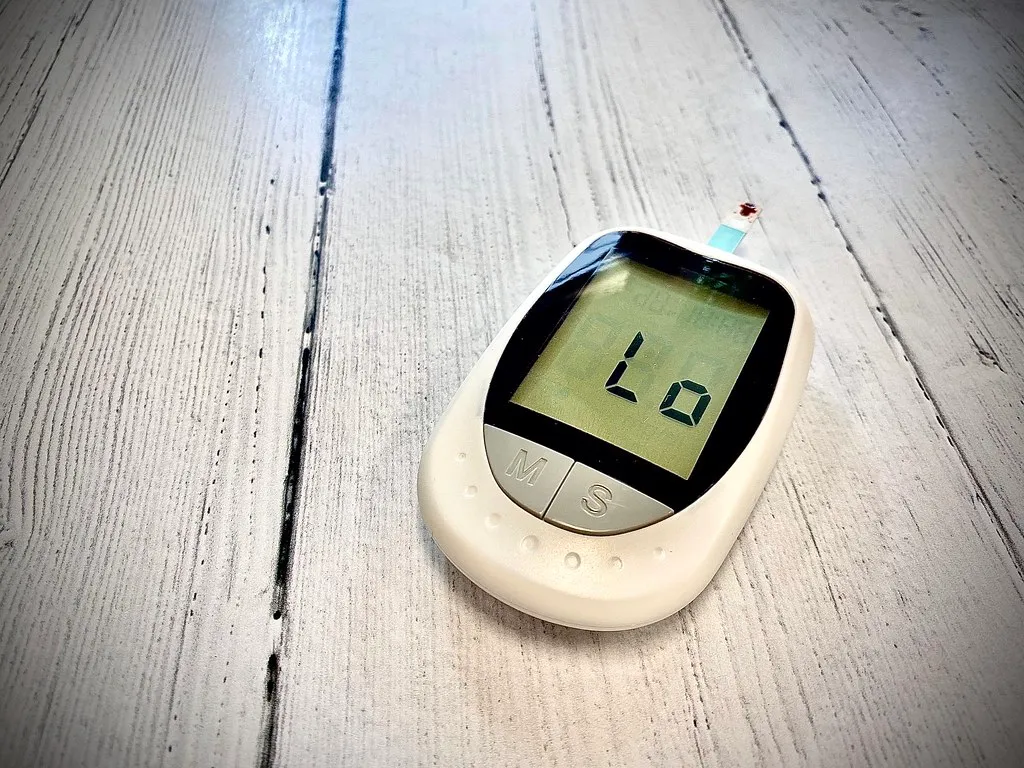
Low blood sugar and stress share such a convincing set of symptoms that even clinicians have to test, not just assume. Blood sugar drops are interpreted by the brain as a potential threat, because low glucose can mean starvation. When blood sugar dips too low, your body may react as if you’re in danger, even if you’re just sitting at your desk.
That response is ancient, automatic, and not easily dismissed by telling yourself to calm down. If the signs in this article sound familiar and they appear on a somewhat predictable schedule around meals or in the early morning hours, that pattern is worth taking seriously. Sometimes the body is not reacting to your workload. Sometimes it’s just running low on fuel.
AI Disclaimer: This article was created with the assistance of AI tools and reviewed by a human editor.