
Most house fires don’t start because someone was careless with a blowtorch or left a candle burning next to the curtains. They start with ordinary items sitting exactly where you put them, stored the way you’ve always stored them, without a second thought. That quiet confidence is part of the problem.
Fire-related deaths in the United States have decreased by roughly forty percent since 1980, but the 2024 civilian fire death toll rose to 3,920, up nearly seven percent from the year before. The numbers make clear that familiarity with risk doesn’t necessarily mean safety. Here are seven things fire departments consistently flag, and what you should be doing differently.
1. Gasoline Cans in the Garage or Basement
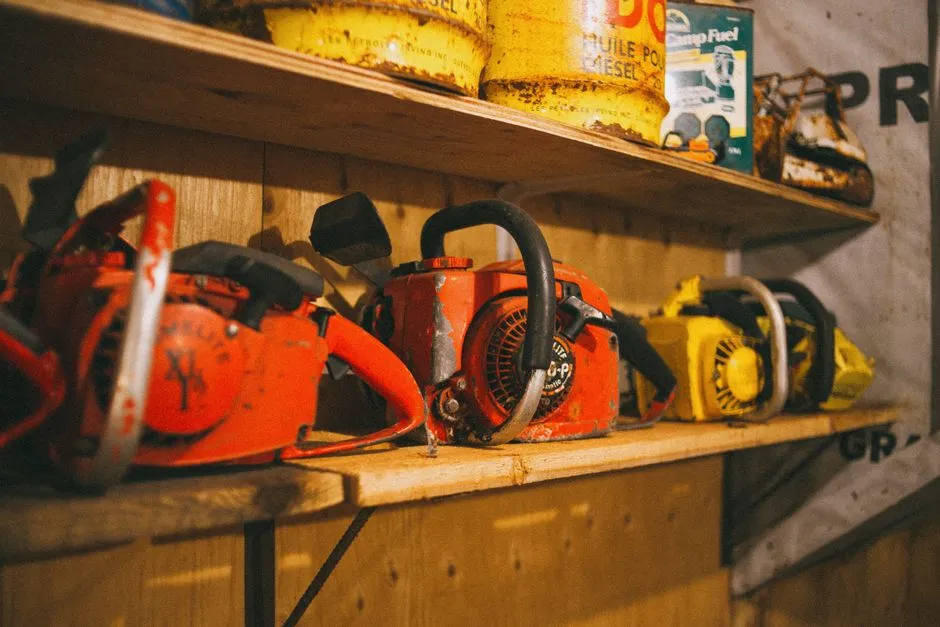
Gasoline is the item fire departments worry about most when they walk through a typical home. Petrol and diesel vapor is highly explosive and can be ignited by a single spark. Most people assume the garage is fine for storage, but that assumption depends entirely on where in the garage.
Maximum residential storage of flammable liquids like gasoline shall be limited to 30 gallons, preferably stored in an unattached garage or shed, and no flammable liquid storage is allowed in a basement at all. Many homeowners keep old gas cans right next to the water heater or furnace, which is exactly where fire codes say they should never be.
Good storage spots include detached garages, well-ventilated sheds, or outdoor lockers designed for fuel, while bad spots include inside the house, basements, utility closets, or next to furnaces, water heaters, or dryers. The container matters too. Gasoline should be stored in red, UL- or DOT-approved gas cans with good caps and working vents.
2. Propane Tanks Kept Indoors
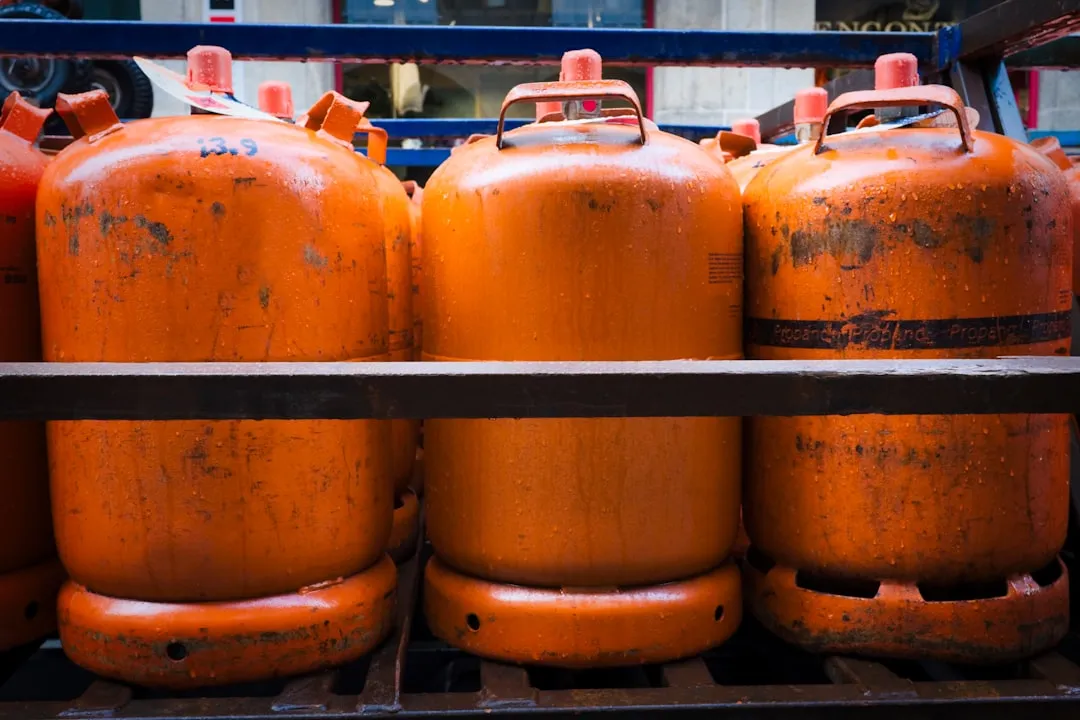
Small propane cylinders, the kind used for camping stoves or portable heaters, often end up tucked into garages, sheds, or even kitchen pantries after summer season ends. Propane tanks, empty or full, can never be stored inside a building, according to the 2021 International Fire Code. Store any propane tank outdoors in a well-ventilated area. Propane is heavier than air and should always be stored away from cellar windows and doors.
LP-Gas can be an explosion hazard if released in the home and should never be stored inside a building, home, or habitable structure. It should be stored outside or in a shed in approved containers designed for that use. This applies to cylinders that feel empty too. Residual gas remains inside “empty” tanks, and it can still ignite.
3. Lithium-Ion Batteries Left on Charge Overnight
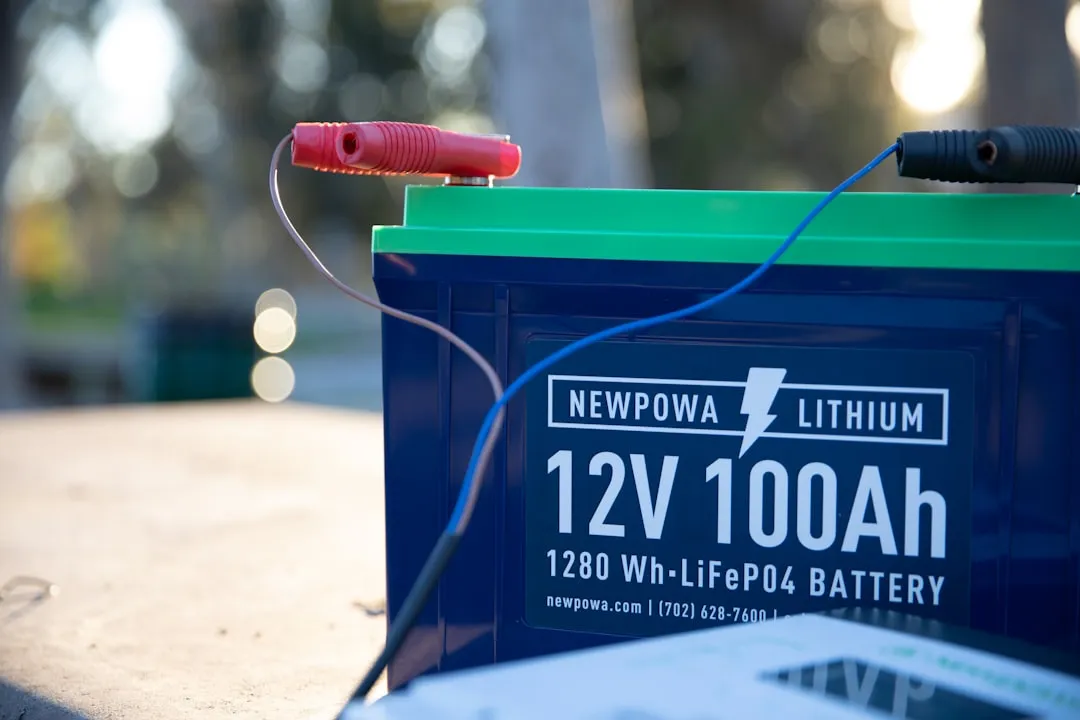
Phones, laptops, e-bikes, power tools: the lithium-ion battery is now everywhere in the modern home. Lithium-ion batteries are increasingly found in devices that the public and first responders use or interact with daily, and the likelihood of overheating, catching fire, or even causing explosions increases when they are damaged or improperly used, charged, or stored.
According to the U.S. Consumer Product Safety Commission, there were over 25,000 incidents of fire or overheating involving lithium-ion batteries between 2017 and 2022, resulting in an estimated 13 deaths and 141 injuries. The NFPA made lithium-ion battery safety the central theme of Fire Prevention Week in October 2025, reflecting just how seriously fire professionals now take this hazard.
These fires are often caused by faulty batteries or chargers, or by improper storage or handling of batteries. The safest practice is to charge devices during daylight hours, never leave them charging unattended overnight, and avoid charging them on or near soft surfaces like beds or couches where heat cannot escape.
4. Oily Rags Piled in a Corner

This one surprises people the most. A rag used with linseed oil, stain, or certain cleaning products can spontaneously combust without any external spark or flame. The oxidation process that occurs as the oil dries generates heat, and if enough rags are bundled together, that heat has nowhere to go.
The solvents and oils in lacquers and enamel paints can combust if exposed to open flames. Rags soaked in these substances carry the same risk, even after they appear dry. Fire departments recommend either spreading used rags flat outdoors to fully dry before disposal or placing them in a sealed metal container filled with water.
Store cleaning products away from heat sources, and make sure the storage area is well-ventilated. The same logic applies to rags, drop cloths, and anything that has absorbed oils or solvents during a home improvement project. Piling them in a closet or laundry room is a genuine risk most homeowners never consider.
5. Aerosol Cans in Hot Cars or Near Heat Sources
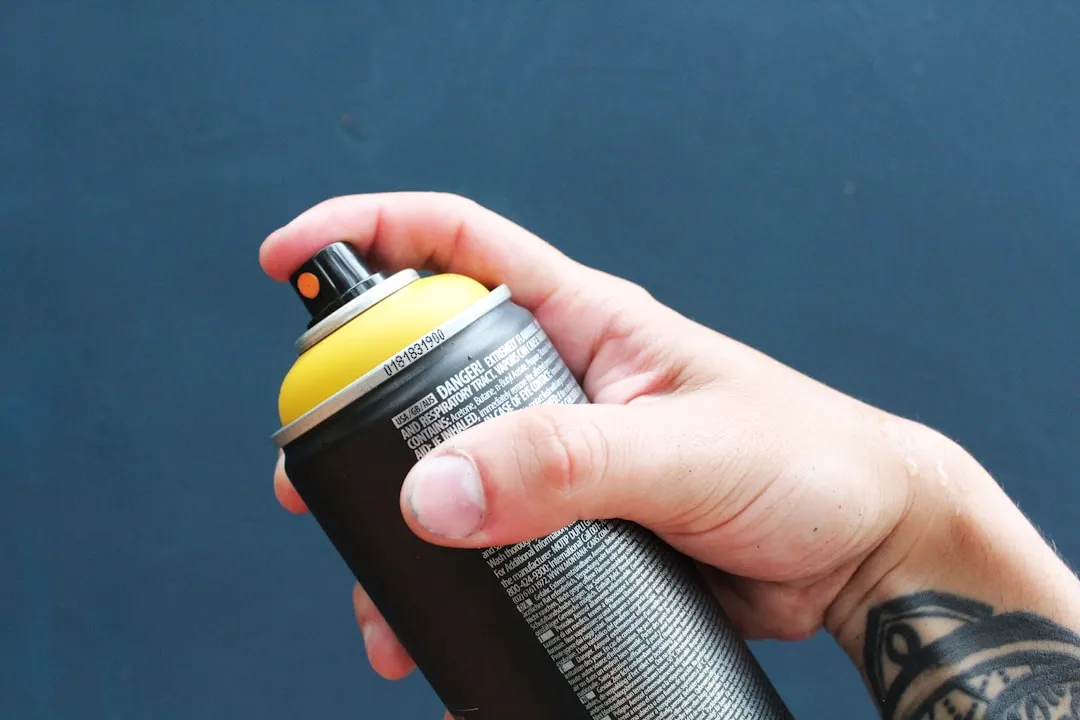
Spray paint, hairspray, insecticide, cooking spray: aerosol cans are in almost every room of the house. The issue is not the cans themselves but where people stash them. Many household items and materials are flammable due to their composition, including aerosol sprays propelled by combustible gases.
Aerosol cans are pressurized containers, and heat causes pressure inside them to rise rapidly. Storing them on a windowsill that gets afternoon sun, leaving them in a locked car during summer, or placing them above the dryer are all habits fire departments specifically call out. The pressure inside a standard aerosol can is enough to rupture violently when temperatures climb high enough.
Store cleaning products and aerosols away from heat sources, and make sure the storage area is well-ventilated. A cool, dark cabinet at room temperature is the right place. A shelf in the laundry room directly above a gas dryer is not.
6. Electric Blankets Folded and Stored Under Heavy Items
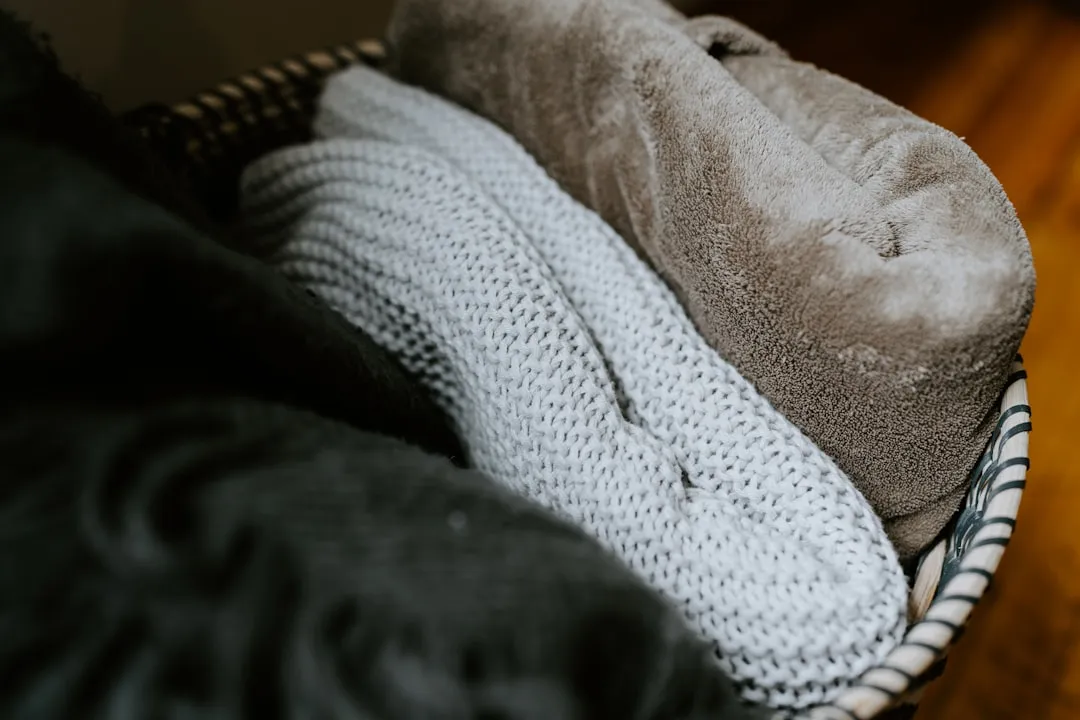
Electric blankets are a quiet hazard that most people never think to question. Electric blankets should always lie flat, remain undamaged, and never be folded, bunched, or compressed by heavy bedding or pets. Only newer, UL-listed models approved for overnight use with automatic shutoff timers and overheat protection should be used overnight.
Electric blankets should not be used on adjustable beds, as repeated bending can damage internal wiring and increase the risk of fire. The same applies to how they’re stored in a linen closet. Stuffing an electric blanket tightly between heavy blankets or folding it back on itself can crack the heating wires inside, damage that won’t always be visible from the outside but can cause arcing once the blanket is plugged back in.
7. Paint Thinner and Cleaning Solvents Mixed Together or Near Electrical Panels

Garages and utility rooms tend to become the default storage zone for every chemical product in the house. Paint thinner, mineral spirits, acetone, drain cleaner, and aerosol paints often end up side by side on the same shelf. Ammonia and chlorine in many multi-surface cleaners increase product flammability, and mixing incompatible products even accidentally can accelerate a fire’s intensity dramatically.
Nail polish remover is a staple in many households but can be extremely volatile. The main ingredient, acetone, is highly flammable and can easily ignite if exposed to high temperatures or open flames. Products like this are often stored in bathrooms next to hair dryers or heated styling tools, which creates a far greater risk than most people realize.
Never pour paint thinner down the drain, as it can cause plumbing issues and environmental harm. Instead, look for designated disposal facilities that can handle hazardous materials. Store flammables away from garage doorways so that the areas stay clear for emergency exits. Keeping these products in a well-ventilated space, away from heat sources and electrical panels, reduces both ignition risk and exposure hazard substantially.
The Broader Picture: Why Storage Habits Matter More Than You Think
Fire departments in the United States respond to hundreds of thousands of house fires each year, and many of these fires start with common household items people take for granted or overlook. Cooking was the leading cause of home fires in 2024, but improper storage of flammable and combustible materials consistently ranks among the preventable contributors that investigators find after the fact.
When items are used improperly, left unattended, or worn out, their built-in safeguards can fail. Frayed cords, degraded heating elements, blocked airflow, or damaged battery cells can allow heat, sparks, or fumes to escape, turning helpful tools into serious hazards. The issue isn’t usually one catastrophic mistake. It’s a slow accumulation of small ones.
There were over 374,300 residential fires in the U.S. in 2022, causing more than $10 billion in property damage. Many of those fires began in exactly the spots where these seven items tend to end up. Reviewing your own storage habits once a year, the same way you’d test a smoke alarm battery, is one of the more practical and underrated things you can do to protect your home.
Final Thoughts
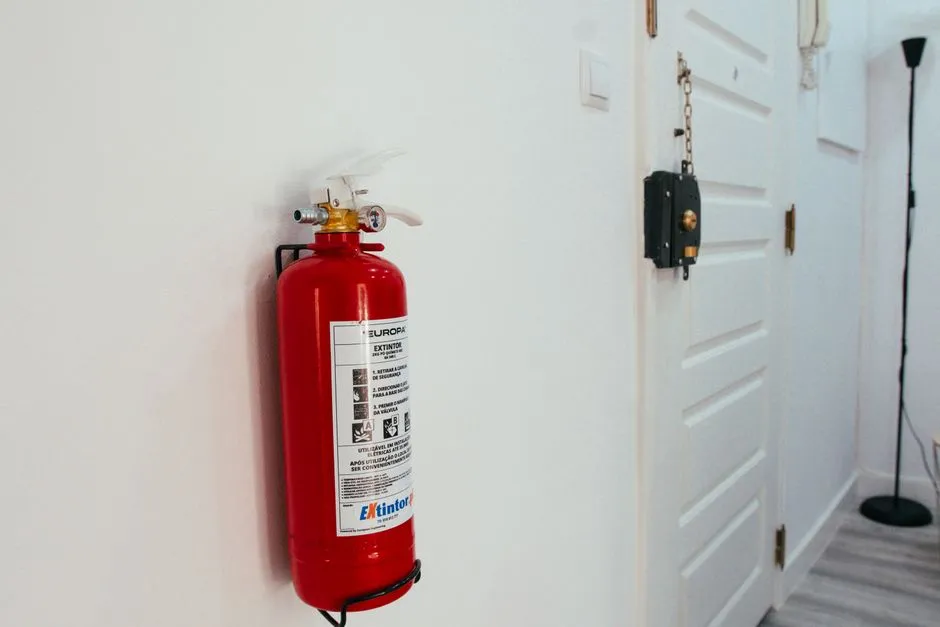
The items on this list aren’t exotic or unusual. They’re the kind of things sitting in almost every home in the country right now. What makes them dangerous isn’t their chemistry alone. It’s the gap between how hazardous they actually are and how harmless they seem when you walk past them every day.
Fire departments don’t flag these items to alarm people. They flag them because the fixes are genuinely simple: store things in the right containers, in the right locations, at the right temperatures. Most fire hazards at home don’t require a major overhaul. They require a second look at habits that have just never been questioned.
AI Disclaimer: This article was created with the assistance of AI tools and reviewed by a human editor.