
Most people eat when they’re hungry and stop when they’re full. Simple enough in theory. In practice, though, the type of food matters enormously, because some foods keep that fullness going for two hours while others fade in thirty minutes.
Dietary fibers prevent obesity through reduction of hunger and prolongation of satiety. That’s the core idea, and researchers have been steadily building on it. The average American eats about 15 grams of fiber per day, and roughly 95% of adults fall short of meeting the recommended intake. Closing that gap, it turns out, is one of the most practical changes anyone can make to their eating habits.
Why Fiber Makes You Feel Full in the First Place

The mechanics behind fiber and fullness are more interesting than most people realize. Research shows that high-fiber foods support the release of a gut hormone named PYY, which suppresses appetite and can have similar effects to its more famous cousin GLP-1. That’s a significant finding, especially given how much attention appetite-suppressing hormones have received in recent years.
Viscous fibers, the kind found in oats, beans, and certain fruits, absorb water and swell in the stomach, creating more distension and delaying how quickly food moves on to the intestines. That physical expansion is part of why you feel noticeably full after a fiber-rich meal.
A number of mechanical and endocrine signals from the gastrointestinal tract are stimulated by fibers and their fermentation products, reaching regions of the brain involved in the regulation of appetite, and ultimately reducing food intake. In short, the gut and the brain are having a conversation, and fiber is part of that signal chain.
1. Oats: The Classic Morning Anchor

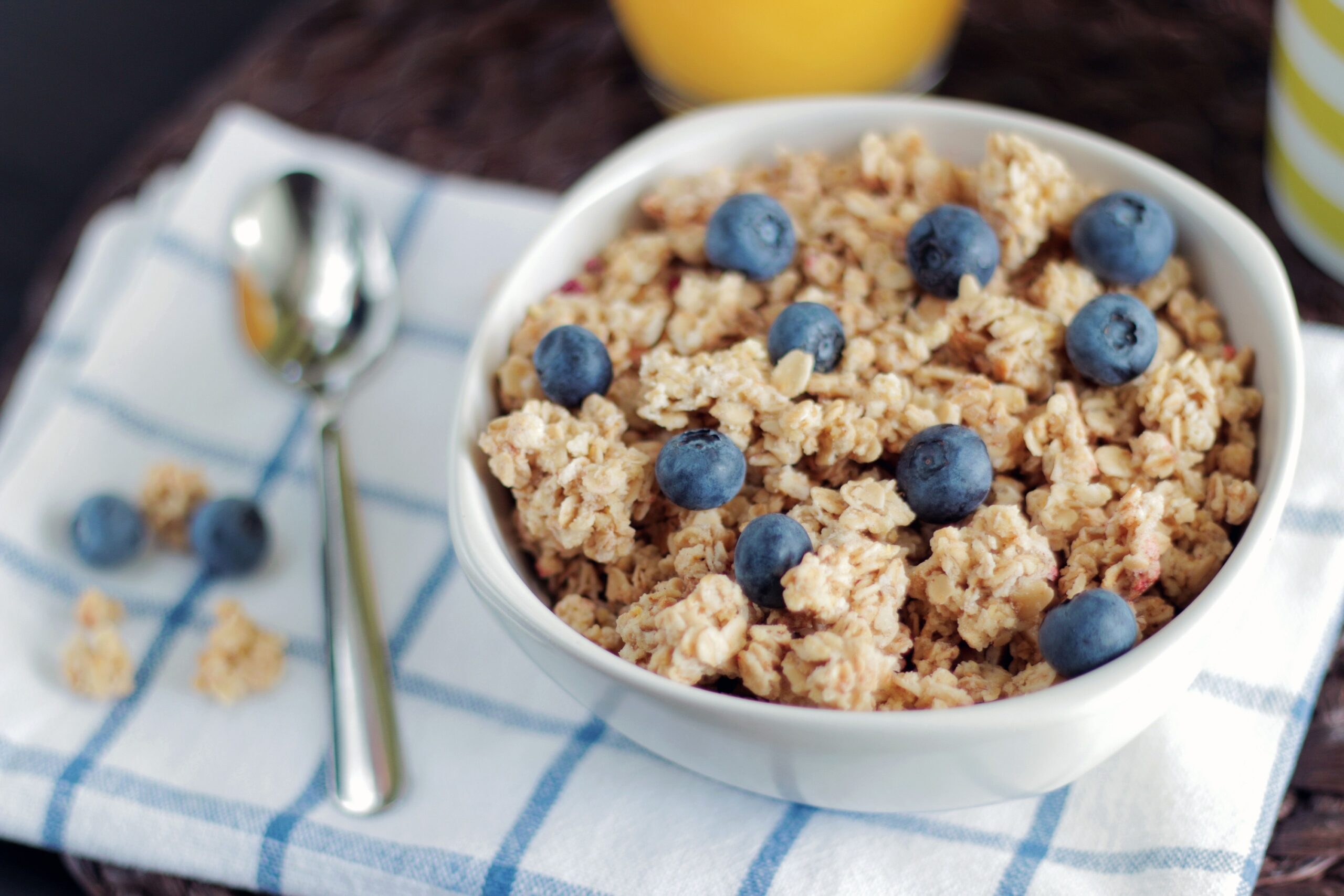
Researchers found that fiber-rich oatmeal increased fullness, decreased hunger, and decreased the desire to eat more. That’s a consistent finding across multiple studies, which is why oats remain one of the most recommended breakfast options from nutrition professionals.
Oats have high amounts of fiber and are also a good source of protein, making them a strong combination for promoting satiety. The beta-glucan fiber in oats is particularly notable because it forms a thick gel in the digestive tract, slowing gastric emptying considerably.
Opting for whole grains like oats over refined carbs supports higher fiber intake and aids weight management by keeping you satisfied longer. A bowl of plain oatmeal cooked in water or milk, topped with berries, will serve most adults far better in terms of morning hunger control than a pastry or toast.
2. Lentils: The Underrated Protein and Fiber Powerhouse

One cup of cooked lentils contains around 15 grams of fiber, making them an excellent choice for promoting gut health and maintaining stable blood sugar levels. That’s more fiber than most people get in an entire day from their regular diet.
Lentil-based foods have shown real promise in satiety research, partly because legumes are a good source of proteins and fibers, which can help consumers promote healthy dietary patterns. A 2024 study published in Current Research in Food Science examined lentil-based pasta and confirmed its positive effects on satiation and food intake in healthy volunteers.
Lentils are known for their high fiber and plant-based protein content, making them incredibly satiating and versatile – easily incorporated into salads, soups, and grain bowls for an instant nutrient boost. They’re also one of the most affordable items at any grocery store.
3. Chia Seeds: Tiny Seeds With Serious Staying Power
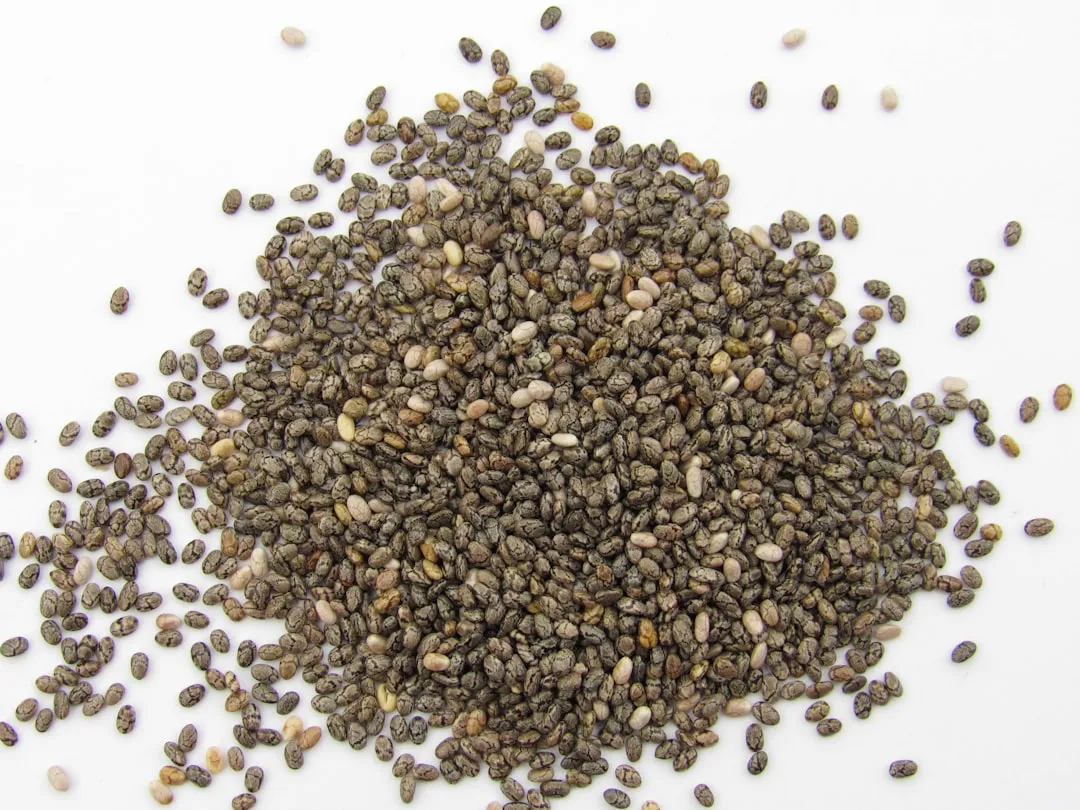
Chia seeds may be small but they’re surprisingly nutrient-dense – just two tablespoons provide 9.75 grams of fiber, plus plant-based omega-3s and protein, making them super satisfying and supportive of heart health. That’s a meaningful fiber contribution from a very small volume of food.
Chia seeds absorb water and expand, promoting satiety and aiding digestion. In addition to fiber, they are a great source of omega-3 fatty acids, which help reduce inflammation. The gel-like texture they develop after absorbing liquid is part of what makes them so effective at slowing digestion.
Chia seeds are very high in dietary fiber, low in available carbohydrates, and have attracted interest as a functional food, with studies showing several potential beneficial effects on health, among them their ability to increase satiety and reduce food intake. Mixing them into overnight oats or yogurt is one of the simplest ways to add fiber to a meal without changing much else.
4. Black Beans: A Plant-Based Satiety Staple
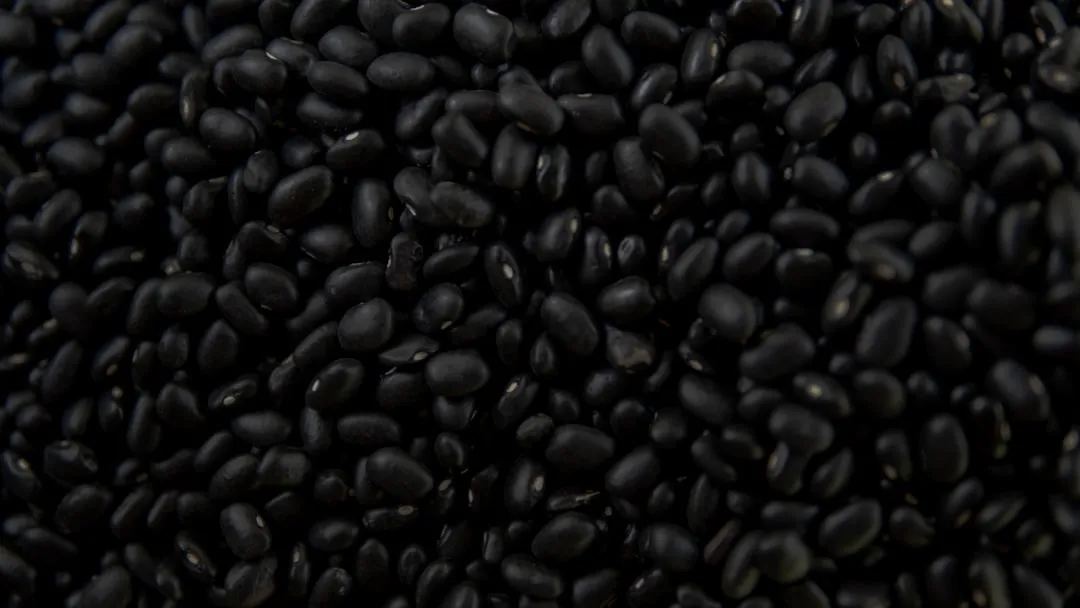
Beans are a candidate food for increasing satiety due to their protein and dietary fiber content. A 2025 randomized crossover trial published in The Journal of Nutrition went further, finding that beans improved satiety to a level not significantly different from beef in older adults.
One half-cup of cooked black beans provides around 7.7 grams of fiber, which is a solid contribution toward the recommended daily intake. Combined with their protein content, that makes them one of the more complete plant-based options for managing hunger across a full afternoon.
Dietary fiber has been studied for its role in satiety and body weight management, with evidence showing it can add bulk to foods, promote gastric retention and distention, and prolong digestive transit time to slow nutrient absorption. Beans check all of those boxes at once.
5. Avocado: Fiber With Healthy Fats on the Side
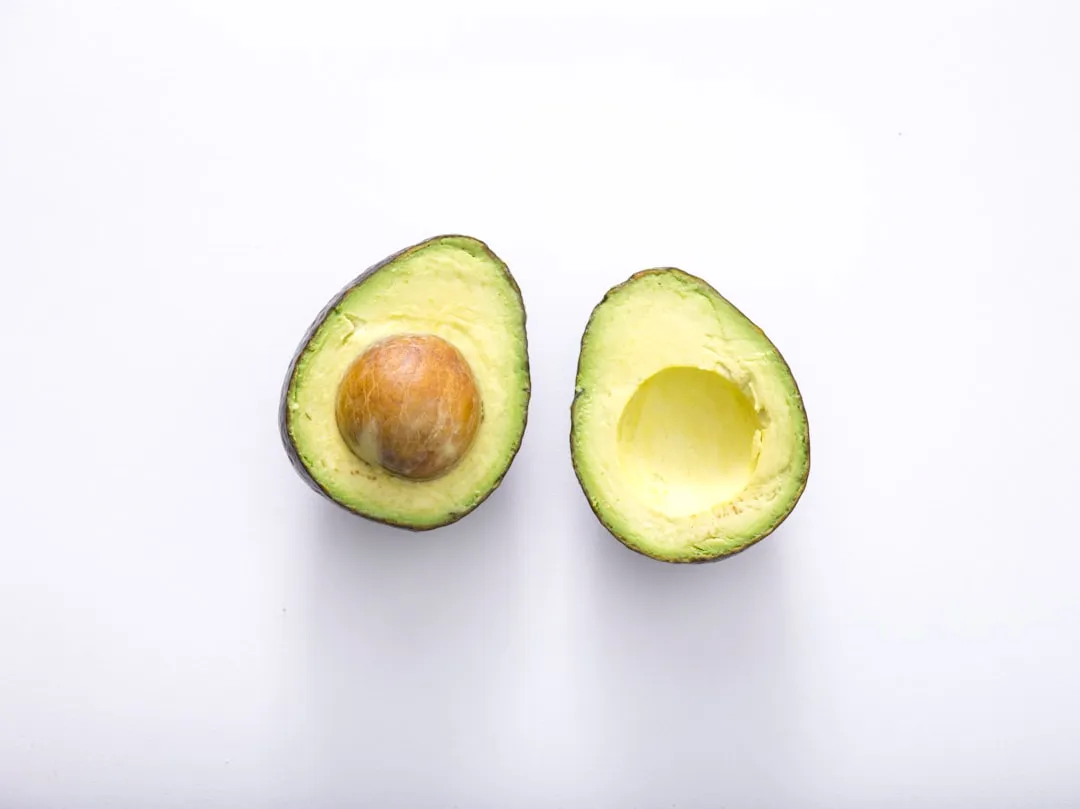
One whole avocado provides around 9.25 grams of fiber. That’s easy to overlook when avocados are usually discussed in terms of their healthy fat content, but the fiber contribution is genuinely significant.
Just one-third of an avocado contains three grams of dietary fiber, which helps slow digestion and keep you feeling full longer. Diets that include fiber-rich foods such as avocados may also help reduce the risk of heart disease, type 2 diabetes, and obesity. The combination of fiber and monounsaturated fat creates a particularly filling effect.
Unlike many fruits that are higher in water and sugar, avocados have a more substantial plant structure that helps make their fiber content especially high. Half an avocado on whole grain toast, or sliced into a salad, adds real satiety value without requiring much effort in the kitchen.
6. Raspberries: The Most Fiber-Dense Common Berry

Berries often get credit for their antioxidants and low sugar content, but raspberries specifically stand out for their fiber. Some of the highest-scoring foods in the original Satiety Index study are high in fiber, including fruits like raspberries. Their high water content also adds volume without adding many calories.
Berries are not only delicious but also packed with fiber and antioxidants, making a great addition to desserts, overnight oats, or parfaits. Raspberries in particular tend to outperform other common berries in terms of fiber per serving, which is worth knowing when you’re at the grocery store.
One cup of raspberries added to one cup of cooked oatmeal with half a serving of almonds could provide about 13.5 grams of fiber. That’s a breakfast combination that covers a meaningful portion of the recommended daily intake in a single meal.
7. Artichokes: The High-Fiber Vegetable That Most People Overlook
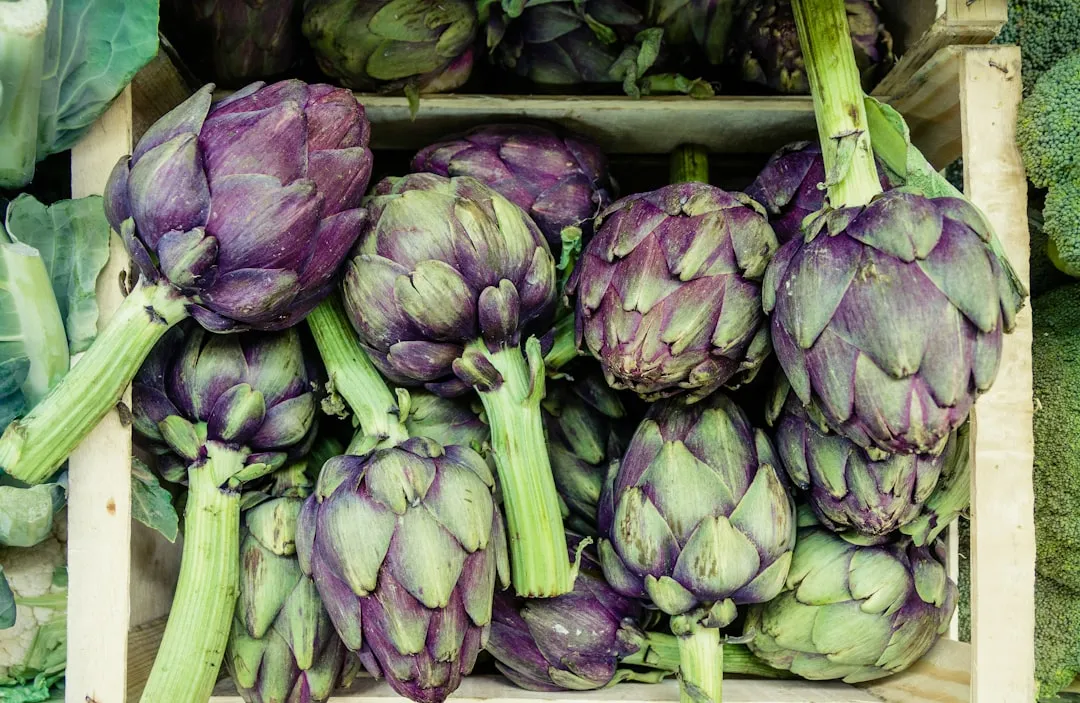
With around 10 grams of fiber per medium artichoke, these vegetables are real standouts that feed the good bacteria in the gut and support improved digestion. Most people don’t think of artichokes as a go-to fiber source, but the numbers are hard to ignore.
Because fiber significantly influences gut health, glycemic control, lipid metabolism, and satiety, it has important implications for preventing and managing chronic diseases. Artichokes contribute to all of those benefits, especially gut health, since their inulin content acts as a prebiotic feeding beneficial gut bacteria.
Canned artichoke hearts are an easy starting point if fresh artichokes feel intimidating to prepare. They work well in salads, grain bowls, and pasta. The fiber content holds up whether they’re steamed, roasted, or eaten straight from the jar.
How Much Fiber Do You Actually Need?
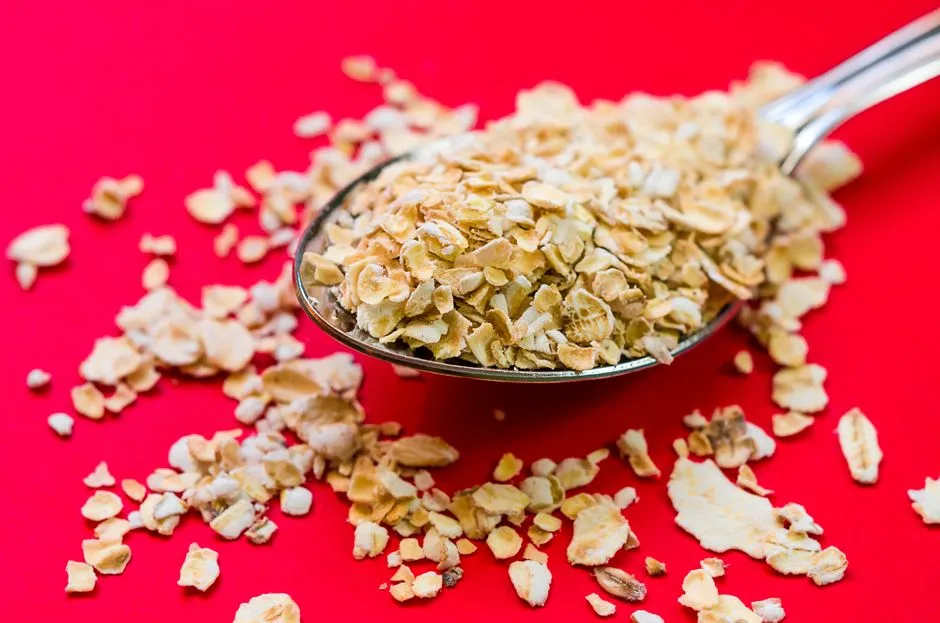
The recommended daily intake of fiber is around 25 to 38 grams per day for adults, though this can vary depending on factors such as age and sex. The formula used by dietary guidelines is straightforward: 14 grams of fiber for every 1,000 calories consumed.
According to the 2020-2025 Dietary Guidelines for Americans, 90% of women and 97% of men do not meet the recommended dietary fiber intake. That’s a striking gap, and it helps explain why so many people feel hungry again not long after eating a processed meal.
Despite decades of research showing that dietary fiber is linked to lower rates of cardiovascular disease, type 2 diabetes, and colorectal cancer, most adults consume less than half of the recommended daily amount. The foods in this list are among the most practical ways to change that without overhauling an entire diet at once.
Tips for Adding More Fiber Without Discomfort

One thing worth mentioning: going from a low-fiber diet to a high-fiber one overnight tends to cause bloating and discomfort. Adding too much fiber too quickly can result in intestinal gas, cramping, and bloating, so it helps to increase your fiber intake gradually over a few weeks.
As you eat more fiber, drink plenty of fluids. Some fibers work best when they absorb water, so being well hydrated can help prevent uncomfortable bowel movements. Water isn’t optional when fiber intake goes up – the two go hand in hand.
Research indicates that fiber intake influenced feelings of hunger and caused some minor acute gastrointestinal symptoms that dissipated after a short adaptation period. In other words, the discomfort is usually temporary and tends to ease within a week or two as the gut adjusts.
What the Latest Research Tells Us
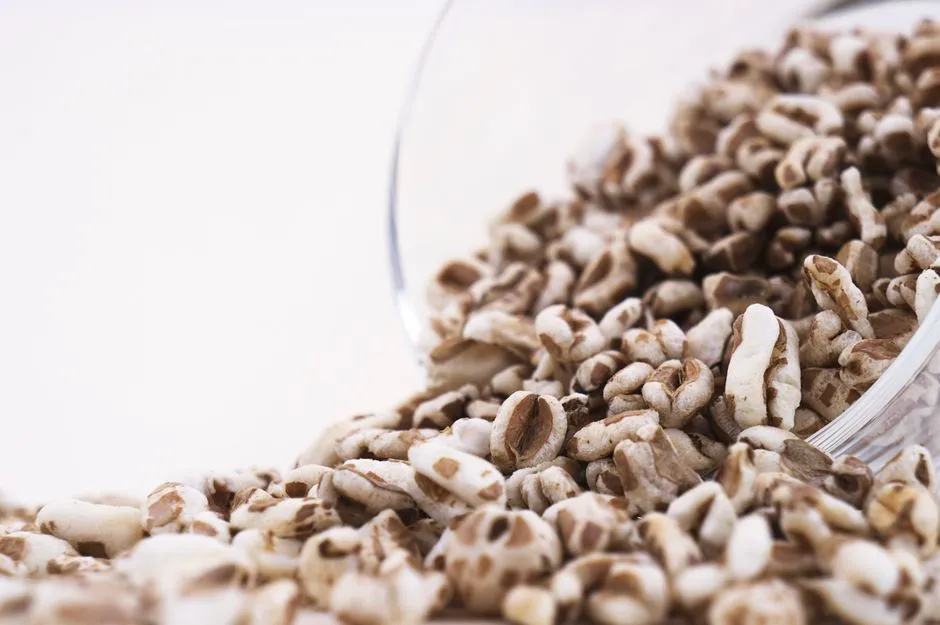
Researchers now understand how dietary fiber is associated with lower levels of hunger compared to a low-fiber diet, and that certain fibers and amino acids stimulate PYY, a key appetite-reducing hormone. This 2024 research from Imperial College London marked a meaningful step in understanding precisely how fiber works in the small intestine.
Research also suggests that a fibrous food’s structure isn’t as important as its content at producing feelings of fullness. This matters practically: whether fiber comes from a whole food or is naturally present in a less processed form, the content itself drives the satiety effect.
For every additional 8 grams of dietary fiber a person consumes, the risk of several chronic diseases falls by another 5% to 27%. Risk reductions are greatest when daily intake of dietary fiber falls between 25 and 29 grams. That’s a dose range that’s entirely achievable by combining two or three of the foods on this list each day.
The Takeaway
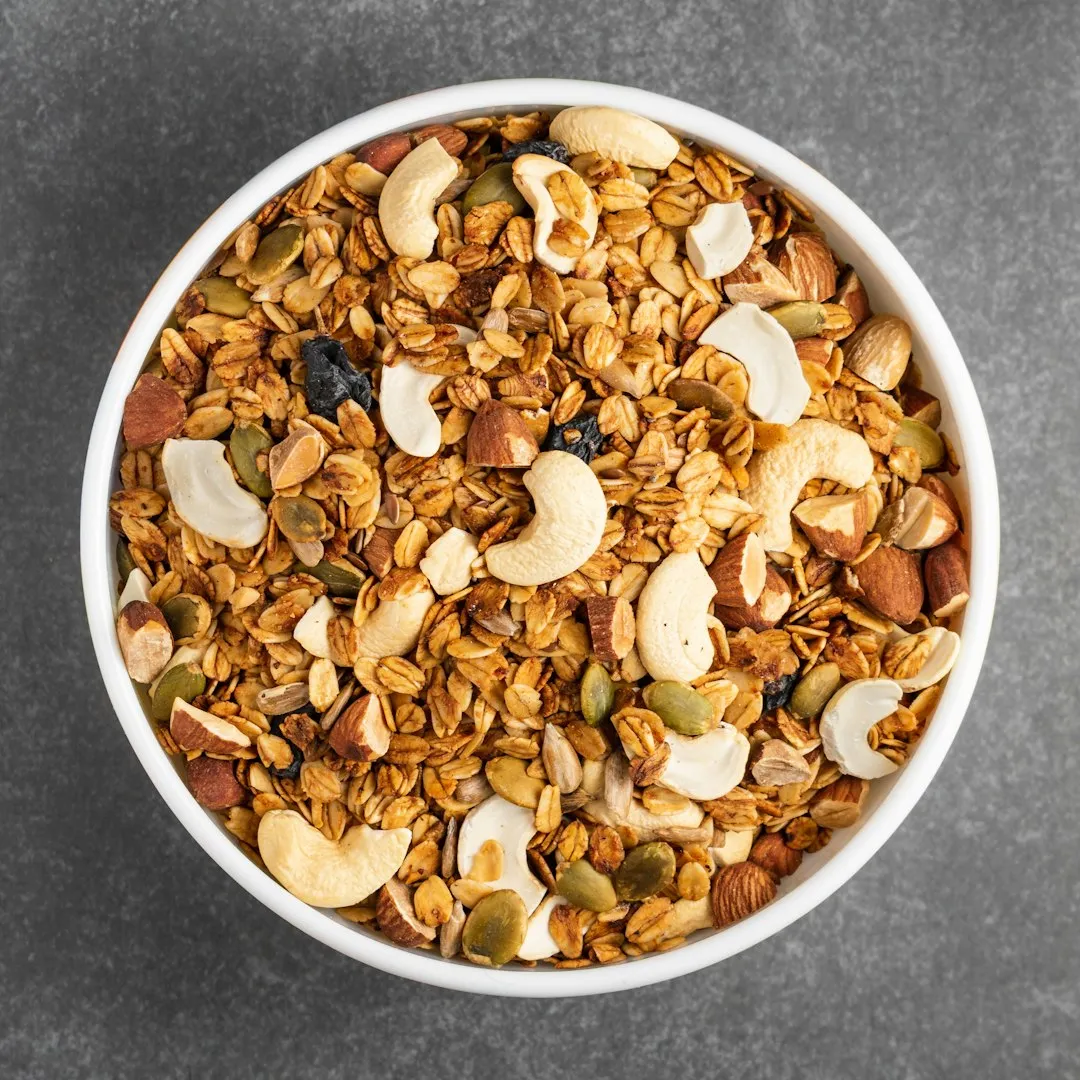
Fiber doesn’t have a dramatic origin story. It’s not a supplement, a trending ingredient, or a recent discovery. It’s simply what whole plant foods have always contained, and it does quiet, consistent work on hunger, gut health, and long-term disease risk.
The seven foods covered here – oats, lentils, chia seeds, black beans, avocados, raspberries, and artichokes – are all genuinely practical. They’re widely available, affordable in most markets, and flexible enough to fit into many different meal styles. No single one of them needs to be eaten every day.
Choosing two or three of them regularly, and building meals around them rather than treating them as afterthoughts, is probably the simplest dietary change most people can make. The hunger that follows a fiber-rich meal tends to arrive much later, and that’s the whole point.
AI Disclaimer: This article was created with the assistance of AI tools and reviewed by a human editor.