

Heart disease is the leading cause of death for women in the United States, yet the way a heart attack actually feels in a woman’s body rarely matches the dramatic Hollywood version most people picture. Even though heart disease is the number one killer of women in the U.S., women often chalk up the symptoms to less life-threatening conditions such as acid reflux, the flu, or normal aging. That disconnect between expectation and reality costs lives every single year.
Women wait an average of 54 hours to seek treatment, compared to just 16 hours for men. Part of the reason is that their symptoms are genuinely different, and often far subtler. Understanding what those symptoms look like is the first and most critical step toward getting help in time.
1. Extreme, Unexplained Fatigue

Research suggests women are more likely than men to experience a range of warning signs in the days and even weeks leading up to a heart attack, with the most common being fatigue, occurring in up to roughly seven in ten women who have a heart attack. This isn’t ordinary end-of-the-day tiredness. It’s a heaviness that doesn’t lift after sleep and can’t be traced back to anything obvious.
Extreme and unexplained tiredness is one of the most reported heart attack symptoms among women, because the heart is under massive stress as it tries to pump blood to a blocked area. Women tend to push through this kind of fatigue, attributing it to stress, poor sleep, or a busy schedule. The signs can sometimes be far subtler in women, and one of the most common is something many are tempted to push through or ignore: fatigue.
2. Shortness of Breath Without Chest Pain
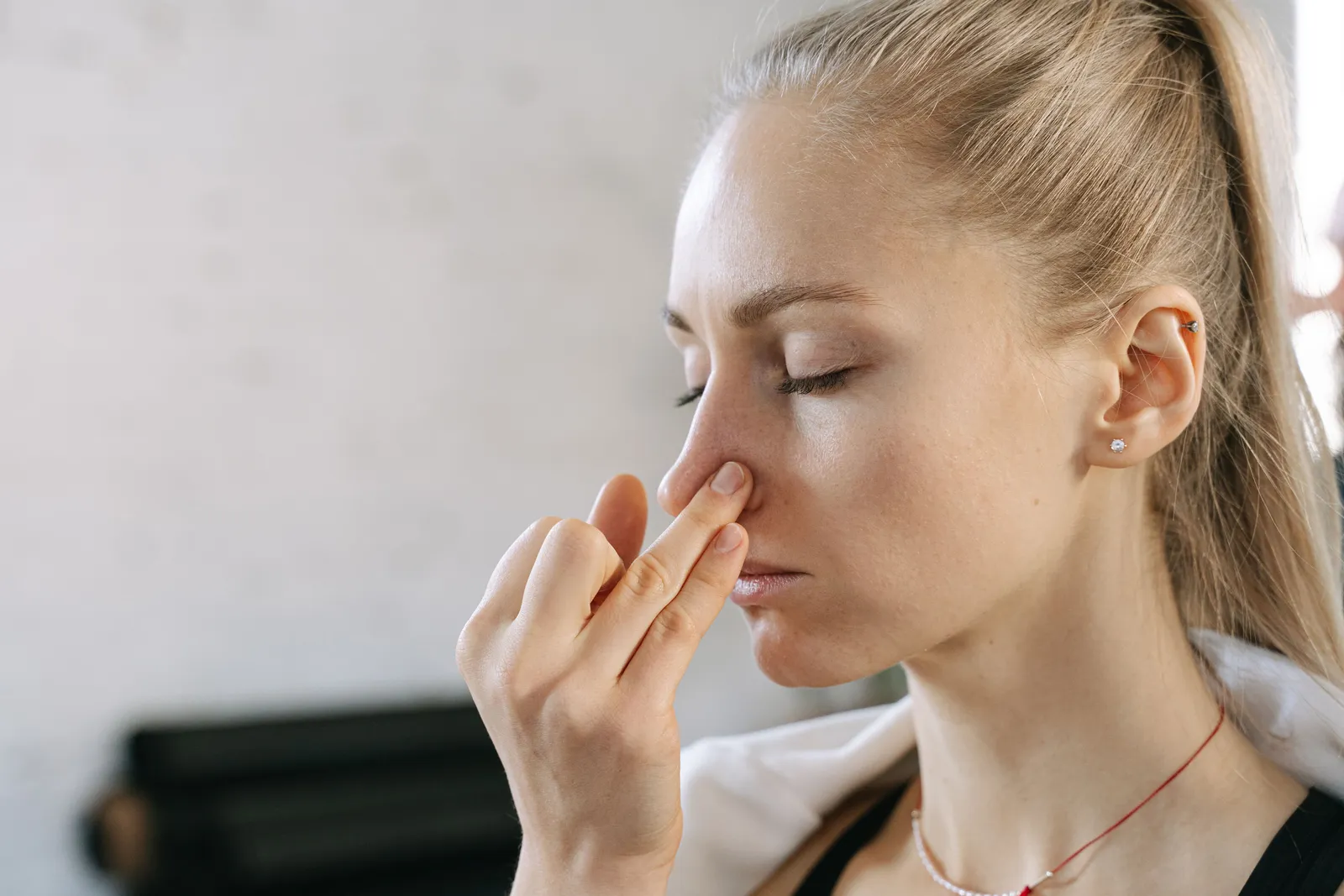
Shortness of breath during a heart attack can make you feel like you can’t breathe well even without chest pain, as though you just ran up a flight of stairs while resting. It can happen suddenly or get progressively worse over time. Because there’s no chest pain involved, most women don’t connect breathlessness to their heart at all.
Shortness of breath often comes along with chest discomfort, but it can also happen before any chest discomfort appears. The CDC confirms this is one of the primary warning signs, particularly in women. These symptoms are common for women and may occur more often when resting or asleep, and unlike with men, chest discomfort is not always severe or even the most prominent symptom.
3. Nausea, Vomiting, or an Upset Stomach

Heart failure can cause abdominal swelling that appears as indigestion, and data from the NIH found that nearly four in ten women reported indigestion in the month before their cardiac event. That’s a striking figure, and it explains why so many women head to urgent care thinking they have a gastrointestinal problem instead of calling 911.
Vomiting due to heart problems is called cardiogenic vomiting. When the heart is unable to receive oxygen-rich blood, heart tissue begins to die, and dying heart cells release toxins that stimulate the nerves responsible for vomiting. It’s a physiological process, not a coincidence, and it should never be dismissed as bad food or a stomach bug when other symptoms are present.
4. Jaw, Neck, or Upper Back Pain

Unlike men, who often feel pain radiating down their left arm during a heart attack, women are more likely to have pain in their back, often between the shoulders, the neck, or the jaw. This pain can be sharp, dull, or a constant ache, and it might start suddenly or build up slowly.
This type of pain may confuse women who expect discomfort to be focused in the chest and left arm, not the back or jaw. The pain can be gradual or sudden, and it may wax and wane before becoming intense, and if you’re asleep, it may wake you up. Because it travels through unfamiliar territory in the body, most women attribute it to tension, a stiff neck, or sleeping in an awkward position.
5. Lightheadedness or Sudden Dizziness
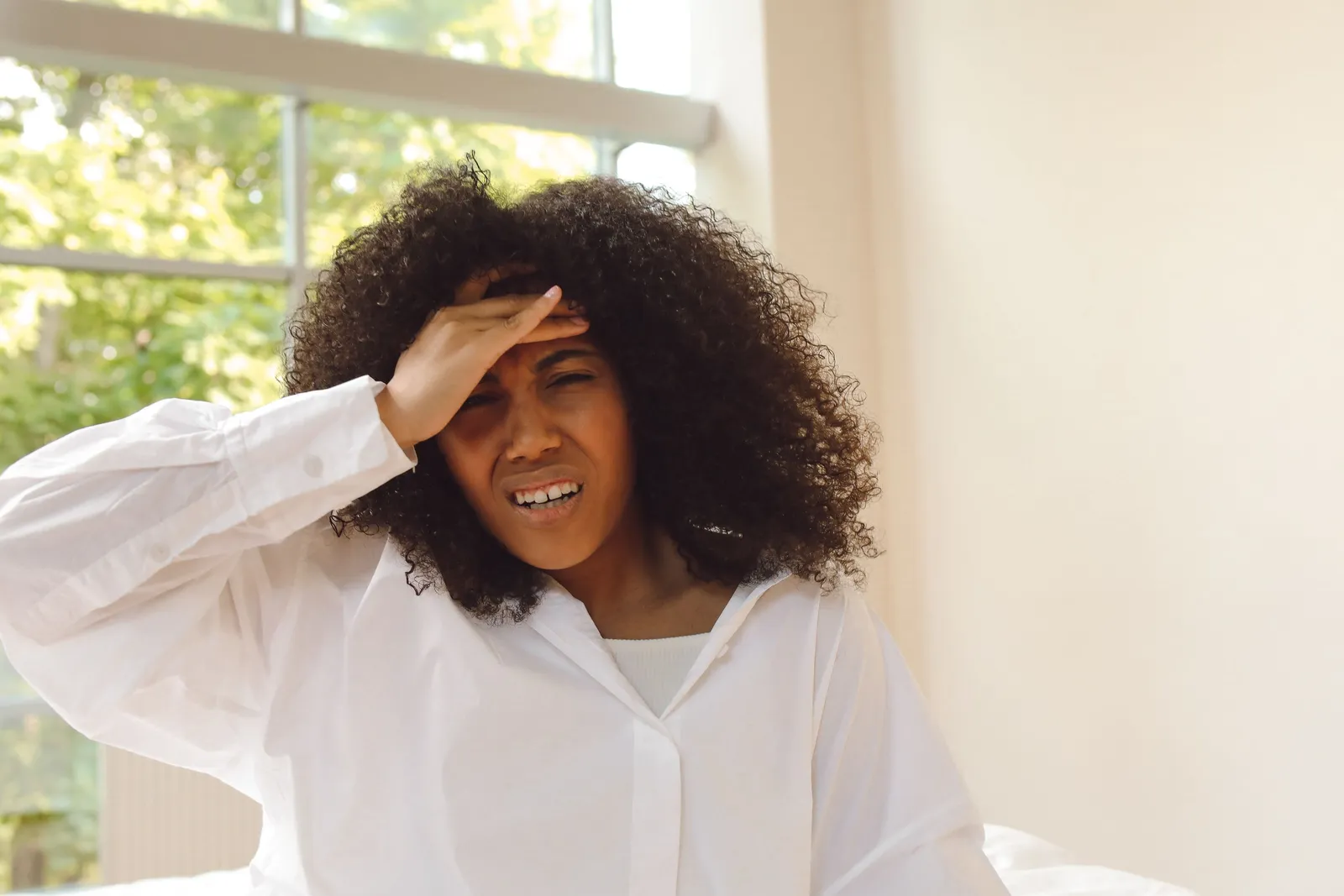
Women may also experience sweating, lightheadedness, and dizziness during a heart attack. These symptoms can be subtle and are often overlooked, contributing to the underdiagnosis of heart attacks in women. Dizziness alone can have dozens of benign explanations, which is exactly why it so rarely raises alarm bells.
Some women experience dizziness, lightheadedness, pain in the lower chest or upper abdomen, and extreme fatigue. When these arrive together, even in a mild form, that combination warrants immediate attention. Doctors say unexplained fatigue is particularly concerning when it occurs together with chest discomfort, pain in the jaw, neck or back, shortness of breath, nausea or vomiting, or dizziness.
6. Indigestion or Heartburn-Like Discomfort

Women often chalk up heart attack symptoms to less life-threatening conditions such as acid reflux, the flu, or normal aging. Indigestion is one of the most commonly misread signals, because the sensation can be almost indistinguishable from a large meal sitting heavily in the stomach. Women are more likely than men to have subtler symptoms of heart attack, such as indigestion, shortness of breath, and back pain.
Nausea and stomach pain may also be heart attack signs for women, and sometimes people come in late for care because they think they’re having heartburn or acid reflux. The cardiac connection to indigestion-like symptoms is rooted in the anatomy of the heart’s nerve pathways, which can refer pain and discomfort to the upper abdomen. If the feeling persists or comes on without an obvious dietary trigger, it deserves more than an antacid.
7. Breaking Out in a Cold, Unexplained Sweat

Sudden sweating with no clear cause, especially cold and clammy sweating that comes alongside chest discomfort or other symptoms, can signal a heart attack. This type of sweating feels different from exercise-related perspiration and comes on suddenly.
Hot flashes and night sweats are so common for women, especially during perimenopause and menopause, that they often dismiss unusual sweating as hormonal rather than cardiac. That’s a dangerous assumption to lean on. Breaking out in a nervous, cold sweat is common among women who are having a heart attack, and it feels more like stress-related sweating than perspiration from exercising or being outside in the heat.
Why Women Are So Often Misdiagnosed
Studies show that women experiencing heart attack symptoms are significantly more likely than men to be misdiagnosed. Research published in the Journal of the American Heart Association found that women under 55 were seven times more likely than men to be sent home from the emergency room without proper cardiac testing. This isn’t just a matter of individual awareness. It’s a systemic problem embedded in how medical care has historically been studied and delivered.
According to a study in the journal Circulation, women made up just over a third of participants in heart disease and stroke-related clinical trials between 2010 and 2017. For heart attack studies specifically, the number was less than roughly one in four. Fewer women in the research pipeline means less clinical knowledge about how heart attacks present in female patients, and that knowledge gap shows up directly in emergency rooms.
The Danger of Waiting Too Long
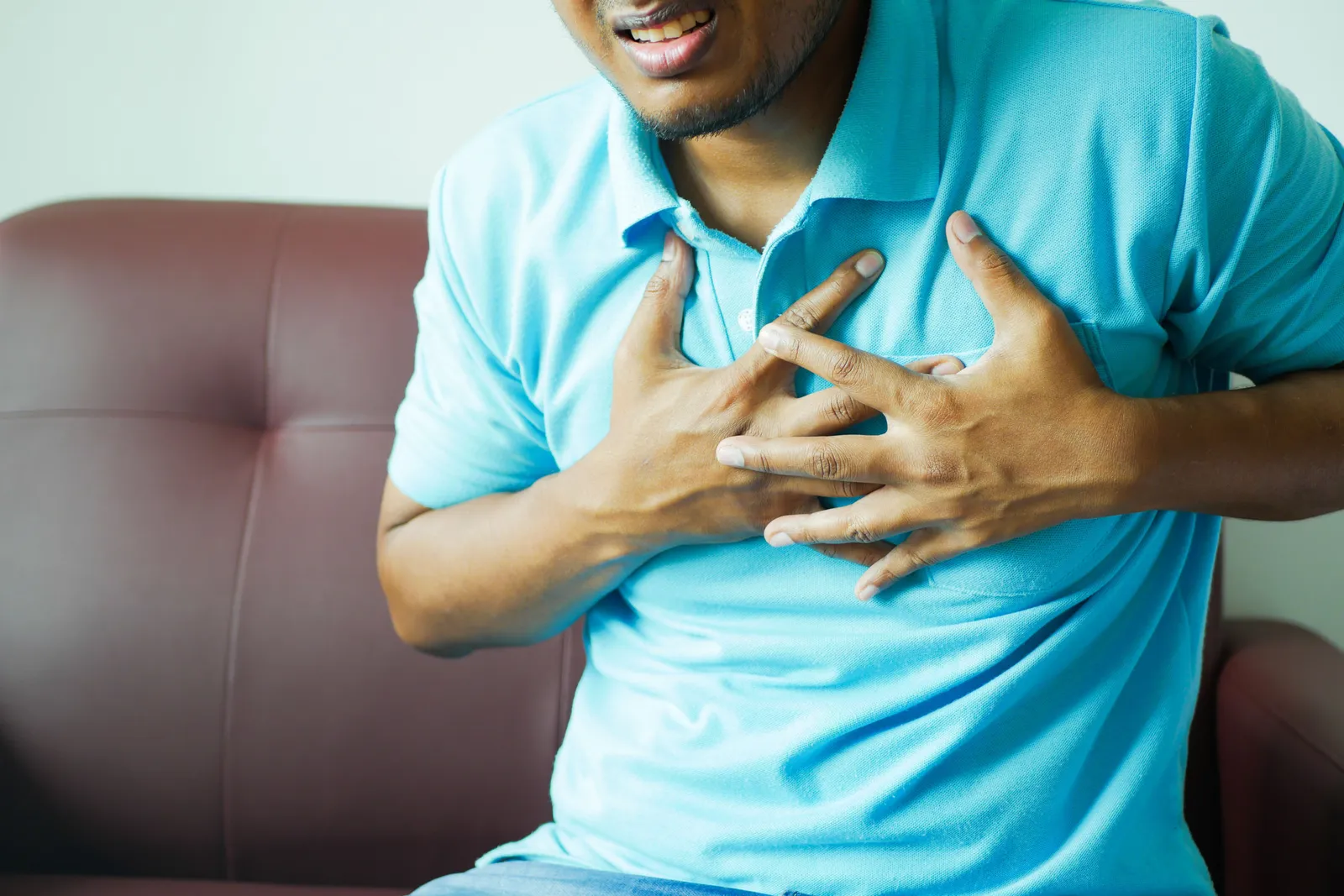
According to the American Heart Association, roughly one in four women will die within a year of having a heart attack, compared with about one in five men. The gap widens five years after a heart attack, with half of women dying compared with just over a third of men. Much of this disparity is tied to delays in treatment, not differences in biology alone.
In a large study of people under age 55 hospitalized for a heart attack, women were more likely than men to perceive their symptoms as simply stress or anxiety, and also to have seen a provider who did not attribute their symptoms to the heart. Recognizing the problem is only half the battle. According to the American Heart Association, nearly two thirds of women who die suddenly of coronary heart disease had no previous symptoms. For those who do have symptoms, acting immediately rather than waiting to be sure is the decision that can determine survival.
What Drives the Awareness Gap
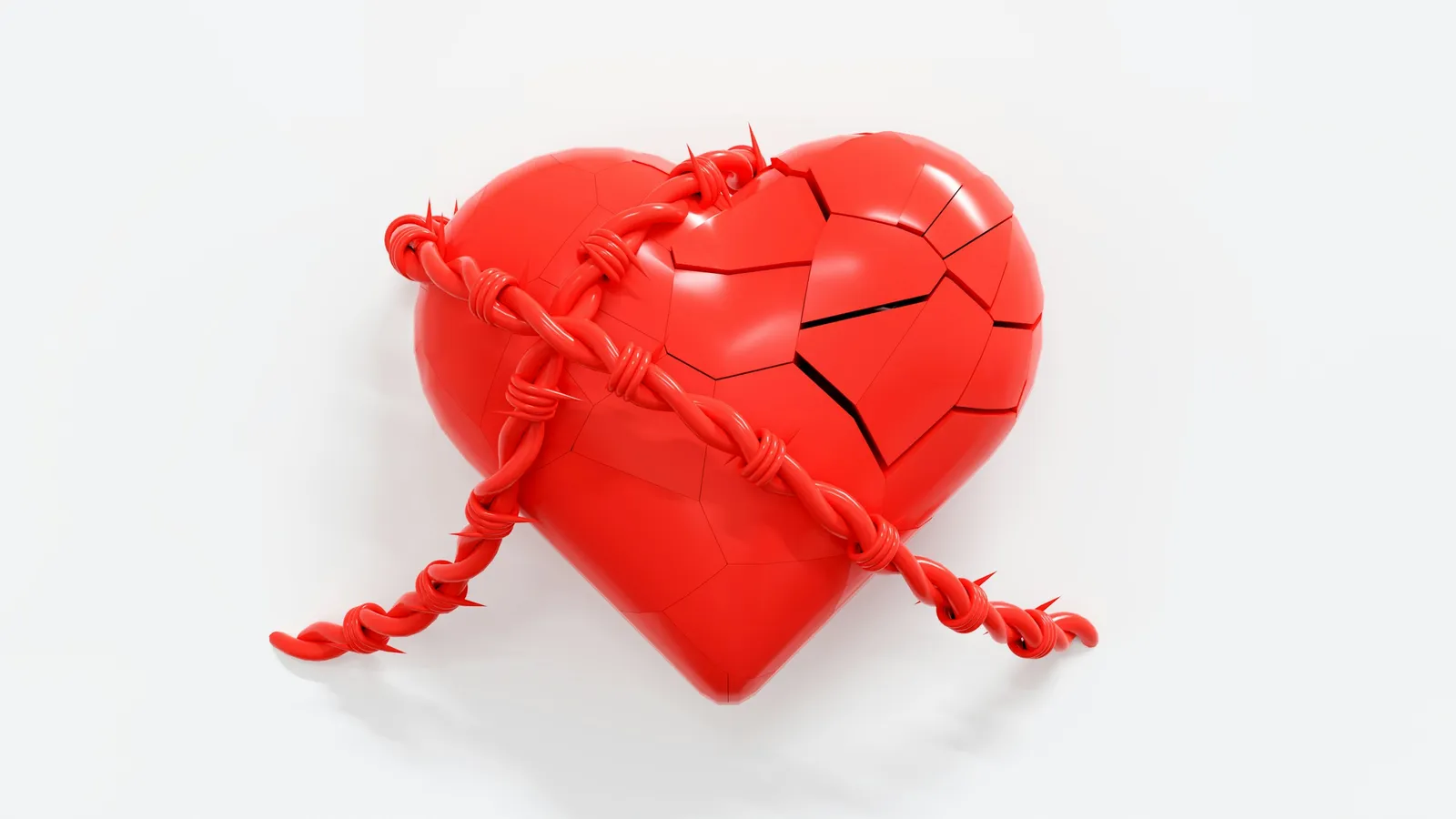
People often think that heart attacks are something that mostly happen to older men, not women. Heart disease is the leading cause of death for women in the U.S., and only about half of women know this. That gap in awareness has real consequences for how women respond when something feels wrong in their own bodies.
According to the NIH, women may get heart attacks at older ages than men, and menopause is likely a contributing factor, as the loss of estrogen increases belly fat, high blood pressure, and other factors that increase the risk of clogged arteries. Awareness campaigns and updated clinical training are slowly shifting this, but the pace of change still lags behind the urgency of the statistics.
Final Thoughts
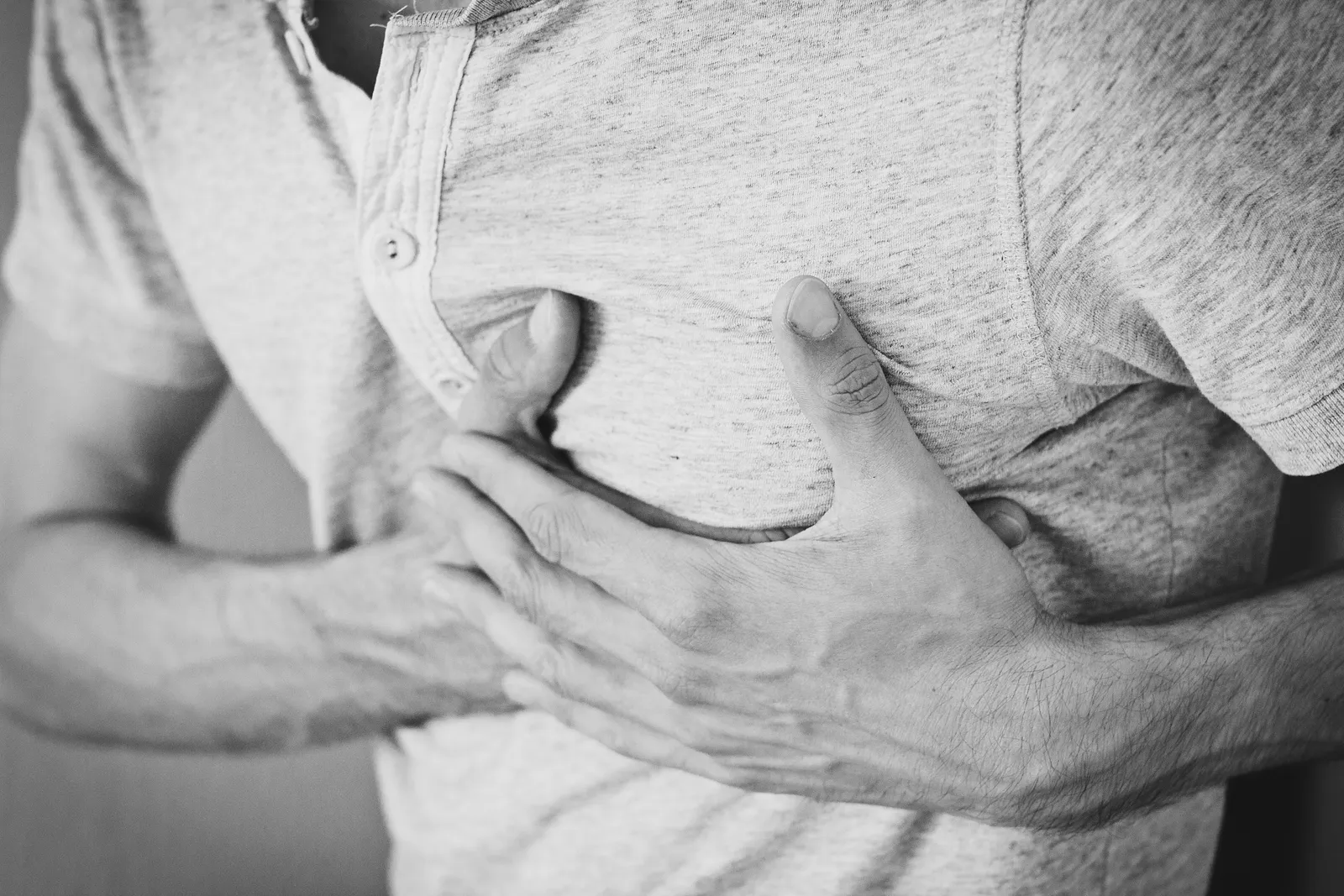
Women often experience subtler symptoms that are easy to dismiss or attribute to something less serious. About three in ten women having a heart attack don’t experience chest pain at all. Instead, they might feel extreme fatigue, jaw pain, nausea, or shortness of breath, symptoms that sound more like the flu than a life-threatening emergency.
The body doesn’t always send a dramatic warning signal. Sometimes it whispers. Knowing what to listen for, and taking it seriously when you hear it, is what makes the difference. If something feels off or not right, don’t wait to seek medical attention. That instinct is worth trusting.
AI Disclaimer: This article was created with the assistance of AI tools and reviewed by a human editor.