

Most houseplants die not from neglect but from being placed in the wrong spot. Low-light rooms, north-facing windows, and dim office corners defeat even well-intentioned plant owners. The good news is that a select group of plants evolved in conditions so challenging that average indoor living actually suits them just fine.
Many low light plants are genuinely adaptable, tolerating irregular watering schedules, indoor temperature fluctuations, and typical household conditions. This means you don’t need a bright greenhouse or a sunny balcony to enjoy a thriving indoor plant collection. The seven plants below represent the most reliable performers available to anyone, regardless of how dim their home happens to be.
1. Snake Plant (Dracaena trifasciata)
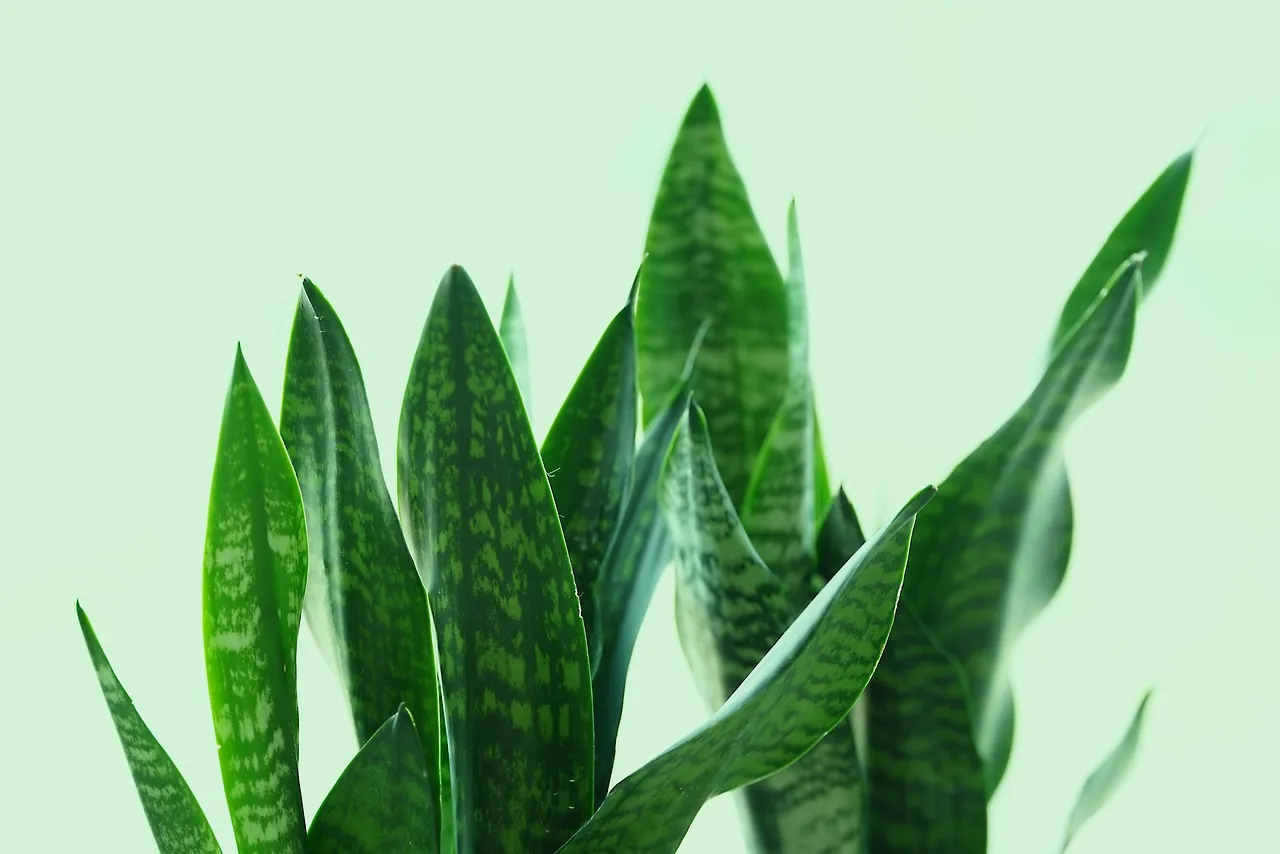
Nicknamed “Mother-in-Law’s Tongue,” the snake plant is known for its striking vertical leaves and ability to thrive in almost any condition. It can tolerate low light, infrequent watering, and a variety of temperatures, making it one of the toughest indoor plants around.
Though snake plants can survive poor light conditions, they will not grow without moderate sunlight and will not flower without more generous sun exposure. Too much water is the most frequent cause of failure. So if you’re going to make one mistake with this plant, lean toward underwatering.
Office plants genuinely improve air quality by filtering harmful toxins like formaldehyde and benzene from the air. Snake plants, pothos, peace lilies, and philodendrons are particularly effective air purifiers. It’s a plant that earns its place in almost any room of the house.
2. Pothos (Epipremnum aureum)
Pothos, commonly called Devil’s Ivy, comes in many varieties that tolerate poor light and actually enjoy being left alone. Nearly fuss-free, this lush, leafy evergreen will tolerate a range of indoor growing conditions including heat, aridity, and dry shade.
Pothos can grow without direct sunlight. It’s a forgiving houseplant that thrives even in low lighting and drought-like conditions in cool temperatures. These plants will show less variegation and slow growth but won’t die.
Pothos has been shown to break down pollutants such as benzene, formaldehyde, xylene, trichloroethylene, and toluene. Faster growth and stronger variegation occur in medium to high light. Keep in mind that if you have cats or dogs, the plant belongs on a high shelf – pothos plants can be toxic to pets, as their leaves contain raphides, needle-shaped crystals of calcium oxalate that animals cannot digest.
3. ZZ Plant (Zamioculcas zamiifolia)
The ZZ plant is nearly indestructible, thriving in low light and dry conditions. Originally from east Africa, its thick rhizomes store water, allowing it to survive long periods without watering.
The ZZ Plant is ideal for forgetful plant parents. It thrives on neglect and can survive weeks without water, making it perfect for busy professionals or frequent travelers. Its drought-resistant properties and glossy leaves maintain their appearance even with irregular watering schedules.
ZZ plants have a long lifespan and will live for years, as they’re one of the most low-maintenance houseplants around. Their beautiful shape means they are a great addition to your decor, especially when paired with other modern houseplants like snake plants and Dracaena. Newer varieties like the dark-leafed ‘Raven’ ZZ have made the plant even more popular in recent years.
4. Heartleaf Philodendron (Philodendron hederaceum)
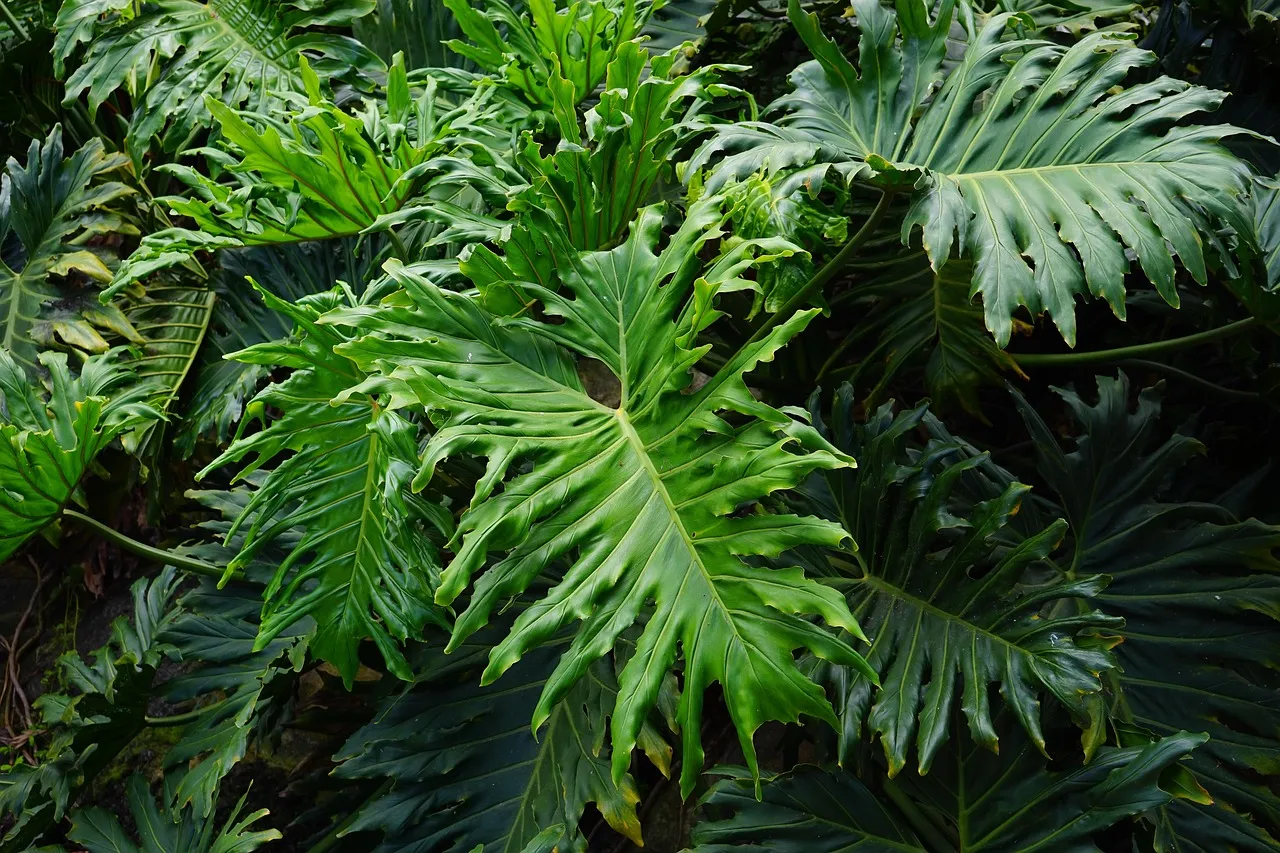
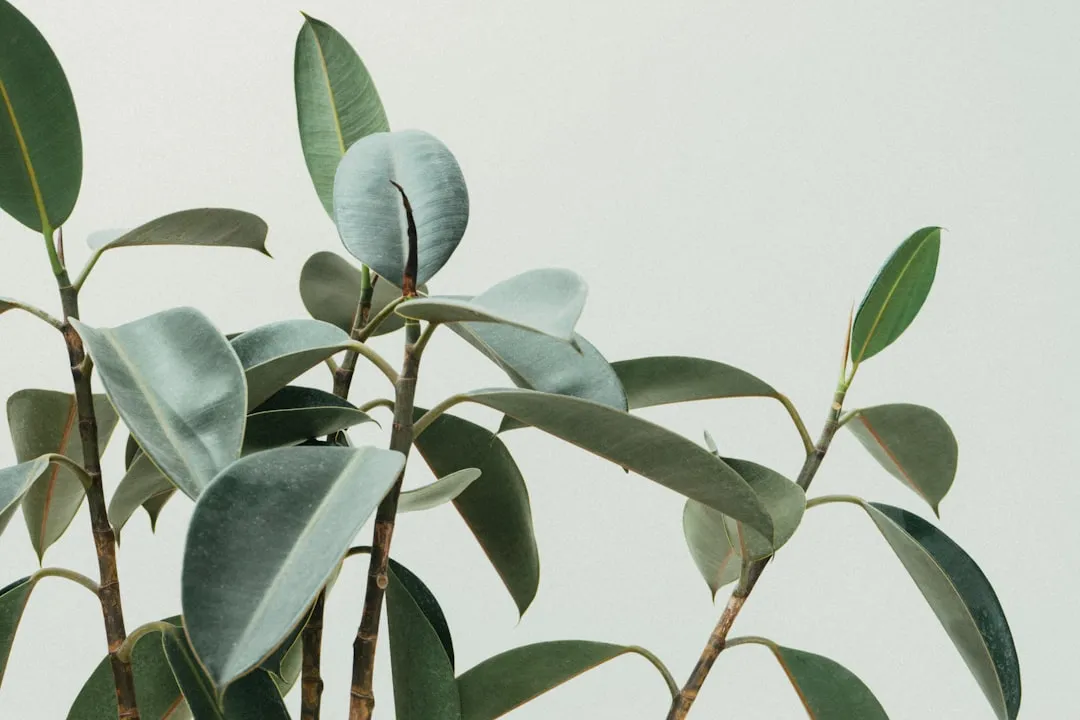
The heartleaf philodendron is a must-have for those looking for a simple, forgiving plant to start their indoor plant journey. This lush, vining plant can easily grow in both low and bright light settings, making it ideal for homes with limited sunlight.
Philodendrons, particularly the heart-leaf variety, thrive in low to moderate light. Their heart-shaped, trailing leaves add a touch of lushness to any room and are exceptionally forgiving of irregular watering.
Philodendrons, with their broad, glossy leaves, are a favorite among indoor plant enthusiasts. They thrive in low light, making them ideal for shaded corners and low-light rooms. The plant is efficient at removing toxins like formaldehyde from the air, contributing to a healthier indoor environment.
5. Peace Lily (Spathiphyllum spp.)
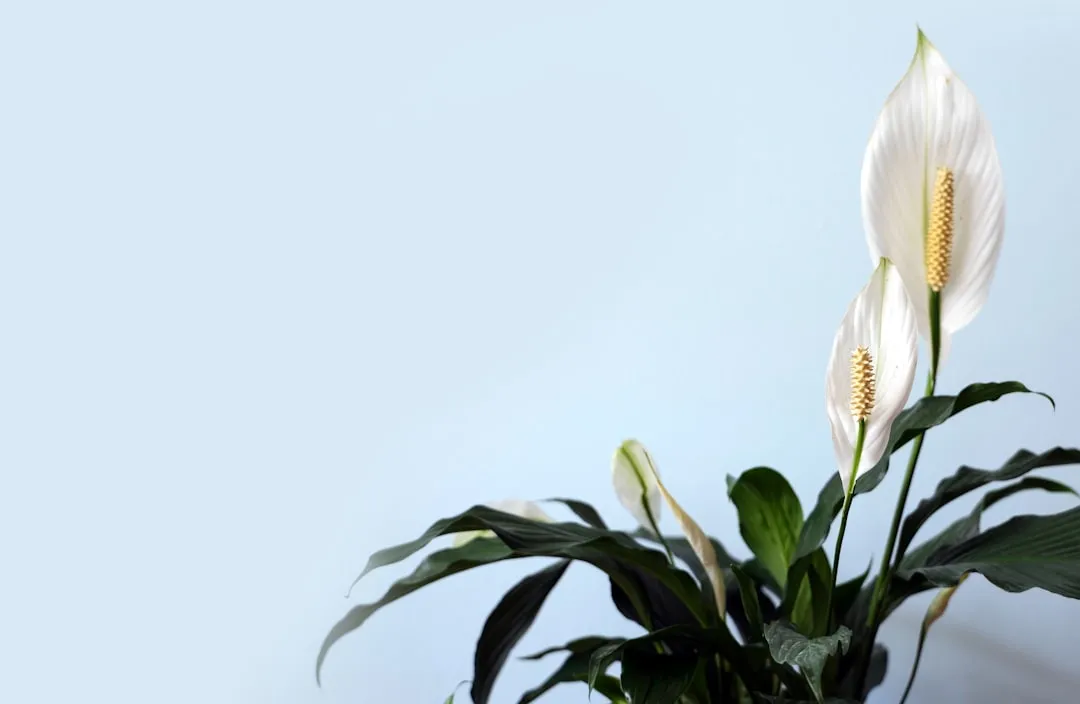
A shade-loving plant that thrives indoors, the peace lily produces elegant white blooms in spring. In fact, it’s one of the few plants that will flower in low-light conditions. The peace lily is ranked as one of the top 10 best household plants for cleaning the air and can succeed with fluorescent fixtures as its main light source.
Peace lilies tolerate a range of light conditions and do fine in average household humidity. They tend to let you know when they need water by slightly drooping, which makes care more intuitive. They’re a good fit for people who want a plant that communicates without being demanding.
Avoid drafty locations, let the soil dry out a bit between waterings, and never let the plant sit in water. Because it’s toxic to humans and animals, keep the peace lily out of reach of children and pets. Beyond that one caution, it’s about as straightforward as houseplants get.
6. Spider Plant (Chlorophytum comosum)
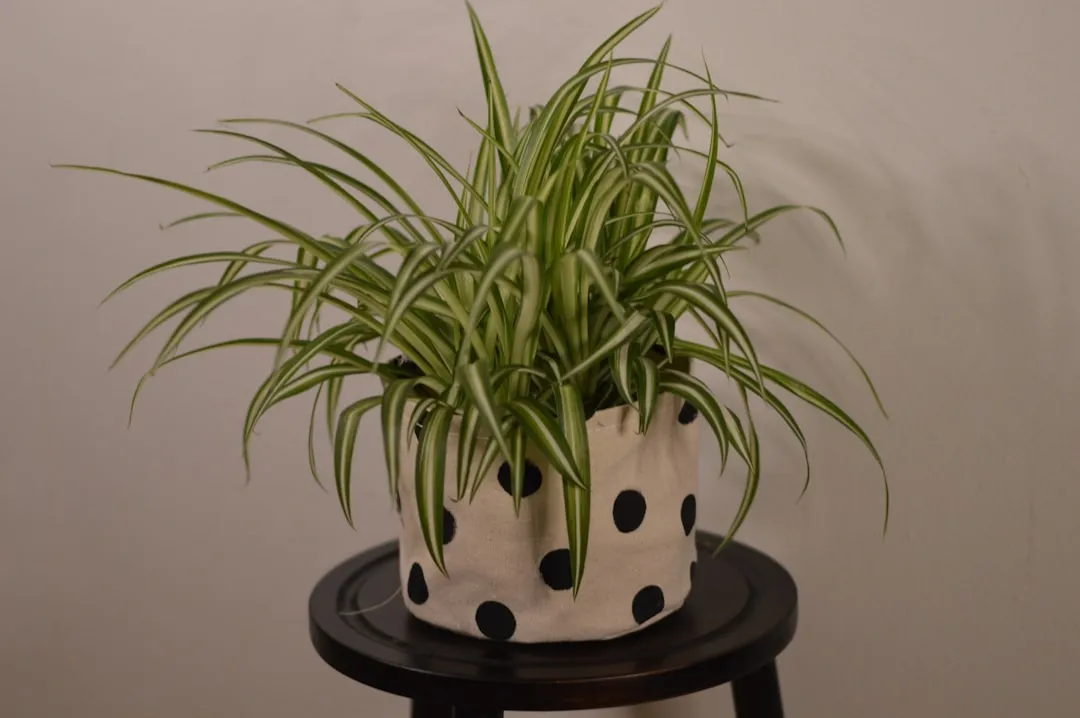
The spider plant has slender, arching blades that create a sunburst display in hanging baskets and on plant stands. It’s as beneficial as it is beautiful, improving indoor air quality by filtering out contaminants such as benzene, formaldehyde, carbon monoxide, and xylene.
Spider plants adapt easily to different lighting conditions and bounce back quickly if care slips. They prefer indirect light but tolerate less-than-ideal spots without trouble. They’re also forgiving when it comes to watering and grow well in a variety of indoor environments.
In extremely low-light conditions, spider plant leaves may yellow, appear washed out, or lose their variegation. Still, the plant itself will survive and recover once it finds a slightly brighter spot. Few houseplants offer this kind of resilience combined with such visual charm.
7. Cast Iron Plant (Aspidistra elatior)
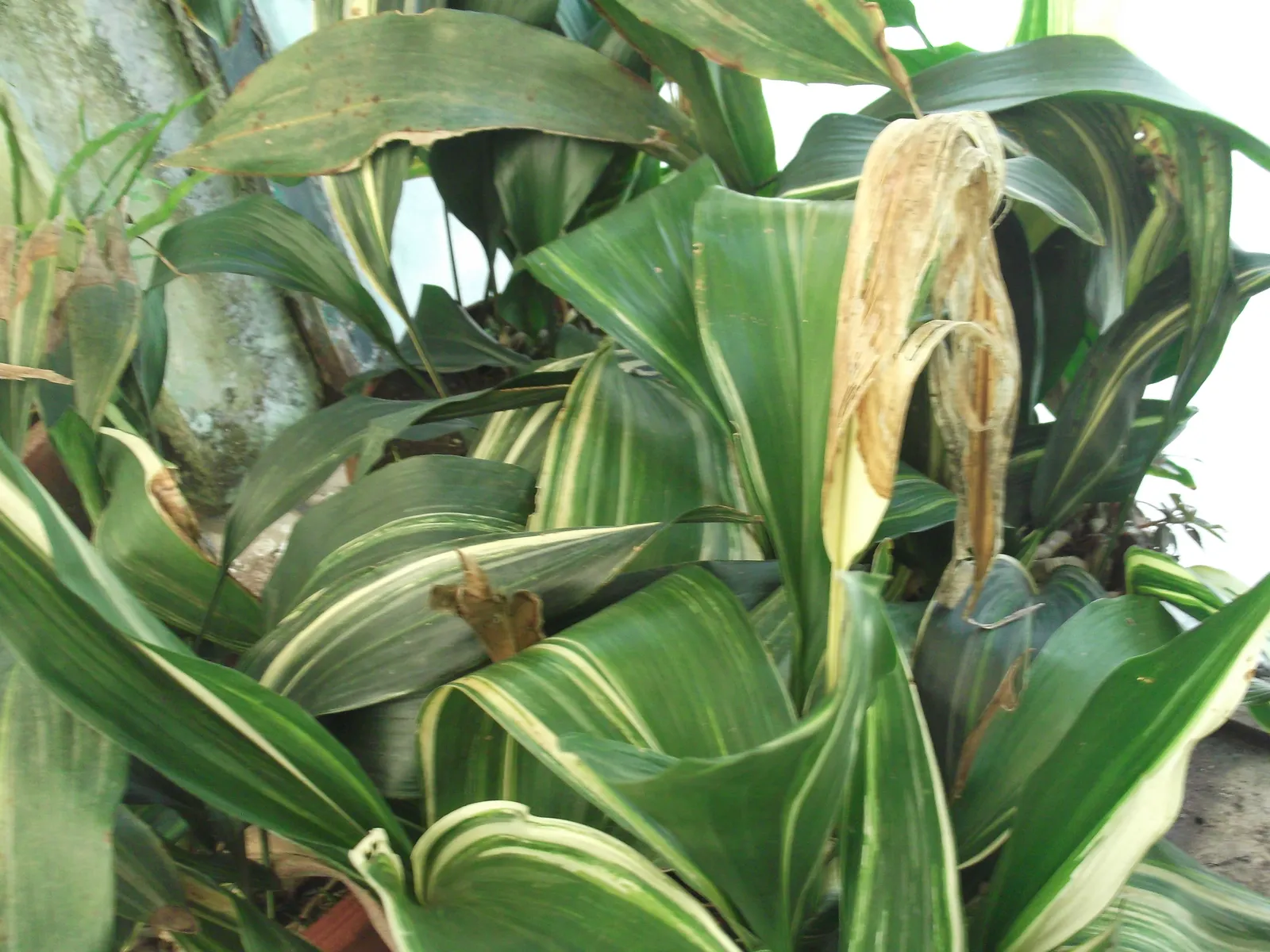
Aptly named, the cast iron plant is ruggedly hardy. It can survive with little light, tolerate irregular watering, and withstand fluctuating temperatures. It’s nearly indestructible, which makes it an excellent choice for beginners.
The cast iron plant is the ultimate low-maintenance choice. It survives extreme neglect, requires repotting only every three to four years, and needs minimal pruning. This Victorian-era favorite has a proven track record of thriving in challenging indoor conditions with virtually no care.
Often referred to as the cast iron plant, it’s known for surviving in low light and less than ideal conditions. It has deep green, slightly arching leaves that feel traditional and timeless. If you have one room that seems completely hostile to plant life, this is the one to try first.
What “Low Light” Actually Means
While all plants need some light, low light implies a plant can survive without direct sun and prefers a north or east-facing window. Any houseplant that requires more than four hours of light is considered a medium or high-light requirement.
If you’d like a plant to live in a room with no windows or light, consider a grow light. Many plants can thrive in windowless offices under artificial lighting. Plants like snake plants, ZZ plants, and pothos are specifically adapted to low-light conditions and flourish under fluorescent or LED office lighting.
The One Mistake That Kills Most Houseplants
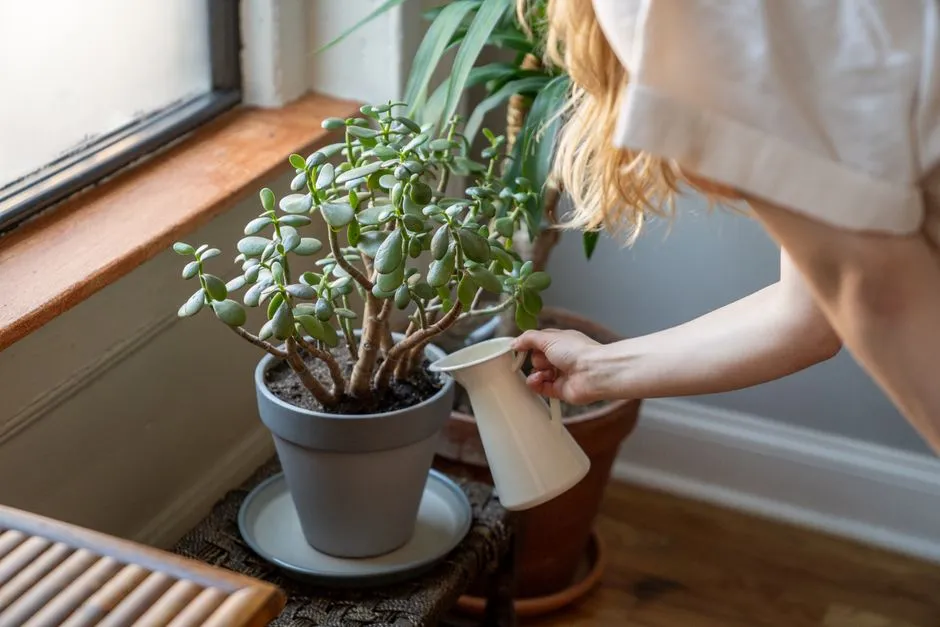
Ironically, the most common cause of houseplant death isn’t neglect – it’s overwatering. While plants are tolerant of extended dryness, they have shallow roots that will rot easily if overwatered, causing the plant to fall over.
Most low-light office plants require minimal watering. Snake plants need water every two to four weeks, while ZZ plants can go even longer between waterings. Peace lilies will droop when thirsty, providing a clear visual cue. Generally, it’s better to underwater than overwater these resilient varieties.
Why These Plants Make Sense in 2026
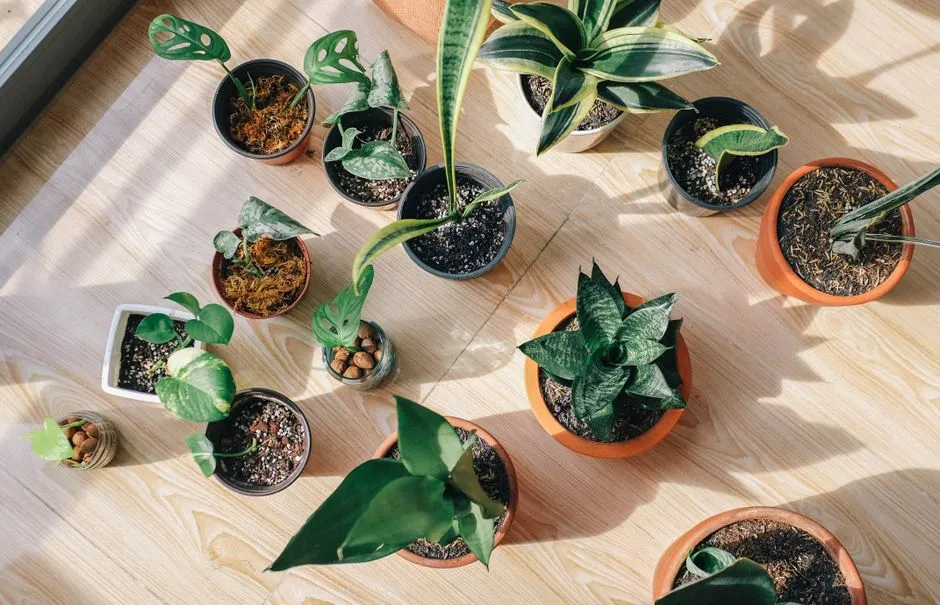
Choosing the right houseplant in 2026 is less about following trends and more about finding plants that fit real life. Whether you’re a beginner, a pet parent, or simply short on time, the best indoor plants are the ones that match your space, light, and routine.
Houseplants also bring emotional and aesthetic benefits. A simple plant placed on a desk, bookshelf, or bedside table can instantly make a space feel calmer, greener, and more alive.
Urban apartments with north-facing windows, basement offices lit by fluorescents, and dark hallways once seemed like dead zones for greenery. These seven plants prove that assumption wrong, consistently and reliably. The real trick isn’t having a green thumb – it’s just picking the right plant for the room you actually have.
AI Disclaimer: This article was created with the assistance of AI tools and reviewed by a human editor.