
Gardening is one of those hobbies where advice flows freely. It comes from grandparents, old books, YouTube tutorials, and well-meaning neighbors leaning over the fence. Some of it is solid. A good chunk of it, though, has been quietly contradicted by science for years, yet still gets passed around as gospel.
The frustrating part is that many of these myths don’t just fail to help. Some of them actively cause problems. Knowing the difference matters whether you’re tending a balcony pot or a half-acre plot.
Myth 1: Gravel at the Bottom of Pots Improves Drainage
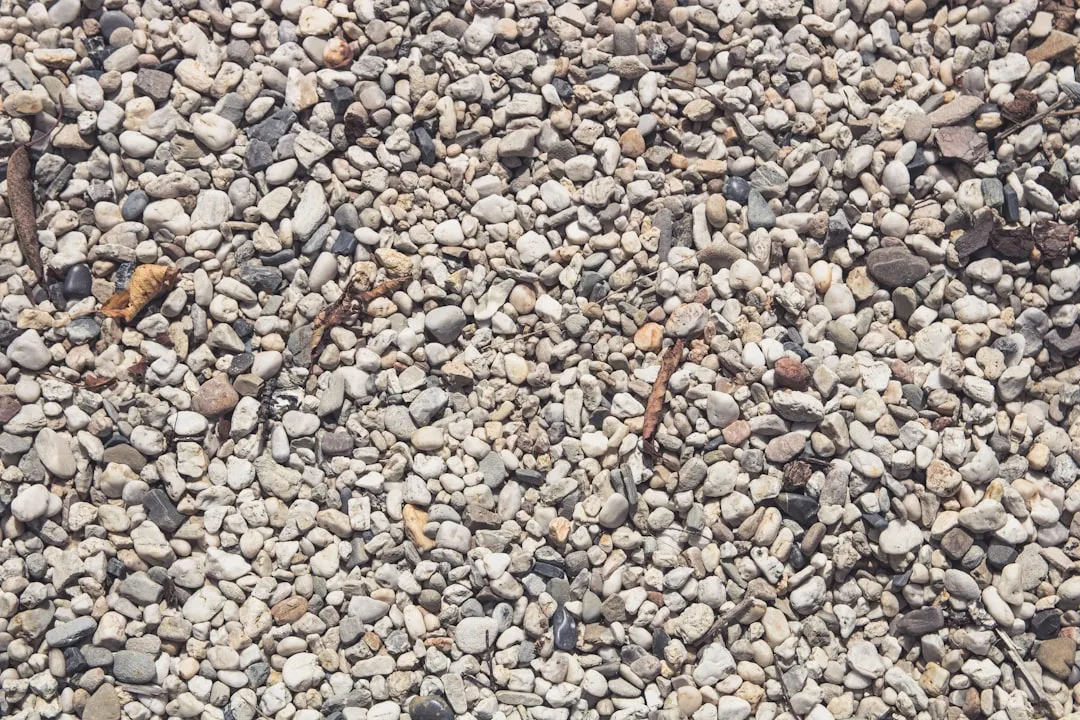
This is probably the most stubbornly persistent myth in container gardening. According to Dr. Linda Chalker-Scott, Extension Horticulturist and Associate Professor at Washington State University, this is “just one of those myths that refuses to die, regardless of solid scientific evidence to the contrary” – and nearly every book or website on container gardening still recommends placing coarse material at the bottom of containers.
Layers of gravel or clay pot shards contain few if any small capillary pores. When placed at the bottom of a pot, the downward movement of water stops when it encounters that coarse layer, and the water remains in a band of soil just above the interface of the two materials. This is called a perched water table, and it means the soil above stays waterlogged rather than draining freely.
It is counterproductive to add coarse material such as stones, gravel, or pot shards to the bottom of containers with the assumption that drainage is improved. A good-quality potting mix and a pot with adequate drainage holes is genuinely all you need.
Myth 2: Houseplants Purify the Air in Your Home
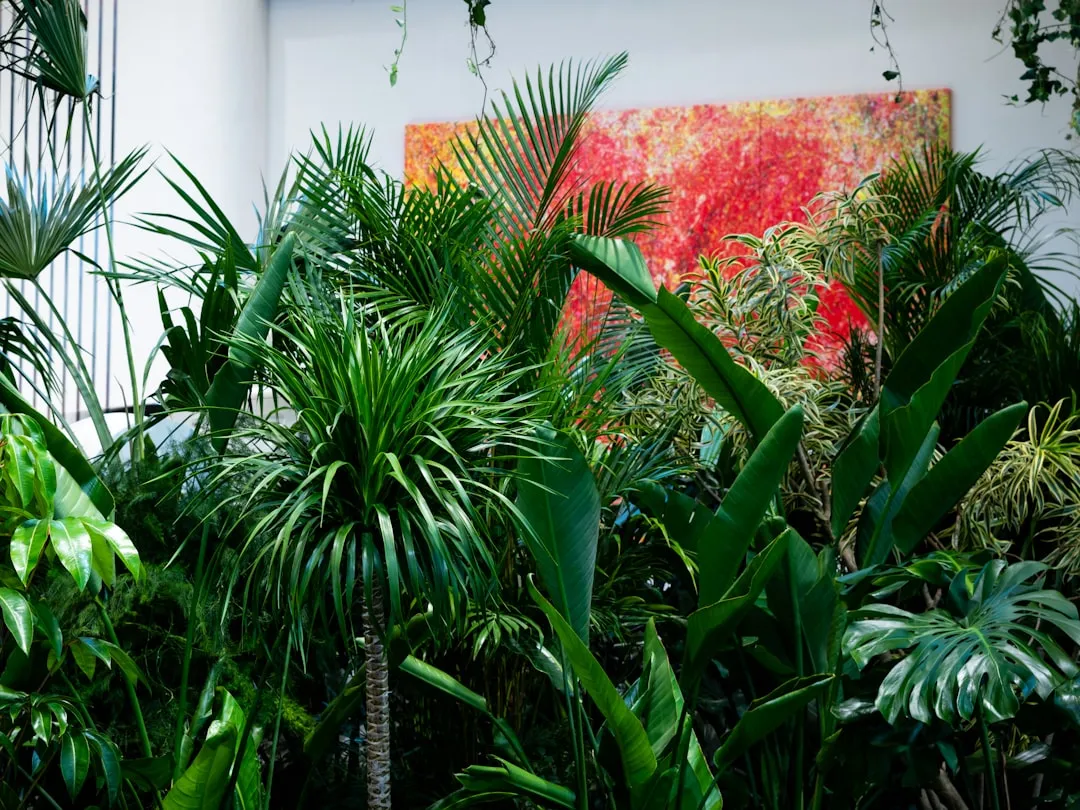
The idea for this myth really took root in 1989, when NASA conducted a study on plants to see if they could filter cancer-causing chemicals on space stations. The research only got so far as placing a plant in an air-tight chamber smaller than a cubic metre, although the results were remarkable – within a day, the authors reported up to roughly two-thirds of the toxic pollutants in the air had been removed by the plants.
A small sealed chamber is very different from a real indoor environment in a big building. Over time, the NASA study and subsequent research has been largely taken out of context. The real-world numbers are stark.
In a report titled “Potted Plants Do Not Improve Indoor Air Quality” published in the Journal of Exposure Science and Environmental Epidemiology, researchers found that a home of around 1,500 square feet would require 680 plants growing inside in order for plants to effectively purify the air. Houseplants are wonderful for your mood and your space – just not for your air quality in any meaningful, measurable way.
Myth 3: Coffee Grounds Acidify Your Soil
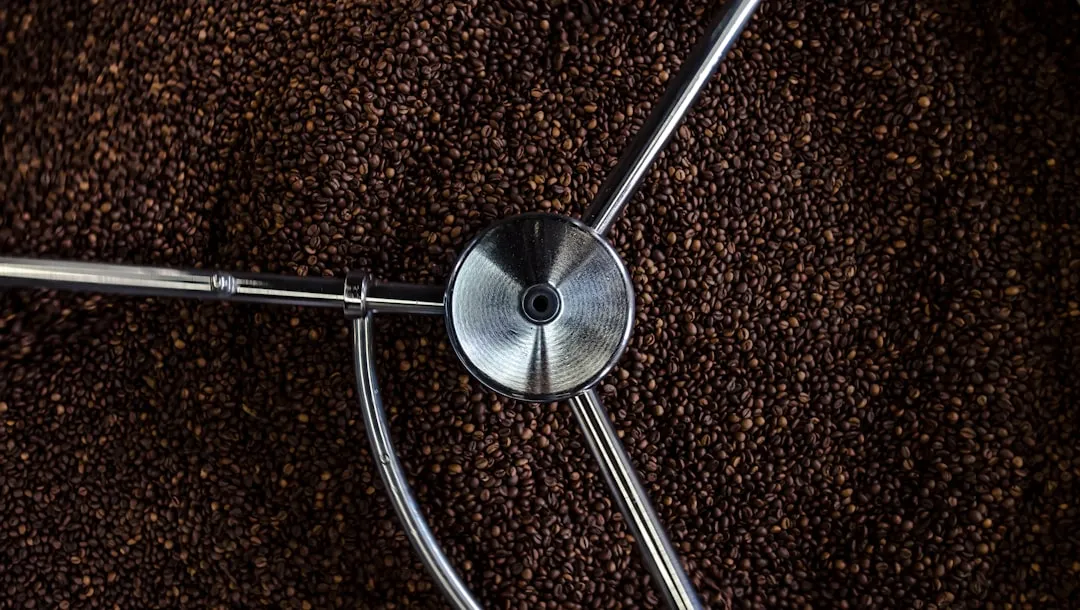
The logic seems perfectly sound: coffee is acidic, so the grounds must be too, and acid-loving plants like blueberries and hydrangeas will thrive with a regular sprinkling. The reality, confirmed by UC Marin Master Gardeners, is that fresh coffee grounds are acidic, but used coffee grounds are not. They are neutral, and therefore adding your used coffee grounds to soil won’t change your soil pH.
Research from Oregon State University shows that used coffee grounds have a near-neutral pH of around 6.5 to 6.8. While they can slightly lower pH when used in high concentrations, their effect is minimal and temporary. Gardeners who have noticed dramatic improvements in their acid-loving plants after adding grounds are likely experiencing the benefit of improved soil texture or additional nitrogen, not a pH shift.
Used coffee grounds are a genuinely useful source of nitrogen for a compost pile, and when mixed with dry materials like fallen leaves, they break down to create rich compost. Think of them as a modest soil amendment, not a pH adjustment tool.
Myth 4: Digging and Tilling Improves Soil Health
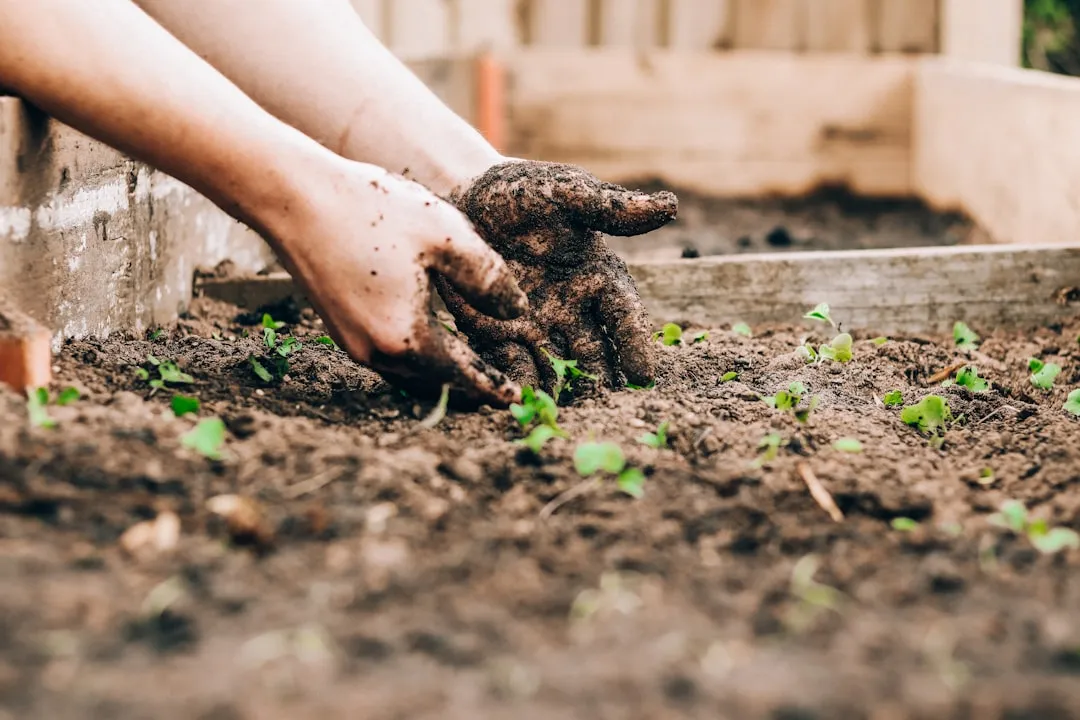
Generations of gardeners have turned over their beds each spring, believing that loosening the soil adds air, improves drainage, and increases fertility. Soil is the most precious thing in your garden, yet for years it has been mistreated. Digging, we are told, will remove weeds, reduce compaction by adding air or improving drainage, and boost soil fertility. Research now shows that the reverse is actually true.
A mere 200 grams of soil that you can easily hold in your hands contains 100 billion bacteria, 5,000 insects, arachnids, worms, molluscs, and minute fungal filaments that would stretch 100 kilometres if laid end to end. This mind-blowingly complex interconnected system is what makes soil healthy and will nourish and protect any plant that sets down roots within it.
Many gardeners believe you need to dig to improve soil fertility. This is false, and digging actually releases soil nitrogen, which can damage soil. No-dig methods, where organic matter is layered on the surface and left for soil organisms to work down naturally, are increasingly supported by both scientific research and experienced growers.
Myth 5: New Trees Always Need Staking
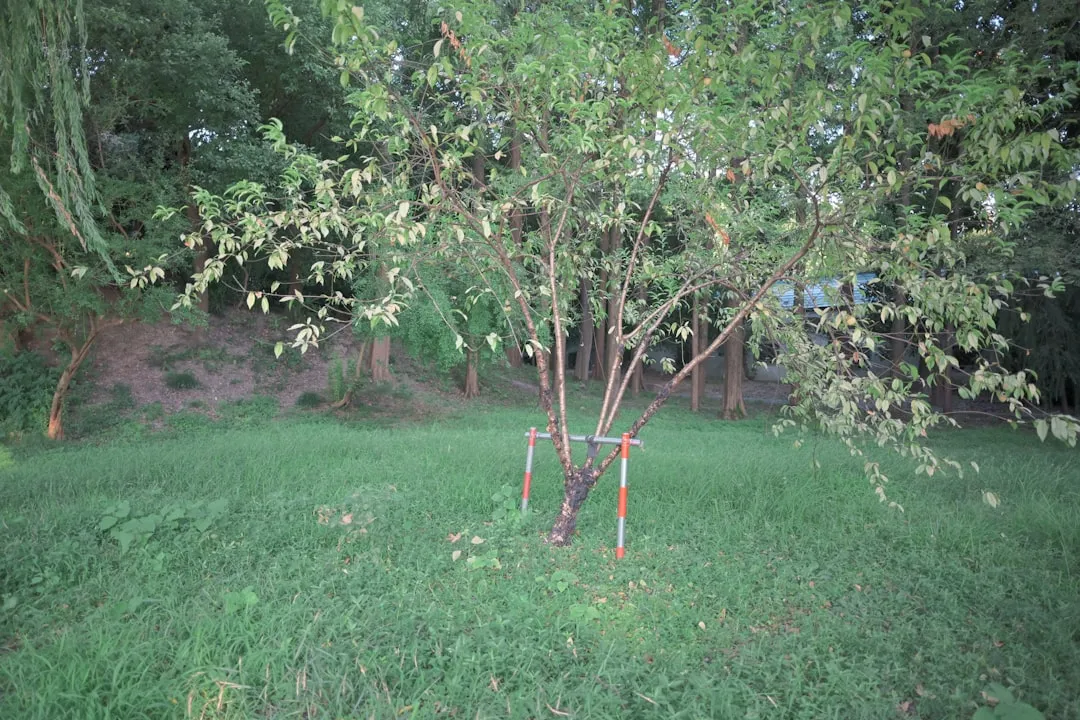
Planting a young tree and immediately tying it to a stake feels responsible. It looks neat and protective. Research has replaced this practice with the knowledge that staking has an adverse effect on how trees become established. A tree that has a sturdy root ball and is stable in the planting hole does not need to be staked. The natural movement of a tree in the wind helps it develop a sturdier trunk and root system.
When trees are staked too tightly or for an extended period, it restricts their natural movement, which is crucial for developing a strong root system and trunk. Without this movement, trees may become reliant on the stake for support, resulting in weaker roots and a less stable tree in the long run.
Staking may be needed, albeit briefly, if you are planting in a location where wind or a severe slope will not allow the tree to stand upright at the initial time of planting. If a stake is genuinely necessary, use a flexible tie and remove it as soon as the tree can stand on its own, typically within one growing season.
Myth 6: Marigolds Are a Reliable All-Round Pest Deterrent
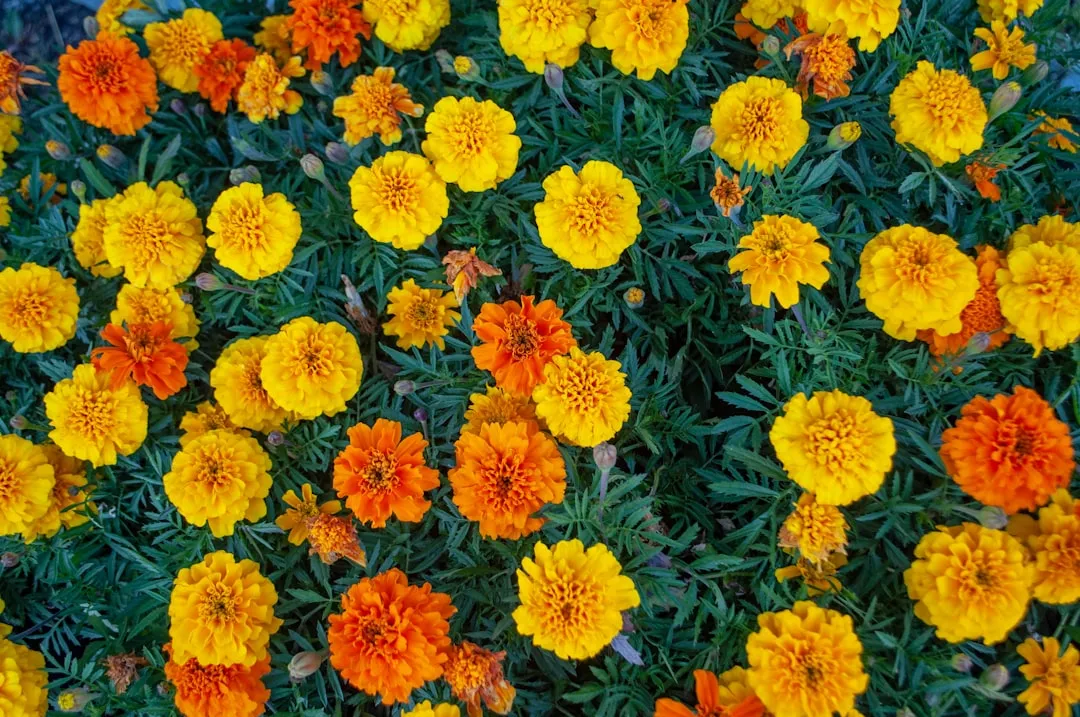
Planting marigolds around vegetable beds is one of the most repeated pieces of companion planting advice in the gardening world. The reality is considerably more nuanced. Marigolds won’t ward off garden pests like aphids. While these flowers can be a pretty addition to your vegetable garden, they may be less susceptible to feeding by rabbits and deer, and they can help attract beneficial insects to your garden.
Many varieties of marigolds have actually been proven completely ineffective at pest control. In fact, many have been shown to be excellent pest attractants. Quite a few varieties might be useful as trap plants to draw pests away from more valuable plants.
There is a kernel of truth here: certain varieties of marigolds do have some efficacy against root-knot nematodes, but only when the green plants are actually turned into the soil before tomatoes are planted. Simply placing a few transplants around the edge of a bed won’t replicate that effect. Marigolds are genuinely beautiful and useful in the garden, but treating them as a broad pest-control solution sets unrealistic expectations.
Myth 7: Vinegar Is a Safe and Effective Natural Weedkiller
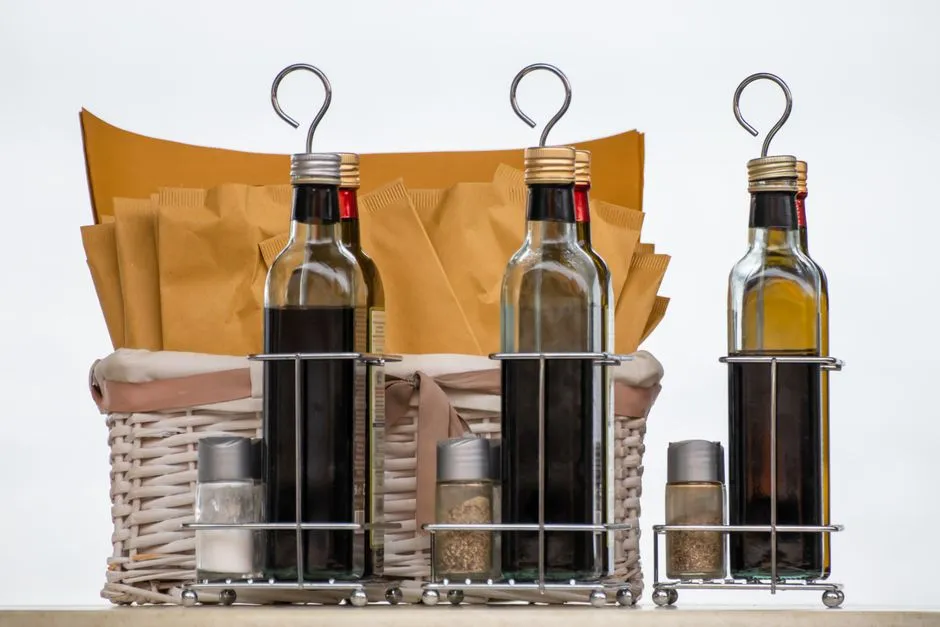
With a growing desire to avoid synthetic herbicides, household vinegar became a popular alternative that spread rapidly across social media and gardening blogs. One pervasive myth suggests using vinegar as a safe and natural weedkiller. While household vinegar might scorch leaves, acting as a contact herbicide, it rarely kills roots, meaning weeds often return. Stronger horticultural vinegar, with its higher acetic acid concentration, is more effective but poses risks: it can harm soil, damage nearby plants, and requires careful handling with gloves and goggles to prevent injury.
Contrary to popular opinion, vinegar is not a good weedkiller as it won’t touch grasses and only harms broad-leaved seedlings, not larger plants. The top growth of a dandelion may wilt dramatically after a vinegar application, but the deep taproot survives and regrows within days or weeks.
A more reliable option is manual weeding followed by a thick layer of organic mulch to suppress new growth. Weeds that do emerge in mulch are easily removed. It takes more effort upfront, but the results last considerably longer than a spray bottle of kitchen vinegar.
The Science of Staking Extends to Wound Paint on Trees
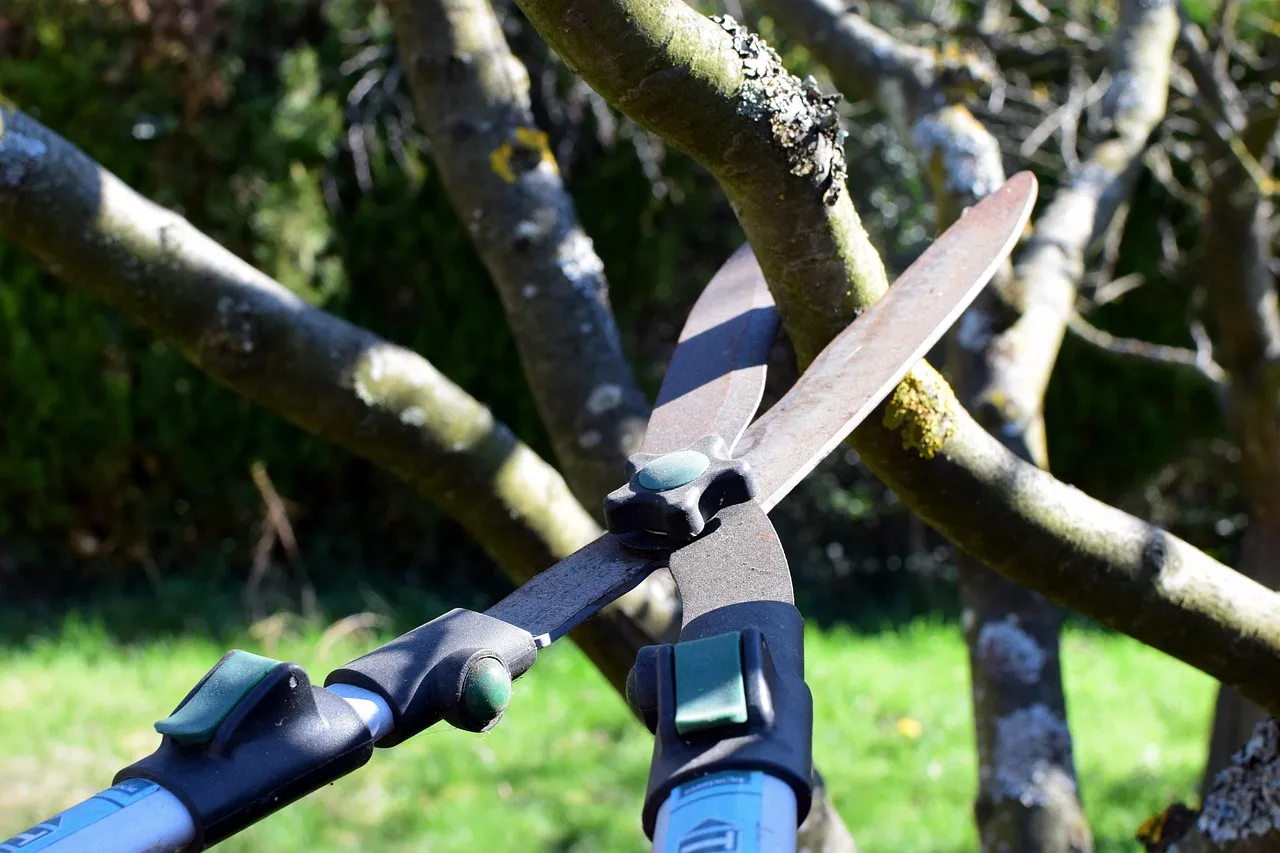
While tree pruning myths deserve their own article, one deserves a mention here because it is so universally practiced. Many experienced gardeners still reach for wound sealant or pruning paint after cutting a branch, convinced it protects against disease and speeds healing. Research has shown that wound paint can actually slow down the healing process and may encourage the growth of harmful pathogens. Trees can generally heal themselves, and proper pruning techniques minimize the risk of infection.
The tree’s own response to pruning, known as compartmentalization, is a remarkably effective natural defense mechanism that seals off damaged tissue over time. Wound sealants interfere with this process by trapping moisture and creating an environment where fungal pathogens thrive rather than desiccate.
The best pruning practice remains making a clean cut just outside the branch collar, without leaving stubs and without applying any sealant. Clean, sharp tools matter far more than any product sold in a can.
Myth: Watering Plants in Full Sun Scorches the Leaves
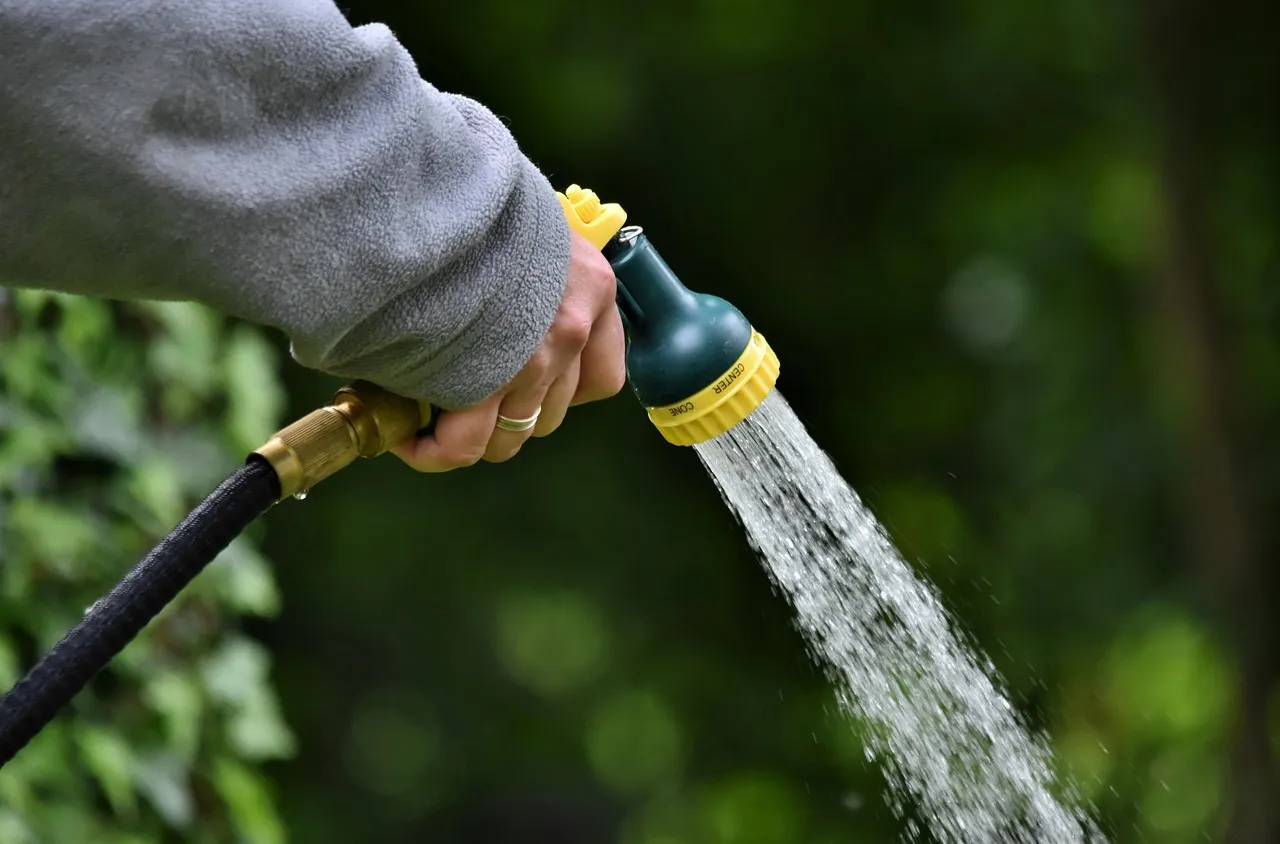
This one is repeated so often it feels like established science. The fear is that water droplets on leaves act as tiny magnifying glasses, focusing sunlight and burning the surface. There is a persistent myth that watering plants in the middle of a sunny day will scorch their leaves, with water droplets acting like tiny magnifying glasses. Physicists have looked into this and confirmed it is simply not true. A drop of water would evaporate long before it could focus enough sunlight to burn a leaf.
OSU Extension experts confirm this too: it rains in summer all over the world, and plants do just fine. Sunlight does not scorch wet leaves. The real issue is evaporation, which reduces watering efficiency. Watering in the morning is still the best practice because it gives foliage time to dry, which genuinely does reduce the risk of fungal disease.
The practical takeaway is simple: if your plants need water on a hot afternoon, give them water. The fear of scorching leaves should not stop you from watering a stressed plant when it needs it most.
Myth: Bee Houses Boost Native Bee Populations
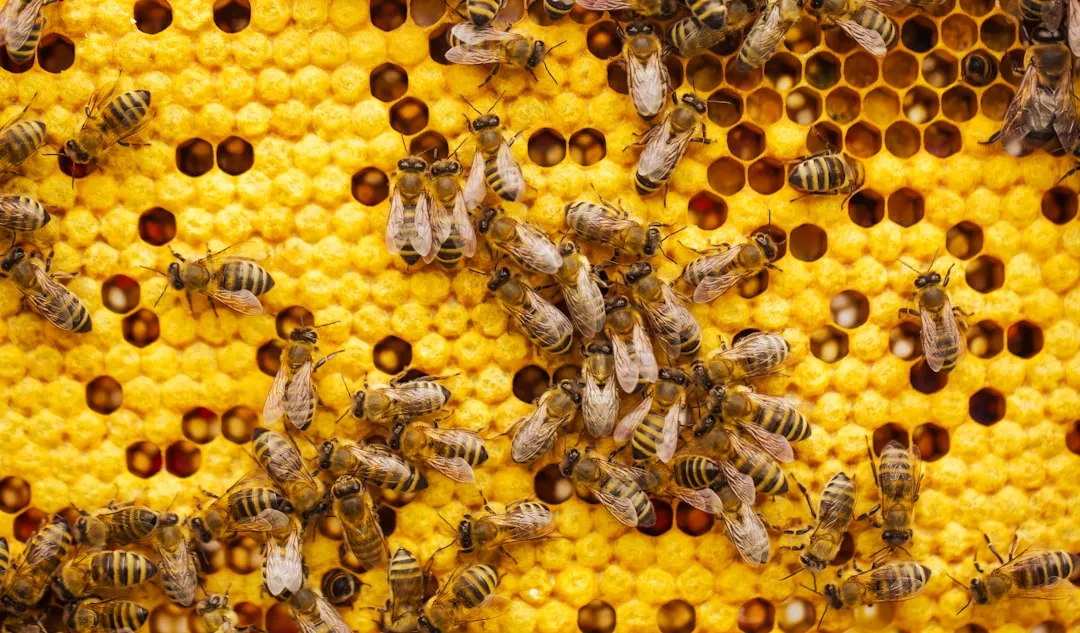
The bee house trend arrived with good intentions. With concern growing over pollinator decline, placing a small wooden box filled with tubes in your garden feels like meaningful action. The reality, according to OSU Extension experts, is that most native bees nest in the ground, not in cavities. Studies show bee houses are often colonized by wasps, which still provide pest control benefits – but they do not serve the native bee populations most gardeners hoped to support.
The most evidence-backed way to support native bee populations is far less photogenic than a cedar bee house. Leaving areas of bare soil undisturbed, reducing mulching in patches of the garden, and planting a diverse range of native flowering plants across a long bloom season does far more for ground-nesting species like bumblebees and mining bees.
Gardening is full of tradition, folklore, and advice passed down through generations, and while some of it is timeless, some of it does not hold up to science. Supporting pollinators is genuinely important, and directing that energy toward evidence-based approaches makes it far more effective.
The Takeaway
None of these myths persist because gardeners are careless. They persist because many of them carry a thread of logic, or because they worked once, in one garden, under specific conditions that nobody thought to note down. Just because you have always done something a certain way does not mean it is actually what is making a difference. There are so many variables in gardening that it is hard to know if something really works without serious research and scientific methods.
Traditional beliefs about gardening can sometimes do more harm than good, which is exactly why it matters to look at what research actually says about popular garden practices. University extension services, peer-reviewed horticultural journals, and institutions like Oregon State University, Penn State Extension, and Washington State University have collectively done that work.
The good news is that correcting these habits tends to make gardening simpler, not harder. Less digging. No gravel. No wound paint. Fewer myths means fewer unnecessary steps, and that frees up time for the parts of gardening that genuinely matter.
AI Disclaimer: This article was created with the assistance of AI tools and reviewed by a human editor.