

1. Tart Cherries

Of all the foods studied for sleep, tart cherries have attracted the most rigorous attention. Tart cherry juice may help improve sleep quality by raising melatonin levels and supporting the body’s natural sleep cycle, with the science pointing to two key compounds: melatonin found naturally in tart cherries and tryptophan, an amino acid that helps the body produce melatonin on its own.
A 2018 pilot study looked at older adults with insomnia. Participants drank 8 oz of Montmorency tart cherry juice twice a day for two weeks and slept an average of 84 minutes longer per night, with sleep efficiency also improving on overnight polysomnography.
A 2025 systematic review that included seven interventional studies found that three reported significant improvements in sleep indicators such as sleep duration, sleep efficiency, or sleep onset time, while three also reported an increase in melatonin levels after tart cherry consumption. These are promising results, though sample sizes remain small and more research is ongoing.
2. Walnuts
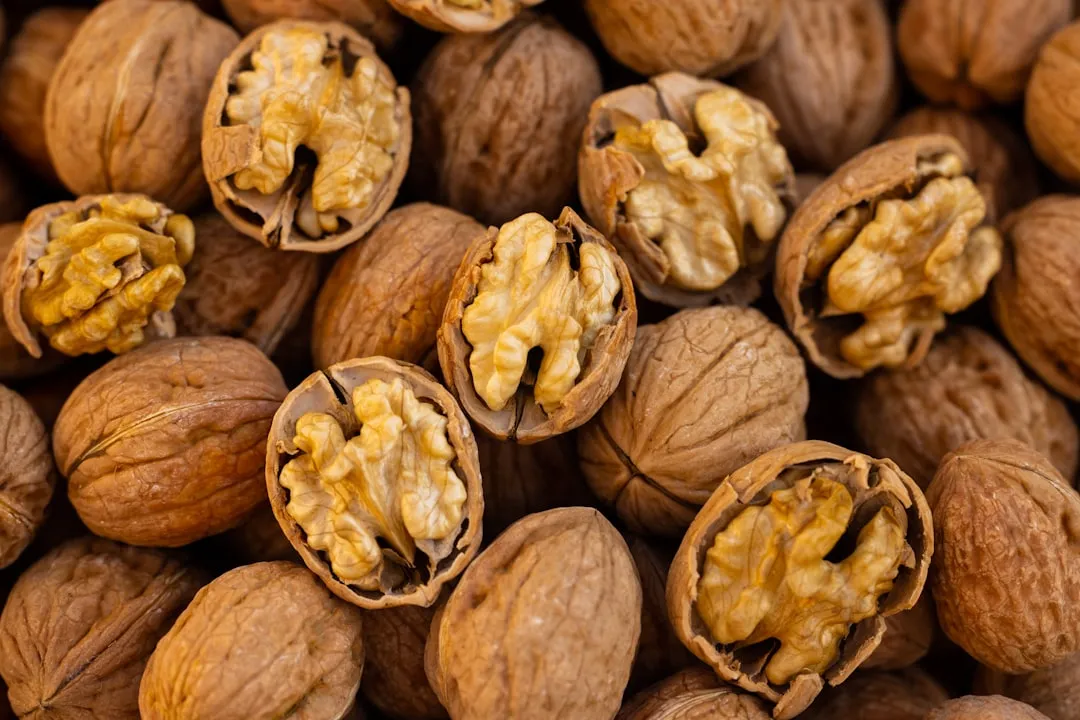
Walnuts contain many nutrients that may be helpful for sleep, including melatonin and polyphenols, and some studies show that eating foods high in these compounds improves sleep quality, although walnuts had not been extensively studied on their own until recently.
A randomized crossover trial involving 76 young adults tested daily consumption of 40 grams of walnuts during dinner over eight weeks. The walnut intervention significantly increased evening melatonin concentrations and improved sleep latency, while also resulting in improved global sleep quality and lower daytime sleepiness.
The researchers highlighted the potential of walnuts as sleep-promoting foods among young adults, specifically demonstrating that a daily serving of 40 grams increases melatonin levels, reduces sleep latency, and improves global sleep quality. That is a fairly specific and practical finding that translates well to everyday habits.
3. Kiwifruit
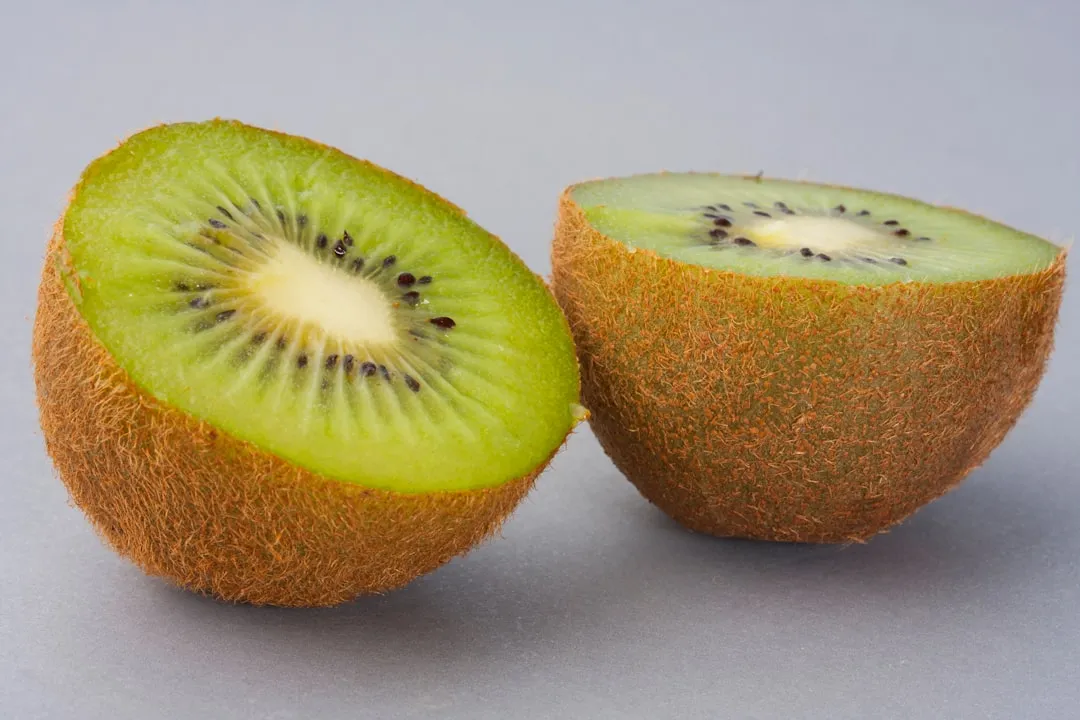
Kiwifruit has gained growing interest in relation to sleep outcomes. The potential mechanisms include its melatonin content, which is important for regulating circadian rhythms and sleep cycles, as well as its high content of polyphenols, antioxidants, flavonoids, and anthocyanins that may decrease oxidative stress in people with sleep disorders.
Findings from interventional studies have suggested that melatonin-rich foods, including kiwifruit, may contribute to improvements in sleep quality, duration, and efficiency, particularly among individuals experiencing sleep disturbances, although the findings remain heterogeneous.
Daily kiwifruit consumption has been associated with improved sleep quality, and research published in Frontiers in Nutrition examined the acute effects of fresh and dried green kiwifruit on sleep quality, mood, and urinary serotonin and melatonin metabolite concentrations. One to two kiwis eaten around an hour before bed appears to be the pattern most studied in available trials.
4. Almonds and Other Nuts
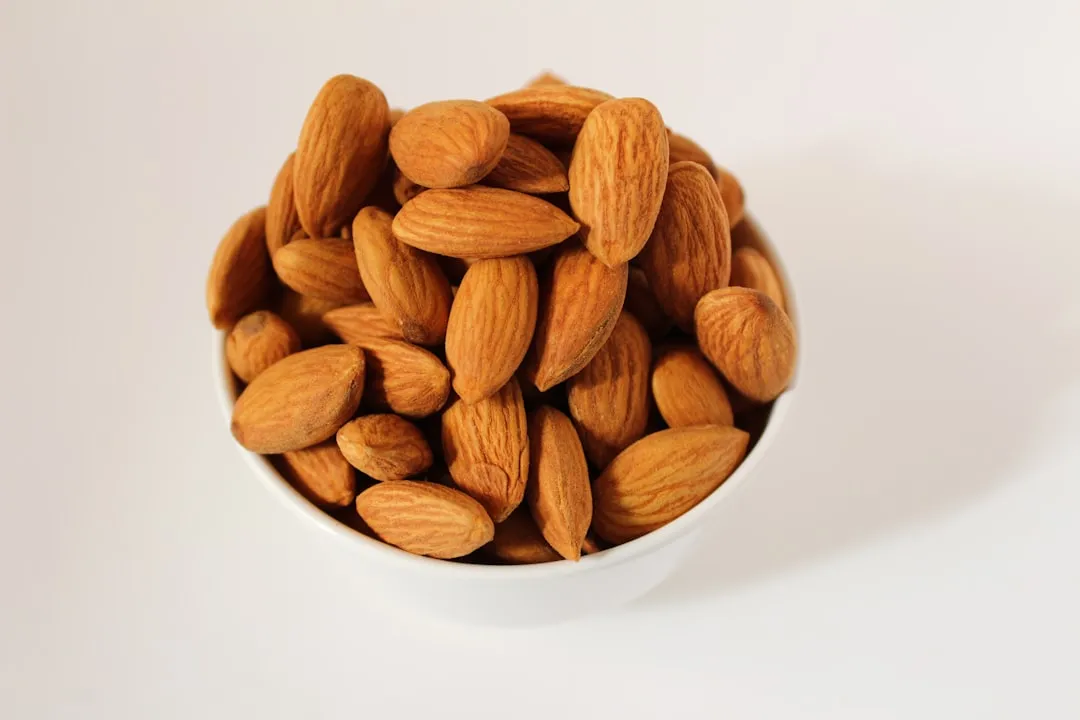
Nuts are a natural source of magnesium and calcium, and higher levels of magnesium are associated with better and longer sleep and falling asleep faster, while getting enough calcium is associated with ease of falling asleep and more restorative sleep.
The healthy fats in nuts can help with serotonin levels, preparing the body for a restful night’s sleep, and along with the protein in nuts, these healthy fats also help keep blood sugar levels stable throughout the night, which further promotes restful sleep.
Almonds stand out here because they combine magnesium with a modest protein content, making them one of the more practical pre-bed snacks. Opting for dry-roasted nuts without added salt or sugars is the sensible approach.
5. Fatty Fish

Salmon, tuna, and mackerel are rich in omega-3 fatty acids and vitamin D, both of which help improve sleep quality, and these fish contain nutrients that support the body’s production of serotonin. Serotonin is the precursor to melatonin, so this is a meaningful connection rather than a loose one.
Diets emphasizing anti-inflammatory, antioxidant-rich foods promote better sleep outcomes. Fatty fish fit squarely into this category, and their anti-inflammatory properties may reduce the systemic noise that keeps the mind alert when it should be winding down.
The Sleep Foundation cites a Journal of Clinical Sleep Medicine study that found regular fish consumption was linked to better sleep quality and daily functioning. Including fatty fish in a dinner at least twice a week is a practical, low-effort change that aligns with the broader nutritional evidence.
6. Bananas
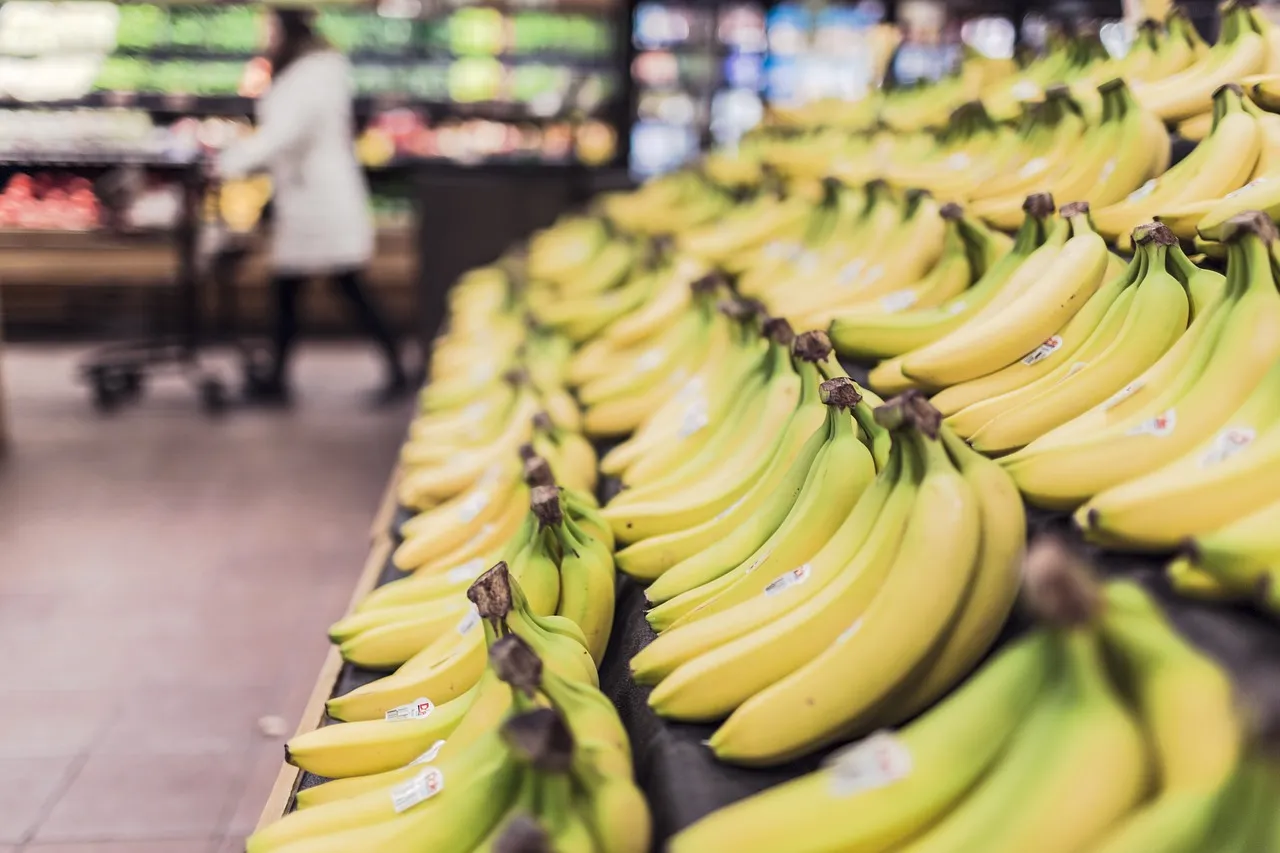
Foods that are high in potassium and magnesium help to relax the muscles, which is particularly relevant for people who experience restless legs or general physical tension at night. Bananas tick both boxes, making them one of the more underrated foods in the sleep conversation.
Fruits like bananas are good sources of multiple sleep-supporting nutrients, including serotonin, melatonin, and micronutrients like magnesium, vitamin B6, and folate, which also help the body to produce melatonin.
Vitamin B6 in particular plays a supporting role that often gets overlooked. It helps convert tryptophan into serotonin, which then converts to melatonin. A banana before bed is not a magic cure, but it genuinely supports the biochemical pathway the brain uses to get to sleep.
7. Oats
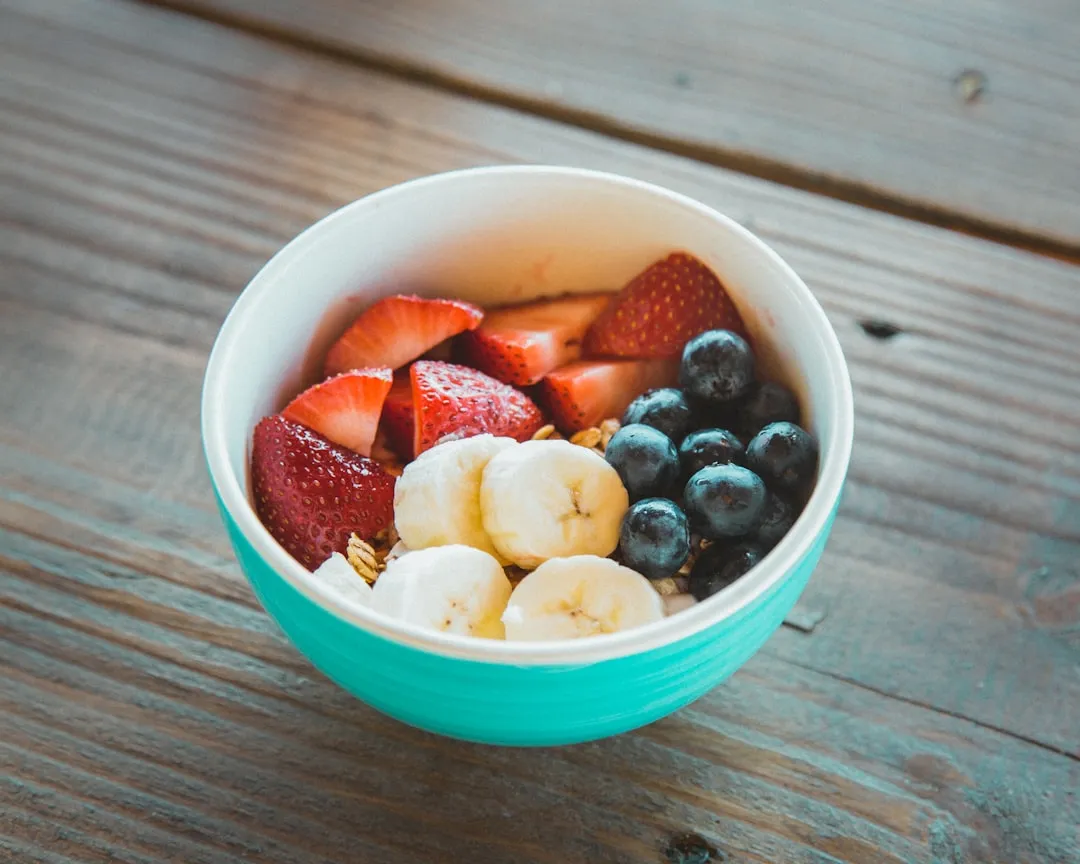
Research has found that people who have high fiber diets tend to sleep more deeply. Oats are one of the most fiber-dense whole grains widely available, and their slow-digesting carbohydrates help stabilize blood glucose overnight, removing one of the more common physiological triggers for mid-night waking.
Oats are among the foods considered as natural dietary sources of melatonin. They also contain tryptophan, the amino acid that the body converts into serotonin and ultimately melatonin. The combination of fiber, tryptophan, and a gentle glycemic effect makes oats worth considering as an early evening meal or a light pre-bed snack.
A 2024 review and analysis of 37 studies published in Sleep Medicine Reviews bolstered the link between a healthy diet and better sleep, finding that following a Mediterranean or other high-quality diet reduced the risk of insomnia symptoms by between roughly one in ten and roughly one in three people. Oats feature prominently in those dietary patterns, which is worth noting.
The Bigger Picture: Diet Patterns Matter Too

Insomnia affects roughly one third of the world’s population, and the negative effects are significant, which has led to growing interest in obtaining sleep-improving substances from everyday foods. The foods above are part of a broader shift in how researchers and clinicians are thinking about sleep health.
Diets rich in ultra-processed foods have also been linked to insomnia, and a 2024 study published in the Journal of the Academy of Nutrition and Dietetics found that every ten percent increase in ultra-processed foods in the diet was linked to a nine percent increase in insomnia risk in men and a six percent increased risk in women.
Both diet and sleep are complex, and there is no silver bullet or single food guaranteed to help with sleep. However, there are foods and drinks that may make it easier to get a great night’s sleep, particularly those containing nutrients and compounds that influence sleep-related hormones and brain activity.
How Timing Plays a Role

Attention to meal timing and chrononutritional principles may further optimize sleep quality by reinforcing circadian homeostasis. In plain terms, it’s not just what you eat but when. Eating a large, heavy meal right before bed can disrupt the very processes these sleep-promoting foods are meant to support.
Most research on pre-sleep foods suggests eating the relevant item roughly one to two hours before bed, which allows digestion to progress and the relevant compounds to enter circulation at the right time. The results of available studies are consistent with what researchers understand about melatonin and sleep regulation, and they support these dietary changes as reasonable, low-risk additions to a broader sleep hygiene routine.
What the Research Still Can’t Tell Us

Studies in this area have been limited by variability in population, timing of consumption, melatonin dosage, intervention duration, and sleep assessment tools. That does not mean the findings are unreliable, only that they should be read with appropriate context. Individual responses to these foods can vary meaningfully.
Personalized approaches incorporating genetic testing, metabolic profiling, and lifestyle factors could enable precision dietary recommendations for specific sleep disorders such as insomnia, sleep apnea, and delayed sleep phase syndrome. That frontier of research is still developing, but it points toward a more tailored understanding of how food affects individual sleep in the years ahead.
Final Thoughts

The case for food as a tool against a racing mind is not built on one dramatic study or a single superfood. It’s built on a consistent pattern across many different lines of research, all pointing toward the same general direction: what you eat in the hours before sleep genuinely shapes the neurochemical environment your brain works with at night.
None of these seven foods replace good sleep habits, a consistent schedule, or addressing the root causes of anxiety and stress. They work best as quiet additions to an already reasonable routine. A handful of walnuts, a glass of tart cherry juice, or a couple of kiwis before bed won’t solve everything, but they might just make the difference between an hour of staring at the ceiling and an actual night’s rest.
AI Disclaimer: This article was created with the assistance of AI tools and reviewed by a human editor.