

is genuinely miserable. The pressure behind your eyes, the blocked breathing, the foggy head that makes even a basic morning feel like wading through mud. Most people reach straight for a pharmacy shelf, but what you eat can also have a meaningful effect on how quickly your sinuses recover and how well they function day to day.
Your diet plays a significant role in sinus health, with some foods reducing inflammation, thinning mucus, and boosting immunity, while others worsen congestion and prolong infections. The seven foods below are backed by existing research, though the strength of that evidence varies. Think of them as useful, practical additions to your recovery toolkit, not miracle cures.
1. Ginger
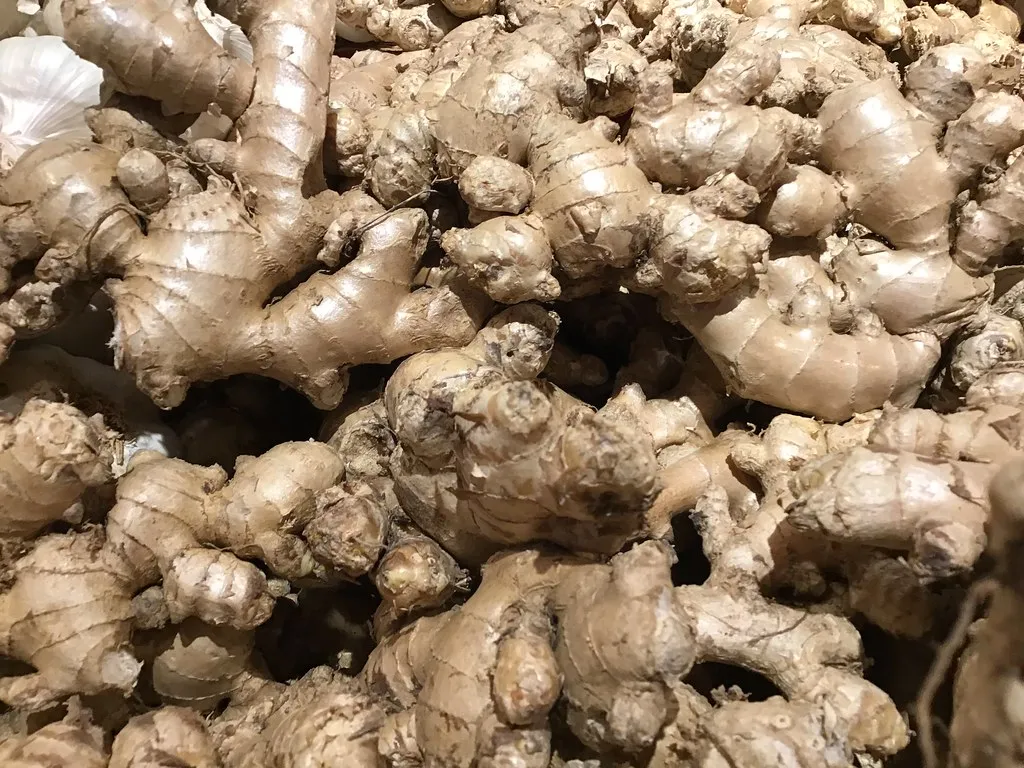
Ginger has been used for respiratory complaints in traditional medicine for centuries, and modern science is beginning to understand why it works. Ginger contains bioactive compounds such as gingerols and shogaols, which have demonstrated anti-inflammatory and antioxidant effects in laboratory studies. These properties are the main reason ginger keeps appearing in sinus-relief discussions.
A published randomized controlled trial at Thammasat University Hospital looked directly at ginger’s impact on nasal symptoms. The study showed that patients with allergic rhinitis who were treated with ginger extract could reduce their total nasal symptom scores, including nasal congestion, itching, runny nose, and sneezing. That’s meaningful, controlled clinical evidence rather than just folk medicine anecdote.
Traditionally, ginger is believed to possess warming and anti-inflammatory properties that help clear nasal passages and thin mucus, making it easier to expel, and hot ginger teas are routinely recommended in many cultures for relief from sinus congestion. Worth noting: large-scale trials are still limited, so current evidence supports ginger as a helpful complement rather than a primary treatment.
2. Garlic
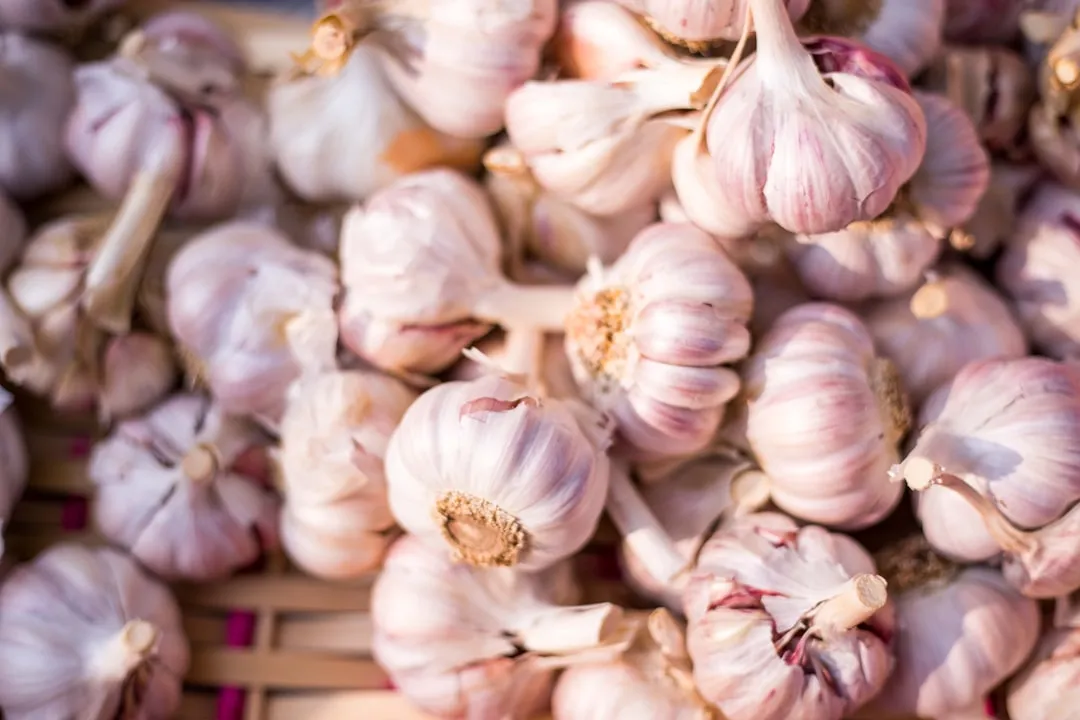
Garlic contains allicin, a sulfur compound released when cloves are crushed or chopped, and allicin has broad antimicrobial activity against many of the bacteria commonly found in sinus infections, including Staphylococcus, Pseudomonas, and Klebsiella species, working by disrupting bacterial cell walls and inhibiting their ability to produce essential fats and RNA.
What’s particularly interesting is how garlic behaves at the level of sinus tissue itself. Lab studies have shown that garlic compounds can interfere with biofilms, the stubborn, protective coatings bacteria form on sinus tissues that make infections harder to clear. A 2024 study published in the journal Ear, Nose and Throat specifically investigated the effects of allicin on the nasal mucosa, adding to a growing body of ENT-focused research on this compound.
Raw garlic delivers the most allicin, since heat partially breaks the compound down, and crushing a clove and letting it sit for ten minutes before eating or cooking with it allows the enzyme reaction that produces allicin to complete. While eating garlic won’t replace antibiotics for a true sinus infection, regular consumption supports an environment less hospitable to the bacteria that cause them.
3. Pineapple
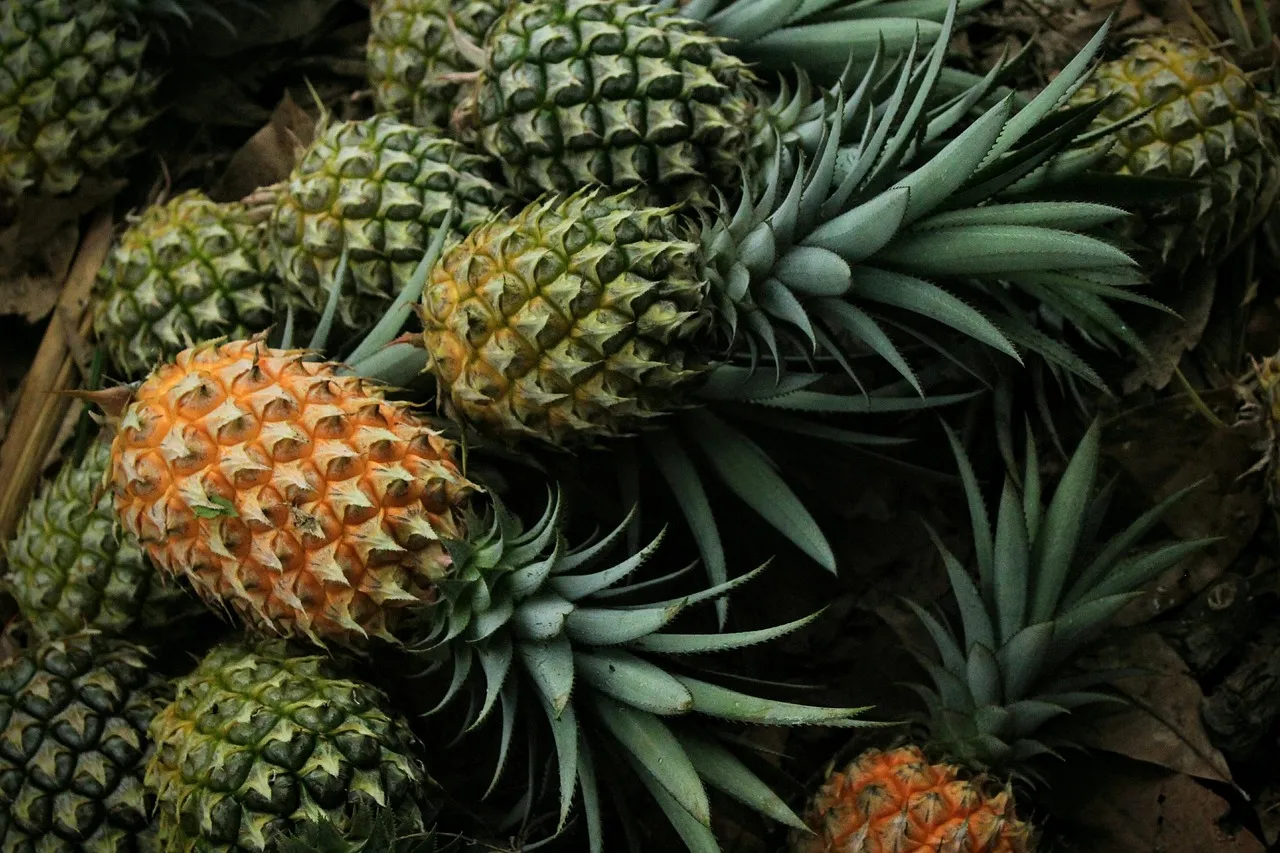
Pineapple is the only significant food source of bromelain, an enzyme with anti-inflammatory properties that has a specific affinity for sinus tissue. That specificity is what makes it particularly interesting in the context of sinus relief, setting it apart from more generic anti-inflammatory foods.
Bromelain is an enzyme found in pineapples known for its ability to help break up excess sinus mucus and reduce the production of mucus often caused by allergies. A clinical study gave patients bromelain tablets twice daily for thirty days and found that the enzyme distributed effectively from the bloodstream into the lining of the sinuses, concentrating there at higher levels than in healthy controls.
With natural anti-inflammatory effects, pineapple also reduces sinus swelling, while its vitamin C content boosts immune function. As with many dietary interventions, consistency matters more than a single serving. Fresh pineapple or pure juice, rather than heavily processed versions with added sugar, gives you the most bromelain per bite.
4. Turmeric
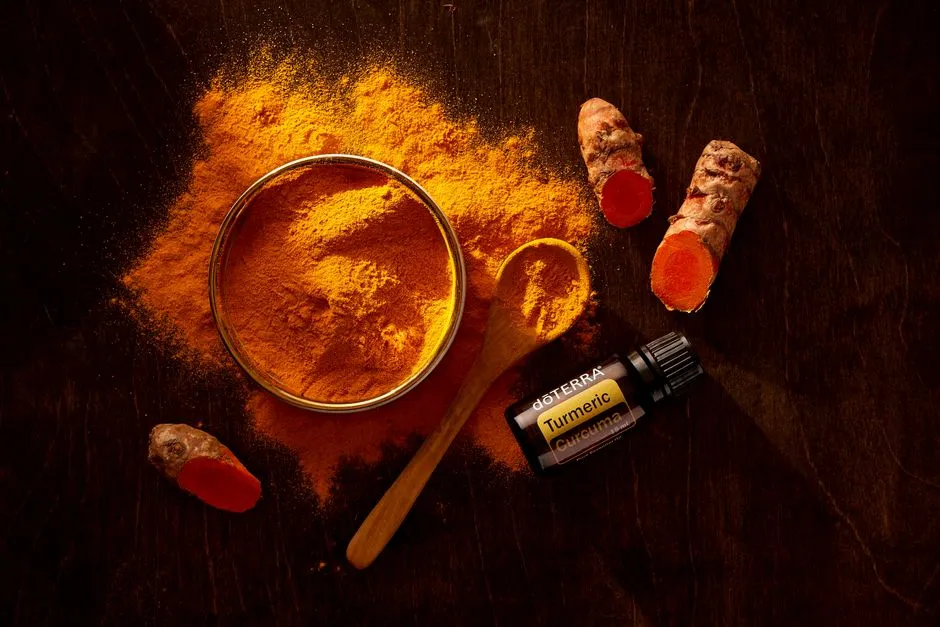
Turmeric’s reputation as an anti-inflammatory food is well-established, and research has started to examine its specific effects on nasal and sinus symptoms. Curcumin is one of the main active substances found in turmeric, and a double-blind study found that people with seasonal allergies who took curcumin had clearer nasal passages and less sneezing and congestion, though whether these findings translate to symptom relief for sinus infections remains uncertain.
A pilot study provided the first evidence of curcumin’s capability of improving nasal airflow and modulating immune response in patients with allergic rhinitis. That’s a promising signal, even if it’s early-stage research. The immune-modulating aspect is significant because sinus congestion is often as much about an overactive immune response as it is about infection.
Turmeric contains curcumin, which has anti-inflammatory, antibacterial, and antioxidant effects, and it can be used as a spice or consumed with honey daily. Adding a small amount of black pepper alongside turmeric significantly improves the body’s ability to absorb curcumin, a practical tip that’s widely supported in nutritional research.
5. Chili Peppers
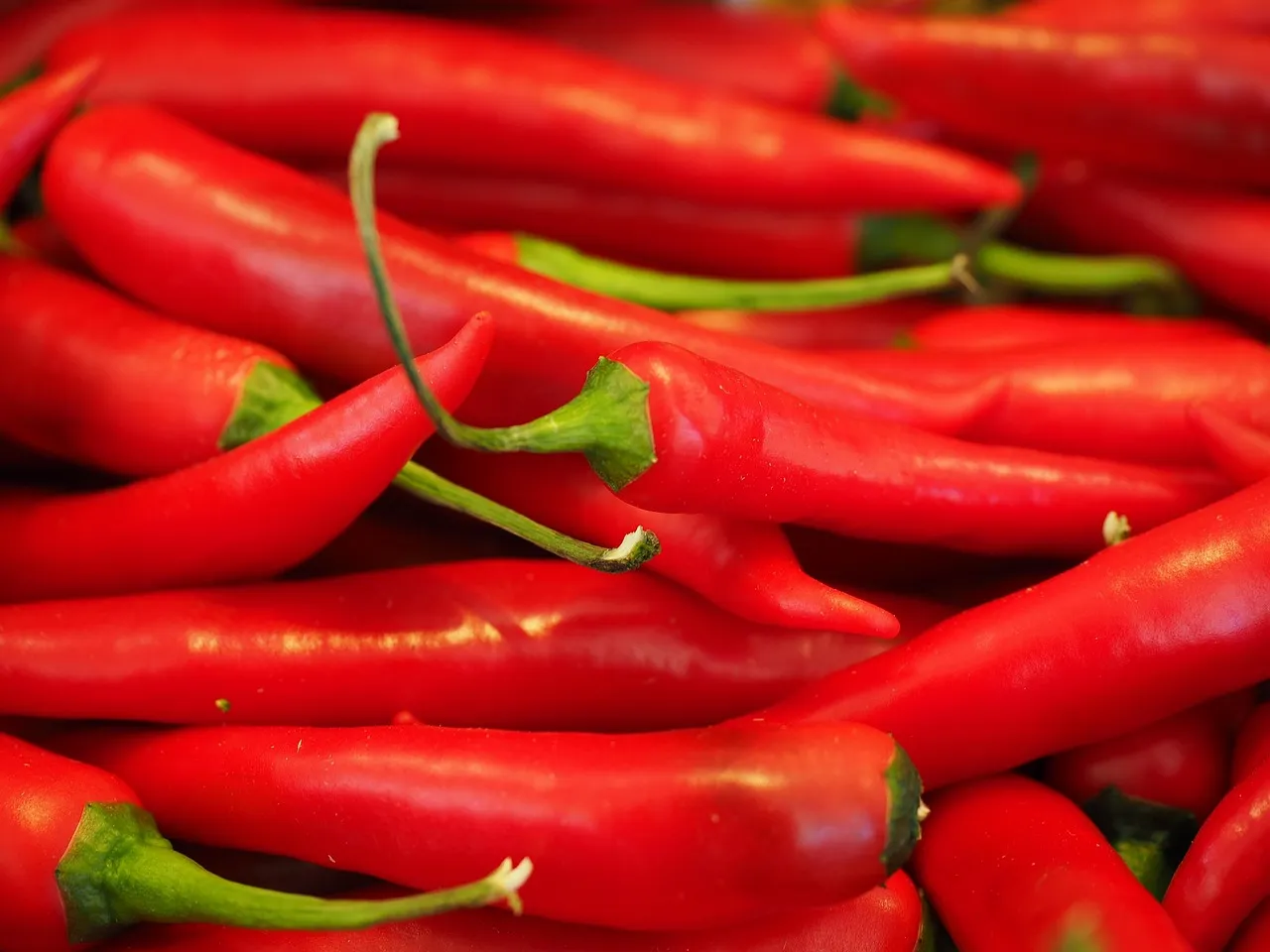
The burning sensation from chili peppers is not just discomfort. It’s actually the mechanism behind their decongestant effect. Capsaicin, the active ingredient in chili peppers, is a natural decongestant that can help clear nasal passageways and relieve symptoms of congestion and irritation.
A review of studies looked at intranasal capsaicin for nasal congestion, runny nose, sneezing, and nasal itching, and using capsaicin nasal spray helped people have fewer symptoms overall. The evidence for eating capsaicin-rich foods is less controlled than spray studies, but the physiological mechanism is the same. Capsaicin is also an anti-inflammatory and can help reduce the inflammation caused by sinusitis, allergies, and colds.
The fiery kick of spicy chili peppers jumpstarts mucus production, helping to cleanse nasal passages and ease congestion, and this heat also boosts nasal blood flow perception, potentially relieving sinus discomfort. People with acid reflux or a sensitive stomach may find spicy foods irritating, so it’s worth paying attention to your own response.
6. Warm Chicken Broth
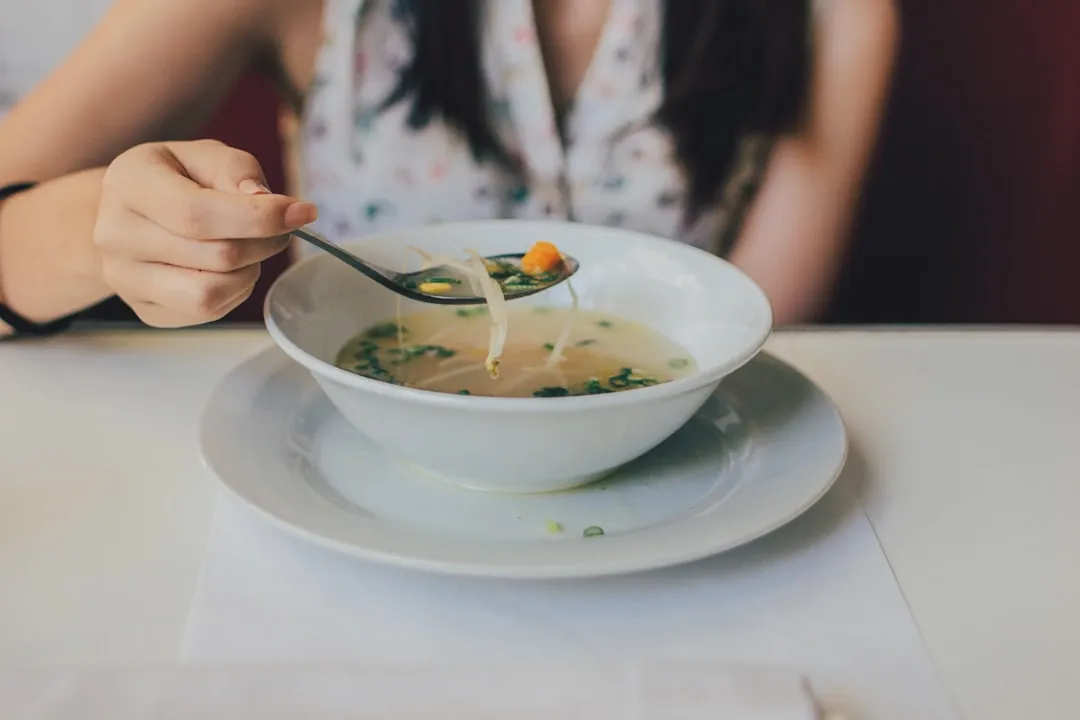
There’s a reason chicken soup has been prescribed for colds and congestion across virtually every culture and era. It turns out some of that wisdom is scientifically grounded. Hot soup creates steam that can hydrate and loosen mucus, and the chicken also contains cysteine, an amino acid that can break up and thin mucus.
Cysteine is found in foods including chicken, turkey, garlic, yogurt, eggs, and whole grains, and in addition to helping with congestion, cysteine has also been used as a supplemental treatment for bronchitis and chronic obstructive pulmonary disease. A study published in the journal Chest demonstrated that chicken soup can inhibit neutrophil chemotaxis in vitro, meaning it may help moderate the inflammatory response that drives sinus swelling.
The broth is also great for hydration, as long as there isn’t too much sodium. Water is essential to the health of your sinuses as it helps thin mucus, making it easier to drain, and drinking enough fluids prevents the buildup of thick mucus, reducing the risk of infection and inflammation. A simple homemade broth with low salt keeps all the benefits intact.
7. Horseradish
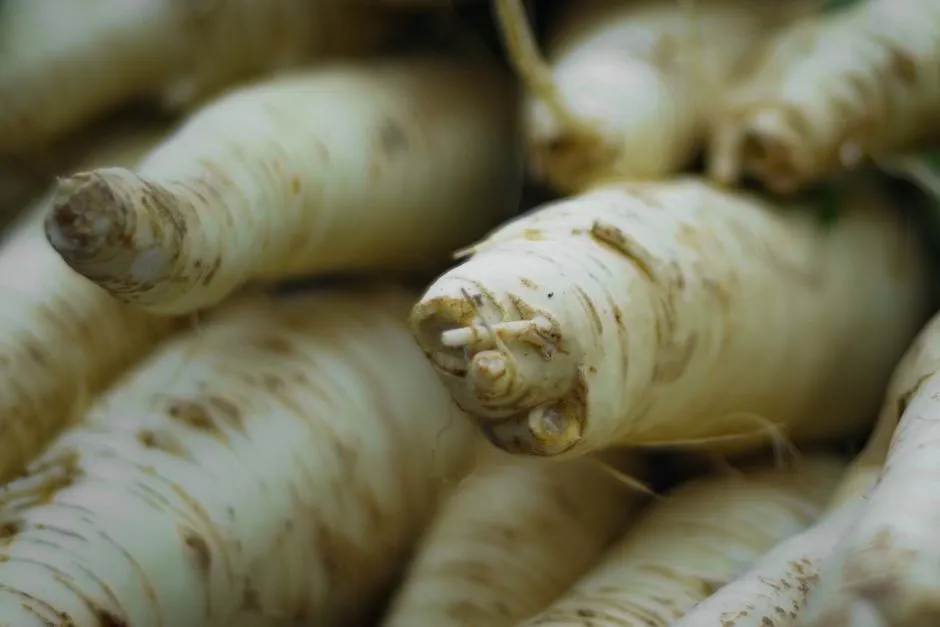
Horseradish acts as a natural decongestant, and its strong, pungent compounds help break down mucus and clear nasal passages. Anyone who has ever taken too big a bite of horseradish will immediately understand why. The clearing effect happens almost instantly.
The clinical evidence here is more substantial than many expect. Horseradish root is commonly used as a condiment, and one study showed that people with sinus infections who took herbal supplements containing horseradish got better as quickly as those who took antibiotics. A study published in Arzneimittelforschung also looked at a combination herbal drug containing horseradish root in patients with acute sinusitis and found favorable outcomes compared with standard treatments.
Horseradish works through compounds called glucosinolates, which break down into volatile molecules that stimulate the mucous membranes directly. Fresh horseradish root carries more of these active compounds than processed condiments, which often contain additives that dilute the potency. A small amount goes a long way, both in flavor and effect.
What Foods to Avoid

Dairy can thicken mucus, making it more difficult for the sinuses to drain properly, and reducing or eliminating dairy during a sinus infection may help alleviate congestion. Sugar promotes inflammation and weakens the immune system, increasing the risk of sinus infections, so cutting back on sugary snacks and drinks can support overall sinus health.
Alcohol dehydrates the body, thickens mucus, and leads to nasal congestion. Many do better limiting alcohol, highly sugary or ultra-processed foods, and very salty snacks, especially if hydration is already low. Essentially, anything that dries you out or feeds inflammation is working against your sinuses.
How Diet Fits Into the Bigger Picture

Focus on calming inflammation through ginger, turmeric, leafy greens, and salmon; thinning mucus through warm soups, teas, and water-rich foods; supporting drainage through spicy foods if tolerated; and supporting immunity through citrus and other vitamin C-rich, nutrient-dense meals. These aren’t isolated tactics. They work together.
Grocery stores and pharmacies stock shelves of over-the-counter treatments for sinus problems, but many medicines may be too strong for regular use and come with unwanted side effects, so home remedies can be a gentler option, often using things you may already have at home. Diet-based approaches are especially valuable for people dealing with recurring mild congestion rather than acute infection.
It’s also worth being honest about limits. Persistent, severe, or worsening congestion, especially lasting more than ten days, should be evaluated by a doctor. Food can support recovery and help prevent flare-ups, but it isn’t a substitute for medical care when one is genuinely needed.
The Takeaway

Sinus congestion rarely has a single cause, and it rarely has a single solution. What these seven foods share is a meaningful biological rationale supported by at least some clinical or laboratory evidence. Ginger, garlic, pineapple, turmeric, chili peppers, warm broth, and horseradish each work through distinct pathways, which is actually the point. Using several of them regularly gives your body multiple tools to manage inflammation, thin mucus, and resist infection.
The most practical approach is to think less about specific superfoods and more about a broader dietary pattern. Track what helps and seek evaluation if congestion is persistent, severe, or recurring. Your sinuses, it turns out, are paying closer attention to your meals than you might think.
AI Disclaimer: This article was created with the assistance of AI tools and reviewed by a human editor.