

Few things derail a day quite like an unhappy stomach. The cramping, nausea, bloating, or loose stools that come with digestive upset can range from mildly annoying to completely incapacitating. Most of the time, the underlying cause is not serious, and symptoms pass on their own within hours. The real question is whether there’s anything you can actually eat to speed that process along.
Turns out, there is. When you have , some foods may be easier to tolerate than others and can help prevent dehydration, including bland carbohydrates and certain spices like ginger. The seven foods below have meaningful scientific backing, and most of them are already sitting in your kitchen.
1. Ginger: The Most Researched Stomach Soother
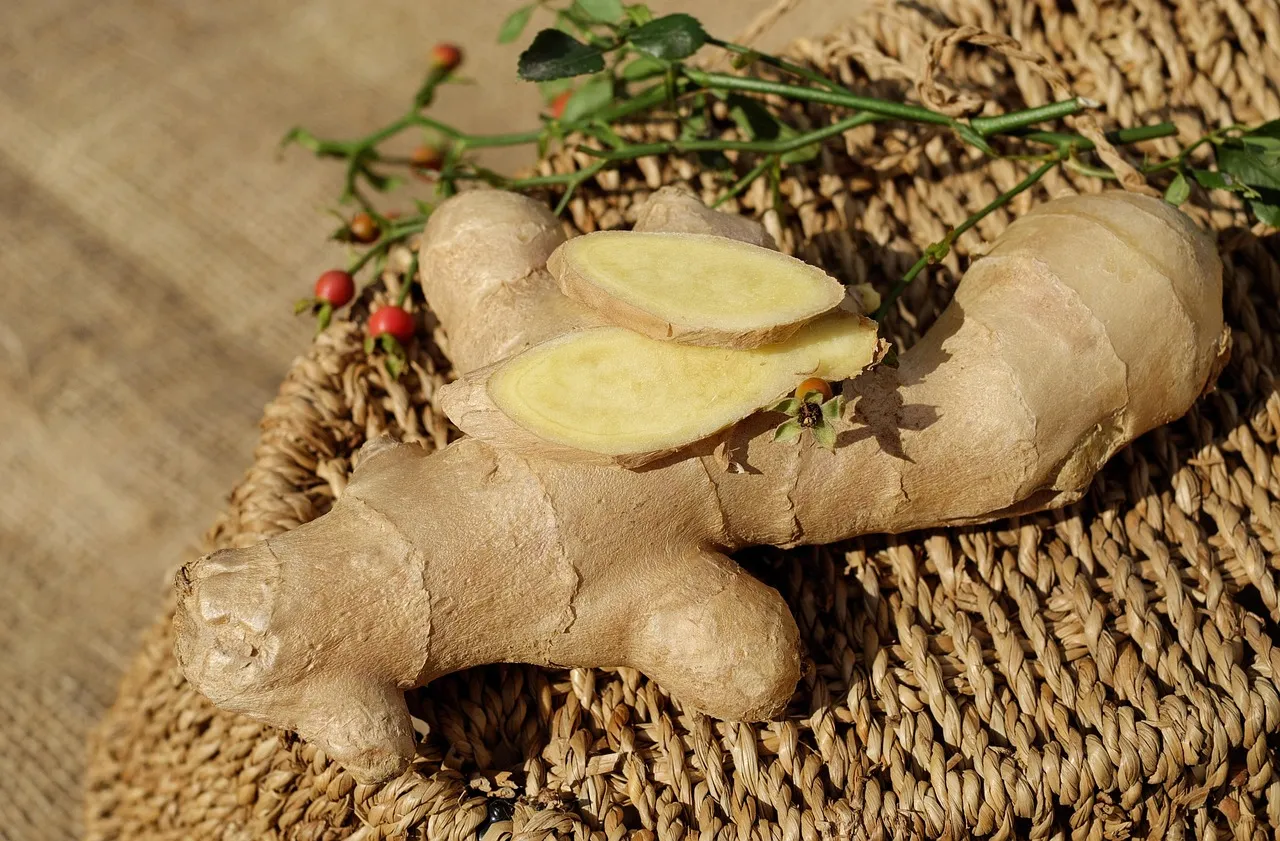
Ginger is a fragrant edible root and a well-known natural remedy for nausea and vomiting. Its active compounds, called gingerols, are what give it that warm, slightly spicy edge, and they’re also responsible for most of its medicinal value. Gingerols relax stomach muscles and speed gastric emptying, which lowers the unsettled feeling that often precedes vomiting.
Ginger has well-established benefit for nausea and vomiting, and solid evidence for improving gastric motility and functional dyspepsia. A systematic review published in Food Science and Nutrition reviewed 109 clinical studies and concluded that ginger has documented carminative effects, reduces intestinal cramping, decreases lower esophageal sphincter pressure, and prevents dyspepsia, flatulence, and bloating.
A 2024 systematic review also supported ginger’s potential to reduce gut inflammation and dyspepsia in patients with irritable bowel syndrome. That said, it works best as part of a broader approach rather than a single cure-all. You can enjoy ginger raw, cooked, steeped in hot water, or as a supplement, which makes it easy to work into any routine.
2. Chamomile: A Calming Cup with Real Credentials

Chamomile tea is a popular remedy with science-backed benefits for taming an upset stomach. It contains anti-inflammatory and calming properties that help relieve flatulence, upset stomach, and digestive disorders. Most people already associate chamomile with winding down at night, but its digestive benefits are just as real.
It soothes the stomach and reduces gas by relaxing the muscles responsible for the passage of food through the intestines, and it also reduces gastric acidity to lessen gastrointestinal irritation. That dual action, relaxing muscles while easing acid, is part of what makes it so useful.
A 2023 study found that chamomile oils have anti-inflammatory properties that can help your stomach muscles relax, which may reduce the pain of cramping and spasms. A warm mug before bed or after a difficult meal is one of the more pleasant remedies on this list.
3. White Rice: Bland, Boring, and Genuinely Helpful
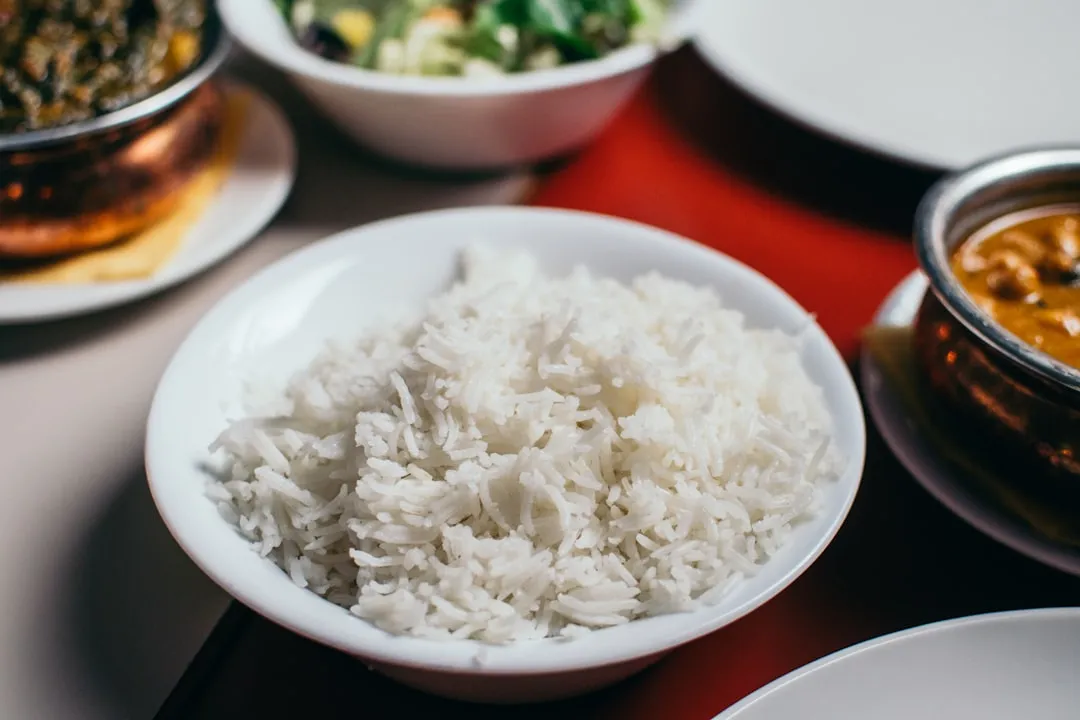
White rice doesn’t get much culinary attention, but when your stomach is struggling, bland is exactly what you want. Plain white rice is rich in starch, which is converted into soluble fiber in the gut. That conversion is part of what makes it so soothing during episodes of diarrhea or nausea.
The foods in the BRAT diet, which includes rice, are low in protein, fat, and fiber, which makes them easy to digest for most people. White rice in particular is less likely to irritate an already-inflamed digestive lining. Choosing white rice over brown is advisable when your stomach is upset, as it’s easier on digestion.
Bland carbohydrates like rice, oatmeal, crackers, and toast may simply be easier to tolerate when you’re not feeling well. There’s no complex mechanism needed here. Sometimes the gentlest option is the most effective one.
4. Bananas: Electrolytes and Easy Digestion in One

Bananas are one of those foods almost universally recommended during stomach upset, and for good reason. Bananas are a good source of potassium, a mineral that’s often depleted when people have diarrhea or vomiting. Replacing that potassium matters, especially if you’ve been sick for more than a few hours.
The starch in the fruit can help absorb water in the colon, which works to firm up loose stools. Bananas are also rich in potassium, a key electrolyte you lose during diarrhea. That combination of starch and electrolytes makes them surprisingly functional as a recovery food.
Ripe bananas coat an irritated digestive lining with a soothing film of pectin and resistant starch. They’re also soft, require no preparation, and are easy to eat even when your appetite is almost entirely gone. They are easy to digest and provide essential nutrients like potassium, which can be depleted during episodes of diarrhea or vomiting.
5. Peppermint: Muscle Relaxation from the Inside
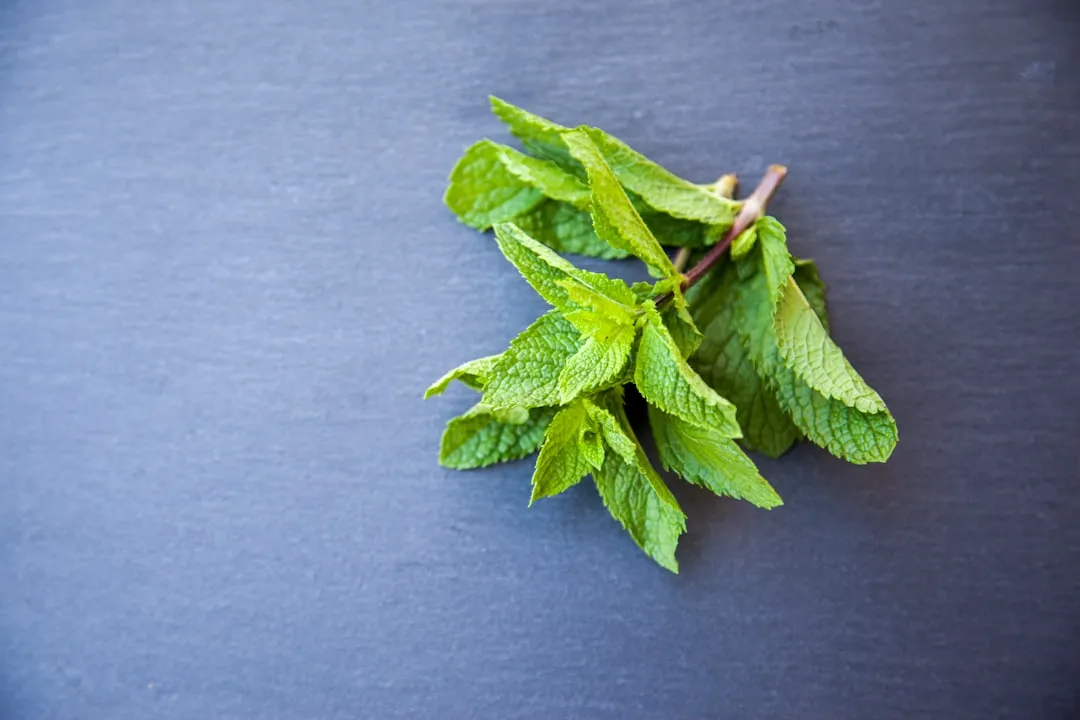
Peppermint has a long history of use for stomach complaints, and modern research has mostly confirmed what traditional herbalists suspected. Peppermint oil is a common natural remedy used in cooking or as a tea. This natural ingredient contributes various compounds that promote smooth muscle relaxation, anti-microbial properties, and anti-inflammatory processes.
A 2023 review suggests that peppermint oil can relax intestinal muscles, relieve pain, and possibly treat irritable bowel syndrome. The compound behind most of this is menthol. The menthol in peppermint leaves is a natural analgesic, or pain reliever.
A 2022 systematic review and meta-analysis found peppermint more effective than a placebo for reducing symptoms of IBS, which often involve bloating, gas, and constipation. For everyday indigestion or cramps, peppermint tea is the most accessible option. A 2024 randomized clinical trial also investigated the effects of an herbal extract containing peppermint, and researchers found it reduced symptoms of indigestion and gastroesophageal reflux disease.
6. Plain Yogurt: Rebuilding the Gut from Within

Not all yogurt is created equal here. The kind that actually helps your stomach is plain, unsweetened, and contains live active cultures. Yogurt with live and active cultures is an excellent food for promoting digestive health. The probiotics found in yogurt help balance the gut microbiome, which is essential for efficient digestion, and a healthy balance of gut bacteria can reduce the risk of bloating, constipation, and indigestion.
The International Scientific Association for Probiotics and Prebiotics defines probiotics as live microorganisms that, when administered in adequate amounts, confer a health benefit on the host. These microorganisms consist mainly of bacteria and are present in fermented foods such as yogurt.
Foods with probiotics like yogurt may help with diarrhea and constipation and support your digestive system. However, eating rich dairy foods while you have an upset stomach may not always relieve nausea. If nausea is your main symptom, it may be worth waiting until you feel slightly more stable before adding yogurt back in. Timing matters as much as the food itself.
7. Applesauce: Pectin’s Quiet Power

Fresh apples can actually aggravate a sensitive stomach due to their high fiber content and natural sugars. Applesauce is different. The cooking process breaks down those fibers, making the end product far gentler on a tender gut. Applesauce is good for an upset stomach. It’s easy on the digestive system and provides important nutrients.
Both apples and bananas contain a type of soluble fiber called pectin that binds excess water, which can help firm up loose stools. That pectin, surviving in applesauce even after cooking, is what gives it its settling quality. It acts almost like a gentle binder in the gut.
Opt for unsweetened varieties whenever possible. Grabbing unsweetened applesauce helps cut down on excess sugar, which can otherwise make bloating worse. Applesauce is easy to eat quickly, requires no real preparation, and pairs naturally with other gentle foods like white rice or plain toast during recovery.
A Few Things Worth Keeping in Mind
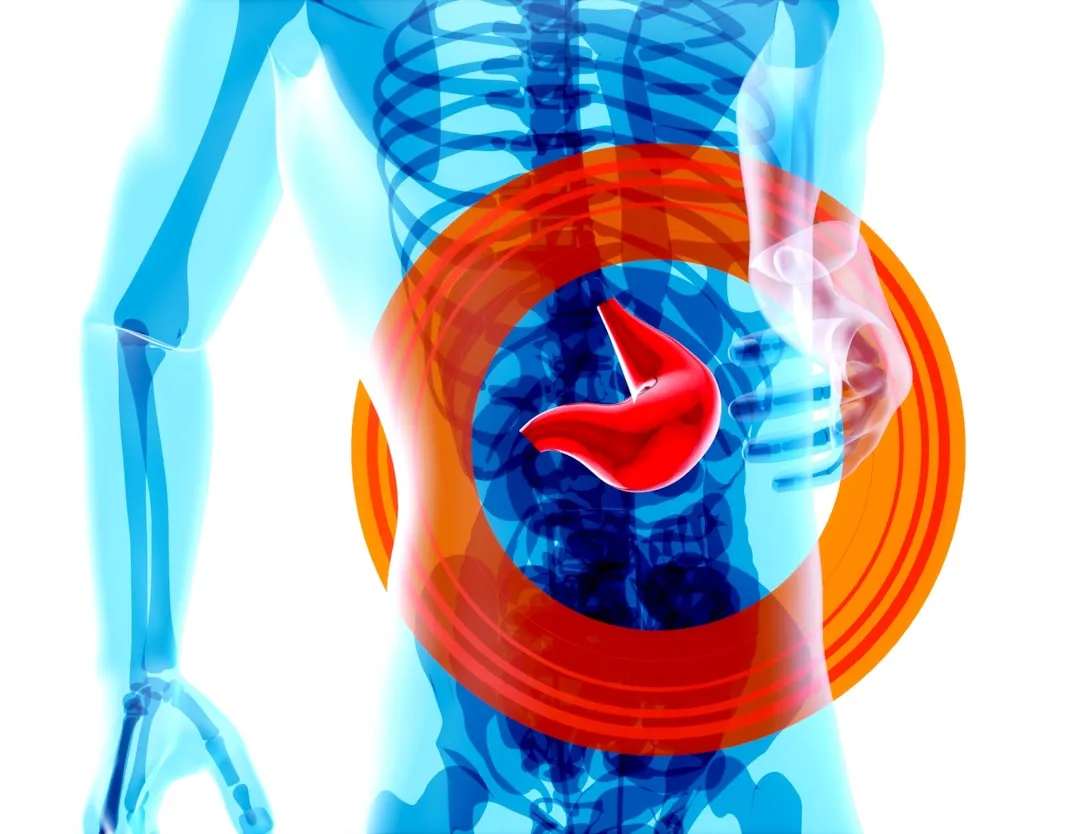
Upset stomach, also called indigestion or dyspepsia, refers to pain and discomfort in the stomach. A number of factors can play a role, including eating greasy or spicy foods, eating too much or too quickly, consuming too much alcohol, caffeine, or carbonated beverages, anxiety, smoking, and certain antibiotics. Identifying the root cause helps determine which foods on this list will be most useful.
Many health professionals no longer recommend relying exclusively on bland diet plans due to the risk of nutrient and calorie deficiencies. These seven foods are best used as short-term support, not long-term eating plans. Persistent pain, blood in vomit or stool, unexplained weight loss, or fever calls for prompt medical evaluation.
The Takeaway

There’s no single food that fixes every kind of stomach upset, and it would be misleading to suggest otherwise. What the evidence does show is that ginger, chamomile, white rice, bananas, peppermint, plain yogurt, and applesauce each offer genuine, research-supported mechanisms for easing specific symptoms, whether that’s nausea, cramping, loose stools, or bloating.
The best approach is usually to reach for whichever of these fits your symptoms most closely, stay well hydrated, and give your digestive system a little space to recover. Most mild episodes resolve within a day or two with that kind of gentle support. The kitchen, it turns out, is often the best first stop before the medicine cabinet.
AI Disclaimer: This article was created with the assistance of AI tools and reviewed by a human editor.