

Hormones don’t crash overnight. For most women, the shift is gradual, a slow recalibration that picks up pace somewhere in the late forties and early fifties. During menopause, declining estrogen and progesterone affect metabolism, mood, and energy in ways that can feel disorienting, even when they’re completely predictable biology.
What many women don’t realize is that the plate in front of them three times a day is one of the most accessible tools they have. Diet plays a central role in hormone health, providing building blocks for hormone production and supporting gut microbiome balance. The seven foods below all have genuine research behind them, and understanding why they work makes them easier to actually use.
1. Flaxseed: The Lignan Powerhouse
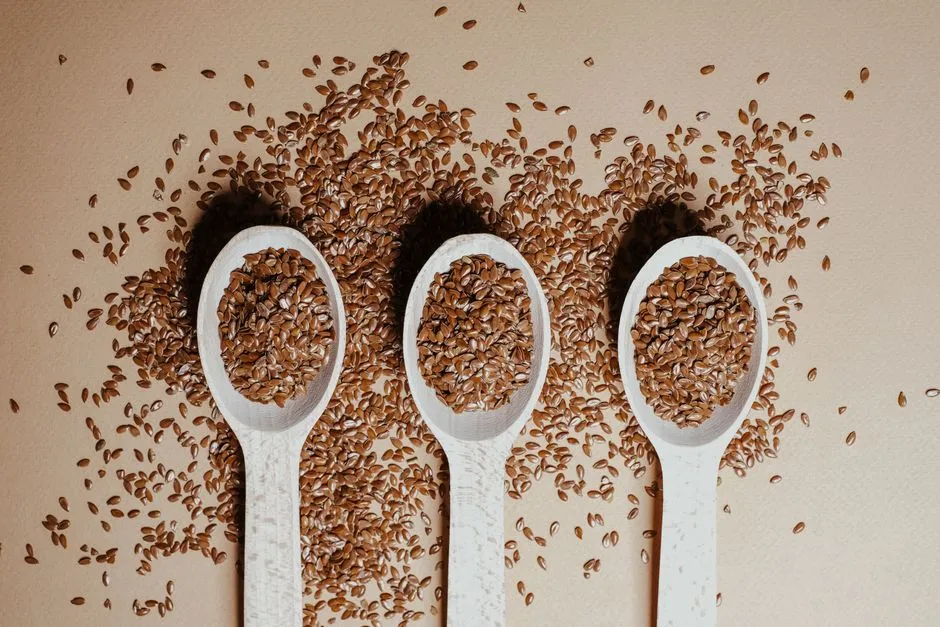
Flaxseed is one of the most studied foods for hormonal support in women going through menopause, and the reason comes down to a specific class of compounds. Flaxseed contains many phytoestrogens that share structural similarities with endogenous estrogens. Those phytoestrogens are primarily lignans, and they interact with estrogen receptors in ways that can gently modulate hormonal activity.
Flaxseed is a rich source of lignan compounds, especially the lignan secoisolariciresinol diglucoside. After consumption, this compound is converted by gut flora to enterodiol and enterolactone, and these metabolites have been shown to have antioxidant and anti-inflammatory activities in addition to acting as phytoestrogens.
The clinical picture is nuanced, though. Women consuming flaxseed had increased serum 2-hydroxyestrone and a more favorable estrogen metabolite ratio, and findings suggest flaxseed affects certain circulating sex hormone levels with possible implications for breast cancer prevention research. A 2024 randomized placebo-controlled study published in Cureus further examined flaxseed’s effects on perimenopausal symptoms, reinforcing interest in its role during hormonal transition.
Flaxseeds are also an excellent source of fiber, further supporting hormonal balance by promoting gut health and facilitating the elimination of excess hormones. Ground flaxseed is better absorbed than whole seeds, so a tablespoon stirred into yogurt or oatmeal is a practical daily habit.
2. Soy Foods: A Well-Studied Phytoestrogen Source
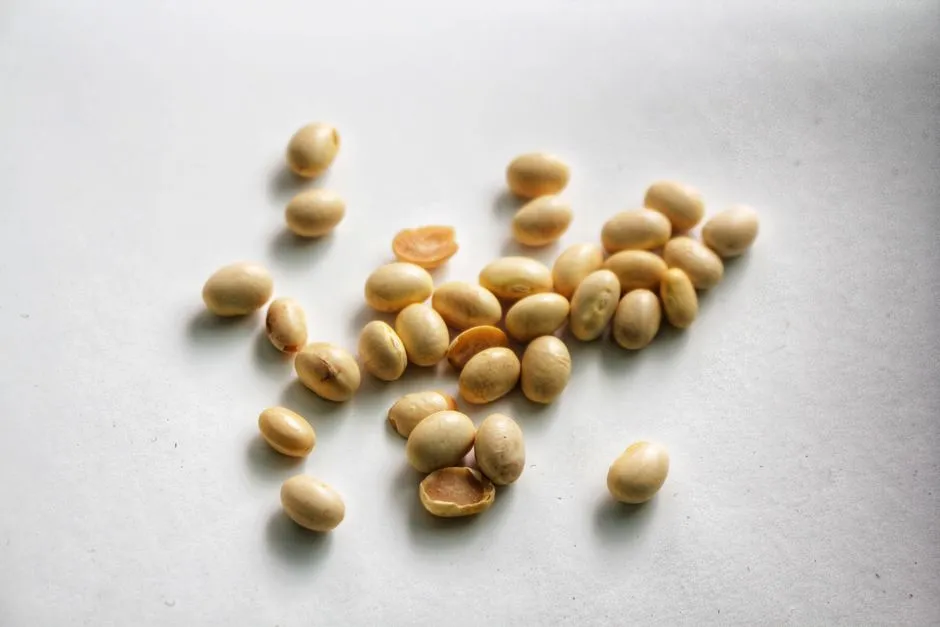
Few foods generate as much discussion in women’s health as soy, and for good reason. Soy isoflavones are phytoestrogens found mainly in soy and its derivatives. Given their estrogen-like and antioxidant-inhibiting inflammatory effects, they have been hypothesized to be effective in treating menopausal symptoms.
This binding induces a mild estrogenic effect, helping compensate for hormonal deficiencies and alleviate common menopausal symptoms such as hot flashes, night sweats, and mood swings. The mechanism is elegant: soy isoflavones act as partial agonists at estrogen receptors, providing a gentler signal than the body’s own estrogen.
The evidence has grown meaningfully in recent years. A systematic review conducted using PRISMA guidelines screened over two thousand articles from October 2024, with twelve eligible for meta-analysis, and found that soy isoflavones were effective for treating menopausal symptoms across seven studies involving over five hundred participants.
It’s worth keeping expectations calibrated. The clinical efficacy of soy isoflavones remains controversial, as some studies report substantial improvements in vasomotor symptoms while others show negligible or no benefits. Whole food soy sources like edamame, tofu, and tempeh are generally recommended over concentrated supplements. Women with hormone-sensitive conditions should consult their physician before significantly increasing intake.
3. Fatty Fish: Omega-3s and the Inflammation Connection
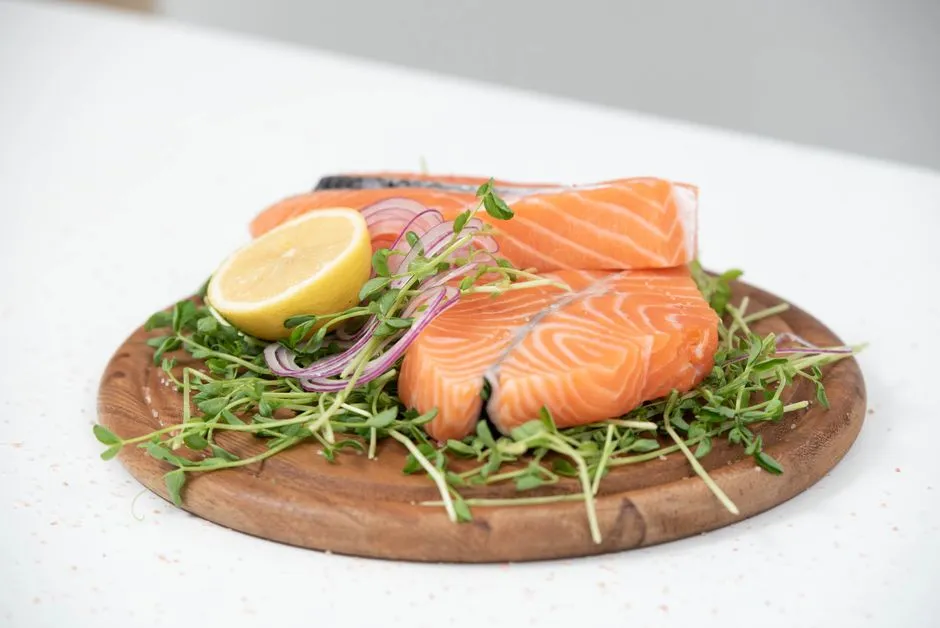
Salmon, mackerel, sardines, and herring don’t always top lists of “hormone foods,” but they probably should. Fatty fish are loaded with omega-3 fatty acids, which have been shown to reduce inflammation, support brain health, and promote heart health, and studies suggest that omega-3s can help lower cortisol and insulin resistance, both of which impact midlife weight gain.
Omega-3s fight inflammation and support brain function, two areas that take a hit during menopause. Studies suggest that diets rich in omega-3 fatty acids are associated with fewer hot flashes and a lower risk of depression during the menopausal transition.
The precise impact of omega-3 supplementation on vasomotor symptoms remains an area of active investigation. Convergent research in both animal and human subjects suggests that omega-3 fatty acids may modulate neurotransmitter levels, including serotonin and dopamine, within the brain. That serotonin connection matters: serotonin pathways are closely intertwined with the regulation of body temperature and mood, both of which become erratic during hormonal transition.
The essential fatty acids EPA and DHA are found in fatty fish like salmon and mackerel, and in smaller amounts in plant oils like rapeseed, soya, flax and linseed, walnuts and omega-3-enriched eggs. Aiming for two to three servings of fatty fish per week is a reasonable and practical target.
4. Cruciferous Vegetables: Supporting Estrogen Metabolism
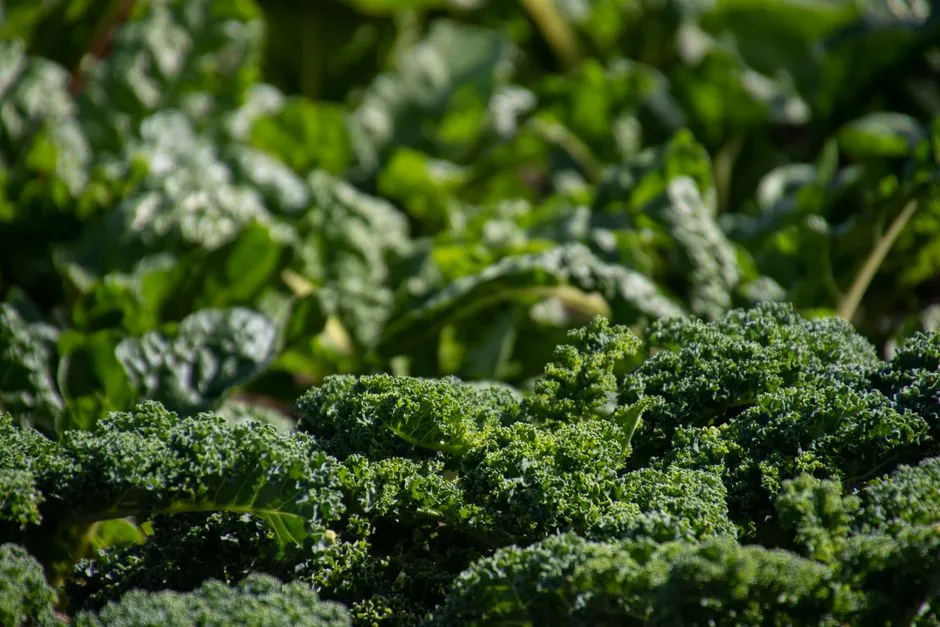
Broccoli, Brussels sprouts, cauliflower, cabbage, and kale belong to the Brassica family, and their hormonal relevance runs deeper than most people know. Sulforaphane is a potent antioxidant and anti-inflammatory compound found in cruciferous vegetables like broccoli, Brussels sprouts, cabbage, and kale, and it has powerful antioxidant and anti-inflammatory benefits that help to protect cells, reduce the risk of disease, and promote overall health.
These vegetables contain sulforaphane, a compound that supports estrogen metabolism and reduces inflammation. Research shows that sulforaphane helps the liver clear excess estrogen, which is essential for balancing hormones in midlife.
A comprehensive review published in January 2025 in Applied Sciences confirmed that sulforaphane has been safely consumed in cruciferous vegetables for centuries, and there are multiple applications and copious mechanistic documentation supporting its use in both female and male-specific conditions, all of which relate to the body’s hormonal axes.
Indole-3-carbinol and DIM, also found in these vegetables, appear to shift estrogen metabolism away from 16-αOHE1 and toward the more desirable 2-OHE1. One practical note: broccoli contains glucosinolates which may inhibit iodine uptake and thyroid hormone formation, particularly in the event of an existing iodine deficiency, but eating brassica vegetables in moderation, cooking them, and maintaining adequate iodine intake can reduce these effects.
5. Avocados: Healthy Fats That Hormones Actually Need
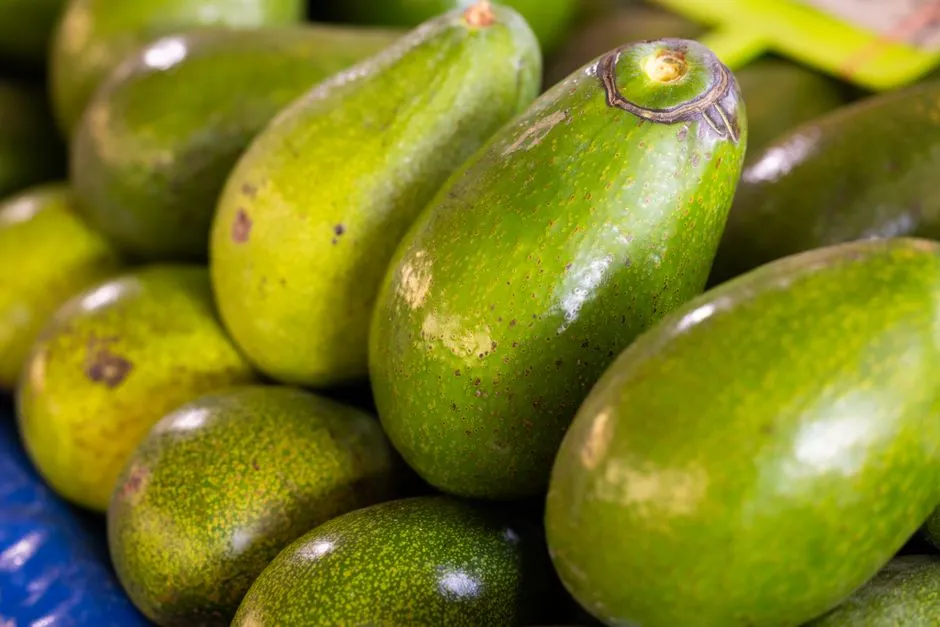
Hormones are built from fats. That’s not a simplification; it’s biochemistry. Hormones rely on healthy fats as building blocks, and omega-3 fatty acids found in fatty fish and flaxseeds can reduce inflammation and improve hormonal balance. Avocados deliver a different but complementary type of fat: monounsaturated fat, which supports several hormonal functions simultaneously.
Avocados are packed with monounsaturated fats, fiber, and antioxidants, all of which support blood sugar regulation, brain function, and joint health. Magnesium in avocados also plays a key role in cortisol balance and stress management.
Cortisol deserves attention here. When the body is chronically stressed, cortisol stays elevated, which in turn disrupts other hormonal systems, including those governing sleep, appetite, and thyroid function. Unstable blood sugar can disrupt insulin, cortisol, and other hormones, and avocado’s combination of fiber and fat helps keep blood sugar stable across the day. Half an avocado added to a meal is enough to make a meaningful difference in the fat and fiber content of that sitting.
6. Berries: Antioxidant Defense Against Hormonal Disruption
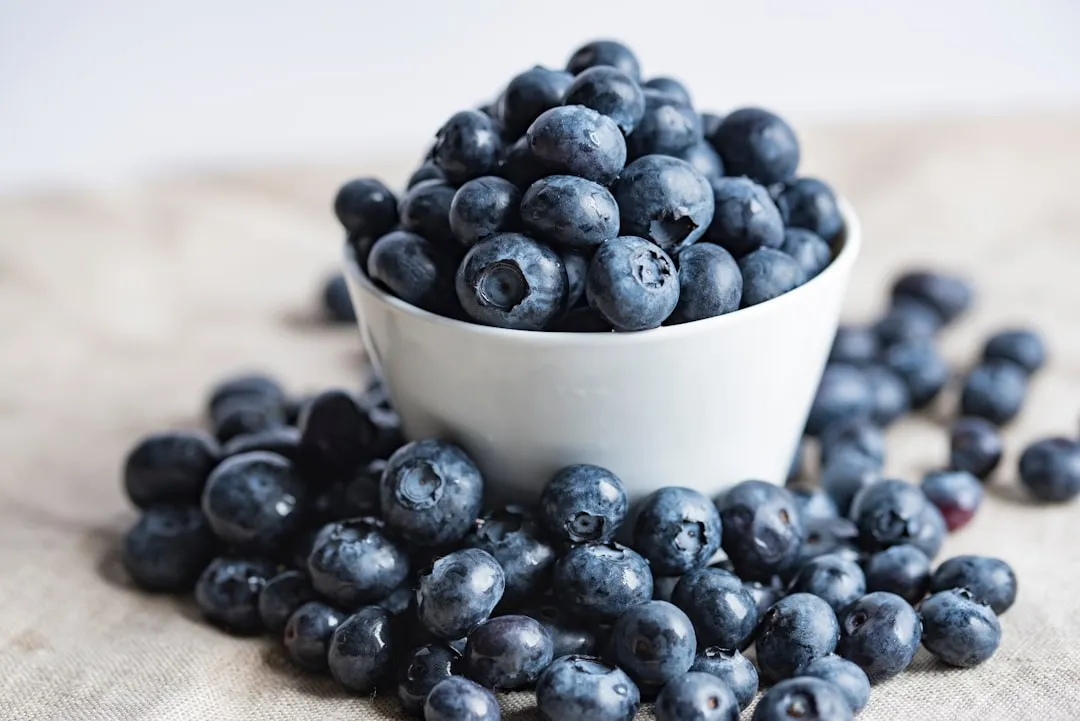
Blueberries, raspberries, blackberries, and strawberries are genuinely useful for women over 50, and not just because they’re low in sugar. Berries are rich in polyphenols and fiber, which help stabilize blood sugar, combat oxidative stress, and support gut health. The antioxidants in berries have been linked to reduced inflammation and improved cognitive function in midlife women.
Oxidative stress is a significant but underappreciated driver of hormonal imbalance. When free radical activity outpaces the body’s ability to neutralize it, the entire endocrine system can be affected, including the thyroid, adrenal glands, and ovaries. The polyphenols in berries directly counter that process.
There’s no single hormone-balancing diet, but focusing on nutrient-rich whole food sources like fresh fruits and vegetables, whole grains, lean proteins, and healthy fats can help manage symptoms. Berries fit neatly into that framework while also being easy to add to breakfast, snacks, or smoothies. A small handful daily is a low-effort, high-return dietary habit.
7. Fermented Foods: Gut Health as Hormonal Infrastructure
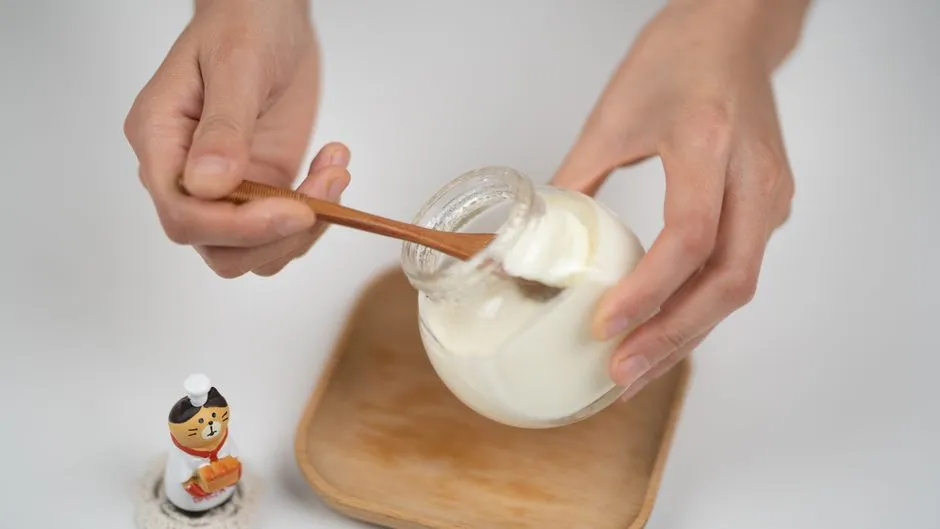
The relationship between the gut and hormones is more direct than it might seem. A healthy gut is crucial for hormone balance. The gut microbiome plays a central role in how estrogen is processed and either recycled or excreted from the body. A disrupted microbiome can contribute to estrogen dominance or to accelerated estrogen loss.
Yogurt, kefir, kimchi, sauerkraut, and miso all contain live bacterial cultures that support microbiome diversity. Fermented cruciferous vegetables like sauerkraut and kimchi still offer health benefits, including potential positive effects on estrogen metabolism. The fermentation process can actually increase the bioavailability of certain nutrients and compounds.
Probiotic-rich foods can be paired with prebiotic foods like garlic, onions, and bananas to nourish good gut bacteria. The combination of both probiotics and prebiotics matters more than either alone. Without the prebiotic fiber to feed them, probiotic bacteria have little to thrive on.
It’s also worth noting that the intestinal flora of each individual is a strong determinant of the bioavailability and activity of phytoestrogens from foods like flaxseed and soy. A well-supported gut, in other words, makes every other food on this list work better.
How These Foods Work Together
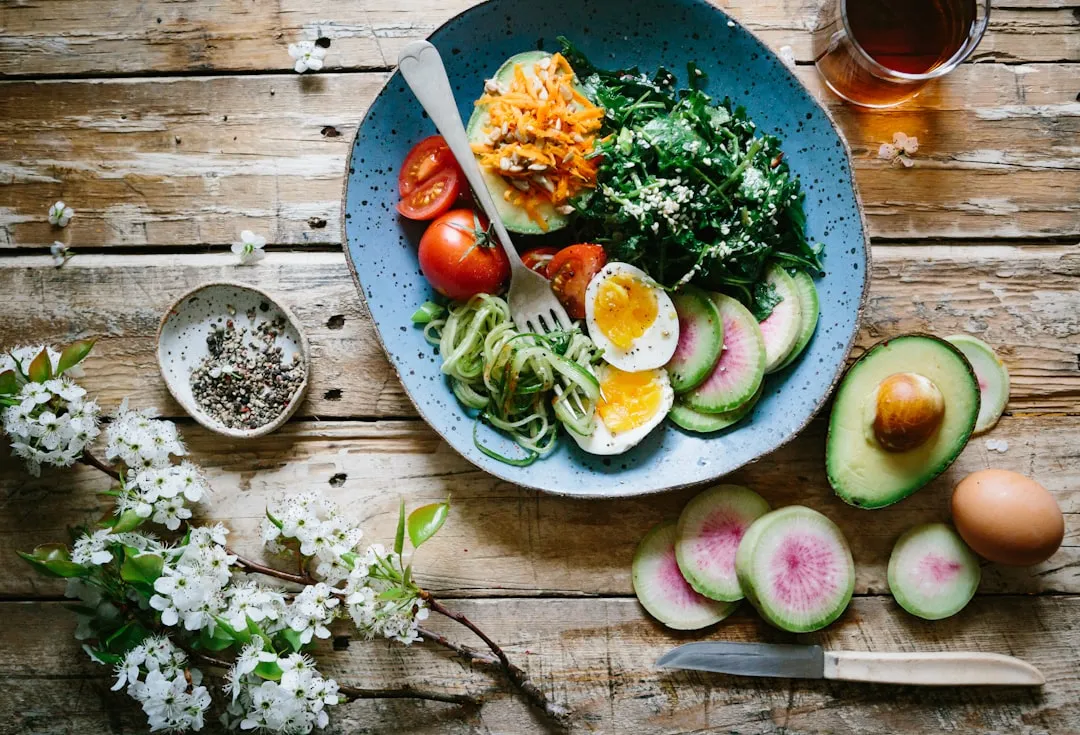
None of these foods work in isolation, and that’s actually reassuring. The body’s hormonal systems are interconnected, meaning that eating a variety of these foods tends to produce compounding benefits. Diet plays a central role in hormone health, providing building blocks for hormone production and supporting gut microbiome balance, and during menopause, these factors become especially important as declining estrogen and progesterone affect metabolism, mood, and energy.
A menopause-friendly meal includes a balance of protein, fiber-rich complex carbohydrates, and healthy fats. For example, this might include fish or legumes for protein, vegetables or whole grains for fiber, and healthy fats from olive oil, nuts, or avocado. This combination supports stable blood sugar, muscle health, and sustained energy levels, while also helping reduce cravings.
Avoiding foods that can worsen hormone imbalances, such as alcohol, caffeine, fried foods, saturated fats, high-GI carbs, and artificial sweeteners, helps ensure that the positive effects of these hormone-supportive foods aren’t undermined by other dietary patterns.
What the Research Still Can’t Tell Us

Honesty matters here. While the evidence behind these foods is real, it is not uniform or definitive. Many studies are short-term, involve small sample sizes, or show effects that vary considerably between individuals. Levels of certain hormones decline with age, and some people experience a more dramatic decrease than others. A nutritious diet and other healthy lifestyle habits may help improve hormonal health and allow you to feel and perform your best, but food is not a substitute for medical care when symptoms are severe.
Factors like chronic stress, obesity, and unhealthy diet can disrupt hormone homeostasis, which means that diet is one piece of a larger picture that also includes sleep, movement, stress management, and where appropriate, clinical treatment. Diet is one of the most powerful tools available, but it works best as part of a comprehensive approach. For many women, combining optimized nutrition with regular exercise, stress management, and quality sleep produces the best outcomes.
How Much and How Often Matters
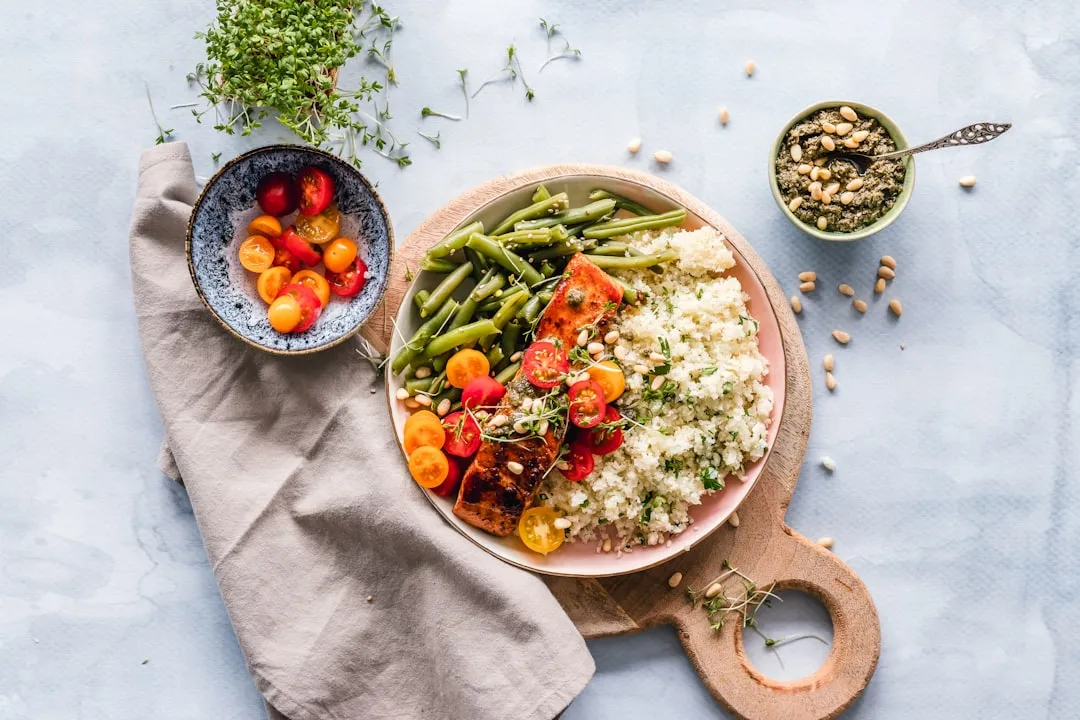
Frequency and consistency matter more than perfection. A single serving of salmon once a month won’t move the needle. Two to three servings of fatty fish per week, daily inclusion of fiber-rich vegetables, and regular consumption of fermented foods creates the kind of cumulative dietary environment where hormonal support becomes meaningful.
Certain lifestyle practices, including exercising regularly and eating a nutritious diet rich in protein and fiber, can help naturally balance hormones. The practical implication is that these foods need to become habitual, not occasional. Most of them are easy to rotate into meals that are already part of a normal week.
It’s preferable to choose organic fruit and vegetables when purchasing items that fall into the highly pesticide-exposed produce categories. Organic produce is cultivated without the use of synthetic pesticides and fertilizers, reducing potential exposure to harmful chemicals that may disrupt hormonal balance. That’s a reasonable and proportionate consideration, not a hard requirement.
Final Thoughts
The conversation around hormones and food can easily tip into either oversimplification or alarm, neither of which is helpful. The truth is steadier: these seven foods have genuine, research-backed roles in supporting hormonal function, particularly during a life stage when the body is recalibrating in significant ways.
No single food will resolve hormonal disruption on its own, and the research is clear that individual responses vary. What is consistent across the evidence is that consuming nutritious foods, exercising regularly, and engaging in other health-promoting behaviors such as meditating and getting enough sleep may go a long way toward improving hormonal health.
Food, in this context, is not a cure. It’s a form of consistent, daily support for a body navigating one of its most significant biological transitions. That framing makes it easier to stay with it, because it shifts the goal from quick fixes to something more durable: a way of eating that simply makes sense for where you are.
AI Disclaimer: This article was created with the assistance of AI tools and reviewed by a human editor.