
Turmeric has earned its golden reputation. Its active compounds, particularly curcumin, may inhibit many inflammation pathways and play an important role in managing disease. That’s real, and it’s well-documented. Still, the research landscape on anti-inflammatory nutrition has shifted considerably in recent years, and turmeric is no longer the only headline act.
Chronic low-grade inflammation is increasingly recognized as a key factor in the etiology and progression of many serious conditions. Scientists have linked inflammation to heart disease, type 2 diabetes, and Alzheimer’s disease. The good news is that several everyday foods carry impressive, science-backed firepower against it, sometimes outperforming turmeric in specific ways. Here are seven worth knowing about.
1. Fatty Fish: The Omega-3 Powerhouse
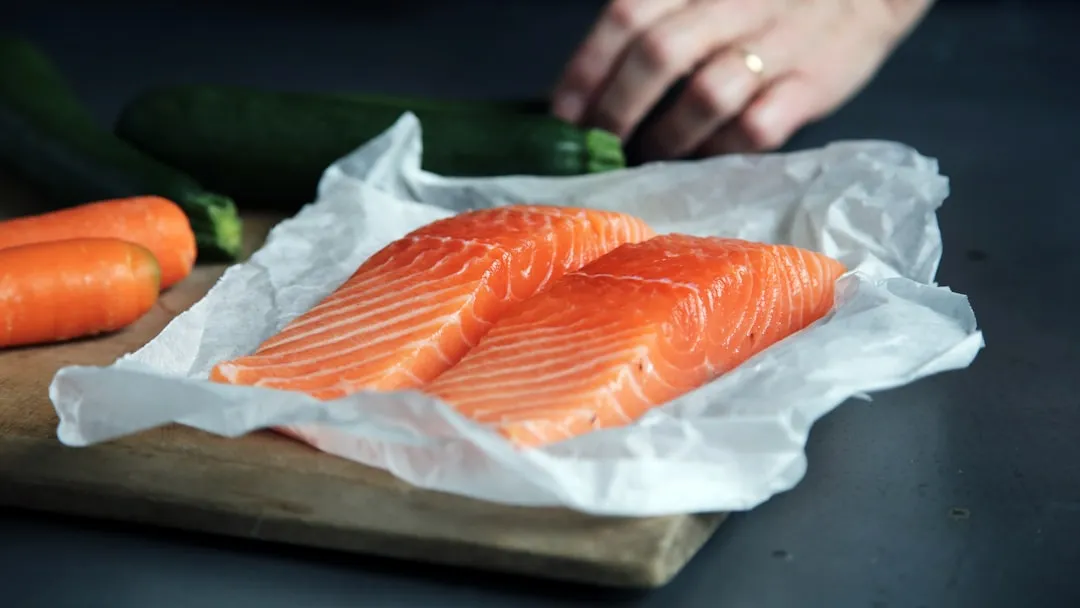
Fatty fish like salmon, mackerel, and sardines are rich in the anti-inflammatory fatty acids eicosapentaenoic acid (EPA) and docosahexaenoic acid (DHA). These long-chain omega-3s work at a cellular level, not just on a single pathway.
Umbrella meta-analyses of randomized controlled trials show meaningful drops in key inflammatory markers, including CRP, TNF-alpha, and IL-6, following consistent omega-3 intake. That covers multiple markers simultaneously, which is a broad effect by any standard.
Fatty fish such as salmon, sardines, mackerel, herring, and anchovies provide approximately 2 to 2.5 grams of EPA and DHA per three-ounce cooked serving, and the American Heart Association recommends aiming for two to three servings per week. Studies have shown that a diet high in fatty fish may help reduce inflammation in people at high risk of heart disease and may also protect against inflammation-driven diseases like certain cancers.
2. Blueberries: The Color Is the Medicine
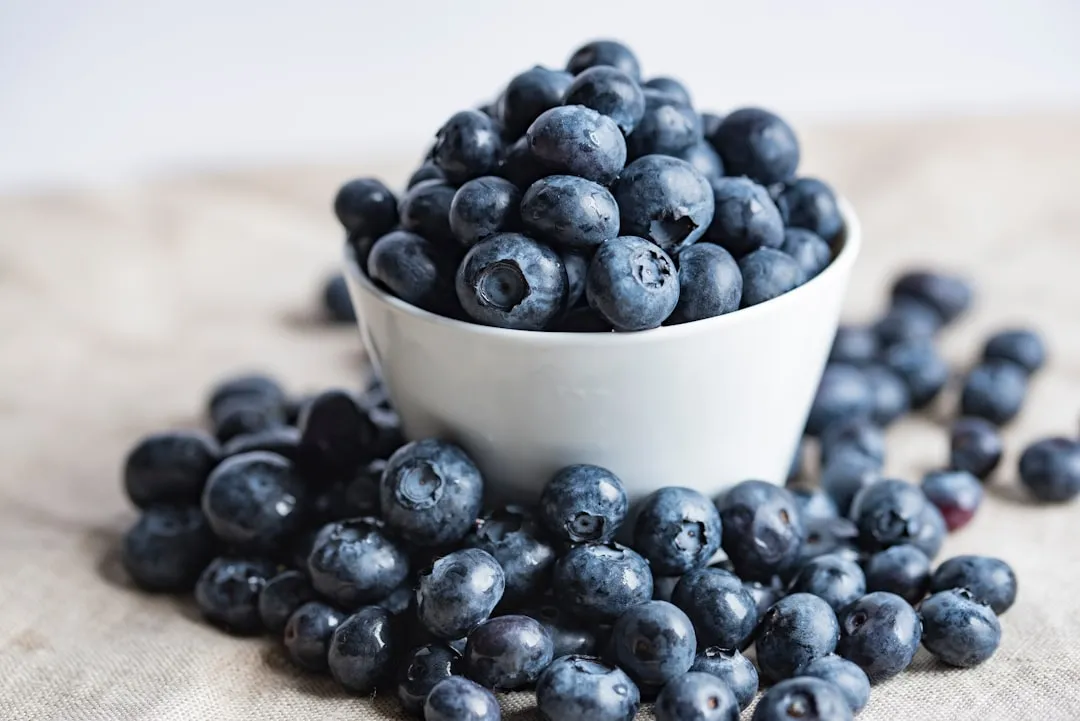
The deep indigo of a blueberry and the near-black of a blackberry owe their color to anthocyanins, and that pigment is the anti-inflammatory compound itself. It’s not a coincidence. The color and the benefit are chemically the same thing.
Research found that participants who consumed one cup of blueberries daily for six months showed marked improvements in endothelial function, cholesterol concentrations, and systemic arterial stiffness. Those are meaningful cardiovascular outcomes, not just lab-level signals.
The antioxidants in brightly colored fruits and vegetables may lessen the effect of free radicals, which damage cells and promote inflammation. Frozen berries retain their anti-inflammatory properties and work well as a convenient alternative to fresh, especially out of season.
3. Extra Virgin Olive Oil: The Ibuprofen of Foods

Extra virgin olive oil, a cornerstone of the Mediterranean diet, contains oleocanthal, a phenolic compound that works similarly to ibuprofen in reducing inflammation. That’s a striking comparison, and it’s one researchers take seriously.
The effect of oleocanthal has been compared to anti-inflammatory drugs like ibuprofen, and extra virgin olive oil has greater anti-inflammatory benefits than refined olive oils. The quality of the oil genuinely matters here, so a peppery, high-quality bottle is worth the extra cost.
A 2025 meta-analysis of 33 randomized controlled trials confirmed that the Mediterranean dietary pattern, with olive oil at its core, significantly reduces CRP, IL-6, and IL-17. Established indexes based on the Mediterranean diet demonstrated inverse associations with several inflammatory biomarkers across diverse populations.
4. Broccoli and Broccoli Sprouts: The Cellular Defense Activator
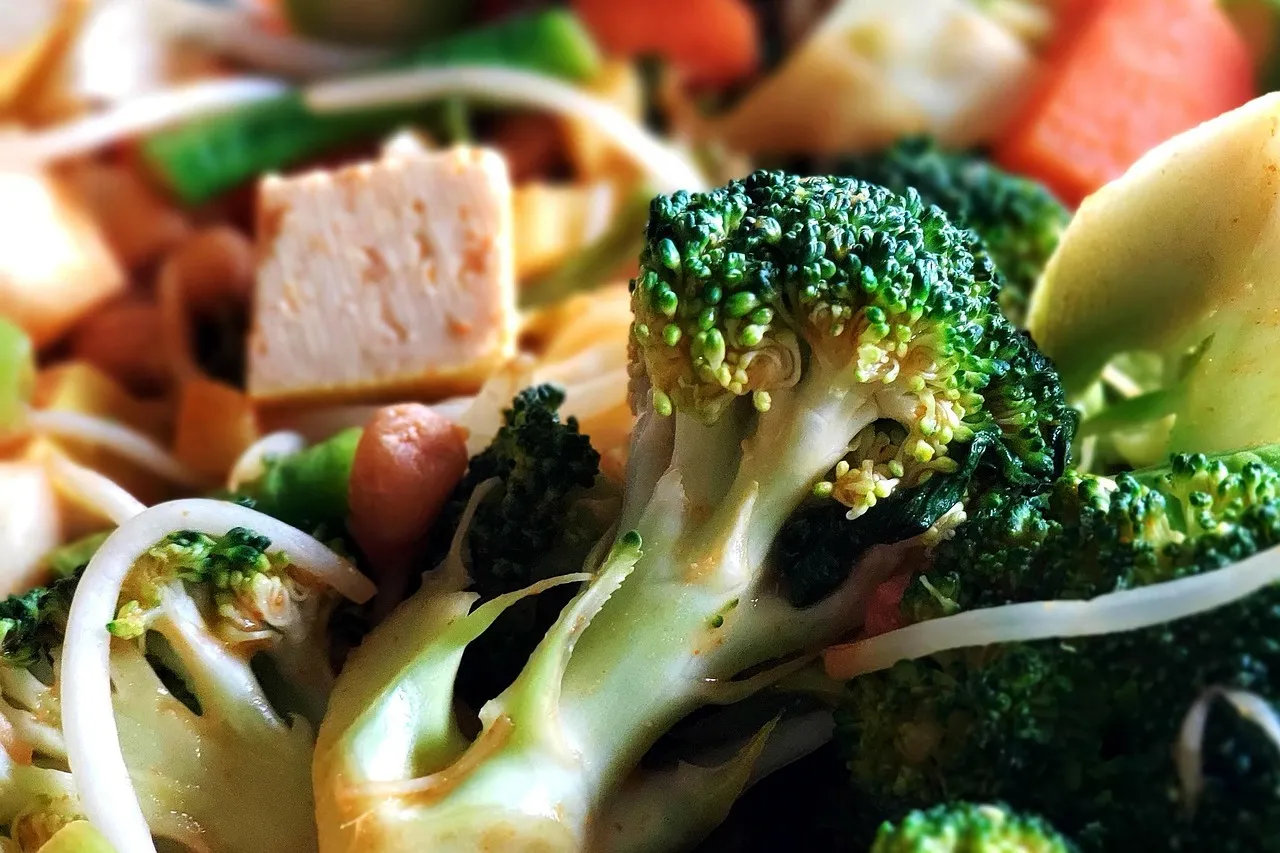
Among the many plant-derived antioxidants, sulforaphane has emerged as a potent phytochemical in recent literature for sustaining health and combating cancerous, inflammatory, and neurodegenerative diseases. Broccoli is its best known food source, with sprouts containing the highest concentrations.
Cruciferous vegetables contain sulforaphane, an isothiocyanate released when you chop or chew them. Sulforaphane activates the Nrf2 pathway, a built-in defense system inside your cells that turns on antioxidant genes and lowers oxidative stress at the cellular level.
A clinical trial published in Clinical Nutrition found that participants consuming 30 grams of broccoli sprouts daily for 10 weeks experienced significant reductions in IL-6 and CRP levels. Lightly steaming broccoli for three to four minutes maximizes sulforaphane availability, while overcooking can destroy it.
5. Walnuts: Small Handful, Broad Benefits
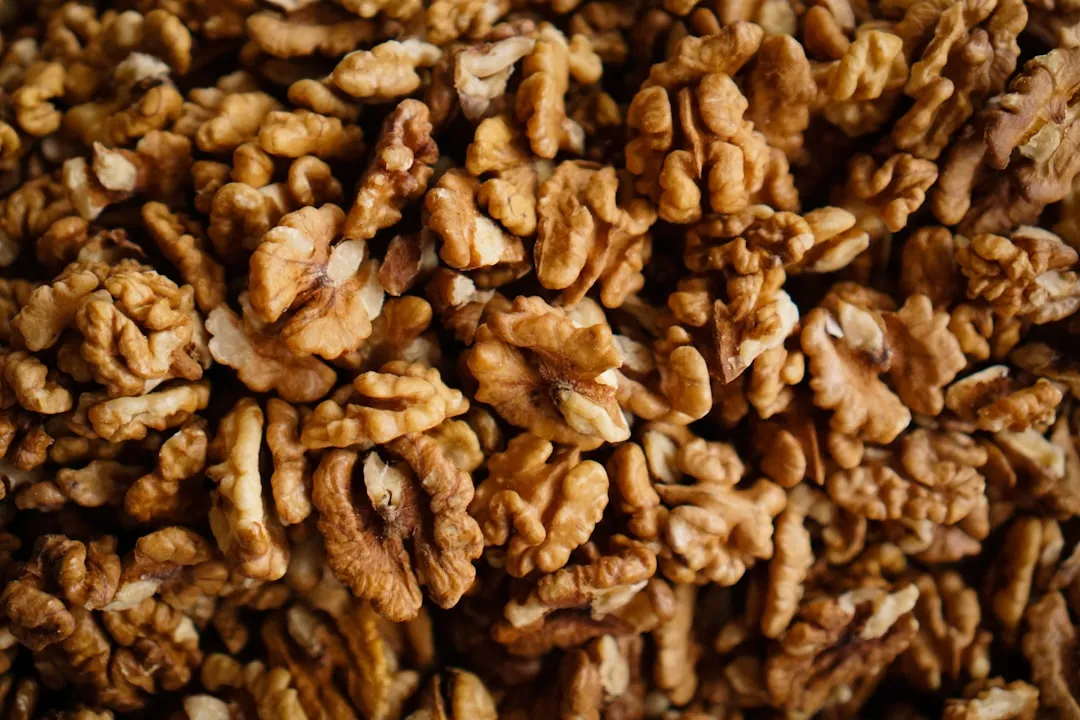
Walnuts contain a remarkable array of natural constituents, including polyunsaturated fatty acids such as alpha-linolenic acid, tocopherols, antioxidant polyphenols including ellagitannins, and prebiotic fiber. Few single foods cover so many anti-inflammatory bases at once.
Many of the beneficial properties of walnuts are mediated both directly and indirectly via their actions on the gut microbiome, with powerful effects observed on the immune system. Several urolithins produced from walnut’s ellagitannins, including urolithin A, reportedly have potent anti-inflammatory properties.
Research revealed that walnut-enriched diets had statistically significant decreasing effects on triglycerides, total cholesterol, and LDL cholesterol concentrations, as well as beneficial effects on some inflammatory markers. Among all nuts, walnuts lead the pack in omega-3 content.
6. Dark Chocolate: Inflammation Has a Sweet Enemy
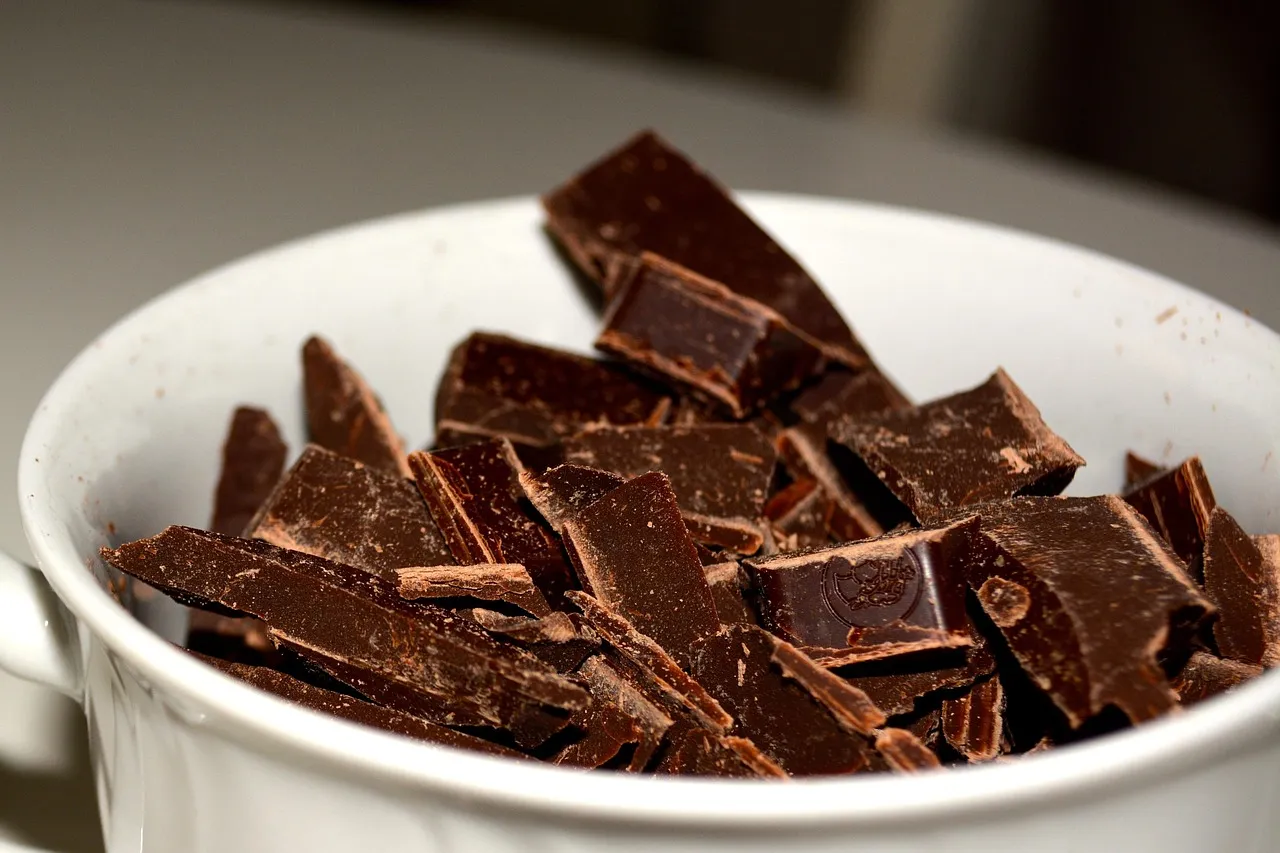
Dark chocolate and cocoa, as a rich source of polyphenols like flavonoids, have anti-inflammatory and antioxidant properties that may confer health benefits. This has been tested systematically, not just theorized.
Dark chocolate, particularly varieties with at least 75 percent cocoa, contains flavonols, polyphenols, and anthocyanins, compounds linked to improved brain function, heart health, and gut microbiome support. Studies suggest it may have roughly three times the antioxidant activity of milk chocolate.
A systematic review and dose-response meta-analysis examined the effects of dark chocolate and cocoa on oxidative stress and inflammation biomarkers in adults, including CRP, IL-6, TNF-alpha, and other markers. Studies also suggest that eating just one to two small squares of dark chocolate daily lowers your risk of heart disease and mortality.
7. Leafy Greens: The Most Nutrient-Dense Option on the Planet
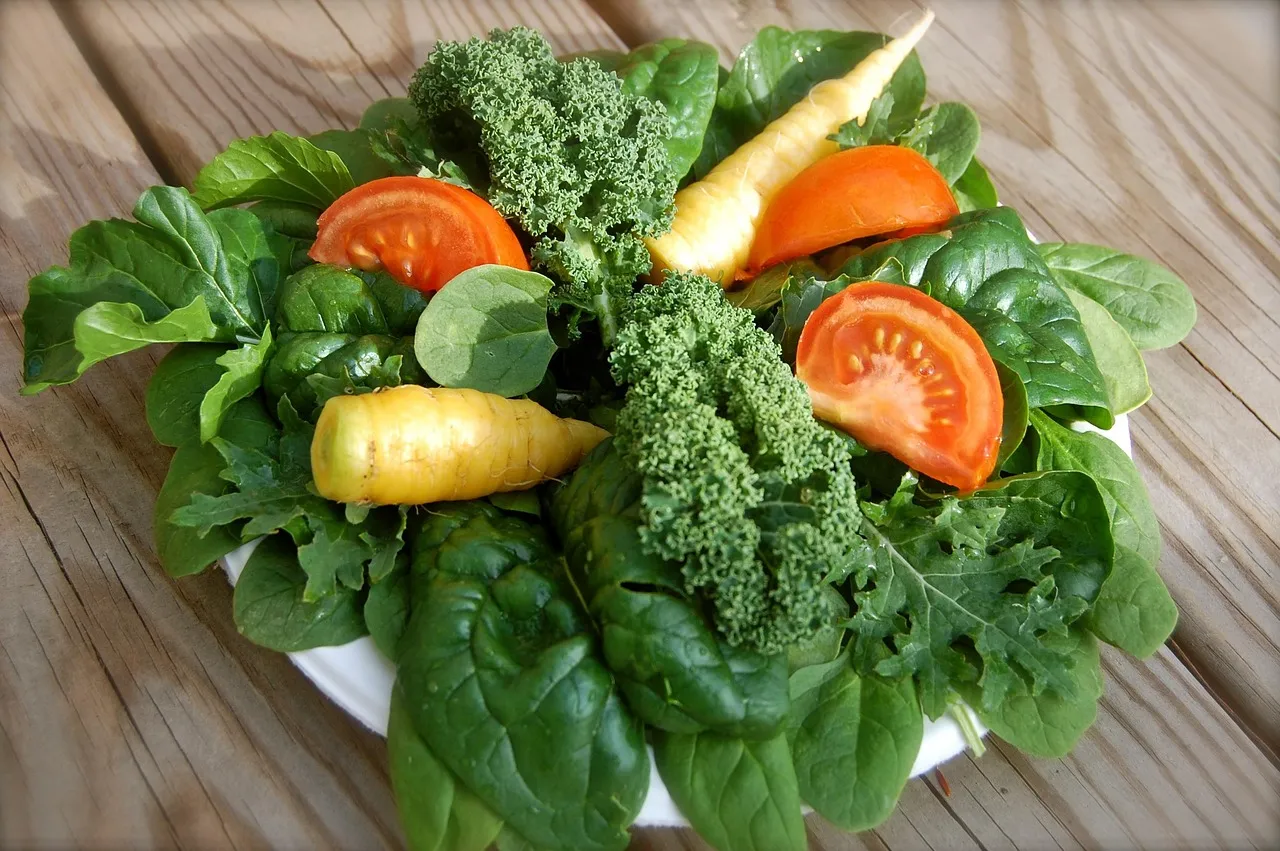
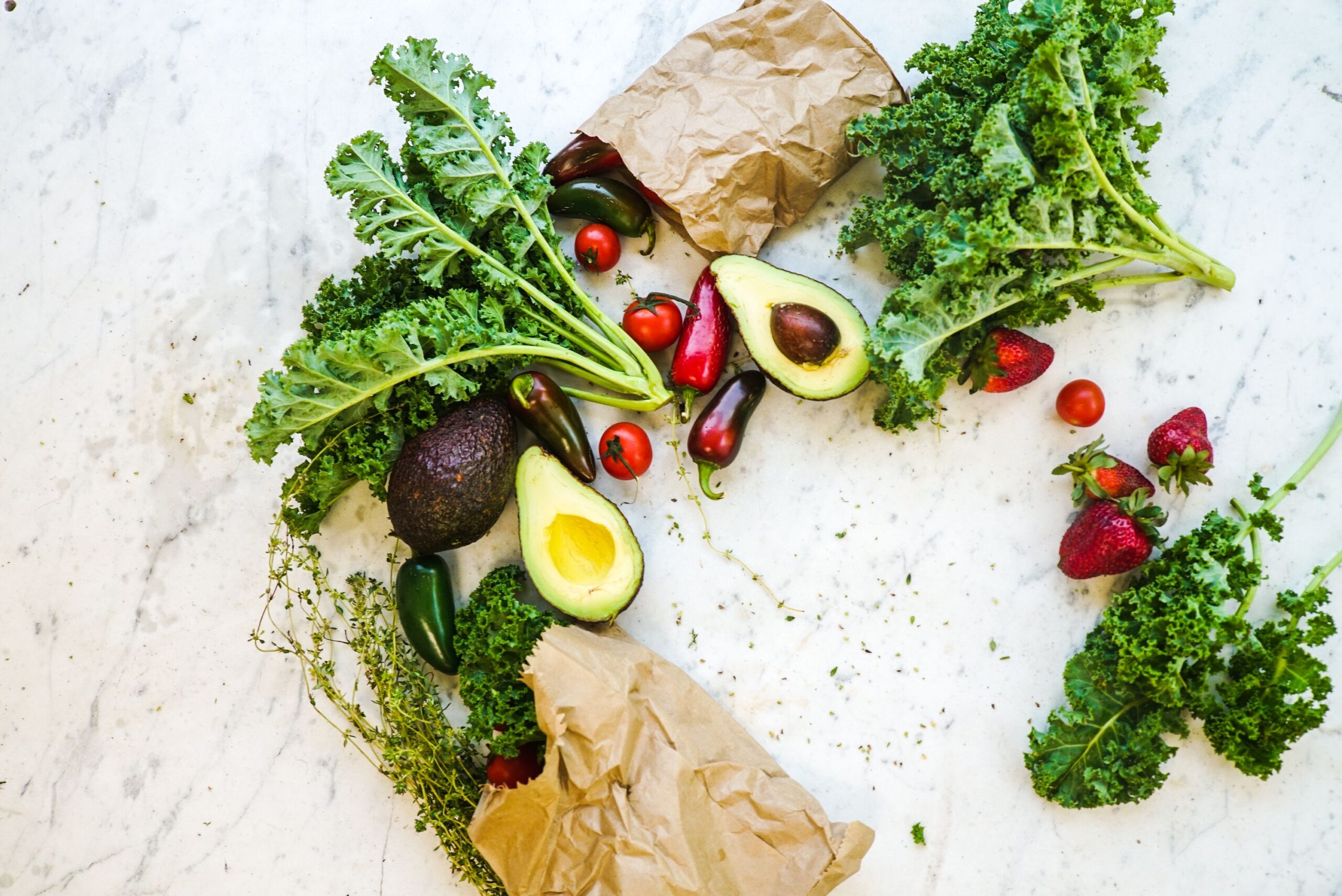
Dark leafy greens are among the most nutrient-dense foods per calorie. Spinach and kale are rich in the flavonoid kaempferol, which has been shown to block the production of inflammatory cytokines in cell studies.
Cruciferous leafy vegetables contain sulforaphane, which activates the body’s master antioxidant defense system while suppressing NF-kB. These vegetables also deliver magnesium, a mineral with direct anti-inflammatory effects, and population studies consistently link higher magnesium intake with lower CRP levels.
Key dietary components showing potential benefits across mental and neurodegenerative conditions include fruits and vegetables, especially berries and leafy greens, whole grains, legumes, fatty fish rich in omega-3, nuts particularly walnuts, olive oil, and fermented foods. These foods are generally rich in antioxidants, dietary fiber, and bioactive compounds that may help modulate inflammation, support gut health, and promote neuroprotection.
The Bigger Picture: Why Variety Wins
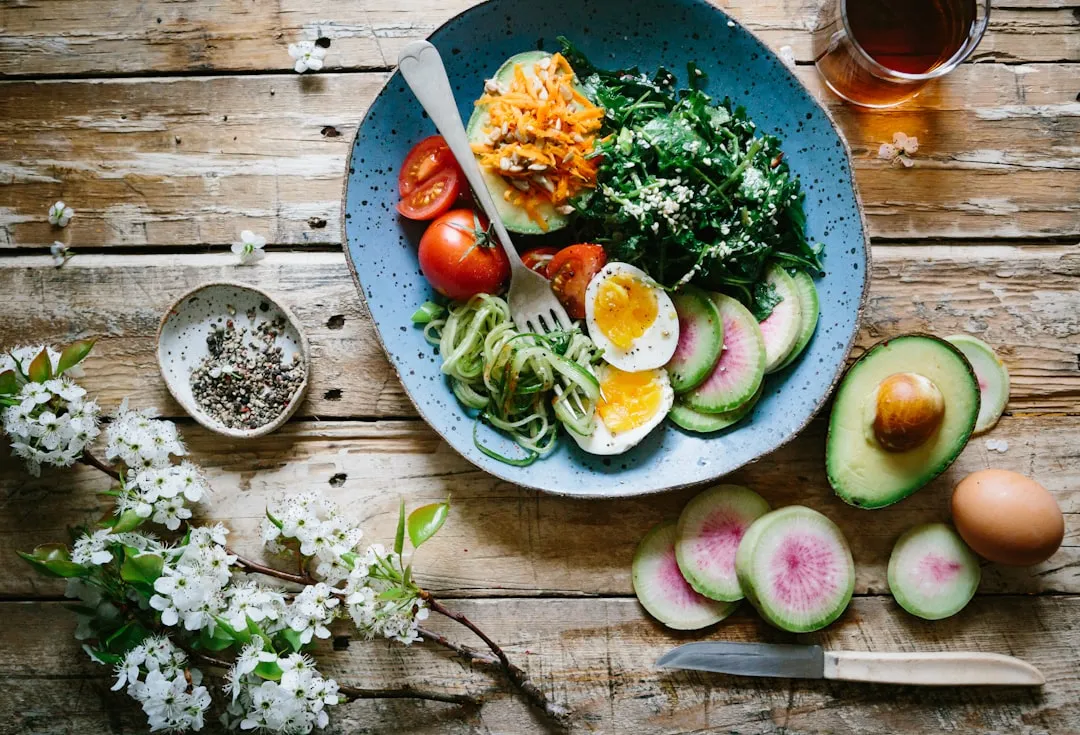
Research shows specific dietary patterns can lower inflammation markers in the body within weeks, with certain whole foods like fatty fish and berries demonstrating the strongest anti-inflammatory effects, while ultra-processed foods consistently trigger inflammatory responses.
Foods rich in omega-3 fatty acids, antioxidants, and polyphenols have been shown to reduce the expression of pro-inflammatory genes and decrease circulating levels of inflammatory biomarkers. This is a pattern-wide effect, meaning the benefit comes from consistent dietary habits rather than any one “superfood.”
Foods like fatty fish, olive oil, berries, and leafy greens have strong evidence supporting their anti-inflammatory effects and their ability to protect against chronic inflammatory diseases. For the greatest benefit, aim to include a variety of anti-inflammatory foods in your diet to reduce inflammation and promote overall health.
Final Thoughts
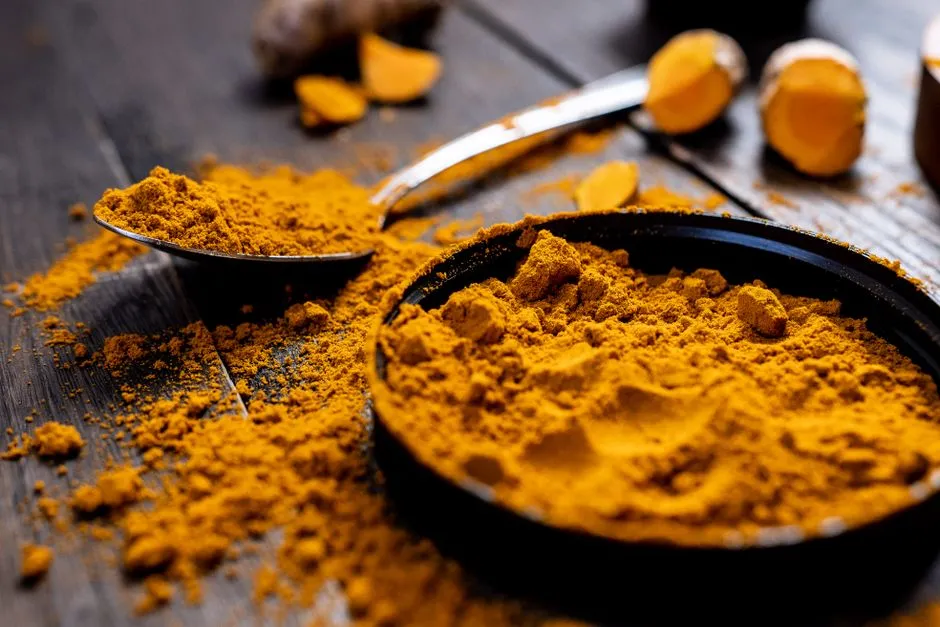
Turmeric is genuinely useful, and there’s nothing wrong with putting it in your food. The broader point here is that inflammation is too complex an issue to fight with a single spice. The foods covered in this article work through multiple mechanisms simultaneously, from activating cellular defense pathways to reshaping the gut microbiome to dampening cytokine signaling.
The best anti-inflammatory strategy isn’t a supplement stack or a magic ingredient. It’s a plate that looks varied, colorful, and mostly unprocessed, eaten consistently over time. The science supports that eating patterns rich in whole, unprocessed foods help fight chronic inflammation. That’s a practical takeaway anyone can act on, starting at the next grocery run.
AI Disclaimer: This article was created with the assistance of AI tools and reviewed by a human editor.