

1. Antique Jewelry Hidden in Boxes and Drawers
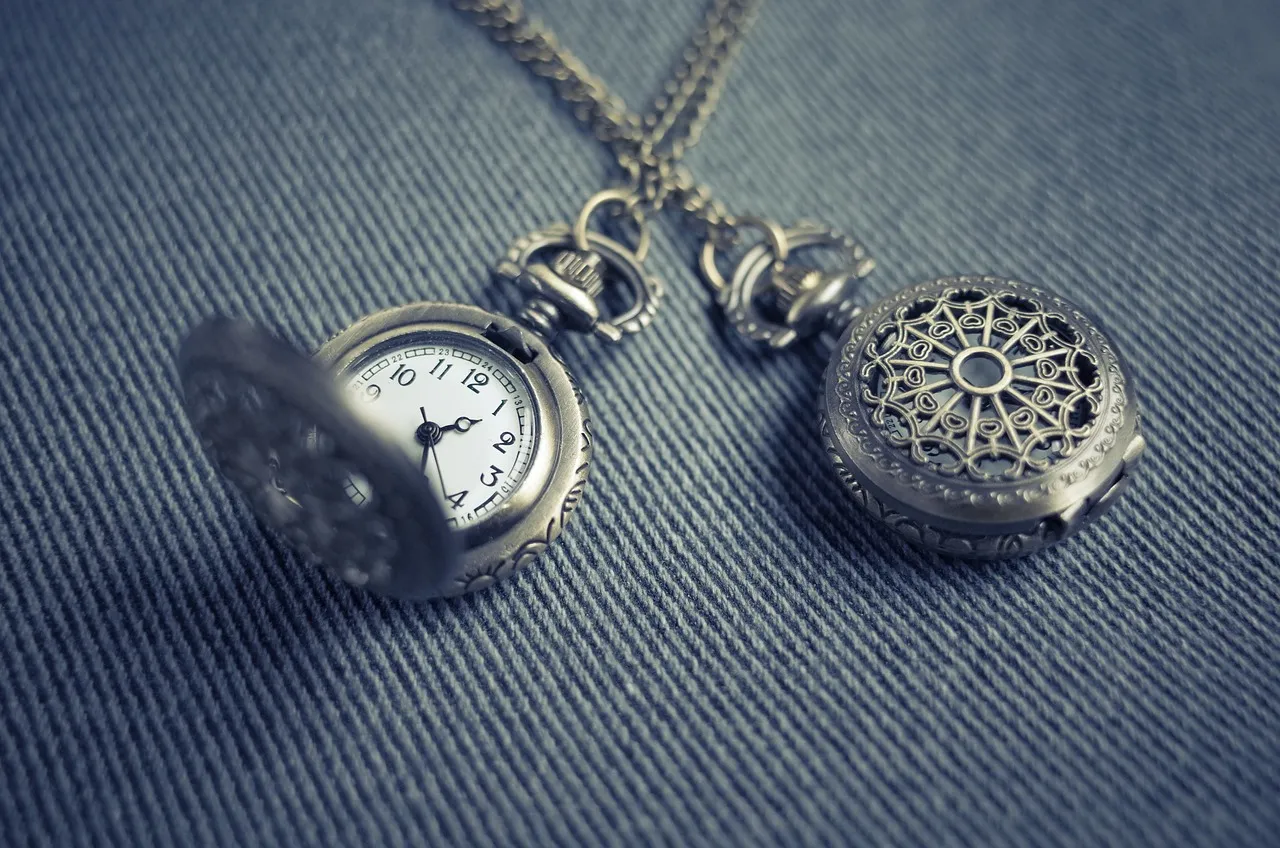
Old rings, brooches, and necklaces are probably the most routinely underestimated heirlooms of all. They get tossed into boxes alongside costume pieces and treated the same way. The reality is quite different.
Unlike modern jewelry, antique pieces can’t be valued by a quick online search or a simple carat count. Their worth comes from a blend of factors: craftsmanship, age, rarity, condition, provenance, and market demand.
Jewelry is typically considered antique if it is over 100 years old. Pieces from specific eras such as the Victorian, Edwardian, and Art Deco periods often carry higher value due to their historical importance. A maker’s mark on the inside of a band, or a hallmark on a clasp, can change everything. A signed antique piece from a recognized jeweler can sell for two to five times more than an unsigned piece.
The jewelry appraisal market is forecast to increase by over two billion dollars at a compound annual growth rate of nearly ten percent between 2024 and 2029, which reflects just how many people are finally paying attention to what they’ve inherited.
2. Old Paintings and Artwork Passed Down Through Generations

That large, slightly gloomy landscape painting sitting in someone’s attic is easy to overlook. It’s dusty, it’s dark, and nobody knows who painted it. That uncertainty, though, cuts both ways.
Paintings by celebrated artists will take the highest prices at auction and hold their value. For these pieces, condition, provenance – meaning a paper trail of ownership – and authenticity matter most. Even a painting without a signature can have value, though it may be harder to establish.
Across appraisals where authenticity was the open question, the spread between an as-is valuation and a fully authenticated valuation runs a median of ten times, and can go as high as two hundred times or more for the most disputed items. That gap makes professional authentication far more than a formality.
Identifying the maker of a piece can increase value by two hundred to five hundred percent. A painting that looks ordinary to an untrained eye might carry a signature in faded script in a corner that nobody checked.
3. Antique Furniture Sitting Unused in a Spare Room
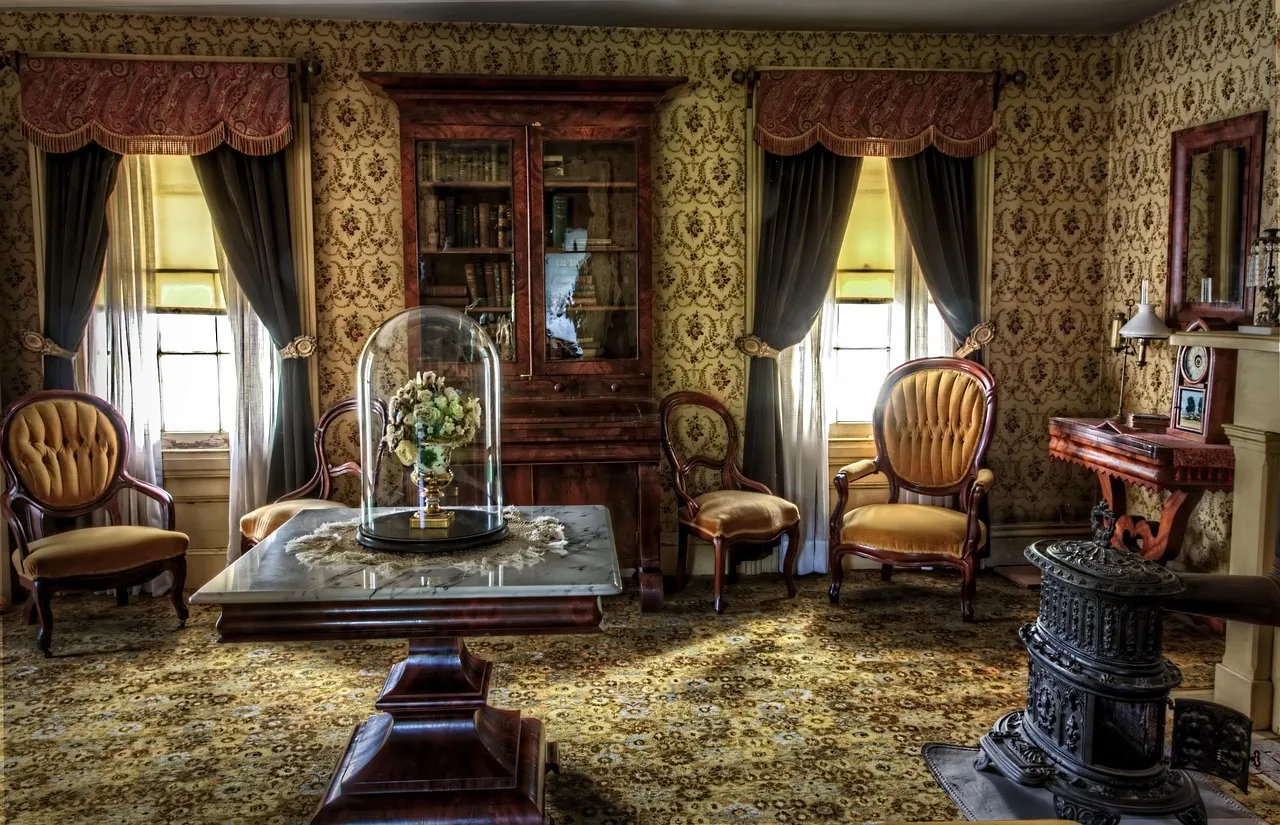
Old furniture is heavy, awkward, and often considered outdated. Families sell it for next to nothing at estate sales all the time, unaware of what they’re actually letting go.
Current market trends dramatically affect value, and hot categories right now include Mid-Century Modern furniture, vintage watches, and Asian antiques. Knowing what’s trending in the collector market matters more than most people realize.
A piece of furniture by a known maker like Chippendale or Stickley can be worth ten to one hundred times more than a similar unmarked piece. A genuine Gustav Stickley armchair or settle with the red decal mark can bring between fifteen hundred and eight thousand dollars, while unmarked copies in the same style sell for a few hundred. Checking the joinery and the mark matters, since reproductions flooded the market in the 1990s.
Original finish adds roughly thirty to fifty percent to the value of antique furniture. Refinishing usually reduces value significantly. Collectors prize original finish, patina, and surfaces. Professional restoration is sometimes acceptable, but amateur refinishing almost always reduces value. When in doubt, leave it as-is.
4. Vintage Watches Tucked Away in Dresser Drawers
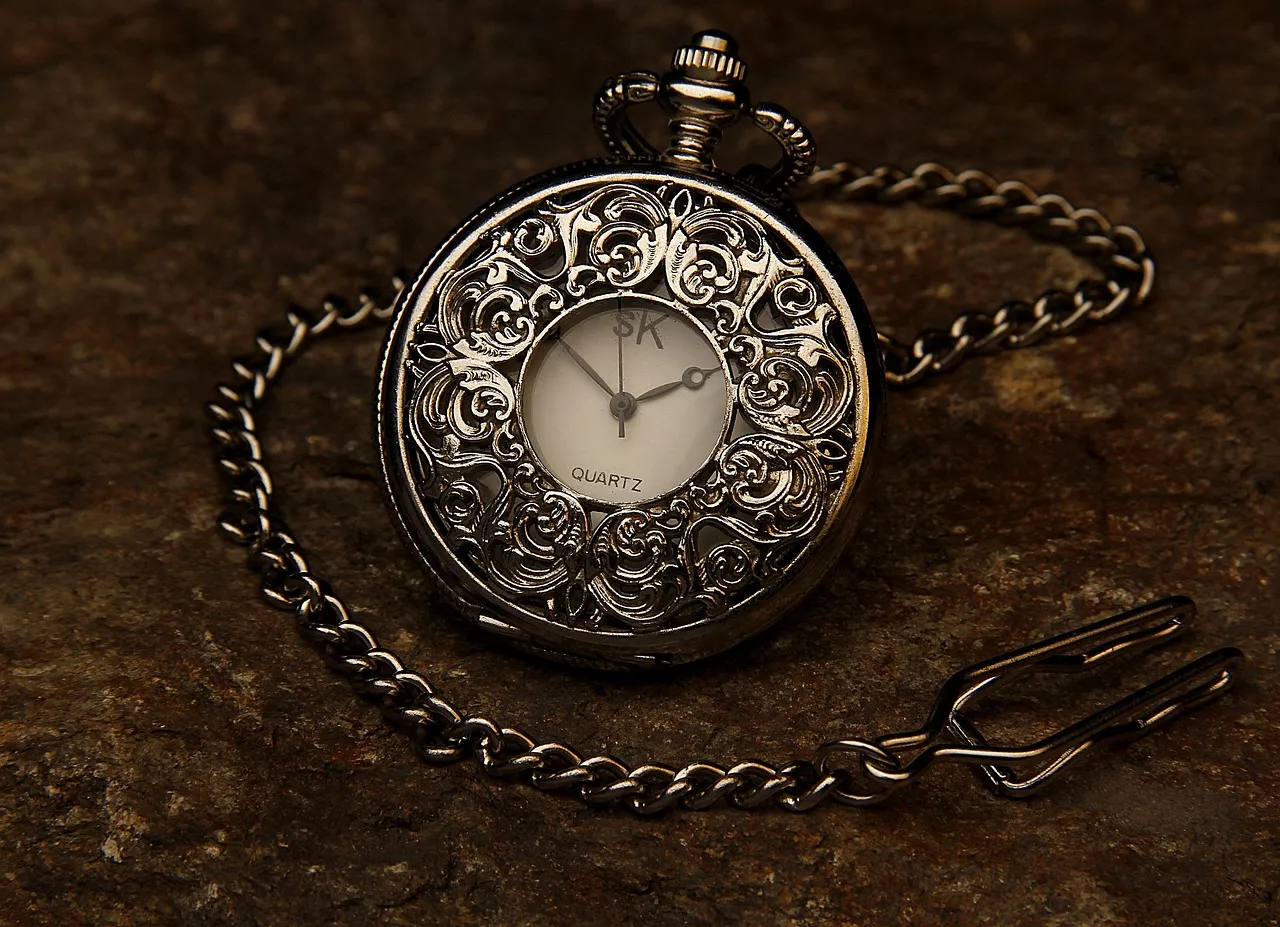
A grandfather’s old watch, sitting in a velvet box that hasn’t been opened in decades, might seem more sentimental than valuable. Sometimes that’s true. Often, it isn’t.
Vintage watches are currently one of the hottest categories in the antique and collectible market. Brands, movements, and condition drive prices to levels that genuinely surprise families. The difference between a common mass-produced watch and a signed movement from a respected maker can be thousands of dollars.
The smartest way to get an accurate estimation for a piece that may be an heirloom is to hire an experienced appraiser. Experts have the first-hand knowledge, industry sources, and tools needed to determine what a piece is worth. For watches specifically, the movement inside the case matters just as much as the exterior, and only a trained eye can read it properly.
A certified appraiser will assess the item’s weight, material, craftsmanship, and condition. For jewelry and watches alike, the appraisal considers not just the metal’s purity but also design and brand names. Value also fluctuates based on the current market price of the metal or material, since gold and silver prices change regularly.
5. Old Coins and Paper Currency Found in Envelopes or Tins
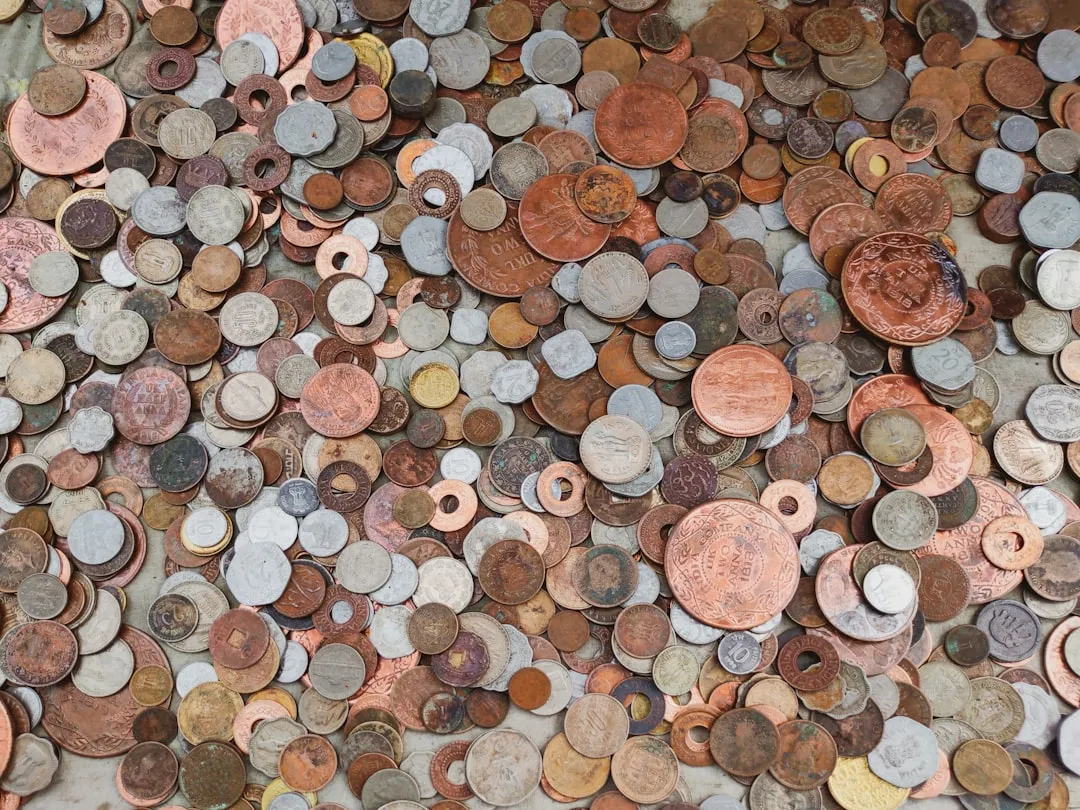
Coins found in a grandfather’s cigar box or old bills tucked inside an envelope at the back of a drawer get treated as curiosities rather than assets. That’s a reasonable default. It’s also frequently wrong.
Consider that a US Red Seal $1,000 note printed in 1891 carries a face value of $1,000. An appraiser assessed one such note’s market value at more than $2.5 million, which the seller then auctioned. That is an extreme example, but it illustrates the point clearly enough.
Estate planning appraisals for personal property serve as professional assessments that establish fair market value while creating a detailed record that includes current market conditions, item condition, historical significance, provenance documentation, and comparable sales data. For rare currency and coins, that documentation is essential before any decision about selling or donating.
Start by identifying the maker and reading any marks, then compare against recorded sale prices rather than asking prices. Sites like WorthPoint and Kovel’s archive completed sales, which reflect what buyers truly paid. For anything beyond basic face value, a certified numismatist is the right professional to call.
6. Silver Flatware and Decorative Silverware Sets
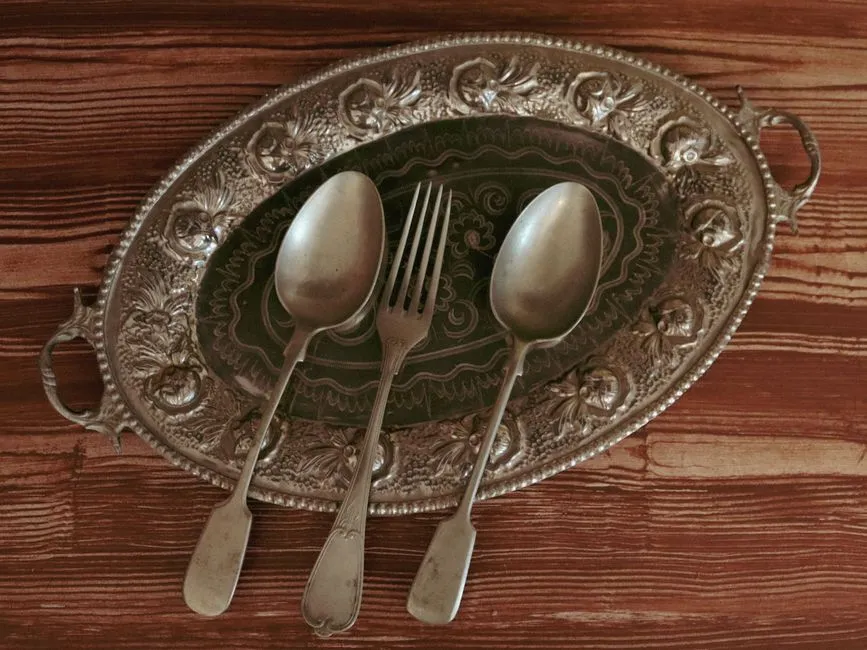
Silver sets are one of the most commonly dismissed categories of family heirloom. They’re heavy, they tarnish, they’re impractical to use, and most families assume nobody wants them. That thinking leads to a lot of hasty selling at a fraction of real value.
A certified appraiser assesses the item’s weight, material, and craftsmanship. For silver pieces, the appraisal considers metal purity, design, and any notable maker marks. Sterling silver has a clear intrinsic value tied to metal weight, but maker marks and historical provenance can push that number significantly higher.
Appraisers identify subtle features like rare hallmarks or hand-cut stones that can dramatically increase value. The same principle applies to silverware. A hallmark from a renowned English silversmith, or a piece from a recognizable historical period, carries worth well beyond the melt value of the metal itself.
Antique dealers usually have significant skill estimating the value of family heirlooms from the experience of buying and selling, but for silver specifically, a dealer with a conflict of interest may not offer the most objective valuation. An independent certified appraiser is the safer starting point.
7. Old Clocks, Both Mantel and Grandfather Styles
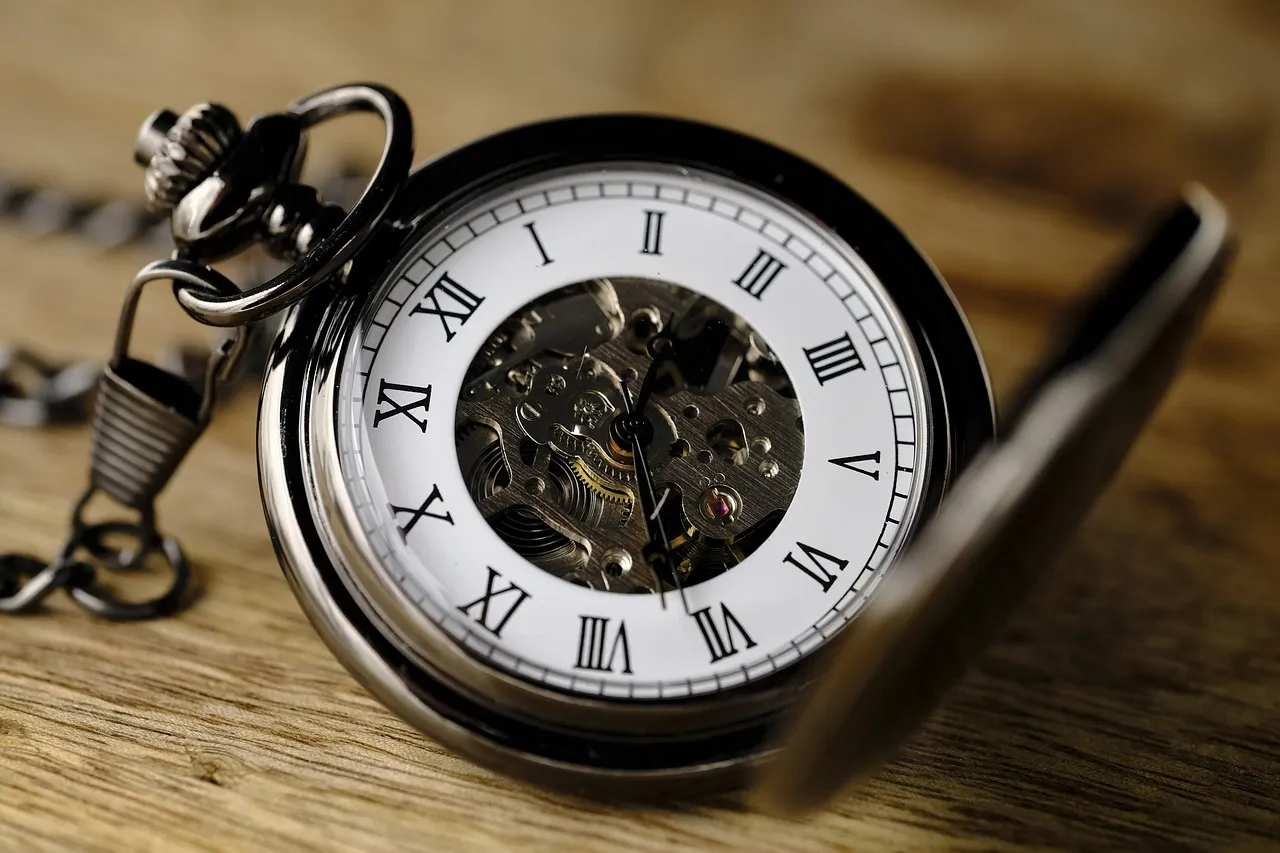
Clocks are bulky, often non-functional, and considered an aesthetic relic of another era. Families move them to garages, donate them, or sell them at estate sales for almost nothing. Some of those clocks deserve a second opinion.
Tall case clocks split sharply in value. A signed English or American eight-day movement in a figured case can bring between two thousand and six thousand dollars. A common twentieth-century chiming clock sells for three hundred to eight hundred dollars. The difference lies almost entirely in the maker and the movement inside.
A qualified appraiser conducts thorough research, physical examination, and market analysis to determine accurate values, producing a detailed record that includes current market conditions and comparable sales data. For clocks, that research often involves identifying the movement maker separately from the case maker, since both contribute independently to the final valuation.
Why “Junk” Is Often Just an Uninformed Opinion
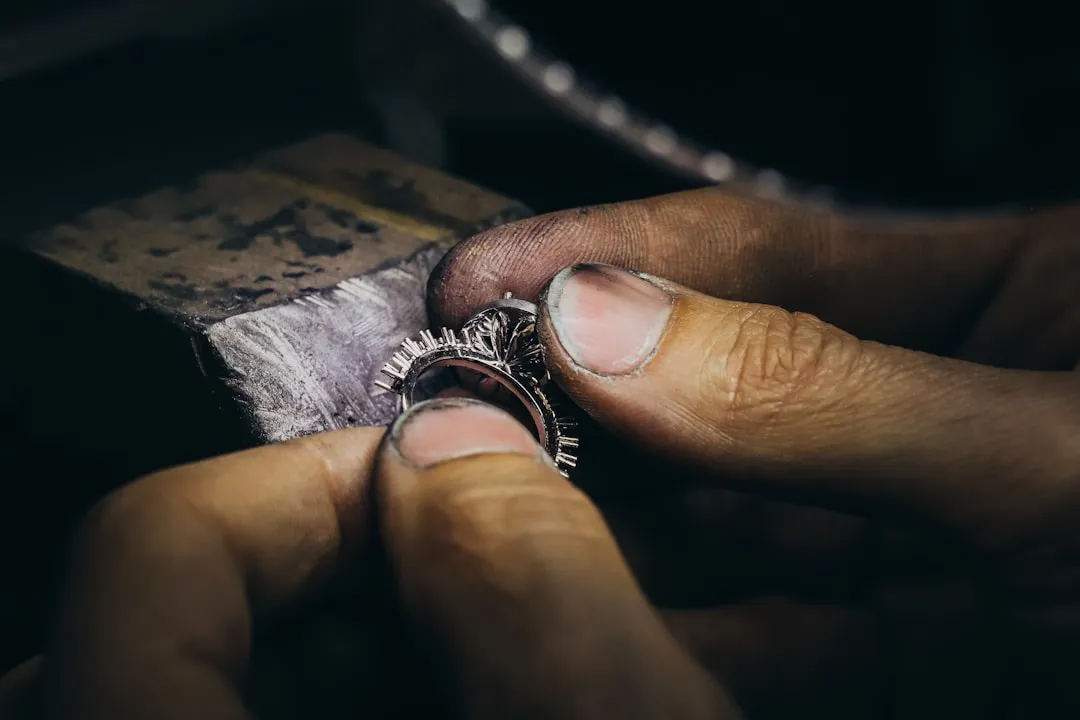
The word “junk” gets applied to heirlooms primarily because nobody in the family has any context for what they’re looking at. That’s not a moral failure. It’s just a knowledge gap, and it’s one that a single professional appraisal can close.
The unfortunate truth is that heirloom items of personal sentiment can seem much more or much less valuable than an appraisal or sale will return. It’s worth considering what someone else would be likely to pay, or how much you would have to pay for a similar item if you wanted to replace it.
Unlike a straightforward retail replacement appraisal, an heirloom valuation must navigate the intersection of objective market data and the documented personal history that accompanies the object. The resulting report typically provides formally defined value conclusions, while simultaneously recording provenance, condition history, and any period-specific manufacturing details.
Over sixty-eight percent of high-value jewelry owners in the U.S. have never had their pieces professionally appraised, which hints at how widespread this gap really is across all categories of personal property.
What Happens When You Skip the Appraisal
Skipping a professional appraisal isn’t just a missed opportunity. It can have real financial, legal, and tax consequences, particularly in an estate context.
Professional appraisals create a clear record of an item’s authenticity, condition, and market value. Without that record, families making decisions about selling, donating, insuring, or distributing property are working blind. That’s especially problematic when more than one family member has a stake in the outcome.
If the value of an item exceeds five thousand dollars, IRS form 8283 Section B applies, and the appraiser handling the valuation must be qualified to sign it. Getting that wrong during estate administration creates problems that are far more expensive to fix than the appraisal itself would have been.
Market prices shift meaningfully over time. Diamond prices moved downward in early 2024, while untreated Kashmir sapphires rose notably year-over-year. That’s why insurers typically require reappraisals every two to three years.
How to Find a Trustworthy Appraiser

Not every person who offers to value your belongings is actually qualified to do so. Knowing what to look for protects you from both lowball offers and inflated estimates that serve someone else’s interests.
Personal property appraisers are impartial parties, so you’re more likely to receive an accurate assessment compared to going directly to a dealer or a buyer who has a financial stake in the outcome. Look for appraisers affiliated with recognized professional bodies such as the International Society of Appraisers (ISA) or the American Society of Appraisers (ASA).
A single-item written appraisal typically costs between fifty and three hundred dollars, while hourly rates for complex or rare items generally run between one hundred and three hundred dollars per hour. Full estate or collection appraisals can range from three hundred dollars to over three thousand dollars. That cost is almost always worth it before making any irreversible decision.
Some people choose to do online research to determine a fair market value, but this choice can be risky. Certain factors that determine a piece’s current worth require appraisal expertise to read correctly. Online tools and databases also require users to already understand appraisal data to receive an accurate assessment. For anything you genuinely suspect has value, skip the shortcut and hire a professional.
The Takeaway
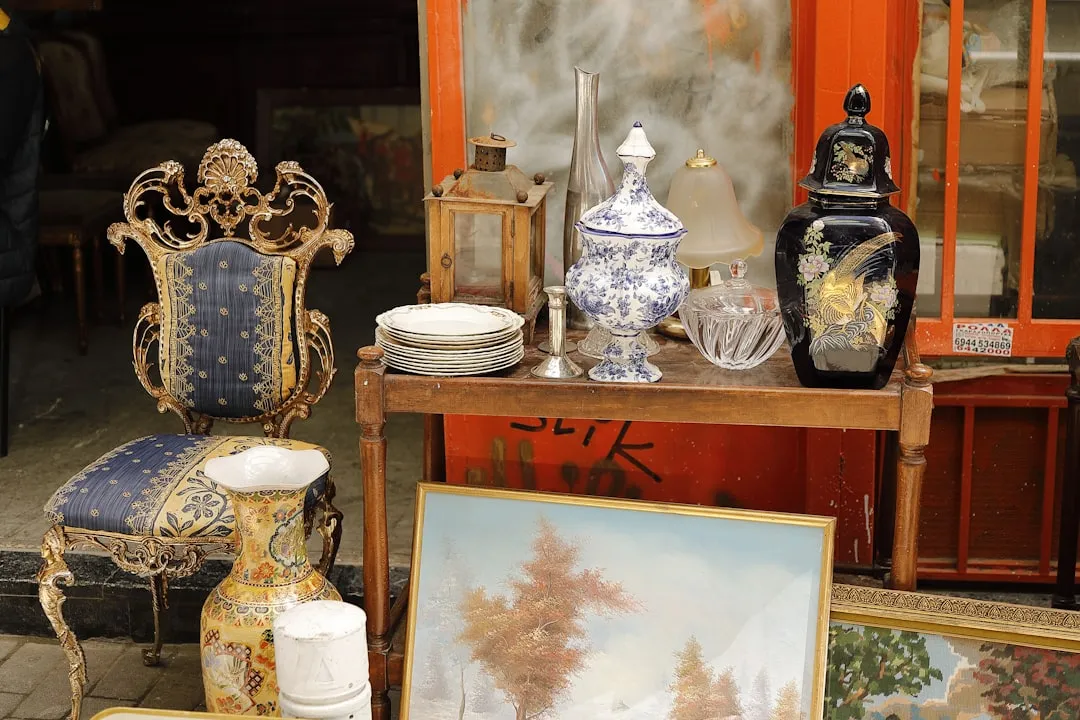
The things our families kept were not always kept by accident. Sometimes objects survive through generations simply because someone thought they were worth holding onto, without ever knowing exactly why.
A professional appraisal costs a fraction of what a single misidentified piece could be worth, and the information it provides is useful regardless of what you decide to do afterward. Whether you sell, insure, donate, or simply keep the piece with a clearer sense of its history, you’re better positioned for having asked.
The real risk isn’t spending a few hundred dollars on an appraisal. It’s selling something significant for thirty dollars at an estate sale because nobody stopped to check. That particular mistake is permanent, and it happens more often than most people realize.
AI Disclaimer: This article was created with the assistance of AI tools and reviewed by a human editor.