
Which are the best fall vegetables for California gardens? Fall vegetable gardening in California offers several advantages that make it an attractive option for gardeners looking to extend their growing season and enjoy fresh produce throughout the year. The mild climate found in many regions of California allows for a wide variety of cool-season vegetables to be grown during the fall months, including leafy greens, root vegetables, and brassicas.
These vegetables often develop sweeter flavors and improved textures as they are exposed to cooler temperatures and even light frosts. Fall gardening also helps to maintain soil health and structure by preventing erosion and providing natural organic matter as plants decompose.
Additionally, fall vegetable gardens can attract and support beneficial insects and pollinators, promoting a healthier ecosystem within the garden. Finally, fall gardening reduces the need to rely on imported produce during the winter months, promoting self-sufficiency and a lower carbon footprint.
By taking advantage of California’s unique climate and planting fall vegetables, gardeners can enjoy the benefits of a year-round harvest, enhanced garden biodiversity, and a more sustainable approach to food production.
Additional Resource: Find Your California USDA Hardiness Zone
7 Fall Vegetables For California Gardens In The Autumn
California has a diverse climate, ranging from Mediterranean along the coast to desert in the south and cooler mountain climates in the east. However, many areas of California enjoy a mild climate that allows for year-round gardening. The following fall vegetables can be planted in various parts of California, but always consider your specific region’s climate and consult a local nursery or extension service for tailored advice:
- Leafy greens: Many leafy greens thrive in cooler temperatures, making them ideal for fall planting in California. Varieties such as lettuce, spinach, kale, Swiss chard, collard greens, and mustard greens can be sown in the fall for a late-season harvest or overwintering.
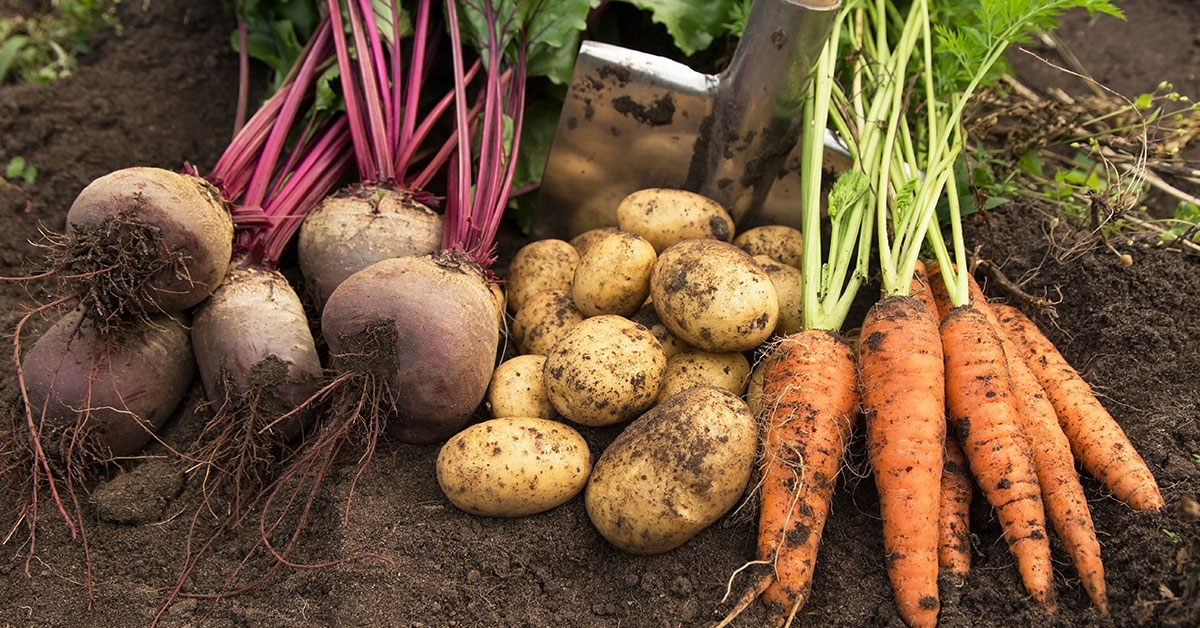
- Root vegetables: Fall is a great time to plant root vegetables such as carrots, beets, turnips, parsnips, and radishes. These cool-season crops can be harvested throughout the winter months in many parts of California.
- Brassicas: Brassicas, also known as cole crops, are a group of cool-season vegetables that include broccoli, cauliflower, cabbage, Brussels sprouts, and kohlrabi. These plants can be started from seed in late summer and transplanted in the fall for a winter harvest.
- Peas: Both snow peas and snap peas can be planted in the fall for a late-season harvest. In milder coastal areas, peas can even be grown throughout the winter months.
- Garlic and onions: Fall is the perfect time to plant garlic and onions in California. Garlic can be planted in October or November, and onions can be started from seeds, sets, or transplants in the fall for a harvest the following summer.
- Fava beans: Fava beans, also known as broad beans, can be planted in the fall for a spring harvest. They are a cool-season crop that thrives in the mild temperatures of California’s fall and winter months.
- Swiss chard: Swiss chard is a versatile leafy green that can be grown in both cool and warm temperatures. Plant Swiss chard in the fall for a harvest throughout the winter months in California.
When planting fall vegetables in California, it’s essential to consider the specific climate of your region and adjust planting times accordingly. In general, fall vegetables should be planted in late summer or early fall to ensure they have enough time to mature before the colder winter weather arrives. Utilize local resources and consult with a local nursery or extension service for the best advice on growing fall vegetables in your area.
Tips for Fall gardening in California
If you live in one of California’s milder climates, you’re one of the lucky ones. Growing vegetables in the fall in California can be a rewarding experience, providing a continuous supply of fresh produce when most people can’t grow anything! By following these tips, you can make the most of California’s mild climate and enjoy a successful fall vegetable garden:
Choose the right vegetables: Select cool-season vegetable varieties that are well-suited for the fall months in California. Popular choices include leafy greens such as lettuce, spinach, and kale; root vegetables like carrots, beets, and radishes; brassicas such as broccoli, cauliflower, and cabbage; peas; garlic and onions; and Swiss chard. Be sure to consult a local nursery or extension service for recommendations on the best varieties for your region.
Plant at the right time: Timing is crucial when planting a fall vegetable garden in California. Cool-season crops should be sown in late summer or early fall, allowing enough time for the plants to mature before winter sets in. In milder coastal areas, some vegetables can be grown throughout the winter months. Adjust planting times based on your specific region’s climate and the average first frost date.
Prepare the soil: Good soil preparation is essential for a successful fall vegetable garden. Remove any remnants of summer crops and weeds, then amend the soil with organic matter, such as compost or well-rotted manure, to improve fertility, soil structure, and water retention. Test the soil’s pH and nutrient levels, and make any necessary adjustments before planting your fall vegetables.
Water wisely: While fall temperatures in California are generally cooler than in the summer months, it’s still essential to provide consistent moisture for your vegetable garden. Water your plants in the early morning or late evening to minimize evaporation, and use drip irrigation systems or soaker hoses to deliver water directly to the plant roots. Monitor the soil moisture levels and adjust your watering schedule as needed.
Provide proper care and protection: As the weather cools down, be prepared to protect your fall vegetable garden from any unexpected frost or cold snaps. Use row covers, frost blankets, or cold frames to shield your plants from frost damage. Additionally, keep an eye out for pests and diseases, and employ integrated pest management strategies to maintain a healthy garden.
Utilize succession planting and intercropping: To maximize the productivity of your fall vegetable garden, consider using succession planting and intercropping techniques. Succession planting involves sowing crops at staggered intervals, ensuring a continuous harvest throughout the season. Intercropping involves growing different crops together in the same space, making the most of your garden’s square footage and promoting beneficial interactions between plants.
Harvest at the right time: Many cool-season vegetables can withstand light frosts, and some even develop sweeter flavors after exposure to cold temperatures. However, it’s essential to harvest your fall vegetables at their peak of ripeness for the best flavor and nutritional value. Regularly harvest your vegetables to encourage continued production and prevent plants from becoming overripe or bolting.
By following these tips and adjusting your gardening practices to suit California’s unique climate, you can successfully grow a variety of fall vegetables and enjoy the rewards of a year-round harvest. Fall vegetable gardening in California allows you to maintain a productive and sustainable garden, providing fresh, homegrown produce throughout the cooler months.