

1. Standard Cutlery → Built-Up Handle Utensils
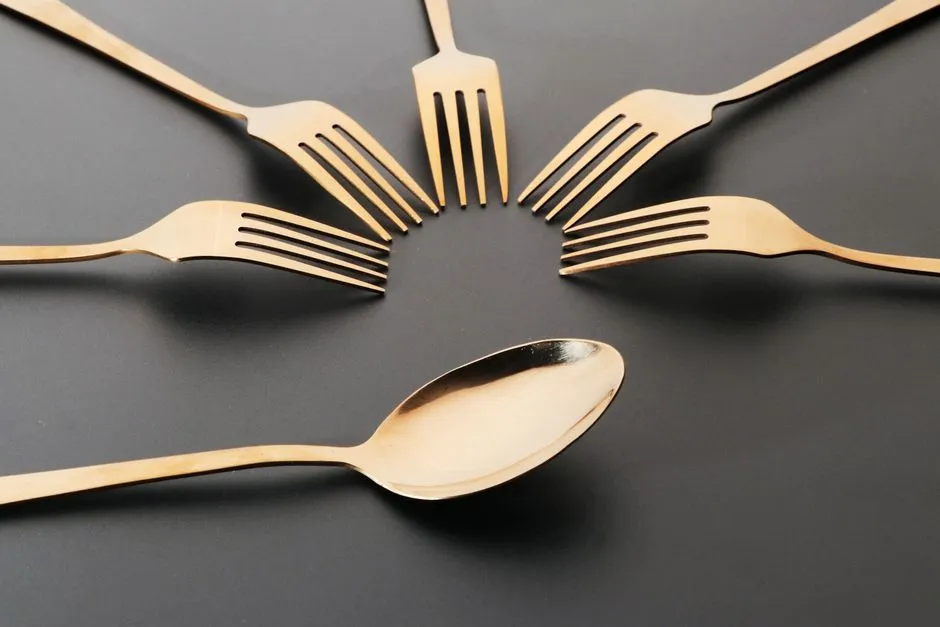
Instead of forcing the hand into a tight pinch position, a built-up handle utensil allows the fork, spoon, or knife to rest more naturally in the palm. This one change shifts the effort away from the fingertips, which are often the first to lose reliable grip, toward the broader, stronger surface of the hand.
Built-up utensils are commonly helpful for individuals with hand weakness, tremors, spasticity, or arthritis. Occupational therapists routinely recommend them as a first-line swap because they’re affordable, widely available, and immediately effective.
Many people compensate with standard cutlery by overusing smaller hand muscles, which over time creates more fatigue and frustration during meals. Switching to built-up handles removes that compensation pattern before it compounds.
2. Regular Scissors → Easy-Action (Spring-Loaded) Scissors
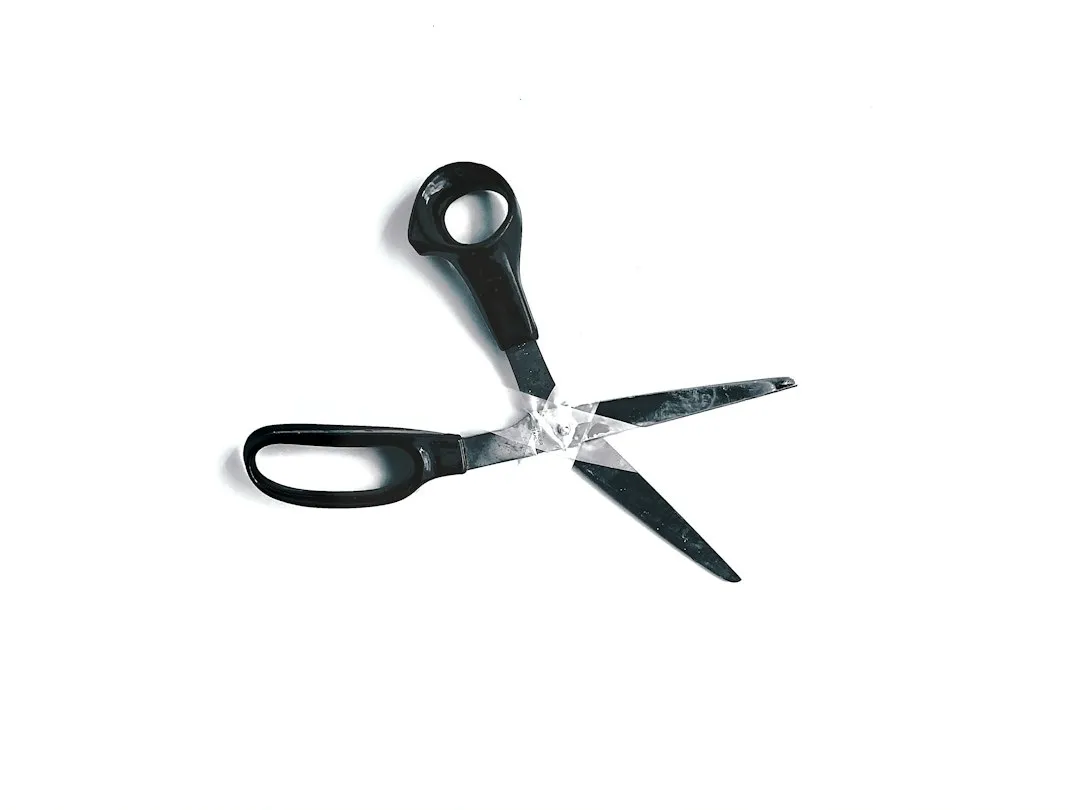
Easy-action scissors take pressure off the thumb and make it easier to cut and craft without pain, which matters especially for older adults who enjoy hobbies like sewing, wrapping gifts, or gardening prep. Standard scissors require both squeezing to close and muscular effort to reopen – a double demand that spring-loaded designs eliminate entirely.
Adaptive scissors are listed among the core tools recommended by occupational therapists for grip, reach, and manipulation support. The spring mechanism does the reopening work automatically, reducing the total force output needed over repeated cuts.
For someone managing early-stage arthritis or reduced finger dexterity, this is the kind of swap that keeps a hobby alive rather than abandoned. The difference in joint stress is immediate and noticeable from the very first snip.
3. Standard Jar Lids → Electric or Under-Cabinet Jar Openers
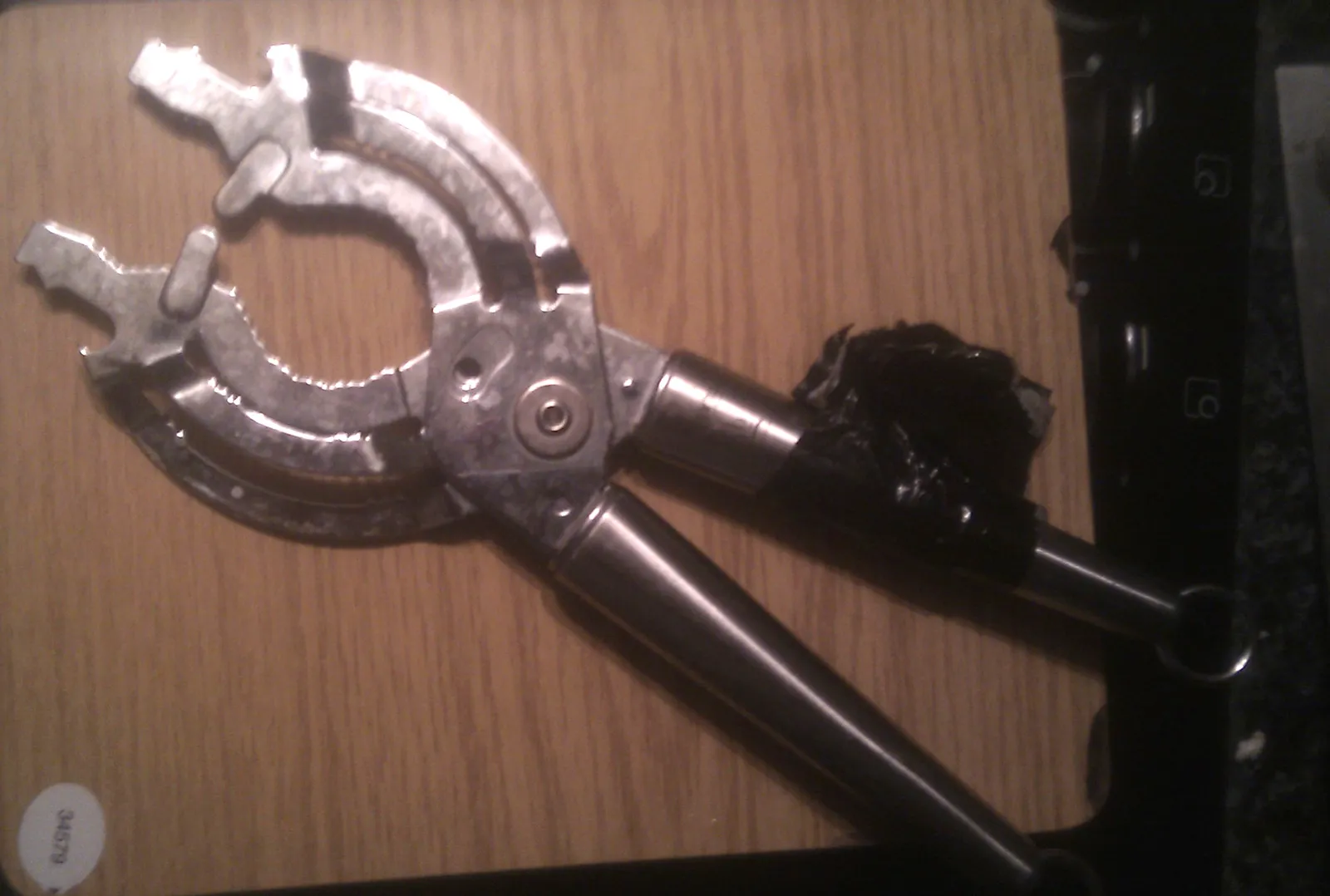
Jar opening is one of the most commonly cited daily frustrations for aging hands. Occupational therapists note that people often blame themselves for struggling with this task, when in reality it is mechanically demanding even for healthy individuals.
Some adaptive jar openers mount underneath cabinets while others use electric motors or stabilizing grips to improve leverage, allowing the jar to remain steady while reducing the amount of force needed to twist the lid. This is a meaningful distinction: the problem isn’t always grip weakness alone, but the combination of force, rotation, and stabilization all happening at once.
Electric jar openers easily release vacuum-sealed lids for those with limited hand strength and feature push-button operation and a large release button, making them genuinely usable even when finger dexterity is quite reduced. Kitchen independence often hinges on this one tool more than people expect.
4. Twist-Top Bottles → Multi-Openers with Ergonomic Grips

People with arthritis benefit from tools that reduce pain, grip strain, and joint stress, and multi-openers are a prime example of that principle applied to one of the most common daily challenges. These tools often handle six or more lid and cap types, from soda bottles to medicine caps, without requiring a tight pinch.
Comfort is especially important for arthritis-related grip challenges, and occupational therapists look for soft materials, easy fastening, low pressure points, and designs that do not require painful finger movement. A well-designed multi-opener meets all of those criteria in a single, inexpensive tool.
The beauty of swapping to an ergonomic multi-opener is that it addresses a cluster of daily tasks, not just one. For someone who dreads medicine bottles in the morning or struggles with water bottles during the day, this is a surprisingly broad fix.
5. Standard Pens → Weighted or Foam-Grip Writing Aids

Writing by hand may seem like a small thing until it becomes painful. Occupational therapists suggest easy-grip pens among their standard recommendations for tools that make everyday activities easier while allowing seniors to remain involved in their own routines.
Pen grips and weighted pens are listed among the core tools OTs recommend for grip, reach, and manipulation, and they address two different problems. Foam grips widen the barrel so fingers don’t have to pinch as tightly. Weighted pens add a small amount of resistance that can help dampen the effect of hand tremors during writing.
For older adults who write checks, fill out medical forms, or simply journal, this swap keeps writing comfortable and legible. It’s a low-cost change with a quiet but real impact on daily dignity and independence.
6. Standard Doorknobs → Lever-Style Handle Adapters

Small environmental changes can make a significant difference, and replacing difficult knobs with easier handles can reduce the amount of gripping, reaching, or twisting required throughout the day. Round doorknobs demand a wrist rotation combined with a firm grip – two things that become increasingly uncomfortable with arthritis or reduced hand strength.
Lever handles, by contrast, can be operated with a closed fist, an elbow, or even a forearm. Occupational therapists often flag doorknobs as one of the highest-frequency grip demands in the home, given how many times a day a person opens and closes doors.
Therapists recommend changes to the home or daily routine to improve safety and efficiency, which can include reorganizing frequently used items or adjusting how tasks are approached. Swapping knobs for lever handles fits squarely into that framework and is often one of the first environmental modifications recommended during a home assessment.
7. Standard Buttons and Zippers → Magnetic Closures, Button Hooks, and Zipper Pulls

Helpful dressing tools recommended by occupational therapists include button hooks, zipper pulls, and magnetic or Velcro closures, all of which reduce the fine motor demand of getting dressed each morning. Buttons and zippers are deceptively small challenges that can set a frustrating tone for the entire day when they become difficult.
For people with arthritis, button hooks and zipper pulls are among the adaptive tools that reduce pain, grip strain, and joint stress during dressing routines. A button hook, for instance, converts a two-handed pinching task into a simpler single-tool maneuver that works with much less finger precision.
Magnetic closures take this further by eliminating the manipulation step entirely. Clothing with built-in magnetic buttons looks the same from the outside but removes the fine motor requirement completely – a swap that matters enormously for someone dressing independently each day.
Why the Right Swap Matters More Than Pushing Through
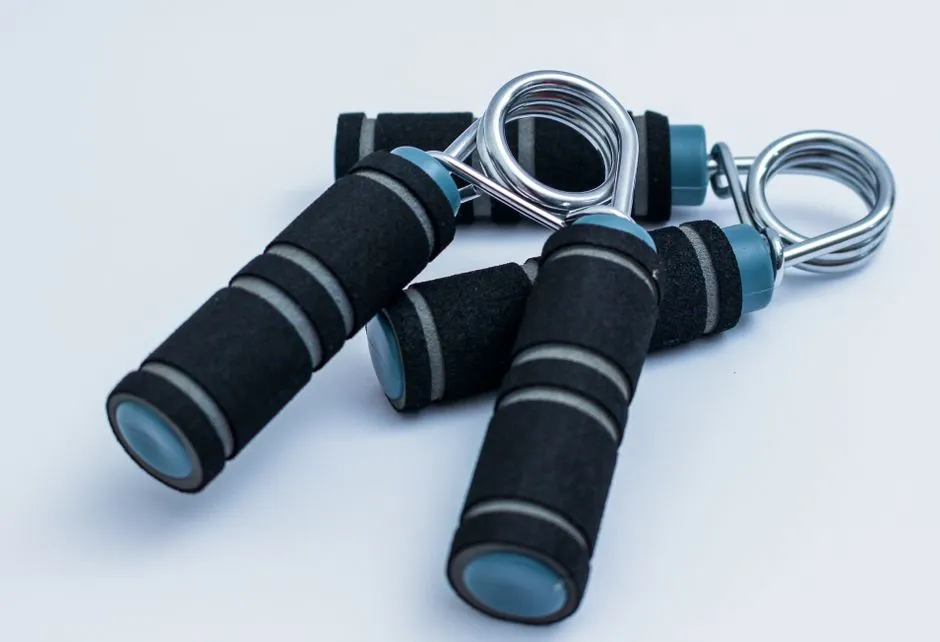
Weak grip strength is a key component of sarcopenia and frailty and a powerful predictor of mortality, morbidity, and disability. This isn’t alarmist – it’s a call to take hand health seriously rather than dismiss the warning signs as normal aging to be tolerated.
Research published in Frontiers in Public Health found that maintaining grip strength above certain thresholds in adults aged 60 and older can delay the decline of quality of life – which means that supporting hand function through adaptive tools is not just about comfort, it’s about preserving broader wellbeing.
Occupational therapy promotes wellness and independence in all areas of self-care, work, and leisure, and every swap described here reflects that philosophy. These aren’t crutches. They’re tools that keep people in their own kitchens, writing their own letters, and dressing themselves on their own schedule.
How Occupational Therapists Choose the Right Tool for Each Person
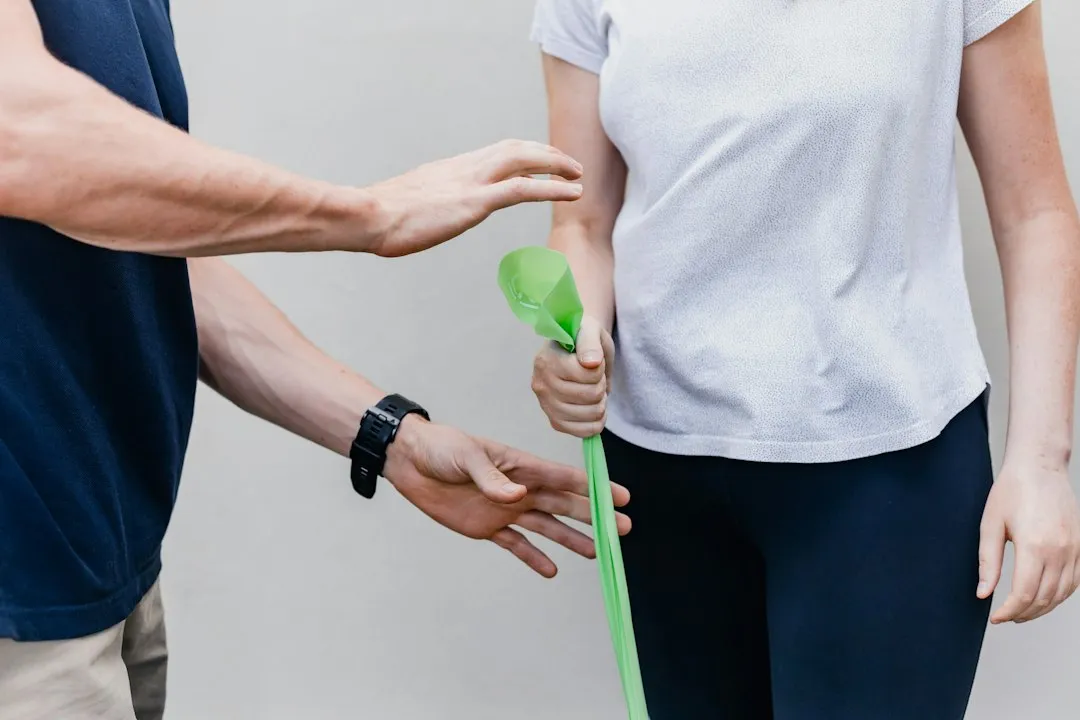
An occupational therapist can assess which tool is right for each person based on their abilities and needs, evaluating specific physical limitations, cognitive strengths, and the home environment to recommend tools that prevent falls or strain. There’s no universal prescription – the right swap depends heavily on the individual’s diagnosis, daily routine, and personal goals.
Occupational therapy often includes recommendations for adaptive tools such as built-up utensils, jar openers, button hooks, and writing aids that help individuals continue performing daily tasks safely and confidently, even when physical limitations are present. The emphasis is always on what the person still can do, not on what they’ve lost.
For seniors, adaptive tools can help support aging in place and reduce reliance on caregivers for every daily task. That independence, maintained even partially, has wide-reaching effects on emotional wellbeing and sense of self – something no statistic fully captures, but every occupational therapist knows well.
Getting Started: A Practical First Step

Occupational therapy practitioners typically recommend starting with the tasks causing the most daily frustration – often kitchen prep or dressing – and addressing those first with purpose-built adaptive tools. There’s real wisdom in that order. Fixing the thing that bothers someone most, first, builds motivation and trust in the process.
Consulting with an occupational therapist or hand therapist can help identify the most appropriate adaptive equipment for specific conditions, and combining adaptive tools with gentle hand exercises provides a comprehensive approach to managing symptoms. Neither tool nor exercise alone is as effective as both together.
Most of the swaps covered in this article cost very little and require no home renovation or professional installation. The barrier isn’t access for most people – it’s awareness. Knowing these options exist is the first and most important step.
The Takeaway
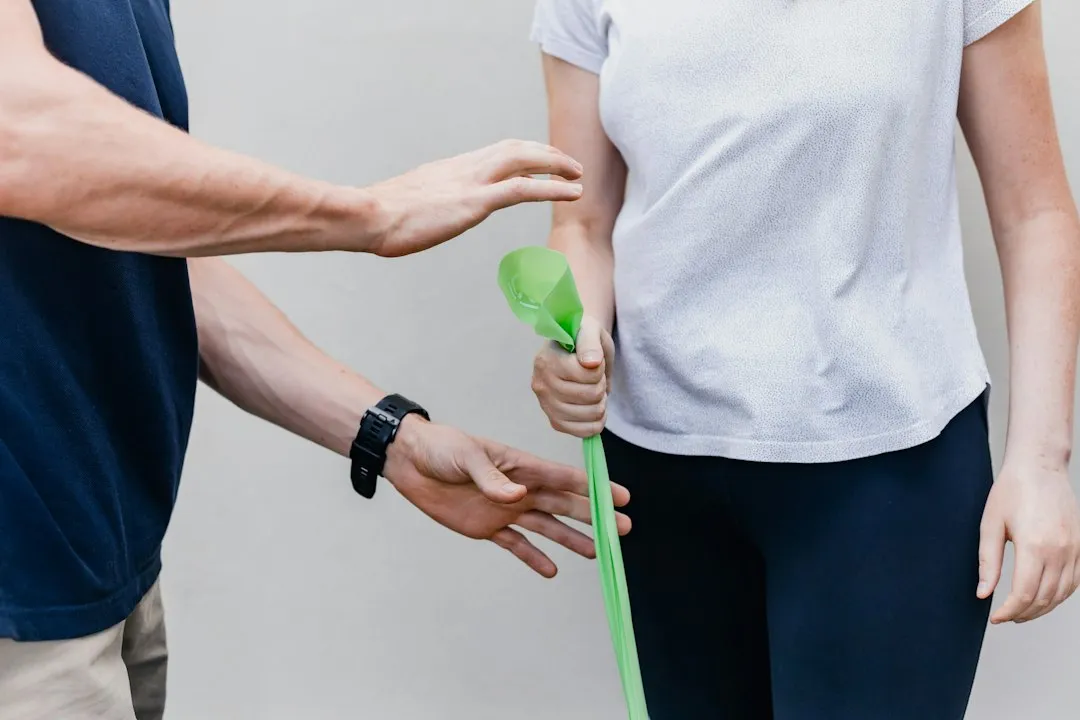
Aging hands don’t have to mean surrendering independence. The everyday items described here – utensils, scissors, jar lids, pens, doorknobs, clothing fasteners – are all candidates for a small, practical swap that can meaningfully change how a day feels. Daily living aids for adults are some of the most common occupational therapy products, helping with everyday activities that can become difficult due to weakness, pain, fatigue, poor coordination, limited reach, or reduced hand strength.
The larger message running through all of this is straightforward: the tools we use shape what we’re able to do. Choosing the right ones isn’t a compromise. It’s a strategy.
AI Disclaimer: This article was created with the assistance of AI tools and reviewed by a human editor.