

Millions of people walk around with undiagnosed diabetes for years, quietly accumulating organ damage, not because the warning signs are hidden, but because those signs blend in so naturally with what we expect from aging. A bit of fatigue, some blurry mornings, the occasional numb foot at night. Easy to wave away. Easy to live with. That’s what makes this disease so quietly dangerous.
Diabetes often develops gradually, and in older adults the symptoms can be subtle or mistaken for normal aging. The overlap between what the body does as it ages and what it does when blood sugar is running high is not a coincidence; it’s why so many cases go undetected until complications are already underway. Knowing which signs to take seriously, rather than accepting them as just part of getting older, can make a real difference.
1. Persistent, Unexplained Fatigue

High sugar levels can make you feel tired and worn out, even after a full night’s sleep. This is one of the most commonly dismissed symptoms because tiredness is so universal. People over 50 tend to chalk it up to busier lives, less sleep, or simply “slowing down.”
Feeling exhausted even after adequate rest? Diabetes can disrupt the circulation of glucose and oxygen, leaving your cells undernourished and your body feeling tired. The key distinction from ordinary tiredness is persistence. If rest doesn’t fix it, that matters.
Diabetes symptoms often present differently in older adults, sometimes appearing atypical or so subtle that they are mistaken for normal aging. For example, instead of excessive thirst, seniors may experience fatigue, confusion, or changes in memory. This means the classic textbook picture of diabetes doesn’t always show up in people over 60.
2. Blurry or Fluctuating Vision

Elevated blood sugar affects the lens of the eye. The lens is sensitive to fluid changes, and when blood glucose rises, it can cause the lens to swell temporarily, changing how it focuses light. Vision becomes blurry or distorted, and can shift back toward normal when blood sugar levels change.
Many people assume this means they need a new glasses prescription, which is understandable. But there’s an important clue: with diabetes treatment and better control of blood sugar, the eyes’ ability to focus usually returns and blurry vision goes away. Vision that fluctuates with meals or time of day deserves a closer look beyond an optician visit.
As diabetic retinopathy progresses, symptoms like blurry vision, dark strings or spots in the field of vision, and gradual loss of vision occur. If a person with diabetes goes without treatment, the damage to these blood vessels can become more severe, and permanent vision loss may eventually occur.
3. Slow-Healing Cuts and Wounds

A small cut that takes weeks to heal instead of days is worth paying attention to. High blood sugar impairs circulation and nerve function, both of which the body needs to repair damaged tissue efficiently. White blood cells, which fight infection and assist healing, also function less effectively in a high-glucose environment.
Older adults often attribute slow healing to “old skin,” and it’s true that skin repair does slow somewhat with age. The difference is degree. High blood sugar levels can damage the body’s nerves and blood vessels, which can impair blood circulation. As a result, even small cuts and wounds may take weeks or months to heal. Slow wound healing also increases the risk of infection.
High levels of blood sugar can cause poor blood flow and damage the body’s natural healing process. Because of this, people with diabetes may notice slow-healing sores, especially on the feet. A persistent foot sore should never simply be accepted as part of aging.
4. Frequent Nighttime Urination

Increased urination often becomes particularly problematic for older adults who may already have age-related changes in kidney function. Waking up two or three times each night to use the bathroom is often written off as a prostate issue or a weaker bladder, both common with age. That explanation isn’t always wrong, but it isn’t always complete either.
Frequent trips to the bathroom, especially at night, combined with persistent thirst that doesn’t seem to be satisfied by drinking fluids, is something to watch for. High blood sugar levels cause the kidneys to work harder to filter excess glucose, leading to increased urination and subsequent dehydration.
A naturally reduced sense of thirst with age can also make diabetes seem less noticeable, which means an older person might not drink more, but still lose fluid through extra urination. The dehydration that follows can compound fatigue and confusion, making everything harder to untangle.
5. Tingling, Numbness, or Burning in the Feet

Nerve damage due to high blood sugar, known as diabetic neuropathy, can manifest as tingling, numbness, or a burning sensation in the hands and feet. This is often more noticeable in the early stages and tends to worsen if blood sugar levels are not managed effectively.
This is one of the more widely dismissed symptoms among older adults. Poor circulation is a real feature of aging, and the idea that feet “fall asleep” more easily feels normal enough. Numbness, tingling, or pain in the hands and feet can signal diabetes-related nerve damage. The difference worth noting is whether the sensation is bilateral, progressive, or paired with other symptoms on this list.
Symptoms like numbness in the feet, burning, tingling, dry skin, slow-healing cuts, or even just “my feet feel different lately” can be easy to ignore, but they matter. Changes in the feet can be the first clue that blood sugar is running high and that nerves are starting to get damaged.
6. Memory Lapses and Cognitive Fog

Common signs include increased thirst, frequent urination, unexplained weight loss, fatigue, blurred vision, and slow-healing wounds. Some seniors may also experience confusion or memory issues, which can be mistaken for normal aging.
Cognitive changes are perhaps the most emotionally charged symptom on this list. People fear dementia, so a foggy morning or a forgotten name triggers worry, or alternatively, gets rationalized away as normal aging. The metabolic connection is well documented. Brain insulin resistance is recognized as a key factor linking metabolic disorders like obesity and type 2 diabetes to cognitive decline. It disrupts normal insulin signaling pathways, leading to mitochondrial structural and functional abnormalities, which in turn result in impaired energy metabolism and increased oxidative stress. This dysfunction triggers neuronal damage and cognitive deterioration.
Studies show that individuals aged 60 and above with type 2 diabetes are particularly susceptible to cognitive decline, with the risk increasing with advancing age. In patients with type 2 diabetes, chronic hyperglycemia and elevated glycated hemoglobin levels correlate with measurable declines in global cognitive function. That’s not just forgetfulness. That’s a measurable shift.
7. Skin Changes, Darkened Patches, and Persistent Dryness
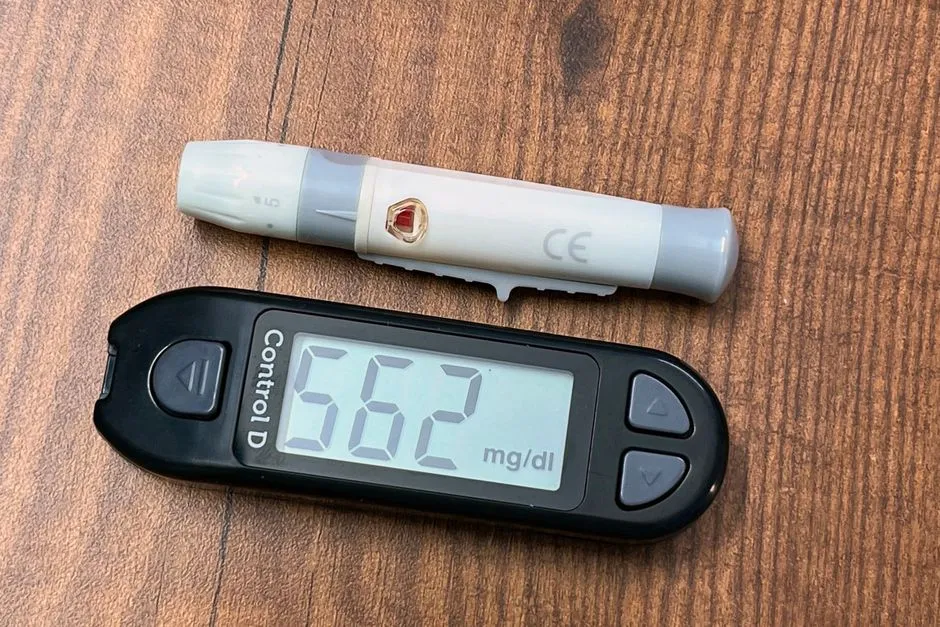
Skin changes associated with diabetes can often be mistaken for normal aging, as well as perimenopausal symptoms such as fat redistribution. As skin becomes thinner and drier with age, these changes feel familiar and non-urgent. A dark patch at the back of the neck or in a skin fold, however, can mean something more specific.
There are features that can be associated with chronically high insulin levels, including skin changes like acanthosis nigricans and skin tags and visceral fat accumulation around the abdomen. Insulin can be elevated for years before blood sugar levels actually rise, so these symptoms might be early signs indicating a metabolic problem before any diabetes diagnosis.
Darkened spots, rashes, and itchy skin could be the body’s way of signaling diabetes. Upon activation of certain cellular pathways, impaired wound healing and microbial infections are observed in diabetic skin. AGE accumulation in the epidermis results in the rearrangement of keratinocytes, making the skin more susceptible to external damage. These are biological changes driven by blood sugar, not just the clock.
Who’s Most at Risk: The Numbers Behind the Delay

Diabetes prevalence among U.S. adults aged 60 and older stands at roughly 27.3%, according to the National Center for Health Statistics. That’s more than one in four people in that age group. Yet diagnosis is still delayed for a significant share of them.
Across 215 countries and territories, roughly 42.8% of individuals with diabetes were undiagnosed in 2024, equating to approximately 251.7 million adults worldwide, according to the 2025 IDF Diabetes Atlas published in Diabetes Care. In the United States alone, roughly 4.5% of all adults have undiagnosed diabetes, based on CDC data from 2021 to 2023.
Chronic conditions such as dementia, arthritis, and heart disease often share overlapping symptoms with diabetes. Fluid retention from heart failure may resemble diabetic nerve issues, while arthritis-related inflammation and fatigue can mask metabolic changes. That layering of conditions is precisely why older adults are at particular risk of going undetected.
Why Medication Can Muddy the Picture

Many seniors take multiple prescription medications. Side effects such as fatigue, confusion, or dizziness can closely resemble diabetes symptoms. Certain medications, including diuretics and corticosteroids, can raise blood sugar levels, adding further complexity to diagnosis.
This creates a circular problem. A person takes a medication for another condition, experiences side effects that look like diabetes, gets tested for something else, and the elevated blood sugar never gets its own investigation. It’s not negligence so much as complexity. Still, it’s worth knowing that some common drugs actively push blood sugar higher, making regular monitoring even more valuable for older adults on multiple prescriptions.
Older patients with diabetes require particular considerations regarding blood glucose management methods, goal setting, and principles of drug choice, given the high frequency of multiple complications and comorbidities, atypical symptoms, and poor self-management, and the high risk of hypoglycemia, according to clinical guidelines published in the NIH-indexed journal for elderly diabetes management in China in 2024.
When to Stop Blaming Age and Ask for a Test
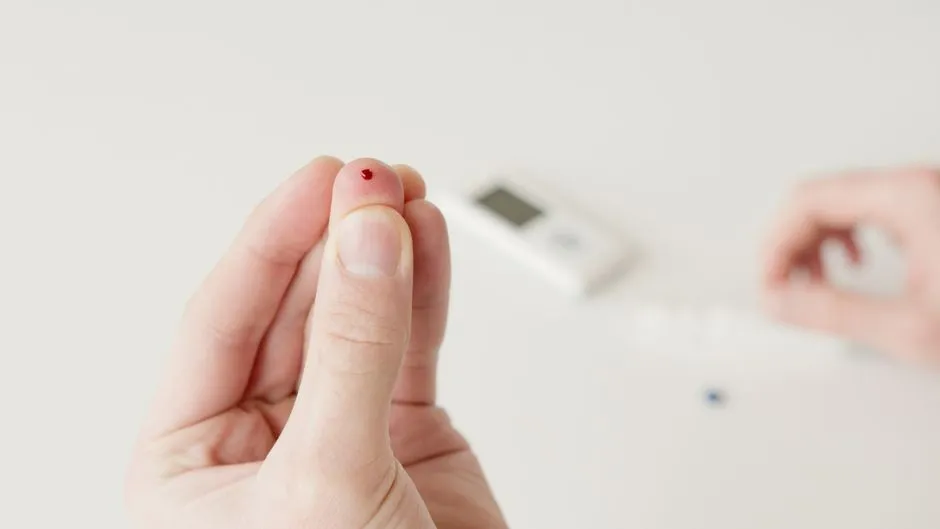
Persistent fatigue, memory lapses, balance issues, and vision changes should not be dismissed when they appear suddenly, worsen over time, or interfere with daily life. That’s a practical rule of thumb. A single symptom on a given morning is different from a pattern over weeks or months.
The test itself is simple: a fasting blood glucose check or an HbA1c test can give a clear answer. Symptoms of diabetes may occur suddenly, but in type 2 diabetes the symptoms can be mild and may take many years to be noticed. By the time they do feel obvious, some damage has often already accumulated.
Identifying signs such as unexplained fatigue, slow-healing wounds, or cognitive changes can lead to earlier diagnosis and reduce the risk of severe complications. The body is giving signals. Taking them seriously is not alarmist. It’s simply paying attention.
The Takeaway
There’s a quiet logic to blaming aging. The body does change, things do slow down, and most of us have been told to expect a bit less from ourselves as the years accumulate. The problem is that this reasonable acceptance can become a convenient explanation that delays a diagnosis by years.
The seven warning signs covered here, fatigue, blurry vision, slow wound healing, nocturia, foot numbness, cognitive fog, and skin changes, are each individually easy to rationalize. Together, or even in pairs, they point toward something worth testing for. People with diabetes have a higher risk of health problems including heart attack, stroke, and kidney failure. Early detection shifts those odds considerably.
If several of these symptoms feel familiar, a straightforward conversation with a doctor and a routine blood test is a small investment. The cost of missing the diagnosis is far greater than the cost of checking.
AI Disclaimer: This article was created with the assistance of AI tools and reviewed by a human editor.