
1. Tackle the Front Entry and Outdoor Steps First
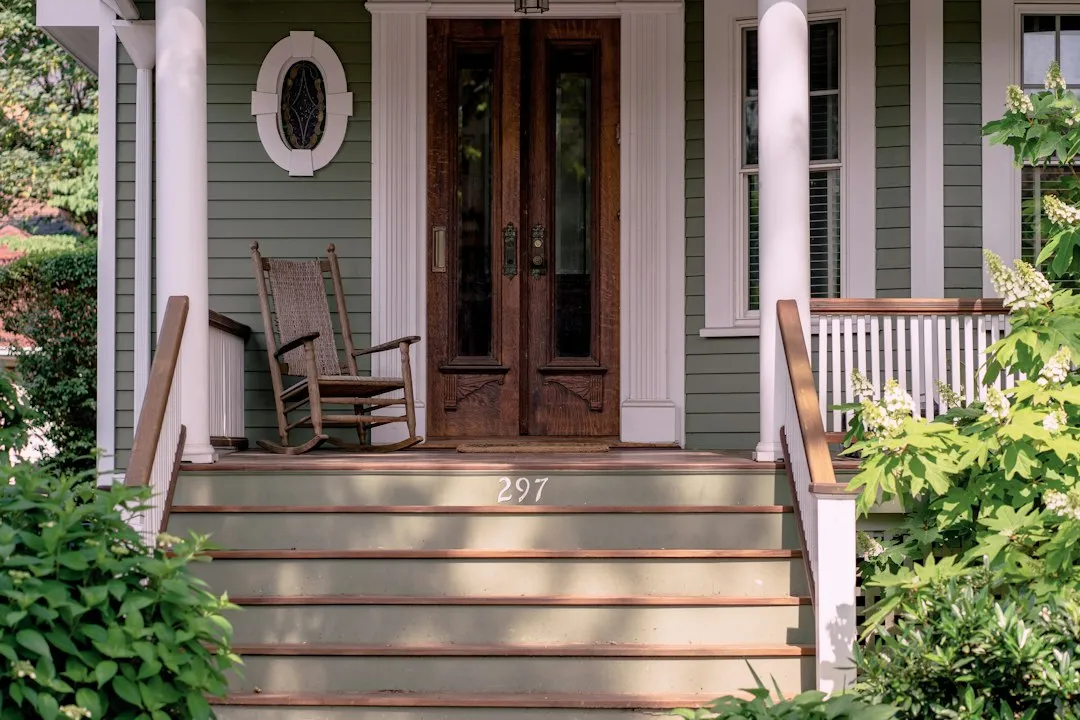
The front door area is ground zero for winter hazards. Icy entryways, wet floors from boots, darker mornings and evenings, and storm-related disruptions can all increase fall risk – and the front steps are where that risk begins. Before the first frost, inspect every step for cracks or uneven surfaces, and confirm that handrails are firmly anchored on both sides.
Make sure there is a flat, high-traction mat outside and another inside so water from boots does not spread into walking paths. If boots and coats tend to pile up, consider setting up a simple landing zone so items stay out of the way. A small stable chair near the door can also help your parent remove heavy winter boots without rushing or losing balance.
2. Improve Lighting Throughout the Home
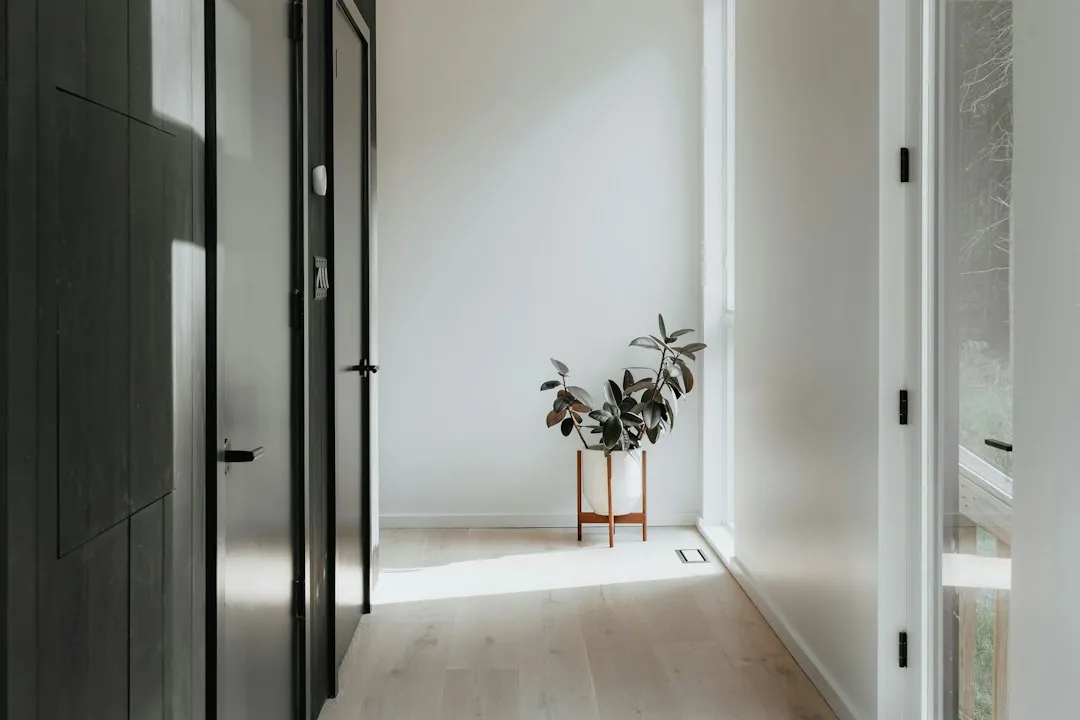
Winter changes lighting and footwear at the same time. Dim hallways can be harder to navigate, and heavier boots or thicker socks can affect balance and traction. This combination is more dangerous than most families realize, especially in a home that hasn’t been updated in years.
Brighter lighting throughout the house, especially near stairs, hallways, and entryways, can help. Remove clutter from walkways, secure loose cords, and keep stairs clear. Adding bright, contrasting tape to the edge of each step can make stairs easier to see and reduce the chance of a fall. Motion-sensor nightlights along the path from bedroom to bathroom are a particularly practical addition, since winter nights mean longer dark hours indoors.
3. Install or Reinforce Bathroom Grab Bars
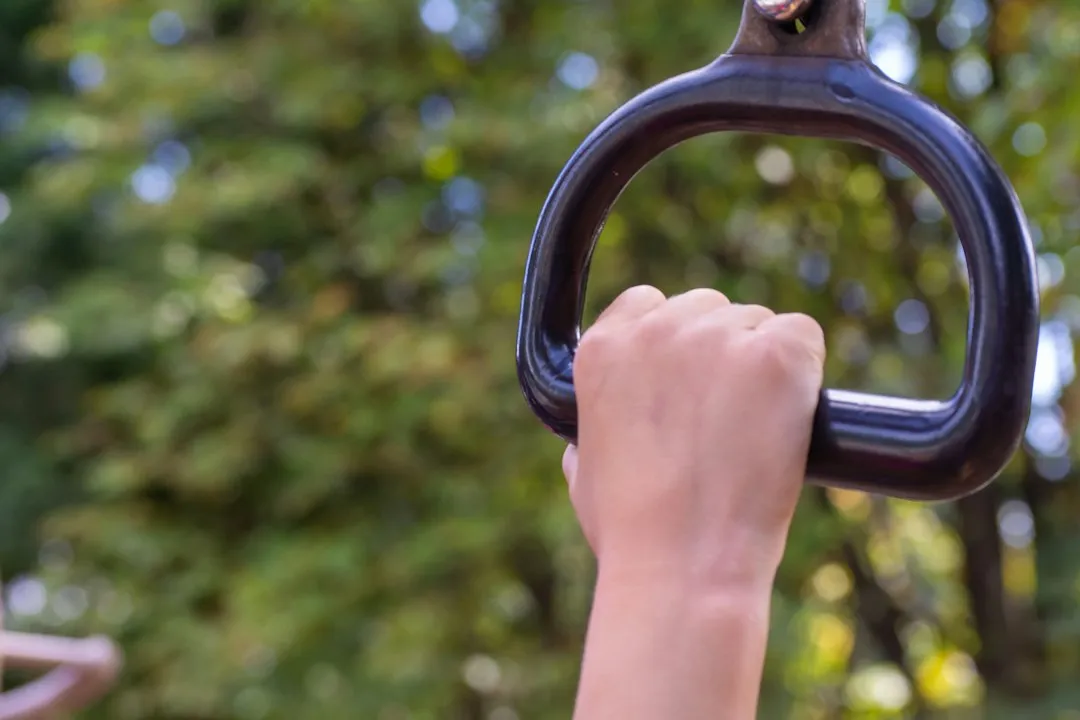
The bathroom is the room where falls happen most often, and winter makes it worse. Cold temperatures cause muscles to stiffen, reaction times slow, and tile floors feel just as slippery as ever. The National Institute on Aging recommends safety steps like grab bars near toilets and in the tub or shower, plus nonslip surfaces and good lighting.
Grab bars and handrails near toilets, showers, and along stairs are among the most common aging-in-place modifications, with one NAHB survey finding that nearly nine in ten remodelers installed grab bars in the past year. They’re not expensive, they’re not complicated to install, and they work. Non-stick decals in the bathtub or shower improve traction and reduce the risk of slips, and setting the shower water thermostat to a maximum of 120 degrees Fahrenheit helps prevent scalding, which is especially important given age-related sensory changes.
4. Service the Heating System Before Cold Sets In
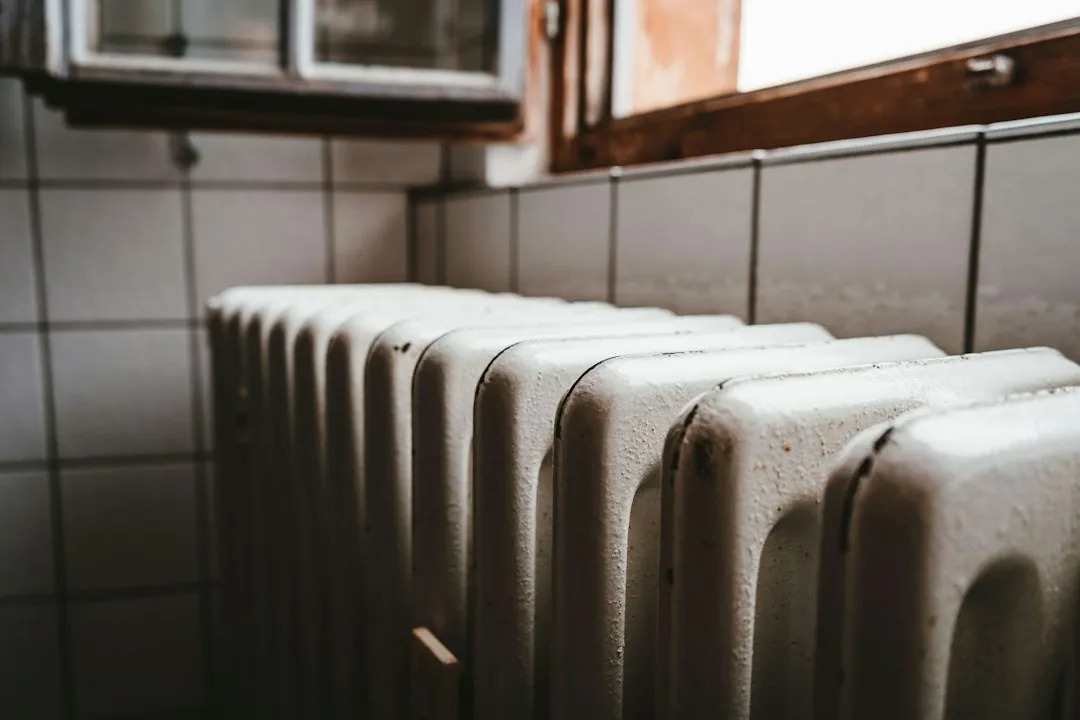
An aging parent’s heating system deserves the same attention as any other life-critical system in the home. Before winter, inspect and service the heating system, including boilers, filters, and thermostats, to keep it running efficiently. A furnace that struggles to maintain steady temperatures is both a comfort problem and a health risk for older adults, whose bodies regulate temperature less effectively with age.
As we age, the body becomes less efficient at sensing and regulating temperature. What feels comfortable to a younger person may be too cold for a senior. Keeping the home between 68 and 74 degrees Fahrenheit, avoiding sudden temperature drops at night, and using draft stoppers to retain heat are all straightforward steps that make a real difference. Cleaning or replacing furnace filters every one to three months during winter reduces energy costs and improves air quality.
5. Check and Update Smoke and Carbon Monoxide Detectors
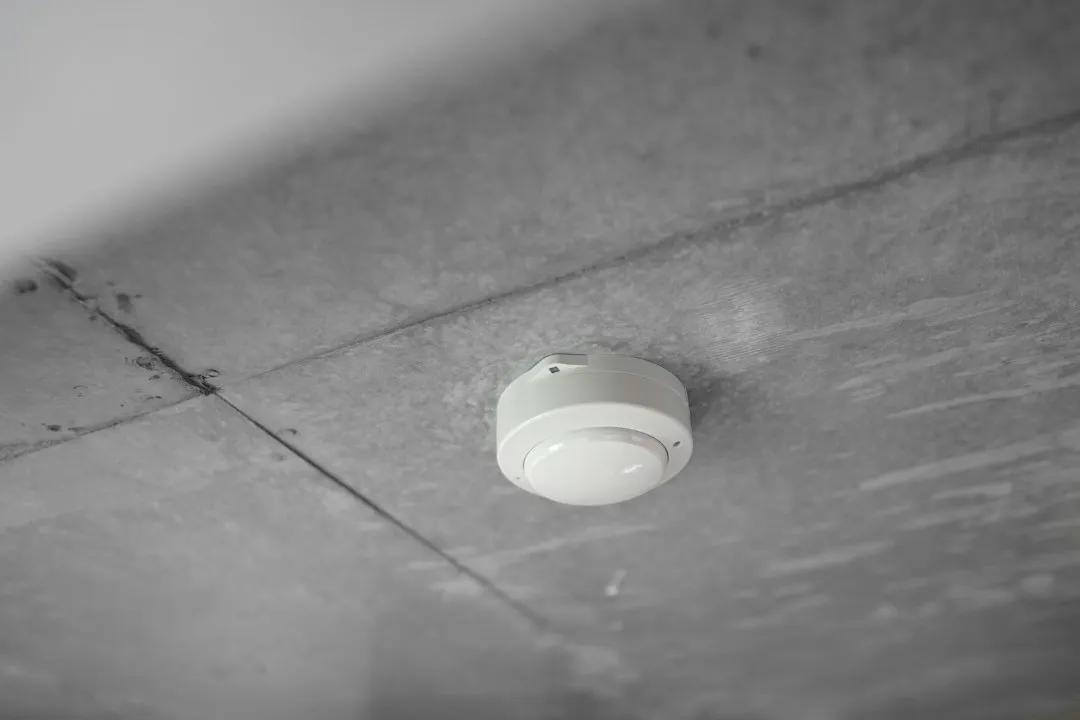
The U.S. Consumer Product Safety Commission urges consumers to take safety precautions while keeping their homes warm in winter. Two hazards of special concern are fires and carbon monoxide poisoning, which have been linked to home heating equipment used during the colder months, including space heaters, furnaces, and fireplaces. Older adults are particularly vulnerable because their senses of smell and hearing may be diminished, making an undetected leak catastrophic.
The National Fire Protection Association recommends placing a fire alarm on every level of the home, including the basement, as well as in every bedroom or sleeping area. It also advises replacing smoke alarm batteries every six months. Most smoke alarms have a lifespan of eight to ten years. For carbon monoxide, the International Association of Fire Chiefs recommends placing a CO detector on each floor of the home, with an alarm within ten feet of each bedroom and near the doorway of an attached garage.
6. Secure or Remove Interior Rugs and Trip Hazards

Loose rugs inside a home are one of the most common and most fixable dangers for older adults in any season, but in winter the problem intensifies. More time indoors can mean more trip hazards. In winter, joints can feel stiffer, and standing from a deep, soft couch can be harder. The combination of reduced mobility, heavier indoor clothing, and confined spaces creates conditions where a small obstacle becomes a serious risk.
According to the CDC, one in four Americans aged 65 and older falls each year, and falls are the leading cause of both fatal and nonfatal injuries among older adults. The CDC also notes that most falls are preventable, especially when home hazards are addressed proactively rather than after an incident occurs. Walk through the home room by room. Secure any area rug with non-slip backing, remove those that can’t be secured, and check that furniture corners aren’t jutting into frequently used walkways.
7. Weatherstrip Doors and Windows to Prevent Drafts and Cold Floors
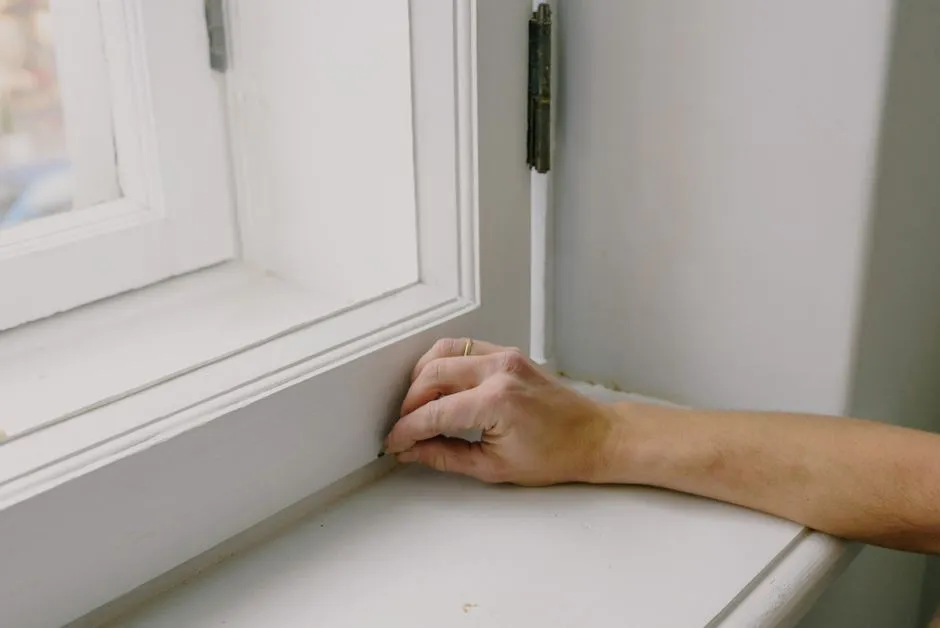
Sealing drafts around windows and doors and adding weatherstripping prevent heat loss and can also reduce security vulnerabilities in older frames. Cold drafts that travel along the floor make rooms feel significantly colder than the thermostat suggests, which can push a senior to use supplemental heating devices improperly or to simply tolerate a dangerously cool environment without realizing it.
Cold floors also contribute to hypothermia risk, which rises sharply in older adults during winter months. Slip-resistant slippers or socks with grip pads are useful, but they work best when floors aren’t already cold to the touch. Weatherstripping is an inexpensive fix, often available at hardware stores for a few dollars per door, and it pays off in both warmth and energy savings throughout the season.
What About Smart Technology and Emergency Alerts?

Smart medication reminders and automated pill dispensers can help prevent missed doses or accidental double doses. Telehealth visits make it easier for older adults to stay connected with healthcare providers from home. Voice assistants can control lights, locks, and thermostats. For a parent living alone, these tools add a meaningful layer of daily oversight that doesn’t feel intrusive.
Having phones in multiple rooms, including at bedside, with emergency numbers programmed is essential. Voice-activated assistants can call for help, turn on lights, or contact family members hands-free. Winter power outages are another reality worth planning for, so a charged backup phone or a simple landline can make the difference in an emergency.
The Financial Side: Modifications Don’t Have to Break the Budget

Many of the most effective changes, including removing rugs, adding nightlights, and decluttering walkways, cost little to nothing. Grab bars and raised toilet seats are relatively low-cost investments. For families concerned about larger modifications, federal and local assistance programs do exist.
In 2022, healthcare spending for nonfatal falls among older adults reached 80 billion dollars, according to a study published in the journal Injury Prevention. That figure underscores something important: prevention almost always costs less than treatment. A grab bar that costs under a hundred dollars installed is a very different proposition from a hospital stay after a hip fracture.
Start With a Room-by-Room Walkthrough
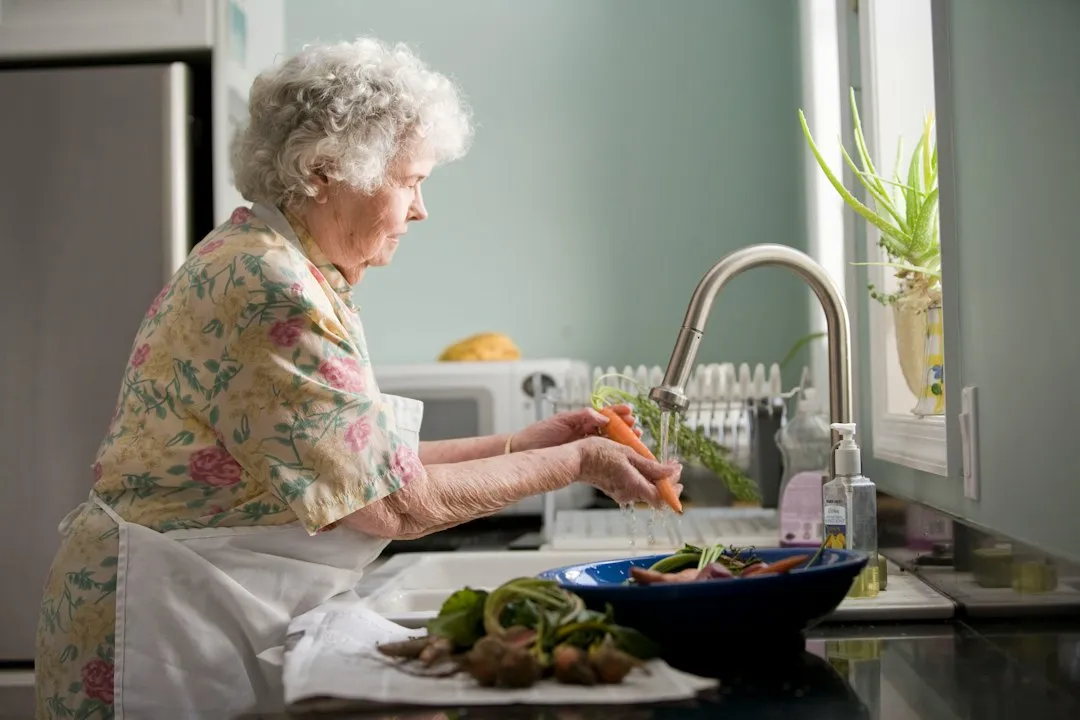
Before committing to any specific change, the most practical starting point is a thorough walkthrough of the home, ideally with your parent present. Look at each room from the perspective of someone with reduced mobility, slower reaction time, and potentially diminished vision. According to AARP’s 2024 Home and Community Preferences Survey, three quarters of adults aged 50 and older want to remain in their home for as long as possible. The same survey found that nearly half believe their home will need modifications to make that happen safely.
Walk the hallways slowly. Sit in the chairs your parent uses. Try moving from the bedroom to the bathroom in the dark. What’s obvious in daylight may be genuinely hazardous at 3 a.m. on a January night. Small adjustments, made before the cold arrives, are almost always easier, cheaper, and safer than reactive changes after something goes wrong.
The Takeaway
Winter preparation for an aging parent’s home isn’t a single project with a finish line. It’s a habit of attention, and it starts with the basics: light, grip, warmth, and detection. Over the past ten years, the number of fall-related deaths among older adults has increased by 51 percent, while emergency department visits have risen by 38 percent. That trend doesn’t have to include your parent’s home.
The seven changes outlined here are not theoretical. They address the real ways that winter compounds the everyday risks older adults already face. None of them require a major renovation. Most can be completed in a weekend with basic tools, a little planning, and the right priorities in mind.
AI Disclaimer: This article was created with the assistance of AI tools and reviewed by a human editor.