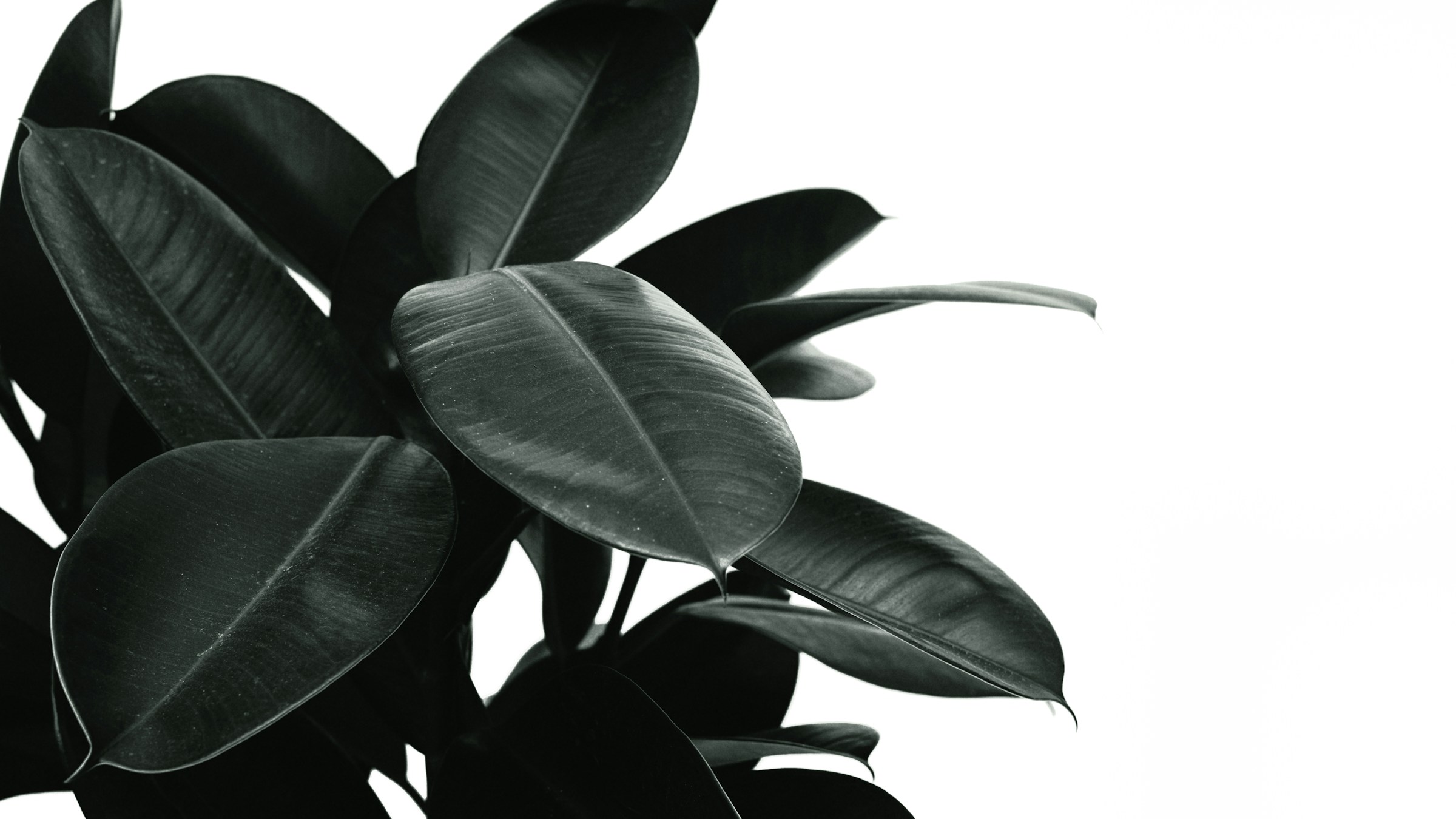

There’s a particular kind of stillness you get in a garden planted with dark foliage. Something about near-black leaves absorbing the afternoon light creates an atmosphere that no colored bloom can quite replicate. It doesn’t take many of these plants to transform a cheerful border into something dramatically atmospheric.
There are many plants with black foliage, flowers, stems, or bracts that can add allure and an element of surprise to even the most ordinary yard. Black plants are not truly black, but are darker variations of red, burgundy, brown, or purple. That distinction matters less once you actually see them growing in a bed, catching the light in a way that reads as genuinely, unmistakably dark.
1. Black Mondo Grass (Ophiopogon planiscapus ‘Nigrescens’)
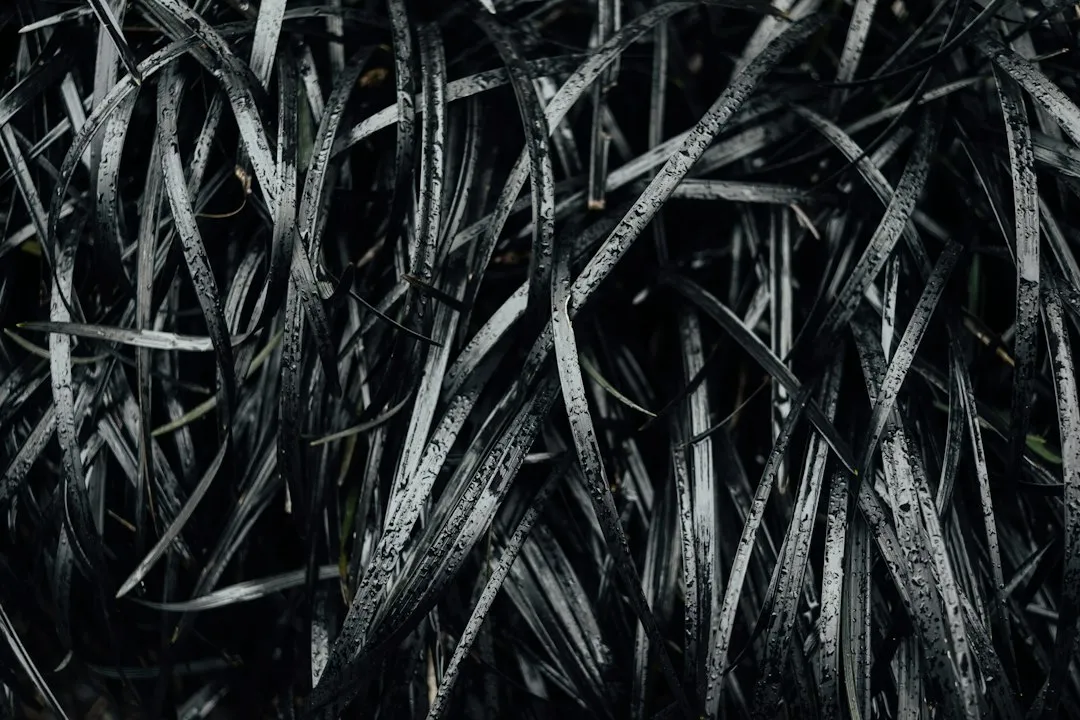
With its captivating dark foliage, Ophiopogon planiscapus ‘Nigrescens’ is a stunning mondo grass cultivar. The arching, strap-shaped leaves in deep purple to black create a dramatic effect. It grows low to the ground, creeping slowly along borders like a shadow that forgot to leave.
When grown in full sun in the north, the foliage emerges purplish-green and then turns nearly jet black. Racemes of small, bell-shaped, pale pinkish-white flowers emerge on dark stems in summer before giving way to glossy dark purple berries.
It has received the Royal Horticultural Society’s Award of Garden Merit. This plant has an average to slow growth rate, so it will not overtake surrounding plants. That restraint makes it an easy choice for tight spaces or container planting where you want controlled, permanent darkness.
2. ‘Black Magic’ Elephant Ear (Colocasia esculenta ‘Black Magic’)
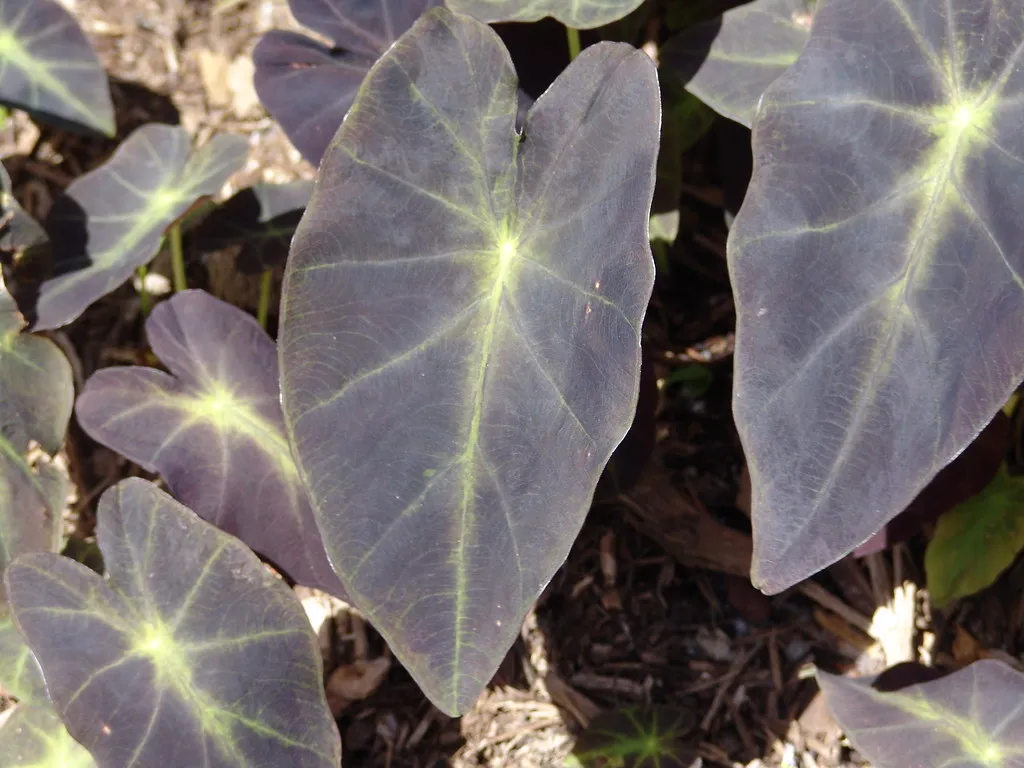
Colocasia esculenta, commonly called taro or elephant ear, is a tuberous, stemless, frost-tender perennial of the arum family which typically grows three to six feet tall and as wide. For gardeners, it is primarily grown as a foliage plant with huge, heart-shaped to arrowhead-shaped, conspicuously-veined, downward-pointing leaves on long, stout, succulent stems.
Colocasia Black Magic, also known as elephant ear, grows huge, heart-shaped leaves up to 60 centimeters long on purple-black stems. When the leaves’ undersides are dusted with a chalky-looking bloom, they have an intriguing, almost gray look. This plant does well in a bog or even in the margins of a water garden, as well as in average garden soil.
The Missouri Botanical Garden recommends lifting the tubers in the fall if you live north of Zone 8. Store the dormant tubers in a cool, dry place over winter, just like you would with dahlias. In warmer zones, this plant simply keeps growing, getting more impressive each year.
3. Heuchera ‘Obsidian’ (Coral Bells)
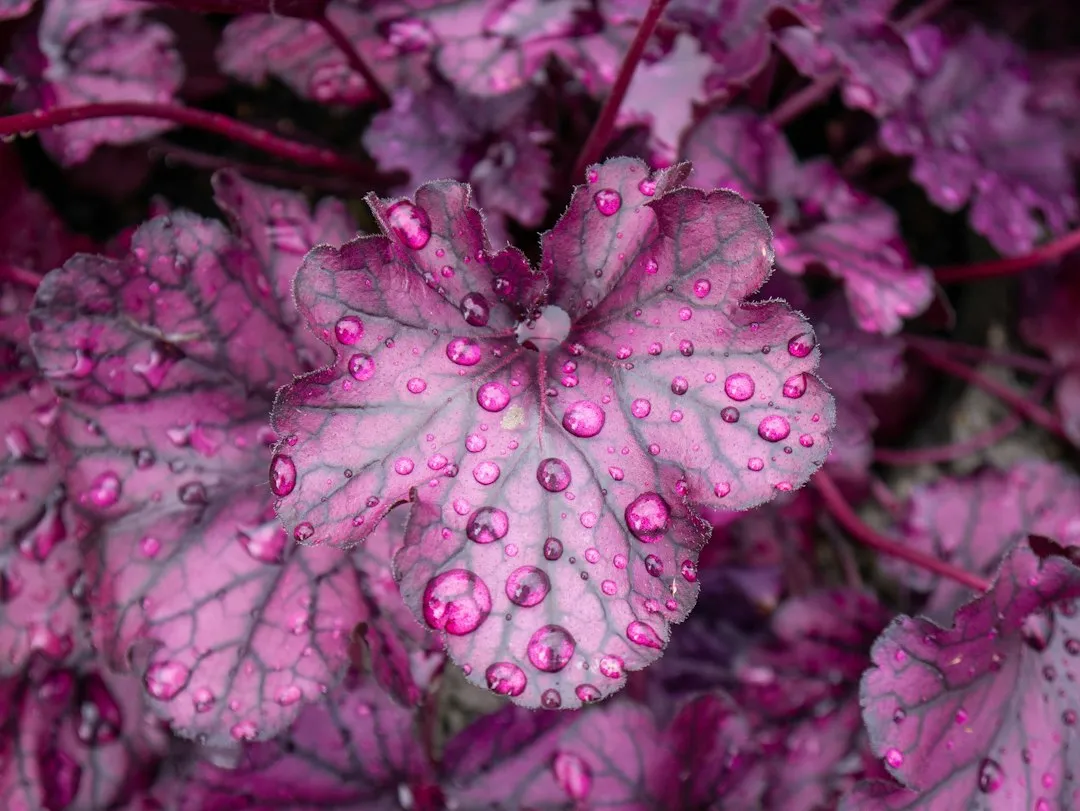
Dramatic dark purplish-black foliage, darker than all others, makes Obsidian the most sought-after dark-leaved Coral Bell. Coveted for its glossy black leaves, it has the darkest foliage of almost all other perennials.
A color-changing masterpiece, its frilly leaves emerge burgundy red and then intensify to black. The evergreen leaves stay dark all season. Its shiny leaves mature to tidy eight-inch-tall and sixteen-inch-wide mounds. Airy white flowers on twenty-four-inch stems float above the foliage.
Hardy in USDA zones 4 to 9, coral bells are tolerant of a wide range of light conditions, poor soil, heat, cold, humidity, and drought. Unlike some dark foliage plants that fade or bronze out quickly, Obsidian is valued for holding its deep color through the growing season. That reliability is what puts it on almost every serious dark-garden planting list.
4. Black Lace Elderberry (Sambucus nigra ‘Black Lace’)
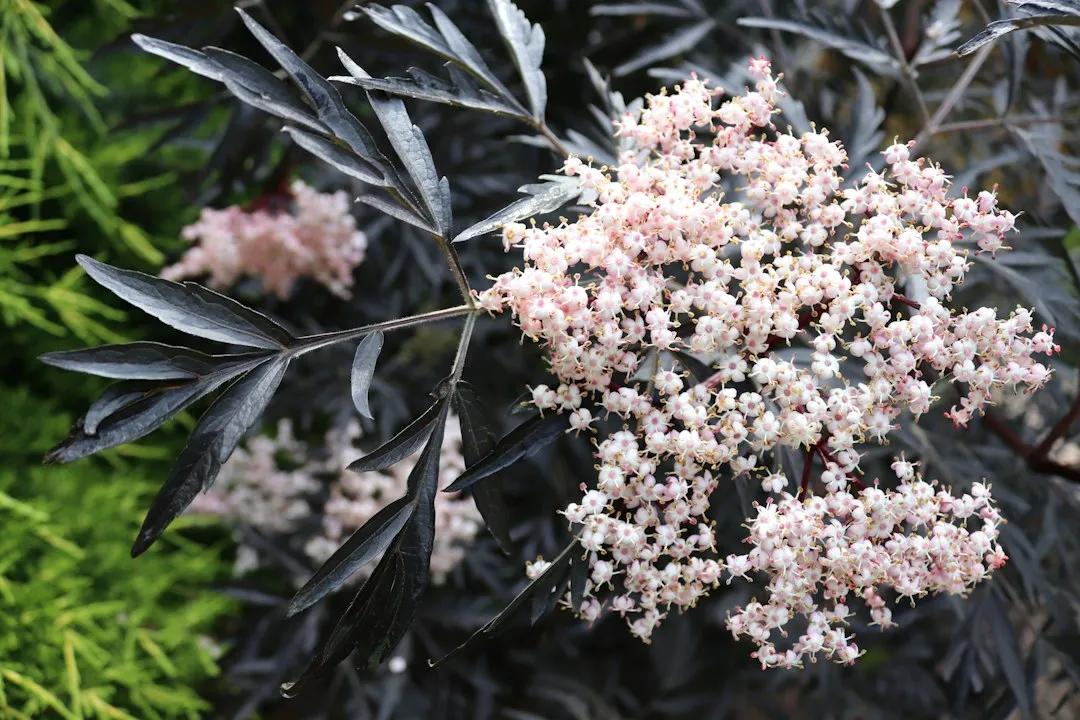
Elderberry is a native deciduous shrub with multi-seasonal appeal. Black Lace has finely cut purple-black foliage that contrasts dramatically with the large pale pink flower heads. The combination of dark lace-like leaves and soft pink blooms is genuinely striking, almost theatrical in its contrast.
Dark-leaved elderberry varieties like ‘Black Beauty’ and ‘Black Lace’ can be pruned back to ground level in early spring, to produce a fantastic display of foliage and the best-colored leaves. You can let it grow wild into a massive eight-foot shrub, or aggressively prune it back every spring. Pruning actually encourages bushier growth and larger, darker leaves.
Black Lace Elderberry has finely cut, dark purple foliage that looks like lace. It’s a great ornamental shrub for adding texture to your garden, and its berries attract birds and pollinators. Few shrubs earn their keep across so many seasons.
5. Aeonium ‘Zwartkop’ (Black Rose Succulent)
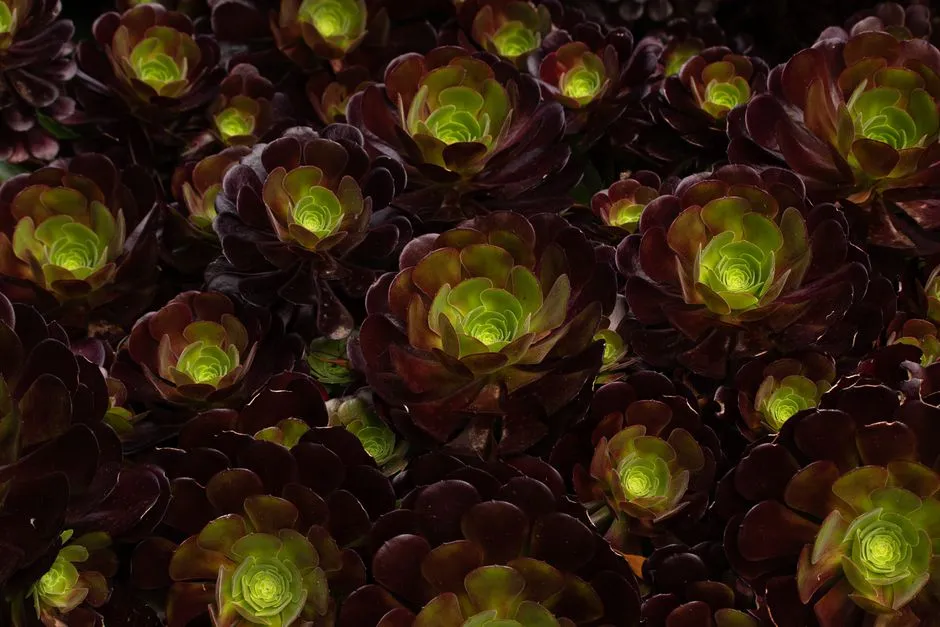
Here’s where succulent love and a blackish-burgundy color meet. Its real name is Aeonium Zwartkop, Dutch for ‘black head’, but garden centers often sell it as the black rose succulent, and one look at its rosettes tells you why.
‘Zwartkop’ is an evergreen succulent that produces large burgundy rosettes that deepen in full sun. This striking succulent forms large rosettes of glossy, deep black-purple leaves atop woody stems. A true showstopper in rock gardens or containers, its color deepens with more sun exposure, and it produces yellow flowers. Those bright yellow blooms against near-black rosettes are genuinely surprising.
This aeonium reaches three to four feet tall and one to two feet wide. ‘Zwartkop’ adds structure to rock gardens, waterwise borders, and containers. In frost-prone areas, it overwinters beautifully in a pot brought indoors.
6. Actaea simplex ‘Black Negligee’ (Snakeroot)
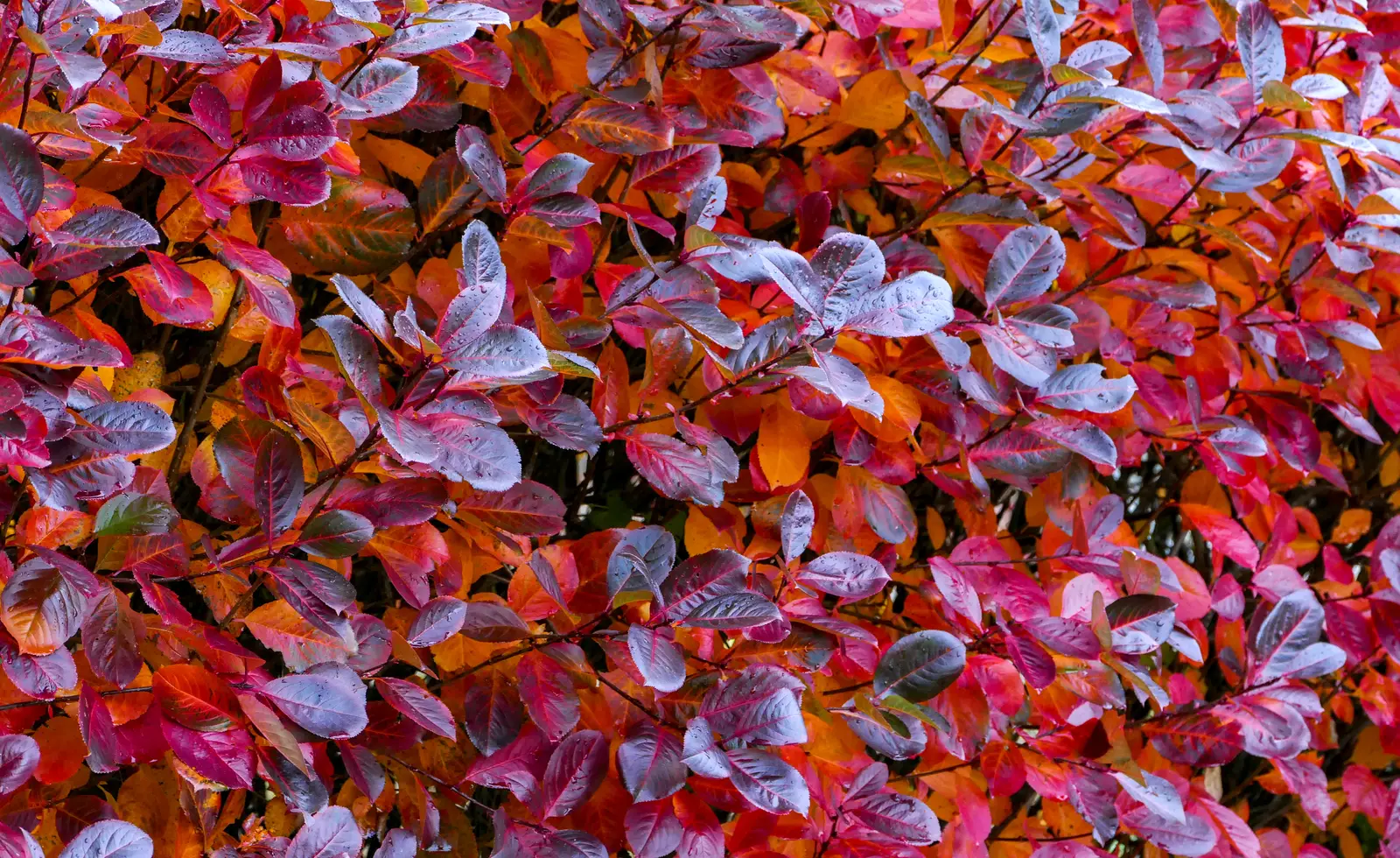
Deeply cut, serrated foliage emerges emerald green, then matures to a brilliant dark purple. Long, slender, pink-tinted, creamy white, fragrant flower spikes tower above the foliage in the fall. A standout in the shaded border, woodland, or cottage garden.
Foliage reaches two feet tall and wide, while flower spikes reach five to six feet tall. That height difference creates a layered, ghostly presence in shaded areas, where the pale flower spikes rise eerily from a dark mass of foliage below.
Special features include attracting hummingbirds, dramatic foliage color, easy care, and the ability to attract pollinators. The botanical name is Actaea simplex ‘Black Negligee’, formerly known as Cimicifuga. It’s reliably hardy, shade-tolerant, and one of the most atmospheric plants you can place at the back of a woodland bed.
7. Colocasia esculenta ‘Black Coral’ (Elephant Ear)
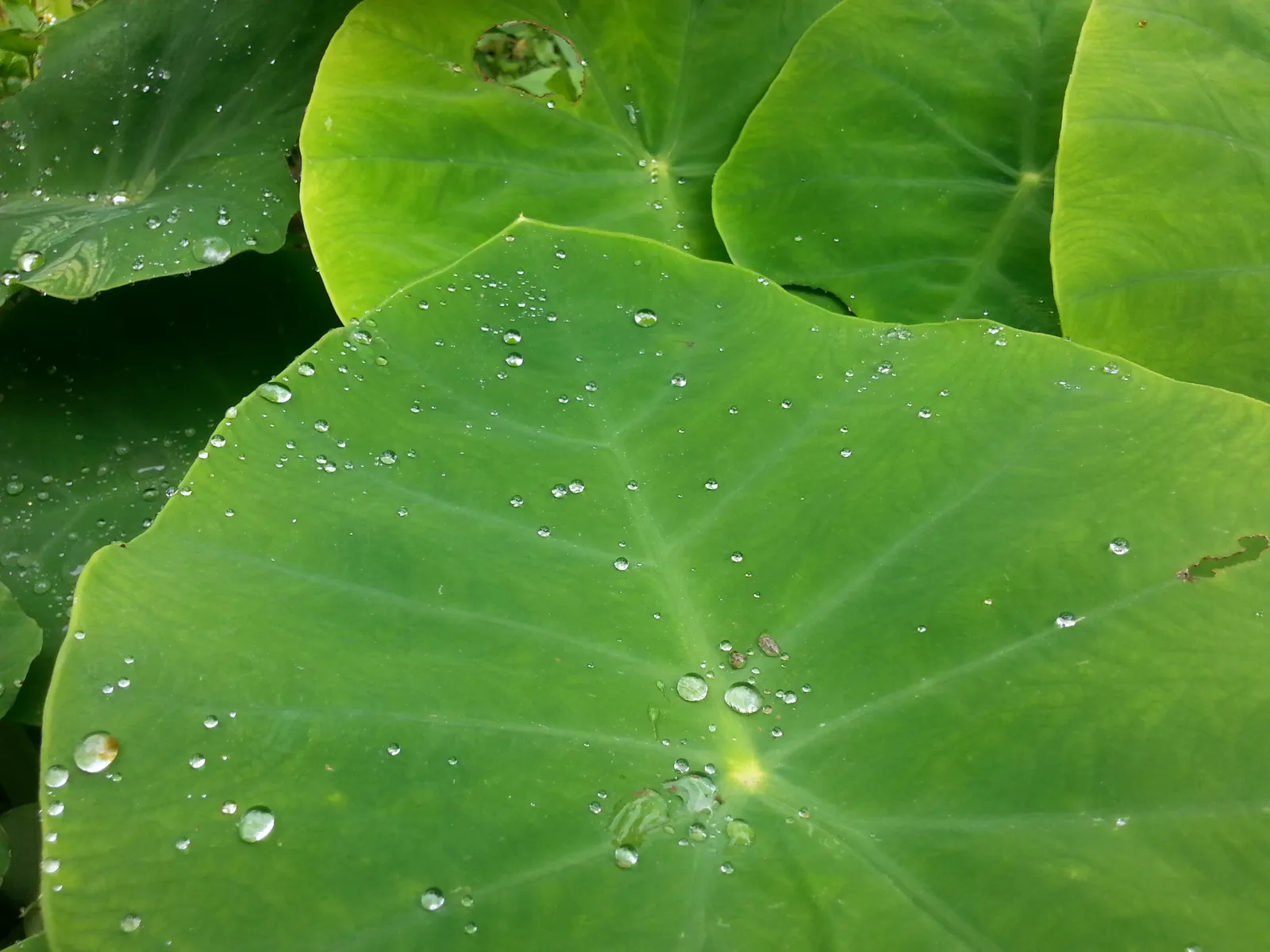
‘Black Coral’ has huge, glossy all-black corrugated leaves and thrives in average to moist soil. If ‘Black Magic’ is theatrical, ‘Black Coral’ goes a step further. The corrugated texture of the leaves catches light in uneven ways, giving each leaf an almost sculptural quality.
‘Black Coral’ elephant ear features deep, nearly black glossy leaves that ripple like dark ocean waves. It thrives in warm, wet conditions and looks stunning in tropical gardens or water features. The rippled surface gives it a texture that flat-leaved plants simply can’t compete with.
Several elephant ears offer nearly black leaves, made doubly impressive thanks to their size, with many varieties producing foot-long foliage in one season. These plants must be treated as annuals or wintered indoors in most hardiness zones. The trade-off in effort is absolutely worth it for the visual impact they deliver during warm months.
How to Use Dark Foliage Plants Effectively
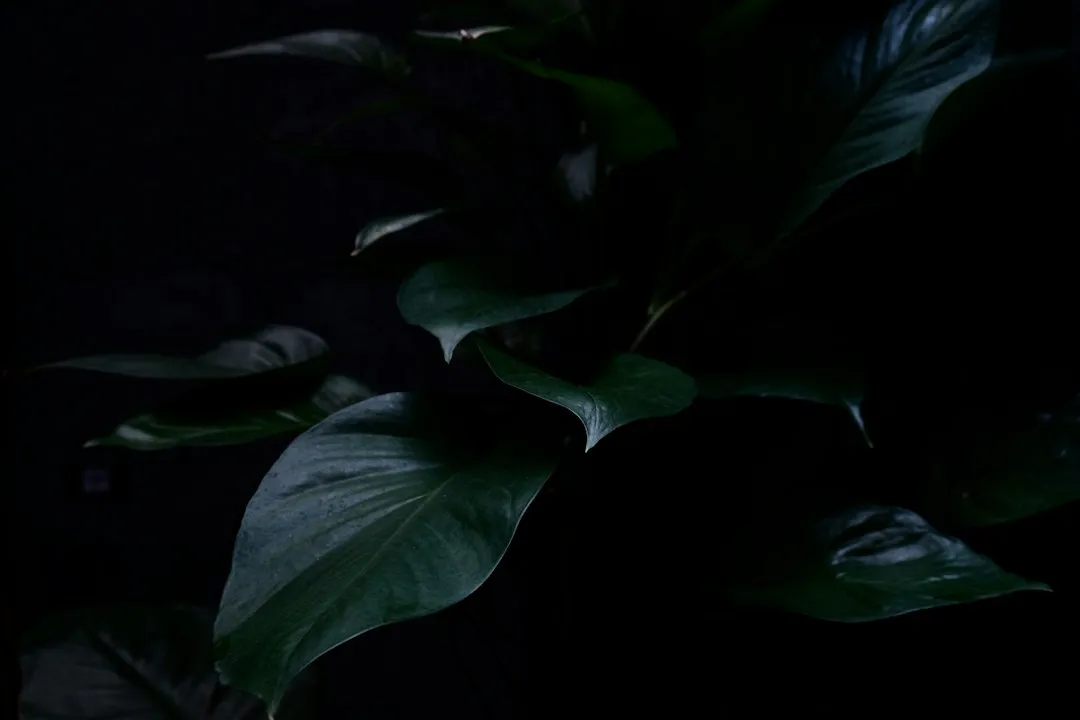
For the best dramatic effect, position your darkest foliage plant where it can be backlit by morning or afternoon sun, which intensifies the visual impact. Backlighting is the single most underused trick with dark-leaved plants. Against bright sky or a pale wall, they become something else entirely.
Decisively placing dark-leaved plants throughout your yard creates a visual rhythm that guides the eye around the landscape and along garden beds and pathways. Clustering them all in one spot tends to read as a mistake rather than a design choice. Spreading them out creates coherence.
Pair these plants with contrasting lighter foliage like silver artemisia or dusty miller to make the dark hues pop. These darker hues add drama and richness to beds, borders, and containers, pairing well with most other colors. Gold, lime, and silver foliage are all natural companions for near-black leaves.
Why Dark Foliage Plants Are Growing in Popularity
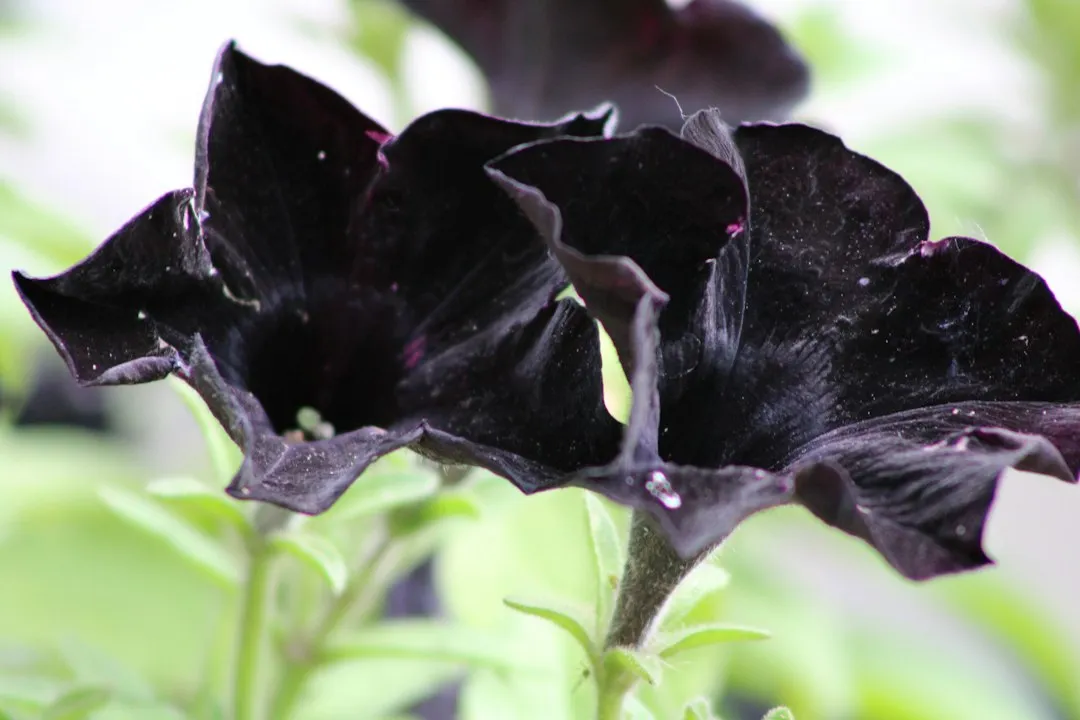
Plants with black and dark foliage are having a moment in the gardening world. From city balconies to shaded woodland borders, gardeners are increasingly using deep foliage and dark blooms to add contrast and drama to outdoor and indoor plantings.
Bailey Nurseries released the Eclipse bigleaf hydrangea, notable for its consistently purplish-black leaves that set off cranberry-hued blooms. New cultivars with darker and more stable pigmentation continue to reach the market, reflecting real commercial demand from home gardeners who want something beyond the typical green border.
Black foliage plants bring a dramatic and sophisticated twist on traditional garden design. These plants bring depth, contrast, and a touch of mystery to any outdoor space, and they’re easier to grow than you might think. That approachability is part of what’s driving the trend. The aesthetic is moody, the maintenance often isn’t.
The Takeaway
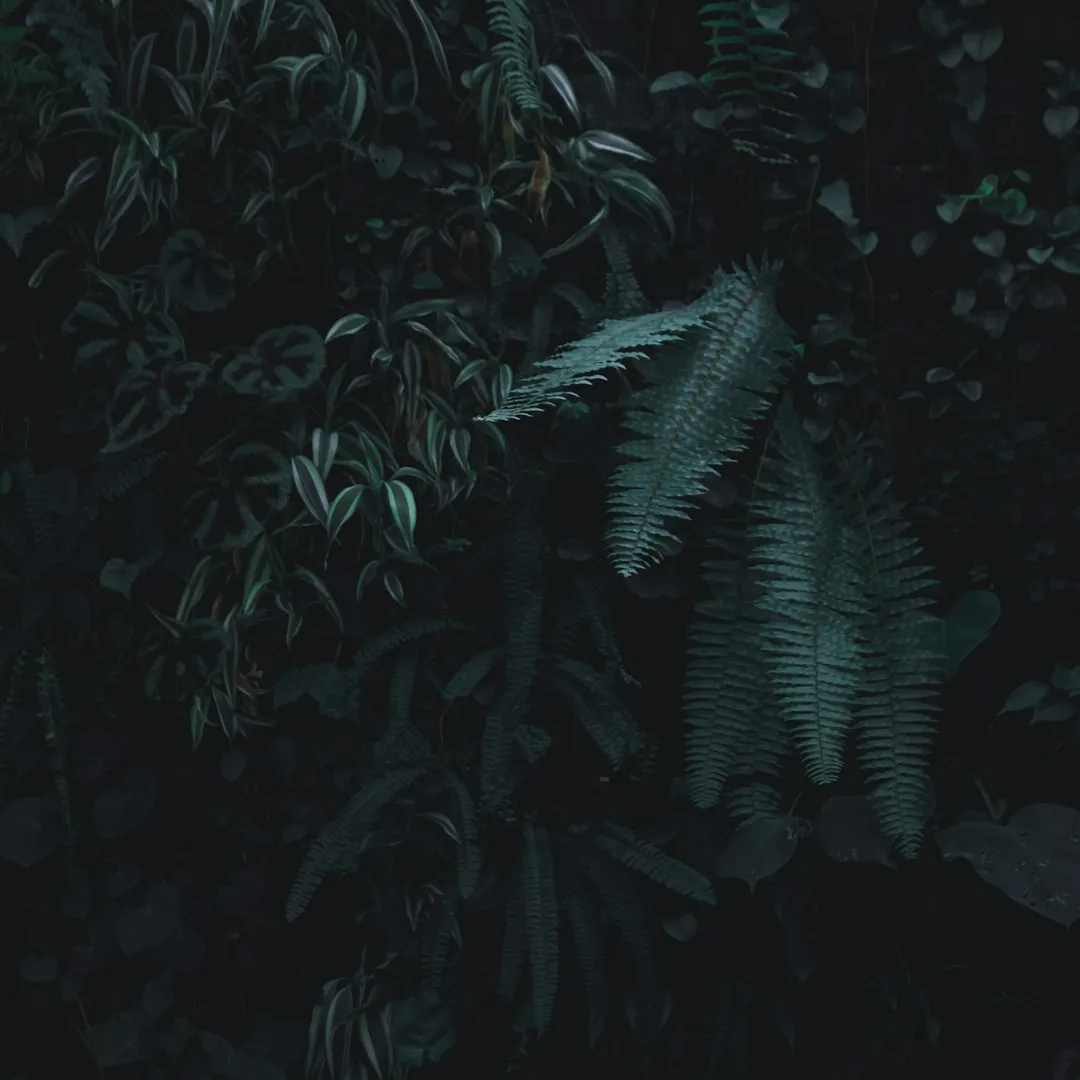
A haunted-looking garden doesn’t require planning around Halloween. It comes naturally from understanding how dark foliage interacts with light, structure, and surrounding plant color. The seven plants covered here range from ground-hugging perennials to bold tropical statement pieces, meaning there’s a dark-leaved option for almost any garden style or climate zone.
The deeper point is this: near-black foliage doesn’t drain the life from a garden. It actually makes everything around it look more vivid. Light greens seem lighter. Whites practically glow. And the whole space takes on a depth that conventional planting schemes rarely achieve. That’s not a haunted feeling at all. It’s just good design in a dramatic key.
AI Disclaimer: This article was created with the assistance of AI tools and reviewed by a human editor.