

As a gardener, you know that a thriving garden ecosystem depends on a delicate balance of plants, insects, and animals. While outdoor lighting can enhance the beauty of your garden at night, it can also have unintended consequences on the wildlife that calls your garden home. Many beneficial insects and animals are harmed by artificial lighting, which can disrupt their natural behaviors and threaten their survival.
In this article, I’m excited to share 7 beneficial insects and animals that are negatively affected by outdoor lighting. Understanding these impacts can help you make more informed decisions about lighting in your garden. Let’s explore how to protect these valuable creatures and create a garden that supports biodiversity!
Moths
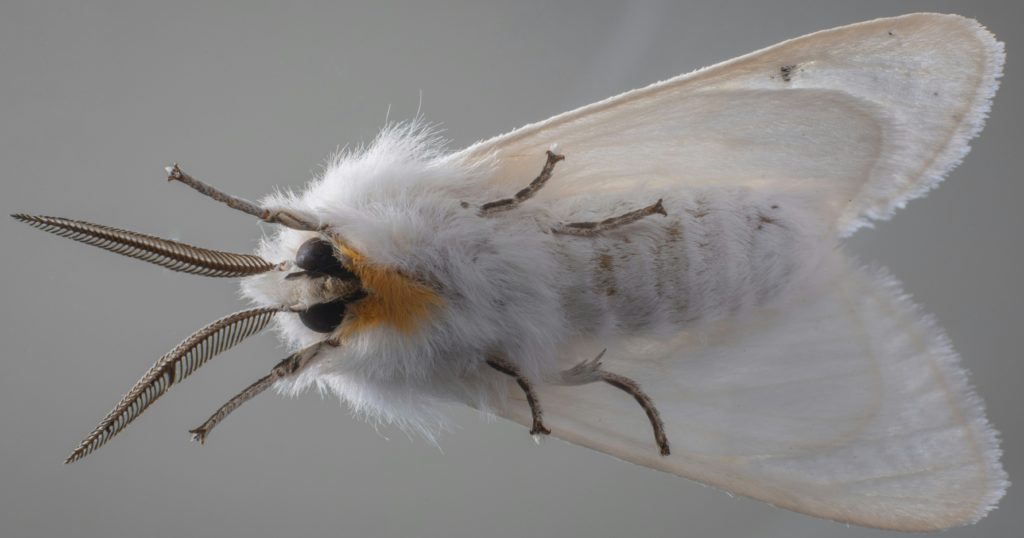
Moths are essential pollinators, playing a critical role in the nocturnal pollination of many plants. Unfortunately, outdoor lighting can disorient moths, leading them away from their natural habitats and interrupting their pollination activities. The phenomenon known as “flight-to-light” causes moths to circle lights endlessly, wasting energy and making them easy prey for predators.
To protect moths, consider reducing or eliminating outdoor lighting in your garden. Use motion-activated lights or timers to minimize unnecessary illumination. Additionally, opting for warmer-colored lights can reduce their attractiveness to moths. Creating dark refuges in your garden allows moths to carry out their vital pollination work undisturbed.
Bats
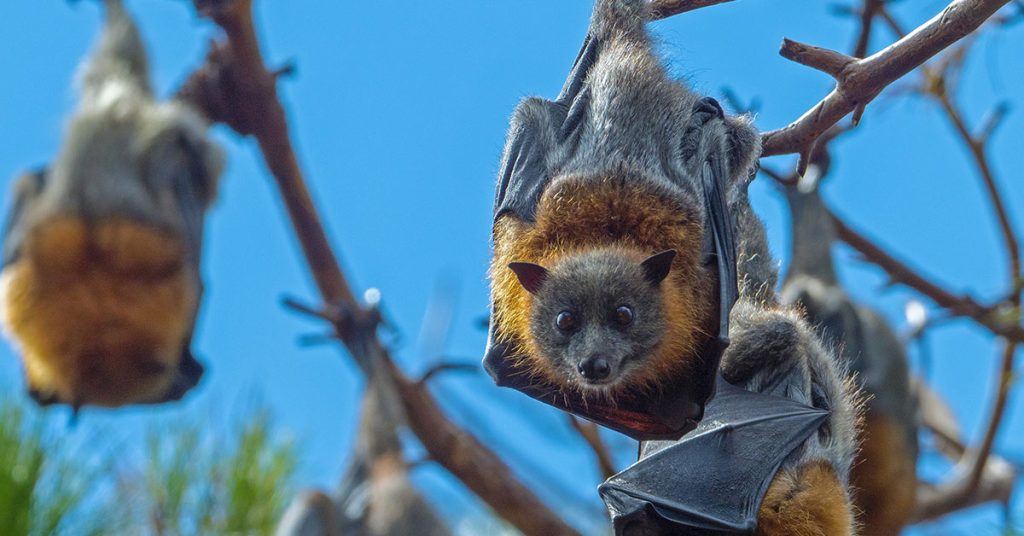
Bats are invaluable for insect control, consuming vast quantities of pests such as mosquitoes and moths. However, outdoor lighting can disrupt their feeding patterns and navigation. Bright lights can deter bats from entering an area, reducing their effectiveness as natural pest controllers. Moreover, artificial lighting can attract insects, reducing the availability of prey for bats.
To help bats thrive, limit the use of bright lights in your garden, especially around areas where bats are known to roost or feed. Installing bat boxes can provide safe nesting sites, encouraging them to stay in your garden. Shielding lights or directing them downward can minimize their impact on these nocturnal hunters.
Fireflies
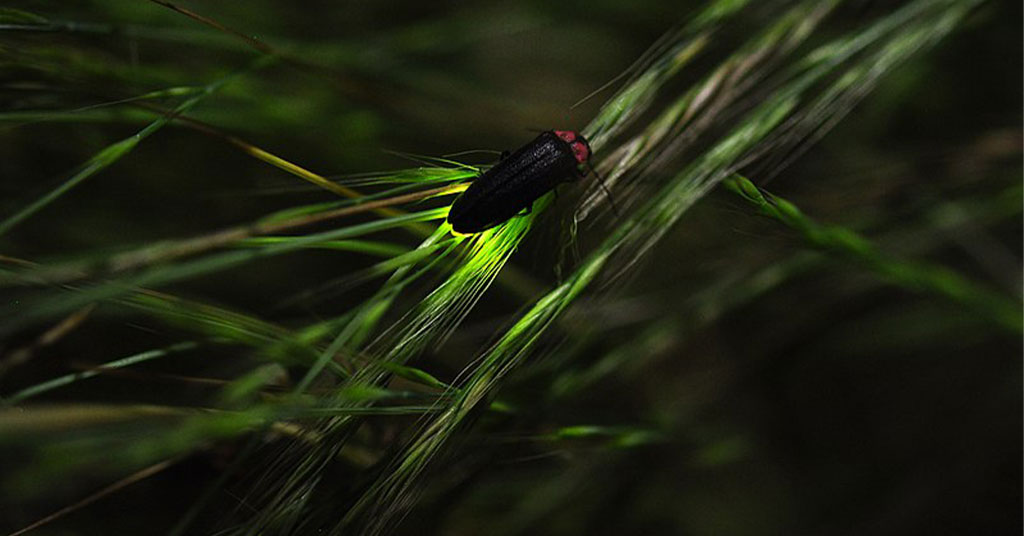
Fireflies are enchanting insects that rely on their bioluminescent signals to attract mates. Artificial lighting can interfere with these signals, making it difficult for fireflies to find partners and reproduce. The reduction in firefly populations is a loss not only of a magical sight but also of a valuable part of the ecosystem.
To support fireflies, create dark areas in your garden by turning off unnecessary lights at night. Planting native vegetation and maintaining moist habitats, such as ponds or wetland areas, can also attract fireflies. Avoiding the use of pesticides ensures a healthy environment for these luminous insects to thrive.
Frogs and Toads

Frogs and toads are beneficial garden inhabitants, feeding on pests like slugs, snails, and insects. However, artificial lighting can disrupt their nocturnal activities, including feeding and breeding. Bright lights can deter frogs and toads from coming out at night, reducing their effectiveness as natural pest controllers.
To protect these amphibians, reduce outdoor lighting, especially near ponds or wet areas where they are likely to reside. Providing dark, sheltered spots and water features in your garden encourages frogs and toads to make your garden their home. Motion-activated lights can minimize the disruption to their nightly routines.
Birds
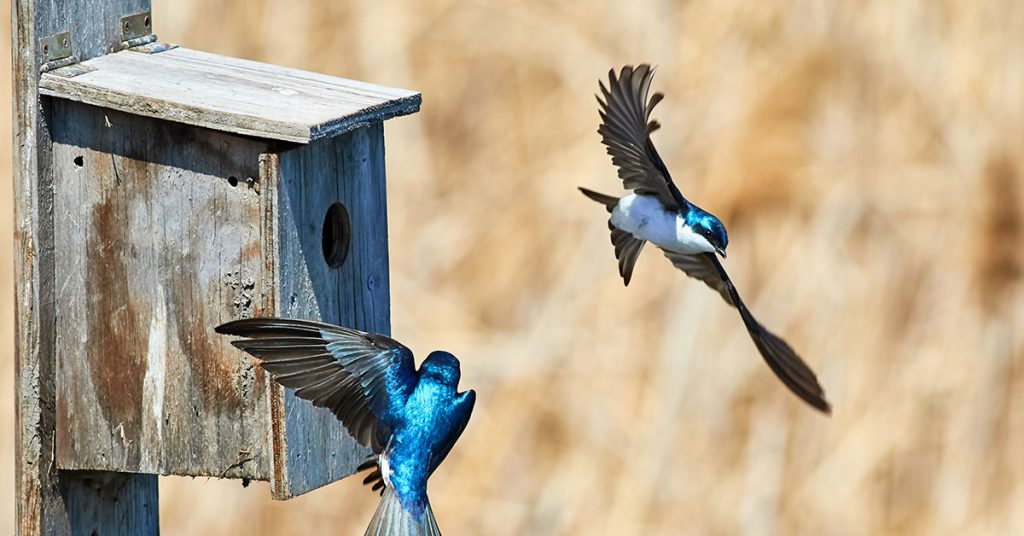
Many bird species, particularly migratory ones, navigate using the stars. Artificial lighting can disorient these birds, leading them off course and causing collisions with buildings. Bright lights can also disrupt the natural sleep patterns of birds, affecting their health and reproductive success.
To help birds, use shielded outdoor lights that direct illumination downward. Installing bird-friendly lighting fixtures and reducing light pollution can make a significant difference. Creating bird-friendly habitats with native plants and water sources can provide safe resting spots for migratory birds.
Butterflies
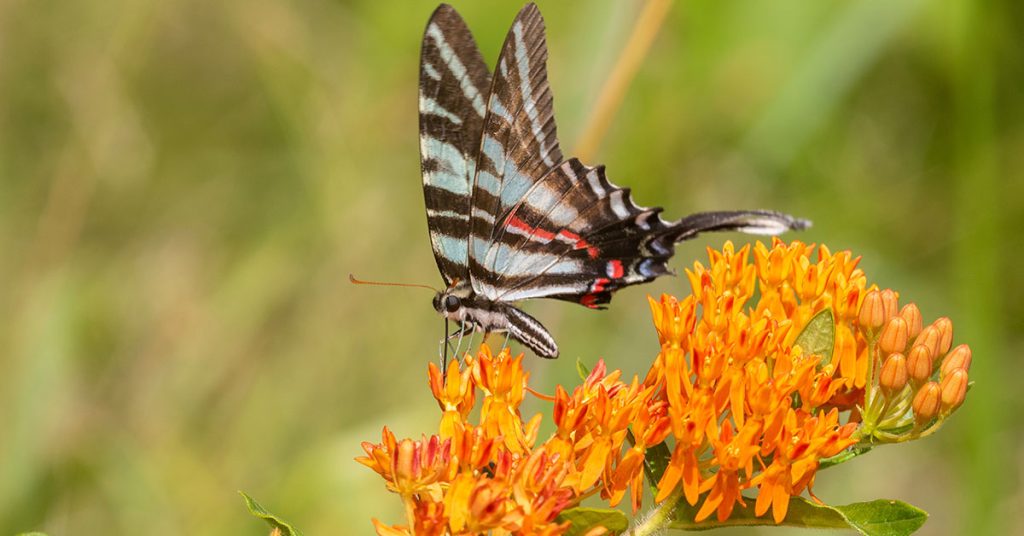
Butterflies, like moths, can be affected by artificial lighting, which can disrupt their natural behaviors and lifecycle. Night-active species or those that roost in illuminated areas may experience disorientation and increased predation. This can reduce their populations and impact their role as pollinators.
To support butterflies, minimize outdoor lighting in your garden. Planting a variety of native flowering plants provides essential nectar sources. Creating shaded areas and using lights with motion sensors or timers can help reduce the negative effects of artificial lighting on these delicate insects.
Spiders

Spiders play a crucial role in controlling insect populations in your garden. However, artificial lighting can attract insects, disrupting the natural prey-predator balance. Bright lights can also cause spiders to avoid certain areas, reducing their effectiveness in managing pests.
To support spiders, reduce outdoor lighting and create dark, sheltered spots where they can build their webs undisturbed. Planting a variety of vegetation provides habitat and prey for spiders. Shielding lights or using warm-colored bulbs can help minimize the impact on these beneficial arachnids.
Understanding the impact of outdoor lighting on beneficial insects and animals is crucial for maintaining a healthy garden. By adopting light-friendly practices, you can create a welcoming environment for wildlife and enjoy the natural beauty of your garden.