

Most people who’ve had a panic attack know the feeling well: a hammering heart, trouble catching your breath, a vague but insistent sense that something is wrong. It passes, and they chalk it up to stress. What they may not realize is that some of those episodes may not be anxiety at all.
Atrial fibrillation, a rapid and irregular heartbeat that can lead to stroke or sudden death, is now estimated to affect nearly 5% of the population, or roughly 10.5 million U.S. adults, according to new estimates from UC San Francisco. That’s a far larger number than researchers had previously suspected. Many of the symptoms of AFib have alternative explanations, so it’s easy to assume they are caused by something else.
That confusion carries real consequences. Symptoms like palpitations and fatigue are frequently attributed to anxiety, stress, or hormonal changes, particularly in women, who wait an average of 2.3 years longer than men for diagnosis. Here are the seven signs most often missed.
1. Heart Palpitations That Feel Random and Irregular
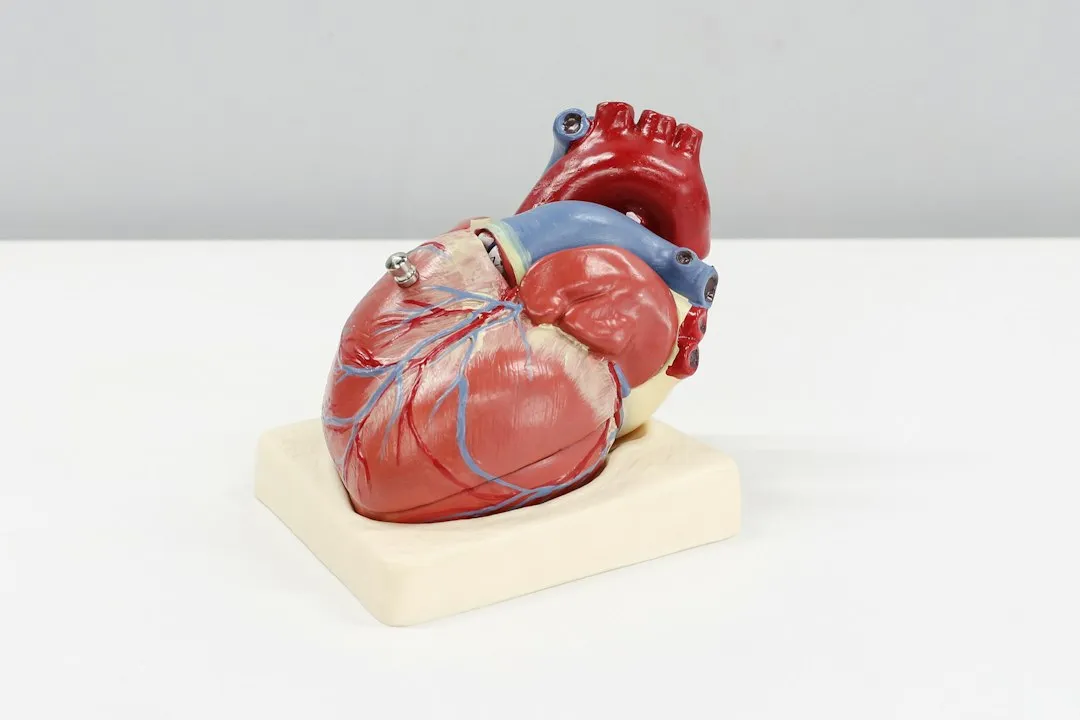
When AFib does cause symptoms, they can include heart palpitations, which can feel like fluttering or skipped heartbeats. People often assume this fluttering is a stress response, especially when it appears without an obvious trigger. The key difference lies in the rhythm itself.
Anxiety-related palpitations usually feel fast but regular, build with emotional triggers, and respond to breathing exercises. AFib palpitations, on the other hand, come with a chaotic, uneven quality that doesn’t settle down with calm breathing. AFib symptoms typically don’t improve with anti-anxiety techniques like deep breathing or grounding exercises.
2. Shortness of Breath at Rest

Shortness of breath is a hallmark of anxiety, but it’s also one of the most common AFib symptoms, according to the Heart Rhythm Society. When it comes from anxiety, it usually follows a stressful thought or situation. When it comes from AFib, it can appear out of nowhere, even when you’re sitting quietly.
Shortness of breath frequently accompanies AFib, occurring both during physical activity and sometimes even at rest. If you notice breathlessness that isn’t connected to exertion or emotional stress, that pattern is worth bringing to a doctor. If you experience a combination of symptoms including palpitations, shortness of breath, dizziness, or fatigue, you should see your doctor and have an ECG or heart monitor performed to assess for atrial fibrillation.
3. Extreme, Unexplained Fatigue

Fatigue and weakness are common AFib symptoms that result from the heart’s reduced ability to pump blood effectively when beating irregularly. This kind of tiredness has a distinct quality. It tends to be disproportionate to what you’ve actually done that day.
The fatigue associated with AFib can be particularly noticeable during activities that previously didn’t cause tiredness. Climbing stairs, carrying groceries, or walking across a parking lot suddenly feels like a lot more effort than it should. Women may have more subtle symptoms of AFib, like weakness and fatigue, and not the more obvious signs of illness, and doctors often diagnose women with AFib later than men.
4. Dizziness and Lightheadedness

When the heart beats erratically, it can’t pump blood efficiently, and blood flow to the brain drops, which produces the classic sensation of feeling lightheaded or close to fainting. Many people assume this is a symptom of a panic attack or low blood sugar, and move on.
Dizziness and lightheadedness can occur when AFib reduces blood flow to the brain. With anxiety, dizziness typically arrives alongside racing thoughts, shallow breathing, and a clear emotional trigger. Both stress and AFib can also cause lightheadedness, dizziness, shortness of breath, chest pain and discomfort, and fatigue, which is exactly why getting a proper cardiac evaluation matters when these symptoms keep recurring.
5. Chest Pressure or Tightness
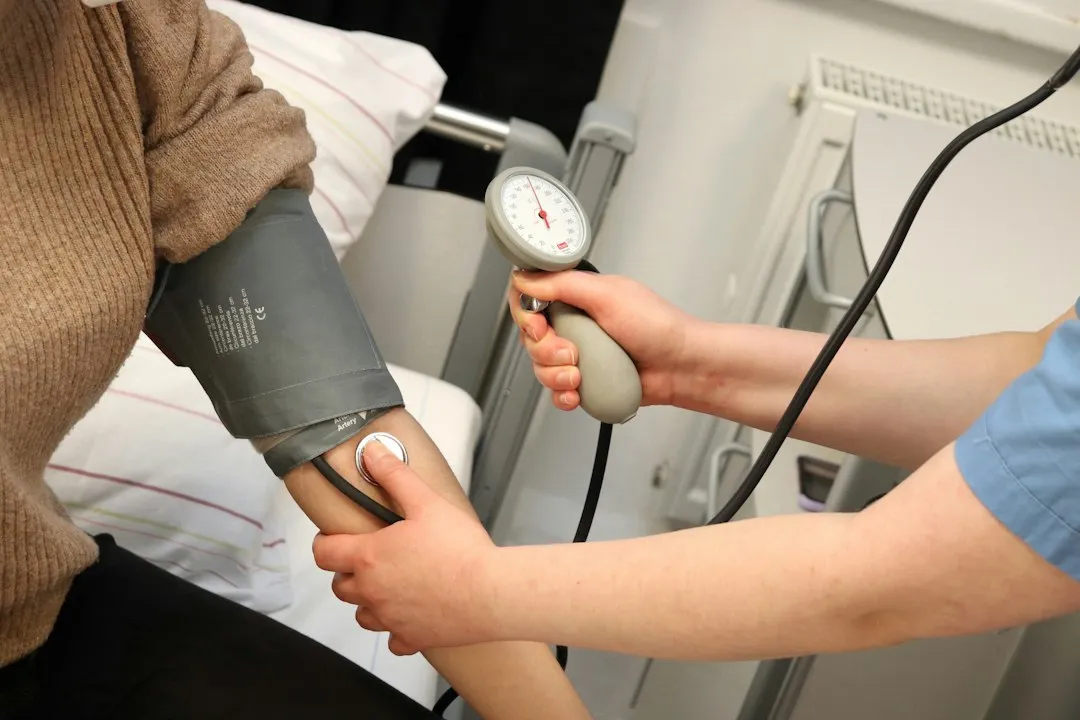
Chest discomfort associated with AFib is typically different from heart attack pain, often described as pressure, tightness, or aching rather than sharp, crushing pain. That vague, squeezing quality is precisely what makes people assume it’s tension or anxiety. It doesn’t feel dramatic enough to seem dangerous.
The chest sensations might feel like pressure in the center of your chest, a tight band around your chest, or a general feeling of discomfort that’s difficult to describe precisely. Anxiety produces chest tightness too, but it typically eases once the anxious episode passes. If the pressure lingers or returns without a clear emotional cause, that distinction matters.
6. Sudden Urge to Urinate

A less-discussed symptom that some people experience during AFib episodes is feeling as though they need to urinate. This symptom puzzles people. It seems completely unrelated to the heart, so it rarely gets connected to anything cardiac.
The mechanism behind it is reasonably well established. When the heart’s upper chambers beat erratically, pressure within them rises, triggering a hormonal signal that tells the kidneys to release more fluid. More frequent urination could be a sign your body is changing with age, which is exactly why it goes unreported and unexamined for so long. If this symptom appears together with palpitations or breathlessness, it deserves attention.
7. Symptoms That Linger Far Longer Than a Panic Attack
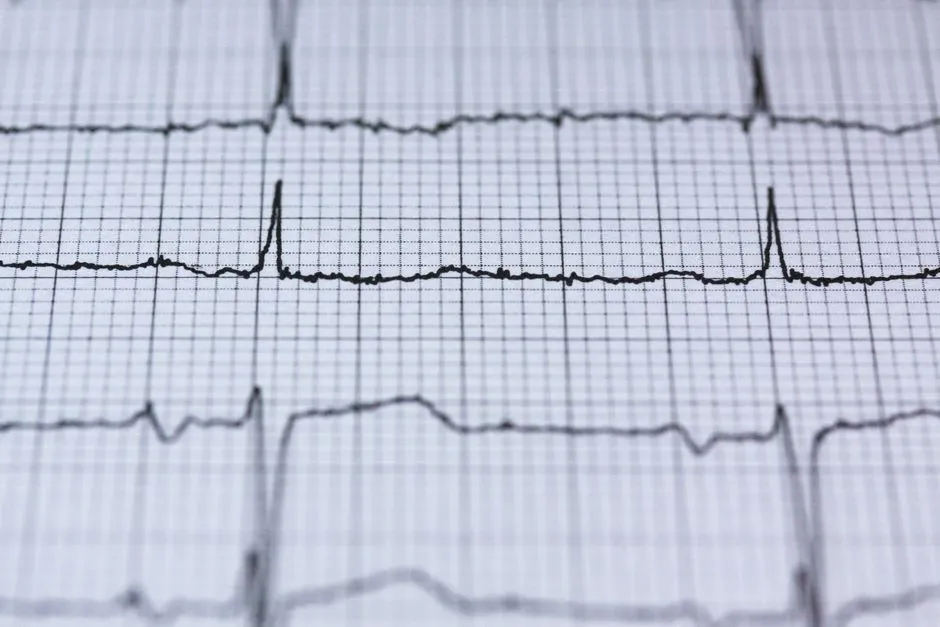
Heart conditions often show different timing. AFib may persist for hours or days, while anxiety symptoms typically build and fade within a shorter window. This is one of the clearest practical clues that many people overlook. A panic attack, by clinical definition, peaks within minutes.
Episodes of atrial fibrillation may come and go, or they may be constant. When an uncomfortable bout of palpitations, chest pressure, and fatigue stretches past an hour without a clear emotional cause, that timeline alone is a signal worth taking seriously. When palpitations are frequent, prolonged, or associated with fainting, chest pain, or significant shortness of breath, immediate medical care is warranted.
Why AFib Gets Mistaken for Anxiety So Often
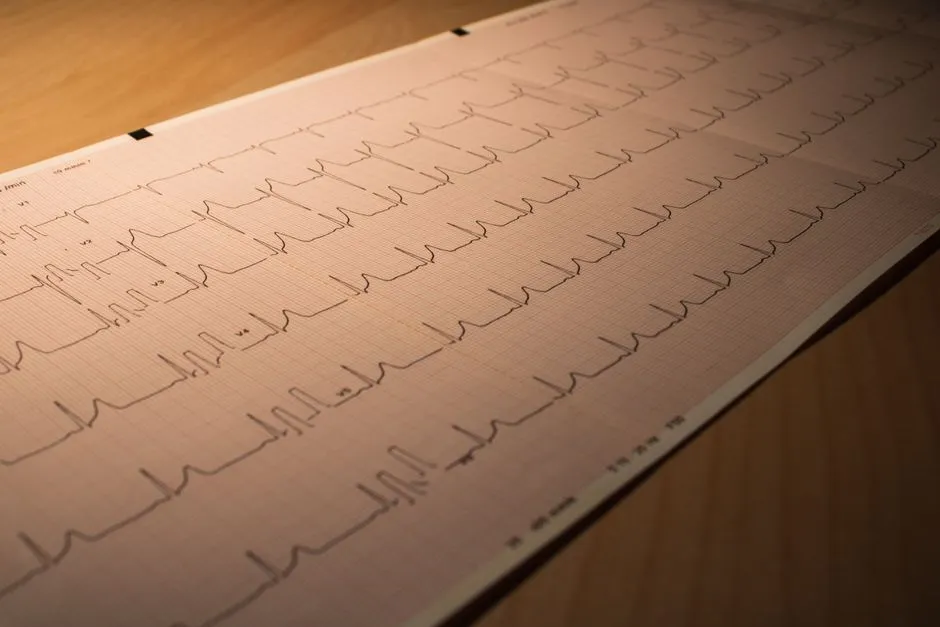
AFib is a major health care problem whose cardiac symptoms often overlap with panic attack symptoms. Both conditions can produce a racing heart, breathlessness, dizziness, and a general sense that something is physically wrong. That overlap isn’t superficial. It’s deep enough to fool both patients and, sometimes, clinicians.
Systematic reviews of studies have reported an association between psychological factors, including anxiety and stress, and episodes of atrial fibrillation. The relationship runs in both directions. Anxiety may also be a consequence of AFib symptoms, and it’s still an open question whether one condition causes the other. This bidirectional complexity makes clean diagnosis harder, which is a good argument for not relying on assumptions alone.
The Gender Gap in AFib Diagnosis

Males demonstrate a higher overall prevalence of AFib at roughly 4.87% compared to females at 3.11%, yet women face a persistent delay in getting diagnosed. The overlap between AFib symptoms and perimenopause symptoms adds another layer of confusion that works against timely detection.
Women wait an average of 2.3 years longer than men for an AFib diagnosis, and the route to that diagnosis often runs through a dismissal. If your doctor says it’s just anxiety without ever putting a monitor on you during an episode, that’s an incomplete evaluation. Advocating for cardiac monitoring is a reasonable and evidence-supported step.
Silent AFib: When There Are No Clear Symptoms at All

At least a quarter of people with AFib don’t feel any symptoms, a condition known as silent AFib. This version is particularly difficult to catch because there’s nothing alarming to report. The first sign can, in some cases, be a stroke.
An estimated 35% of people with AFib will have a stroke. That statistic makes early detection more than a convenience. Roughly 30% of individuals with atrial fibrillation do not receive anticoagulant medication, which suggests that gaps in diagnosis and treatment remain a real and ongoing public health issue.
How AFib Is Actually Diagnosed
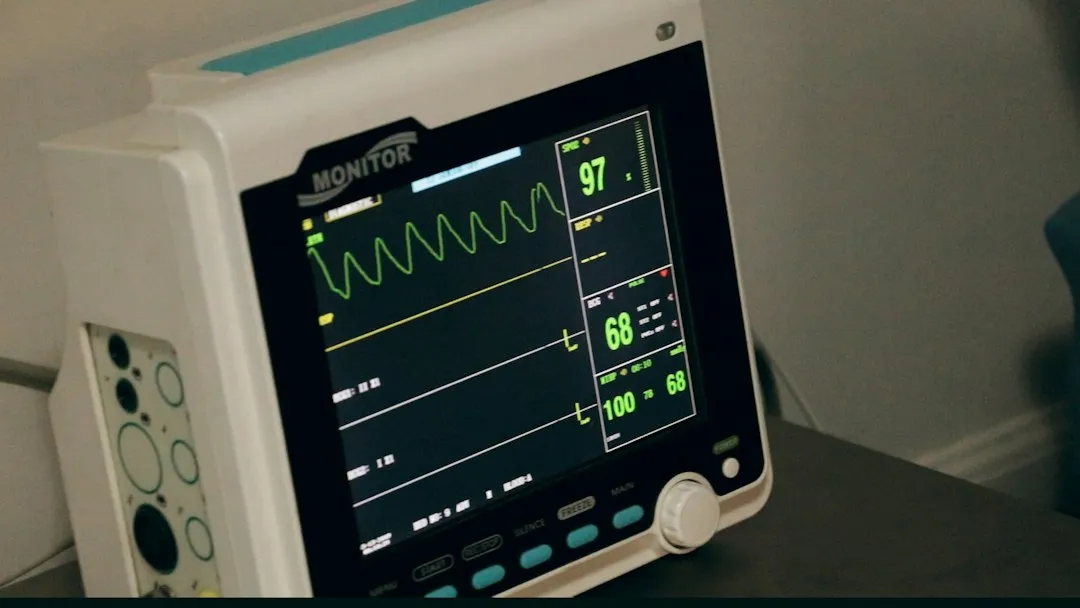
The only reliable way to differentiate AFib palpitations from anxiety palpitations is with a cardiac monitor recording during an episode. An EKG taken when you’re feeling fine may show nothing at all, since paroxysmal AFib comes and goes.
Because bouts of AFib are often short-lived and sometimes symptomless, diagnosing it can be challenging. Longer-term monitors, worn for days or weeks, give a much more complete picture. Undiagnosed AFib is in decline, largely thanks to the widespread use of personal devices like smartwatches that automatically detect when your heart is in AFib. These consumer devices aren’t diagnostic tools on their own, but they’ve prompted many people to seek evaluation earlier than they otherwise would have.
The Takeaway
Anxiety is real, common, and deserves proper care. So does AFib. The problem is that treating one when you actually have the other isn’t just ineffective. It can be genuinely dangerous. Even if you have a history of anxiety, new or different symptoms should always be evaluated by a medical professional to rule out underlying heart conditions.
The symptoms covered here, from irregular palpitations to persistent fatigue to unexplained chest pressure, aren’t reasons to panic. They’re reasons to ask for a monitor and a proper evaluation. Even if symptoms are mild but recurrent, a cardiology evaluation is warranted to rule out AFib. That’s not an overreaction. That’s just paying attention to your own body with appropriate care.
AI Disclaimer: This article was created with the assistance of AI tools and reviewed by a human editor.