

Chronic inflammation is one of the quieter health threats of our time. Unlike the obvious swelling after a sprain, low-grade systemic inflammation builds slowly and sits at the root of conditions like heart disease, type 2 diabetes, and neurodegenerative disorders. It is increasingly recognized as a key factor in the development and progression of many serious chronic conditions.
The good news is that what you eat has a measurable effect on this process. Real food beats fancy supplements, with simple staples like berries, leafy greens, fatty fish, and olive oil delivering proven, science-backed anti-inflammatory benefits. Here are seven foods with solid research behind them.
1. Fatty Fish (Salmon, Sardines, Mackerel)
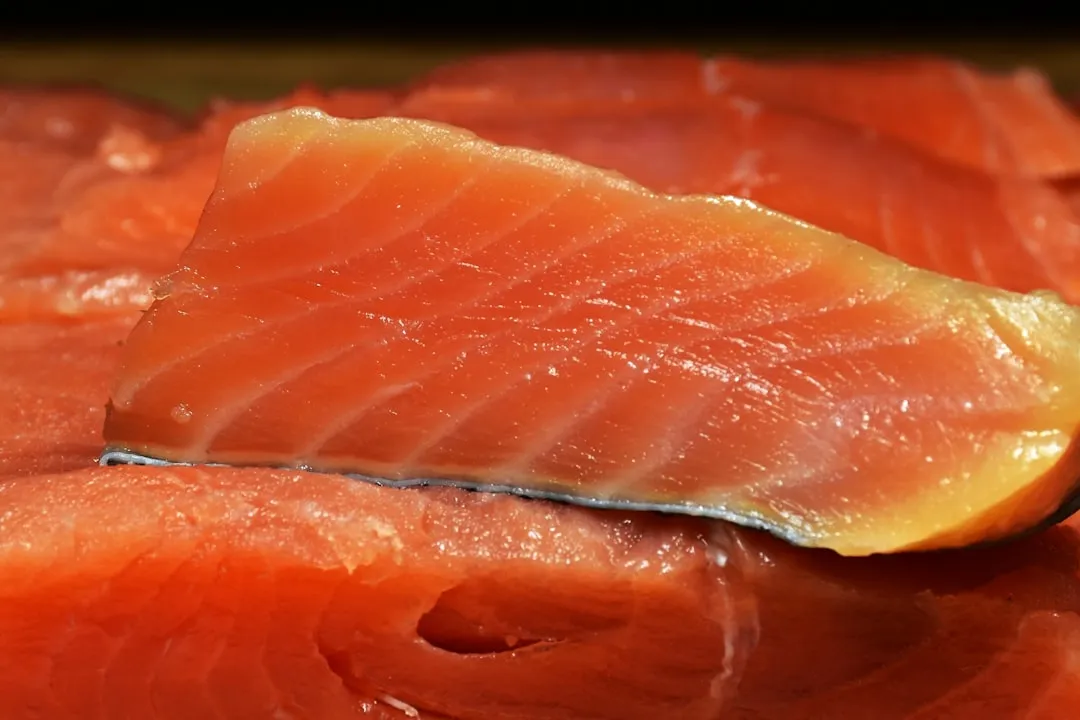
Fatty fish such as salmon, mackerel, sardines, and herring provide EPA and DHA, the most potent dietary anti-inflammatory compounds available. These omega-3 fatty acids directly inhibit the production of pro-inflammatory eicosanoids, cytokines, and reactive oxygen species.
Foods that lower C-reactive protein include fatty fish rich in omega-3s, which directly reduce this key inflammatory marker. CRP is one of the primary biomarkers doctors use to track systemic inflammation, making this connection genuinely meaningful.
Most nutritional guidelines suggest aiming for two to three servings of fatty fish per week, providing roughly 1,000 to 2,000 mg of combined EPA and DHA. That is a relatively modest commitment for a meaningful payoff.
2. Berries (Blueberries, Strawberries, Blackberries)
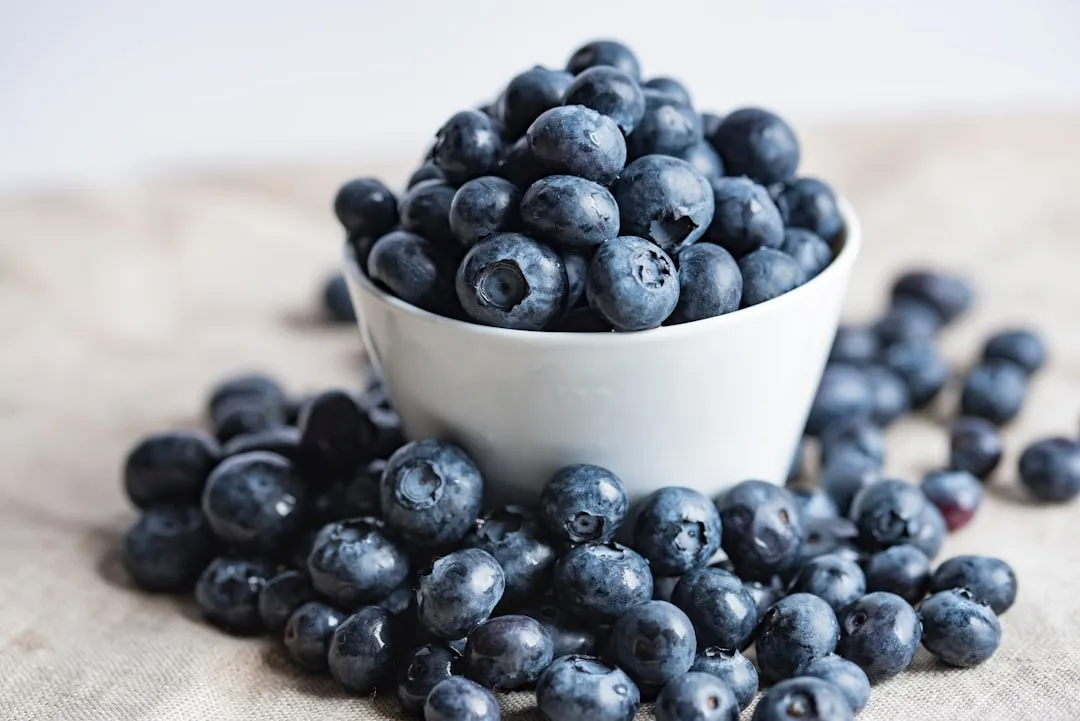
The pigments that give berries their color, specifically anthocyanins in blue and purple varieties, are powerful anti-inflammatory and antioxidant compounds. Berries rank among the highest antioxidant-density foods measured.
Berries, cherries, and dark chocolate reduce CRP through their high anthocyanin content. What’s notable is that these effects appear even with modest, consistent intake rather than requiring large therapeutic doses.
Small dietary changes yield measurable results. Eating two to four servings of berries per week can significantly reduce inflammation markers. Variety helps too, since different berries carry slightly different antioxidant profiles.
3. Extra Virgin Olive Oil

Extra-virgin olive oil may help reduce inflammation, which is one of the main reasons for its health benefits. The antioxidants mediate the main anti-inflammatory effects, key among them being oleocanthal.
Studies revealed that a compound in the oil called oleocanthal prevents production of pro-inflammatory COX-1 and COX-2 enzymes, much as ibuprofen does. That is a remarkable parallel for a food most people already have in their kitchen.
A systematic review including 15 clinical trials with over 2,400 adults found that following a Mediterranean diet enriched with olive oils can reduce Interleukin-6 and C-reactive protein, two key markers of systemic inflammation. The evidence base here is among the strongest for any single dietary fat.
4. Leafy Greens (Spinach, Kale, Swiss Chard)
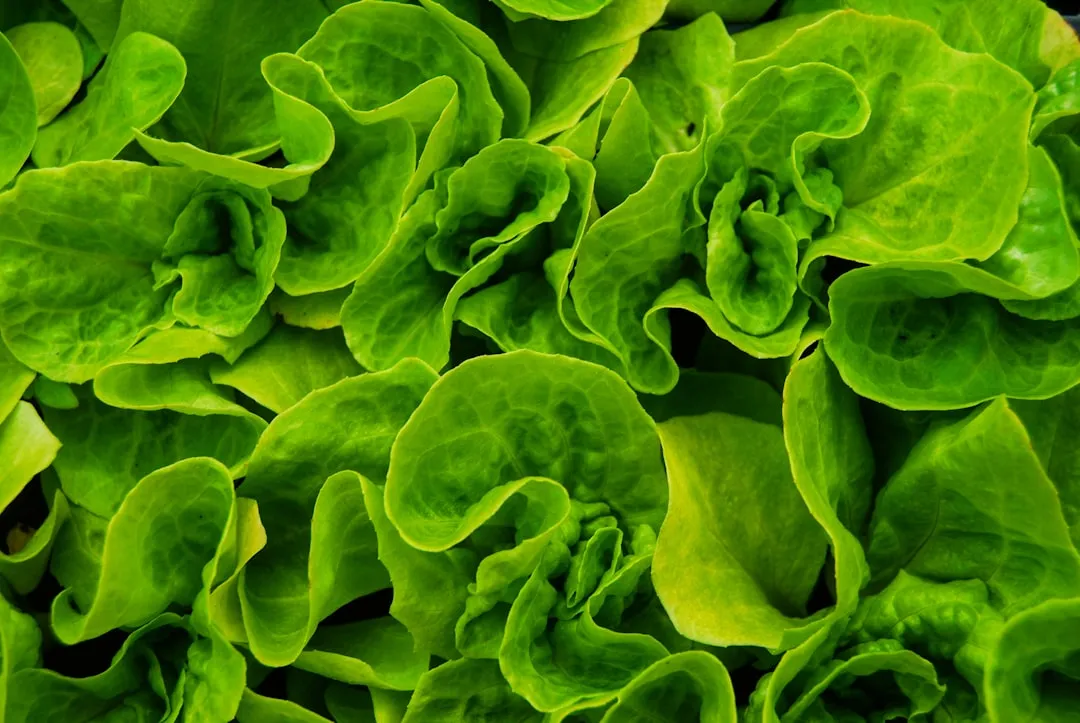
Dark leafy greens like kale, spinach, and Swiss chard are densely packed with vitamins A, C, E, and K, along with potent antioxidants like carotenoids and flavonoids. These compounds work synergistically to protect cells from oxidative stress, a key driver of chronic inflammation.
Leafy greens provide folate, magnesium, and vitamin K alongside anti-inflammatory phytochemicals. Magnesium in particular is often underappreciated in this context, as low magnesium status has been associated with elevated inflammatory markers in multiple studies.
Fruits and vegetables, especially berries and leafy greens, are among the key dietary components showing meaningful anti-inflammatory potential. Regular consumption does not require elaborate preparation. A handful of raw spinach in a smoothie or a quick sauté with garlic does the job.
5. Turmeric
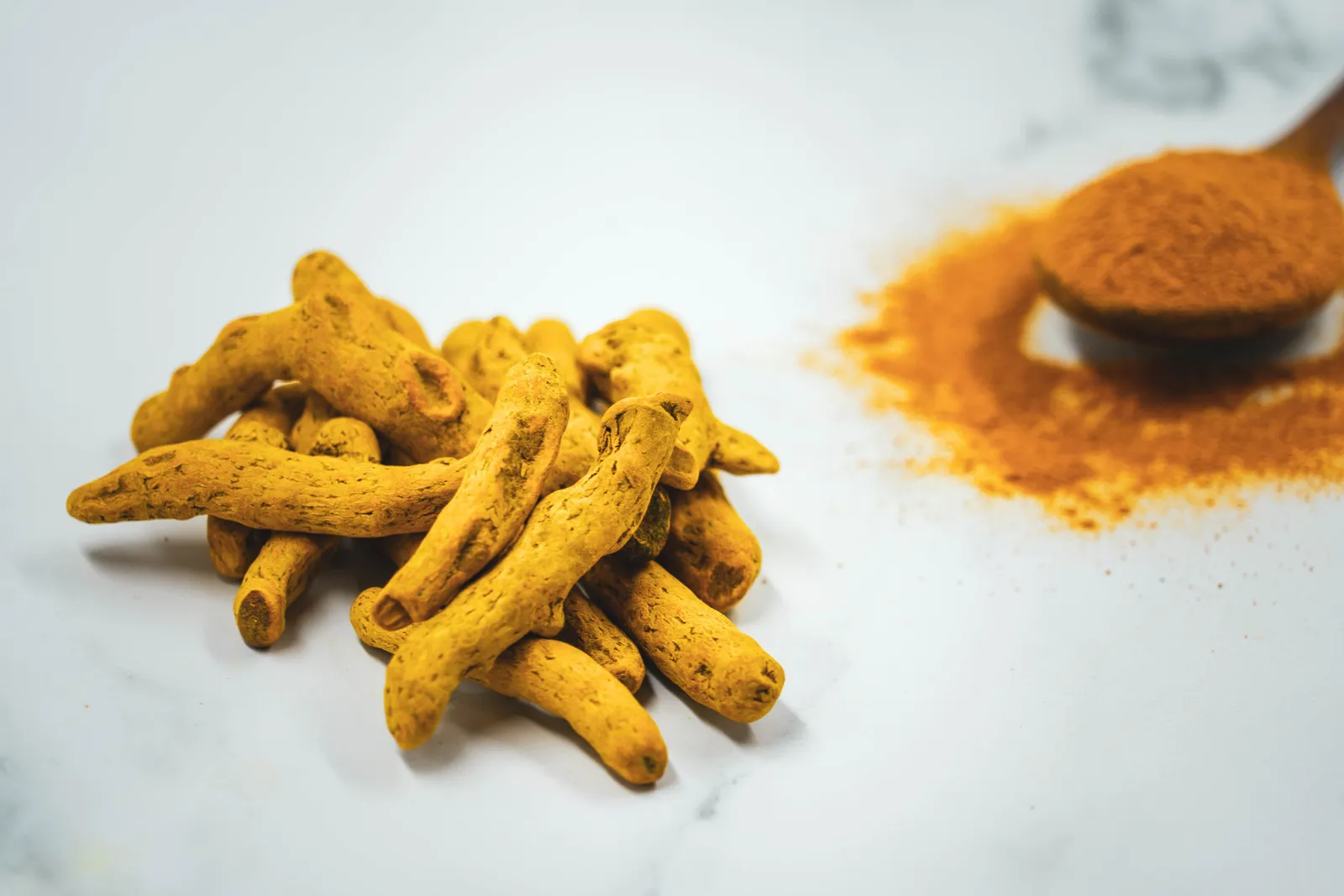
There is evidence to support the claim that the curcumin in turmeric can help reduce inflammation. Curcumin is the active polyphenol compound in the spice, and it has been studied across a wide range of inflammatory conditions.
Curcumin has been shown to reduce CRP markers across multiple randomized controlled trials. It works by targeting several inflammatory pathways simultaneously, which makes it a biochemically versatile compound.
Research suggests that curcumin reduces inflammatory markers, and regular daily consumption alongside a healthy diet may contribute to lower inflammatory tone over time, particularly when black pepper is added to improve curcumin absorption. That pairing with black pepper, which contains piperine, is a practical and evidence-supported tip worth remembering.
6. Walnuts and Other Nuts
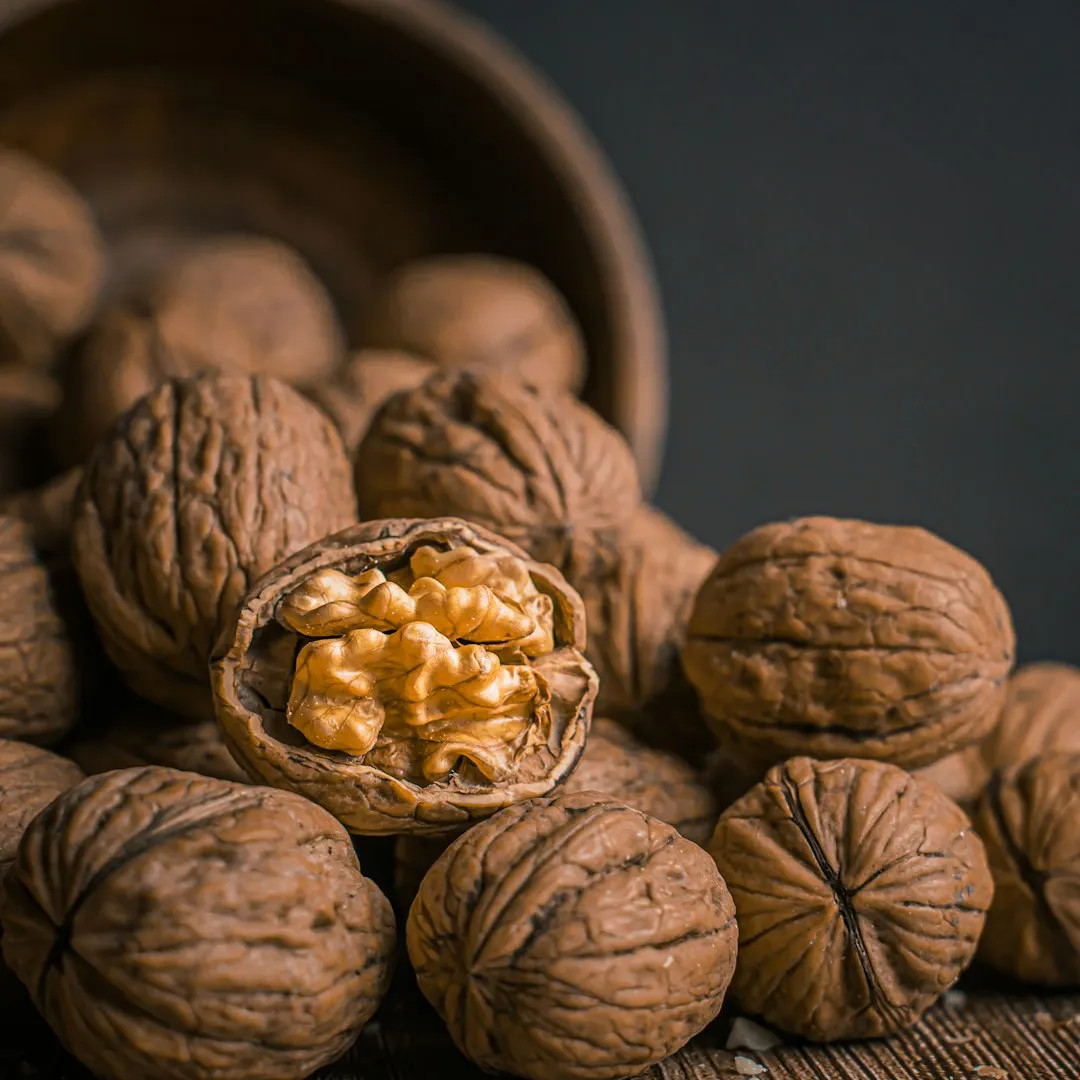
A handful of walnuts ranks as a top anti-inflammatory snack due to their exceptional ALA omega-3 content, vitamin E, and polyphenols. Just one ounce provides more anti-inflammatory benefits than most other quick snacks.
Nuts, particularly walnuts, are among the key dietary components identified in recent research showing potential anti-inflammatory benefits. Unlike many other snack foods, they deliver fiber, healthy fat, and bioactive compounds in a single serving.
Walnuts are among the foods with the strongest evidence for reducing inflammatory markers. These foods are rich in omega-3s, polyphenols, and fiber, which are considered three central pillars of an anti-inflammatory diet.
7. Ginger
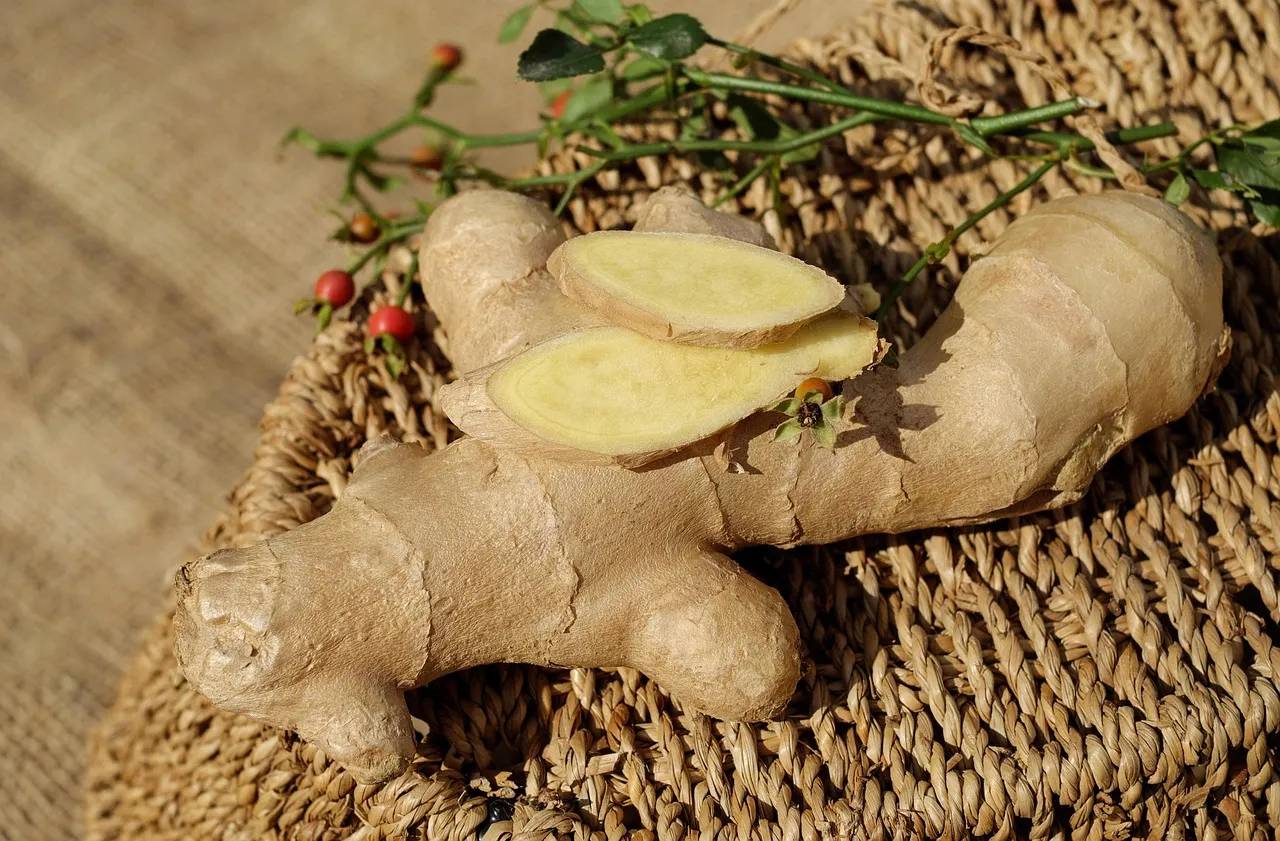
Ginger, or Zingiber officinale, is a tropical plant with a long history of use in traditional medicine. Many of its components can limit the production of cytokines and the activity of cyclooxygenase enzymes, which promote inflammation.
The anti-inflammatory effects of ginger are attributable to the presence of gingerols. The active components of ginger inhibit cyclooxygenase and 5-lipoxygenase activity, inhibiting the biosynthesis of prostaglandin E2 and leukotriene B4, both of which drive inflammatory responses.
Both turmeric and ginger are rich sources of antioxidant phenolic compounds that help neutralize reactive oxygen species. Chronic oxidative stress is associated with accelerated aging and chronic disease, and regular consumption of these compounds as part of a diet high in vegetables, fruits, and whole grains supports the body’s overall antioxidant defense.
How Quickly Do These Foods Work?
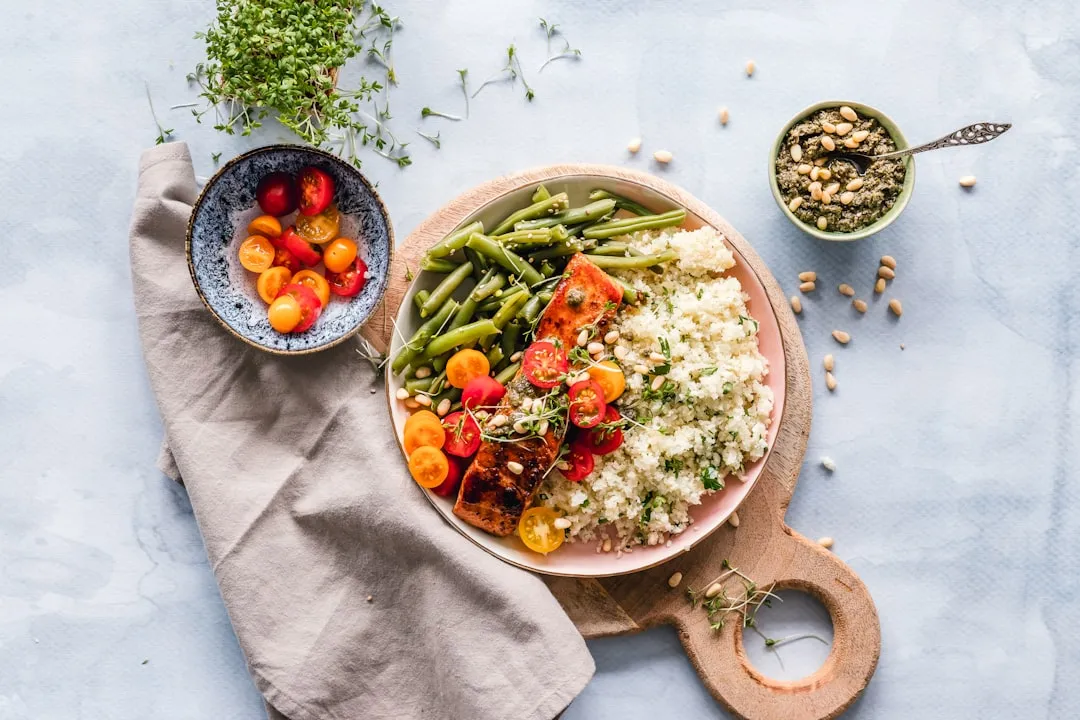
Most studies show measurable changes in inflammatory biomarkers like CRP and IL-6 within two to six weeks of consistent dietary changes. That is a relatively short window, which makes the research feel practical rather than abstract.
These foods are generally rich in antioxidants, dietary fiber, and bioactive compounds that may help modulate inflammation, support gut health, and promote neuroprotection. The mechanisms are interconnected, meaning no single food works in isolation.
Flavonoids are identified as key anti-inflammatory components across food groups. Looking for foods with deep color, bitterness, or distinct flavor often points you toward the ones with the highest flavonoid content.
The Role of Chronic Inflammation in Disease

Chronic inflammation is a critical factor in the pathogenesis of many disease states, including cardiovascular disease, cancer, diabetes, degenerative joint diseases, and neurodegenerative diseases. Understanding this link is what elevates the anti-inflammatory diet from a wellness trend to a serious health strategy.
An anti-inflammatory diet was associated with reduced type 2 diabetes risk by around one fifth in a study of over 100,000 people. Numbers like this are worth pausing on, because they suggest diet is not just supportive, it may be protective in a meaningful way.
Chronic low-grade inflammation is increasingly recognized as a key factor in the etiology and progression of these conditions. The evidence examines the anti-inflammatory and neuroprotective properties of dietary components and food groups, focusing on whole foods rather than specific nutrients or supplements.
Patterns Matter More Than Single Foods
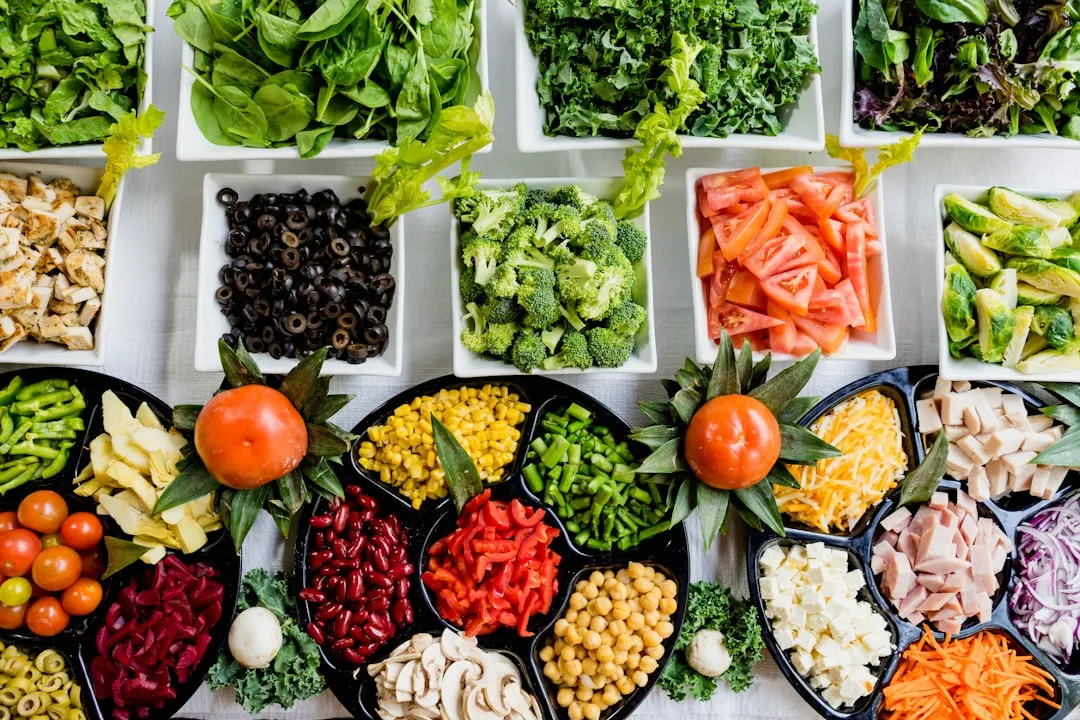
Examples of anti-inflammatory dietary patterns include the traditional Mediterranean diet, the DASH diet, and traditional Okinawan, Nordic, or Mexican diets. These diets share similar core foundations, and they are components of a holistic lifestyle approach that includes regular physical activity, socialization, and adequate rest alongside a biodiverse, fresh diet.
Exploring the potential synergistic effects of olive oils with other Mediterranean diet components, such as polyphenol-rich foods, seafood, nuts, and whole grains, could provide deeper insights into the mechanistic pathways behind these benefits. In other words, it is the combination that does the heavy lifting, not any one ingredient acting alone.
An effective anti-inflammatory dietary intervention emphasizes the intake of nutrient-rich, minimally processed foods rich in polyphenols, carotenoids, and omega-3 polyunsaturated fatty acids, while limiting highly-processed, pro-inflammatory foods. That framing keeps things grounded in what actually drives the results.
The Takeaway

None of these seven foods is a cure or a shortcut. What the research consistently shows is that eating them regularly, as part of a broader pattern of whole, minimally processed food, moves measurable markers of inflammation in the right direction.
Most people notice improvements in inflammatory markers within two to six weeks of consistently following an anti-inflammatory diet. That is a short enough timeline to be motivating, and a long enough one to require real commitment.
The science is clear enough to act on. The seven foods covered here, fatty fish, berries, extra virgin olive oil, leafy greens, turmeric, walnuts, and ginger, are all widely available, affordable, and genuinely well-supported by current evidence. You do not need a specialized diet plan to start. You just need a grocery list and a bit of consistency.
AI Disclaimer: This article was created with the assistance of AI tools and reviewed by a human editor.