

1. Frequent Falls or Unexplained Injuries

Falls are not just a nuisance. One of the most significant hazards for seniors living alone is tripping and falling. According to the CDC, about one in four seniors, more than 14 million people, fall each year, causing hip fractures, broken bones, and traumatic brain injuries. These injuries cause 3 million trips to the emergency room every year.
Older adults who live alone may face delayed assistance, limited social support, and reduced access to in-home care, increasing fall risk and post-fall complications. The danger isn’t always the fall itself. A person who falls alone can spend far longer on the floor. Researchers call this a “long lie,” and about 1 in 5 older adults who fall are left on the floor for an hour or more.
BMJ research found 30% of over-90s who fell spent an hour or more on the floor before help arrived, and roughly half of people who experience a “long lie” over an hour die within six months. If your loved one has unexplained bruises, mentions tripping often, or is visibly unsteady, take it seriously.
2. Noticeable Decline in Personal Hygiene
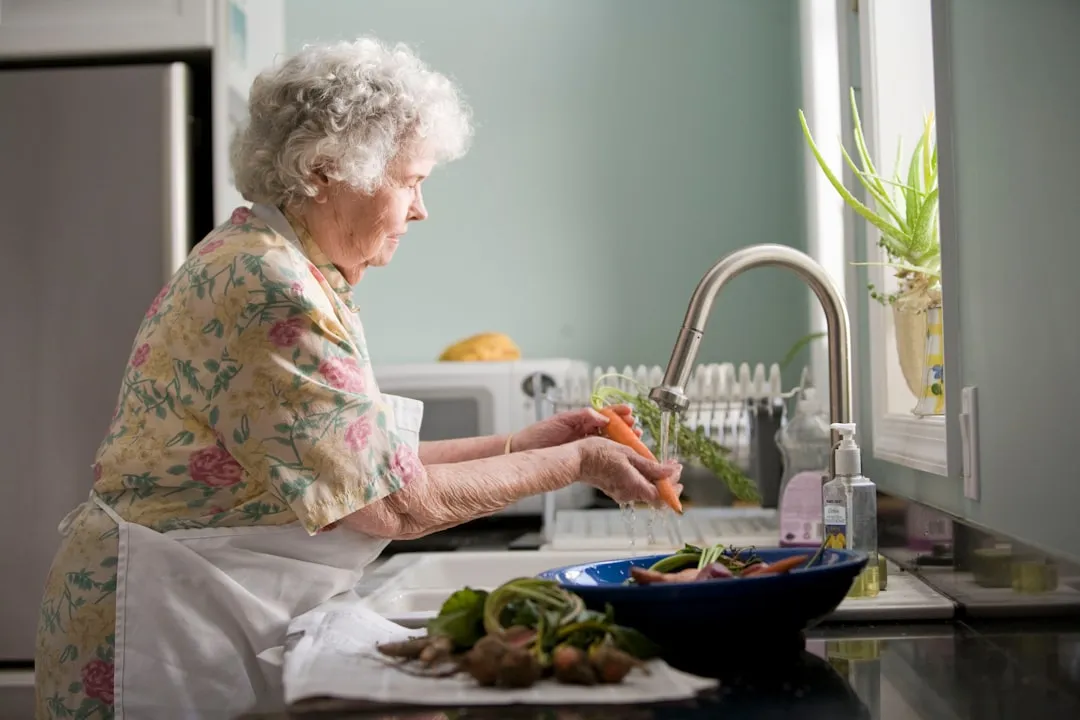
Noticeable changes like unwashed hair, body odor, or wearing the same clothes for days may indicate physical limitations, memory challenges, or depression. These changes tend to creep in slowly, which is exactly why they’re so easy to explain away during a short visit.
A senior may stop performing hygiene tasks due to cognitive decline or physical impairments. A senior who feels unsafe in the shower or has physical difficulty entering and exiting the bathtub, for example, may refuse to bathe. It’s rarely about laziness or not caring. The physical act of showering or grooming can simply become too difficult or frightening to manage alone.
Clinical depression can also leave a senior unmotivated. Some elderly individuals forget to engage in personal hygiene tasks without even realizing it. When hygiene slips over weeks rather than just a day or two, it usually signals something worth investigating.
3. A Cluttered or Neglected Home

Cognitive decline or a lack of physical ability can lead to an accumulation of trash around the home, spills left uncleaned, dishes piled up in the kitchen sink, spoiled food in the refrigerator, laundry left undone, or an increase of bathroom filth. These aren’t personality quirks. They’re signals that daily management has quietly exceeded capacity.
The most important warning signs include unexplained bruises or falls, missed or mismanaged medications, concerning changes in the kitchen such as expired food, burners left on, no groceries in the house, a cluttered or neglected home, unpaid bills or financial confusion. Each item on that list seems minor on its own. Together, they paint a clearer picture.
A cluttered environment also adds physical risk. Research highlights stairway quality and neighborhood amenities as significant risk factors for falls. Exposure to unsafe stairways such as loose railings and missing steps increases fall incidents over time, particularly for older adults living alone.
4. Medication Mismanagement

In a qualitative study of 116 adults aged 55 years or older living alone with cognitive impairment and 54 social contacts, participants described unique barriers to managing medications while living alone, in particular lacking medication reminders, fearing adverse effects when alone, withholding information from health care professionals to maintain independence, and encountering logistical difficulties without advocates. More than one-fourth of older individuals in the US with cognitive impairment live alone, and these individuals often lack support for medication management and face a high risk of medication-related harm.
At the individual level, living alone often meant having no one to remind patients to take medication. Participants also described concerns about adverse effects and the stress of managing complex medication regimens without adequate support.
An estimated 1 in 4 older Americans with dementia or mild cognitive impairment lives alone and is at risk of practices like unsafe driving, wandering outside the home, mixing up medications, and failing to attend medical appointments. Skipped doses, double dosing, or medications found in odd places are all worth a direct conversation with a doctor.
5. Memory Lapses That Affect Daily Life
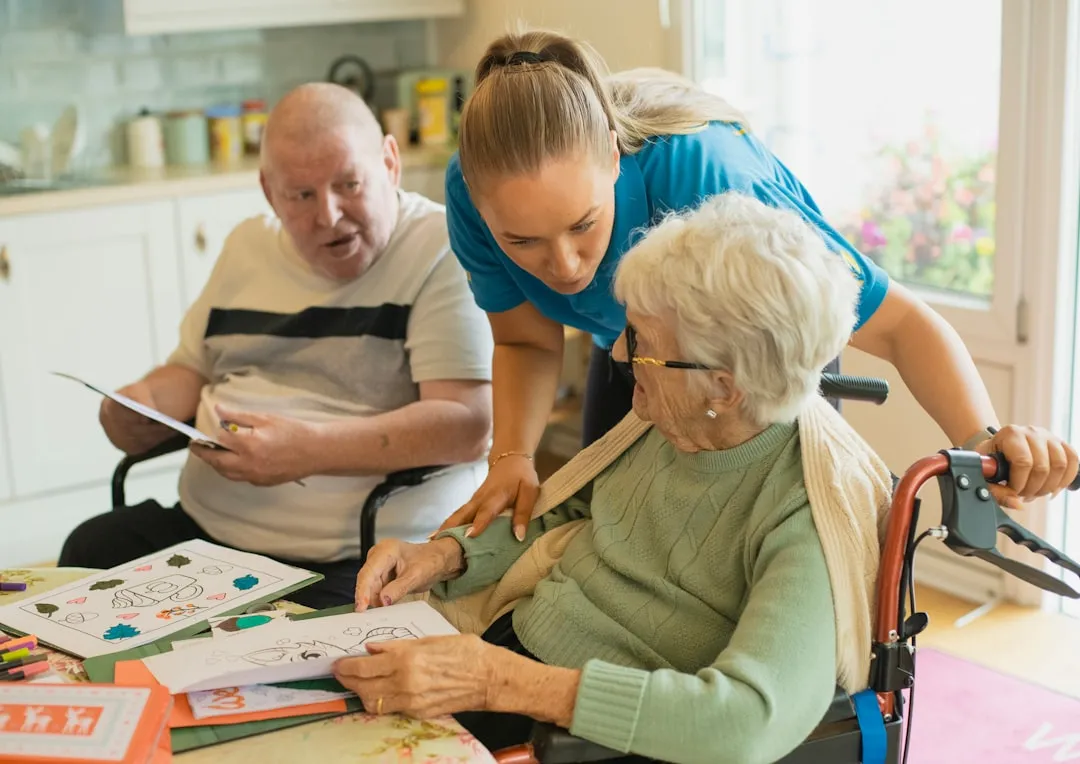
Forgetting appointments, misplacing items, or getting lost in familiar places can be signs that an elderly person’s ability to live independently is compromised. There’s a meaningful difference between forgetting where you left your phone and forgetting what a phone is for, but the earlier, subtler signs still matter.
An onset of dementia can also cause a senior to place household items in strange places. The aging adult might place a purse in the refrigerator, for instance. Family members who find oddities like this should be aware that it is unsafe for the senior to live alone.
One out of four older adults with cognitive impairment in the United States are estimated to live alone, about 4.3 million racially and ethnically diverse individuals. Because living alone often signals limited social supports, older adults living alone with cognitive impairment are at elevated risk for social isolation, which is a risk factor for adverse events. Cognitive changes rarely improve without support in place.
6. Social Withdrawal and Emotional Changes

Social withdrawal can be a red flag for mental health issues like depression or anxiety. Recognizing elderly vulnerability involves noticing when a loved one is avoiding social interactions or has lost interest in activities they once enjoyed. When the phone calls get shorter and less frequent, that’s worth paying attention to.
Research has shown that living alone increases the risk of hypertension in older adults, and that living alone, compared to cohabiting with family, is significantly associated with higher levels of depression. The emotional and physical dimensions of isolation genuinely feed each other.
Cognitive decline is associated with elevated rates of disability, dementia risk, and mortality. In recent years, social isolation has emerged as a significant social determinant that may exacerbate cognitive deterioration in older adults. A loved one who rarely leaves home, avoids friends, and seems increasingly flat or anxious may be struggling more than they’re letting on.
When Multiple Signs Appear Together

Physical, emotional, and cognitive changes often appear gradually. Don’t dismiss small shifts in behavior or ability, as they may indicate a larger need for care. None of these warning signs exist in complete isolation. Often it’s two or three of them arriving at the same time that finally makes the picture clear.
On one Home-Alone Risk Index, adults 65 and older scored dramatically higher than younger age groups, suggesting the risk concentrates in later life rather than building steadily with age. About 27.3% of U.S. adults 65 and older live alone. That’s a significant share of the population navigating daily life without anyone immediately nearby.
Older individuals living alone are more susceptible to environmental risks, such as falls, compared to those cohabiting with others, and are susceptible to malnutrition, accidents, self-neglect, untreated medical conditions, and other health threats. The convergence of even two of these factors usually signals that independent living needs a closer look.
How to Have the Conversation

Most families dread this discussion more than the actual decision. Bringing it up too bluntly can feel like an attack on your loved one’s independence, which is understandable. Most older adults place enormous value on staying in their own home, and that preference deserves genuine respect.
Having a conversation early about care preferences can make the eventual transition smoother and more respectful for everyone involved. Framing it around safety rather than capability tends to land better. It’s not about what they can’t do anymore. It’s about reducing the risks that now exist whether anyone wants to admit it or not.
Consider involving the person’s primary care physician as a neutral third voice. A doctor can assess cognitive and physical status directly, which takes the emotional weight off the family and grounds the conversation in medical reality rather than family tension.
What Options Are Actually Available
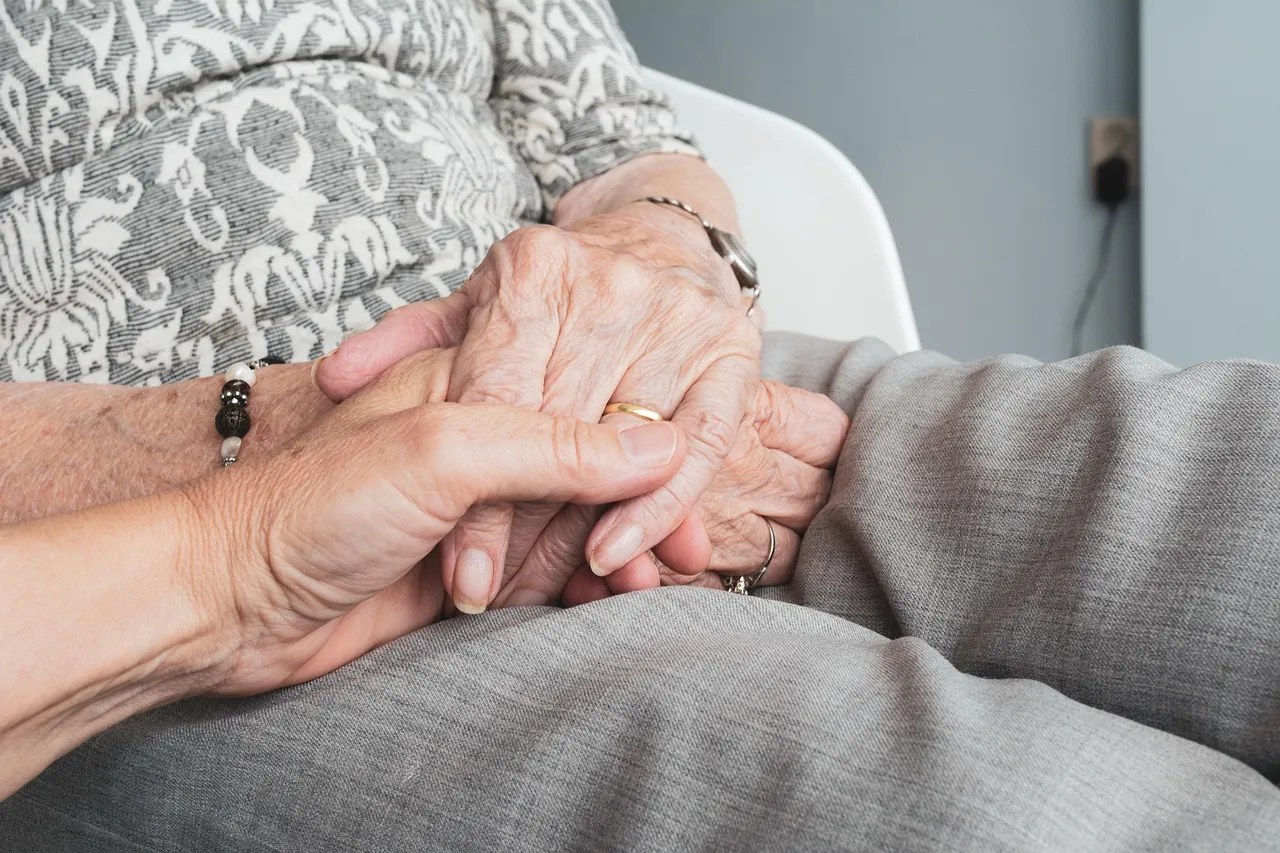
The choice isn’t simply between living alone and moving to a nursing facility. There’s a wide spectrum of support options in between, including in-home care aides, adult day programs, medication management services, and assisted living communities that still offer meaningful independence.
Senior home care services can provide caregivers to offer daily living activity support or general companionship. For some families, even a few hours of help each week can meaningfully reduce risk without requiring a major transition.
The goal is always to match the level of support to the actual need, not to over-correct out of anxiety or under-correct out of avoidance. Regular reassessment matters too, because a situation that felt manageable six months ago may have quietly shifted.
Recognizing the Signs Early Changes Everything

The hardest part for most families isn’t the moment of recognition. It’s the stretch of time before it, when things feel slightly off but nothing has gone seriously wrong yet. That ambiguous window is exactly where these signs become most valuable.
The danger of aging alone has less to do with the fall itself than with the gap that follows, the stretch of time before anyone knows help is needed. That framing shifts the entire conversation. It’s not about capability. It’s about response time and presence.
Watching for these signs isn’t about taking control. It’s about staying close enough to notice. The families who act early, before a crisis forces the issue, tend to navigate this transition with far more dignity and far less regret than those who wait.
AI Disclaimer: This article was created with the assistance of AI tools and reviewed by a human editor.