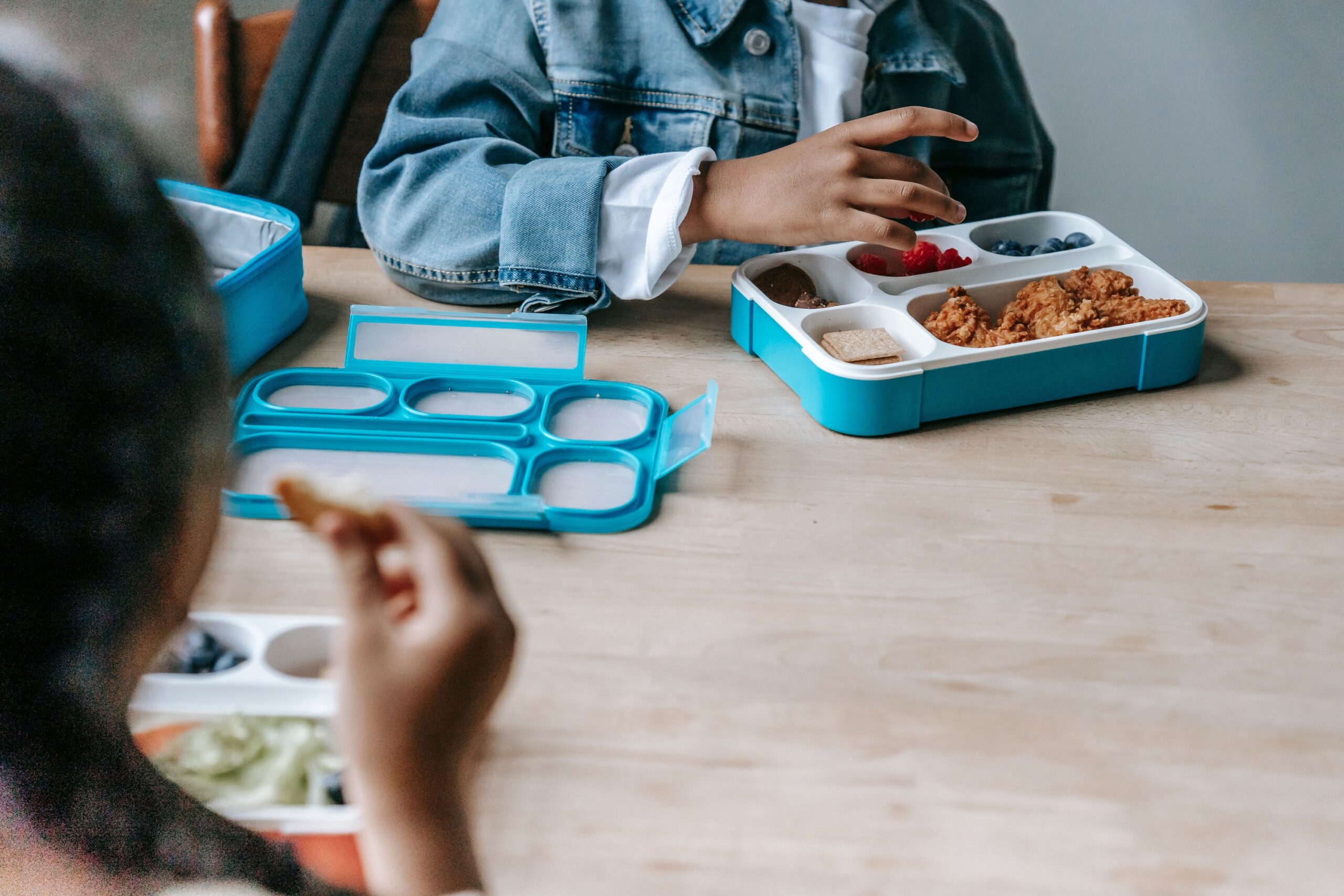

There was a particular kind of freedom to eating in the 1990s. Nobody was checking ingredient labels at the school cafeteria door. It was the era of neon colors, cartoon mascots, loud packaging, and snacks that bordered on being toys. The whole experience of lunchtime had a theatrical quality that’s genuinely hard to recreate today.
As trends changed and nutrition labels came under scrutiny, many of these beloved snacks slowly disappeared. Some left quietly, others left a void that fans are still loudly mourning. Here’s a look at six of those foods, and why today’s kids would probably just scroll right past them.
1. Dunkaroos: The Cookie You Dunked Into Pure Frosting
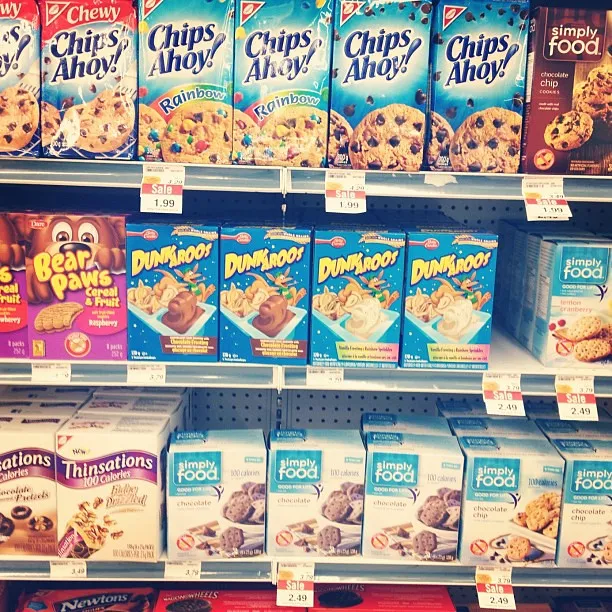
Dunkaroos, the cookie-and-frosting dip combination that occupied a devoted corner of 90s lunch boxes, were a Canadian product that expanded into the United States market in 1990. The format was simple: small kangaroo-shaped cookies arrived in a tray alongside a compartment of frosting for dipping.
With cookies and frostings in various flavors including chocolate, strawberry, and vanilla, the snack soon became a revered eat for kids across the U.S. and Canada. Advertised by its memorable mascot Sydney the Kangaroo, the cookies originally came in different shapes paired with a small offering of either vanilla or chocolate frosting. By 1993, however, the flavor offerings had expanded to include more frosting types such as peanut butter, cinnamon, chocolate chip, and the most popular of all: vanilla rainbow sprinkles.
The ratio of cookie to frosting was famously imperfect – the frosting ran out before the cookies, which produced a specific type of childhood frustration that many people remember vividly. General Mills discontinued Dunkaroos in the United States in 2012, citing changing consumer preferences. They continued to sell in Canada, which briefly made them a minor import commodity. The product returned to US shelves in 2020 after years of nostalgia-driven demand, arriving at an audience of adults who were considerably more prepared to manage the frosting-to-cookie ratio than they had been the first time around.
2. Squeezits: The Juice Box That Required Actual Effort
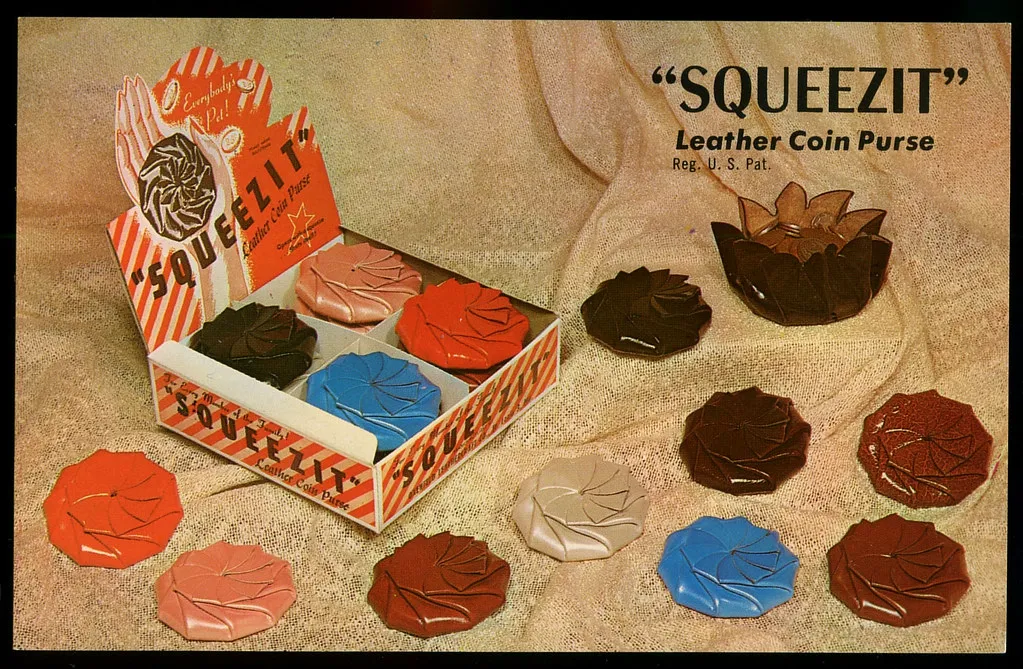
The 90s was the golden age of lunch box juices, and Squeezits were king. First appearing in 1985, Squeezits were in squeezable plastic bottles, and by 1992 they were redesigned to be shaped like cartoon characters. They came in flavors like Chucklin’ Cherry, Mean Green Puncher, Smarty Arty Orange, and Silly Billy Strawberry.
What made Squeezits lunch room kingpins were their gimmicks. Specifically the Color Changing Squeezits, which included a tablet you would drop in the bottle in order for the drink to change color, and later the Mystery Black Bottle Squeezits, that made you complete a puzzle on the package to see what flavor they were.
If you wonder what happened to Squeezits, sadly, a squeeze of sugar wasn’t enough to keep sales from declining. They disappeared in the early 2000s, but for those who spent their childhoods popping off the tops and squeezing out the colorful liquid, Squeezits were a true lunchbox favorite. The concept of a drink that came shaped like a monster with a name and personality is almost impossible to explain to a child today without getting a blank stare in return.
3. Hi-C Ecto Cooler: The Neon Green Drink That Outlived Its Own Cartoon
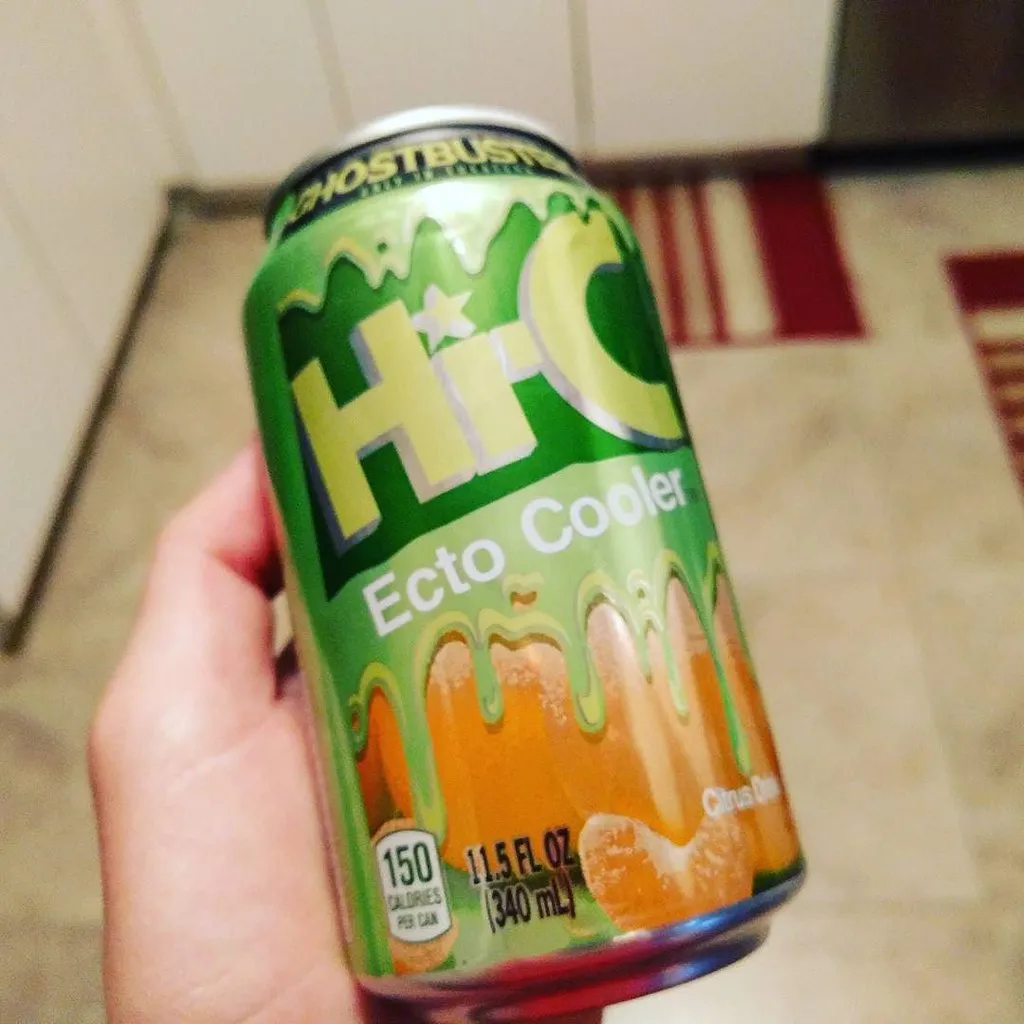
Hi-C Ecto Cooler launched in 1987 specifically to coincide with The Real Ghostbusters animated series, featuring Slimer from the franchise on its packaging. It was a citrus-flavored drink positioned to capitalize on the cartoon’s popularity.
The interesting part is what happened next: the show ended in 1991, Slimer’s face was gradually phased off the packaging, and the drink was renamed and rebranded – but the formula continued selling because children and parents had developed an independent attachment to it. The product stayed on shelves until 2001 under different names, then was briefly reintroduced in 2016 to coincide with the Ghostbusters reboot. The original run of Ecto Cooler lasted far longer than the cartoon it was made to promote, which is a more common outcome in licensed food products than most people realize.
While Ecto Cooler isn’t currently on store shelves, there might be some hope for a re-release in the future. While appearing as a guest on the “Talking Strange” podcast in November 2025, “Ghostbusters” star Dan Aykroyd said that there is indeed another feature film in the works. This means that the Coca-Cola Company (the parent company behind Hi-C) could re-release Ecto Cooler in the future to celebrate the new film’s launch, just as it did in 2016.
4. Planters PB Crisps: The Peanut-Shaped Snack With a Cult Following
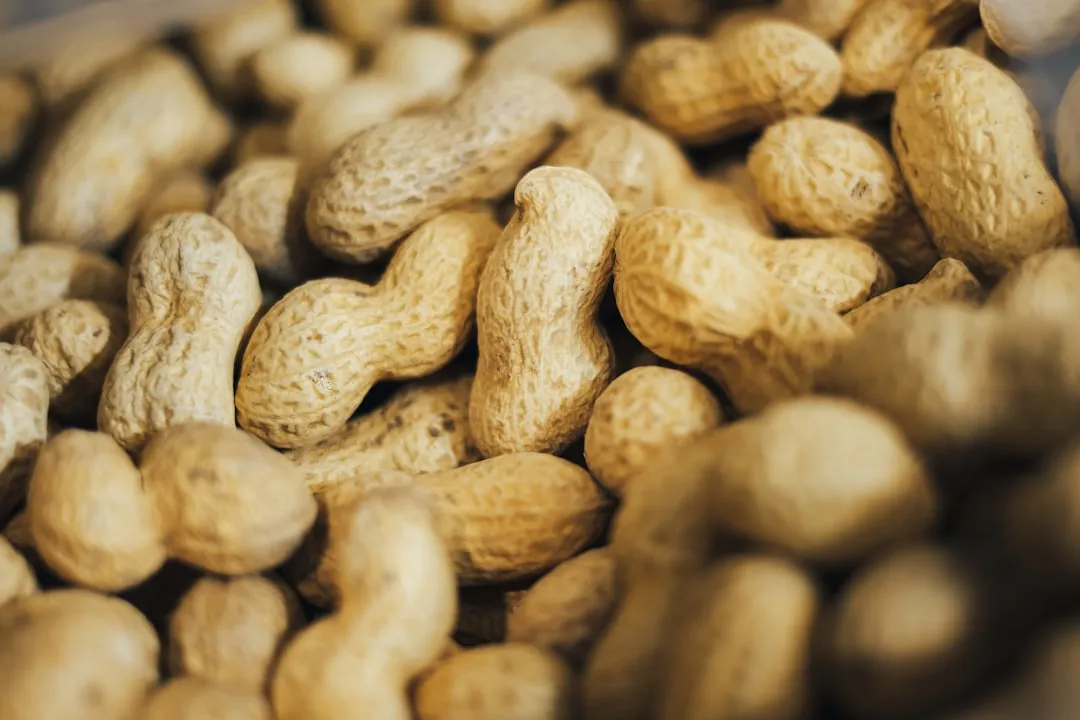
Launched in 1992, Planters PB Crisps, peanut-shaped cookies with a crunchy shell and a creamy peanut butter center, remain one of the most requested discontinued snacks online. These PB Crisps got the balance of salty and sweet flavors right in a way that other products, even ones double the price, couldn’t dream of matching.
Manufactured by Planters, this 1990s lunch box staple was a huge hit but was discontinued after only three years. These bite-sized snacks looked like unshelled peanuts, but the outer part was made from graham crackers or cornmeal, wheat flour, and sugar. The crisp outside gave way to a creamy peanut butter filling that was blended with more sugar and flavorings.
PB Crisps were discontinued in 1995, but the reasons for this aren’t clear. Theories include the manufacturing process being too costly and revenues not being high enough. The love for them never really went away. There’s even a whole website dedicated to campaigning for their comeback, which tells you everything about the hole they left in the hearts and stomachs of 90s kids.
5. SnackWell’s Devil’s Food Cookie Cakes: The “Healthy” Treat That Fooled Everyone
In 1992, the brand SnackWells made its debut with a line of fat-free cookies, including the devil’s food cookie cakes. The memorable green packaging contained chocolate cake-style cookies enrobed in a thin layer of marshmallow and chocolate.
Between 1993 and 1996, SnackWell’s sold about $161 million worth of Devil’s Food Cookie Cakes. Whether the massive success was due to the quality of the product or its branding as a nutritionally superior choice to other processed cookies is up for debate. As diet trends shifted away from the low-fat preferences of 90s consumers, SnackWell’s struggled to keep up with changing consumer preferences.
The SnackWell’s brand could also be associated with what became known as the SnackWell’s Effect. Because the cookies were advertised as fat-free, consumers who followed 90s and 2000s diet trends were more inclined to eat more of these supposedly healthier options and ultimately consumed more calories. After years of decline, SnackWell’s ended all business operations in 2022. The bright green box is now mostly a relic of an era when “fat-free” was considered a hall pass for eating the whole sleeve.
6. Taco Bell Lunchables: Fast Food in a Box, Pulled From School Cafeterias
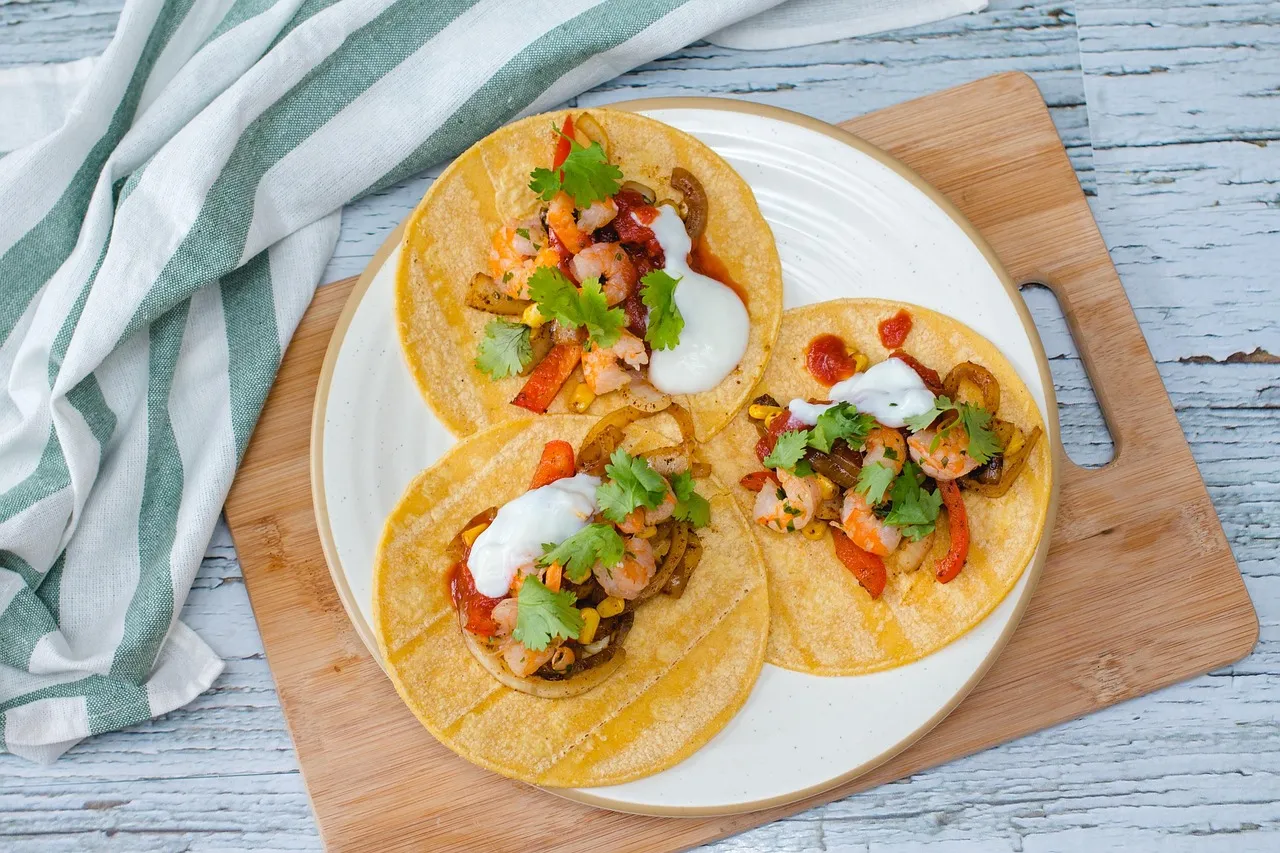
Once upon a time, Lunchables had a collaboration with Taco Bell that provided the same great taste of its fast food favorites from the comfort of your home. There were two varieties: the beef tacos that came with three soft taco shells, beef, shredded cheese, hot sauce, candy, and a drink, and the nachos that came with small, round chips, queso, salsa, candy, and a drink.
During the 90s, Lunchables partnered with Taco Bell and made trays that had either soft taco shells or small round tortilla chips, seasoned beef, shredded cheese, hot sauce, candy, and a drink. This made kids feel like they were getting fast food out of their lunchboxes, a very specific kind of power that just can’t be found in today’s Lunchables offerings. The partnership ended, and nothing in the current lineup comes close to filling that spot.
Lunchables have declined in popularity, and they are not the lunchbox staple they once were. In fact, in 2024, they were officially removed from the National School Lunch Program due to weak demand. Likely, this was a result of parents focusing on healthier meal options for their kids. The Taco Bell edition, meanwhile, is gone entirely, surviving only in the nostalgic memories of anyone who once smuggled the cold-bagged beef into a school cafeteria and felt like an absolute legend for it.
The Snack Aisle That No Longer Exists
Looking back at these six foods, a clear pattern emerges. In the snack industry, the 90s were a time for experimentation and exploration with a major focus on overstimulating colors, bizarre flavor combinations, and interactive snacks. None of that was accidental. Food companies understood that kids didn’t just want something to eat; they wanted an experience.
The human brain is hardwired to remember the foods we eat and the contexts in which we eat them. That’s why the smell of a freshly unwrapped Fruit Roll-Up has the ability to transport you back to your elementary school cafeteria, and the taste of a cherry Ring-Pop triggers feelings of nostalgia for childhood.
Today’s kids have their own food trends, many of them driven by social media and wellness culture, which would have baffled any 90s parent standing in a checkout line next to a box of neon-green juice boxes. That’s the real story here: not that the 90s were better, but that they were unapologetically themselves. Sometimes a snack was just a snack – weird, sticky, and completely worth it.
AI Disclaimer: This article was created with the assistance of AI tools and reviewed by a human editor.