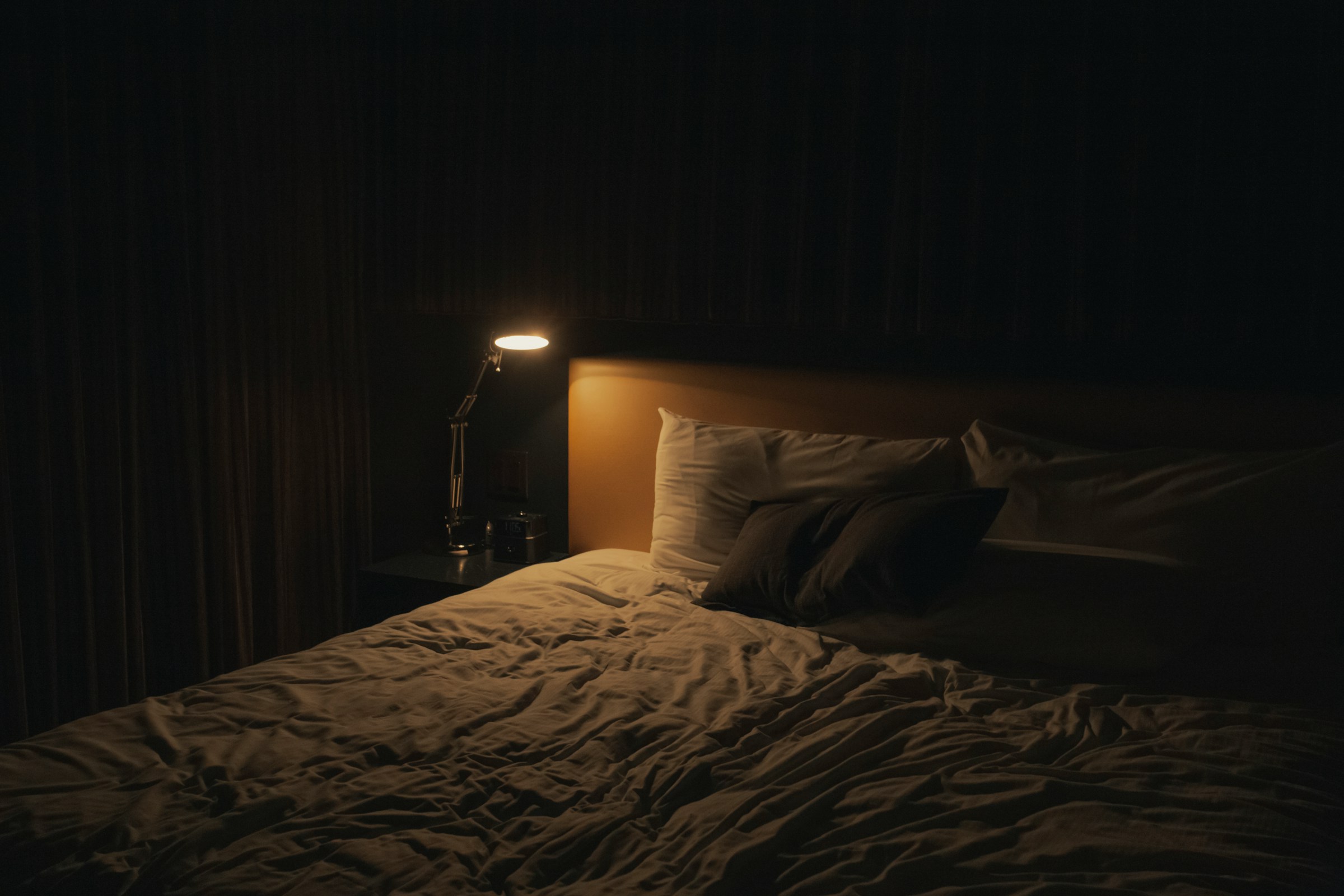

Sleep is one of the most discussed topics in public health right now, and for good reason. Six out of every ten adults don’t get enough sleep, and nearly four in ten have trouble falling asleep three or more nights per week, according to the National Sleep Foundation’s 2025 Sleep in America Poll. A big part of the problem is hiding in plain sight: the bedroom itself.
Most people spend money on supplements and gadgets before ever looking at what’s already in the room. Sleep doctors, however, tend to start with subtraction, not addition. Here are the six things they consistently say need to go.
1. Your Smartphone
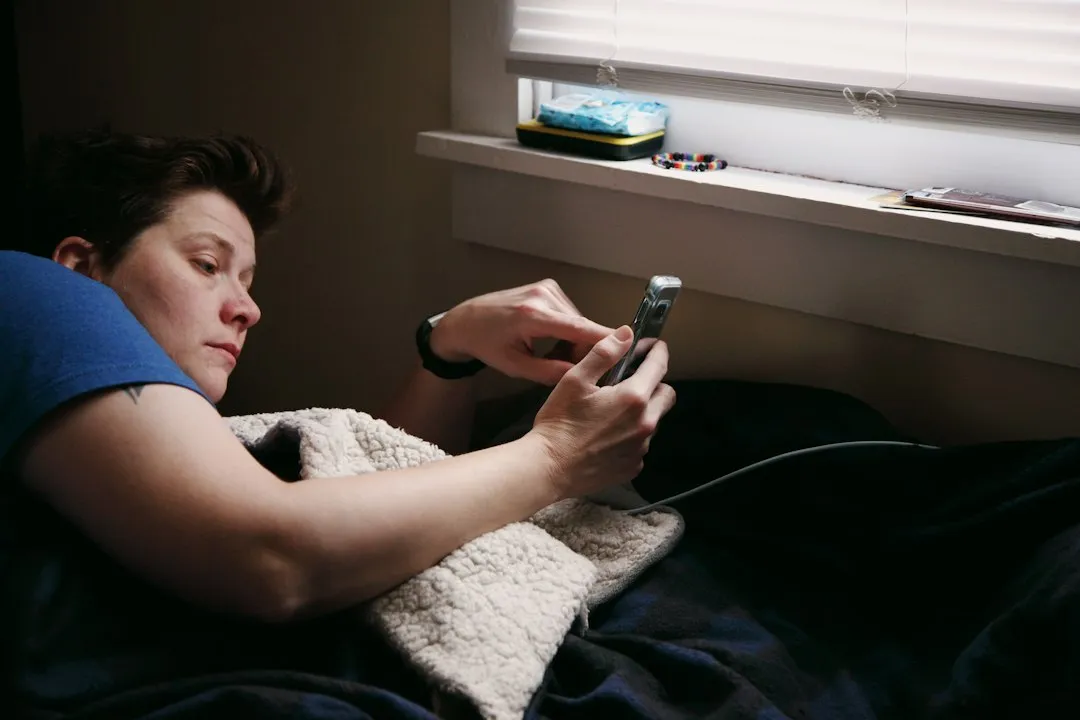
A survey from the American Academy of Sleep Medicine found that the vast majority of Americans sleep with their phone in their bedroom. That number alone tells you how normalized the habit has become, which is exactly what makes it so easy to overlook as a problem.
The blue light emitted by devices disrupts the natural production of melatonin, the hormone that facilitates sleep and can throw off your circadian rhythm. It’s not just about the light, either. Research has found that each additional hour of screen time in bed can mean roughly 24 minutes of lost sleep.
Around 86 percent of Americans admit to using their phone in bed before falling asleep, and surveys suggest the average person scrolls for 38 minutes before sleeping. Moving the phone to another room is one of the simplest, most cost-free changes sleep doctors recommend.
2. The Television
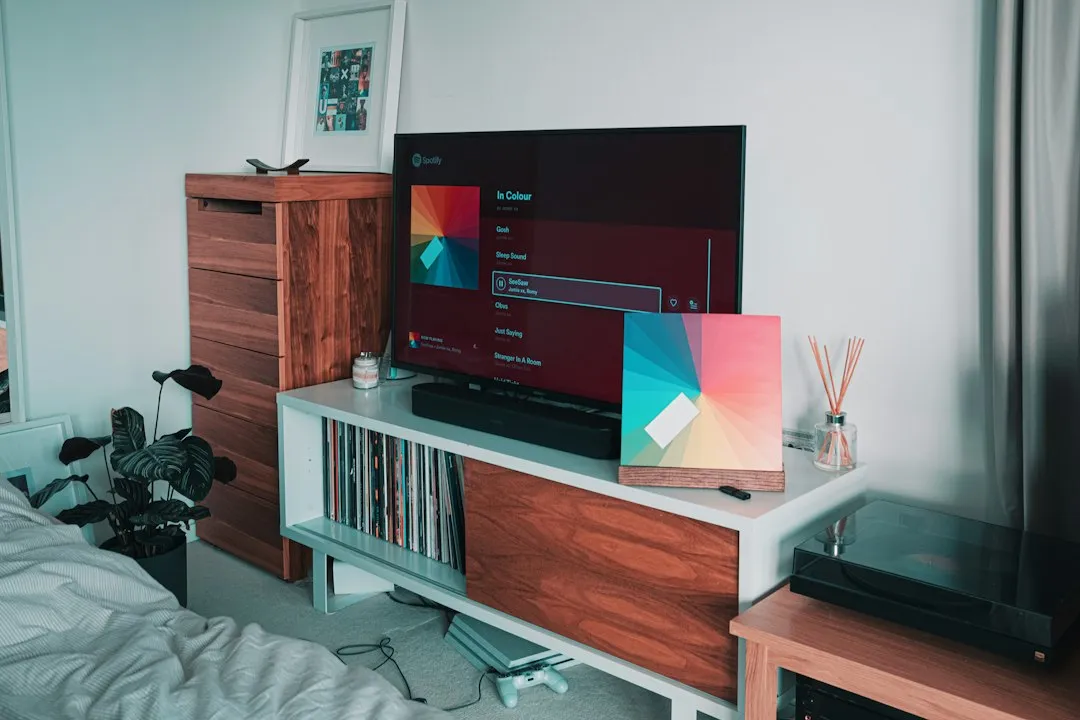
A separate American Academy of Sleep Medicine survey found that more than nine in ten people admitted they have stayed up too late binge-watching TV. The bedroom television is one of the most socially accepted sleep disruptors there is, which is part of why it rarely gets questioned.
In a large cohort study, participants who slept with a TV on in the bedroom reported a higher prevalence of multiple dimensions of poor sleep, including frequent napping, inconsistent sleep and wake times, and significant sleep debt. The effect was not minor.
Harvard sleep medicine researchers specifically advise keeping the bedroom for sleeping and intimacy only, recommending against watching TV in bed entirely. The bedroom, sleep experts argue, should be a room the brain associates exclusively with rest.
3. Bright or Blue-White Light Sources
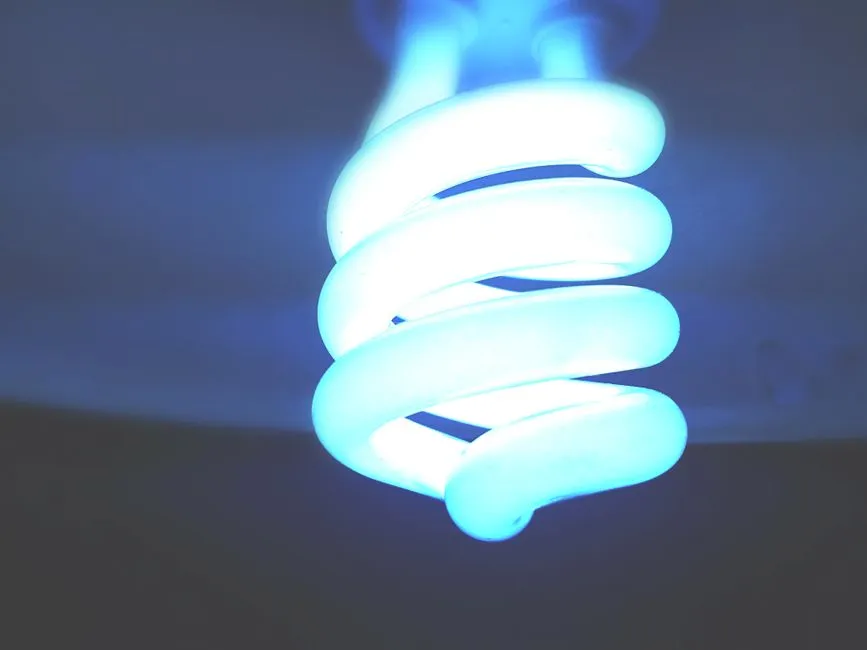
Health scientist and sleep expert Tom Coleman explains that ultra-bright bulbs emitting cool blue-white light can make it harder to fall asleep and increase the risk of insomnia, particularly in the last rooms you visit before bed. This includes overhead LEDs that many people install without thinking twice about the color temperature.
Exposure to bright, blue-white light as little as two hours before bed can shift your circadian rhythm back by two hours. That’s a significant delay caused by something as routine as a bedroom lamp. Sleep experts warn that we massively underestimate how sensitive the brain is to brightness, and research has also found that those living with heavy light pollution tend to get less sleep and experience more anxiety and mood disorders.
Light at night is thought to negatively impact sleep primarily by reducing melatonin production, and evidence consistently shows that light exposure before sleep delays melatonin onset and increases difficulty falling asleep.
4. The Visible, Glowing Clock

This one surprises a lot of people. The alarm clock seems harmless, practically a bedroom staple. Sleep doctors, though, know better. Clocks that emit short-wavelength-rich light, such as those with blue LED displays, can promote wakefulness, and when people use a visible clock to monitor time while lying in bed, they experience greater pre-sleep worry and longer sleep onset.
According to sleep medicine neurologist Joanna Fong-Isariyawongse, the clock becomes a source of stress: repeatedly checking the time raises anxiety and frustration, making it even harder to fall asleep. As a result, she and other sleep professionals frequently recommend that people with insomnia cover the clock face with a towel or cloth, or turn it away entirely.
The fix is simple. Turn the clock face toward the wall or swap it for one without a lit display. Sleep specialist Ravula puts it plainly: watching the minutes tick by when you can’t sleep just feeds the anxiety that keeps you awake, and even dim light from a clock display can suppress melatonin production.
5. Clutter and Work-Related Items
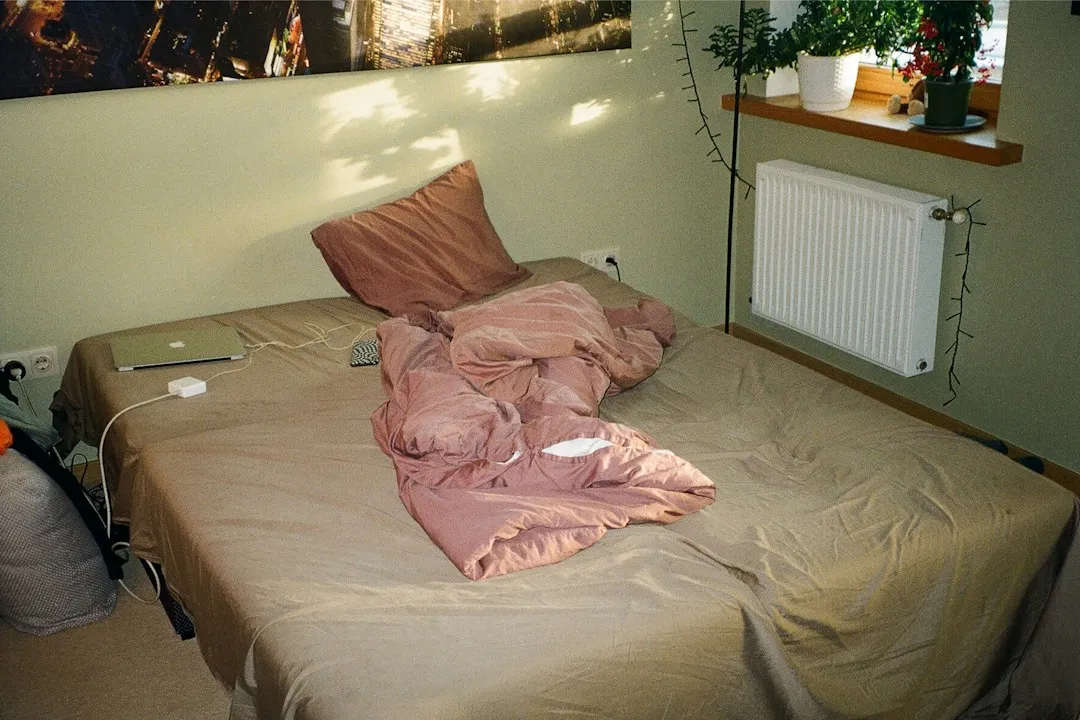
A study by the American Academy of Sleep Medicine found that a cluttered bedroom can compromise sleep quality, leading to associated problems including cognitive dysfunction, depression, and stress. It might seem like a stretch to link a pile of clothes to a bad night’s sleep, but the research is clear.
Feeling stressed by a messy bedroom raises cortisol levels at night, which is the exact opposite of what the body needs in order to relax for sleep. Research confirms that clutter causes a person to feel stressed by their sleeping environment, making it harder to fall asleep.
Work-related items should also be kept out of the bedroom entirely. Laptops, notebooks, files, and anything else that mentally signals “work mode” keep the brain in a state of alertness. A disorderly space topped with chargers, empty glasses, and scattered items can generate feelings of malaise, unsettlement, and anxiety. The bedroom should feel like it belongs to rest, not to the workday.
6. Food, Drinks, and Alcohol

Snacking and drinking in the bedroom, particularly alcohol, can disrupt sleep in multiple ways. Alcohol is the sneaky one here. Many people rely on a glass of wine to wind down, but the science tells a different story about what happens once you’re actually asleep.
Lack of sleep can lead not only to a grumpy mood but also to health problems such as obesity and heart problems, making it necessary that people create the right conditions for adequate sleep at night. Eating in bed also conditions the brain to expect stimulation and activity in a space meant for rest, gradually eroding the mental association between bedroom and sleep.
Keeping the bedroom exclusively for sleeping and intimacy, and avoiding working, watching television, or eating in bed, is a core recommendation from sleep medicine researchers at Harvard. It’s about conditioning, and it works.
What to Replace Them With

Removing these items creates space, quite literally, for better sleep. The goal is a room that is dark, cool, and quiet. Recommended conditions include maintaining a cool bedroom temperature, generally between about 60 and 67 degrees Fahrenheit, and creating a dark, quiet, and uncluttered space.
A 2025 meta-analysis in Sleep Medicine that pooled 12 randomized trials covering over a thousand people found that white noise measurably improved self-reported sleep quality in adults. A simple fan can serve that purpose at almost no cost. Research has also found that amber-tinted lenses can block blue light and improve both sleep quality and mood.
Scientific research published in Nature confirms that improving bedroom air quality can significantly enhance both sleep quality and next-day cognitive function. A well-ventilated, clean-air room with no glowing screens is more powerful than most people realize.
Why the Bedroom Environment Matters More Than We Think

ResMed’s 2026 Global Sleep Survey found that more than half of people get a good night’s sleep only four nights a week or less, with technology continuing to be a primary disruptor. The result is a growing gap between knowing sleep matters and actually achieving restorative rest.
Despite growing awareness, roughly 83 percent of people say they face barriers in getting quality sleep. Many of those barriers are environmental, and environmental problems are among the easiest to solve. The bedroom is one of the few areas where small, zero-cost changes can have a meaningful, almost immediate effect on how well you sleep.
Sleep doctors aren’t asking anyone to redesign their home. They’re pointing at a television, a glowing phone, a cluttered nightstand, and saying: move those first. The data backs them up.
The Takeaway

There’s something grounding about the fact that better sleep often starts with removal rather than addition. No expensive device or supplement is required. The six items on this list are common, familiar, and genuinely worth removing based on solid, peer-reviewed evidence from sleep medicine researchers.
A bedroom that is dark, quiet, cool, and free of screens and clutter isn’t a luxury. It’s what the research consistently points to as the baseline for restorative sleep. People who sleep better are simply more likely to be flourishing, and that’s worth taking seriously, one removed item at a time.
AI Disclaimer: This article was created with the assistance of AI tools and reviewed by a human editor.