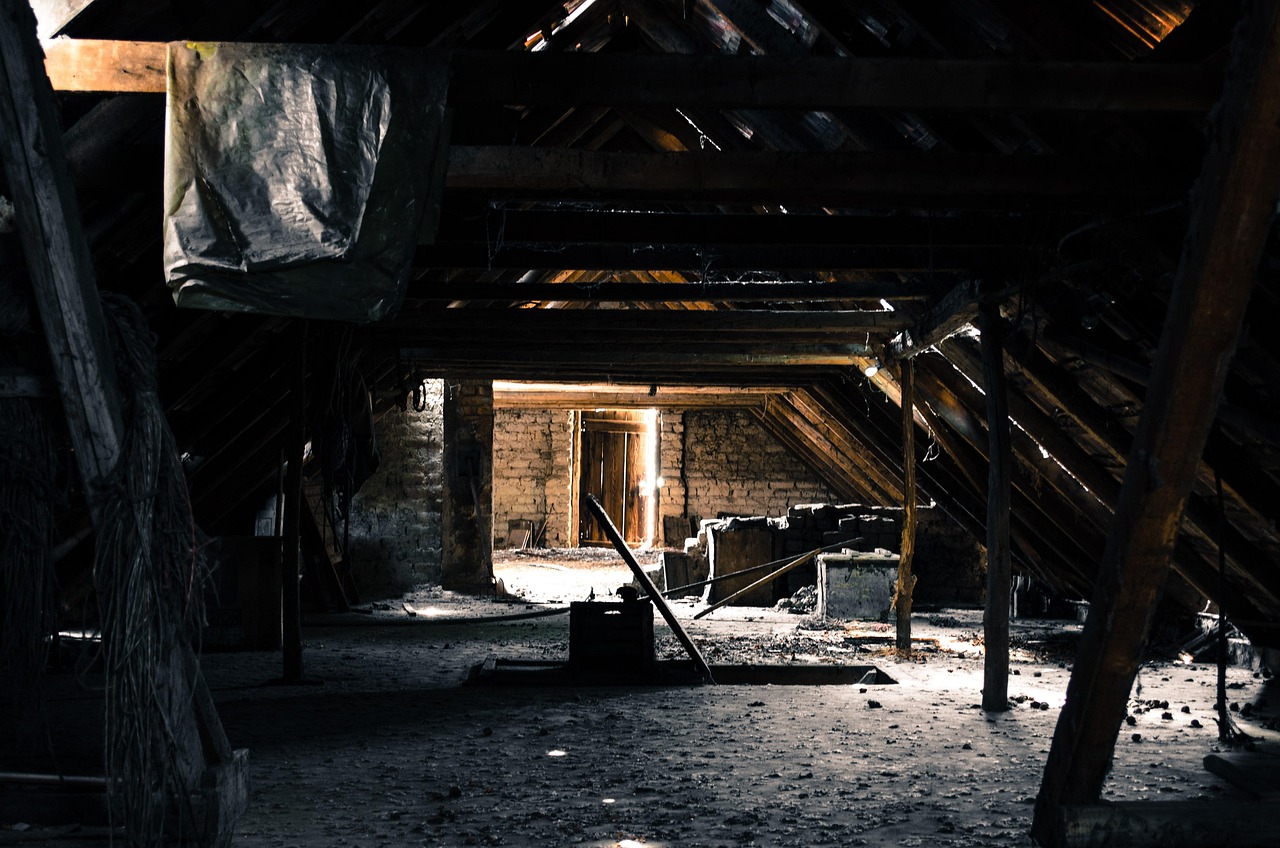

Most people treat the attic as a giant out-of-sight storage bin. It’s where holiday decorations go, where old furniture waits indefinitely, and where electrical work quietly runs its course without anyone checking on it. That out-of-sight approach is exactly what makes attics so dangerous.
An estimated 10,000 residential attic fires are reported to U.S. fire departments each year, causing an estimated 30 civilian deaths, 125 civilian injuries, and $477 million in property loss. The scariest part? When a fire occurs in an attic, it commonly goes unnoticed until smoke or flames are visible from the outside of the structure, and because they take longer to detect, attic fires are more dangerous for both firefighters and residents. Here’s what you might be keeping up there right now that’s quietly raising the odds.
1. Outdated Electrical Wiring
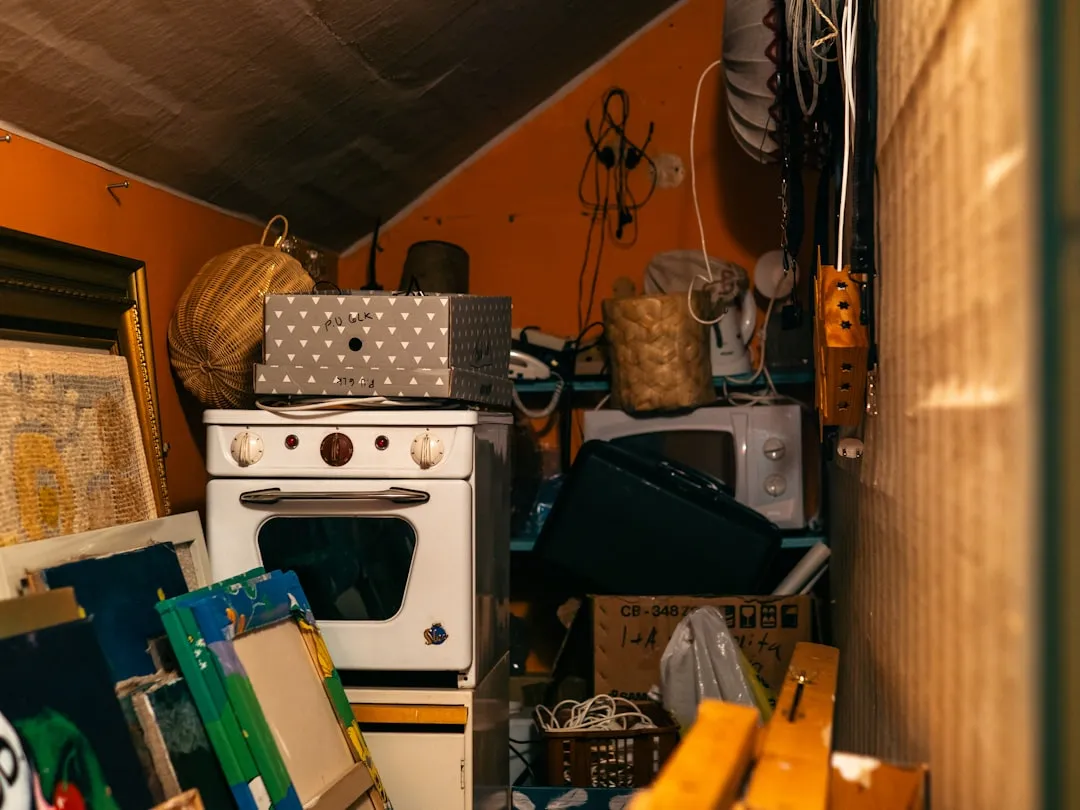
This one tops the list for a reason. FEMA estimates that nearly 43 percent of all fires started in an attic were caused by electrical overload. Old wiring doesn’t announce itself. It just slowly degrades until something goes wrong.
Many older homes still rely on outdated wiring methods such as knob-and-tube or aluminum wiring, which are not only inefficient but also prone to overheating and degradation over time. The aluminum wiring issue is especially serious. The Consumer Product Safety Commission found that older homes with aluminum wiring are up to 55 times more likely to experience fire hazard conditions than homes with copper wiring.
If your home was built before the 1960s, there’s a high probability your wiring is wrapped in rubber and a cloth braid. By 2026, that cloth has likely become “mummified,” dry, brittle, and prone to flaking off at the slightest touch. Have a licensed electrician inspect the wiring in your attic, especially if you’ve never had it done.
2. Knob-and-Tube Wiring Buried Under Insulation
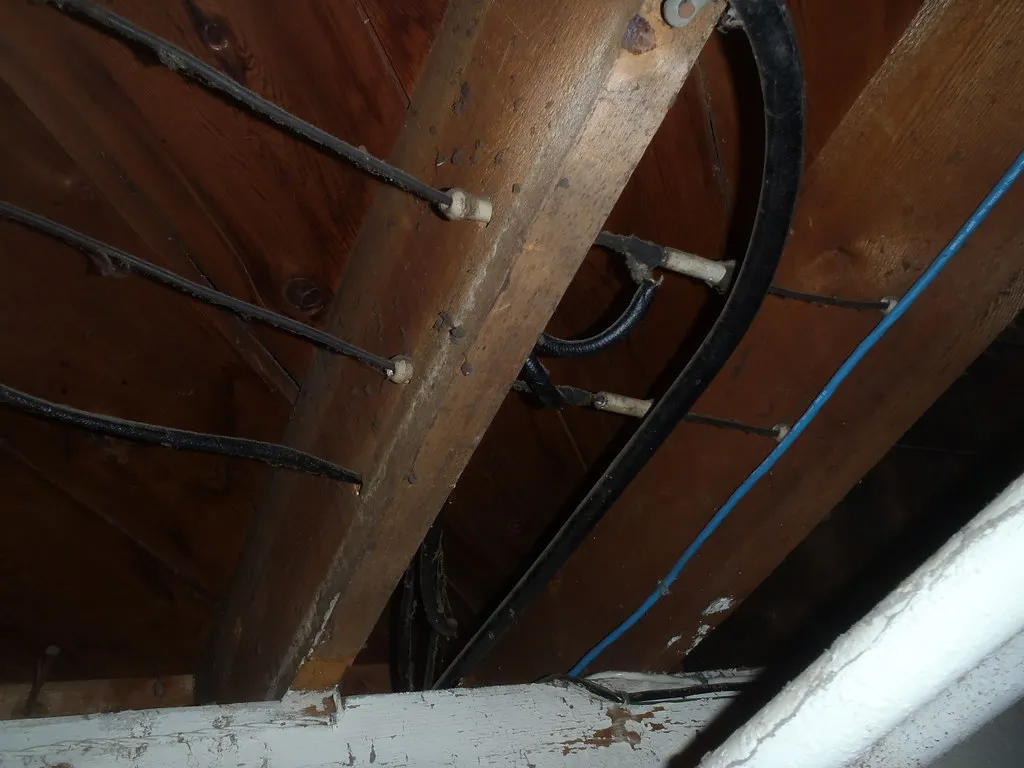
In the earliest days of mass electrical delivery, knob-and-tube wiring was by far the most popular option for wiring homes. Between 1880 and 1940, it remained less expensive to install than other available options. A staggering number of older homes still have this wiring lurking in the attic.
Knob-and-tube wiring was designed to dissipate heat into open air. Over the decades, many homeowners have added blown-in insulation to their attics, and when you bury knob-and-tube wiring in insulation, you trap that heat. It’s essentially like wrapping a heating element in a blanket and leaving it on continuously.
The National Electrical Code, the National Fire Protection Association, and the American National Standards Institute all recommend or require that knob-and-tube wiring be completely removed and replaced with approved, code-compliant wiring. If you’re unsure whether your home has it, a home inspector can usually confirm it during a standard inspection.
3. Stacked Cardboard Boxes and Paper Items
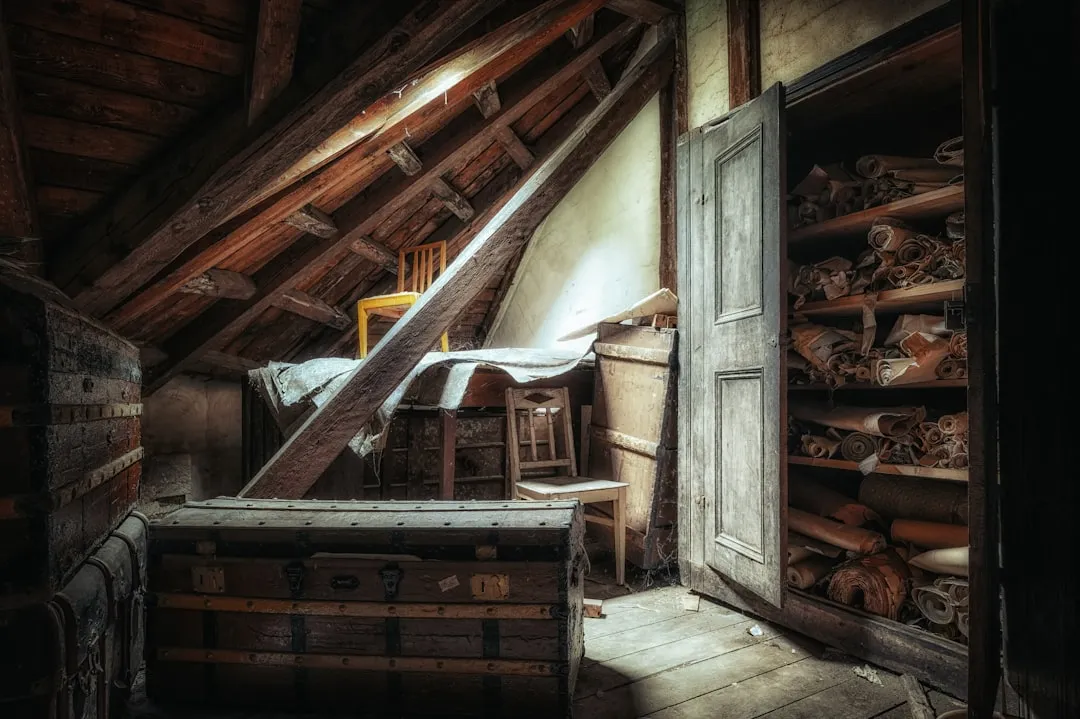
We’ve all done it. Old moving boxes full of seasonal decor, stacked neatly in the corner of the attic. It feels harmless. It isn’t. Tightly packed cardboard boxes are like kindling for a fire, and they can help a small spark quickly erupt into a major blaze that spreads rapidly through your roof structure before smoke alarms in the main house even detect a problem.
Attics are often used for storing items like cardboard boxes, seasonal decorations, and old furniture, many of which are highly flammable. In the event of a fire, these stored items can accelerate the spread. The attic’s dry heat makes everything worse. Attics are often unconditioned spaces, meaning they experience extreme temperature fluctuations, scorching hot in summer and freezing cold in winter, which can stress building materials and stored items over time.
The fix is straightforward. Replace cardboard boxes with sealed plastic storage bins, keep stacks away from any light fixtures or wiring, and avoid storing anything you wouldn’t want near an open flame.
4. Flammable Chemicals and Solvents
Paint cans, turpentine, old cleaning products, leftover gasoline from a lawn mower, a half-empty can of propane. People tuck these things away without thinking twice. Volatile solvents such as paint, turpentine, cleaning products, gasoline, propane, or kerosene don’t belong in an attic. Due to variances in insulation, extreme temperature swings occur in attics, which causes expansion and contraction of liquids, and this can cause combustion.
Storing flammable materials like old paint cans, solvents, or piles of newspapers in the attic creates a ready fuel source. If a fire starts from another source, these stored items can accelerate its spread dramatically. The issue isn’t just ignition. Fumes from these chemicals can also migrate into living spaces.
These fumes make their way unnoticed into other living areas and can be blown into bedrooms and living spaces via the HVAC’s air ducts, which often run through the attic. The safest place for flammable chemicals is a cool, detached storage shed, not inside your house at all.
5. Non-IC Recessed Light Fixtures
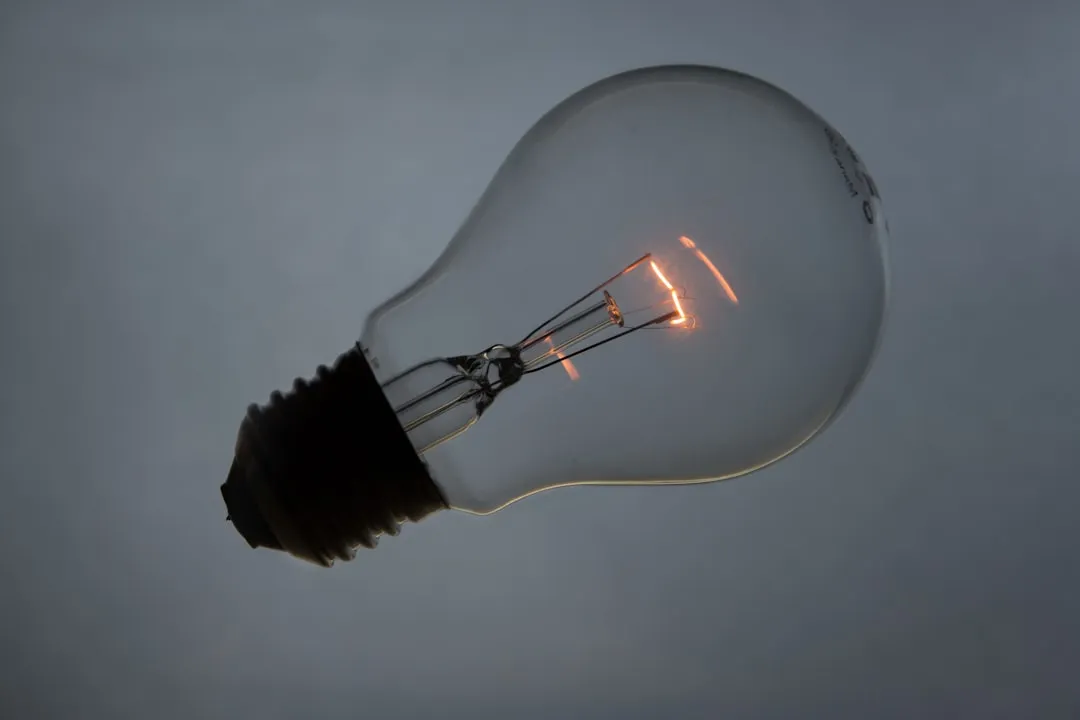
If your home has recessed can lights in the ceiling below the attic, this one directly applies to you. Older recessed lighting installations, also known as “can lights,” are often found to be in an unsafe condition. These lights were designed to be installed in the open so the heat generated by the hot bulb can freely dissipate. Most older can lights require a minimum of three inches of free air clearance around the light fixture.
The problem arises when insulation in the attic gets packed against these fixtures, and in some cases the fixture gets covered completely. With no way to adequately dissipate the heat, the temperature can rise to dangerous levels and a fire hazard is born. This often happens when homeowners add new insulation without realizing old fixtures are buried underneath.
Installing a non-IC-rated light fixture where it gets covered with insulation is a long-known hazard: the fixture overheats and either fails safely by burning up and out but contained within the fixture itself, or worse, it starts a house fire. The solution is to replace old can lights with IC-rated or LED fixtures, which are specifically designed for insulation contact.
6. Rodent Nests and Chewed Wiring

A rodent problem in your attic isn’t just unpleasant. It can be genuinely life-threatening. Rodents and some wildlife chew constantly because their teeth continue growing. In attics, that behavior can expose wiring, damage insulation around electrical lines, and create conditions that should be evaluated quickly. A homeowner may never see the damaged wire until an inspection, renovation, or electrical issue brings it to light.
A rodent infestation in a home can lead to chewed electrical wires in the attic, where the exposed wiring causes a short circuit, igniting nearby insulation and triggering a fire. Beyond the wiring itself, the nests make things worse. Attics often contain materials that animals can shred, move, or soil. Insulation may be pulled into nesting areas, and paper, leaves, fabric, dryer lint, and stored debris may be gathered into protected corners.
These materials can sit near wiring, recessed lighting areas, HVAC components, exhaust lines, or other equipment that should remain clear. Routine pest inspections and properly sealed attic entry points are among the most underrated fire prevention steps a homeowner can take.
Why Attic Fires Are So Hard to Catch in Time
Beyond the specific hazards, the attic’s design works against early detection. In a fire situation, the attic ventilation system, which is designed to reduce moisture accumulation by drawing fresh air low from the eaves and exhausting warm air near the peak, creates an optimal fire growth and spread situation by supplying oxygen to the fire and exhausting hot gases. In simple terms, your attic’s ventilation can act like a bellows on a fire.
A fire in the attic may involve insulation and wood structural members as well as a variety of stored belongings. That combination of fuel sources means fires can grow very large, very fast. Further complicating matters are the hazards associated with roof structure collapse, creating deadly conditions for firefighters operating on and under the roof. Structural collapse accounted for 180 firefighter deaths between 1979 and 2002, of which one-third occurred in residential structures, many involving a roof falling on firefighters or firefighters falling through the roof during attic fire operations.
HVAC Equipment and Dryer Ducts in the Attic
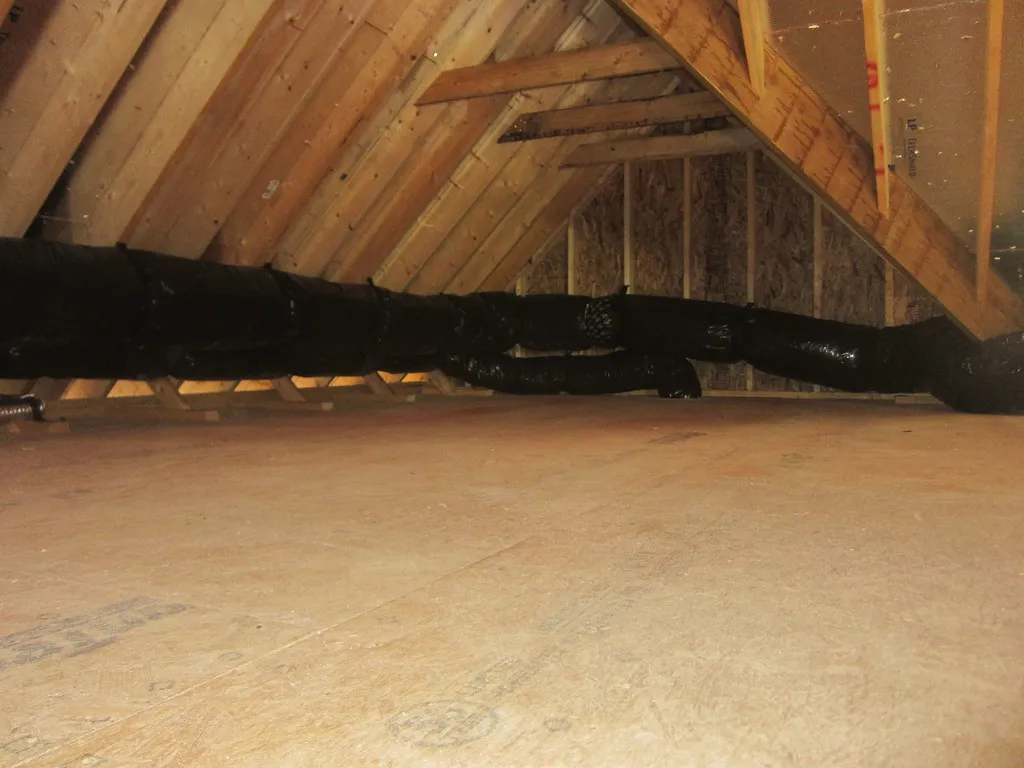
Many homes route HVAC systems and even dryer exhaust ducts through the attic, and both carry real fire risk. Air conditioning units, furnaces, and their associated ductwork often reside wholly or partially in the attic. These systems involve electrical components, motors, and sometimes heating elements. Malfunctions, such as an overheating motor or a faulty electrical connection within an HVAC unit, can generate significant heat.
Ducts can also become clogged with dust and debris, which can be highly flammable, especially if exposed to a spark or excessive heat. Dryer ducts routed through the attic carry an additional lint buildup hazard. If those ducts are damaged, disconnected, or clogged with lint, the result is a massive fire hazard. In some attic fires, dryer ducts were the cause, and the homeowners never saw it coming.
What You Can Actually Do About It

The most important step is simply going up there. Attics are out of sight, which means fires can go unnoticed until they’re advanced. Without proper fire detection systems, a small fire in the attic can quickly become a serious threat to the entire home. A smoke detector installed in the attic space itself, separate from the rest of the house, can make a meaningful difference in response time.
Homes over 40 years old require professional electrical assessments every 5 to 10 years, while newer construction allows longer intervals. Consider swapping old can lights for LED IC-rated fixtures, removing all flammable chemicals from the attic, and replacing cardboard boxes with sealed plastic totes. Professional pest management prevents rodent-induced wire damage, which is a primary spark for attic fires.
The Takeaway
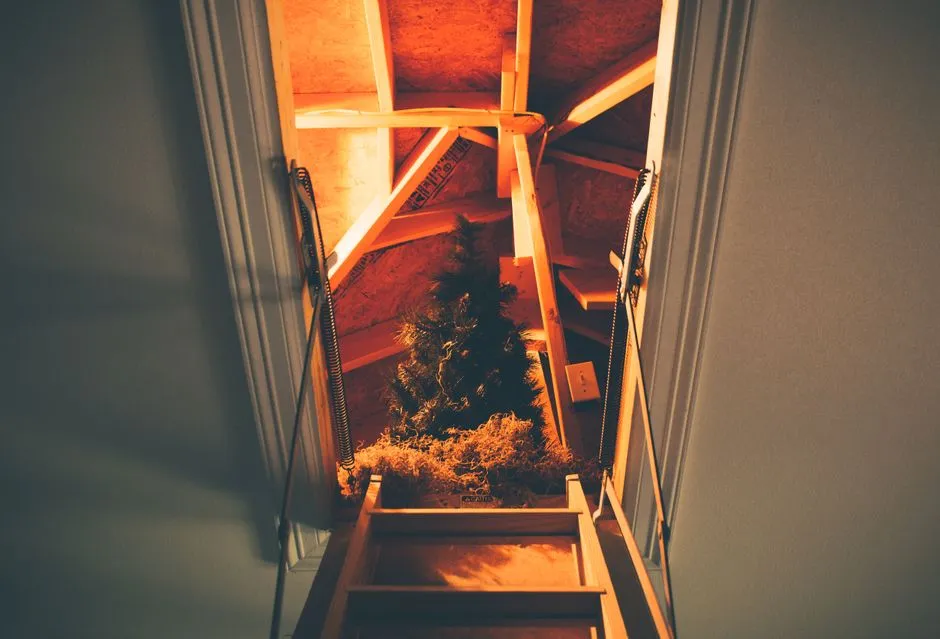
The attic is probably the least-visited room in your home, and that neglect has consequences. Most of the hazards described here don’t announce themselves. They build quietly over years, waiting for the right combination of heat, fuel, and a spark. The good news is that most of them are also fixable.
A single afternoon of inspection, paired with a call to a licensed electrician if the wiring looks old or suspicious, can eliminate a surprising amount of risk. The statistics around attic fires are sobering, but they’re also a reminder that this particular threat is one of the more preventable ones. Go take a look up there. It’s worth it.
AI Disclaimer: This article was created with the assistance of AI tools and reviewed by a human editor.