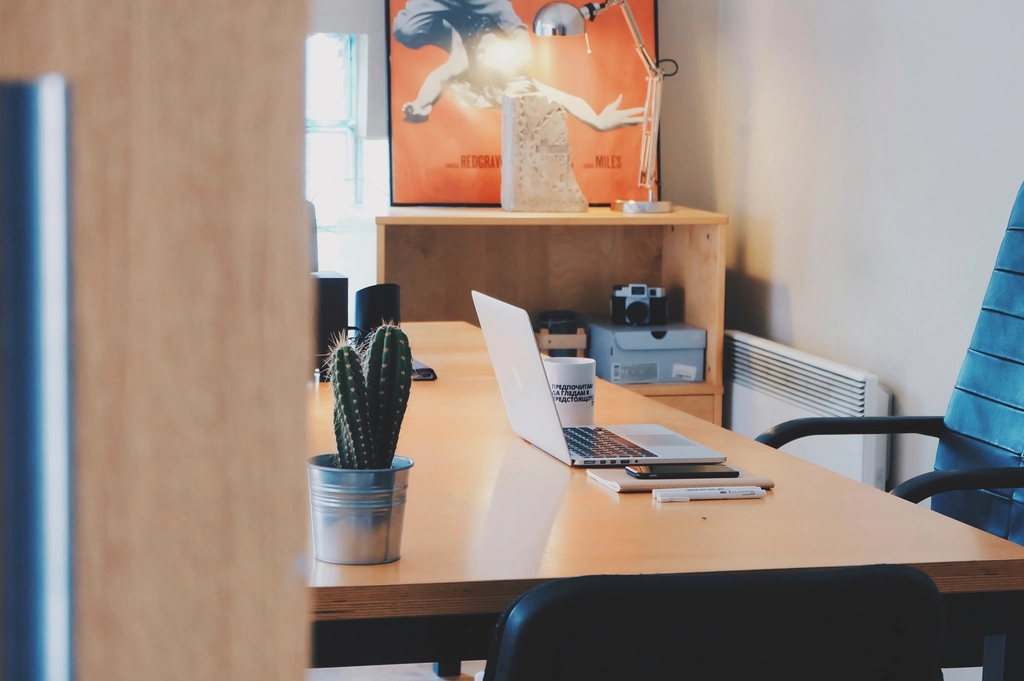

Working from home has become a fixture of modern professional life, not a temporary experiment. The American Time Use Survey released in June 2026 puts the share of U.S. workers doing at least some work at home at roughly 35 percent for the 2025 reference year. That is a meaningful portion of the workforce navigating the same fundamental challenge: how do you make a living room, bedroom corner, or spare room actually feel like a place where serious work gets done?
The answer, it turns out, rarely requires a full renovation. A handful of deliberate, small changes can shift the psychology of a space in ways that matter more than most people expect. Here are six that are consistently backed by research.
1. Claim a Dedicated Spot and Use It Only for Work
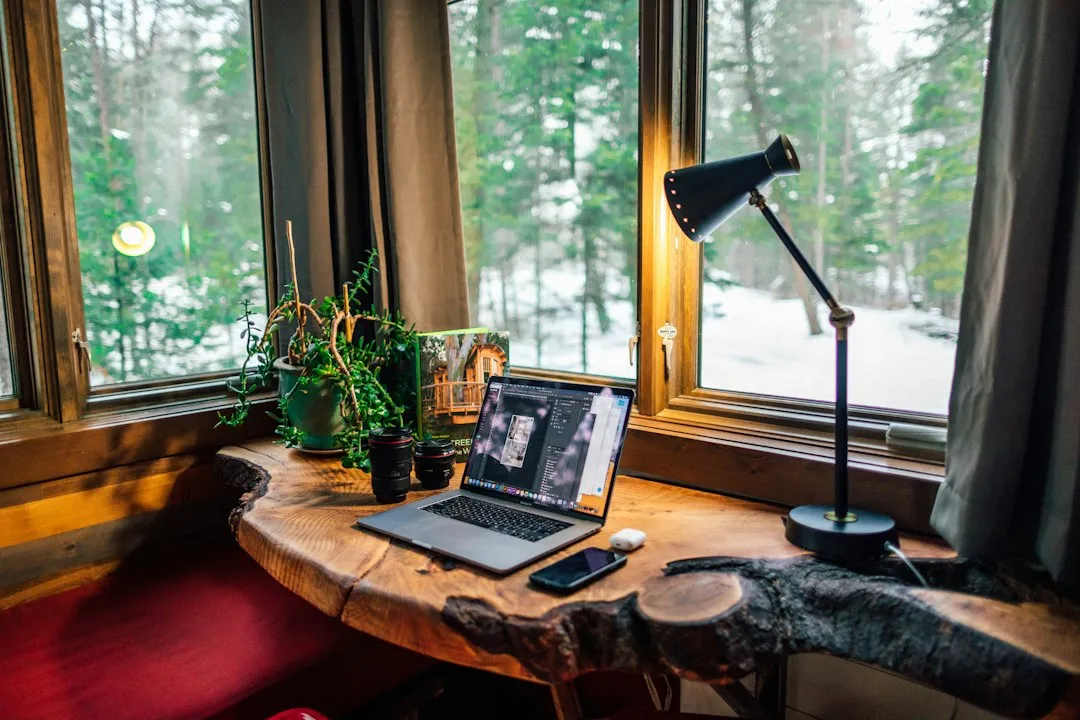
Keeping a dedicated workspace free from distractions in your home is critical to ensuring you are able to concentrate and deliver your best work. That sounds simple, but many remote workers still set up at the kitchen table, the sofa, or wherever happens to be convenient that morning. The problem is that your brain associates spaces with behaviors, and a couch means rest, not deadlines.
Research from Prodoscore shows that nearly all remote workers, roughly 93 percent, believe having a dedicated home office makes working from home more enjoyable and boosts productivity. A quiet workspace away from distractions helps you focus better, and spare bedrooms are particularly useful because they offer privacy for work. Even a corner of a room with a consistent desk setup can create that mental boundary, provided you use it consistently and only for work.
2. Fix Your Lighting Before Anything Else

Lighting is one of the most overlooked variables in a home office setup, and one of the most impactful. Those who reported poor lighting, high glare, and non-ergonomic workstations reported significantly higher visual strain and headaches. Over a full workday, that kind of strain adds up in ways that directly affect output and mood.
Natural light exposure helps regulate circadian rhythms, leading to improved sleep quality and enhanced focus during work hours. If a window is available, positioning your desk to benefit from it without creating glare on your screen is worth the effort. Your space should have good lighting to prevent eye strain and windows for natural views wherever possible. For evening or cloudy-day work, a warm desk lamp pointed away from your screen can do a reasonable job as a substitute.
3. Manage Noise Like a Professional

Noise is a productivity killer that most people tolerate without really addressing. Poor lighting can cause eye strain and fatigue, while disruptive noise can shatter concentration and increase stress, and together they influence everything from task completion speed to overall job satisfaction. In a home environment, noise sources are often unpredictable: neighbors, traffic, household members, deliveries.
Noise is one of the biggest productivity killers in any workspace. Using noise-canceling headphones for focus work, adding acoustic panels to reduce echo, and establishing quiet zones in shared spaces all help. White noise machines can also mask distracting conversations effectively. Open-plan home offices, especially within multi-functional rooms, can be particularly distracting, and current design trends now call for acoustic panels and focus pods, including sound-absorbing wall panels, acoustic ceiling tiles, or even dense curtains to keep your space quiet.
4. Sort Out Your Chair and Screen Position
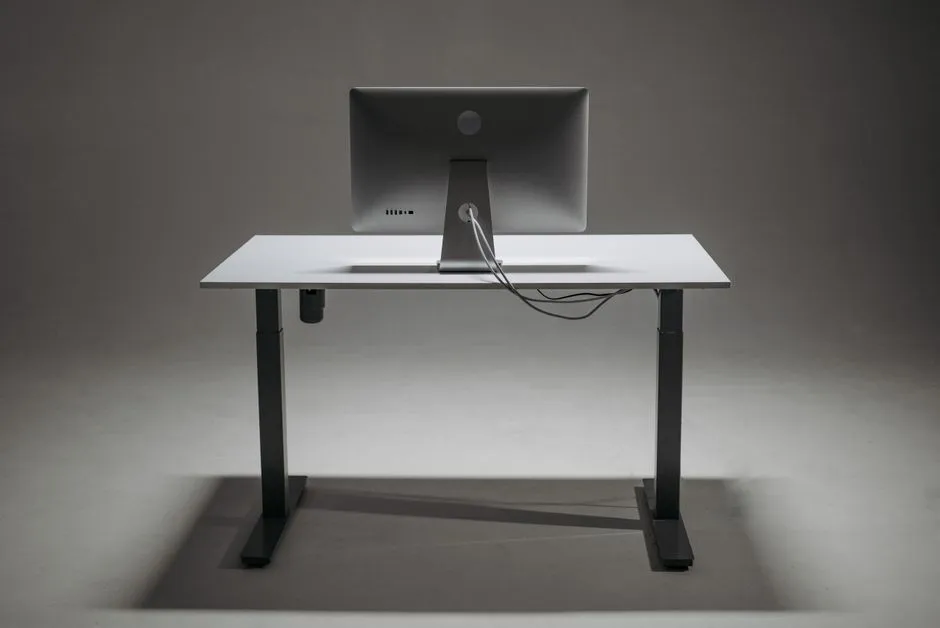
Ergonomics might sound like a corporate wellness buzzword, but the physical arrangement of your body at a desk has a direct line to how long you can focus and how you feel at the end of the day. Your chair and desk setup affect both comfort and long-term health. Your monitor should sit at eye level, your feet should rest flat on the floor, and your elbows should form 90-degree angles when typing. An ergonomic chair with lumbar support prevents back pain during long work sessions.
A home office is no longer just a temporary refuge; it is an extension of your employer’s workplace. A poorly designed space can lead to back pain, distraction, and burnout, whereas a considered environment improves focus and overall wellbeing. A decent chair does not have to cost a fortune. The key investment is time, spent actually adjusting what you already have to the correct positions, rather than sitting slightly wrong for years.
5. Add a Plant or Two
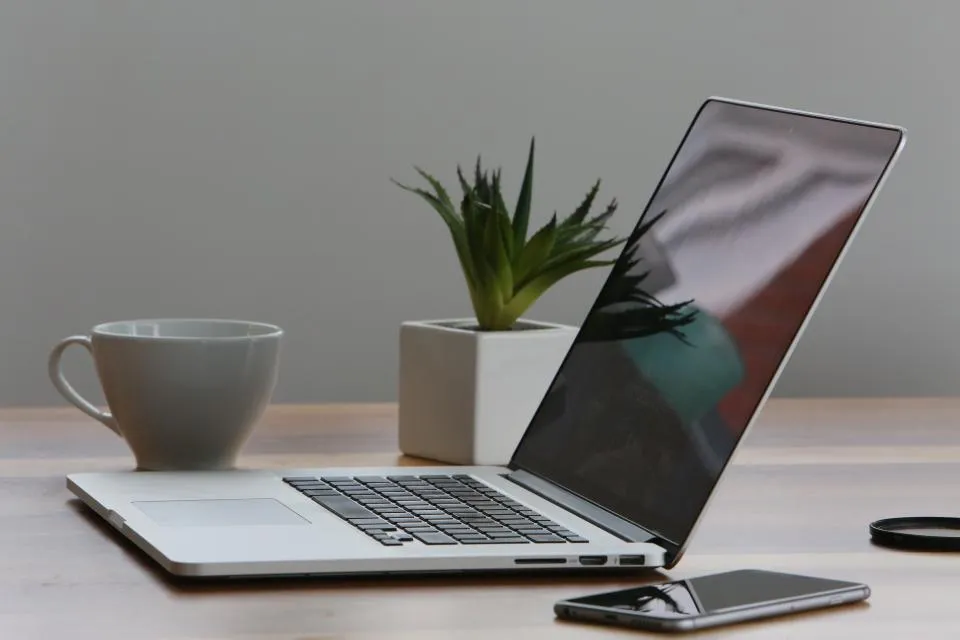
This one surprises people, but the evidence for it is reasonably solid. Research consistently demonstrates that plants in workspace environments can reduce stress hormones by up to 15 percent while simultaneously boosting creativity and cognitive function. A small plant on a desk or shelf is not interior decoration for its own sake. It genuinely shifts how a space feels, and apparently how it performs.
Biophilic design principles, which recognize our innate connection to nature, have moved well beyond aesthetic appeal and are now understood to actively support human health and productivity. This design philosophy strategically incorporates natural elements in work environments to combat the stress and fatigue associated with traditional indoor spaces. You do not need a living wall or a greenhouse. A single low-maintenance plant on your desk already moves the needle.
6. Build a Start-of-Day Ritual That Signals “Work Mode”

One of the biggest structural disadvantages of working from home is the absence of a commute. That sounds like a benefit, and in many ways it is, but commutes served a psychological function: they created a transition. Without that buffer, many remote workers find themselves drifting from morning routines directly into work, or never fully leaving it at the end of the day.
Schedules and routines help us focus. Thinking about routines that promote stability, security, and focus matters. For some people, dressing up for work or starting every day at the same time can bring much-needed structure to the day. According to Owl Labs’ 2025 State of Hybrid Work report, roughly a third of workers use calendar blocking to protect focus time, a sign that deliberate structure is becoming a recognized tool for managing remote productivity. Whether it’s a cup of coffee, a short walk, or simply opening a specific browser window at a fixed time, a repeated signal teaches your brain that something has shifted.
Why These Six Changes Matter More Than a Full Renovation
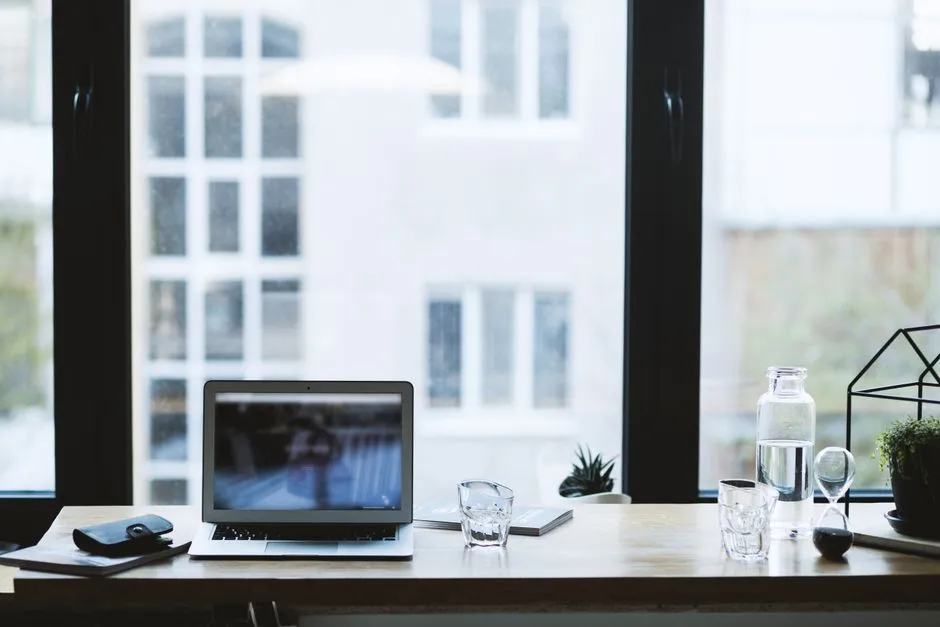
The temptation when setting up a home office is to think that productivity will come once everything is perfect: the right desk, the right monitor, the right accessories. In practice, small behavioral and environmental changes tend to matter more than expensive upgrades. Microsoft’s 2025 Work Trend Index found that employees in structured arrangements, defined by clear expectations rather than vague flexibility, reported notably higher focus scores than those in either fully remote or fully in-office setups. The structure, it turns out, matters as much as the location.
Indoor environmental factors such as air quality, thermal comfort, lighting, and noise are known to influence human health and productivity, yet systematic comparisons between home and office environments remain an active area of research. The good news is that you do not need to solve every variable at once. Improving one or two of these areas tends to create a compound effect, making it easier to address the rest over time.
The Real Threshold Is Psychological, Not Physical
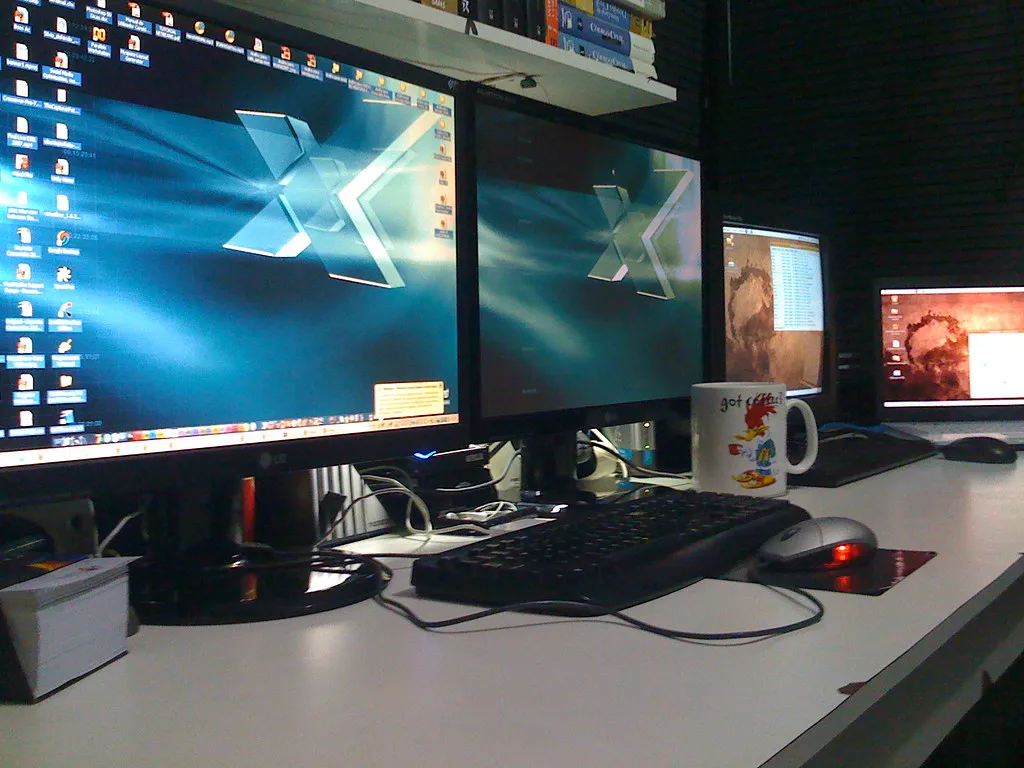
A home office does not need to look like a corporate floor to function like one. What it needs is enough intentional structure that your brain stops treating the space as somewhere to relax and starts treating it as somewhere to perform. Design consultancies anticipate that the workspace of 2026 will be wellness-centered, flexible, and inclusive, with an emphasis on ergonomic furniture, natural light, and spaces that promote genuine employee wellbeing.
Remote employees show meaningfully higher productivity than office-based peers on many metrics, alongside fewer errors, and save a significant amount of daily time by eliminating commuting. That built-in advantage is real, but it only holds when the environment supports the work. Six small changes: a fixed spot, better light, managed noise, good posture, a plant, and a start-of-day ritual. None of them are difficult. Together, they change everything.
AI Disclaimer: This article was created with the assistance of AI tools and reviewed by a human editor.