

1. Subtle Behavioral Changes You Keep Dismissing

This is where most owners go wrong. Many dogs mask pain instinctively, so behavioral changes, not just physical ones, are often the first clue. A dog that’s become a little quieter, slightly less enthusiastic at feeding time, or slower to come when called might just seem “mellow.” In reality, something may be off.
Research shows that behavioral changes such as increased fearfulness, prolonged recovery from stressful events, and reduced interest in social interactions often appear before obvious physical signs like gait changes or lameness. That shift in personality deserves attention, not dismissal.
While owners easily identify physical signs of pain, they may overlook subtle behavioral changes, even though these often precede physical symptoms. These conclusions are supported by the AAHA 2015 guidelines for pain recognition, indicating that caregivers may recognize signs of acute pain, but often fail to identify chronic pain. Chronic, low-grade discomfort is where dogs suffer most quietly.
2. Withdrawal from Social Interaction

Dogs that seem withdrawn or apathetic may be in pain. A sudden loss of interest in play or interaction should be taken seriously. If a dog that once greeted you at the door now wanders to their bed instead, that change in greeting behavior is worth noting.
Dogs in pain also showed reduced social behaviours, such as tail wagging and greeting behaviours. These are easy to overlook because they don’t look like obvious distress. There’s no yelping, no limping. Just a dog that seems a little less like themselves.
Behavioral changes are the earliest indicators of pain in dogs: withdrawal from family interaction, loss of interest in favorite activities, sudden clinginess, uncharacteristic aggression when touched, and changes in sleep patterns all signal that a dog is experiencing discomfort they are actively trying to hide. Watch for patterns, not just single moments.
3. Unexplained Aggression or Irritability When Touched
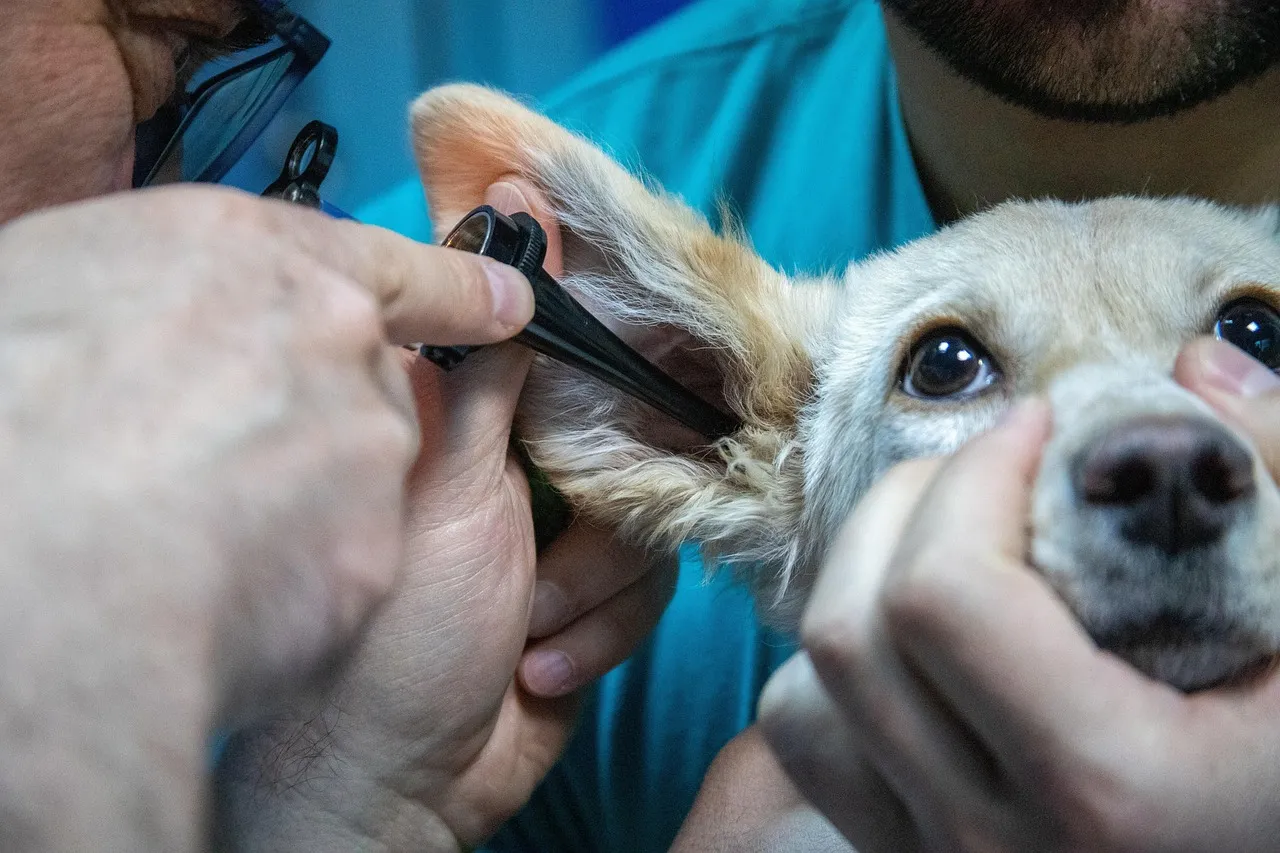
Pain can make dogs irritable or aggressive, even towards familiar people or animals. What used to be a relaxed dog can suddenly turn into an irritable reaction. Owners frequently blame this on personality or bad behavior, when the real cause is physical pain.
A dog that has always loved being petted may suddenly resist being touched in a specific area. That localized sensitivity is a meaningful diagnostic clue: note where on the body the reaction occurs and communicate it to your veterinarian. Location matters enormously here.
A 2026 study published in PLOS ONE found that behaviors like “turning away” or “freezing” were less often interpreted as pain by dog owners than by non-owners, suggesting that familiarity may sometimes bias interpretation toward stress or training issues rather than discomfort. Knowing your dog well can, ironically, make you less likely to suspect pain.
4. Excessive Licking of a Specific Area

Dogs instinctively lick painful areas. If your dog is obsessively licking one paw, joint, or spot on their body, they are likely trying to soothe discomfort there. This is one of the most consistent self-soothing behaviors seen in dogs with chronic pain.
This excessive licking can lead to hair loss, redness, and even open sores called acral lick granulomas, which themselves become a secondary source of pain. Joint licking is especially common with arthritis, as dogs will lick their wrists, elbows, or knees because the rhythmic motion provides mild relief. If you notice your dog focusing their grooming on one specific area, have your vet examine that spot.
Keep in mind that dogs grooming themselves is a natural part of their behavior, but if you notice them licking more than normal or repeatedly licking a part of their body that doesn’t have any visible wounds, they could be suffering from some type of pain. The absence of a visible wound doesn’t mean there isn’t one beneath the surface.
5. Panting at Rest, Without Any Obvious Trigger
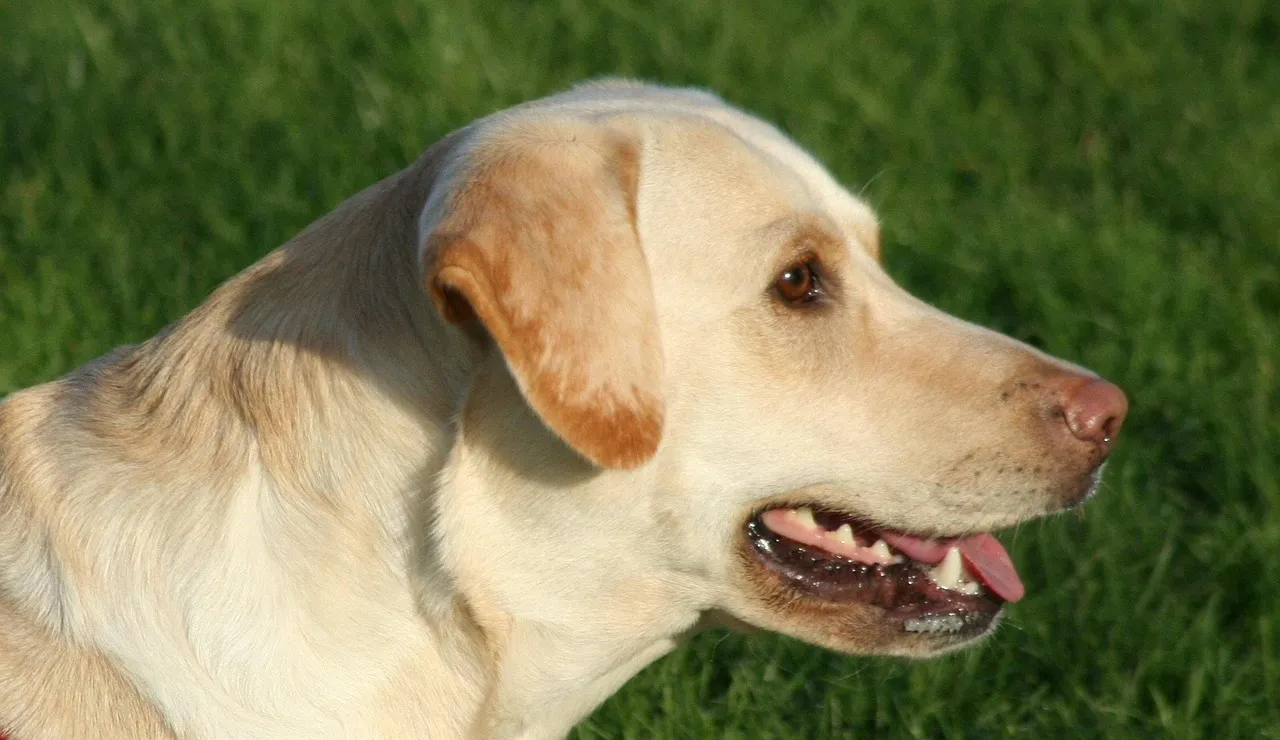
Dogs naturally pant to regulate body temperature since they have limited sweat glands. Normal panting happens during exercise, excitement, or warm weather and should stop once the dog cools down or calms down. That’s the baseline. Anything that falls outside it deserves a second look.
Panting excessively is a common sign that a dog is in pain. The breathing can be faster, with shallower breaths, and sometimes the panting is accompanied by trembling. If your dog is panting at odd times such as the middle of the night, or not after exercise or heat, pay attention and look for a cause of the pain.
Sudden panting in comfortable temperatures often signals pain or stress. This could relate to heart problems, breathing difficulties, or internal pain. Watch for additional signs like reluctance to move, unusual posture, or swollen belly. When panting appears alongside any of those other signals, contact your vet promptly rather than waiting to see if it resolves on its own.
6. Postural Changes and Reluctance to Move

When a dog is in pain they often assume a different stance. These include the “prayer position” with their front legs on the ground, their rear end up in the air and a stretched out middle. Another position is a rigid, “sawhorse-type” stance. Changes in posture can be even more subtle, such as an arched or sunken back, or a dropped or tucked tail in a dog who normally has a perky or upward tail.
Most dogs experiencing pain alter their behavior in some way. A dog may be reluctant to climb stairs, jump into the car, show decreased activity, or resist being handled or picked up. Subtle signs may be our only clue that the dog is hurting.
Clinical signs of osteoarthritis, for instance, often fail to correlate with the severity of radiographic findings. Relying solely on clinical examinations and imaging to rule out pain may result in missed diagnoses and inadequate treatment for pain-driven behavioral changes. That’s a reminder that even veterinary assessments can miss what careful daily observation at home might catch first.
Why Owners Keep Missing the Signs

Participants in one study were given a list of 17 types of dog behavior and asked to rank how likely they thought these behavior types were to indicate pain. In reality, all 17 types of behavior listed suggest a dog is in pain. The gap between owner perception and clinical reality is striking.
The signs of pain provided included obvious behavioral changes such as hesitant paw lifting, reduced play behavior, and changes in personality. Participants were good at recognizing that these prominent behavior changes were linked with pain. However, they didn’t realize more nuanced indicators such as yawning, lip and nose licking, and changes in facial expressions including looking away and increased blinking.
Perhaps the most revealing finding is that dog ownership alone does not significantly improve recognition of subtle pain. Familiarity with a dog can actually create a bias toward assuming that behavior is “just how they are,” when in fact something has gradually shifted.
The Role of Breed and Individual Tolerance
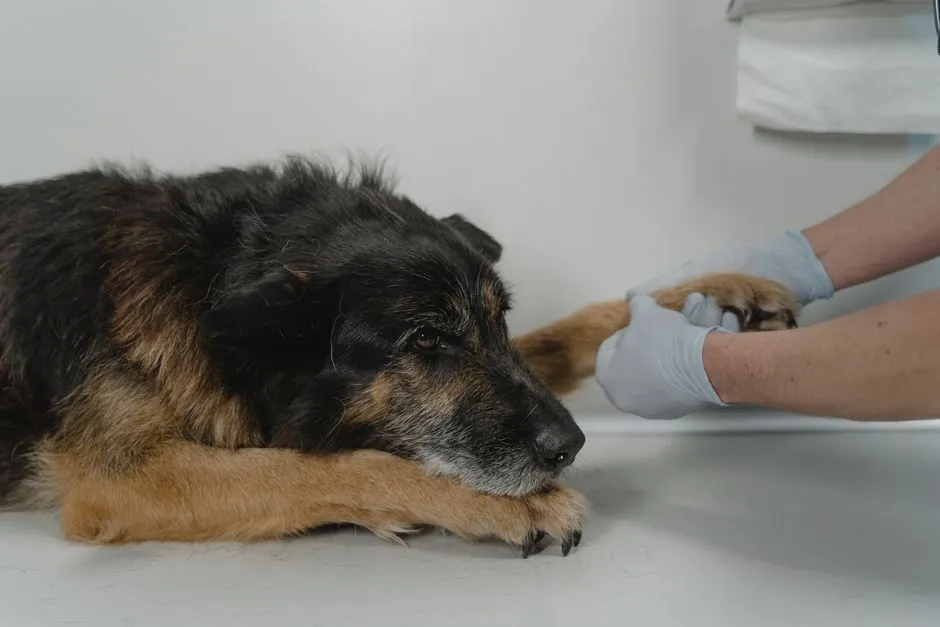
Some breeds, particularly working dogs like Border Collies, Kelpies, Labradors, and Greyhounds, are naturally more resilient and may tolerate significant discomfort before showing any clear signs. If you own a breed known for stoicism, you need to be especially deliberate about checking in.
Research by Gruen and colleagues revealed that veterinarians endorse breed-specific beliefs about pain sensitivity in dogs. Their study surveyed over 1,000 veterinarians and asked them to rate pain sensitivity for 28 different dog breeds. Veterinarians reported distinct pain sensitivity ratings for each breed and these ratings were highly consistent among respondents. This finding was remarkable because at the time of the survey, there was no existing scientific evidence that would suggest dog breeds differ in pain sensitivity.
Demonstrations of pain vary widely among dogs. It is important to recognize that a dog can be in pain even if it does not cry, limp, or show other obvious signs. In general, if something would hurt a human, it would hurt a dog. That’s perhaps the most practical rule of thumb you can carry.
What You Can Do at Home

Researchers suggest implementing home video assessment to evaluate a dog’s day-to-day functioning in a familiar setting. Caregivers are asked to record common contexts, such as eating, drinking, resting, eliminating, self-grooming or sleeping behaviors, as well as social interactions with family members or other dogs. These recordings often reveal subtle physical and behavioral signs, such as gait abnormalities, posture changes, or stiffness, which might highlight pain-related or maladaptive behaviors.
Experts are now suggesting that keeping an eye on your dogs’ everyday behaviour and body language is a more reliable way to understand if they’re experiencing pain. A quick daily check, where you watch how your dog rises from rest, how they walk, and how they interact, takes less than two minutes and can catch problems weeks earlier than waiting for a limp to appear.
If your dog has symptoms that persist for more than a day, take them to your veterinarian, who can diagnose and address the root cause of their pain. Don’t wait for the signs to become impossible to ignore. By that point, the pain has often been present for a while.
When to Call a Vet
Pet parents only seeking veterinary attention when physical signs of disease are evident may result in delayed treatment and reduced welfare. The whole challenge with pain in dogs is that the window for early, less complicated treatment closes quietly while you’re waiting for obvious symptoms.
Schedule a vet appointment within 24 hours if you notice persistent limping that does not improve with rest, loss of appetite lasting more than 24 hours, unexplained restlessness or panting that continues for more than a day, new aggression when touched in a specific area, sudden withdrawal or antisocial behavior, or excessive licking of one body part. These are not things to monitor for another week.
In recent years, veterinarians have made great progress in understanding how dogs feel pain and the best ways to manage that pain. That progress helps most when owners bring dogs in early, before the signals become severe.
Final Thoughts
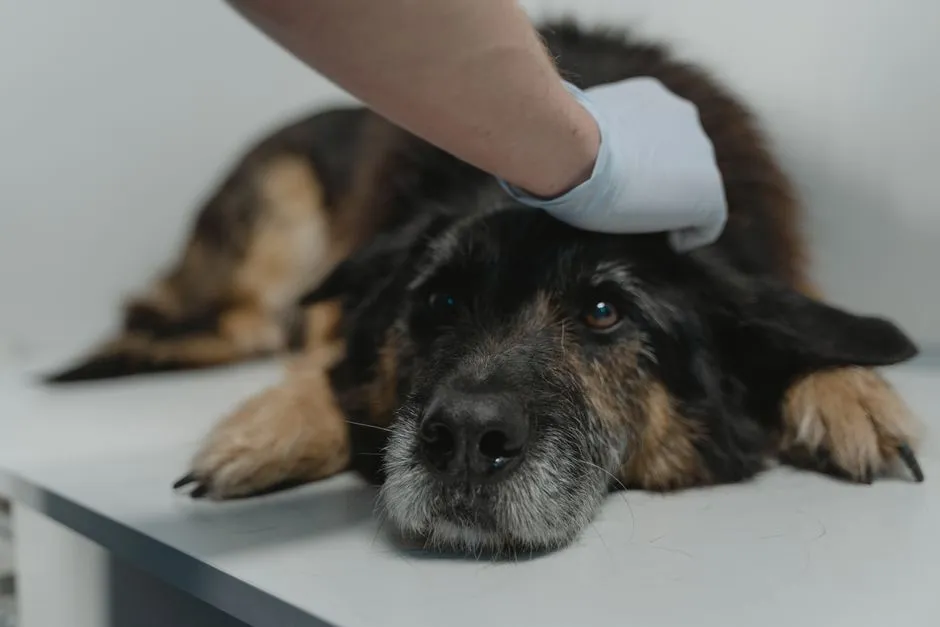
The fact that dogs hide pain so effectively is not a problem you can solve by loving them more. It’s a biological reality that requires a different kind of awareness. Watching your dog closely during ordinary moments, rather than only when something looks dramatically wrong, is the most reliable tool you have.
Researchers found that dog owners were no better than non-owners at spotting pain when it appeared as subtle behavioral shifts like clinginess, restlessness at night, and shorter walks. Pain became easier to recognize only once it changed how a dog moved. That gap between early behavioral signals and visible mobility changes is where dogs suffer in silence.
Closing that gap is what this is really about. Your dog can’t tell you where it hurts, but they’re telling you something every day. The six signs above are a reasonable place to start listening more carefully.
AI Disclaimer: This article was created with the assistance of AI tools and reviewed by a human editor.