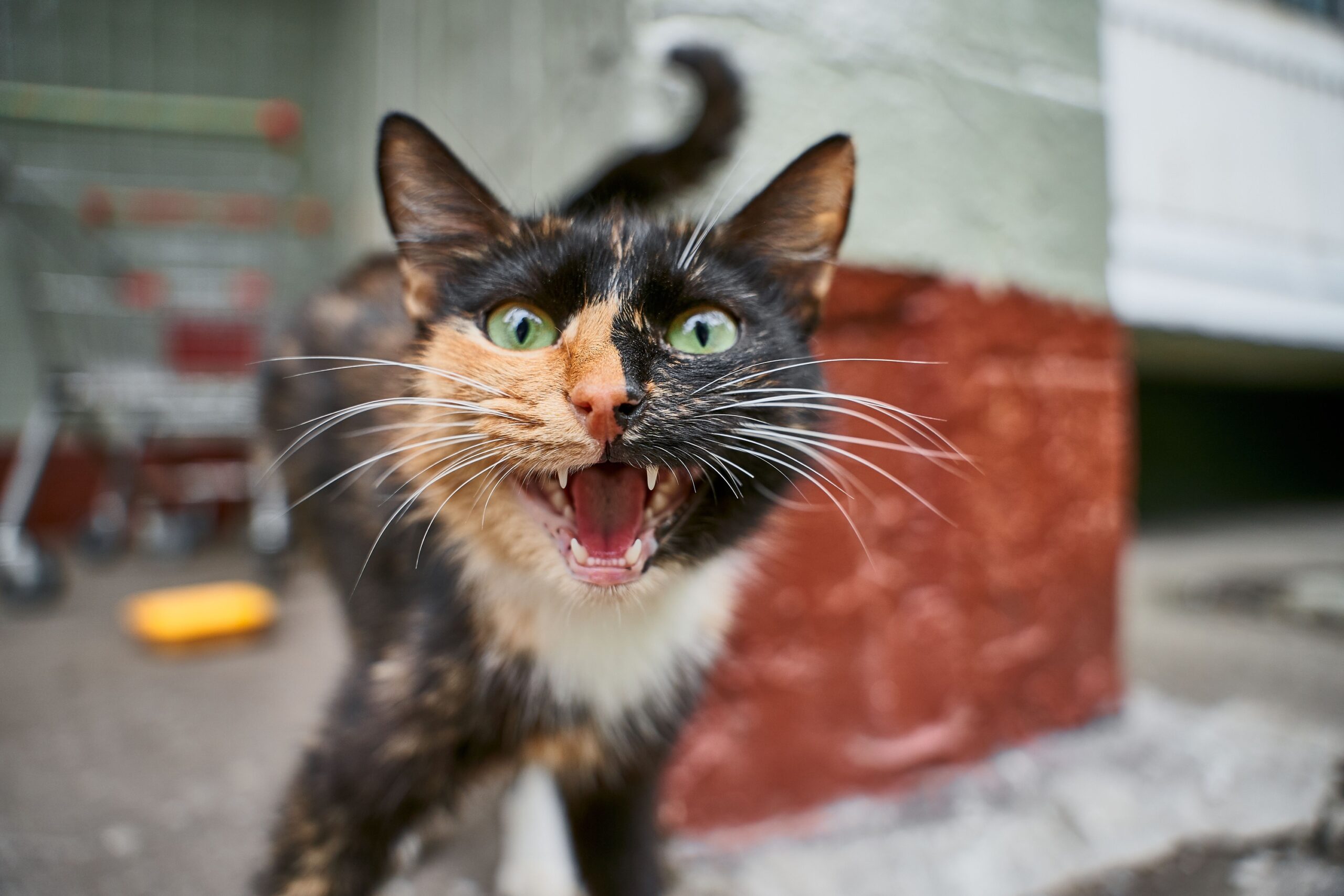

1. Urine Spraying on Vertical Surfaces
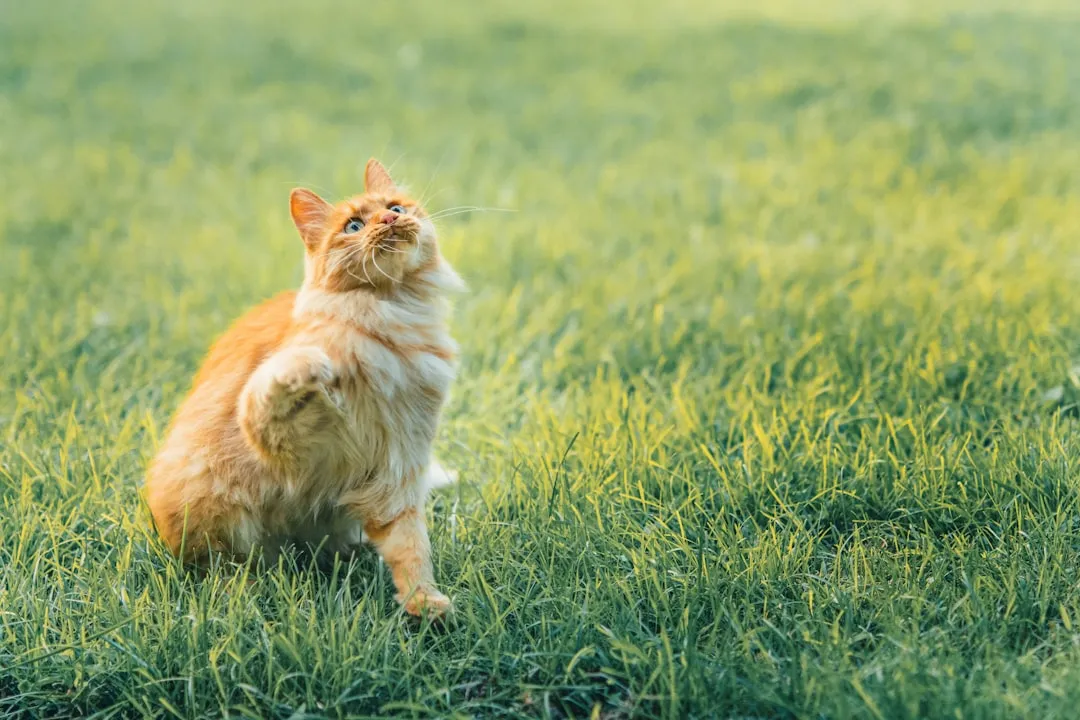
This is the most clear-cut sign, and it is very different from a litter box accident. A spraying cat will stand, lift its tail and quiver, then spray small puddles of urine in several consistent locations. The posture alone tells the story: cats don’t squat to spray as they do to urinate.
Urine stains found approximately at cat-nose level on vertical surfaces, such as furniture, drapes, or walls, are telltale signs of feline spraying. The location is deliberate, not random. Because marking is a method of delineating territory, urine is often found in prominent locations and near windows, doors, and heavily trafficked areas in the home.
Cats that mark with urine on vertical surfaces usually continue to use the litter box for elimination of both urine and stool. That detail matters: if your cat still uses their box normally but sprays elsewhere, it is almost certainly territorial communication, not a bathroom problem.
2. Rubbing Against You When You Return Home
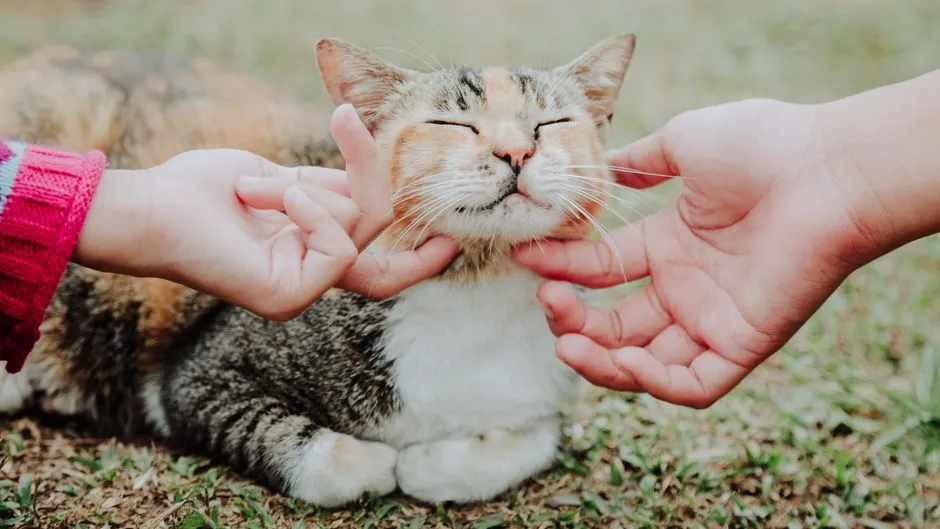
When your cat is rubbing on your legs, you might think of it as a sign of affection. It can be, but your cat is also marking you with their scent. The timing is revealing. Not only is rubbing against you a sign of a happy hello or welcome home, but cats also want to make sure that they have marked you with their scent.
The scent glands in a cat’s cheeks, chin, top of their head, and base of their tail produce pheromones, which cats can smell but humans cannot. Cats use these pheromones to mark territories and people as theirs, but these scents don’t last forever, so they will rub against you again to replace the scent.
So when your cat greets you intensely the moment you walk through the door, they are not purely expressing joy at your return. They are reclaiming you as part of their territory after a day of outside scents diluting their signature.
3. Headbutting Objects and Furniture
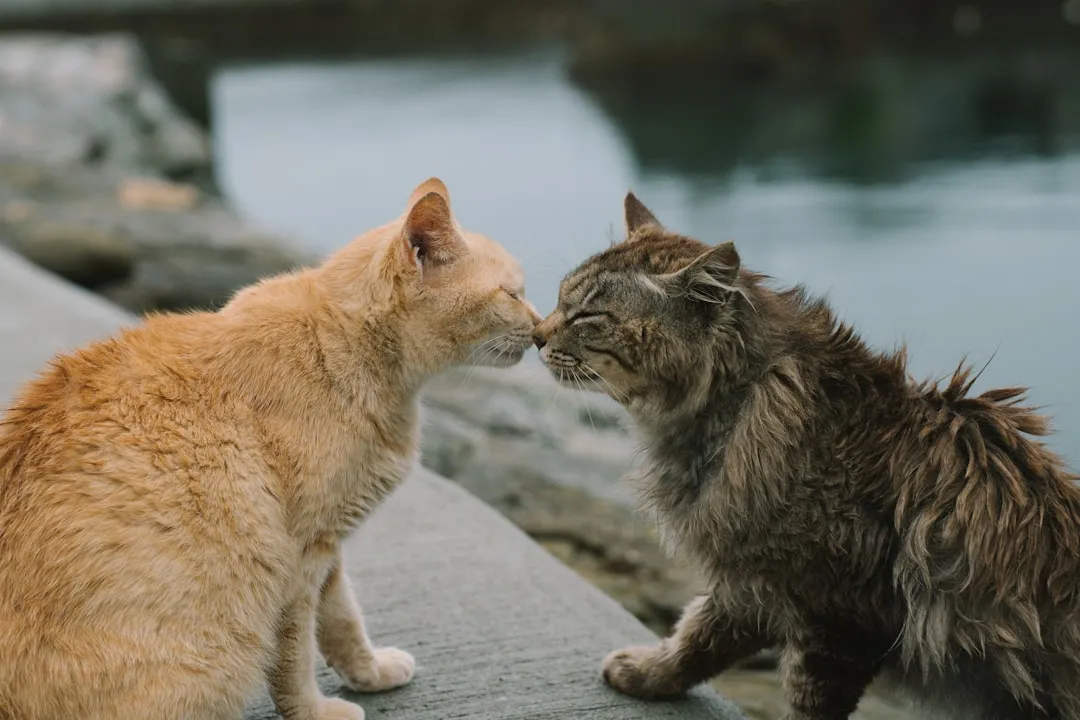
Bunting is generally considered to be a form of territorial scent-marking behavior, where the cat rubs the scent glands on its cheeks and forehead on the object being marked. It looks affectionate, and sometimes it is. The distinction lies in the target. Favorite places cats scratch and rub to mark are commonly used entrances and exits to the home, the main front door entrance, their favorite sleeping areas, and any boundary they feel is being challenged in some way.
After a display of aggression, a cat will begin bunting nearby objects as a form of territorial display toward a rival cat. Context matters enormously here. A cat that headbutts a doorframe after spotting another cat outside the window is not being playful; they are reinforcing ownership of their space.
4. Scratching in High-Traffic or Visible Spots
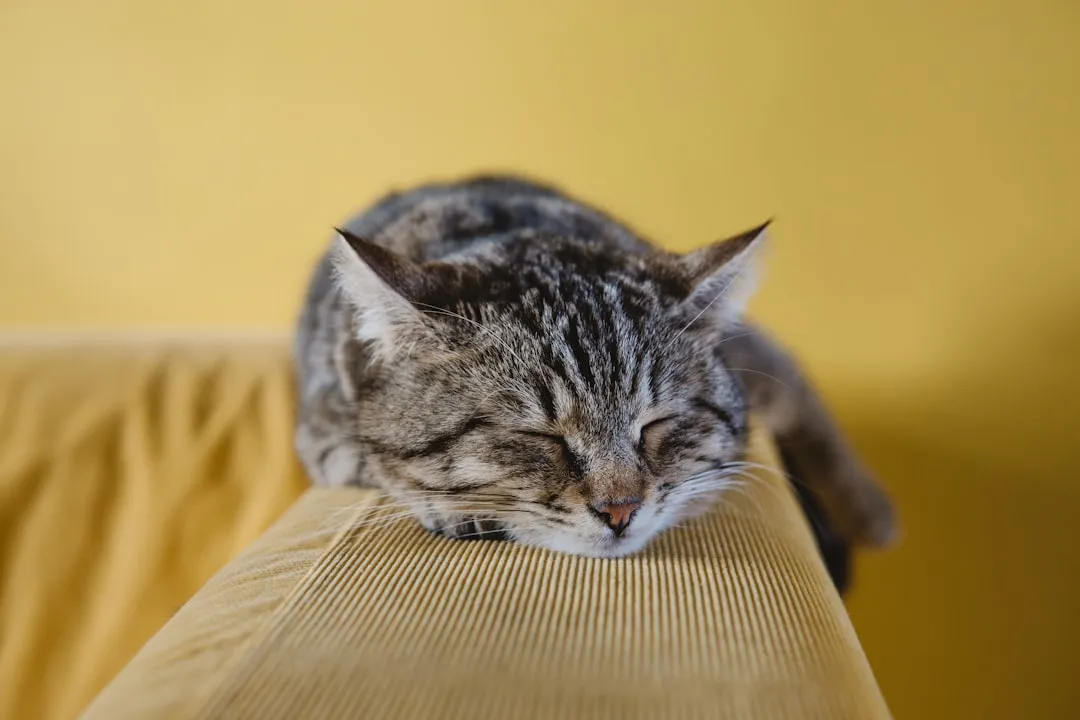
Scratching is commonly dismissed as claw maintenance, but the location of the scratching reveals the real motive. When a cat scratches a surface, the glands in their feet release pheromones and, in addition, the claw marks serve as long-lasting visual communication. It is a two-channel message: chemical and visual, sent simultaneously.
When your cat scratches, they are not just leaving visible marks; they are also leaving scent signals. Glands in their paws produce a subtle scent that allows them to mark certain areas as their territory. This is your cat’s way of creating a safe and familiar space.
A cat that scratches the front door, the sofa arm closest to a window, or a spot near where another pet sleeps is not simply stretching. They are drawing a boundary, and the message is aimed squarely at anything or anyone they perceive as a rival.
5. Intensified Behavior When a New Pet or Person Arrives
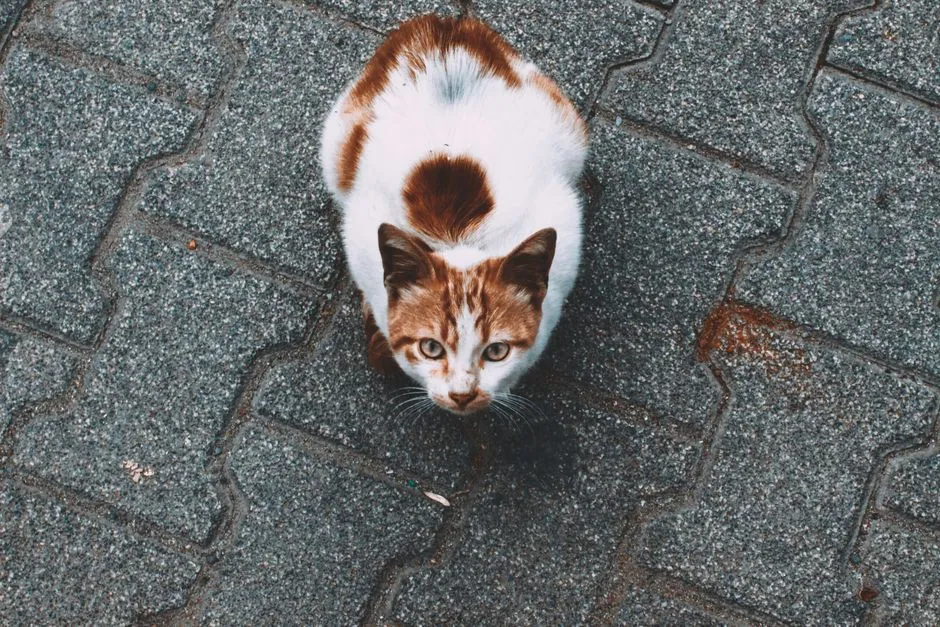
Any time an indoor cat feels threatened or distressed, they may leave a mark to affirm the location of a safe territory. A change in household routine, the addition of a person or pet, or even a remodeling project can trigger anxiety and marking. The behavior often escalates sharply in the days following the change, which makes the cause fairly easy to identify.
If there is tension or conflict between your cat and other animals in the home, your cat may feel threatened and start to mark their territory. If the marking started when you added a new pet to the family, your cat is likely feeling stress or tension regarding the newcomer.
Cats sometimes deposit urine onto new objects brought into the household, presumably to create a common scent and mask an unfamiliar one. A cat rubbing furiously on a new piece of furniture or a visitor’s bag is not being affectionate toward the object. They are overwriting something that smells foreign.
6. Repeated Marking in the Same Locations
Many cats will mark in the same area repeatedly. This repetition is one of the clearest clues that what you are seeing is territorial behavior rather than affection. Cats mark to intentionally leave their messages in socially important locations within their territory, particularly along commonly traveled pathways.
Urine will elicit an investigative response in other cats for up to three days. Because the scent fades, a cat invested in maintaining boundaries will return to the same spots to refresh the message. It is systematic, not random or impulsive.
If you notice your cat consistently rubbing, scratching, or spraying the same doorframe, window ledge, or corner of the room, that location almost certainly holds territorial significance for them. It may correspond to where they sense outside animals most strongly, or where household tension tends to peak.
Why Intact Cats Mark More Frequently
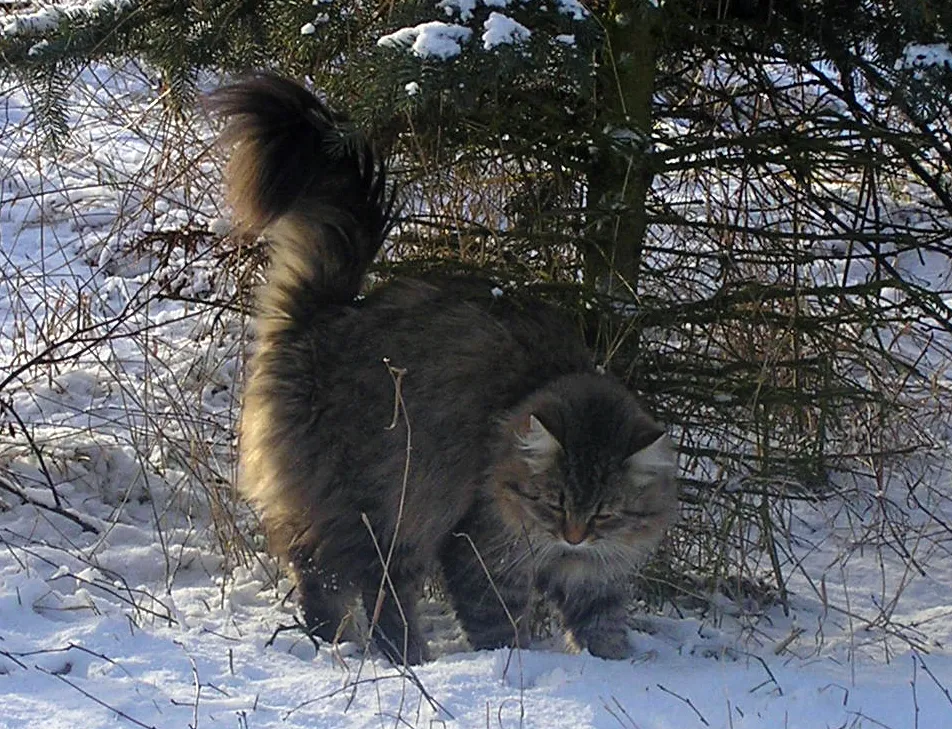
Unneutered male cats are the most territorial as they are often competing with other males for territory and females. The hormonal drive amplifies every marking instinct significantly. Urine marking is most common in intact, non-neutered male cats. When an intact male sprays urine, it will have the characteristic tom cat odor that is strong and pungent.
Neutering helps substantially, though it is not a guaranteed fix. Neutering will change the odor and may reduce the cat’s motivation for spraying, but approximately ten percent of neutered males and five percent of spayed females will continue to spray. For the majority, though, the reduction is meaningful and worth pursuing early.
How Stress and Anxiety Fuel Territorial Marking
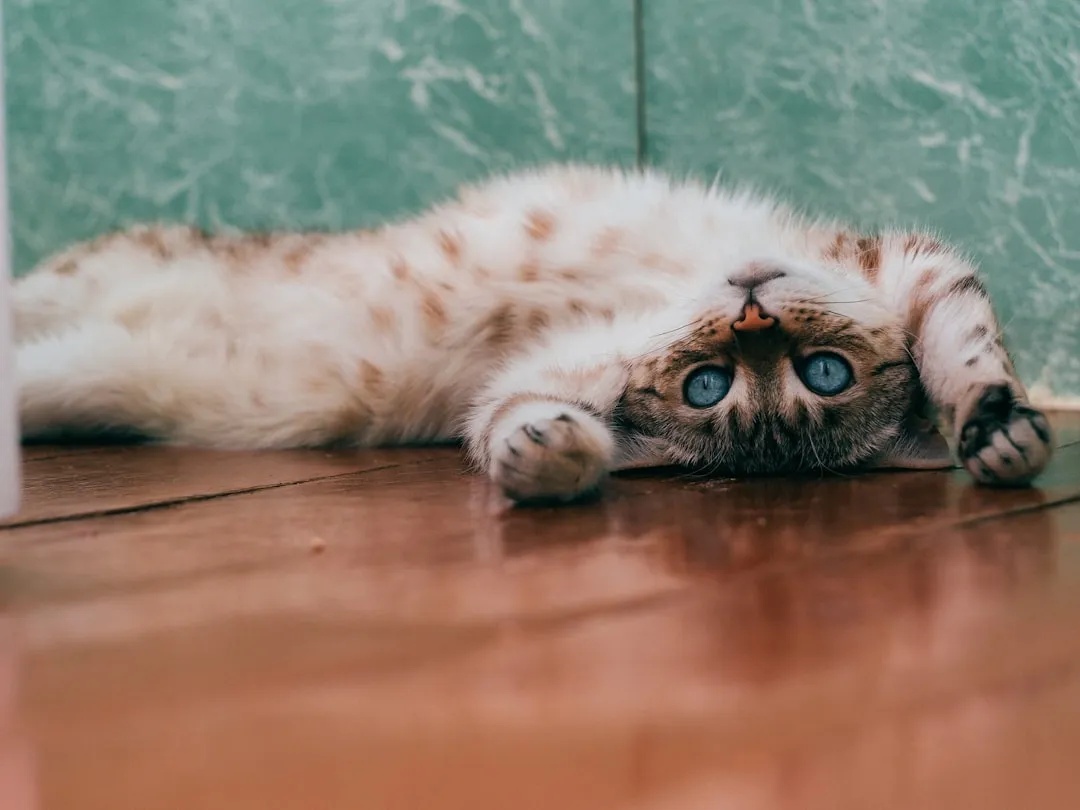
Urine marking is usually associated with dominance behavior. While this is often the case, some pets may mark when they feel anxious or upset. Stress-driven marking tends to be more erratic than routine territorial behavior, and it often spikes in response to specific triggers rather than following predictable patterns.
Most scientific studies about territorial marking have determined it is most often associated with social and relationship problems between cats within or outside the household, such as social standing among inter-household cats or seeing new cats outside the window.
This is worth keeping in mind before assuming your cat is simply being stubborn. Escalating marking behavior is often a distress signal. Punishment can create anxiety and decrease the cat’s sense of security within their home, which can lead to increased marking and new problem behaviors. Responding with frustration tends to make things worse, not better.
Feces Marking: The Sign People Miss Most Often
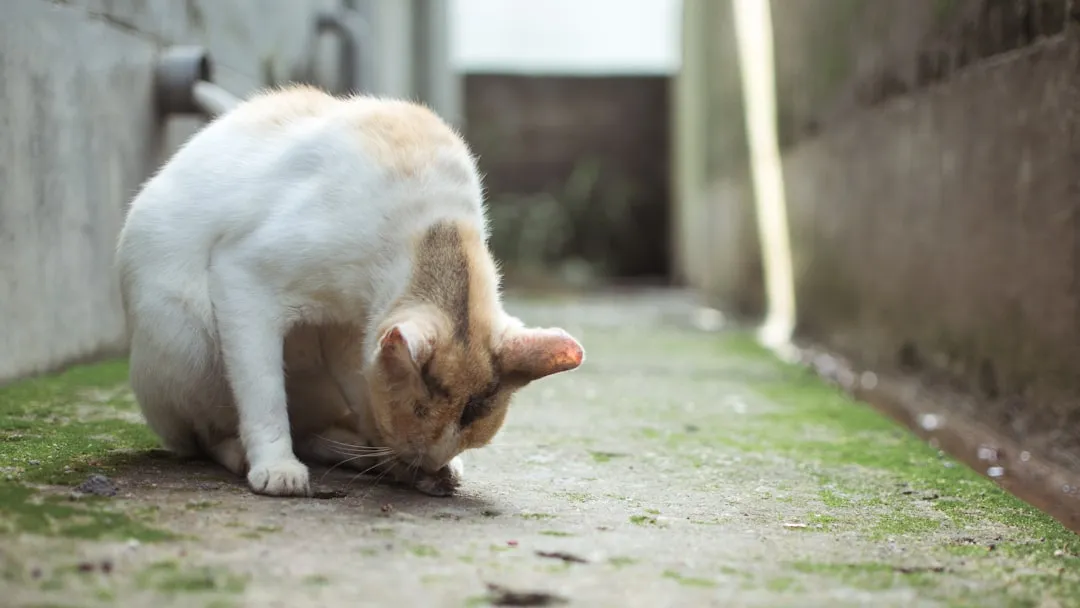
Most people know about urine spraying, but territorial marking can also take a less expected form. Sometimes cats will mark their territory with feces. This is called middening. It is less common than urine marking, but it carries the same communicative intent: establishing ownership of a space or boundary.
Female cats also mark their territory through middening, rubbing, and scratching, just like male cats do. Middening tends to occur in exposed, prominent locations rather than corners. If stool appears on a windowsill, a doormat, or somewhere similarly conspicuous, the placement is almost certainly intentional.
When Scent Marking Overlaps With Genuine Affection
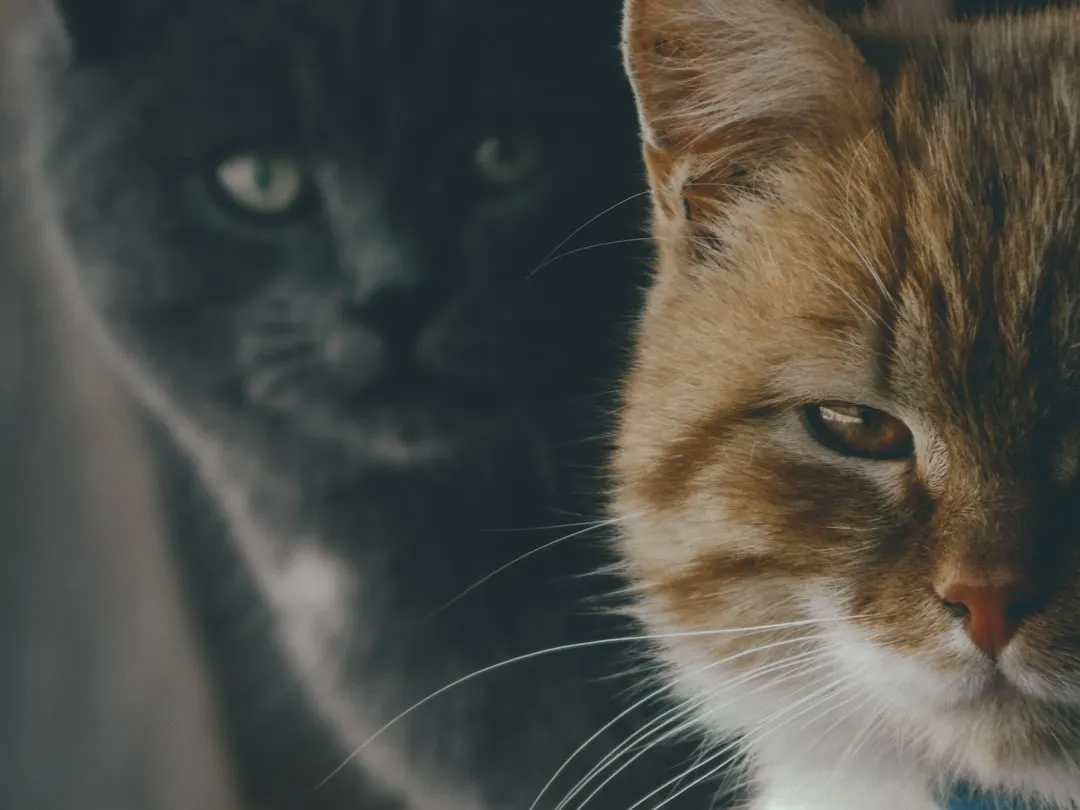
It would be misleading to frame all of this as purely cold, transactional behavior. When a cat rubs against an individual, it usually displays pleasurable positive emotions and is a sign of affection during cat-human interactions. A feline nuzzling against their companion to mark their scent indicates familiarity and a sense of security, including acceptance.
Cats have a cluster of scent glands on their forehead, so when they lovingly headbutt you, they’re marking you with their scent. This scent marking behavior is a massive compliment because it means they trust you and feel safe. Marking and affection are not always opposites; in many cases, they genuinely coexist.
The distinction worth tracking is intensity, location, and context. Gentle, calm rubbing in relaxed moments skews toward bonding. Urgent, repeated marking near entry points or following a household disruption skews toward territory. Learning to read both sides of the same behavior is really what separates casual cat owners from ones who truly understand their animals.
Final Thoughts
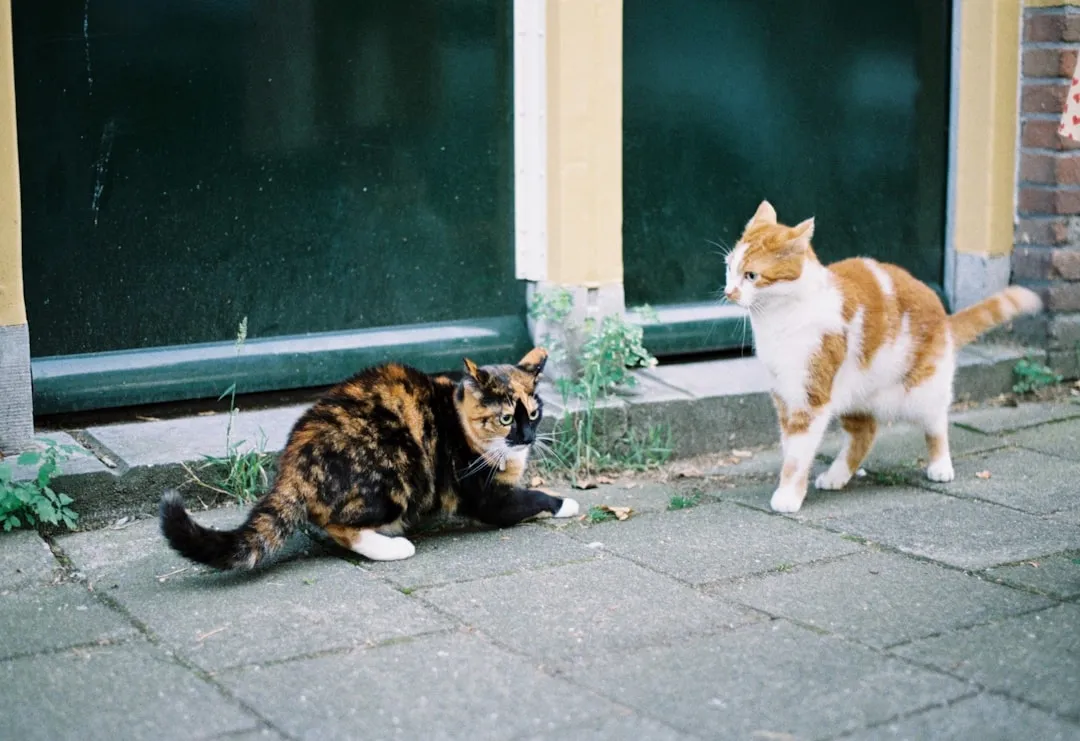
Cat behavior rarely comes in a single flavor. What looks like affection often contains a thread of territorial logic, and that is not something to resent. Cats don’t just mark territory for the sake of claiming things; they do it to feel safe, reduce stress, and communicate with other cats. Understanding the motivation changes how you respond.
If marking behavior is escalating, the first question to ask is not “how do I stop this?” but “what has changed, and what is my cat trying to say?” Alleviating tension could be as easy as increasing resources in the home by providing additional food bowls, water bowls, litter boxes, vertical space, and toys.
Cats are territorial by nature, social by choice, and expressive in ways that reward close attention. The more fluently you read their signals, the easier it becomes to meet them where they actually are, rather than where you assumed they were.
AI Disclaimer: This article was created with the assistance of AI tools and reviewed by a human editor.