
Most homeowners go weeks, sometimes months, before realizing something has taken up residence directly above their heads. The bad news is that most homeowners don’t catch the signs until the problem has been going on for weeks or even months. By then, the damage is already underway.
Attics are warm, dry, protected from predators, and usually quiet enough for nesting. Animals naturally seek shelter as temperatures drop or storms roll in, and the attic often provides easier access than other areas of the home. These spaces offer exactly what wildlife needs, and they require very little effort to move into. Knowing the early warning signs can save you a great deal of money and stress.
1. Sounds You Can’t Quite Place – Especially at Night
One quick way to know whether your attic has residing animals is if you hear noises above the ceiling. Common noises include scampering, scratching, digging, walking, and vocal cries. These sounds tend to be most obvious in the quiet of the early morning or late at night, when the rest of the house is still.
If you hear running at night, it is likely nocturnal animals like rats, mice, or raccoons. When squirrels are in the attic, they are mostly heard during the day. So the timing of the noise can actually give you a decent clue as to who has moved in.
Large thumps and scuttling are common noises made by raccoons in attics. Smaller, more rapid skittering typically points to mice or squirrels. The sounds may seem random at first, but they usually follow predictable patterns tied to feeding times or activity cycles.
2. Droppings or Urine Stains in Hidden Corners
Finding evidence of feces and urine is the clearest sign of a nuisance animal problem. Determining whether they come from animals is crucial, as animal droppings often signal a larger infestation and potential health hazards. Many homeowners only discover droppings when they finally venture into the attic for storage or inspection.
Bat droppings are small, dark, roughly the size of a grain of rice, and they crumble easily when touched. Over time, guano compresses into insulation, soaks through with urine, and forms dense layers that most people wouldn’t recognize as animal waste at first glance.
Another indicator that animals leave behind is paw prints on your ductwork. Opossums and raccoons have the biggest prints. They each have five fingers, but the palm of an opossum’s print is more triangular. A small flashlight and a careful look around the floor of your attic can reveal a lot more than you might expect.
3. Persistent Foul Odors Drifting Into Living Spaces
Animals can leave an unbearable musty odor as they stay longer in your property. At first, the smell might be so faint you dismiss it as dust or a closed-up room. Over time, it becomes unmistakable.
The strong, unmistakable smell of bat droppings can seep into attic insulation and travel through ventilation systems, resulting in reduced air quality inside your home. Prolonged exposure to this odor can irritate respiratory systems and worsen conditions like asthma or allergies.
The musty, ammonia-like odor is often the first sign homeowners notice. This smell intensifies as guano and urine saturate insulation and building materials. If a strange smell keeps returning no matter how much you air out the house, the source may be directly above your ceiling.
4. Chewed Wires, Wood, and Damaged Insulation
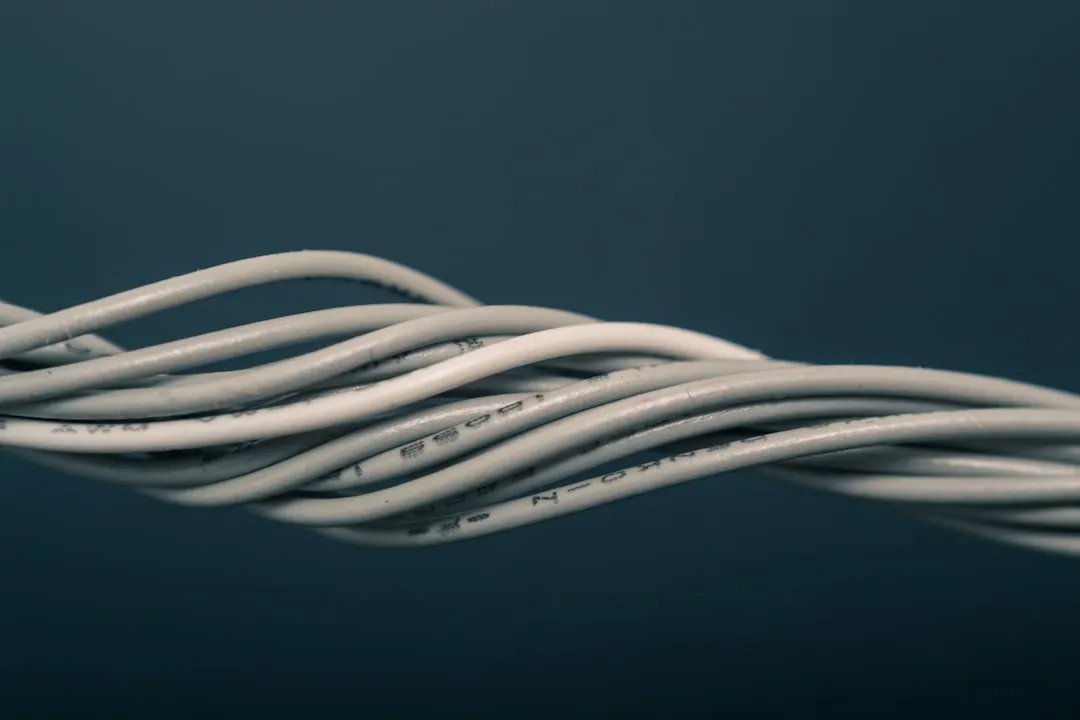
If your home shows signs of damage like chewed wires, insulation, or structural damage around entry points, gnaw marks on wood, furniture, wiring, or other materials, or holes in walls, floors, or foundations, it could mean that nuisance wildlife has entered your home.
Rodents like rats and squirrels are notorious for chewing on wood, insulation, electrical wires, and even the roof itself. Over time, this damage can compromise the structural integrity of your home, leading to costly repairs. A chewed wire in an attic is not just an annoyance – it is a legitimate fire hazard.
Pests often nest in your attic’s insulation. Once they’re settled in, they can tear it up, reducing its effectiveness in keeping your home warm in winter and cool in summer. This can lead to higher energy bills as your HVAC system has to work harder to maintain a comfortable temperature. So if your energy costs have crept up without explanation, that is worth investigating.
5. Visible Entry Points or Damage on the Exterior
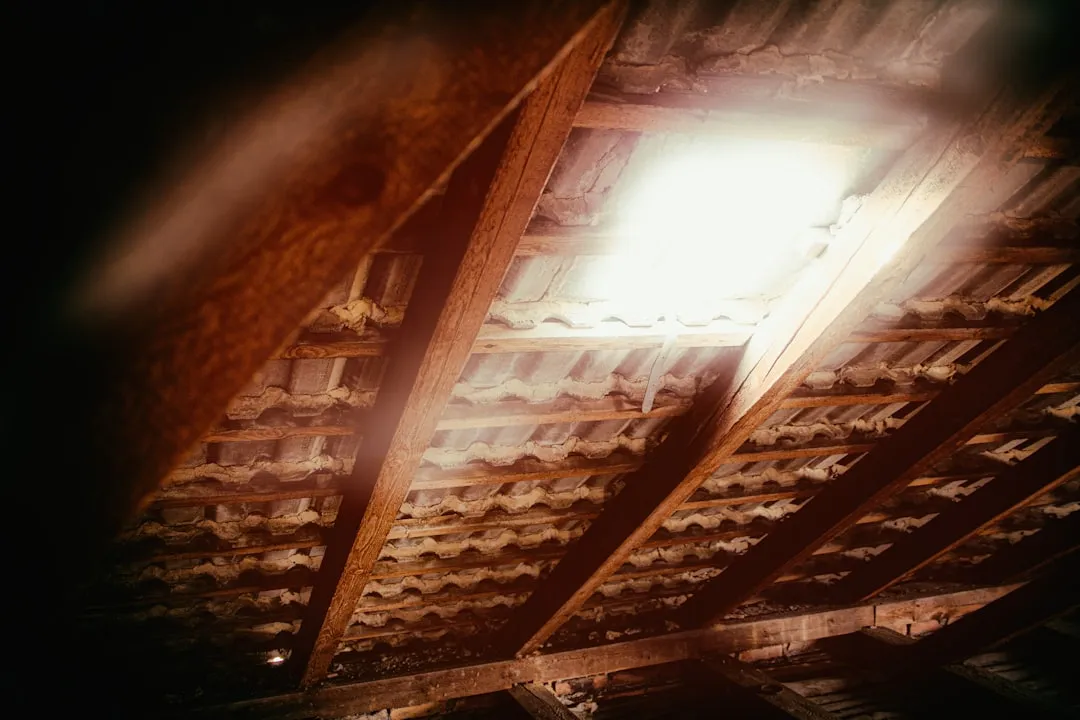
Open soffits, gaps along the roofline, broken attic vents, and loose shingles create convenient entry points. These are often easy to miss unless you actively look for them, since most homeowners don’t scan their roofline on a regular basis.
Animals like gray squirrels and raccoons usually gain access through holes in loose, missing, or rotten soffit, fascia, or roof boards. If these areas are not already rotted through, they may scratch or gnaw the rest of the way through – this rot is often the result of previous water or ice damage.
Structural damage such as chewed or damaged siding, soffits, and fascia boards, claw marks, or damaged roof shingles and vents can also be signs of wildlife. These damages are often caused by animals such as squirrels, raccoons, or birds trying to enter your home for resources, shelter, or nesting. A walk around the perimeter of your house, with your eyes on the roofline, is a quick and useful habit to build.
6. Ceiling Stains That Appear Without a Leak
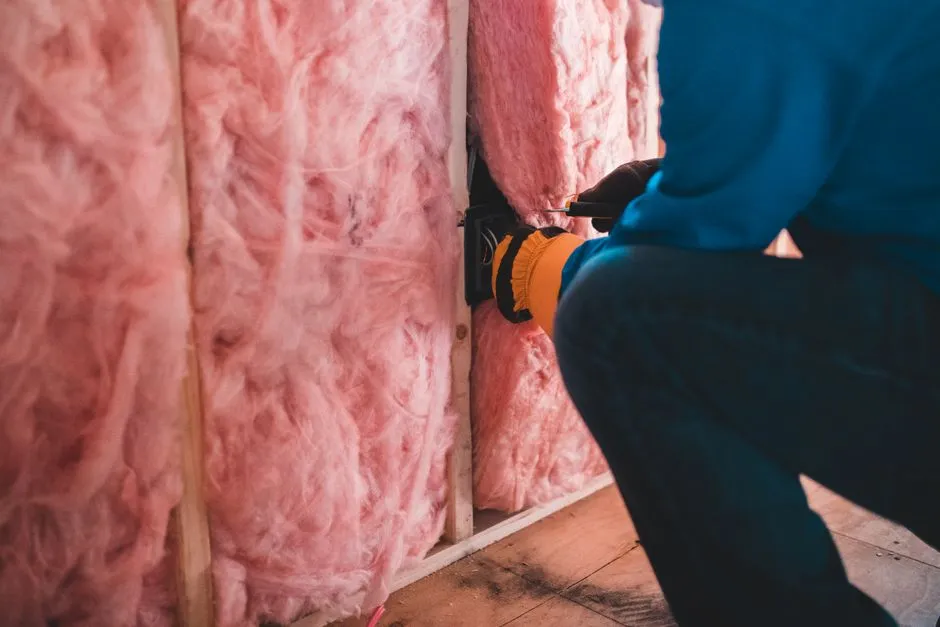
Over time, guano and animal waste can lead to insulation damage through saturation, compression, and reduced thermal performance, as well as wood rot, ceiling staining or sagging (especially in older homes), and corrosion of metal surfaces including HVAC components.
Guano is highly corrosive; it will destroy insulation, flooring, and ductwork. Over time, guano can even seep down into ceilings to cause further damage and spread an unbearable stench. Homeowners often blame an old roof or plumbing for mysterious ceiling discoloration, when the actual cause is animal waste saturating the structure from above.
Bat urine corrodes wood framing and damages attic insulation, reducing your home’s energy efficiency and increasing repair costs. Moisture from urine and guano stains ceiling drywall and, over time, weakens structural supports in the roof. If you notice a yellowish or brownish stain forming in a spot that never seems to correspond to rain or a pipe, it deserves a closer look.
What Species Are Most Likely to Be Up There
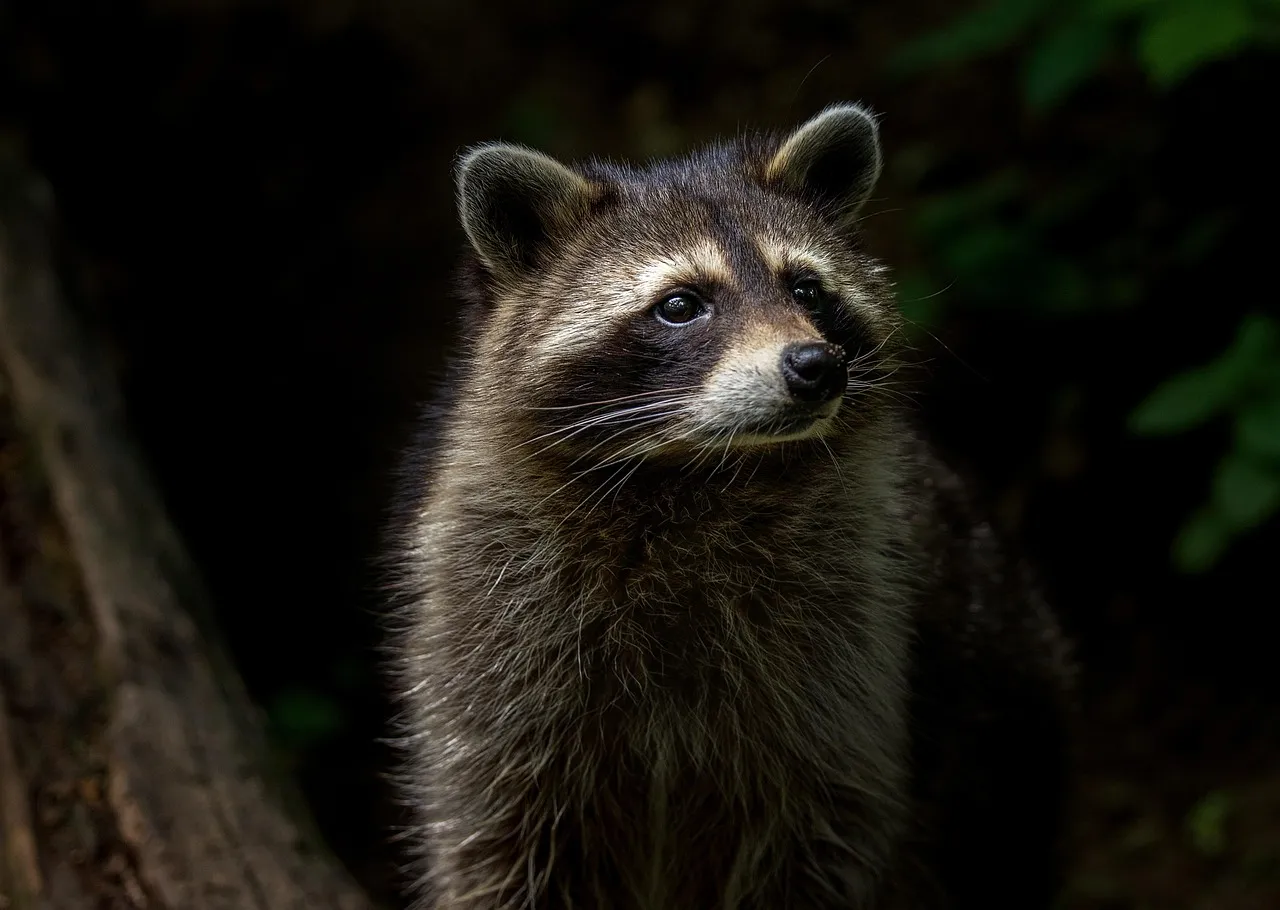
The most common animals that live in an attic are raccoons, squirrels, bats, and mice. Each species has its own habits, entry preferences, and the kind of damage it tends to leave behind, so identification matters when planning a response.
After squirrels, raccoons are the next common animal to invade an attic. They are most likely to enter an attic during spring when females are looking for a safe place to nest and raise their babies. Raccoons are large animals and can create havoc in your attic space, including gnawing on insulation, leaving large droppings, and even tearing apart walls and roofing.
The most common species of birds found in attics are pigeons, barn swallows, European starlings, house finches, and house sparrows. Birds tend to be quieter residents than mammals, which makes them easier to miss until nesting material or droppings accumulate near vents.
The Health Risks You Shouldn’t Underestimate
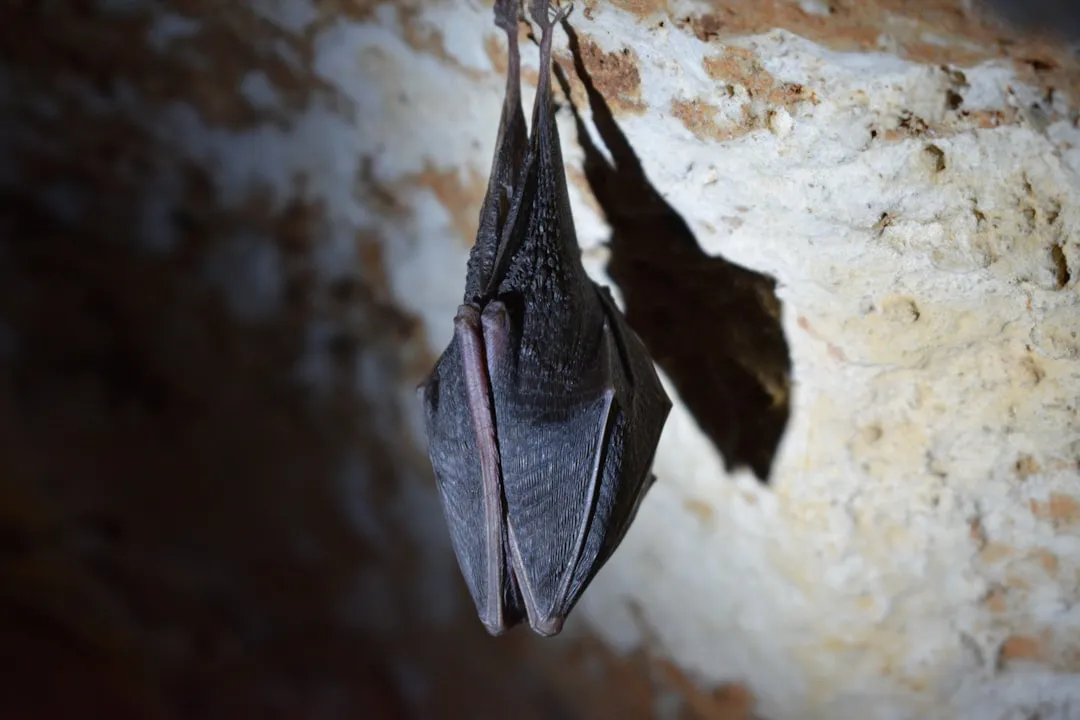
Histoplasmosis is the primary health risk from bats in attic spaces. The fungus Histoplasma capsulatum grows in bat guano, and when droppings dry out, fungal spores become airborne. Inhaling these spores can cause fever, cough, and chest pain.
When guano dries and becomes airborne, inhaling these fungal spores can lead to serious health issues, especially for those with weakened immune systems, young children, and the elderly. Most people aren’t aware of this risk until after the fact, which makes ventilation and early detection so important.
Bats are also known carriers of rabies, and a bite may not be felt at the time of contact. Any direct contact with a bat requires immediate medical attention. Raccoon droppings carry their own risks as well, including roundworm, which is why protective gear is essential if you do any inspection yourself.
Why Wildlife Chooses Your Attic in the First Place
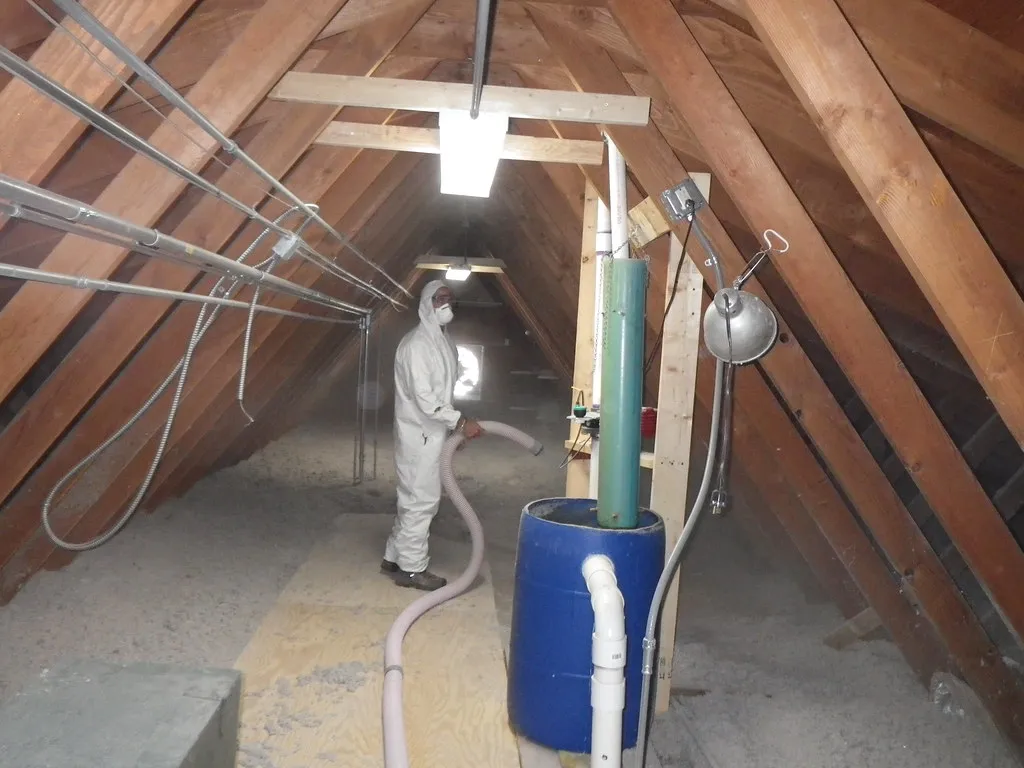
People incorrectly assume that cleanliness directly leads to a nuisance animal in the attic. Animals do not discriminate on the type of house, the year it was built, or the size of the structure. A well-maintained home is no less vulnerable than a neglected one.
Since all living things need food, water, and shelter to survive, it is not uncommon for a critter to seek refuge on your property. The habitat available to all wildlife is continuously shrinking while the population of wildlife is increasing. As urban and suburban development pushes further into natural habitat, attics become a logical substitute for hollow trees and dense undergrowth.
Animals move into attics for the safety from weather elements, other animals, and their young. Making a home in a warm, dry location close to food and water also plays a factor. When you understand their motivation, the pattern of intrusion starts to make a lot more sense.
What Professional Removal Actually Costs
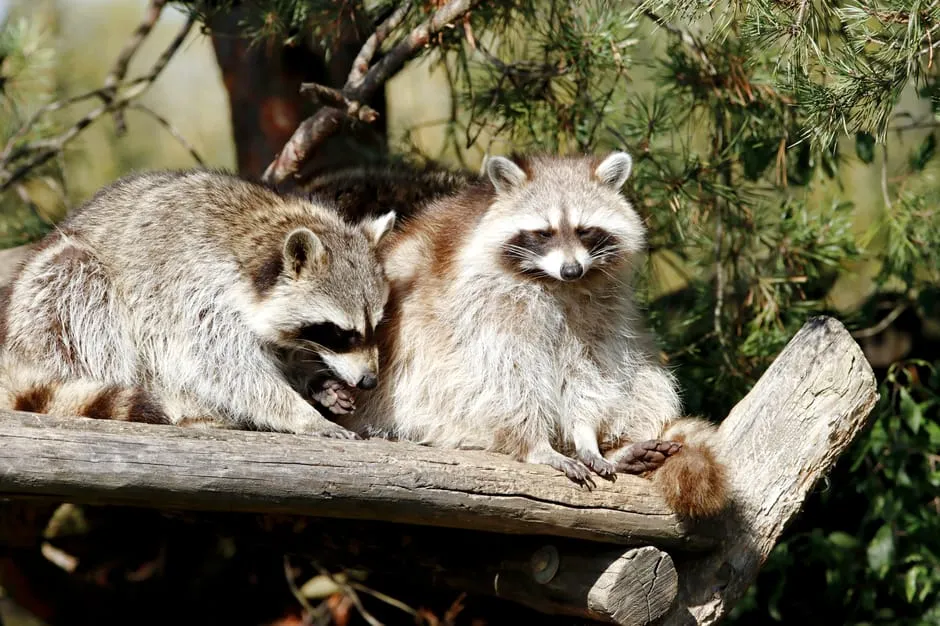
Wildlife removal costs between $200 and $600 on average. Removal of animals in the attic costs between $500 and $1,500. The range is wide because it depends heavily on which species is involved, how long they have been there, and the extent of damage left behind.
Removal of animals in an attic costs between $500 and $1,500 for a small infestation, or between $1,500 and $3,500 for a week of trapping and attic repairs for a big infestation. The gap between early and late intervention is significant.
A single raccoon becomes a family of four during baby season. A few mice become a few dozen. The longer animals occupy your attic, the more insulation they destroy, the more wires they chew, and the more expensive the remediation becomes. Acting early isn’t just wise – it’s considerably cheaper.
The Takeaway
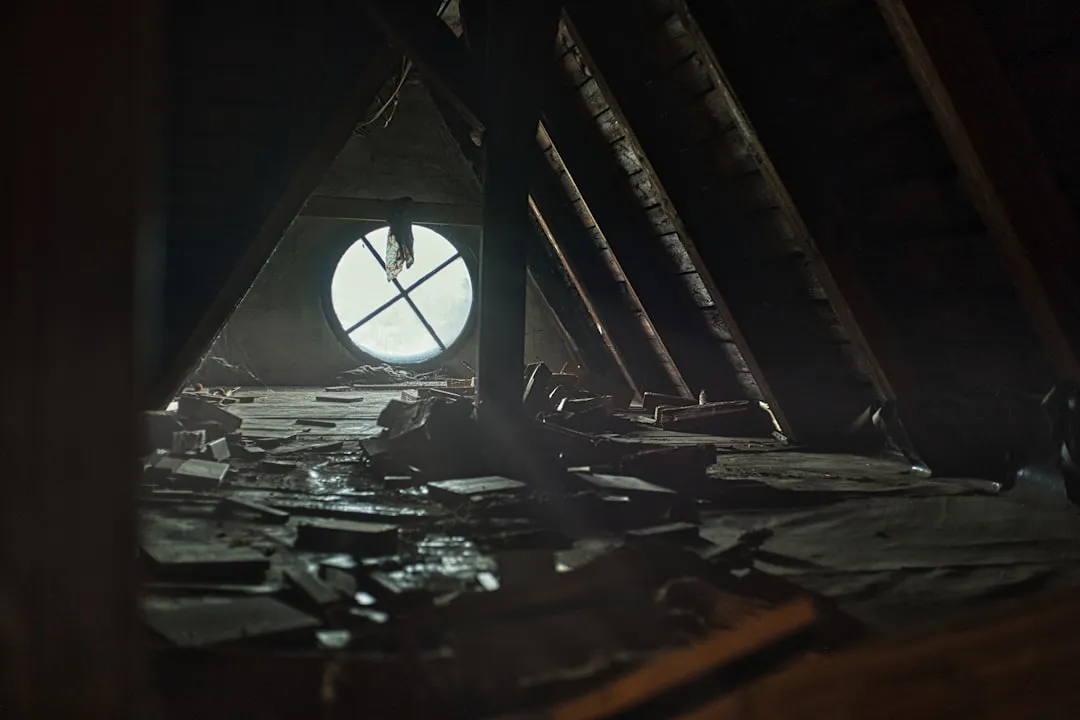
Wildlife in the attic rarely announces itself loudly, at least not at first. The signs tend to be subtle – a faint smell, an odd sound at 2 a.m., a stain on the ceiling that doesn’t quite make sense. The sooner you identify a wildlife issue, the less damage you’ll be dealing with and the cheaper the fix will be.
Call wildlife removal professionals as soon as signs indicate an animal is in the attic, because they create expensive damage the longer they stay up there. The attic is easy to ignore precisely because we rarely go up there. That’s exactly what makes it such an appealing destination for wildlife – and such a costly blind spot for homeowners.
A quick inspection twice a year, combined with awareness of these six signs, goes a long way. The animals aren’t malicious – they’re just looking for somewhere warm. Catching them early means the situation stays manageable for everyone.
AI Disclaimer: This article was created with the assistance of AI tools and reviewed by a human editor.