

1. Rooms Are Sitting Empty for Months
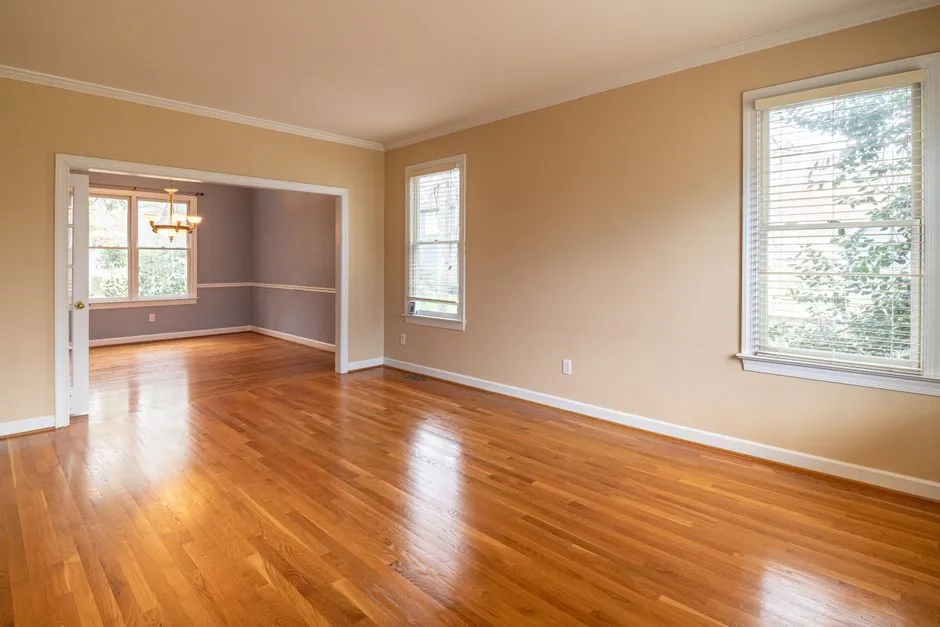
One of the earliest signs that downsizing is worth discussing is when sections of the home go unused. You may notice that your mom or dad has stopped visiting the upper stories of a home, or that spare bedrooms are used for nothing but storage.
If your parents are only using a small part of their home, like the kitchen, bedroom, and one bathroom, while the rest of the house sits empty, that’s a sign their living space has become too large for their current lifestyle. Unused rooms can accumulate clutter and dust, making cleaning more difficult and unnecessary.
U.S. Census Bureau data also shows that older households tend to reside in homes with a surplus of living space, often as the result of parents becoming empty nesters. A home built for a full family simply functions differently when two people rattle around in it.
2. Home Maintenance Is Becoming a Real Burden

One of the most common signs that it’s time to downsize is when the family home becomes too large to manage. Larger homes require regular maintenance, cleaning, yard work, and repairs, which can be overwhelming for older adults. If your parents are spending more time dealing with these tasks than enjoying their space, it might be a sign they need to consider moving to a smaller home.
If your parents have stopped keeping up with routine tasks like mowing the lawn, shoveling snow, or even cleaning rooms they no longer use, their home may have become more of a burden than a comfort. A large house with multiple floors and extensive yard work can become overwhelming, especially if mobility is an issue or health conditions make physical tasks difficult.
This shift is gradual and easy to rationalize away. A skipped season of yard work, a leaking gutter left for next year. Over time, deferred maintenance adds up into something that genuinely affects safety and living quality.
3. Safety Hazards Are Starting to Appear

Falls are the leading cause of fatal and nonfatal injuries among older adults, and most happen at home. This is not a minor concern. The CDC reports that more than one in four adults aged 65 and older falls each year.
As parents age, certain aspects of their home may become unsafe. Staircases, slippery floors, and bathrooms without grab bars can pose real risks to seniors, especially if they have mobility issues or are prone to falls. If you notice signs of difficulty moving around the house, it may be time to talk about moving to a home better suited to their needs.
The majority of fall injuries among older people, about 55 percent, occurs inside the home, with an additional 23 percent happening outside but near the house. When you visit and notice these hazards, take them seriously rather than assuming they’ll be addressed later.
4. Financial Strain Is Quietly Growing

Retirement brings about new financial considerations. Your parents may not be bringing home as much as they did when working full-time, so it’s essential to shift priorities regarding budgeting. Older adults frequently choose to downsize to lessen the financial burden of maintaining the house they are currently living in.
As a general rule, monthly housing expenses should not exceed 30 percent of income. If there is a low amount of cash left at the end of the month, the current living situation may be putting unnecessary financial stress on your parent. Downsizing to a smaller home may provide financial relief, allowing them to allocate funds to other areas of life.
Even if the mortgage has been paid off, property taxes, homeowners insurance, utilities, and maintenance costs are all higher for a larger home. These ongoing costs can quietly erode a fixed retirement income over time, often before the family notices the strain.
5. Social Isolation Is Creeping In

In 2024, 33 percent of older adults felt lonely some of the time or often in the past year. Similarly, 29 percent of older adults said they felt isolated some of the time or often. These numbers are not trivial. Isolation at this level carries real health consequences.
In addition to the financial savings of moving to a retirement community comes the social aspect. If a parent stays in their home for a long time, they’re bound to watch neighbors move or pass away, leaving them isolated and lonely. A neighborhood that was once full of familiar faces can become a much quieter, lonelier place over time.
The fear of falls also increases social isolation and loneliness for many older adults who avoid going out because of these fears. When isolation and physical fear feed each other, the effect on wellbeing compounds quickly. A smaller, more community-oriented living arrangement can interrupt that cycle.
6. They’re Spending More Time Managing the Home Than Living in It
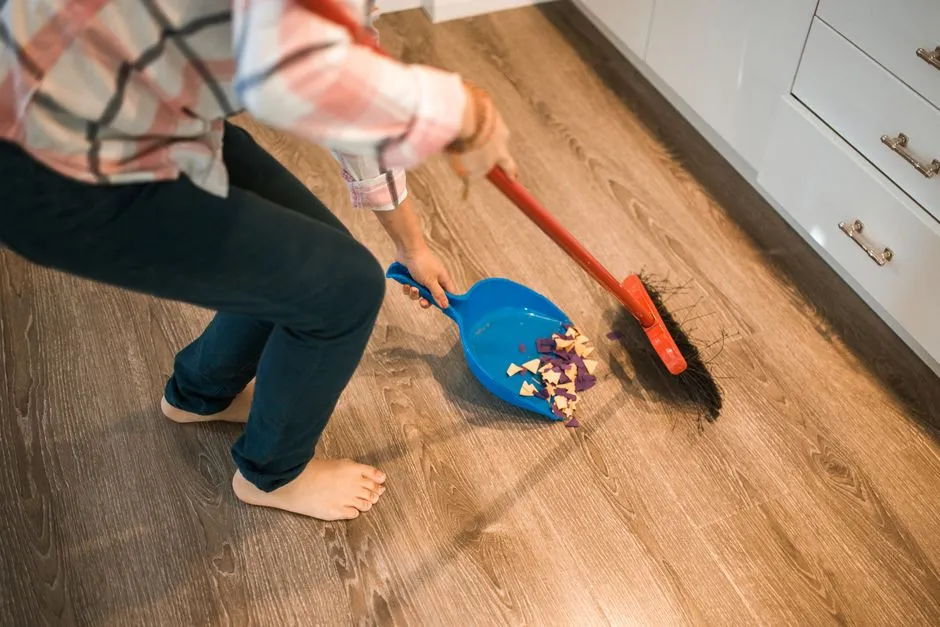
There’s a meaningful difference between living in a home and being managed by it. When the to-do list around the house starts to define most of a parent’s week, that home has shifted from being a source of comfort to a source of obligation.
With fewer worries, parents can live out their retirement years the way they had always planned. Now is their time to let go of everyday worries and live fully. With fewer home responsibilities, long-dreamed plans can finally become a reality.
About two-thirds of all adults would consider downsizing, according to AARP’s 2024 Home and Community Preferences survey. That appetite is real, and for many families, the only missing piece is an honest, caring conversation that opens the door. Starting that conversation doesn’t have to feel like an ultimatum. It can simply be an invitation to think about what kind of life is actually possible next.
How to Actually Start the Conversation

For many seniors, their home represents years of memories and independence, so the thought of moving can be daunting. Going in with empathy rather than urgency makes a real difference. Frame it around quality of life and the future your parent wants, not around what you think they can no longer handle.
Research published in the journal Gerontology found that older adults whose downsizing decisions were more strongly driven by pressure rather than personal choice reported lower levels of environmental mastery, purpose in life, and self-acceptance. Older adults whose decisions were more influenced by push factors felt less control over relocation and found it more difficult to settle into a new home.
In practical terms, this means that when a parent feels the decision is genuinely theirs, they tend to fare better afterward. Listen more than you advise in early conversations. Ask what they love about where they live and what has become harder. The answers will guide everything else.
What Downsizing Actually Looks Like in Practice

According to National Association of Realtors data from June 2024 to June 2025, the typical boomer ages 61 to 70 who sold a 2,000-square-foot home bought another the same size. Those ages 71 to 79 did trim a bit, about 100 square feet. The reality is that downsizing doesn’t always mean a dramatic change in square footage.
For seniors who are selling a large, mortgage-free home, downsizing still makes strong financial sense. If they move into a retirement community, things like snow shoveling, lawn care, and even housekeeping may be included. The lifestyle shift can matter more than the square footage.
Some families find that a single-story home in the same town provides everything needed without disrupting the social ties their parent has spent decades building. Others move closer to family. The key is matching the next home to the actual life being lived now, not the life that was lived twenty years ago.
When Staying Put Is Still the Right Call

In 2024, 73 percent of adults 50 and older expressed a desire to stay in their local communities, according to an AARP survey. Social connections, local amenities, and access to services such as doctors are vital for older adults, but all of that can be lost with a move to a new community.
Despite all of the signs that a loved one should downsize, it may still be the best option to keep them at home. Seniors who can’t manage their own home may not need to move at all, they may just need extra help around the house.
Among older adults planning home modifications, 72 percent are looking to upgrade the bathroom with grab bars and no-slip tile, and 71 percent anticipate changes to make it easier to get into or around their home, such as ramps or chairlifts. These modifications can meaningfully extend safe, comfortable living in a familiar home. For some families, that investment makes far more sense than a move.
The Emotional Weight That Gets Overlooked

The practical signs are easier to name than the emotional ones. A parent who seems increasingly stressed about the house, short-tempered about things that never bothered them before, or who mentions feeling overwhelmed more often than not, may be signaling something real without ever saying it plainly.
For many seniors, the burden of managing a large property can lead to physical and mental strain, which diminishes their quality of life. That strain doesn’t always look like exhaustion. Sometimes it looks like avoidance, withdrawal, or simply less joy in a space that used to feel full of it.
Paying attention to mood and energy, not just the visible state of the house, gives you a fuller picture of what your parent is actually experiencing. The signs are often there before the conversation feels possible.
Final Thoughts

There’s no perfect moment to start this conversation, only a moment when waiting any longer stops making sense. The six signs above aren’t reasons to push a parent out of a home they love. They’re reasons to open a door.
Done with patience and genuine curiosity about what your parent wants next, this conversation can be one of the more meaningful ones a family has. The goal isn’t a smaller house. It’s a better fit for the life that’s actually being lived right now.
That distinction, between reducing and right-sizing, tends to be the one that makes the difference between a move that feels like a loss and one that genuinely opens something new.
AI Disclaimer: This article was created with the assistance of AI tools and reviewed by a human editor.