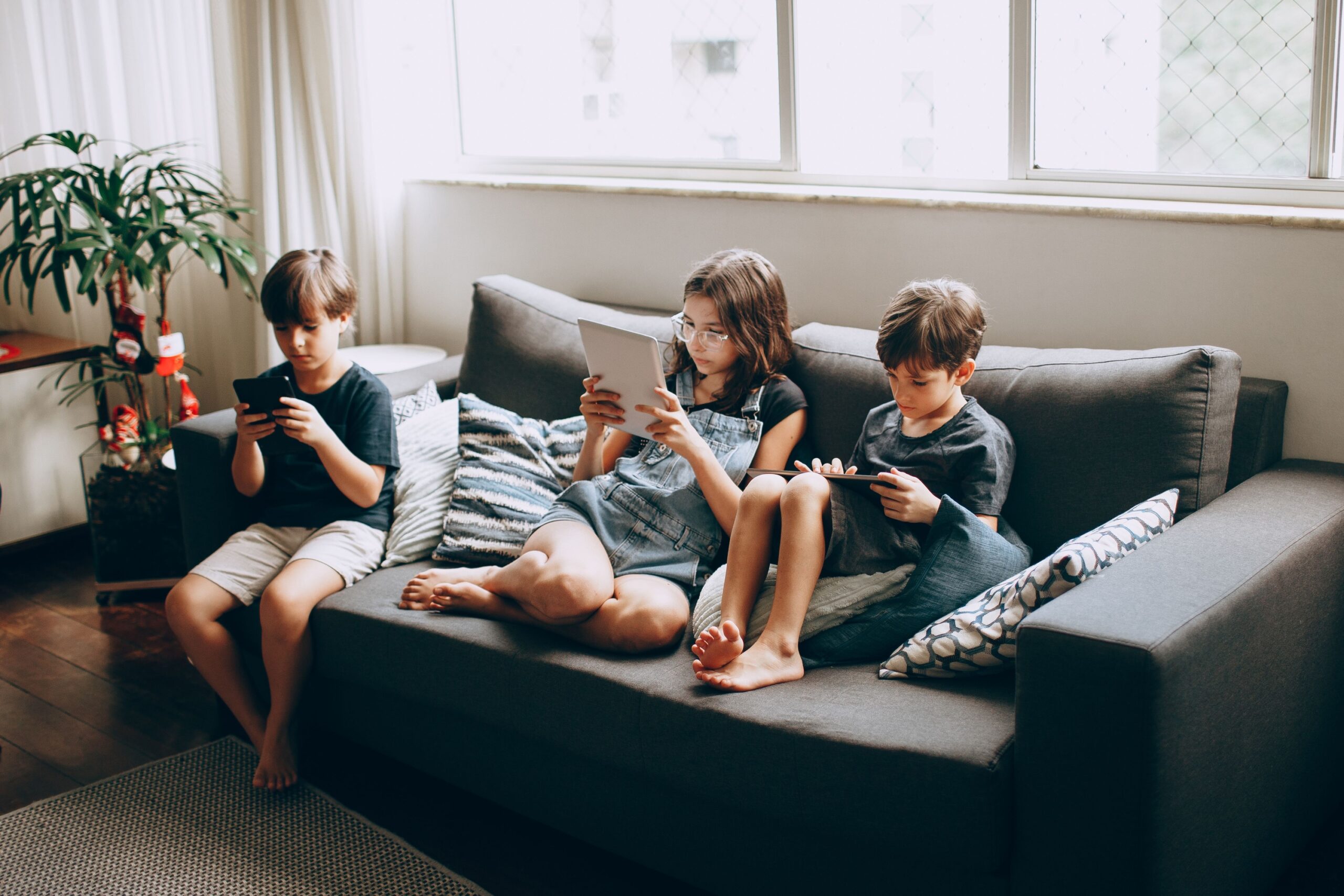

For years, many parents operated under the assumption that two hours a day was the universal cap. It was simple, easy to communicate, and felt reassuringly concrete. In February 2026, that idea was officially retired. The American Academy of Pediatrics released a sweeping new policy statement on screen time and digital media on January 20, 2026. The conversation has shifted significantly since then.
The rules pediatricians are recommending now are less about timers and more about context, content, and what screens are actually displacing from a child’s day. That might sound vague at first, but it actually gives families something more useful to work with than an arbitrary number.
1. No Screens Before 18 Months (With One Clear Exception)

Pediatric experts, including the American Academy of Pediatrics and the World Health Organization, advise no screen time under 18 months, except for video chatting. This rule has held steady through every update and remains one of the most consistent recommendations across global health organizations. The reasoning is grounded in how early development actually works.
Very young children learn far less from a screen than they do from real-world interaction, so solo screen time offers little benefit at this age. A video call with a grandparent is meaningfully different from passive viewing because it involves back-and-forth engagement. That distinction matters a great deal to developmental researchers.
2. Ages 2 to 5: One Hour of High-Quality, Co-Viewed Content
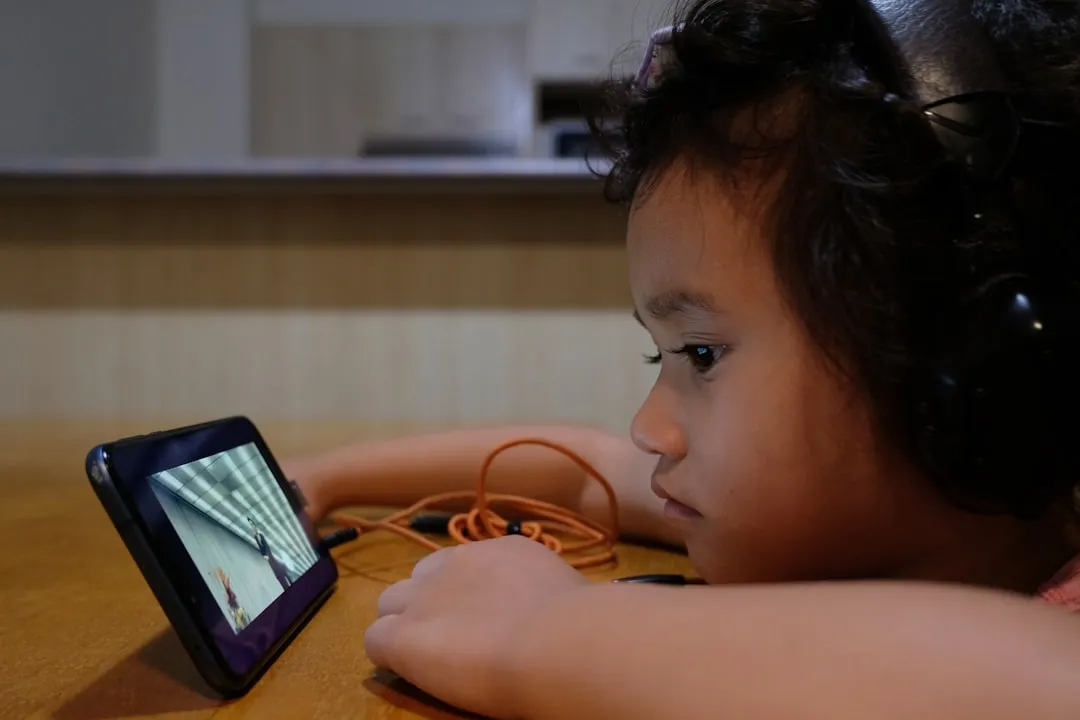
Children ages 2 through 5 should still be limited to no more than one hour of high-quality content per day, watched with a caregiver whenever possible. This specific limit has survived the 2026 overhaul intact. The emphasis on watching together is not just a suggestion it actively changes how much a child learns from what they see.
Research found that two-year-olds with more than one hour a day of screen time had significantly lower scores for communication and daily living skills at age four. Content quality matters too. The AAP recommends PBS Kids and Sesame Workshop as examples of high-quality programming, while steering families away from fast-paced or algorithm-driven content designed for adults.
3. For Ages 6 and Up, Protect These Four Things Instead of Counting Minutes

The AAP explicitly moves away from a single number for kids 6 and older, in favor of a priorities-based framework: protect sleep, physical activity, in-person interaction, and unstructured play. This is a real shift in how pediatricians are framing the issue. Rather than asking “how much screen time did my child get today,” the better question becomes “what did screens push aside today?”
Screen time becomes problematic when it replaces critical developmental activities like sleep, physical activity, face-to-face interaction, or homework. A CDC-published study found that teenagers with higher non-schoolwork screen use were more likely to experience infrequent physical activity, irregular sleep routines, depression symptoms, anxiety symptoms, and insufficient peer support. Those are the things worth watching.
4. Apply the AAP’s New “5 C’s” Framework
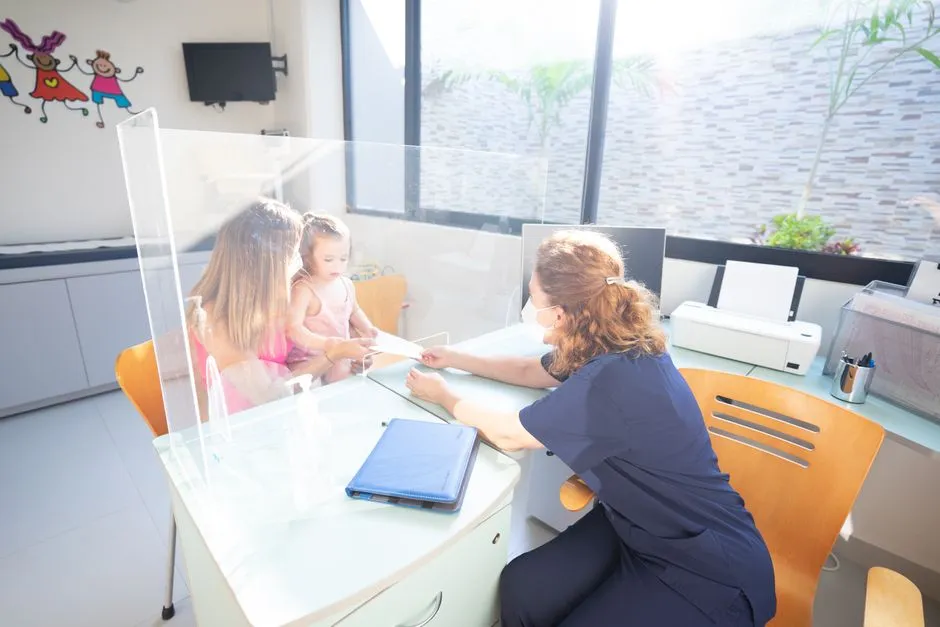
In January 2026, the American Academy of Pediatrics shifted from strict hour limits to the “5 C’s” framework: Child, Content, Calm, Crowding Out, and Communication, which evaluates whether screen use fits the individual child and whether it crowds out sleep, play, and family time. It is a more thoughtful lens than a stopwatch, and most pediatricians now use it as the backbone of their guidance during well-child visits.
The framework covers: the individual Child and their specific temperament; Content, favoring high-quality media over violent or manipulative material; Calm, ensuring screens don’t become the main way a child self-soothes or falls asleep; Crowding Out, watching what media pushes aside; and Communication, meaning families talk about media early and often. Each of those five areas gives parents a concrete thing to observe and discuss.
5. Keep Screens Out of Bedrooms and Off During Meals

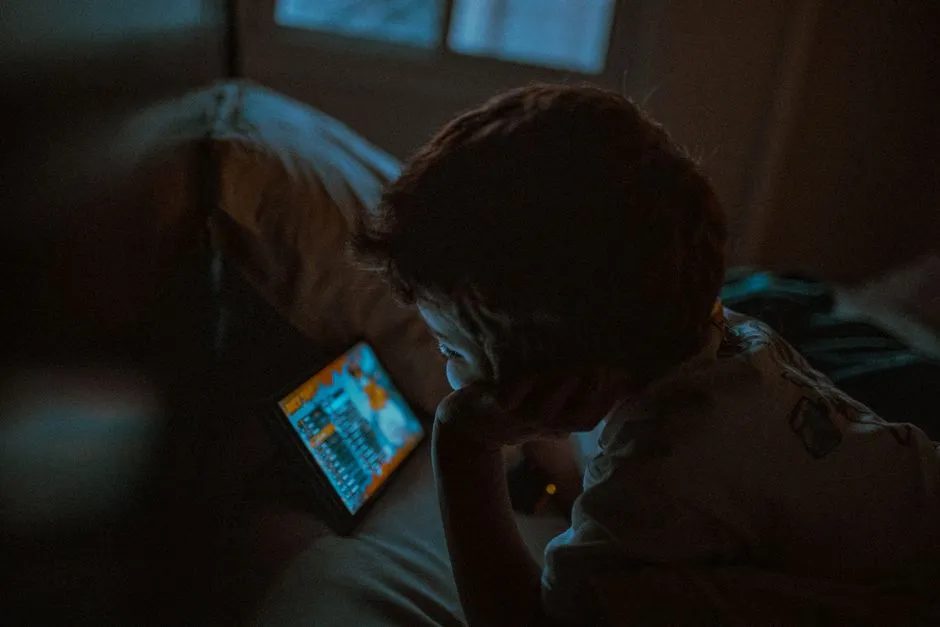
Research consistently links bedroom screens to disrupted sleep in children and adults alike. The AAP recommends turning screens off at least an hour before bedtime, and keeping devices physically out of the bedroom. Screen time should be turned off one to two hours before bedtime as part of a consistent nightly routine.
A study published in January 2026 in a peer-reviewed journal explored the relationships between screen time and child and adolescent mental health problems, including anxiety, depression, behavior or conduct problems, and ADHD, and examined whether sleep duration and bedtime regularity mediate those relationships. The findings confirmed they do. Mealtime screen bans serve a different but equally important purpose, protecting family conversation and reducing the passive consumption that tends to creep in during meals.
6. Build a Family Media Plan Together

The AAP’s main practical tool is the free Family Media Plan, a template that helps households set shared expectations for when, where, and how devices get used. The key word is “together.” When children are involved in creating the agreement, they are far more likely to stick to it. It also makes the rules feel less like punishment and more like a shared household norm.
The AAP Family Media Plan is a personalized agreement families create together at HealthyChildren.org, covering screen-free zones, screen-free times, content standards, and device rules. Parental involvement, consistent routines, and regular monitoring of media’s impact on well-being are all part of what pediatricians now recommend. Think of the plan as a living document, something that gets revisited as kids get older and their needs change.
Why Content Quality Now Matters More Than Clock Time
The AAP’s updated guidelines, published in the journal Pediatrics, shift away from firm screen time limits to a more nuanced approach focused on the quality of content, and continue to warn parents of the dangers of children absorbing content that is more commercialized and algorithmic, as these addictive features can produce negative consequences. The platform design matters as much as the content itself.
Child-centered designs that encourage critical thinking, are age appropriate, and foster social connection can provide real benefits. When screens are used for co-viewing, learning activities, or creative play, they can become tools that spark curiosity and support healthy development. This is a genuinely different message from the blanket warnings families heard a decade ago.
What the Research Says About Mental Health Risks
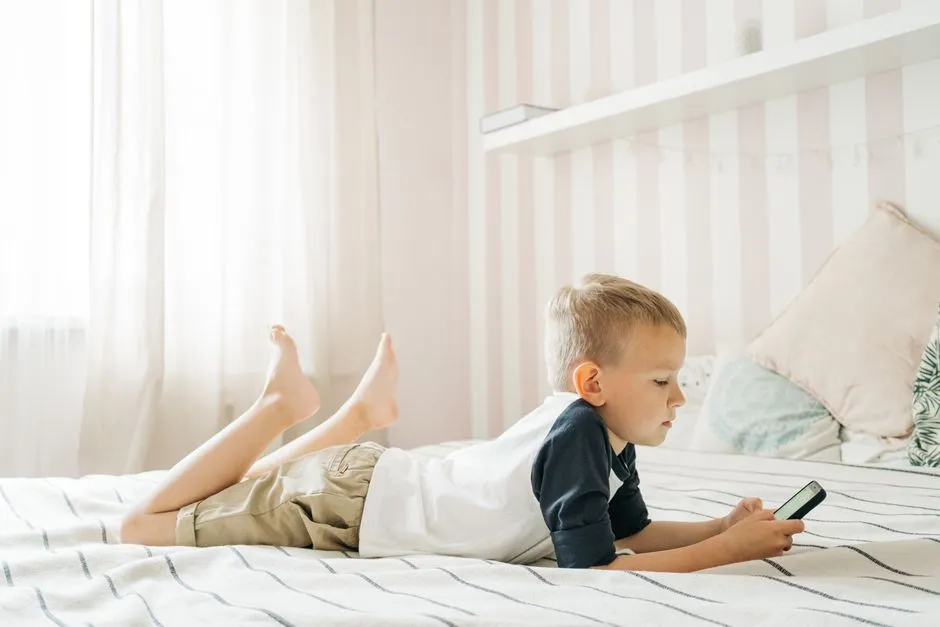
Researchers explored the relationships between screen time and mental health problems in children and adolescents, including anxiety, depression, behavior or conduct problems, and ADHD, and whether physical activity and sleep mediate these relationships. The results were clear and specific.
Studies demonstrated that excessive screen use is correlated with poorer outcomes in various aspects of development, and these effects are found to be more significant in younger children. There is a clear correlation between long screen time and a higher incidence of anxiety, depression, and behavioral problems. These are not vague associations. They show up consistently across different study populations and age groups.
The Displacement Effect: What Screens Are Replacing

Screens should not replace sleep, physical activity, family time, or free play. Pediatricians call this the “displacement effect,” and it is now central to how they counsel families. The issue is less about the screen itself and more about the hours of outdoor time, sleep, and face-to-face conversation that vanish when a device is in the picture.
Research found that children with more than one hour a day of screen time had significantly lower developmental scores, but for children with higher screen times, outdoor play lessened some of the adverse effects associated with screen use. That finding carries a practical implication: replacing even a portion of screen time with outdoor activity can make a real difference. The AAP recommends offering kids activities to replace screen time, like after-school sports, rather than simply cutting out screen time with no replacement.
How Parents Can Stay Consistent Without Constant Conflict
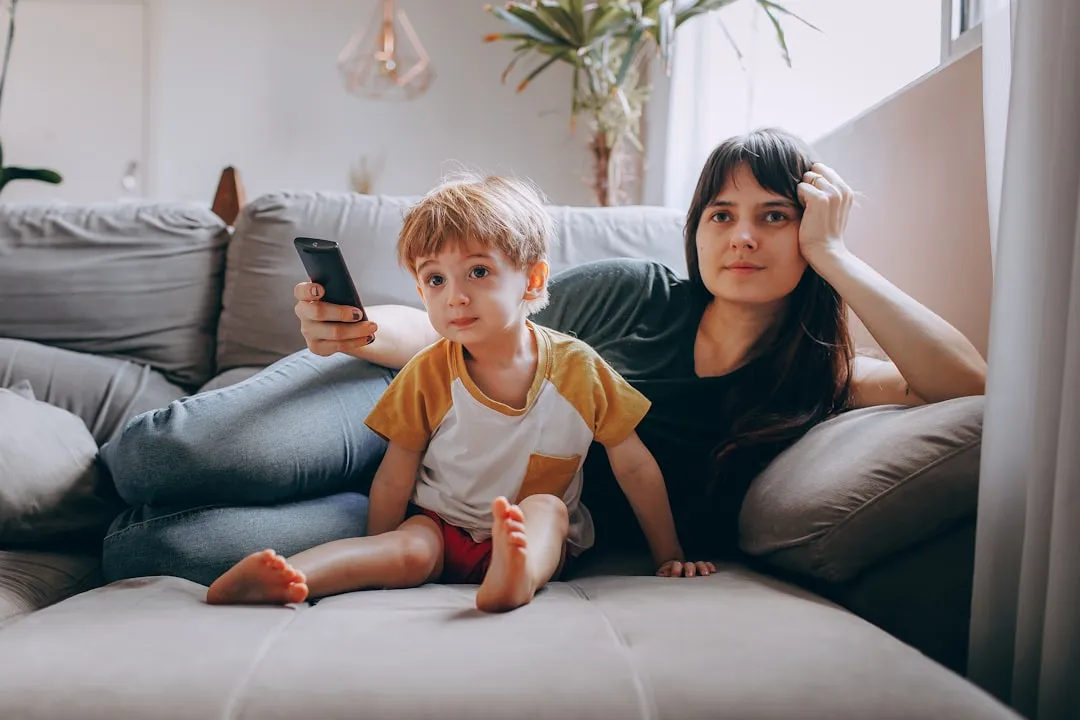
Teens and families can adjust platform settings to support balance and well-being, including turning on nudges to take a break, adding nighttime do-not-disturb settings, and limiting notifications, helping ensure that media use is not crowding out homework, sleep, and hobbies. These are practical, low-friction adjustments that do not require daily battles over devices.
Healthy parental media-related habits and limitations on children’s screen time were found to be the most crucial factors in reducing media exposure. Put simply, children mirror what they see. Research found that while the majority of mothers were aware of AAP screen time recommendations, mothers who were aware of the guidelines allowed significantly less screen time for infants than those who were unaware. Knowing the rules and understanding why they exist turns out to make a measurable difference in actual behavior.
Final Thoughts

The 2026 guidelines are not a relaxation of concern about screens. They are a more honest response to the reality families are actually living in. Rigid hour counts were always a blunt tool, and pediatricians have moved toward something that holds up better in a world where screens are unavoidable and the content on them varies enormously in quality.
The core of what pediatricians recommend now comes down to a few durable principles: protect the early years, watch what content your child consumes, make sure screens are not quietly replacing sleep and movement, and keep the conversation open. Those things are harder to measure than a two-hour timer, but they are also far more likely to make a lasting difference.
AI Disclaimer: This article was created with the assistance of AI tools and reviewed by a human editor.