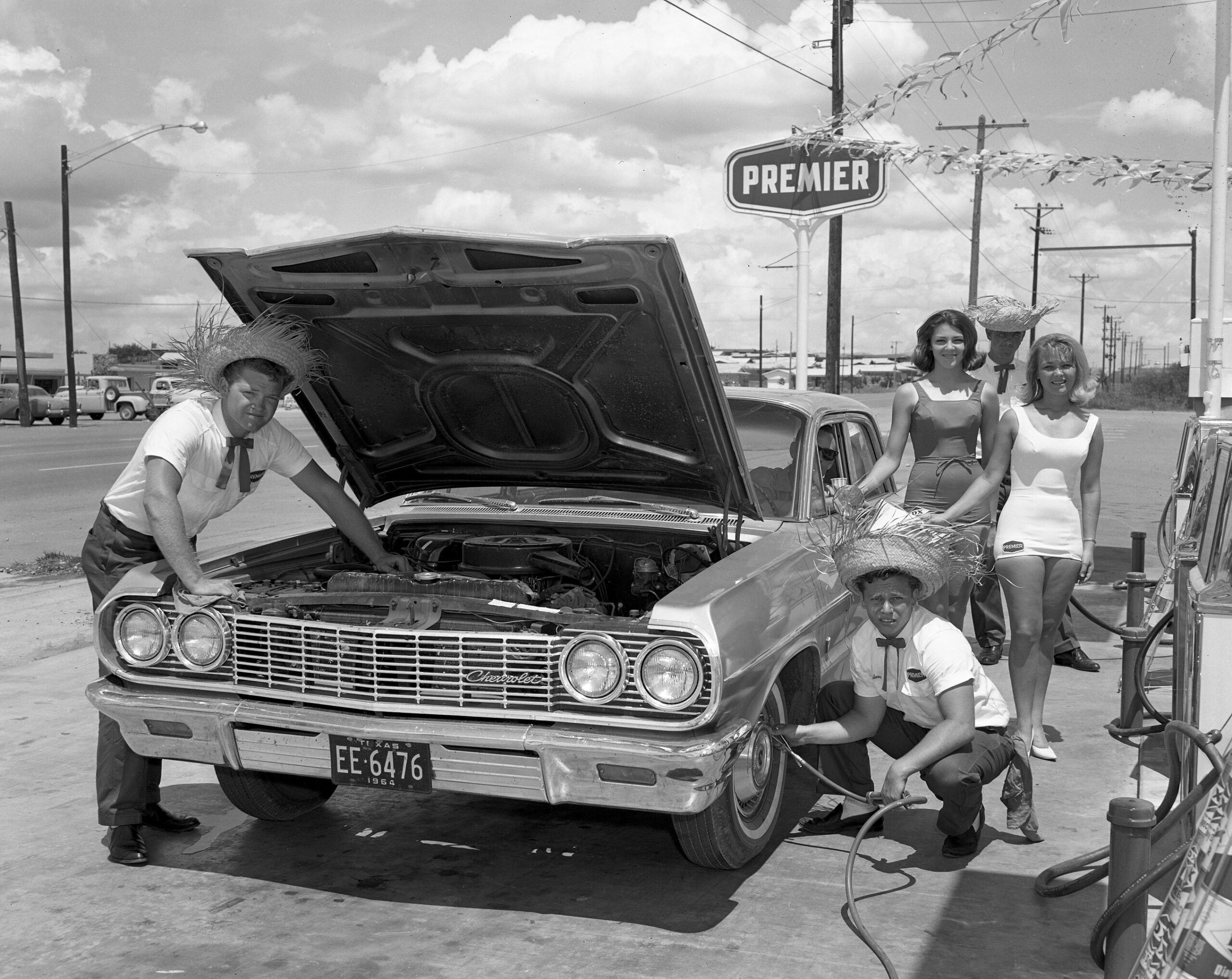

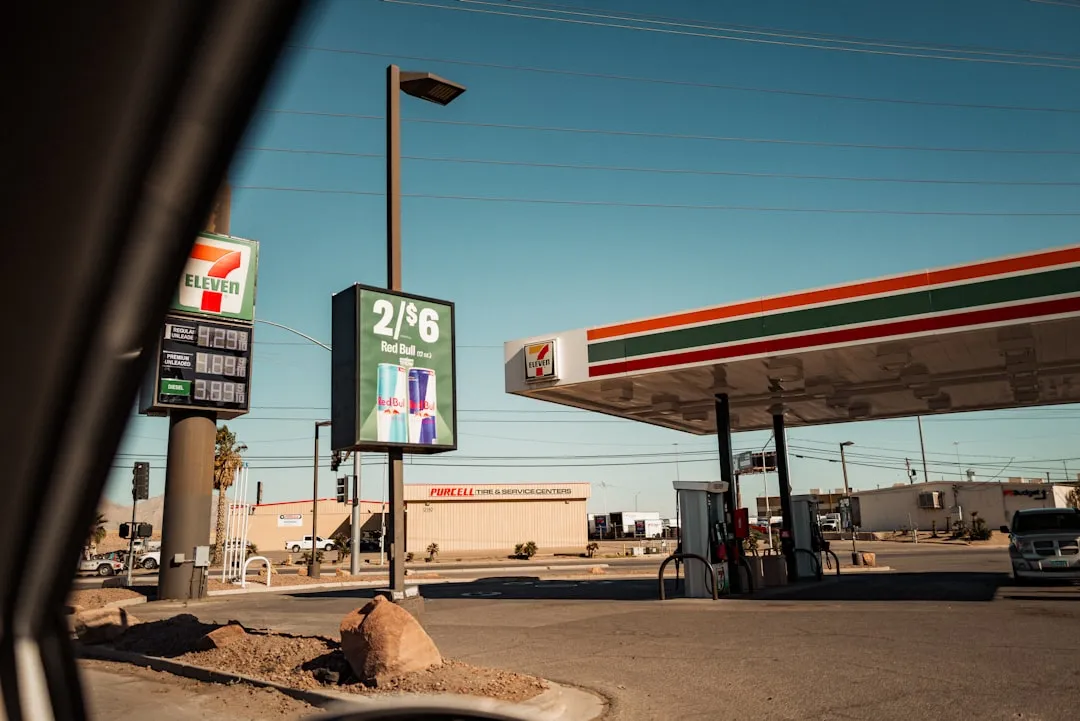
There’s something about the hum of fluorescent lights and the bell over a gas station door that triggers a very specific kind of hunger. Not the kind that needs a proper meal, but the kind that calls for something salty, familiar, and slightly impractical. The snacks that used to line those shelves in the 1980s and 1990s weren’t just food. They were a ritual.
Nostalgia now ranks among the top drivers of consumer food interest, with roughly nearly three quarters of consumers saying they’re drawn to nostalgic items, according to Datassential research from November 2025. That’s not a minor detail. It tells us something real about why these old standbys still have a pull. Some are fully back. Others are waiting for the right moment. All of them deserve a second look.
1. Twinkies: America’s Most Dramatic Snack Comeback
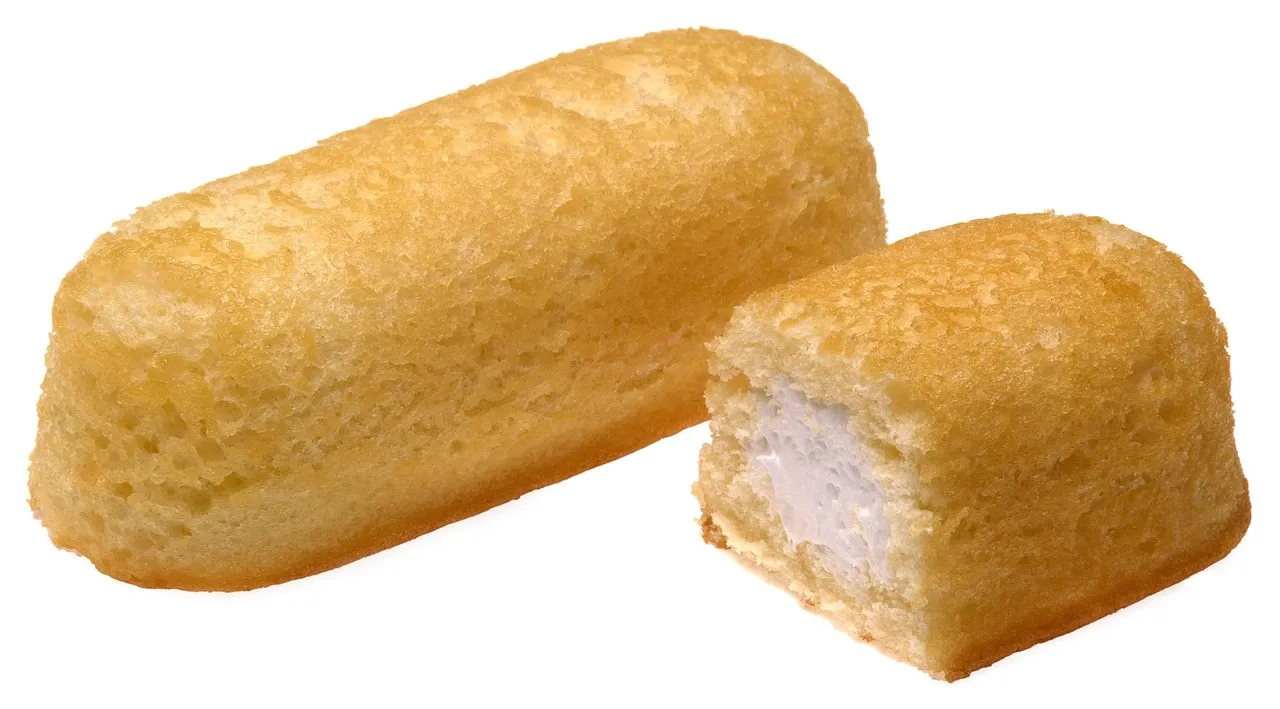
Few snacks have a story quite like the Twinkie. James Dewar introduced the Twinkie in 1931, initially looking for a use for pound cake that would appeal to shoppers long after berries were out of season, and the two-for-a-nickel treats were an instant hit. For decades, they were as reliable a gas station fixture as the pump itself.
The company responsible for making Twinkies, Interstate Bakeries, filed for bankruptcy twice, once in 2004 and again in 2012. The 2012 filing shut down production entirely, and fans panicked. Last boxes sold on eBay for multiples of their actual value.
The snacks’ return was made possible by the private equity firms Apollo Global Management and Metropoulous and Co., which struck a $410 million deal with Hostess Brands when it filed for Chapter 11 bankruptcy. By July 2013, Twinkies were back on shelves nationwide. Today, classic treats like Twinkies remain among the trending snacks in the US, where nostalgia plays a decisive role in consumer decision-making.
2. Slim Jims: The Meat Stick That Never Really Left
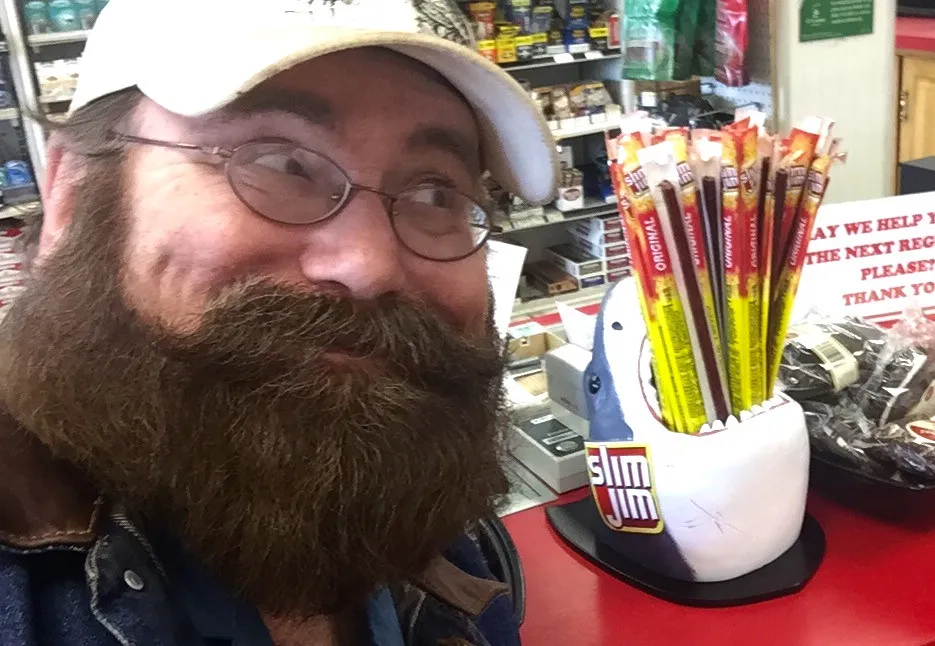
Although Slim Jims have only been around in their current recognizable form since the 1990s, the Slim Jim company actually began back in 1929 when Adolph Levis first conceived the idea of a packaged meat product. That’s nearly a century of snacking, which puts it in a category few gas station staples can claim.
Levis later sold the company to General Mills in 1967 for $20 million, and it is now owned by Conagra. Ownership changed, but the product’s appeal to road-trippers and late-night drivers remained constant. Whether it’s Slim Jim or Jack Links, jerky is classic gas station fare, high in protein and available in a few different meat options including beef, pork, turkey, or bison depending on where you’re shopping.
There’s something deliberately unpretentious about a Slim Jim. It doesn’t try to be healthy or elevated. The old road-trip marketing line “Snap into a Slim Jim” was instruction, philosophy, and promise all rolled into one, as these were designed for maximum flavor impact with minimal nutritional pretense.
3. Pop Rocks: The Candy That Came With a Legend
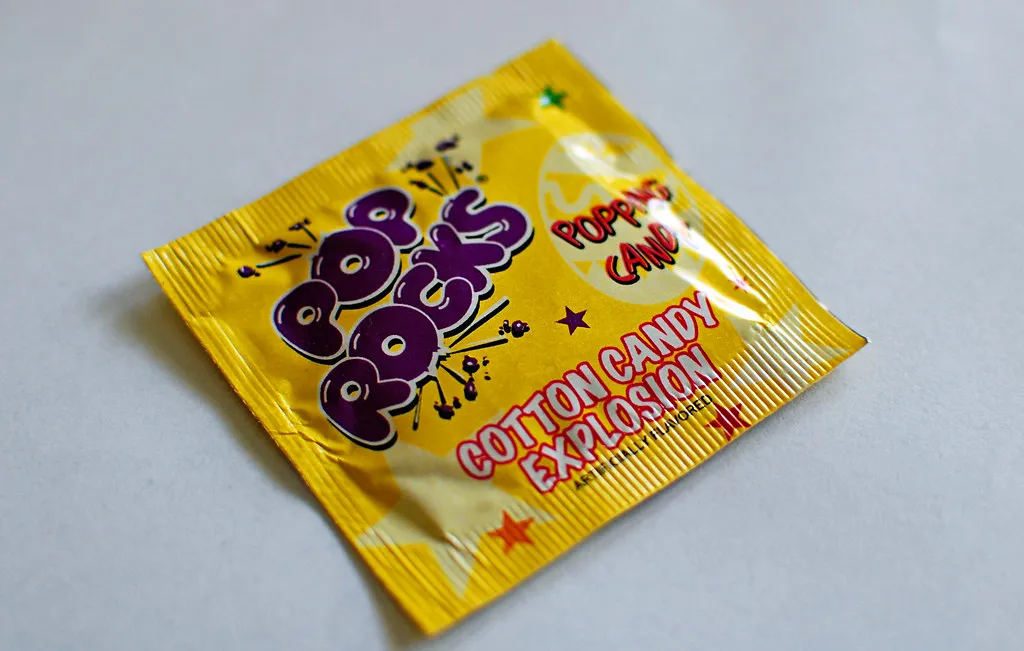
Pop Rocks crackled and burst on the tongue, creating an explosive sensation that had everyone hooked. They were invented by chemist William A. Mitchell in 1956 and weren’t widely available until the 1970s. That lag between invention and availability only added to the mystique once they finally hit convenience store shelves.
By 1978, Pop Rocks sales had soared to over 500 million packets. That’s a remarkable number for a novelty candy in a single decade. The product also generated one of the most persistent urban legends in snack food history, the false rumor about what would happen if you mixed them with soda.
After the revival of retro candies in 2025, consumer reactions were nothing short of enthusiastic, with nostalgic treats like Pop Rocks sparking memories and conversations among various age groups. The carbonated candy never fully disappeared, but its cultural moment feels very much alive again right now.
4. Combos: The Stuffed Pretzel That Belonged on Every Road Trip
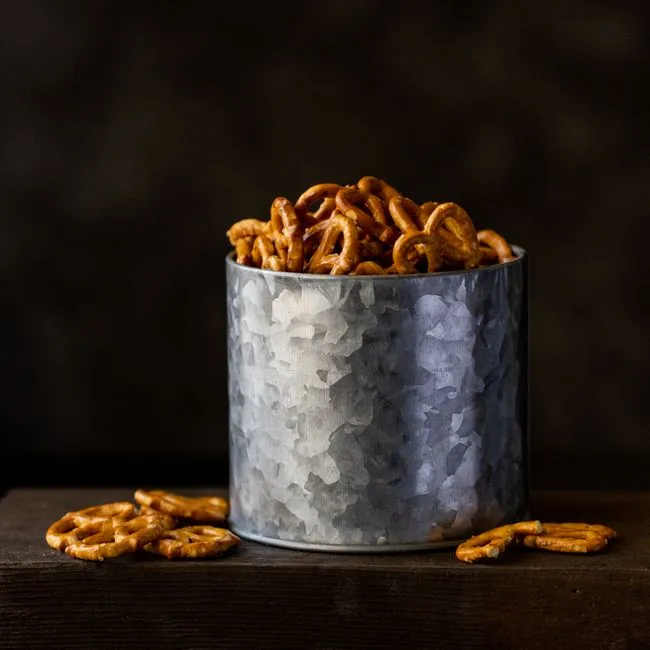
Combos are cylindrical tubes of tortillas, pretzels, or crackers filled with a variety of ingredients, created by Mars Chocolate North America in the late 1970s. They were engineered for convenience in a way that felt almost ahead of their time. One piece, two flavors, no mess.
In 1980, Combos Pretzels were introduced and quickly became a favorite salty snack. By 1985, Combos Crackers first became available, and in 1988 the Pepperoni Pizza Cracker was cleverly created by combining fillings with a pepperoni taste with crisp, oven-baked crackers. The flavor range kept expanding through the 1980s and into the 1990s, cementing their place in the gas station snack canon.
Combos Snacks are still in production, continuing to be one of the most loved and popular treats today. Yet they rarely get the nostalgic spotlight that Twinkies or Pop Rocks attract. That’s an oversight worth correcting on your next fill-up.
5. Corn Nuts: The Snack That Demanded Commitment
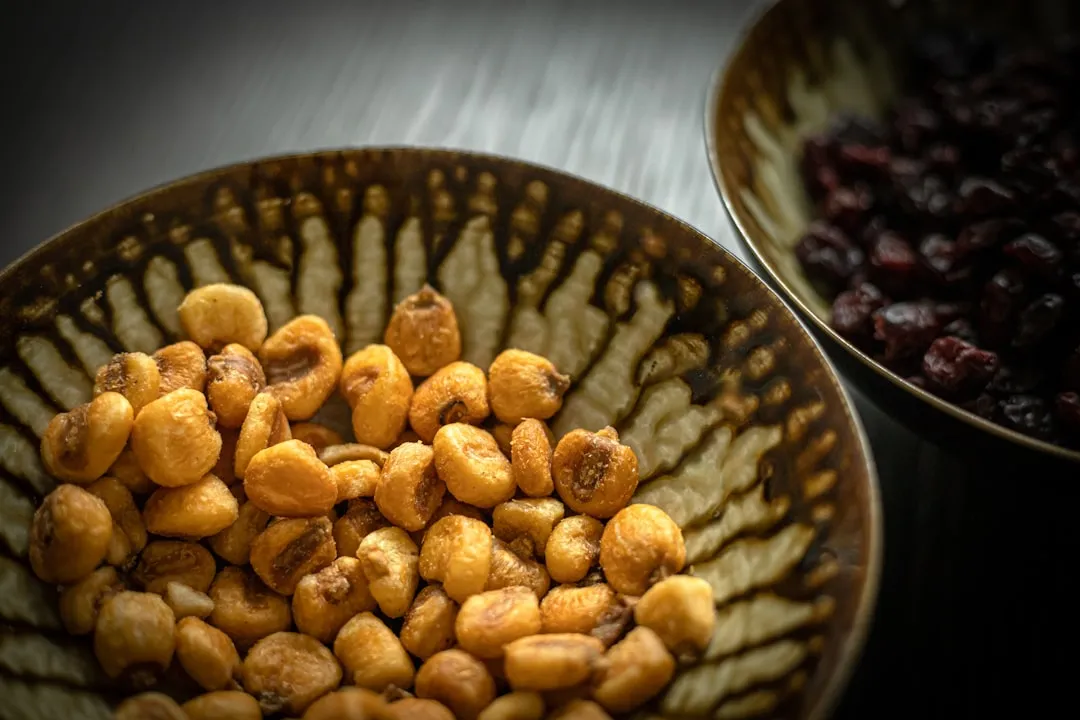
Corn Nuts occupy a specific niche in the gas station ecosystem. They’re aggressively crunchy, intensely seasoned, and completely unapologetic about both. Someone took innocent corn and transformed it into something that could break teeth if you weren’t careful, crunchy beyond reason, salty beyond belief, and completely addictive. The barbecue flavor was the road trip champion, but the original held its own through sheer audacity.
Corn Nuts were loud snacks, as every bite announced itself to everyone in the car, making them perfect for passengers who wanted to share their snacking experience. They also lasted forever, which was crucial when you were still 200 miles from your next planned stop.
They never vanished entirely, but they drifted to the edges of snack culture for a stretch. Consumers today are actively responding to current flavor trends that include nostalgia, decadence, dill pickle, ranch, and other bold profiles, and Corn Nuts fit squarely into that appetite. Their sheer intensity is part of the appeal in an era when snack flavors keep getting bigger.
6. Honeybuns: The Gas Station Pastry That Earned Its Place
The gas station honeybun is a specific American institution that tends to get overlooked in nostalgia conversations. It’s not glamorous. It’s sticky, dense, and usually wrapped in clear plastic that fogs up from the warmth inside. None of that has ever stopped anyone from buying one at midnight on a long drive.
Honeybuns just hit differently when they’re purchased at the gas station with crumpled-up dollars and exact change. That observation, simple as it sounds, captures something real about the setting. Context matters with gas station snacks. The environment is part of the experience.
As consumers seek comfort, whimsy, and emotional uplift, classic desserts and childhood-inspired foods are surging across menus. The honeybun sits at the intersection of all three. It’s sweet enough to feel indulgent, cheap enough to feel practical, and familiar enough to feel like home. In times of economic and social uncertainty, nostalgia remains a powerful force in food choices, with demand continuing to grow for comfort foods that evoke childhood or family gatherings.
Why the Nostalgia for Gas Station Snacks Is Growing, Not Fading
A recent study by Talker Research and UserTesting found that roughly two thirds of Americans would pay an average of nearly a third more for their favorite childhood products to return to shelves. That’s a striking willingness to pay a premium for something familiar. It tells you the emotional value of these snacks goes well beyond their ingredient list.
The biggest consumers of neostalgic products today are Gen Z, a generation that largely didn’t experience these brands the first time around. That might seem surprising, but it tracks. Retro food connects people to cultural touchstones and the carefree energy of the past, even if that past is borrowed from someone else’s childhood.
The convenience store market is undergoing a significant transformation, evolving from a simple transit pit stop into a destination for high-quality foodservice, health-conscious snacks, and innovative beverages. That evolution is real, but it doesn’t erase the appeal of a Slim Jim next to the register or a Twinkie by the window.
The Role of Social Media in Bringing These Snacks Back

Platforms like TikTok and Instagram have turned retro snacks into viral content, with unboxing videos, aesthetic snack hauls, and creative recipe remixes racking up millions of views. This isn’t accidental. These snacks have strong visual identities and simple, recognizable packaging that translates well to a phone screen.
TikTok and Instagram are full of “trying retro snacks” videos, with younger generations discovering these for the first time. Discovery is the operative word here. For a Gen Z viewer who has never held a Combo, watching someone crunch into one on camera carries genuine novelty.
Snacks are up nearly 27 percent year over year in social data, according to Tastewise’s 2026 research. That momentum isn’t driven only by new products. A meaningful slice of it belongs to these older, simpler formats that carry both taste and story.
How Brands Are Updating Retro Snacks Without Wrecking Them
Successful nostalgia isn’t just about slapping an old logo on a new product. The smarter formula is to take a flavor or brand that triggers deep emotional memory, then remix it with cleaner ingredients so it fits a modern lifestyle. That balance is harder to achieve than it sounds.
Health-conscious versions of snacks like organic fruit roll-ups and gluten-free alternatives to classic pastries are trending, and the same pressure applies to retro gas station formats. Brands that ignore changing ingredient expectations tend to struggle, while those that honor the original flavor while cleaning up the formula have had more staying power.
Today’s nostalgia isn’t just about recreating the past, it’s about reimagining it. “Newstalgia” transforms classics into modern indulgences that appeal to younger consumers discovering retro treats for the first time, while still resonating with older generations craving the return of beloved favorites.
What the Data Says About Snacking Habits in 2026

Snacking is no longer a single moment in the day. Quick bites are becoming the norm and serve multiple roles throughout the day, with smaller portions and flexible formats fueling this shift. That context matters when thinking about gas station snacks specifically. They were always designed for exactly this kind of on-the-go eating.
According to Datassential, roughly three quarters of Gen Z snacks at least once per week, with a notable portion indulging multiple times per day, more than any other generation. The time of day they snack has also shifted, with Gen Z consumers often choosing to snack between lunch and dinner and late at night.
Mini portions are the top driver of snack appeal at roughly 27 percent, followed by taste at about 24 percent, health at 17 percent, and convenience at 15 percent. Gas station snacks have always leaned into the first two. The health piece is where the newer generation of retro-inspired formats is trying to find its footing.
The Quiet Permanence of These Six Snacks
What’s interesting about this particular group of snacks is that none of them survived on trend-chasing. Slim Jims didn’t reinvent themselves every few years. Combos didn’t chase whatever flavor profile happened to be popular. They held their ground and waited.
What’s old is new again as food brands roll out retro items, hoping consumers will take a bite of yesteryear. Younger generations may be craving comfort through buying nostalgic treats, as roughly one in two Millennials and Gen Zers feel they have it financially harder than other generations. There’s something worth noting in that connection. Economic uncertainty and snack nostalgia tend to arrive together.
Gas stations themselves have changed. Many are now effectively small grocery stores with hot food counters and premium coffee. But somewhere near the register, usually at eye level, the old snacks are still there. Sometimes the most enduring things don’t need a revival. They just need someone to notice them again.
AI Disclaimer: This article was created with the assistance of AI tools and reviewed by a human editor.