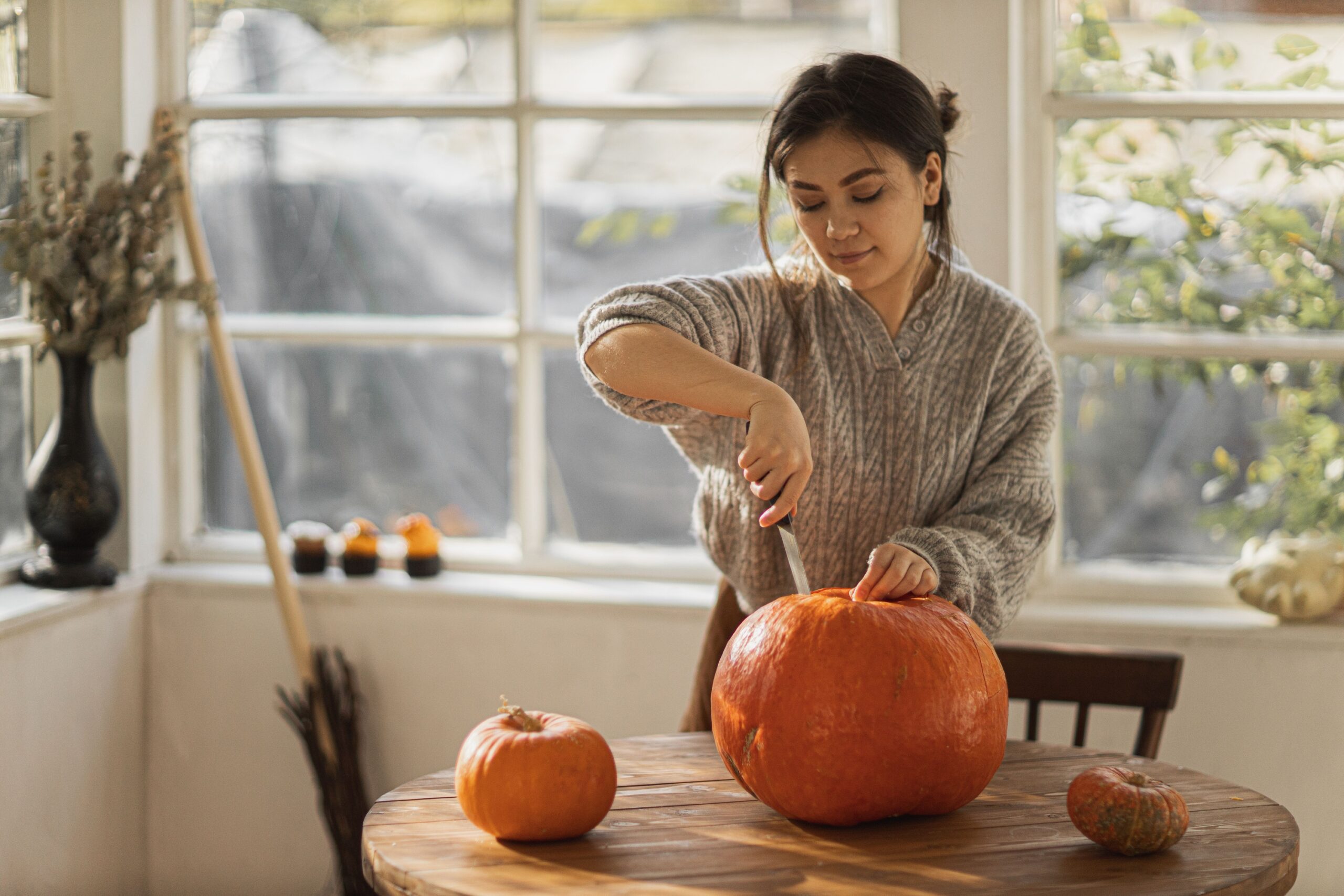

Every autumn, millions of households pull out the serrated knives and brace themselves for the mess. Pumpkin guts on the counter, uneven cuts, a finished jack-o’-lantern that looks passable for about five days before collapsing into a moldy heap. It’s one of those traditions people do more out of habit than genuine enthusiasm.
The quiet shift away from carving has been building for years, and by 2026 it’s hard to ignore. Instagram and TikTok are flooded with no-knife pumpkin designs, and walk into Target, Michaels, or Hobby Lobby and the Halloween aisle tells the same story: craft paint and stick-on jewels sold out early, while pumpkin carving kits sit on the shelf. Whether you’re decorating with kids, protecting your fingers, or simply after something that actually lasts, these six approaches are worth your time.
1. Paint It, and Actually Mean It
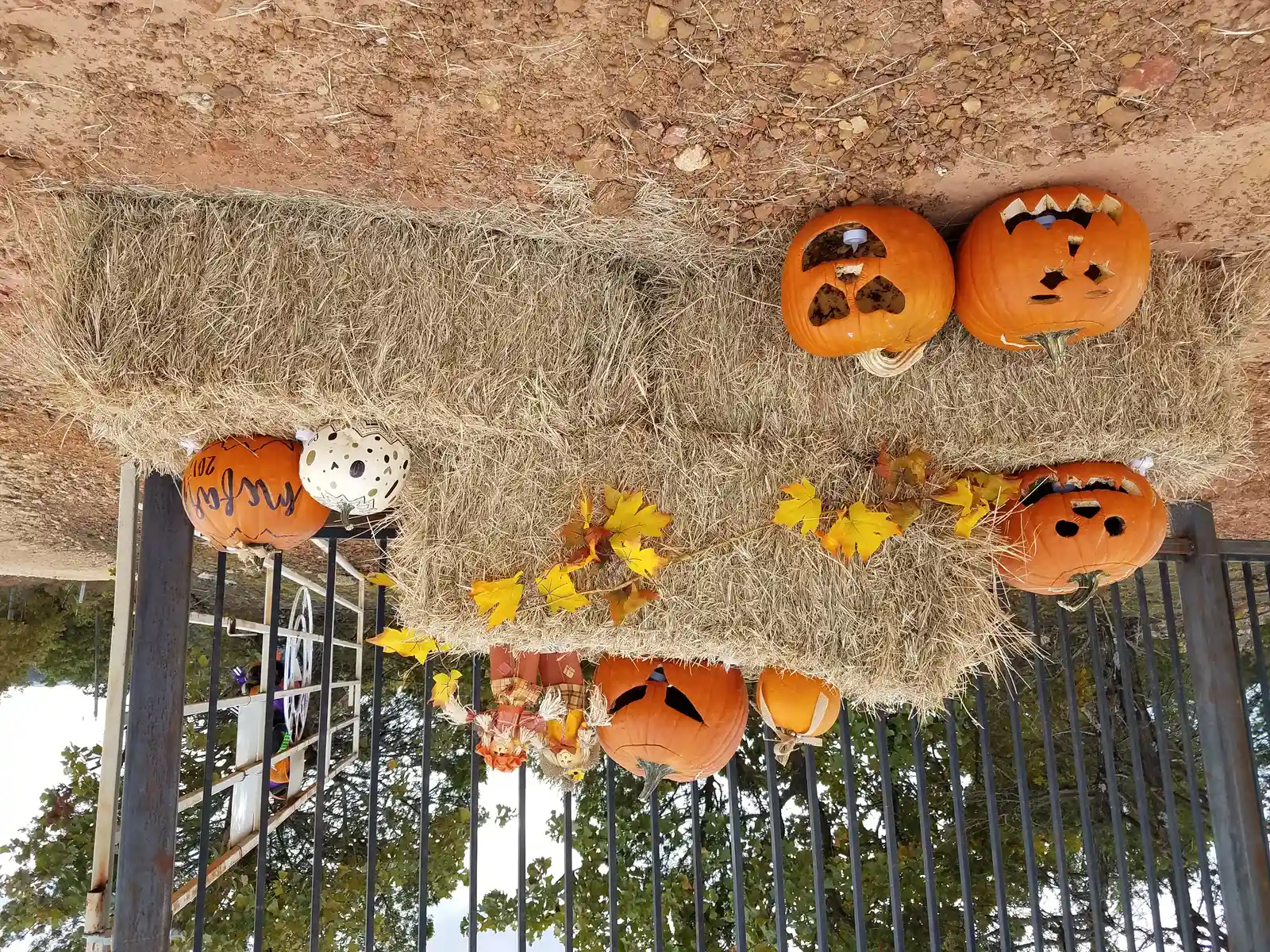
Painted pumpkins have become the workhorse of the no-carve movement, and for good reason. Matte chalk paint and heavy-body acrylics create smooth, opaque color after a quick wipe-down with rubbing alcohol, giving you a surface that genuinely holds the pigment rather than beading off. The prep step matters more than most people expect.
Pumpkins naturally produce a thin, waxy cuticle designed to shield the fruit from moisture and pests. If you paint directly over this unprepped wax, acrylics will bead up, slide, or peel away within days. A quick alcohol wipe solves the problem entirely.
An uncarved, painted real pumpkin typically lasts 8 to 12 weeks, meaning your handiwork easily carries you from crisp October evenings through your Thanksgiving dinner. That’s a genuinely useful return on a craft afternoon. Patterned pumpkins work especially well here: striped, polka dot, gingham, or floral designs all translate cleanly, and block printing with a stamper and craft paint opens up even more options.
2. Decoupage with Pressed Botanicals
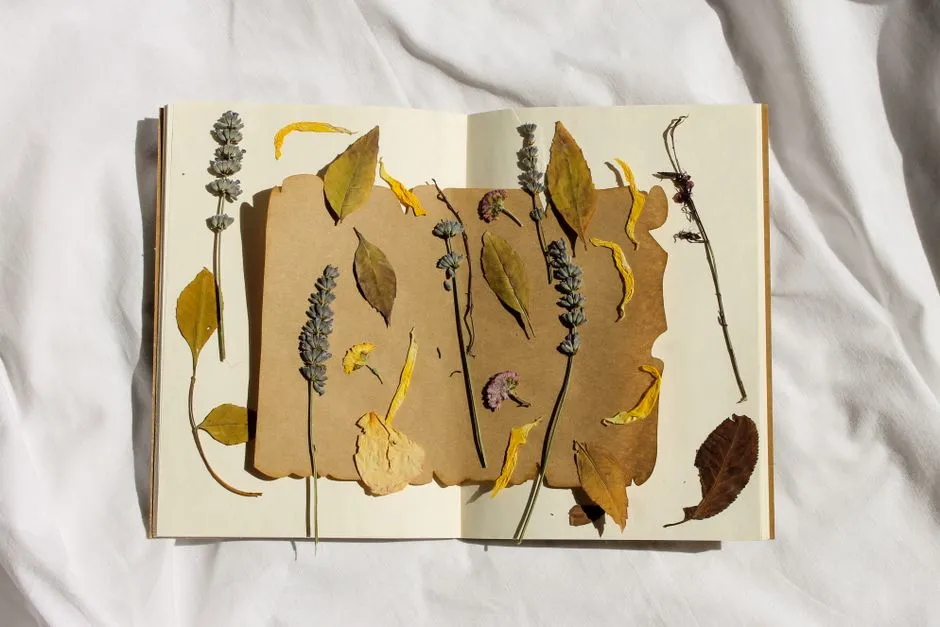
Biophilic design has moved from interior living rooms directly onto the front stoop. Decoupage techniques using genuine pressed botanical elements allow you to celebrate local flora while keeping the pumpkin intact. The look is sophisticated without requiring any artistic skill.
Walk outside and collect ferns, maple leaves, or any flat leaf with interesting shape and strong vein structure. Press them between the pages of heavy books for 24 hours, or use them fresh if you want softer edges after the Mod Podge dries. Paint your pumpkin white or cream first.
Brush a thin coat of Mod Podge onto the area where you want a leaf, press the leaf flat onto the pumpkin, smooth out any air bubbles from the center outward, and brush another thin coat on top to seal the edges. The result is a nature-print pumpkin that costs essentially nothing and looks collected and intentional. The use of natural materials like acorns, dried leaves, and sunflower seeds connects with eco-friendly decorating trends, as these items are biodegradable and often sourced from local nature walks.
3. Glitter and Gemstone Bedazzling
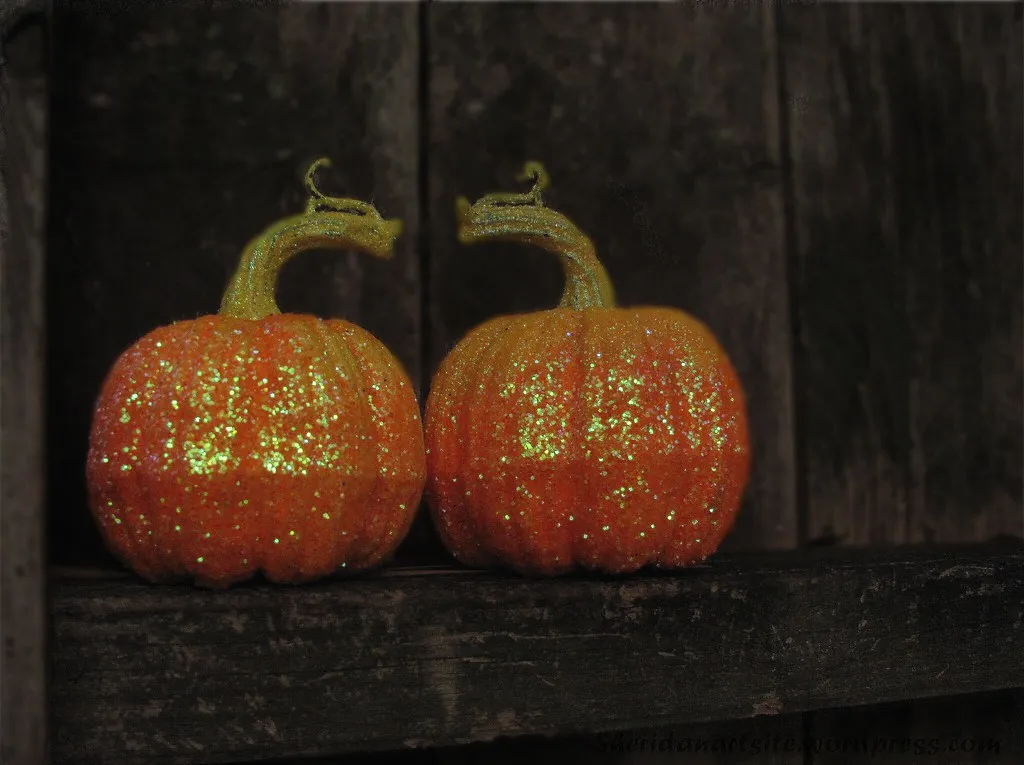
Few no-carve methods get as much attention on porches as a heavily bedazzled pumpkin catching the last of the evening light. It’s easy to make glitter pumpkins with spray adhesive or glue and some glitter in a shake bottle, and you can also create lettering, quotes, and patterns on a pumpkin using just craft glue and glitter. The effect is immediate and genuinely dramatic.
Another glam approach is to attach faux gemstones or pearls for a luxe look. Rhinestones line up beautifully along a pumpkin’s natural ridges, and the ridges effectively do the layout work for you. Topped with colorful glitter, these sparkling pumpkins are a quick and fun project for kids, and since the pumpkins remain whole, they last much longer than carved ones. Moving the glittering process outside makes for a stress-free, mess-free experience.
For a more curated approach, paint the pumpkin blush or bubblegum pink, brush Mod Podge on the stem area and sprinkle glitter over it, then finish with gold or holographic star stickers. The combination sounds fussy but comes together in under 30 minutes.
4. Fabric Wrapping and Decoupage Napkins
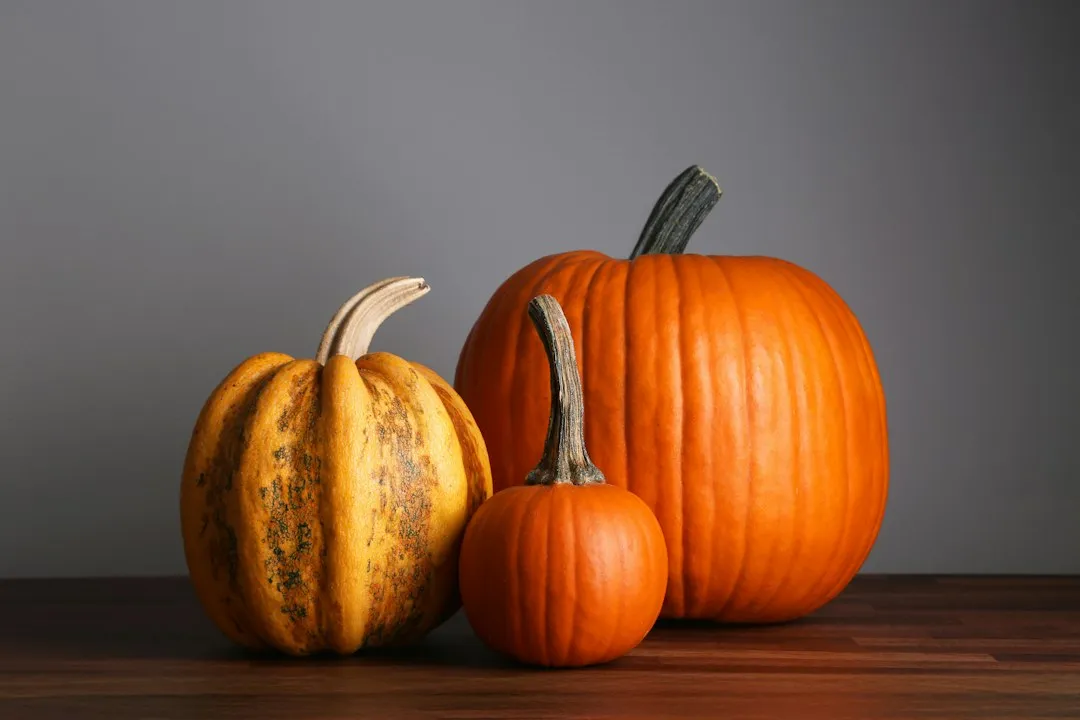
For a cozy look, wrap a pumpkin in lace, burlap, or ribbon. You could even use vintage doilies or crocheted napkins, which give each pumpkin a genuinely one-of-a-kind surface. The fabric approach travels well from Halloween straight into Thanksgiving without looking out of place.
Decoupage napkins open up a more refined version of the same idea. Blue and white chinoiserie napkins give you a ginger-jar look without having to hand-paint anything. Paint the pumpkin white, peel the printed top layer off a chinoiserie napkin and tear it into pieces, then smooth the pieces on with Mod Podge and add a top coat.
Large decoupage pumpkins wrapped in trendy fabric are a stylish addition to front porch displays, while small pumpkins add a graphic pop to any indoor Halloween decorations. The scale you choose changes the whole mood of the piece. Good Housekeeping notes that techniques like washi tape can revive dull faux pumpkins, offering a cost-effective alternative to buying new decorations each year.
5. Nature-Forward Harvest Displays
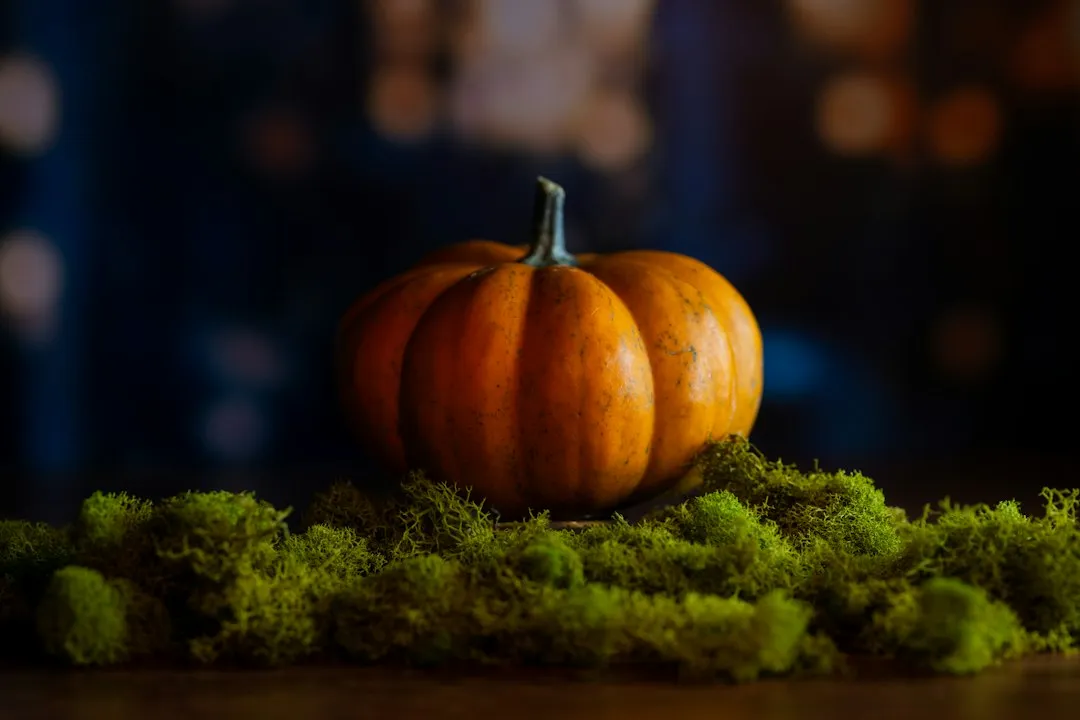
Not every no-carve pumpkin needs to be a craft project. Some of the most appealing fall displays in 2025 and 2026 have leaned into simplicity, treating the pumpkin as part of a broader seasonal arrangement rather than a standalone object. Add a few natural touches like leaves, acorns, or dried flowers, and your pumpkin feels perfectly fall without any carving. Using pressed leaves and flowers attached with Mod Podge is a popular approach.
Try creating a bountiful harvest display with full-sized or mini pumpkins arranged with other harvest vegetables such as gourds, flowering kale, cabbage, Indian corn, pansies, and mums. The layering of textures and heights is what makes these arrangements feel designed rather than thrown together.
Covering a pumpkin with moss gives it an earthy, woodland vibe. Alternatively, keeping things really simple with dried flower accents or a corn husk tied around the stem can be just as effective. These arrangements tend to photograph especially well in early morning light, which is partly why they’ve taken off so consistently on social media in recent seasons.
6. Faux Floral Crowns and Stem Wraps
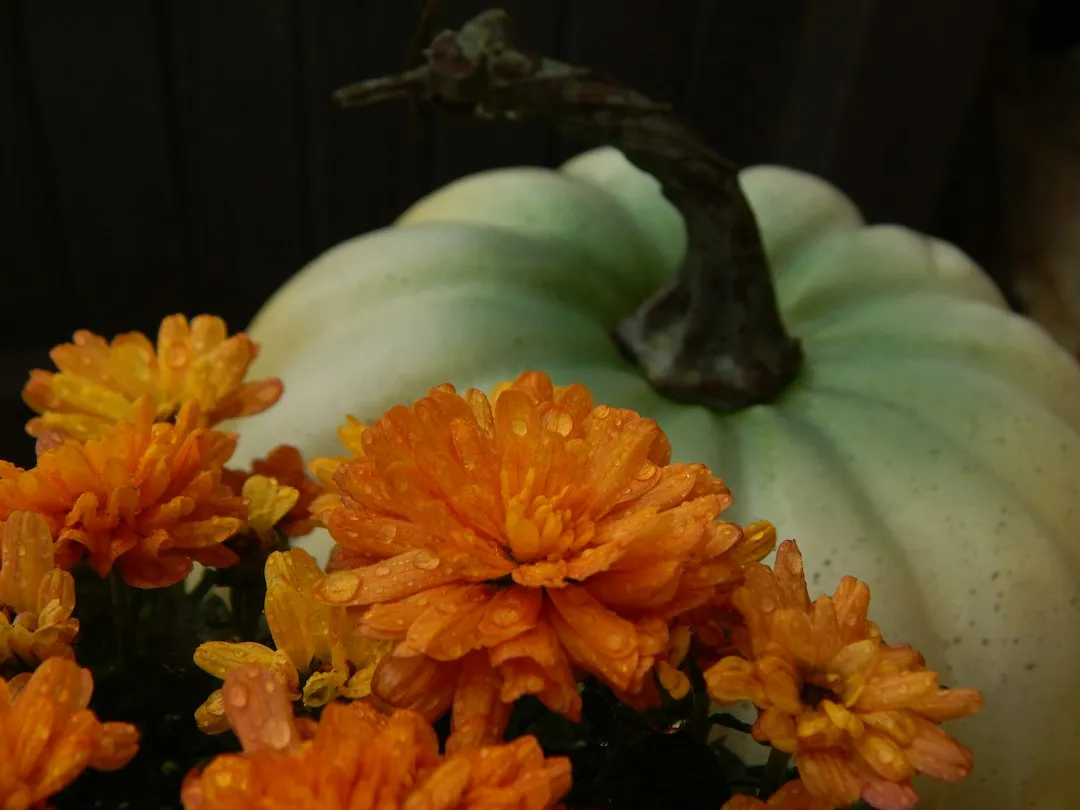
A ring of faux florals around the stem turns a simple pumpkin into a centerpiece, and this look works particularly well for a Halloween dinner party tablescape. It’s one of the few no-carve ideas that works equally well indoors and outdoors without any modification. The flowers protect the stem, which is often the first part of a real pumpkin to soften and deteriorate.
Paint the pumpkin pink or leave it white, snip faux flower heads off their stems, and hot-glue them in a ring around the stem, mixing large and small blooms for depth. Real dried flowers work just as well if you have them. For a more understated look, decorating white pumpkins with gold leaf or trying an easy DIY fabric-wrapped pumpkin creates something that won’t compete with everything else in your fall display.
The floral approach also transitions seamlessly between Halloween and Thanksgiving. Pick a neutral, metallic, or floral design and it genuinely works for all of fall, which matters when you factor in how long an uncarved pumpkin actually lasts. Uncarved painted pumpkins typically last between four and twelve weeks, depending on humidity and temperature. In contrast, carved jack-o’-lanterns begin shriveling and molding within three to seven days once the internal flesh is exposed to oxygen and insects.
Why the No-Carve Trend Has Real Staying Power
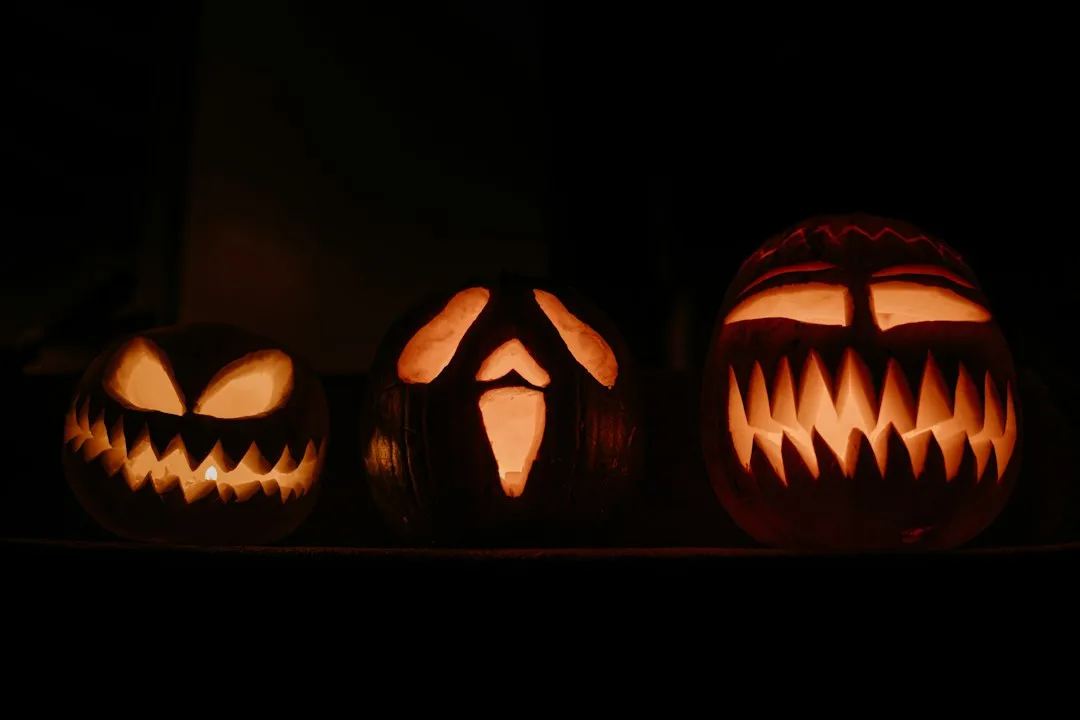
The shift away from carving isn’t just about aesthetics or convenience. Across the country, roughly about three quarters of Halloween shoppers purchase seasonal decorations, with total spending on decor reaching billions of dollars and surpassing even candy sales. Yet traditional jack-o’-lantern carving often results in sticky messes and premature rotting. The math starts to favor the no-carve crowd pretty quickly.
In the UK alone, an estimated 18,000 tonnes of pumpkins end up in landfills each year as carving waste. Opting for no-carve decorating keeps the pumpkin rind completely intact, drastically reducing seasonal waste while keeping your displays vibrant and fresh from early October right through Thanksgiving.
This shift reflects a growing consumer preference for durable, reusable, and child-friendly Halloween decor. Faux pumpkins add another layer of practicality. No-carve pumpkin ideas last longer and are less attractive to critters, increasing the chances of your display remaining intact on the front porch until October 31. If you decorate a faux pumpkin, you can even store it away for use next year.
A Few Practical Notes Before You Start

Surface prep is the detail most first-timers skip and then regret. A painted or decorated pumpkin can last several weeks because the skin is never cut open. Wash and dry it first, seal the finished design with a clear sealer or Mod Podge, and keep it out of direct rain and sun. Those three steps alone make a significant difference to how long the finished piece holds up.
For outdoor displays specifically, applying two coats of polyurethane spray after your design is fully dry extends the life by two to three weeks. Better yet, use foam pumpkins for outdoor displays: they last the entire season without rotting and take paint beautifully.
Elevate pumpkins off direct ground contact on a wooden board or slate tile to prevent moisture from accumulating underneath. Rubbing petroleum jelly into the cut stem area can also slow the decay process. None of this is complicated, but it separates displays that look great through November from ones that quietly give up by the second week of October.
The Takeaway
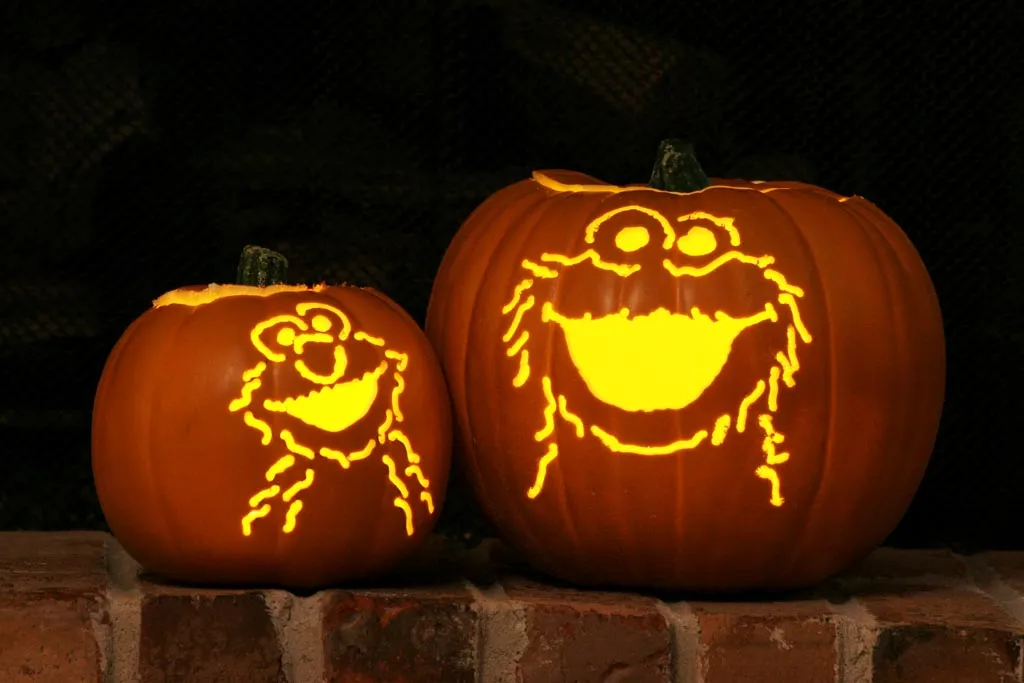
Carving has always been the default, not necessarily the best option. The no-carve movement has grown because the alternatives are genuinely better in most of the ways that matter: longer lasting, safer, more versatile across the full fall season, and considerably less wasteful.
The six ideas here range from a simple paint job to botanical decoupage to a full floral crown. None of them require any real craft expertise, and all of them produce something you’ll actually want on your porch for more than a week.
The gourd doesn’t need a face cut into it to be part of the season. Sometimes leaving something whole is the more interesting choice.
AI Disclaimer: This article was created with the assistance of AI tools and reviewed by a human editor.