

Most people have experienced it at some point: staring at a screen while thoughts seem to arrive through thick static, words slip away mid-sentence, and even simple decisions feel heavier than they should. Brain fog isn’t a medical diagnosis in itself, but rather a collection of symptoms indicating your brain isn’t operating at its peak, manifesting as difficulty concentrating, impaired memory, reduced mental clarity, and a general feeling of haziness.
Brain fog can stem from various factors. Chronic stress, lack of quality sleep, nutritional deficiencies, inflammation, and imbalances in the gut microbiome can all contribute. What’s increasingly clear from recent research is that food plays a meaningful role in either fueling or fighting this state. The six meals below aren’t magic cures, but each is built around ingredients with real, science-backed connections to brain function and mental clarity.
1. Baked Salmon with Steamed Leafy Greens
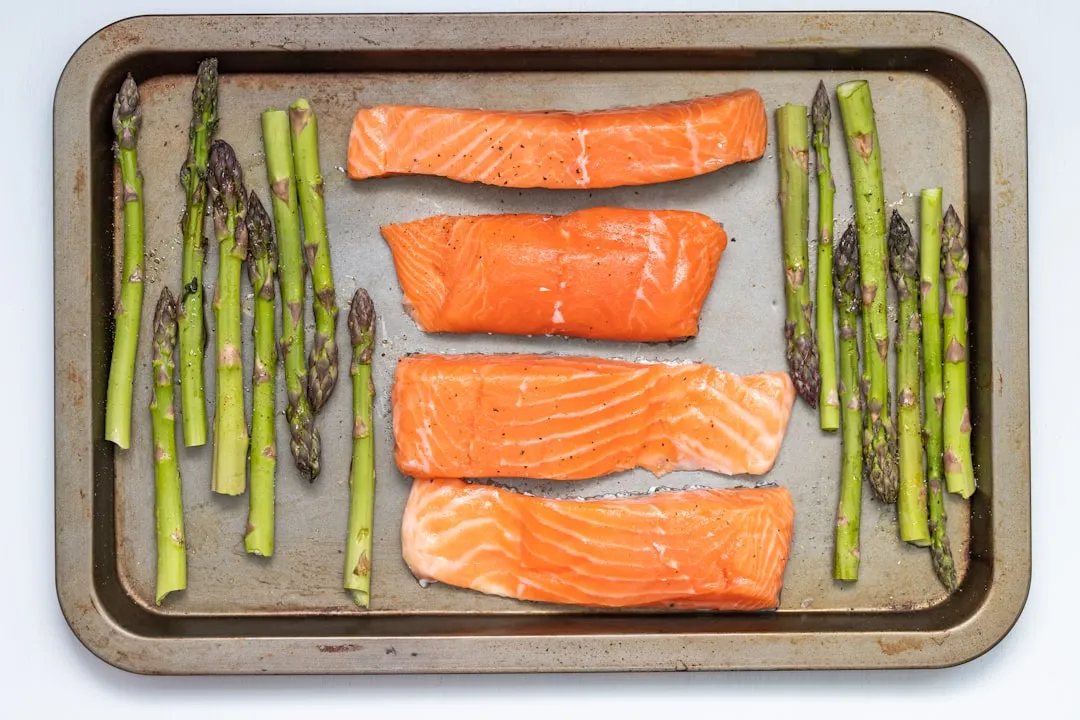
DHA, the dominant omega-3 in the brain, impacts neurotransmitters and overall brain function. A simple plate of baked salmon over steamed spinach or kale delivers both DHA and a dense stack of brain-protective micronutrients in a single meal. Leafy greens such as kale, spinach, collards, and broccoli are rich in brain-healthy nutrients like vitamin K, lutein, folate, and beta carotene.
Research published in a systematic review and dose-response meta-analysis found that omega-3 supplementation showed significant improvement in attention and perceptual speed. For everyday meals, getting these fats directly from fish is the most natural delivery method available. Ingestion of omega-3 fatty acids has been associated with increases in learning, memory, cognitive well-being, and blood flow in the brain.
A recent large cross-sectional study found that older adults who consumed more dark-green vegetables had significantly higher cognitive scores, particularly with strong positive associations with immediate and delayed memory. Pairing salmon with greens isn’t just practical. It’s one of the most research-supported combinations you can put on a dinner plate.
2. Blueberry and Walnut Oatmeal Bowl
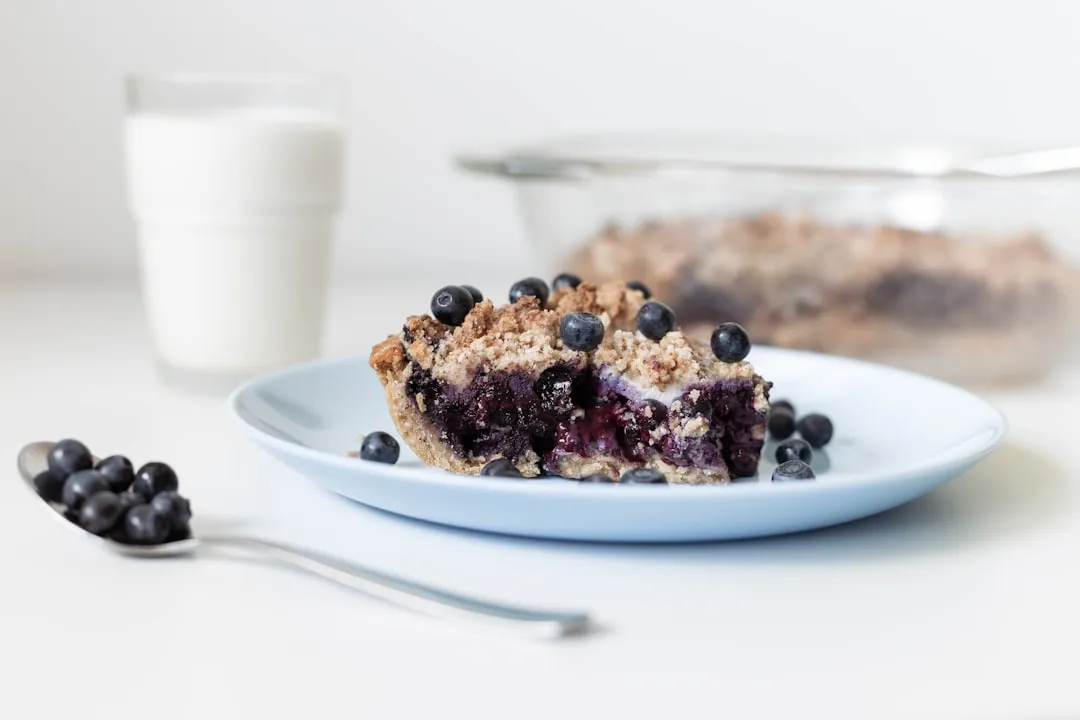
Flavonoid-rich berries, particularly anthocyanidins, are well known for their antioxidant and anti-inflammatory properties, which are beneficial for cognitive function. A longitudinal study indicated that participants who consumed more berries, such as blueberries and strawberries, had significantly slower cognitive decline rates.
Blueberries in particular have been shown to improve vascular function, increasing flow-mediated dilation by about one percent in meta-analyses. Better blood vessel function means better blood flow to the brain, which supports oxygen and nutrient delivery. Adding walnuts to the bowl brings another layer of benefit. Nuts and seeds, especially walnuts and almonds, are rich in antioxidants, including vitamin E and polyphenols, and contribute to heart-healthy fats in the diet. They have also attracted scientific interest as a potential source of neuroprotective agents.
Steel-cut oats provide slow-releasing complex carbohydrates that prevent blood sugar spikes. Fueling your brain with complex carbohydrates, rather than refined sugars, provides a steady energy supply, preventing energy crashes that lead to mental slumps. This bowl covers antioxidants, healthy fats, and sustained energy in one go.
3. Mediterranean Chickpea and Olive Oil Salad
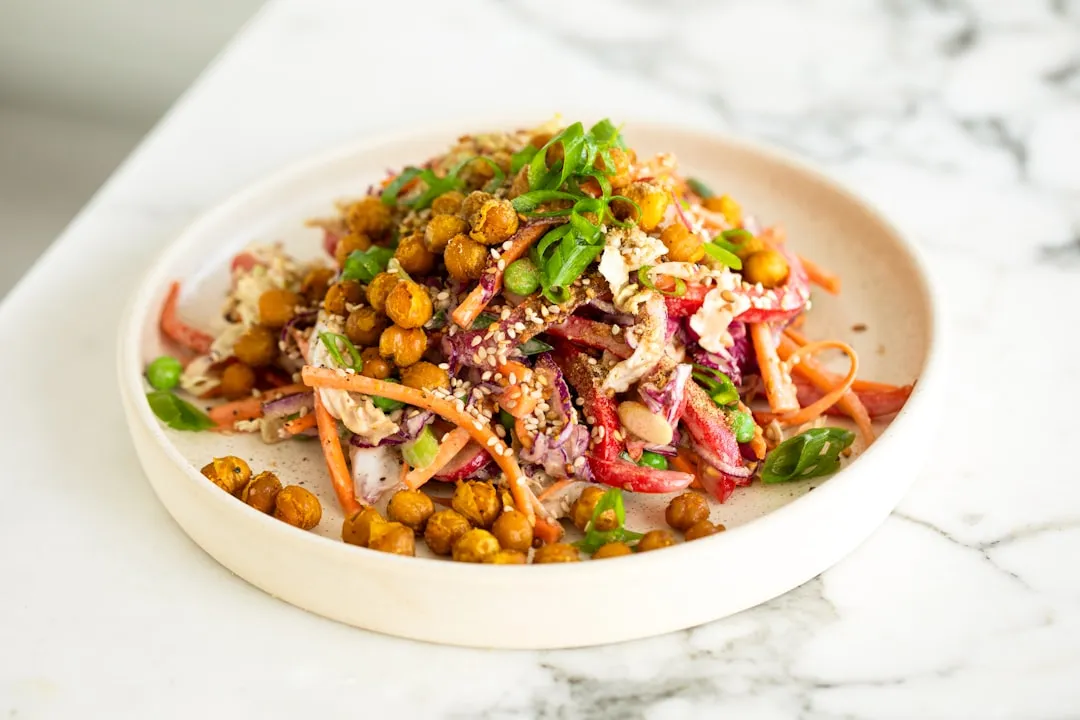
The Mediterranean diet is characterized by a plant-based dietary pattern with a significant emphasis on extra virgin olive oil, a variety of vegetables especially leafy greens, fruits, whole grains, nuts, and legumes, while also including moderate intake of fish and limiting the consumption of eggs and sugars. A hearty chickpea salad dressed with olive oil, topped with tomatoes, cucumber, and arugula, captures much of that framework in a single bowl.
A systematic review by Arab (2024) synthesised findings from 37 observational studies, encompassing a total sample of roughly 591,000 individuals, and reported that adherence to healthy dietary patterns such as the Mediterranean diet was associated with a lower prevalence of cognitive and sleep-related symptoms. That’s a remarkably large body of evidence pointing in the same direction.
The daily use of a diverse range of fruits and vegetables, including tomatoes, berries, leafy greens, and peppers, makes the Mediterranean diet exceptionally capable of maintaining redox homeostasis. These foods are rich in vitamins C and E, flavonoids, and carotenoids, offering a diverse range of antioxidants. A chickpea salad is one of the easiest ways to land squarely inside that pattern on a busy weekday.
4. Sardine Toast on Whole Grain Bread with Avocado

Sardines don’t always get the spotlight, but they probably deserve more of it. Regularly including food sources like oily fish, which are high in DHA and EPA, is recommended by nutrition researchers for cognitive support. Sardines are one of the most concentrated sources of those fatty acids available at an affordable price point.
Evidence indicates that long-chain omega-3 supplementation preserves brain structure, including the parietal lobe, by exerting beneficial effects on white matter integrity and gray matter volume. DHA plays a vital role in brain and nervous system function by supporting membrane integrity and neuronal activity, and may exert neuroprotective effects through anti-inflammatory mechanisms.
Pairing sardines with whole grain bread adds dietary fiber and B vitamins, while avocado contributes monounsaturated fats and folate. B vitamins, especially B6, B9 (folate), and B12, are essential for energy production in brain cells and the synthesis of neurotransmitters. The combination is simple, fast, and genuinely dense in the nutrients that matter most to cognitive clarity.
5. Spinach, Egg, and Dark Chocolate Smoothie Bowl
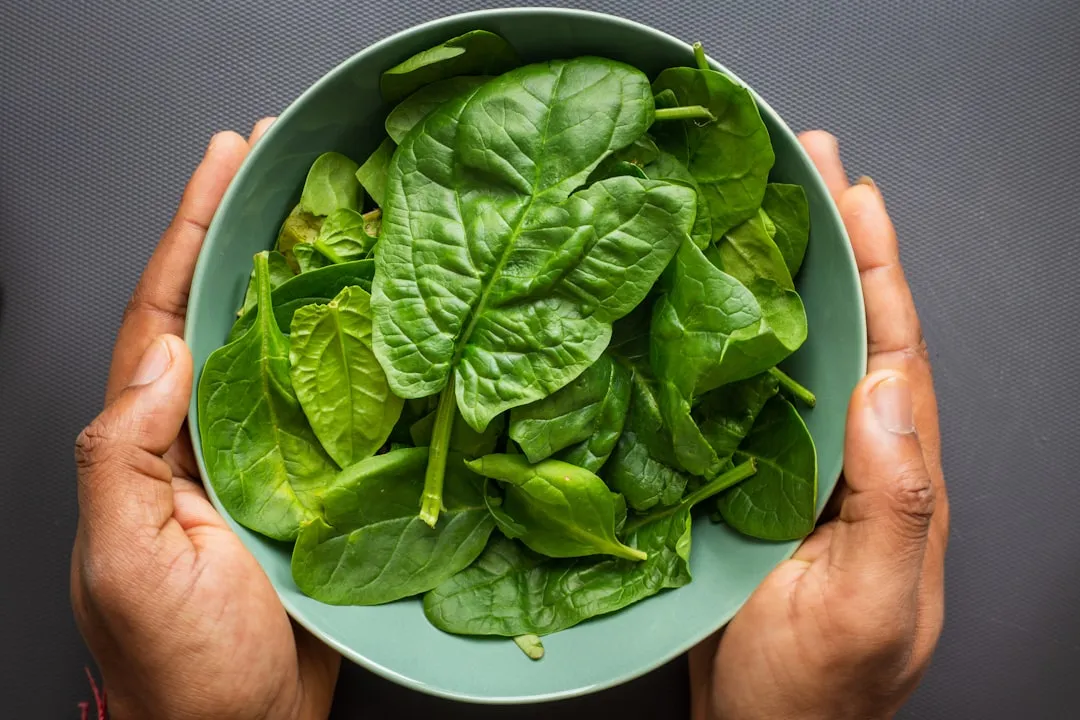
This one sounds unusual, but the nutritional logic is solid. Eggs provide choline, a precursor to acetylcholine, one of the brain’s key neurotransmitters involved in memory and attention. Spinach adds folate and iron. The green color in spinach indicates the presence of chlorophyll, which is part of a broader family of plant antioxidants that give different foods their distinctive pigments.
Polyphenols are plant compounds with strong anti-inflammatory and neuroprotective properties that reduce oxidative stress in the brain and protect neuronal function. A small portion of dark chocolate, around seventy percent cacao or higher, adds a meaningful dose of these polyphenols without excessive sugar. Other polyphenol-rich foods include dark chocolate at seventy percent or higher cacao content, green tea, red and purple grapes, spinach, and brightly colored peppers.
The smoothie bowl format makes this combination more approachable than it sounds. Blend the spinach into a base with banana for natural sweetness, top with a soft boiled egg on the side, and add dark chocolate shavings and mixed seeds. Nutrients fuel the brain and antioxidants help get rid of toxic compounds and counter inflammation, making variety in color and food type a smart guiding principle.
6. MIND Diet-Style Grain Bowl with Beans, Greens, and Walnuts
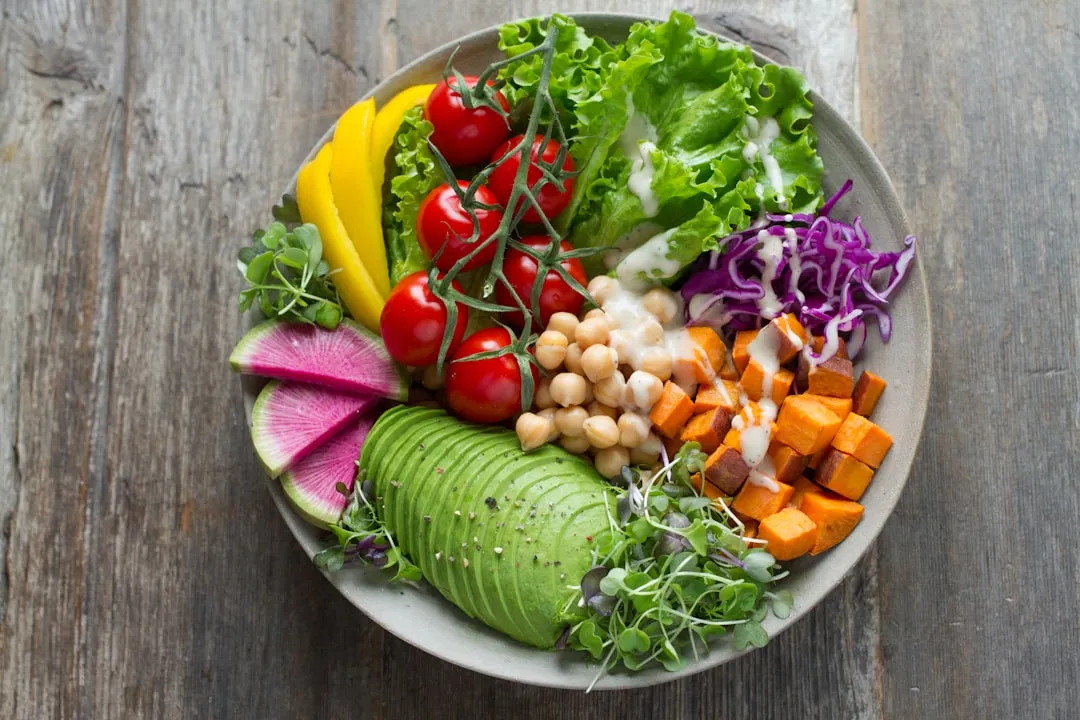
The MIND diet, a hybrid of the Mediterranean and DASH diets designed specifically for brain health, emphasizes leafy greens, berries, nuts, olive oil, whole grains, fish, and beans, while limiting red meat, butter, cheese, pastries, and fried food. A grain bowl built around those exact components is essentially the MIND diet in portable form.
A large study published in Neurology using data from the REGARDS cohort found that greater adherence to the MIND diet was associated with a decreased risk of cognitive decline across all statistical models. Each unit of improvement in diet adherence reduced the odds of developing cognitive impairment by about four percent. That’s meaningful movement from something as practical as a lunch bowl.
Research findings suggest that the MIND diet may provide superior neuroprotective benefits due to its targeted inclusion of neuroprotective nutrients such as berries, leafy greens, and whole grains. Build the bowl with farro or brown rice as the base, add black beans or lentils, top with roasted kale, a handful of walnuts, and a drizzle of extra virgin olive oil. Specific micronutrients, including polyphenols, omega-3 fatty acids, and B vitamins, were found to be significantly associated with better cognitive outcomes and lower neuroinflammation. This bowl delivers all three in one sitting.
Why the Gut-Brain Connection Matters for Every Meal
Probiotics and gut-supportive foods are widely recognised for their benefits and may offer value for cognitive symptoms, though recent studies caution against their indiscriminate use. The broader point is that the gut microbiome communicates constantly with the brain, and what you eat shapes the quality of that signal.
Diets rich in plant-based foods, seafood, and low in processed foods and sugar are linked to better sleep quality, and sleep is inseparable from cognitive clarity. Poor sleep compounds brain fog significantly, which means meals that support the gut indirectly support overnight brain recovery too. Every meal listed above is low in processed ingredients for exactly this reason.
What to Avoid If You’re Trying to Think More Clearly

Some studies suggest brain fog is likely associated with inflammation in and blood flow to the brain. Eating excess sugar, caffeine, and alcohol contributes to its symptoms. These aren’t dramatic revelations, but they’re easy to overlook when energy dips and a quick fix feels appealing.
Fueling the brain with complex carbohydrates rather than refined sugars provides a steady energy supply, preventing energy crashes that lead to mental slumps. Simple swaps, like choosing whole grain bread over white, or water over a sugary drink, genuinely shift the baseline. The meals in this article are built around foods that stabilize rather than spike.
Hydration: The Often Overlooked Brain Essential

Water plays a major role in brain function, with approximately three quarters of the processes that take place in the brain occurring in the presence of water. Drinking adequate amounts of water helps increase mental clarity and concentration, helps prevent headaches, and aids in the removal of toxins and cellular waste that accumulate in the blood and travel to the brain.
Every nutritious meal is still somewhat undermined by dehydration. Even mild fluid loss, well before thirst kicks in, can blunt focus and slow recall. Pairing these meals with plain water or herbal tea rather than sugary drinks is a small decision with a measurable effect on how sharp you feel by mid-afternoon.
How Often Should You Eat These Meals?

Rather than focusing on individual foods, research consistently supports dietary patterns as the strongest predictor of long-term cognitive clarity. That distinction matters. Eating one bowl of blueberry oatmeal won’t reverse weeks of poor diet, but rotating these six meals regularly begins to shift the overall pattern.
Specific foods rich in antioxidants, omega-3s, and other key nutrients support brain health and mental clarity, and recent studies show that adherence to brain-healthy eating patterns like the MIND diet is linked to reduced brain fog severity. Consistency, not perfection, is what produces results over time. Cooking two or three of these meals per week is a realistic starting point for most people.
The Takeaway
Brain fog is real, frustrating, and far more common than it should be. The encouraging part is that dietary change is one of the most accessible levers available. Certain vitamins and minerals in foods may help keep your brain sharp by battling a foggy mind or even memory loss. The six meals outlined here aren’t exotic or expensive. They’re practical combinations of well-researched ingredients that support how your brain builds cells, manages inflammation, and sustains focus.
Food won’t solve every cause of brain fog on its own, and if symptoms are persistent or severe, consulting a healthcare professional is always the right move. Still, what you consistently put on your plate is one of the most direct ways to influence how clearly your mind works day to day. Starting with one meal is enough.
AI Disclaimer: This article was created with the assistance of AI tools and reviewed by a human editor.