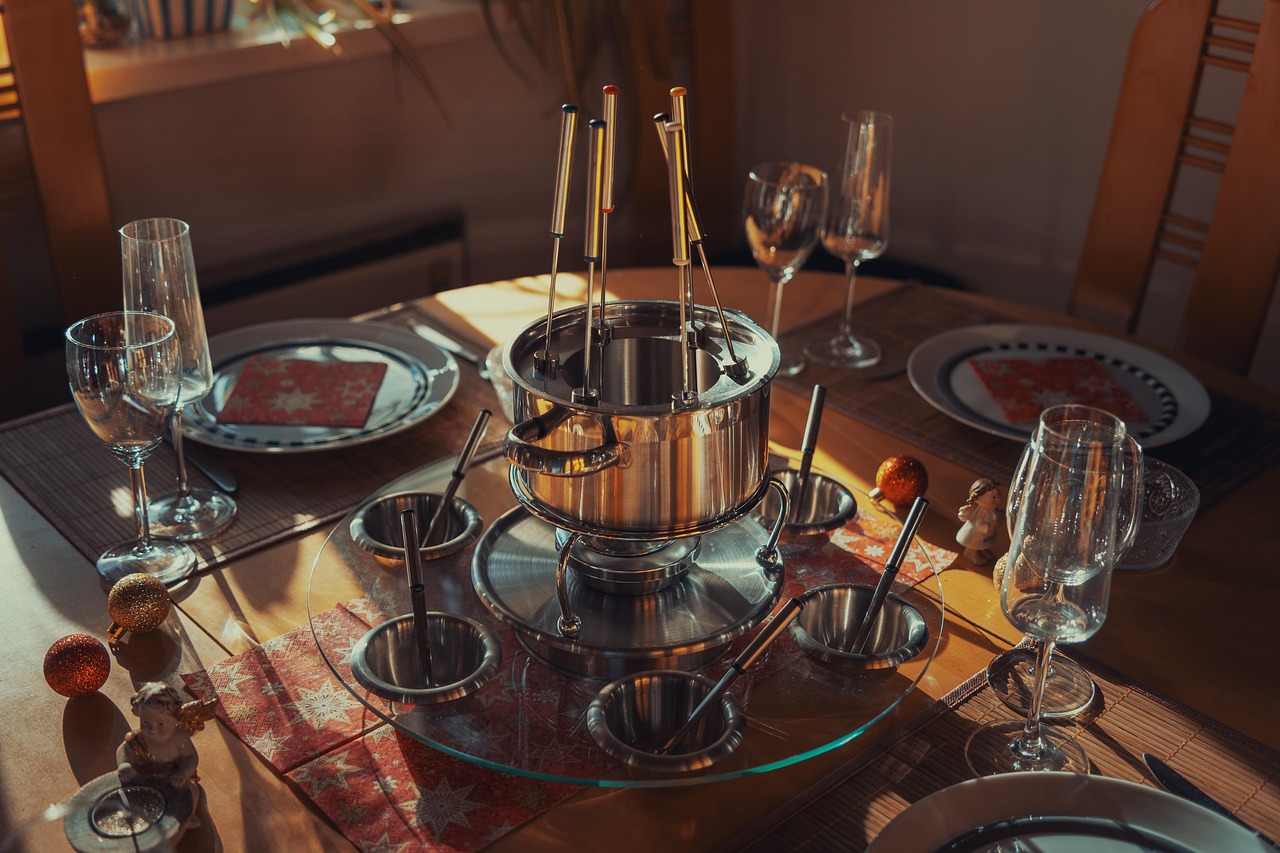

There’s a quiet shift happening in a lot of households right now. People are putting down their phones, stepping away from the stream of notifications, and rediscovering the kinds of rituals that used to anchor everyday life at home. It doesn’t feel like a trend so much as a collective exhale.
Some of these traditions never fully disappeared. They just got crowded out. The good news is that many of them are making a real return, backed not just by sentiment but by measurable data on health, wellbeing, and social connection.
1. Sitting Down Together for a Family Dinner
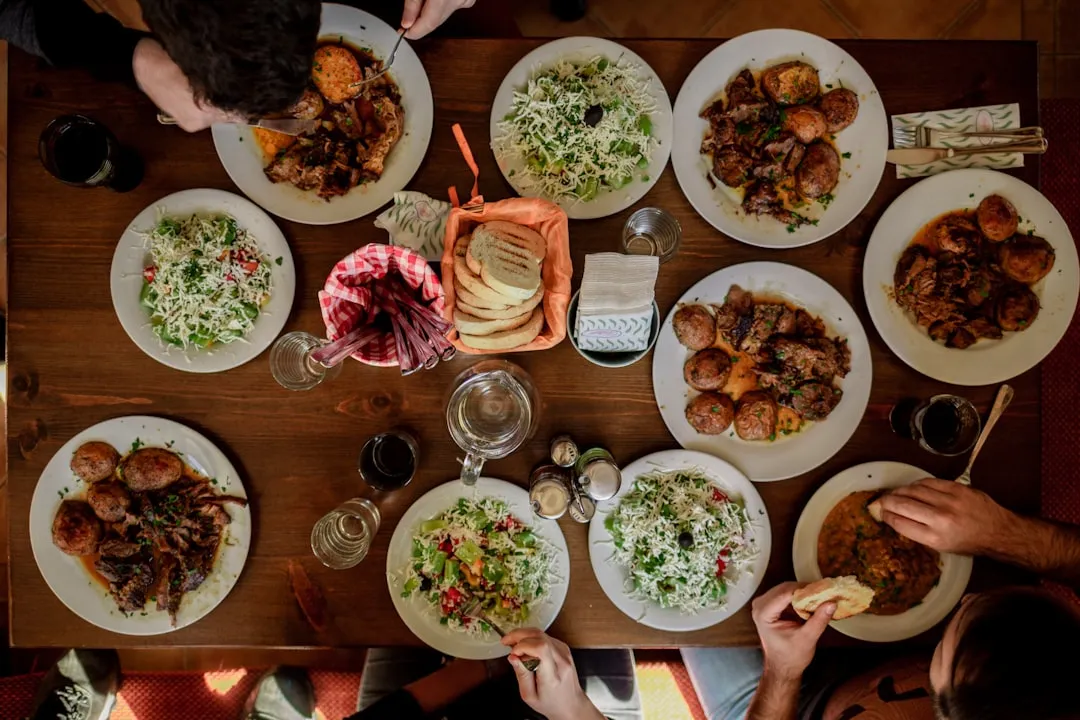
Few household rituals carry as much weight, or as much research behind them, as the shared evening meal. More than 35 years of research and thousands of studies from around the world document that family meals boost both physical and mental health, and more than 80% of Americans are consuming the same or more family meals than they did a year prior, according to new 2024 data released by the FMI Foundation.
Research from Harvard’s Home-School Study of Language and Literacy Development found that children aged three to five hear around 1,000 rare words during a typical family dinner, compared to around 140 during a read-aloud session with a picture book, making dinner conversation roughly seven times richer in vocabulary exposure.
Some research even finds that frequently eating meals with family members can reduce a child’s likelihood of substance use, violence, and other anti-social behaviors later in life. Still, only around 30% of families manage shared dinners on a regular basis. That gap between what the evidence shows and what actually happens at home is worth closing.
2. Growing Something in the Garden
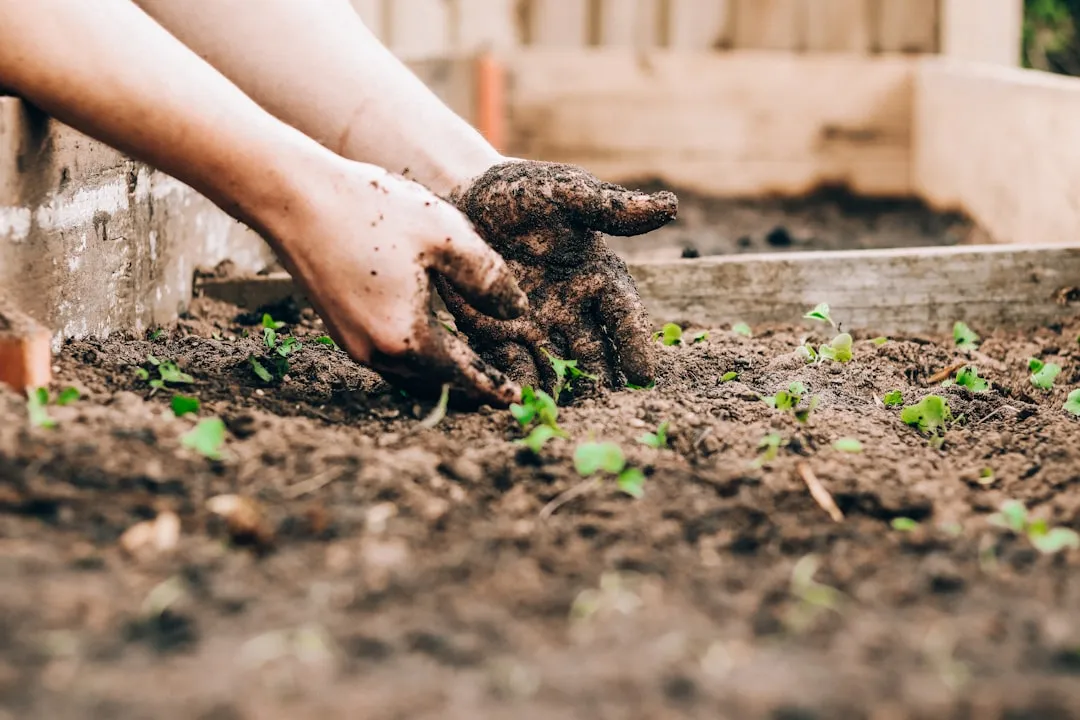
About 55% of U.S. households currently have a garden, translating to roughly 71.5 million gardening households and 185.9 million people. That’s a substantial number, and the energy behind it keeps shifting toward younger generations in interesting ways.
Sixty-five percent of Gen Z and 47% of millennials gardened more in 2024, with many planning expansions into compact edibles for small spaces. Seventy-one percent of Americans reported plans to grow a food garden in 2025, and of those who grew food in 2024, the average household estimated saving $875 on groceries that year.
A Monrovia survey found that 36% of responding gardeners said gardening reminded them of simpler times and made them feel nostalgic, a 4% increase over 2024. There’s something grounding about tending to a patch of earth. Multiple scientific studies have linked gardening to emotional wellbeing and an increased sense of accomplishment and happiness.
3. Family Board Game Night
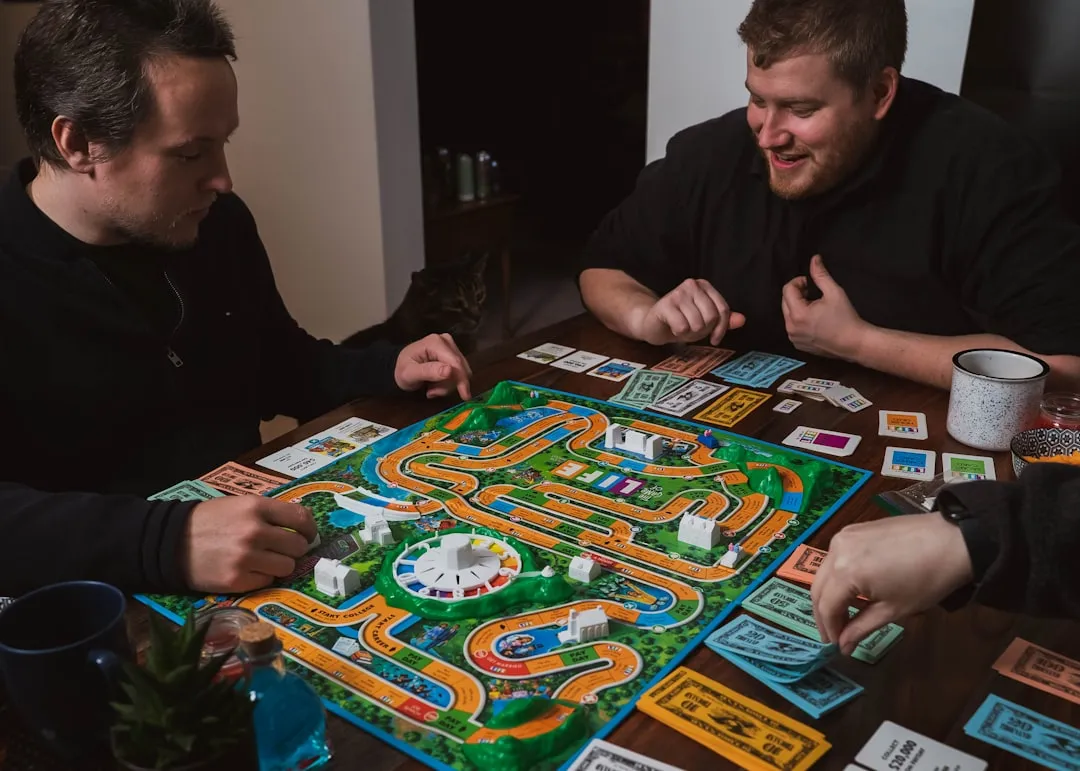
Saturday nights used to mean a table full of cards, dice, and mild arguing over the rules. That tradition faded with the rise of individual screens, but the numbers suggest it’s coming back with real momentum. The global board game market was valued at $14.37 billion in 2024, with projections pointing to $15.83 billion in 2025 and continued expansion to $32 billion by 2032.
This resurgence reflects growing consumer interest in social and family-oriented entertainment options that provide meaningful face-to-face interactions. A notable trend is the rise in family-based gaming, with 82% of families in North America playing board games at least once a month.
The demand for cooperative board games has surged significantly, with sales increasing by 20 million units in 2024 compared to the previous year, reflecting a fundamental shift toward collaborative play and shared experiences. Sitting around a board game doesn’t need to be scheduled or optimized. It just needs to happen.
4. Reading Aloud as a Household Ritual
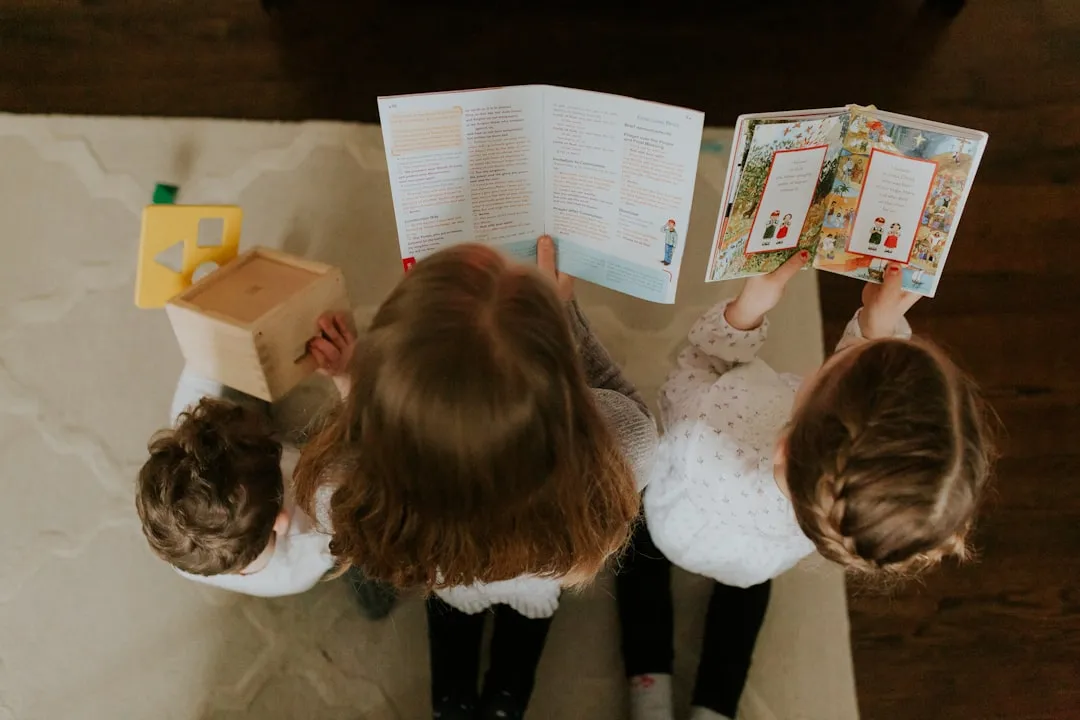
Reading aloud used to be a staple of family life before television took over the living room. Parents read to young children, older siblings read to younger ones, and evenings sometimes ended with a chapter from a shared book. That kind of intentional, slow togetherness is genuinely rare now.
The case for bringing it back is strong. Research from Cambridge University found that children exposed to sophisticated language during mealtimes and read-aloud sessions as preschoolers had measurably better vocabulary at age five, and that benefit was still detectable through sixth grade. Reading aloud extends that same benefit outside of mealtimes.
There’s also something worth noting beyond child development. Adults benefit too. Reading aloud together builds shared reference points, slows the pace of an evening, and creates a kind of presence that passive screen time rarely delivers. It doesn’t require equipment, subscriptions, or much planning at all.
5. Sending and Receiving Handwritten Letters

Email turned letter writing into something quaint, and social media made it feel almost unnecessary. Yet the appeal of a handwritten letter has never fully gone away. There’s a weight to it that a notification can’t replicate. You held a pen. You chose each word. Someone kept it.
Some of these forgotten practices are making a surprising return, driven either by a new generation finding value in them or by a collective nostalgia. As people seek more meaningful experiences, they often find inspiration in the past. Handwritten correspondence fits squarely into that.
The research on handwriting also adds a practical dimension. Writing by hand engages different cognitive processes than typing, helping with memory retention and fine motor coordination. For children especially, the act of forming letters and composing thoughts on paper builds foundational skills that screens don’t replicate. The ritual of writing a letter, waiting, and receiving one in return slows things down in a way that can feel almost radical in 2026.
6. Creating a Cozy, Defined Living Space at Home
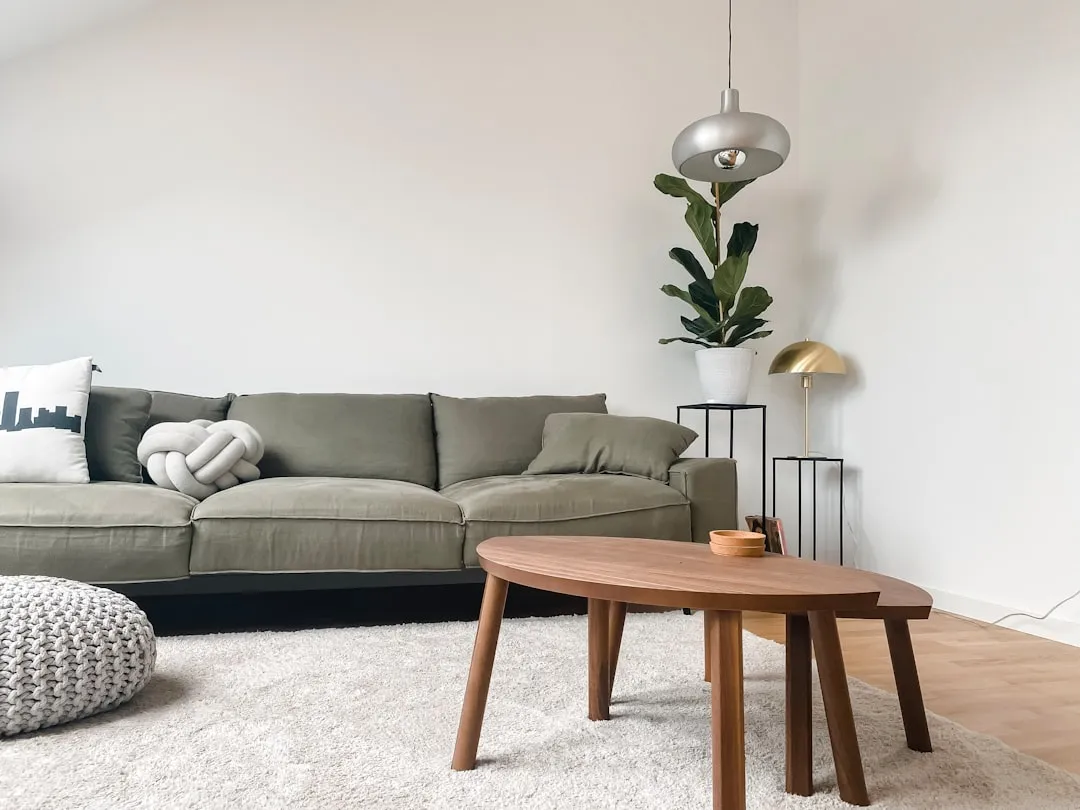
For years, open-concept floor plans dominated home design. Walls came down, rooms blurred together, and everything flowed into everything else. There is now a growing preference for more defined rooms over cavernous, airy spaces, and according to Zillow, home listings mentioning “cozy” increased by 35% compared to the prior year.
Incorporating decorating trends from past decades into modern schemes is a meaningful way to create spaces with character and history, and interior designers are increasingly mixing vintage trends and styles from across the eras to create eclectic, lived-in spaces that have evolved organically over time.
Exploring vintage finds for your home allows you not only to express personal style, but to make a place for family heirlooms, find budget-friendly pieces secondhand, and imbue your interior with unexpected treasures. More than an aesthetic choice, a cozy and considered home is a backdrop that makes all the other traditions on this list more likely to actually happen. You cook at home more. You sit together longer. You stay.
The Case for Bringing It All Back
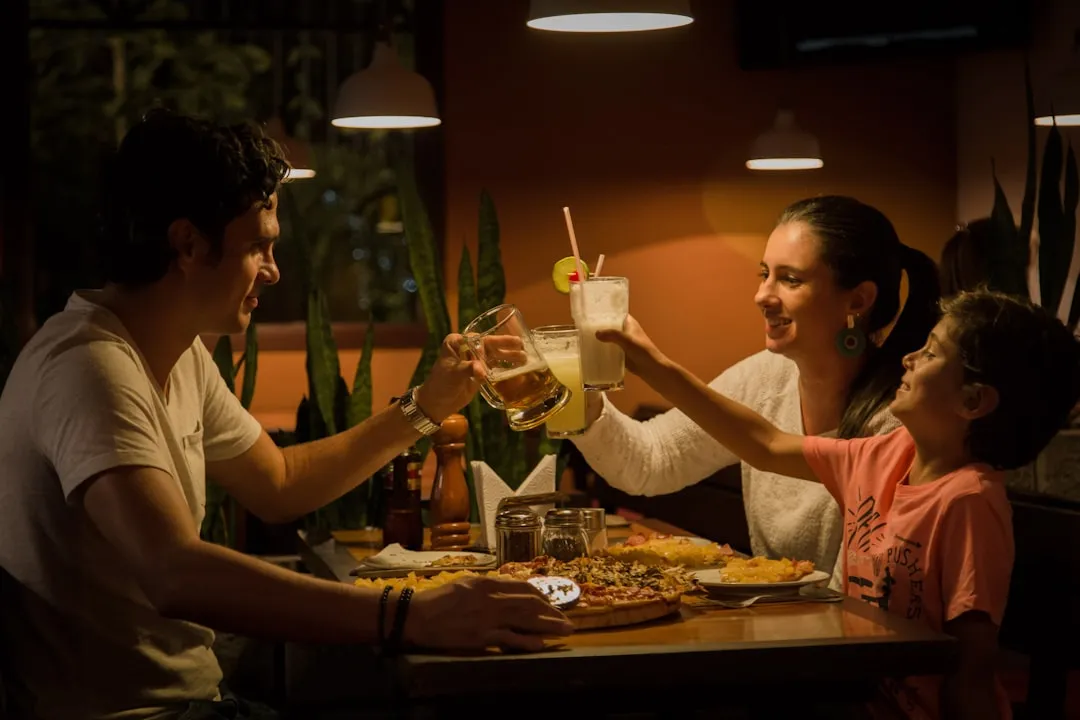
None of these traditions require a major life overhaul. They’re not expensive. They don’t need apps or subscriptions. What they do require is a small, deliberate decision to prioritize them, which is precisely what makes them hard in the age of constant distraction.
The data is consistent across all of them: shared meals strengthen families, gardening improves wellbeing, board games rebuild face-to-face connection, and a warm home makes all of it more likely to happen. These aren’t nostalgic indulgences. They’re evidence-backed habits with measurable benefits that simply fell out of practice.
Sometimes the most forward-looking thing you can do is look back, pick up what got left behind, and put it back on the table.
AI Disclaimer: This article was created with the assistance of AI tools and reviewed by a human editor.