
1. Glow Sticks and Glow Bracelets
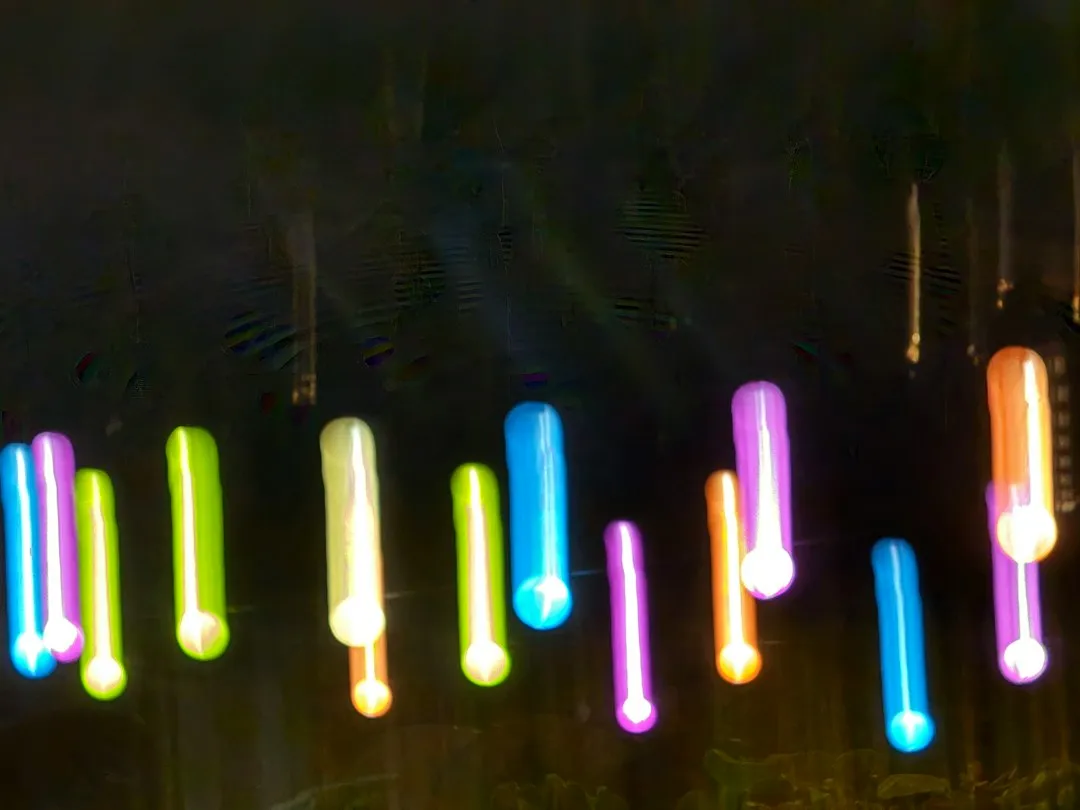
Glow sticks, bracelets, and necklaces are fun, safe, and add a spooky glow to costumes as kids walk from house to house. They’re uniquely suited to Halloween in a way no other non-candy item really is. The moment a child snaps a glow stick and it lights up, that’s the reaction you’re after.
Glow sticks, vampire fangs, and bubble wands consistently outperform candy in kid feedback because they’re memorable for hours, not minutes. For nighttime trick-or-treating especially, handing out something that actually lights up feels like a natural fit. It’s also one of the cheapest non-candy options available in bulk, which makes it practical for households expecting a high foot-traffic night.
2. Mini Play-Doh Containers
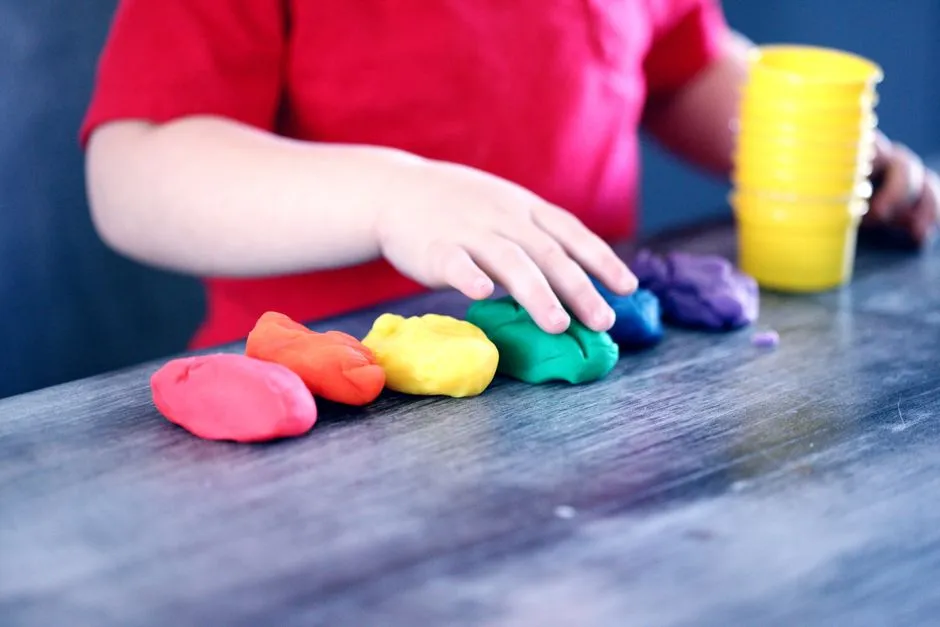
Mini Play-Doh is the treat that keeps on giving because, unlike candy, it lasts for more than one night. Kids can keep creating mini monsters and figures for weeks to come, as long as it doesn’t dry out. That staying power is genuinely rare for something handed out at a doorstep.
Small containers of Play-Doh are a great hands-on activity for kids and provide a fun break from all the sugar. You can find Halloween-branded multi-packs at most major retailers during the season. You’ll get a variety of colors in the pack and can let the kids choose their favorite. That small moment of choice makes it feel like more than just a handout.
3. Temporary Tattoos
Kids love showing off fun Halloween-themed stickers or temporary tattoos. You can find tons of options with ghosts, pumpkins, black cats, and other spooky designs. They’re perfect for a quick, easy treat that won’t add to the candy pile.
Temporary tattoos have a specific kind of appeal that’s hard to replicate. They’re wearable, they’re social, and they invite kids to show them off to friends the next day at school. For younger children especially, getting to “choose” which design they want at the door makes the experience feel more personal than a scoop of wrapped candy ever could.
Temporary tattoos are always a kiddo favorite. They’re lightweight, inexpensive in bulk, and require zero worry about allergens or dietary restrictions. That combination is genuinely hard to beat.
4. Squishies and Sensory Fidget Toys

Small sensory toys are the rare treat that six-year-olds and twelve-year-olds want equally. The younger ones squeeze, the older ones collect, and nobody trades them away. That broad age appeal matters more than people realize, since trick-or-treaters range from toddlers to teenagers in the same hour.
Slime and squishy toys are popular non-candy treats for Halloween. Kids love the squishy, gooey texture and the endless possibilities for play. Sensory items have also gained specific traction in schools and pediatric recommendations as tools that help children self-regulate. Kids enjoy fidgeting and working with goopy putty, which is a great sensory activity and can even help hone children’s motor and hand-eye coordination skills.
5. Bubbles
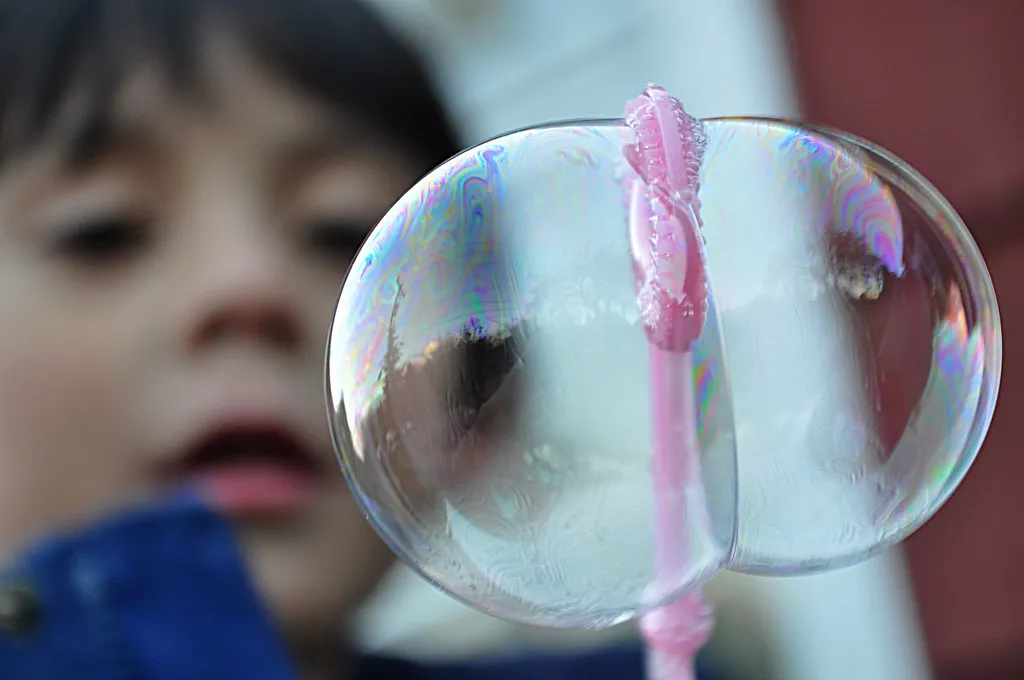
Mini bottles of bubbles are a non-candy option that’s always a crowd-pleaser. Kids can take them outside and blow bubbles after Halloween is over, making it a treat they can enjoy in a whole different way. There’s something about bubbles that holds up across every age group, every year, without ever really going stale.
Part of what makes bubbles work so well as a treat is that they’re inherently active. Kids don’t just hold them, they do something with them. Truly, what kiddo doesn’t love bubbles? Mini ghost-shaped bubble bottles during October have become a staple at many households that participate in the Teal Pumpkin Project, the FARE-led national campaign encouraging non-food Halloween options. In 2024, the Teal Pumpkin Project map had over 12,500 locations and 91 events, with representation in all 50 states and Washington, D.C.
6. Halloween-Themed Erasers and Pencils
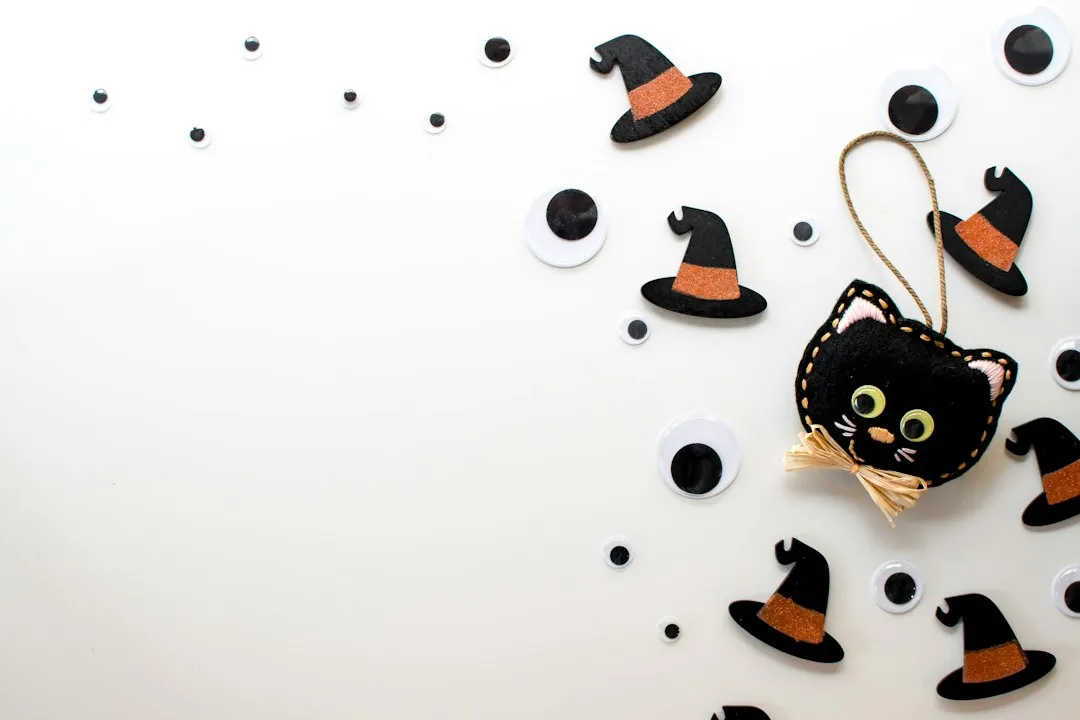
While a pencil or eraser might not seem like the most exciting option, kids can use them long after Halloween is over. Halloween-themed pencils make for a useful and festive surprise. Kids love using them at school to show off their Halloween spirit.
The key word there is “themed.” A plain pencil underwhelms. A ghost-shaped eraser or a pencil covered in jack-o-lanterns is a different story. Most schools now require non-food treats for class exchanges, with stickers, pencils, and small sensory toys covering every restriction without paperwork. That makes themed school supplies one of the most practically useful non-candy options a parent or giver can choose.
Many medical conditions can make candy off limits, and almost all kids love non-food treats like glow sticks or small toys. This way, no one gets left out. Halloween-themed stationery threads that needle neatly: it’s useful, it’s festive, and it travels to school the next morning as its own little brag.
Why Non-Candy Treats Have Real Momentum Now
One in 13 children in the U.S. has a food allergy, and many others are affected by food intolerances, yet many popular candies contain common allergens like nuts, milk, eggs, soy, or wheat, which can trigger serious reactions. For children with food allergies, Halloween can present new opportunities for accidental exposure instead of fun and joy.
According to a 2024 informal poll conducted by FARE, more than 65% of children with food allergies have had a negative Halloween experience because of their condition. That’s a striking number, and it helps explain why non-candy alternatives have moved from niche to mainstream so steadily over the past several years. Parents notice when a house makes their child feel genuinely included.
According to FARE, in 2024 the Teal Pumpkin Project map had over 12,500 locations and 91 events. Beyond the United States, 13 other participating countries were represented, spanning England, Australia, Mexico, Ireland, Germany, New Zealand, Singapore, India, Jamaica, Spain, France, Scotland, and Northern Ireland. A movement that started with one family in East Tennessee now shows up on doorsteps across the world.
What the Research and Trends Actually Show
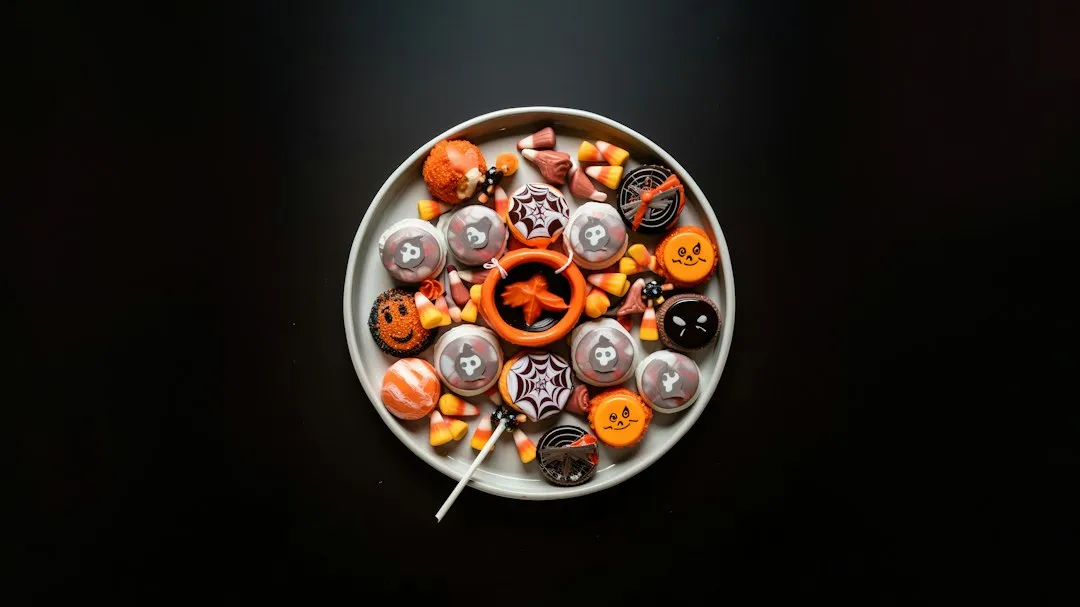
While it is difficult to avoid all the sugar that is an unavoidable part of the season, there are ways to increase the healthy options. With a little planning, there are many easy and creative ways to add healthy choices at parties and for trick-or-treating. That guidance comes from UConn Extension’s 2025 publication on healthy Halloween practices, a useful reminder that small swaps don’t require giving up the spirit of the holiday.
While kids might already have a bucket full of sweets, a fun toy or cool accessory stands out and gives them something to play with or use for days after Halloween. It’s also a great way to support kids who may have dietary restrictions. Non-candy treats solve two problems at once: they extend the joy of Halloween past a single evening, and they include children who would otherwise have to watch others dig through a bowl they can’t safely touch.
How to Pick the Right Non-Candy Treat
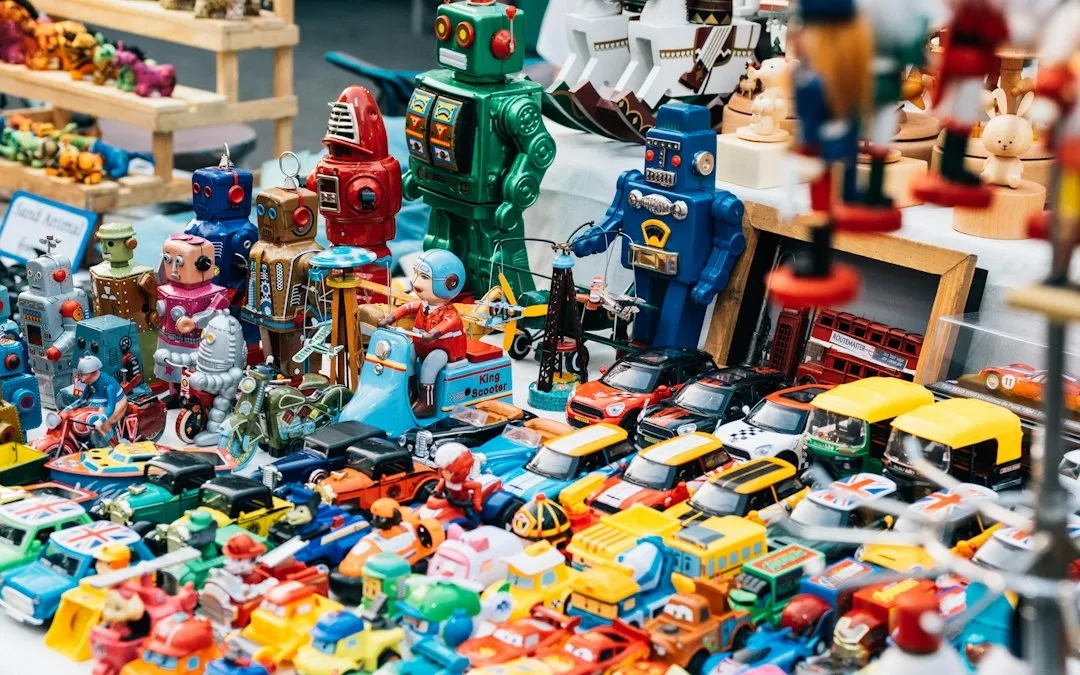
Not every non-candy item lands equally. Pencils and plain stickers tend to underwhelm. The ones that work share a common trait: they have play value. They do something, light up, stretch, squish, fly, or stick to a wall. If a child can interact with it immediately, it works.
Non-candy options for parents seeking healthier alternatives encourage anticipation and excitement for the holiday while promoting imaginative play. Budget-wise, the math works out too. Non-candy items bought in bulk often cost comparable amounts per unit to individually wrapped candy, sometimes less, with the added benefit of lasting well beyond the night itself.
The Takeaway
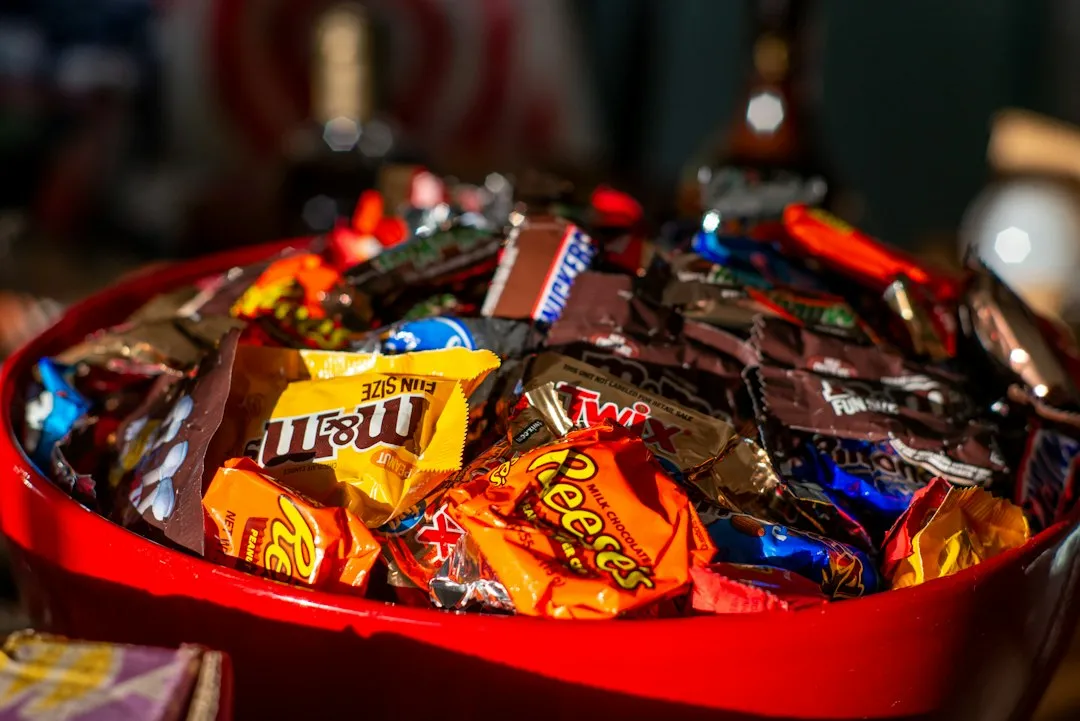
The shift toward non-candy treats isn’t a trend driven by joylessness. It’s driven by inclusion, practicality, and the simple observation that a small toy often creates a bigger reaction at the door than another piece of wrapped chocolate. For the nearly six million American children managing food allergies, a house with a non-candy bowl isn’t just thoughtful. It’s the one they’ll remember.
The six treats in this list, from glow sticks to themed erasers, have all earned their place through genuine kid enthusiasm, not marketing. Choose any one of them, and the odds are good that at least a few kids on your street will run home and tell someone about it.
AI Disclaimer: This article was created with the assistance of AI tools and reviewed by a human editor.