

The average American lawn demands a lot. Grass is a resource-heavy plant, requiring constant irrigation, mowing, and our time. That cost, in both money and effort, is nudging more and more homeowners to look elsewhere. Reducing the lawn is among the biggest trends in homeownership, and in the last few years alone, over 23 million American adults have converted part of their lawn to a natural landscape.
The good news is that groundcovers aren’t just a compromise. Replacing unused grass with low-water-use groundcovers saves water and reduces maintenance, but it also enhances biodiversity and improves soil health. Whether you’re dealing with a sun-baked slope, a shady patch beneath a tree, or a standard front yard, there’s a plant built for the job.
1. Creeping Thyme: The Fragrant, No-Mow Classic
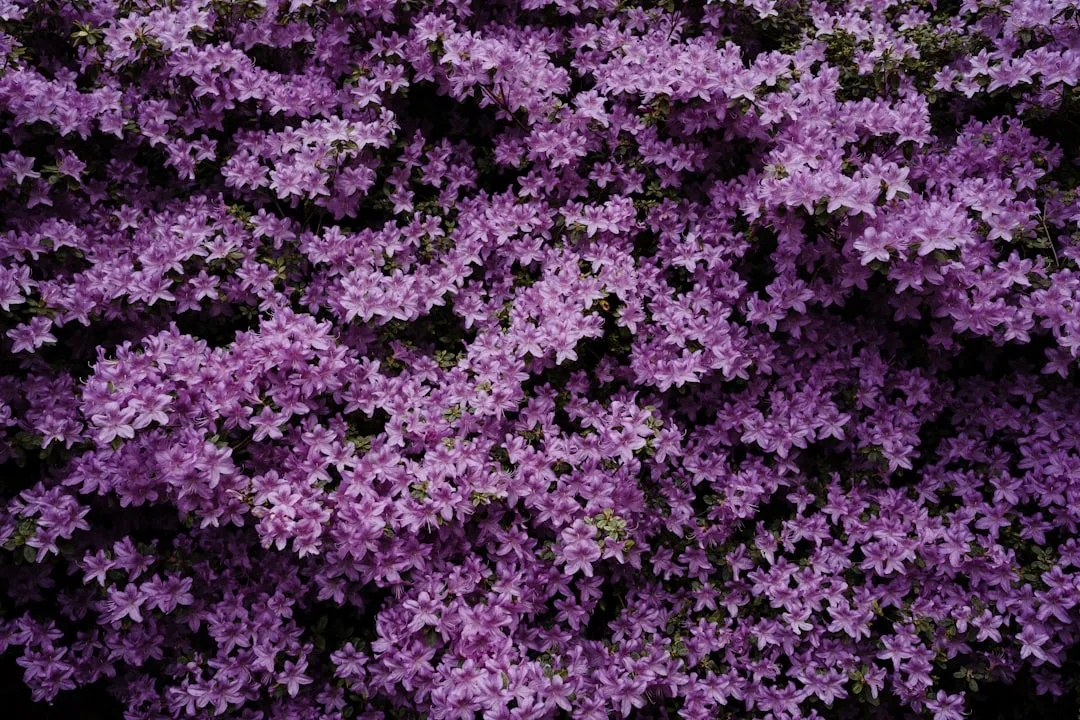
Creeping thyme has become one of the most talked-about lawn replacements in recent years, and it’s not hard to see why. It is quickly becoming one of the most popular lawn alternatives for gardeners looking to reduce maintenance, save water, and boost curb appeal, and it’s not only hardy and drought-tolerant but also bursts into a vibrant display of flowers in shades of pink, red, and purple.
Many creeping thyme species thrive on neglect, and the plant grows lush and thick without becoming too tall. Soft enough for bare feet but tough enough to handle some tread, a creeping thyme ground cover is an aesthetically pleasing and practical alternative to grass.
Creeping thyme also helps naturally avoid weeds in your lawn and performs well with little maintenance. Creeping cultivars are drought-tolerant after they establish themselves, and they grow well through hot summers. With proper preparation and care, creeping thyme can provide a lovely, fragrant ground cover that’s evergreen in USDA zones 4 to 9, and will typically come back in colder zones.
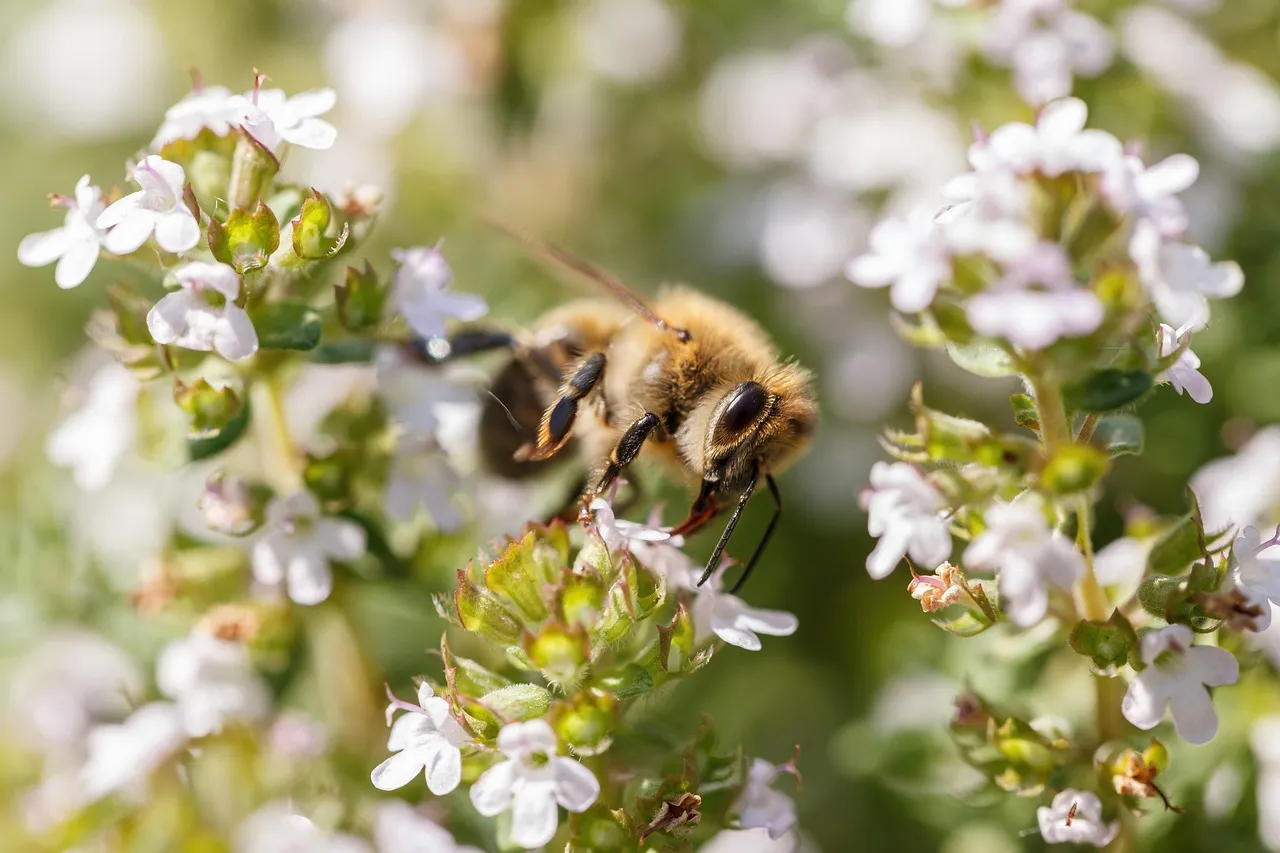
In spring, creeping thyme erupts into bloom with pink, white, or purple flowers. The flowers are a boon to butterflies and bees, providing nectar during the growing season.
2. White Clover: The Nitrogen-Fixing Lawn Workhorse
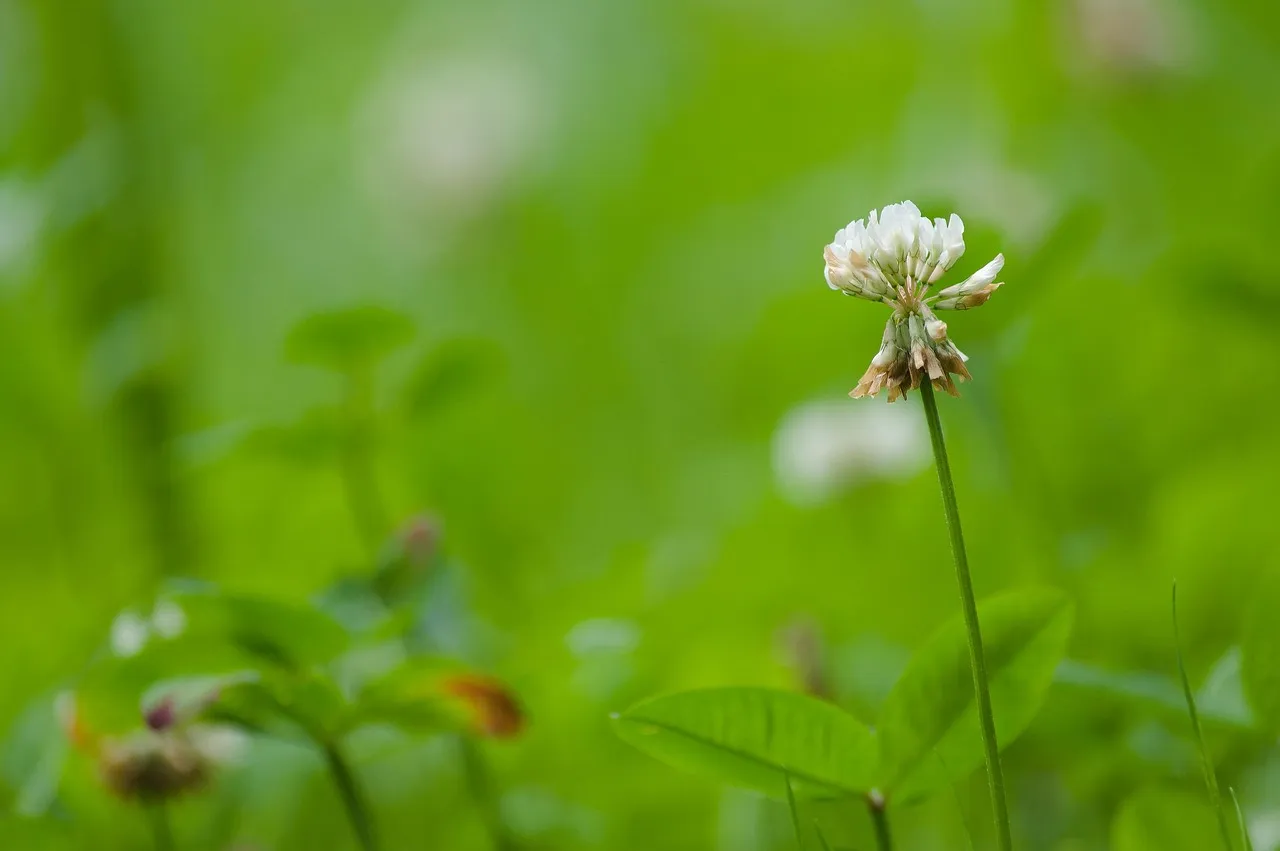
White clover has gone from being treated as a lawn weed to being recognized as one of the smartest lawn replacements you can plant. Clover has emerged as a popular choice for homeowners seeking a vibrant, low-maintenance lawn alternative or supplement, offering benefits for residential landscapes from natural nitrogen fixation and weed suppression to improved soil health and pollinator support.
One of the primary benefits of using clover is its ability to fix nitrogen from the atmosphere, enriching the soil and reducing the need for chemical fertilizers. That alone can eliminate a significant recurring expense. Clover’s dense growth also helps suppress weeds, maintaining a clean and tidy look.
Once established, clover lawns need very little watering. They can endure drought by developing a strong, dense root system that reaches deep into the ground for water. Its flowers attract bees, butterflies, and other beneficial insects that promote biodiversity in your yard or garden.
3. Ajuga (Bugleweed): The Shade-Lover With Bold Color
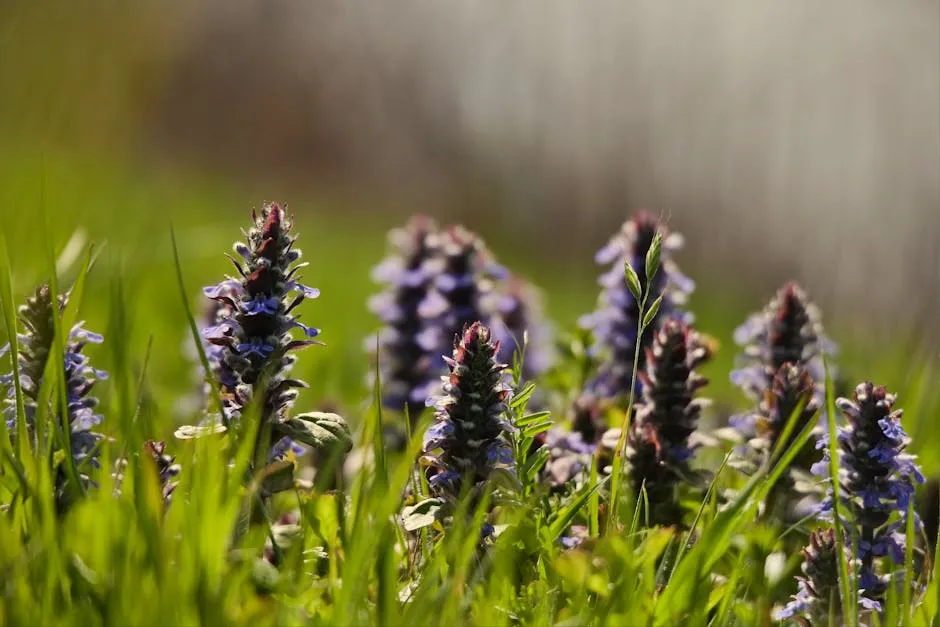
If your yard has difficult shady patches where grass refuses to cooperate, ajuga might be exactly what the space needs. Ajuga reptans, or Bugleweed, is a low-growing, evergreen groundcover that’s incredibly popular for its violet-blue flowers in spring and for its stunning deep purple foliage throughout the growing season.
The fact that ajuga is from the mint family means it has no trouble spreading quickly and thickly, so it’s very effective as a groundcover, especially in areas where it’s too steep or narrow to maintain grass. Ajuga isn’t fussy about sunshine and it can be a nice choice for shady areas, though a mix of sun and shade is actually ideal. It’s very adaptable and doesn’t require a lot of babysitting.
You can plant ajuga by banks or slopes, as it helps fill in these areas so weeds don’t just take over, and it can even help control soil erosion. Happily, ajuga is fairly deer resistant. Typical garden pests like deer, rabbits, and chipmunks just don’t like the scent of ajuga, and mostly leave it alone.
4. Sedum (Stonecrop): Built for the Dry and Sunny Spots
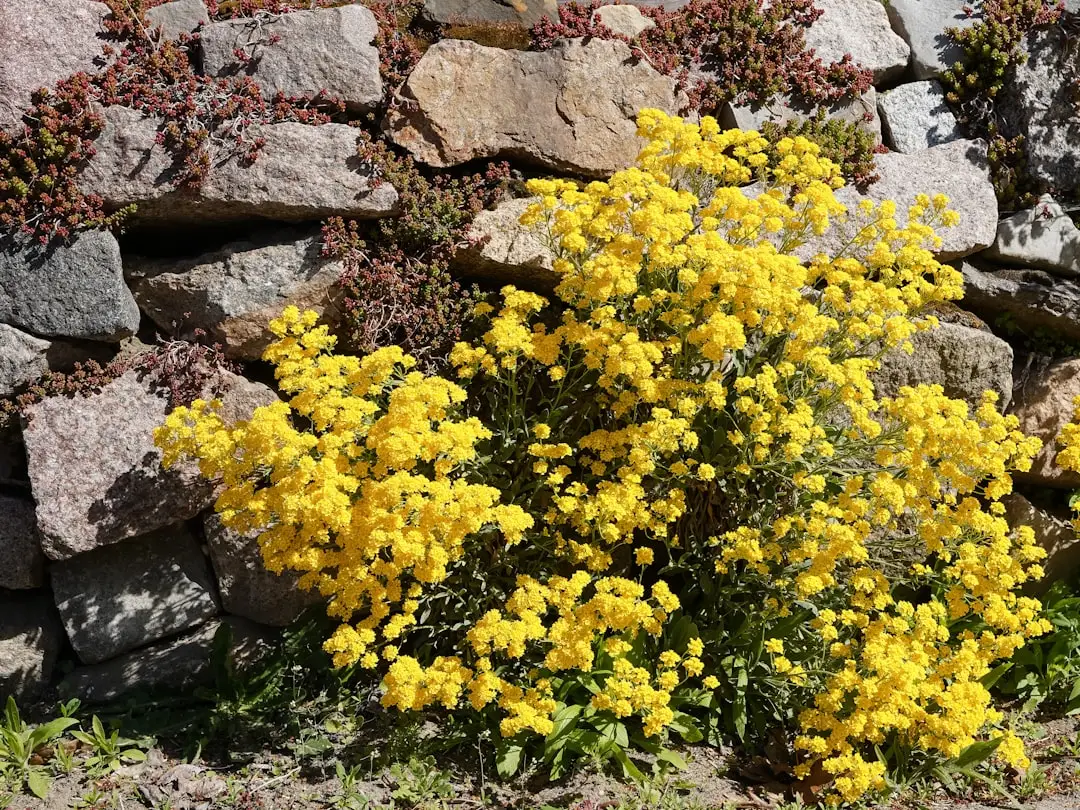
Sedum earns its place on this list simply by surviving where other plants give up. Spreading sedums handle extreme conditions that would stress other plants, like drought, poor soil, and intense sun. They’re perfect for areas where you want coverage but can’t provide regular watering. The succulent nature means they store water in their leaves, allowing them to survive extended dry periods.
Sedum is a fast-growing, no-fuss plant with few pest and disease issues and wonderful drought tolerance. In theory, growing sedum lawns seems like a perfect substitute for traditional nitrogen-sucking, high-maintenance turf grass. This tough succulent offers tons of varieties and is extremely drought resistant.
Worth noting: sedum works best in low-traffic areas. The only drawback with growing sedum lawns is its inability to take heavy foot traffic. The leaves and stems are fragile and break off easily, but for lightly used areas it will create a wonderful textured green groundcover. Placing stepping stones through a sedum patch is a practical way around this limitation.
5. Pachysandra: The Go-To for Deep Shade
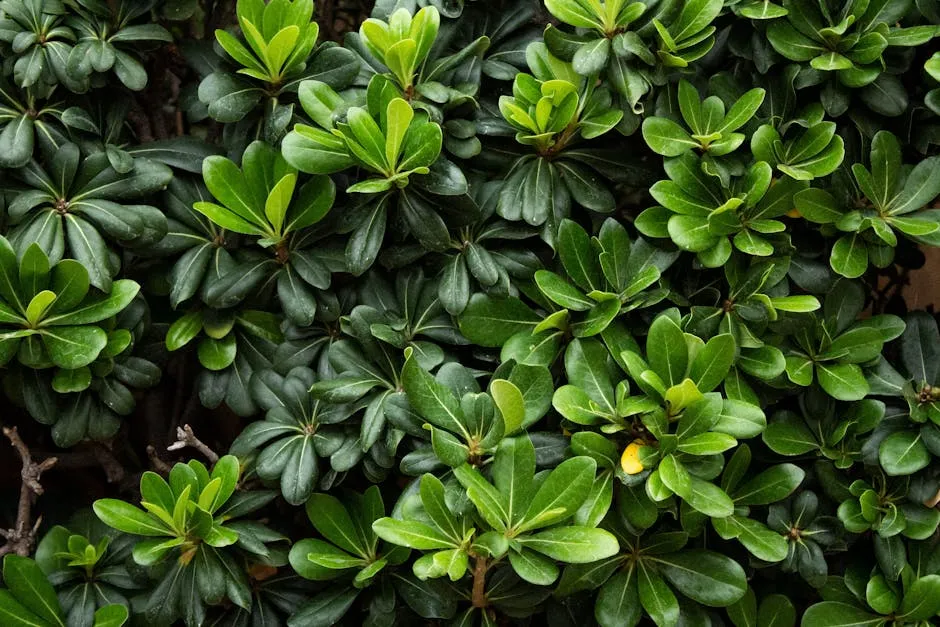
Pachysandra is one of the most reliable choices a homeowner can make for a deeply shaded area where grass has essentially given up. If you’ve got a shady area where grass gives up, pachysandra might be your ideal ground cover. It forms dense colonies of glossy green leaves that stay attractive year-round. Small white flowers appear in spring, but the foliage is really the main event. Pachysandra prefers shade and consistent moisture, thriving in conditions that challenge many other plants.
The shade-loving evergreen never needs cutting. Hardy to zone 4, it grows up to 10 inches tall and in spring blooms with white or pink spikes. As an evergreen option, pachysandra provides year-round greenery in shady areas.
Pachysandra spreads via underground runners, gradually filling available space without being pushy about it. That measured pace makes it easier to manage than some more aggressive groundcovers, and once it’s established across a shaded bed, it tends to hold its territory with very little help from you.
6. Kurapia: The Water-Saving Modern Alternative
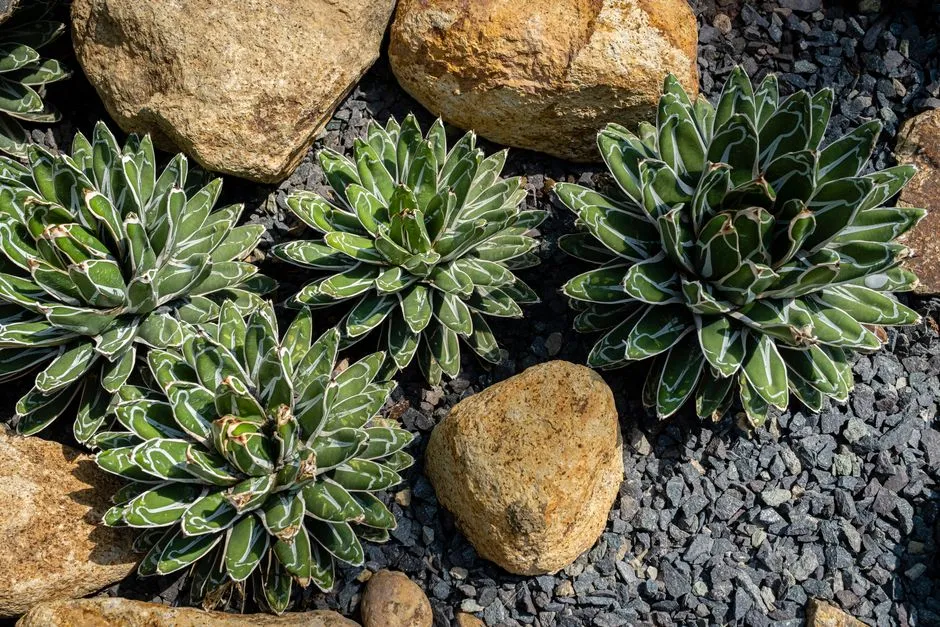
Kurapia is a relatively newer groundcover option that’s been gaining serious attention, particularly in drier parts of the country. This drought-tolerant lawn alternative can use up to 60% less water than traditional turf grass, and it has a very tight and dense growth habit reaching only 1 to 3 inches high, making mowing optional.
It can be grown in full sun to part shade and can withstand light foot traffic. From May to November it has small white flowers. Phyla nodiflora, the plant behind Kurapia, is a low-growing groundcover from the verbena family found in warm climates worldwide, with new subspecies currently being studied and trialed for sod use. It is mowing-optional, pollinator-friendly, and incredibly drought-tolerant.
It’s been used in parking strips because it can tolerate hot and dry conditions. For homeowners in warmer USDA zones who want something that genuinely mimics the look of a traditional lawn while cutting water use significantly, Kurapia is worth a careful look.
Why Groundcovers Make Financial and Environmental Sense
Beyond aesthetics, the case for switching is practical. Groundcovers whose requirements fit the existing conditions of a site will require less fertilizer, pesticides, and mowing than traditional turf grass. Less fertilizer and pesticides means less potential for pollution of runoff stormwater, and reducing lawn mower use cuts down on a significant source of air pollution.
Though individual plants cost more in the short run than turf grass, long-run upkeep costs will generally be lower for groundcovers that fit your site conditions than for ill-adapted turf grass. Over several seasons, the savings in water bills, fertilizer costs, and mowing time tend to add up considerably.
Groundcovers can improve soil quality by adding organic matter and preventing soil erosion. Additionally, they can help cool the area, reducing the heat island effect common in urban landscapes. Diversity of vegetation supports a diversity of insects, the basis of the food web for local and migrating birds, small mammals, amphibians, and reptiles, as well as a variety of other beneficial wildlife.
How to Choose the Right Groundcover for Your Yard
No single groundcover suits every yard, which is actually good news because it means there’s almost always a well-matched option for your specific conditions. Unlike traditional lawns that require regular mowing, fertilizing, and pest control, groundcovers are generally low-maintenance. If you put the right plant in the right location, considering sunlight exposure, size, and soil type, it will require little maintenance or trimming.
If the garden gets lots of foot traffic like near paths or where kids play, choose ground covers that can tolerate harsh conditions. Creeping thyme or Irish moss can handle people walking on it and bounce back into its shape fast, making them a smart ground cover alternative to grass for creating a low-maintenance and attractive lawn.
Like grasses, many groundcover plants tend to be aggressive spreaders, so plant them only in areas where they can be contained. It’s also worth checking with your local cooperative extension before planting anything unfamiliar. Some groundcover plants are considered invasive species, and their use may be regulated in some areas. Getting that detail right upfront saves a lot of trouble later.
Getting Started: What to Expect in Year One
The first year of any groundcover transition takes more patience than effort. Groundcovers require far less long-term maintenance than turf after establishment, and they provide additional benefits including erosion control, a reduction in chemical usage, a boost in biodiversity, and mitigation of climate change as a carbon sink.
To remove turf, various methods may be employed to kill existing turf grass. One effective option is to cover your planned beds with a thick layer of newspaper or cardboard for 2 months, which suffocates the existing turf and weeds. This sheet-mulching approach is inexpensive and avoids the need for herbicides.
If you’re patient, you can divide and multiply your plants for free the following year without having to break the bank, although most of these species do spread fairly quickly. Unlike turf lawns, these plants are able to endure periods of low water once established, so you can adjust or turn off the sprinklers. The first growing season is the investment; after that, the maintenance picture changes considerably in your favor.
The Bigger Picture: Lawns, Water, and Changing Landscapes
The shift away from traditional turf isn’t just a design trend. As we increasingly feel the impact of a warming climate, the need for sustainable landscaping practices becomes more critical. Water-intensive lawns are facing growing scrutiny in drought-prone states, and many municipalities have introduced rebate programs specifically for homeowners who remove turf.
Groundcover alternatives offer many benefits, including cooling the soil, promoting biodiversity, and providing food and shelter for insects and pollinators. Unlike the high-water-use monoculture of grass, these low-water-use groundcovers add color and texture to your landscape while helping you save water.
Many groundcovers, such as Ajuga and Lamium maculatum, improve soil health by acting as living mulch, enhancing moisture retention, and promoting beneficial microorganisms. Groundcovers also help regulate soil temperatures, protecting plant roots from extreme heat in summer and insulating them from harsh cold in winter. In that sense, a well-chosen groundcover isn’t just replacing a lawn. It’s quietly improving everything around it.
A Final Thought on the Trade-Off
Replacing a traditional lawn isn’t about giving something up. It’s about redirecting that effort toward something that gives more back. Groundcovers offer a wide range of textures, colors, and flowering times, providing visual interest throughout the year. Unlike grass, which tends to have a uniform appearance, groundcovers can be selected for their contrasting foliage, vibrant flowers, and unique growth habits.
Groundcovers fulfill important design functions such as providing transition between lawn and shrub plantings, unifying scattered trees and shrubs, softening the edges of hardscape, or setting off a specimen plant. They also eliminate dangerous and difficult mowing situations on slopes, in tight corners, or against buildings, fences, or walls.
The six options covered here span nearly every growing condition a typical yard presents, from full sun to deep shade, from sandy soil to clay. The best place to start is wherever your lawn is already struggling, because that’s exactly where a well-matched groundcover will thrive. Some of the most rewarding garden transformations begin in the spots where grass never really stood a chance.
AI Disclaimer: This article was created with the assistance of AI tools and reviewed by a human editor.