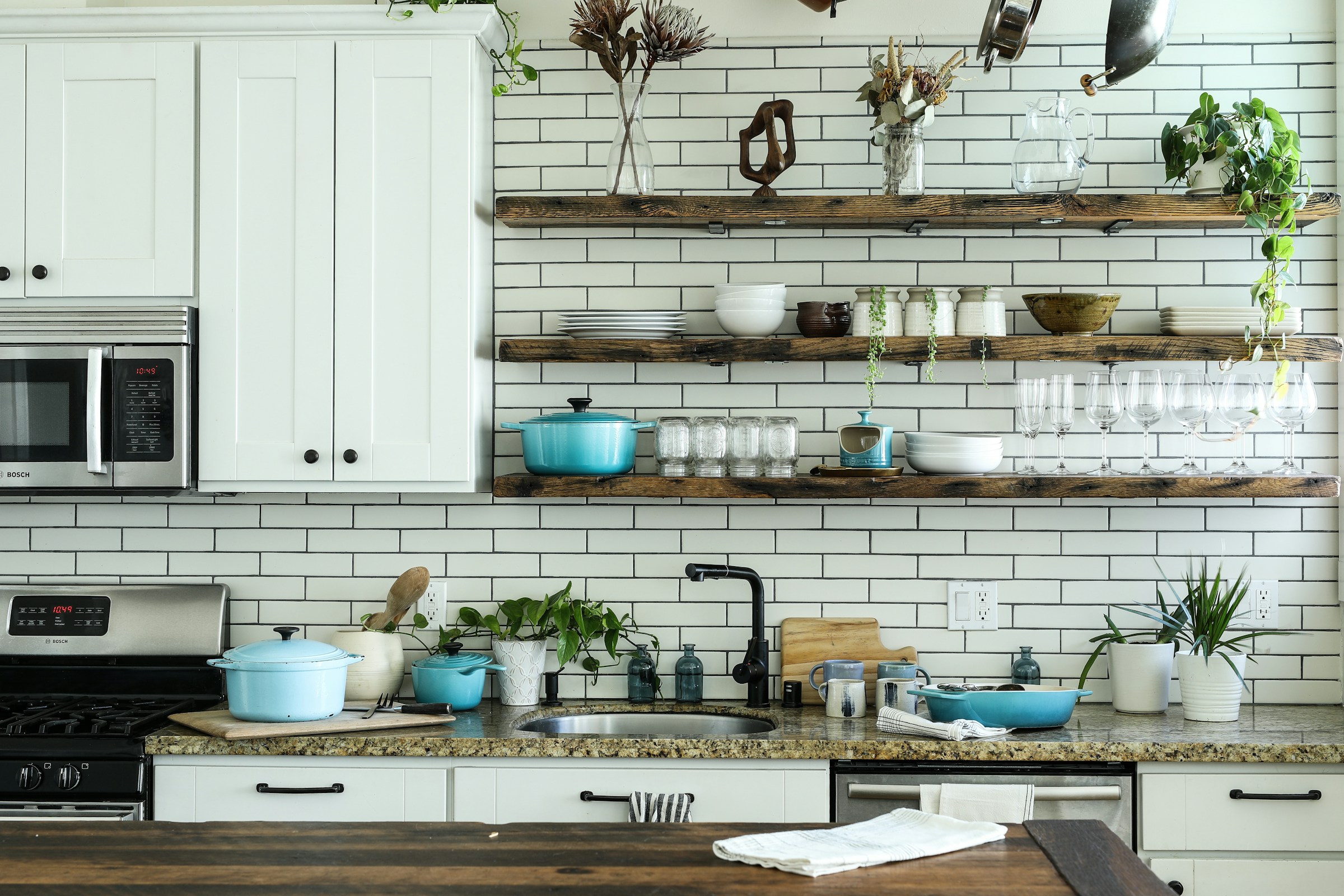

Walk into most home kitchens and you’ll find at least one gadget still in the box, quietly judging you from the back of a cabinet. The kitchen tool industry is enormous, and the gap between what gets marketed to home cooks and what professionals actually reach for every single day is wider than you’d expect.
Professional kitchens run lean. There’s no room for a device that does one thing adequately when a knife, a pan, or a spoon does it better and handles a dozen other tasks besides. That philosophy turns out to be a pretty good guide for your home kitchen, too. Here’s the honest breakdown from the people who cook for a living.
1. The Microplane Zester: A Small Tool with an Outsized Impact
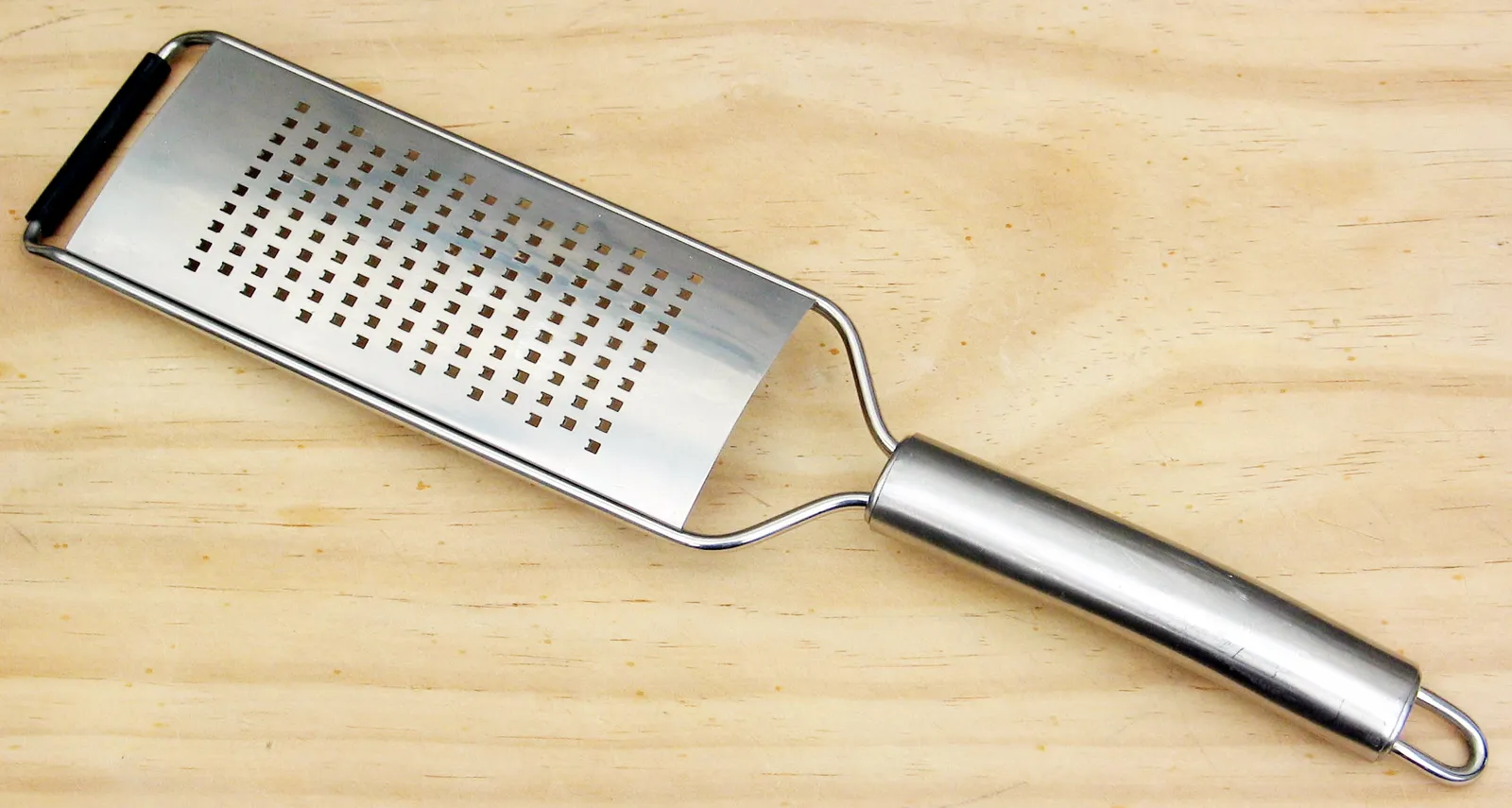
If there’s one tool that comes up again and again when professional chefs are asked what they can’t live without, it’s the Microplane. The humble yet versatile microplane zester effortlessly grinds the rinds of citrus fruits and can also grate garlic, ginger, and hard cheeses.
Often called a “zester,” the Microplane is specific to the brand name and comes in many shapes and sizes. It’s perfect for hard cheeses, spices, and grating ginger or garlic, and is a popular tool among chefs for plating and finishing dishes.
Made from etched stainless steel in the USA, it stays sharp for years and is standard issue in restaurant prep kitchens. Many chefs use these professionally and keep the same one for a decade. That’s remarkable value for what is typically a very modest purchase.
2. The Instant-Read Thermometer: Taking the Guesswork Out of Proteins

Professional chefs rely on a microplane and an instant-read thermometer to help speed things up. The thermometer takes the guesswork out of cooking proteins, and a Microplane is a quick way to add citrus, garlic, or cheese.
A digital instant-read thermometer is the most accurate and consistent method of getting perfectly cooked beef, pork, and poultry. Using an instant read is the preferred way to temp most proteins in the professional kitchen.
The instant-read thermometer eliminates protein guesswork. A medium-rare steak hits 130°F and chicken breast reaches a safe 165°F in under three seconds of reading time. It’s one of those purchases that genuinely makes you a better cook immediately.
3. The Bench Scraper: The Tool Most Home Cooks Have Never Tried
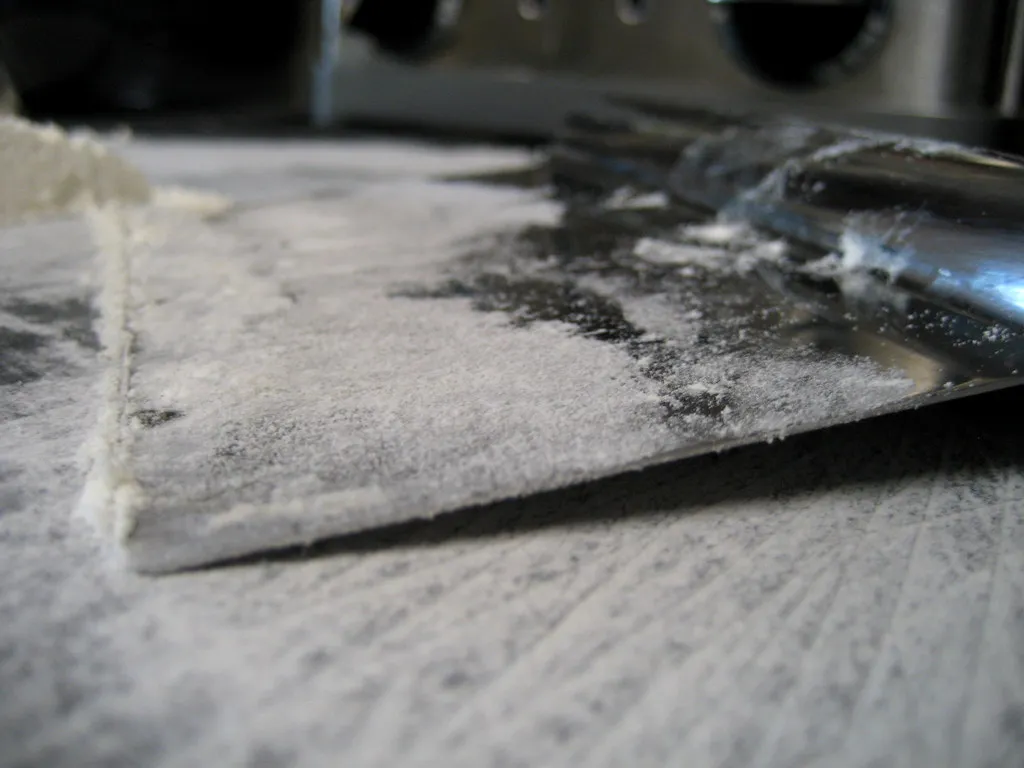
A bench scraper is one of the most versatile kitchen tools. It’s excellent for dividing dough, transferring chopped ingredients, or keeping your work surface clean and organized. Yet it rarely makes it onto the average shopping list.
Professional bakers and cooks call the bench scraper indispensable. It moves food, cleans surfaces, and portions dough. It’s made of stainless steel, lasts essentially forever, and costs almost nothing, coming up in every professional cook’s “what I actually use” list.
A bench scraper transfers chopped ingredients cleanly, portions dough, and keeps cutting boards organized during multi-step recipes. At under fifteen dollars, it’s probably the most underpriced tool in professional cooking.
4. The Chef’s Knife: The One Splurge That Actually Matters
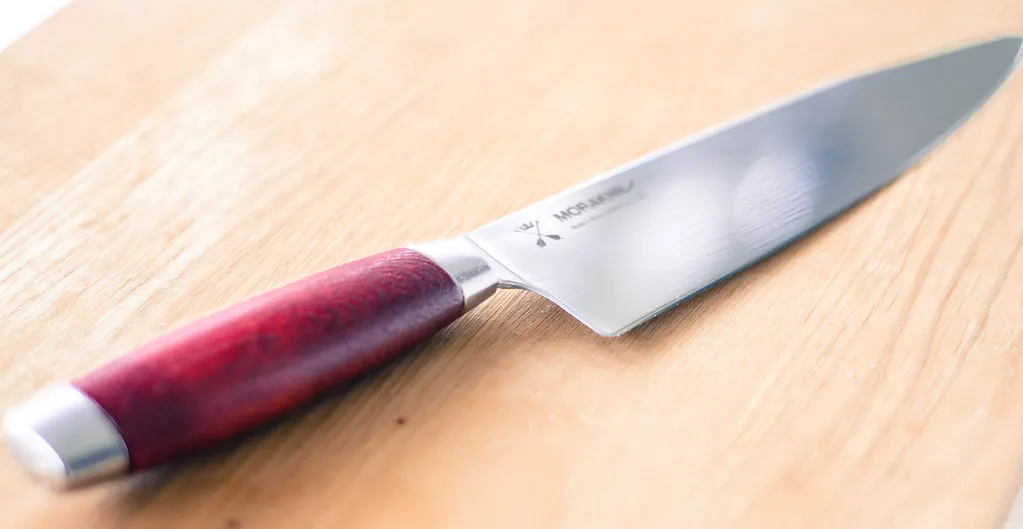
Every serious cook eventually comes to the same conclusion: most gadgets are negotiable, but the knife is not. As a professional chef for over 25 years, the essential knife set encompasses all the blades you’ll require for culinary endeavors at home, including a chef’s knife, a bread knife, a utility knife, and a paring knife.
Never subject kitchen knives to the harsh conditions of a dishwasher. Instead, entrust them to routine professional sharpening, ideally performed by a reputable cutlery sharpening company, at least once or twice a year.
A quality chef’s knife, properly maintained, will outlast almost any other tool in the kitchen. The brand matters less than the fit in your hand and the consistency of the edge. Buy well, care for it, and don’t rush the decision.
5. The Cast-Iron Pan: Workhorse of the Professional Kitchen
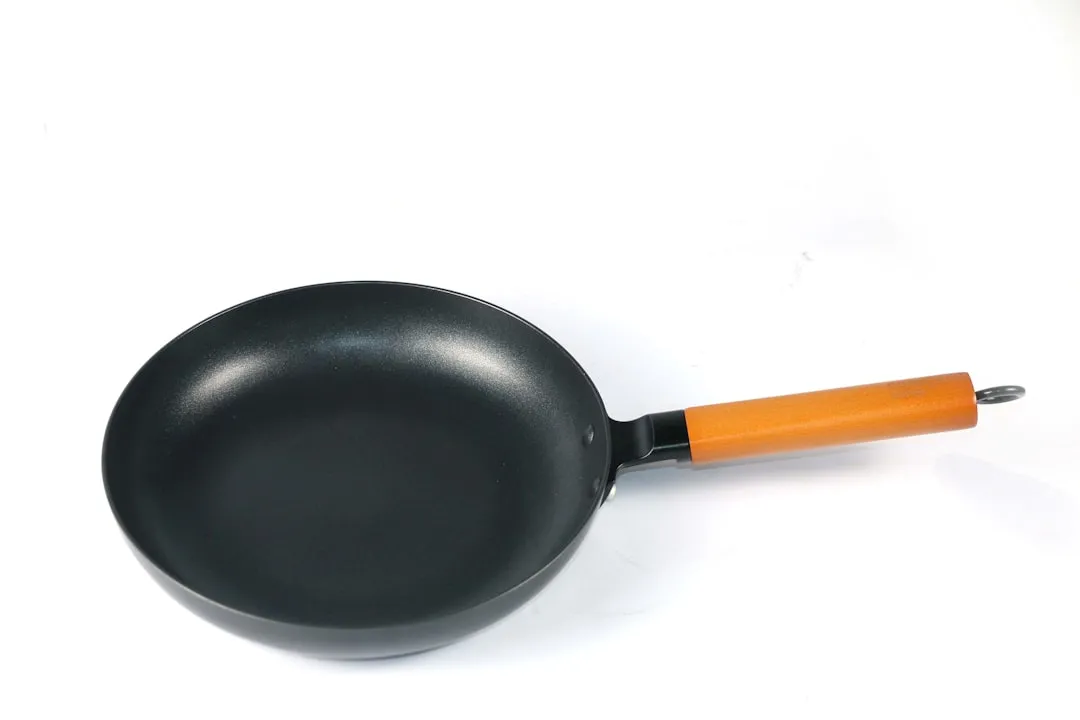
If you want to sear chicken breast or steak like a pro, a cast-iron pan is essential. It provides a flawless sear every time, conducting heat well. It’s an ideal pan to use when trying to caramelize the surface of red meat or poultry.
With a little care and attention known as seasoning, a cast-iron pan could last a lifetime, and it will get better with age. That’s a genuinely rare quality in any kitchen tool. Most things degrade with use. Cast iron improves.
Restaurant-grade, these pans never warp and are found in every professional kitchen, not the nonstick-coated ones from department stores. The learning curve is real but short, and the results tend to be noticeably different from what a standard pan delivers.
6. The Immersion Circulator (Sous Vide): Once Reserved for Restaurants, Now Accessible
Previously, sous vide gadgets were almost exclusively used by high-end restaurants. More recently, prices have come down to where they can be relatively affordable additions to your kitchen.
Sous vide machines allow precise temperature control for perfectly cooked meats, vegetables, and eggs. These machines ensure even doneness and help retain nutrients and flavor. That’s a meaningful difference, especially for proteins that are expensive or easy to ruin.
Many chefs opt for this method when they have to cook multiple meats. There’s no chance of overcooking and burning the food, so you’re not looking over your shoulder all the time. For a busy dinner service or a complex home meal, that kind of reliability is hard to put a price on.
7. The Garlic Press: Chefs Skip It Every Time
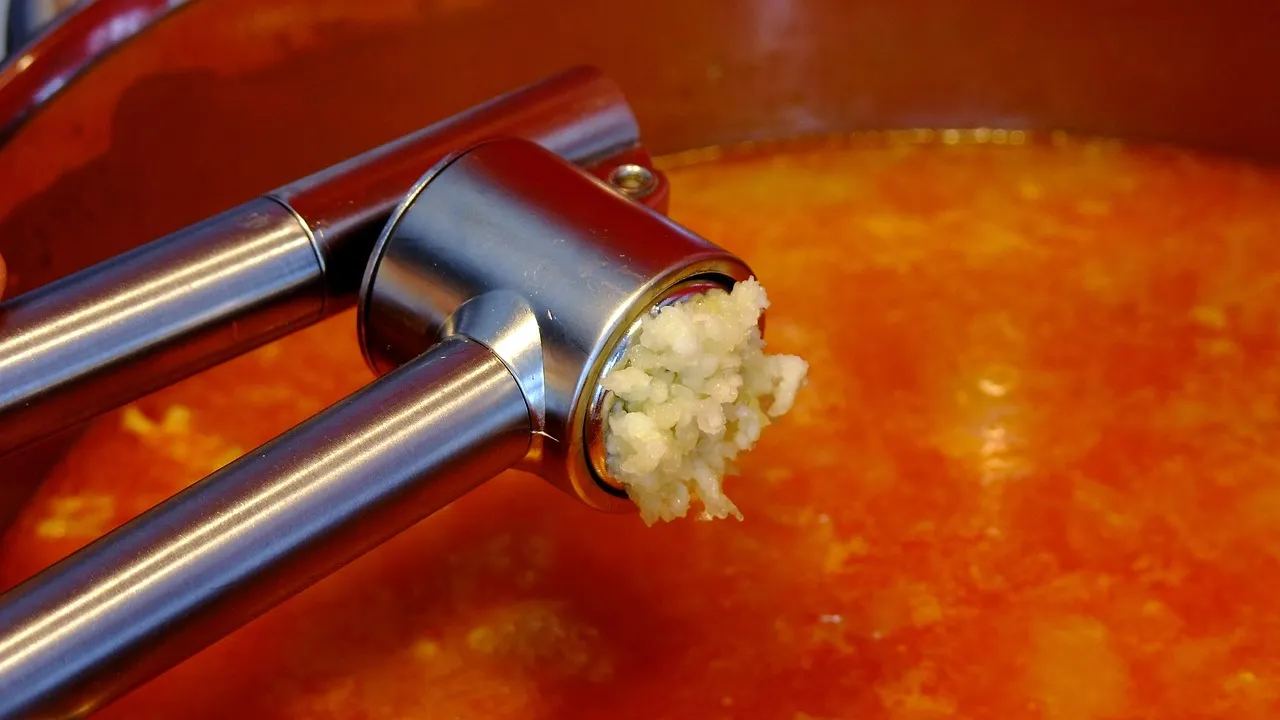
Now for the other side of the list. The garlic press is perhaps the most universally dismissed tool among professional cooks. As convenient as a garlic press may appear, it can be time-consuming to clean after use and even lends itself to food waste, tending to waste garlic by trapping it within its mechanisms.
Garlic presses aren’t seen as crucial tools by professional chefs. The garlic comes up round the edge, makes a mess, and the press takes longer to clean than the time you save crushing the garlic.
Professional chefs recommend sticking with a knife for garlic-related needs. Cooks can use the flat side of a knife to crush garlic cloves and finely chop afterward. It’s faster, cleaner, and the skill takes about ten minutes to learn.
8. Single-Use Choppers and Vegetable Slicers: More Clutter Than Value
Kitchen gadgets that only serve one function just get in the way and are hardly ever used due to their specialization. All the various “chopper” style gadgets usually replace what could be considered a basic knife skill, and it’s better to just use a knife rather than clutter your kitchen with more plastic.
There’s no room for a device that does one thing adequately when a knife, a pan, or a spoon does it better. Home kitchens tend to run the opposite way, stuffed with unitaskers, specialty slicers, and gadgets that seemed indispensable in the store and have since migrated to the back of a drawer.
The pattern here is consistent. The worst offenders according to culinary experts are single-task tools that barely get used but monopolize precious space in cabinets and on counters. Saving ten seconds of prep time rarely justifies an entire drawer of one-trick devices.
9. The Avocado Slicer: Popular Online, Useless in Practice
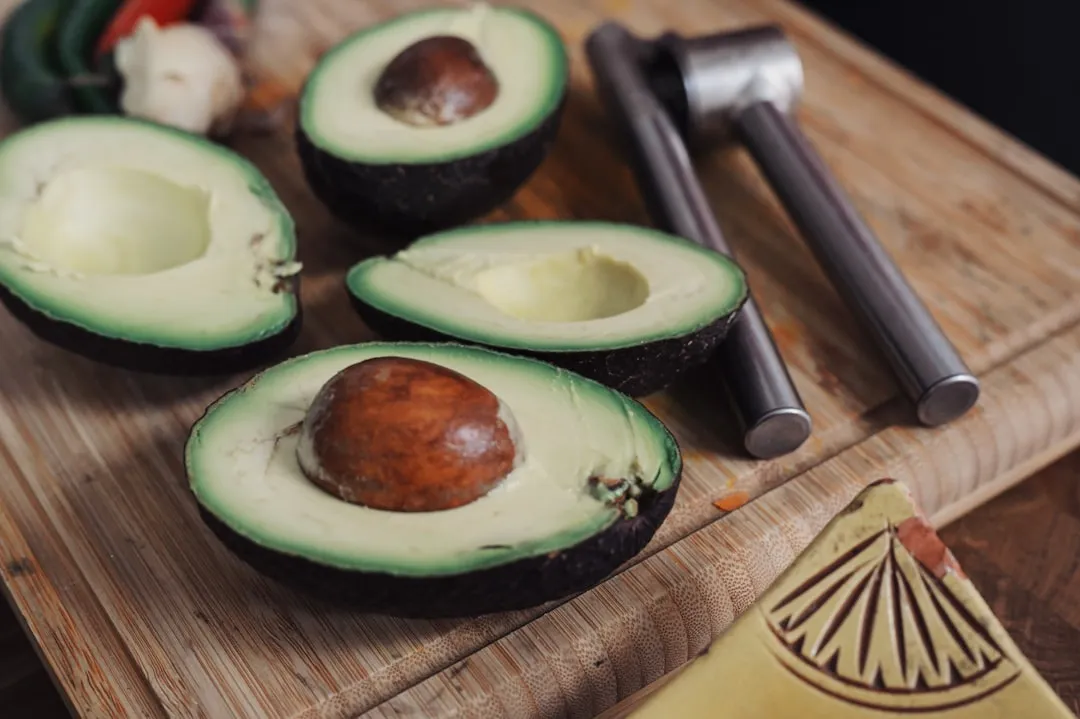
Social media loves the avocado slicer. Professional chefs, uniformly, do not. Both fine dining chef Dennis Littley and executive chef Nic Vanderbeeken agreed that a single-use gadget like an avocado slicer isn’t worth the price tag. In Littley’s experience, the gadget tends to be more cumbersome than helpful, and its design often results in mangled avocado flesh rather than clean slices.
Instead of buying an avocado slicer, both chefs agreed that a simple knife works just as well and yields superior results. As an added bonus, it won’t clutter your kitchen drawer.
This one is a good case study in the gap between how things look on a product page and how they actually perform. The avocado slicer photographs beautifully and solves a problem that a sharp knife already handles perfectly well.
10. The Electric Can Opener: Convenience That Comes at a Cost
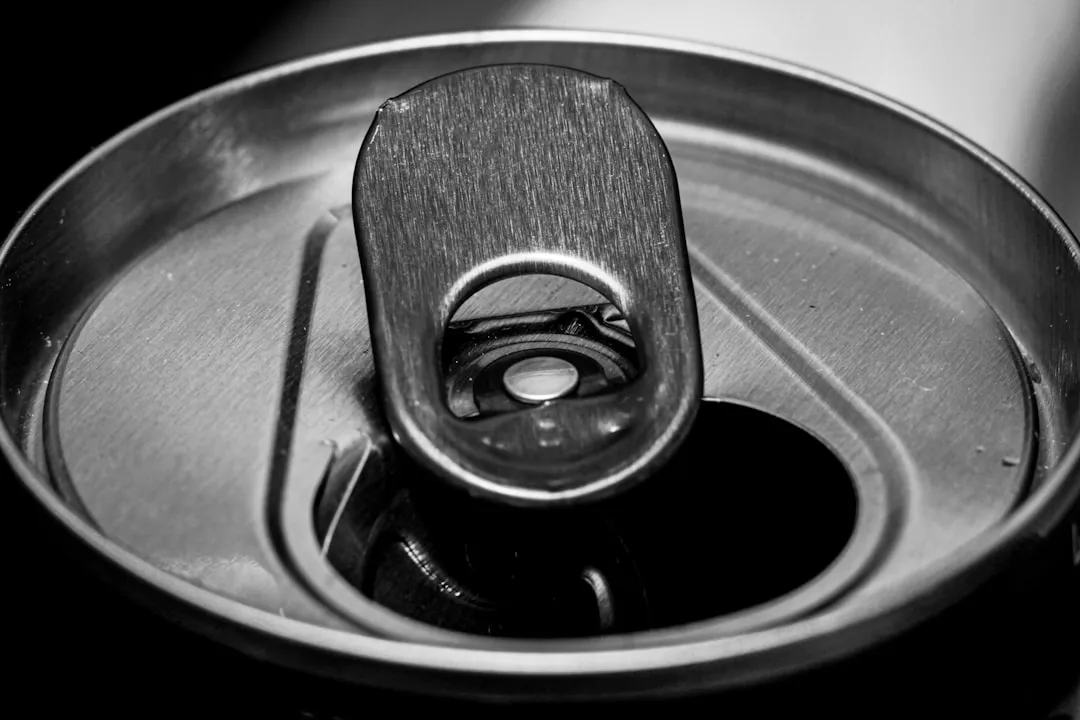
An electric can opener might seem like it’s worth buying, but in practical experience, electric can openers take up counter space and even break down more frequently than manual can openers.
Counter space is one of the most finite resources in any kitchen, professional or home. A tool that occupies a permanent footprint on your workspace needs to earn that real estate every single day. The electric can opener rarely does.
The past few years have seen a surge in kitchen gadgets designed for home cooks who want precise meal prep or effortless cleanup without compromising style. The electric can opener is a reminder that convenience-first marketing doesn’t always translate into a better kitchen experience. A small, inexpensive manual opener does the same job and fits in a drawer.
The Takeaway
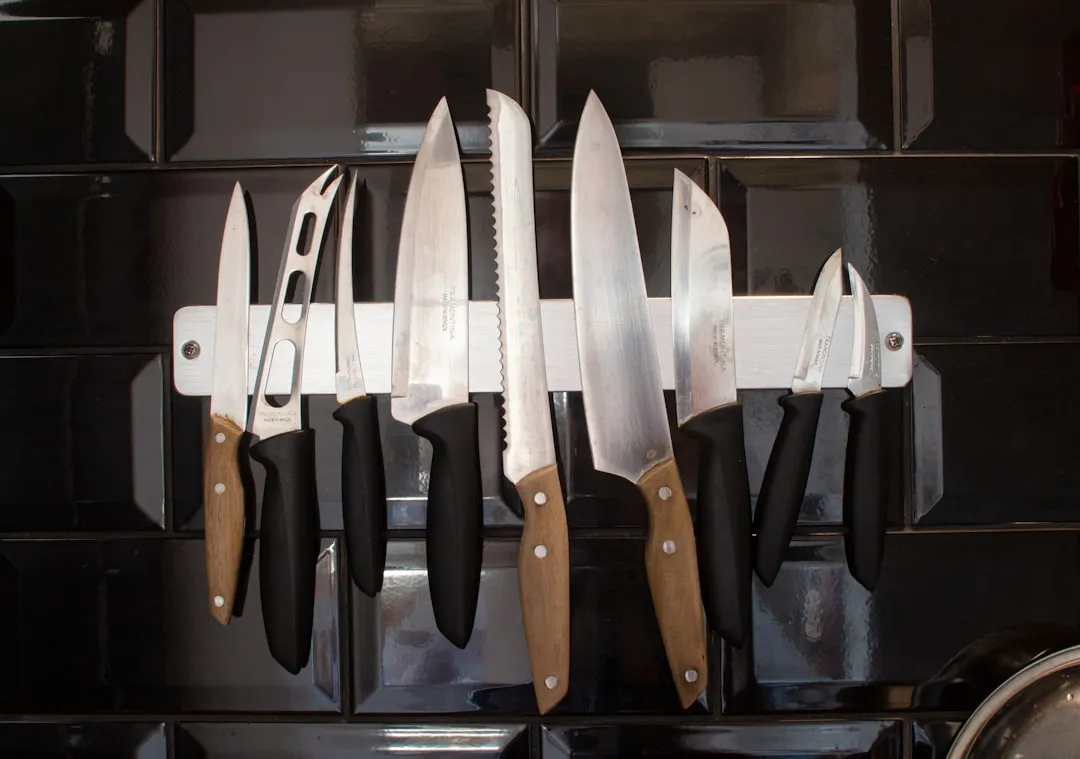
The through-line across every tool that professional chefs actually own is pretty simple: versatility and reliability over novelty. The Microplane, the bench scraper, the cast-iron pan, the instant-read thermometer, a great knife, and a sous vide circulator all earn their place by solving real problems across a wide range of cooking tasks.
The tools they avoid tend to share a different trait. Trendy kitchen tools have devoted influencer fan bases and look really pretty in photos and videos, but some professional chefs question their effectiveness and their dollar value. That’s worth remembering the next time something catches your eye at checkout.
Fewer tools, better quality, and a willingness to develop actual knife skills will outperform any collection of single-use gadgets. That’s a principle that holds up whether you’re cooking in a Michelin-starred restaurant or just trying to get dinner on the table on a Tuesday night.
AI Disclaimer: This article was created with the assistance of AI tools and reviewed by a human editor.